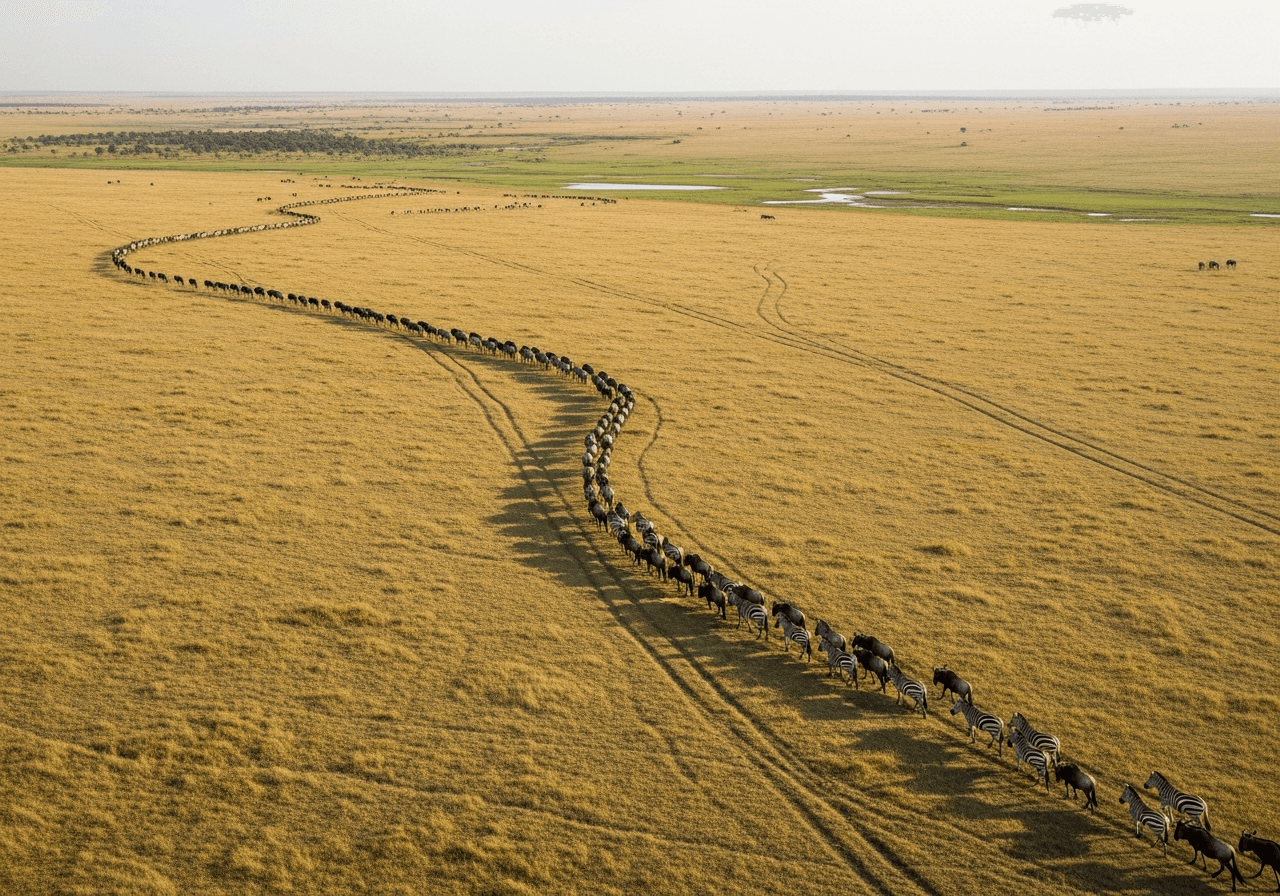
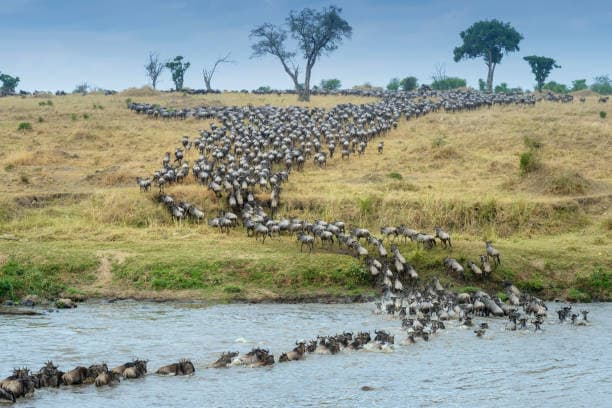
Serengeti National Park is Tanzania's oldest and most celebrated national park, protecting roughly 14,750 square kilometres of savannah in the country's north. It is the stage for the Great Migration — the annual movement of over 1.5 million wildebeest — and supports one of the largest lion populations in Africa.
The park's name comes from the Maasai word "siringet", meaning "endless plains", and the landscape lives up to it magnificently: short-grass plains in the south, riverine woodland and granite kopjes through the centre, and rolling hills toward the Mara River in the north. A UNESCO World Heritage Site, the Serengeti anchors an ecosystem that extends into Kenya's Maasai Mara and the Ngorongoro highlands.
What Is the Serengeti Known For?
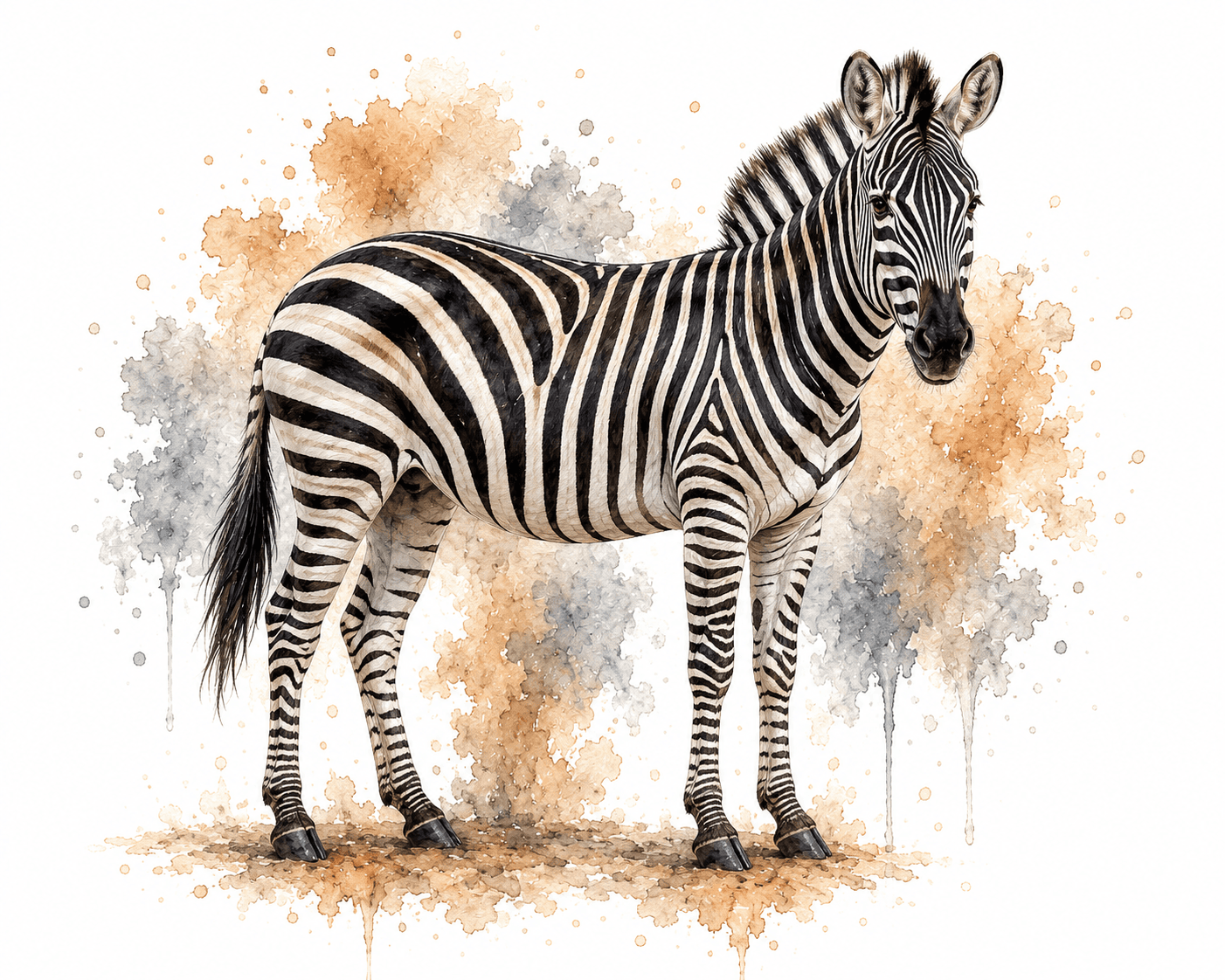
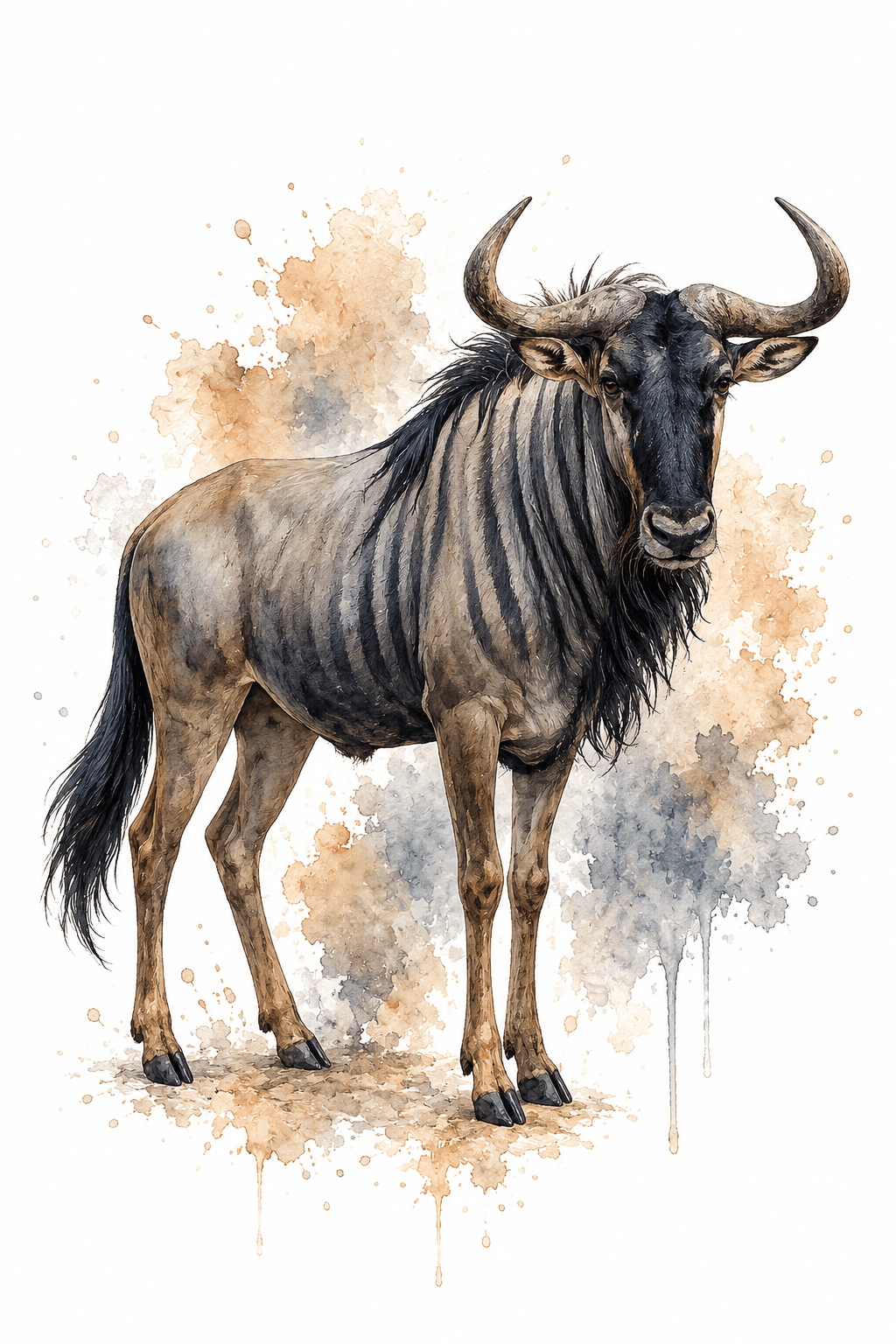
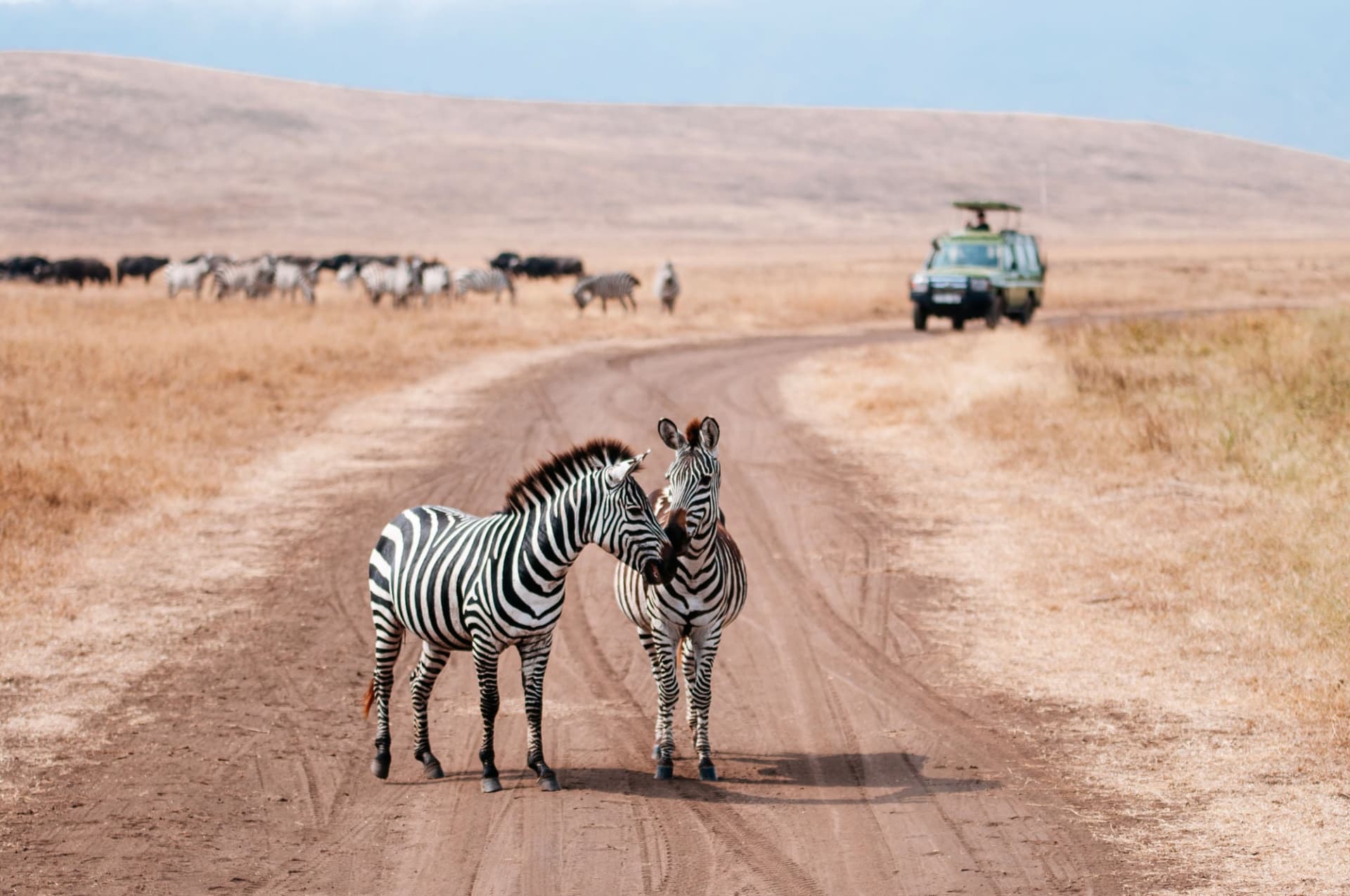
- The Great Migration of over 1.5 million blue wildebeest and hundreds of thousands of plains zebra
- Dramatic river crossings in the north between June and October
- Calving season on the southern plains from January to March, when predator action peaks
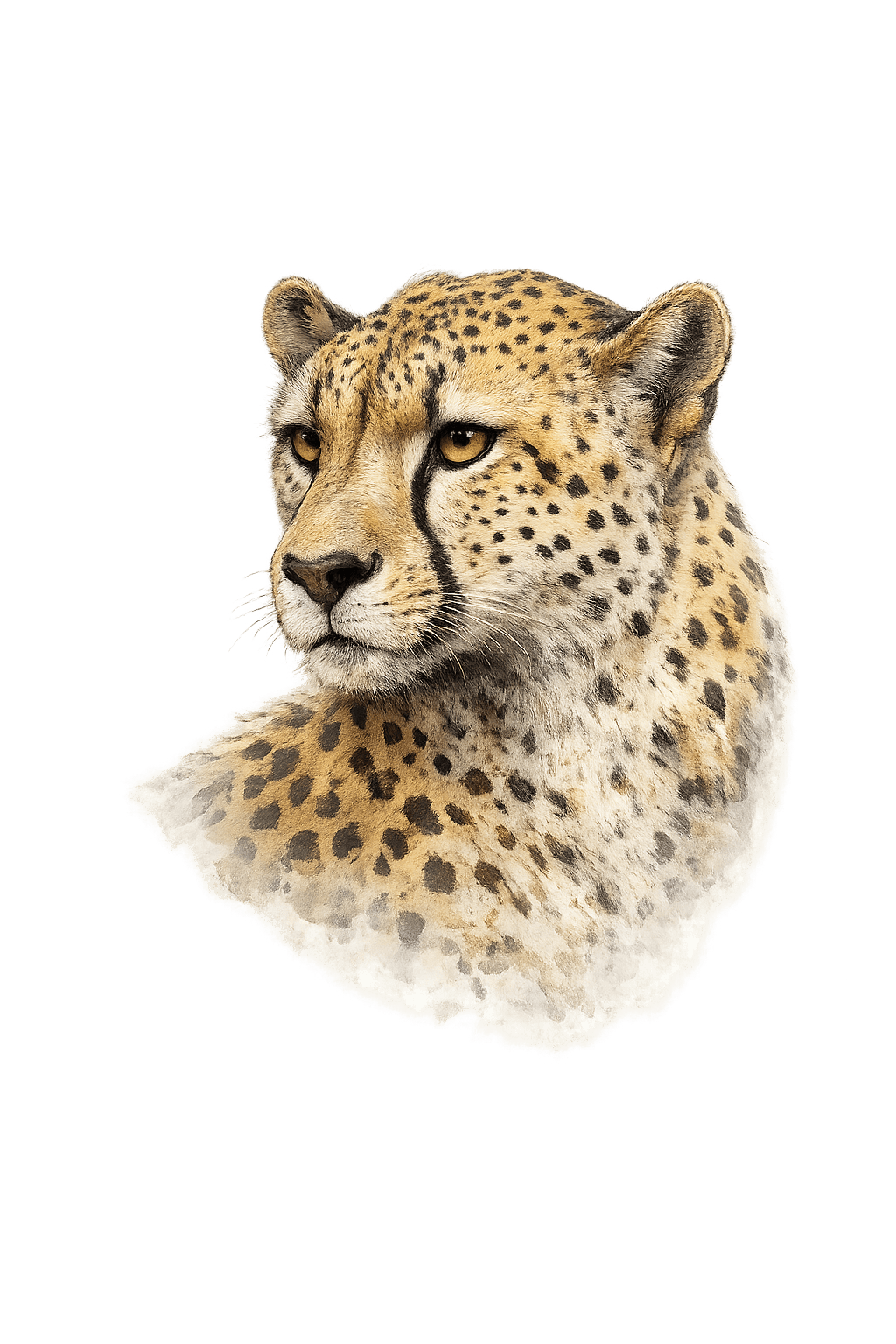
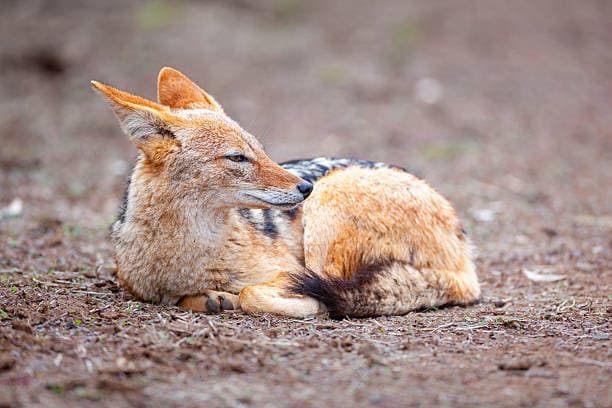
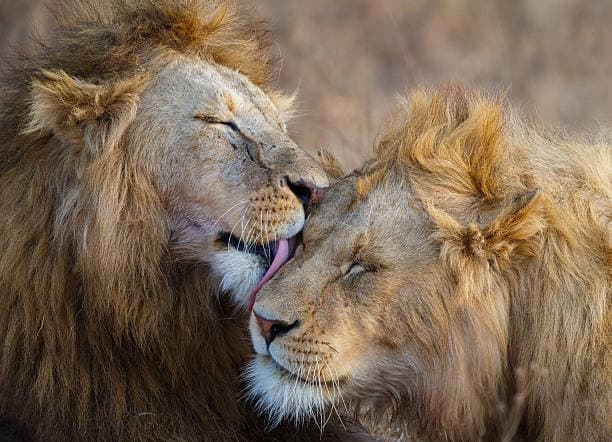
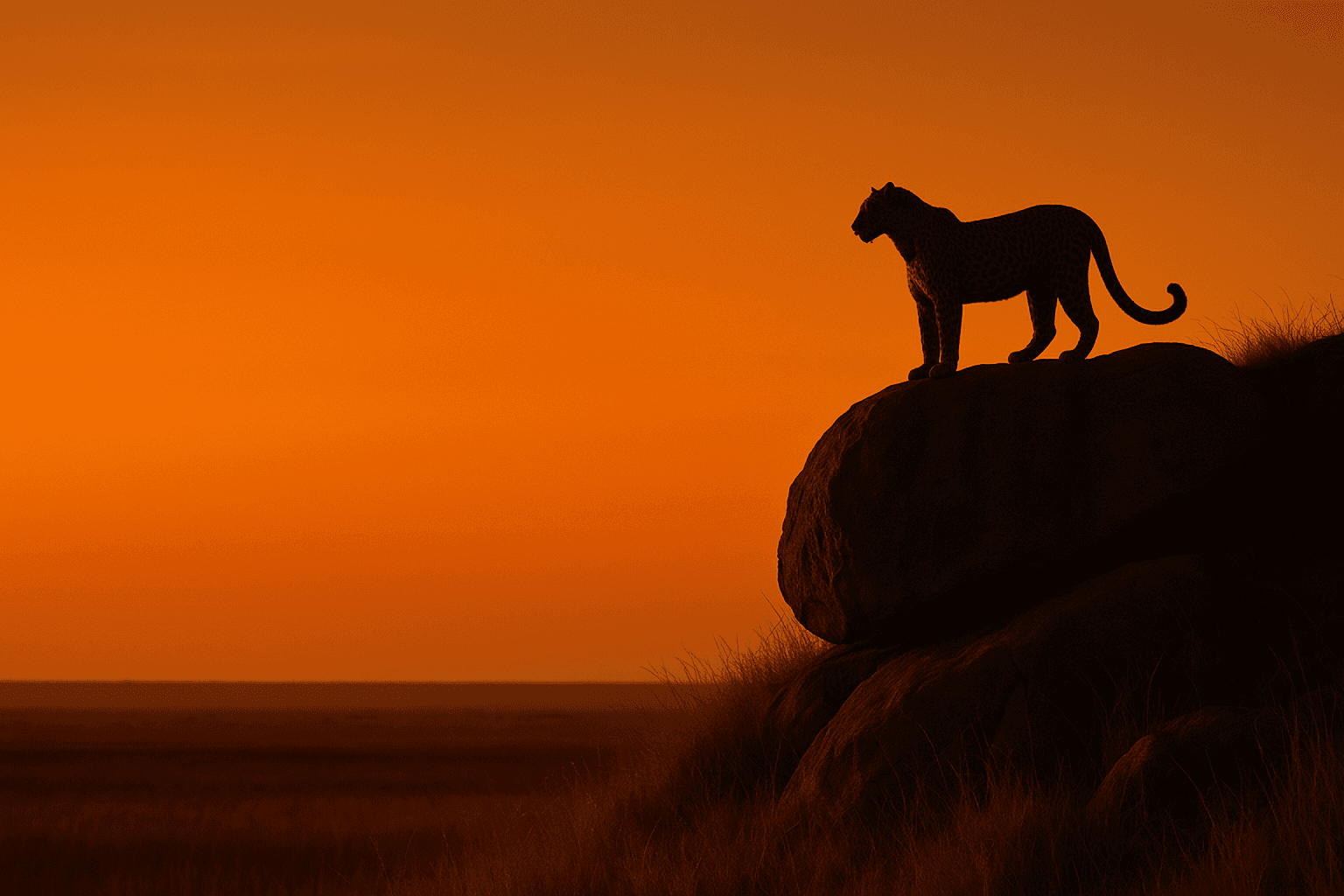
- One of Africa's largest populations of lions, alongside leopards and cheetahs hunting the open plains
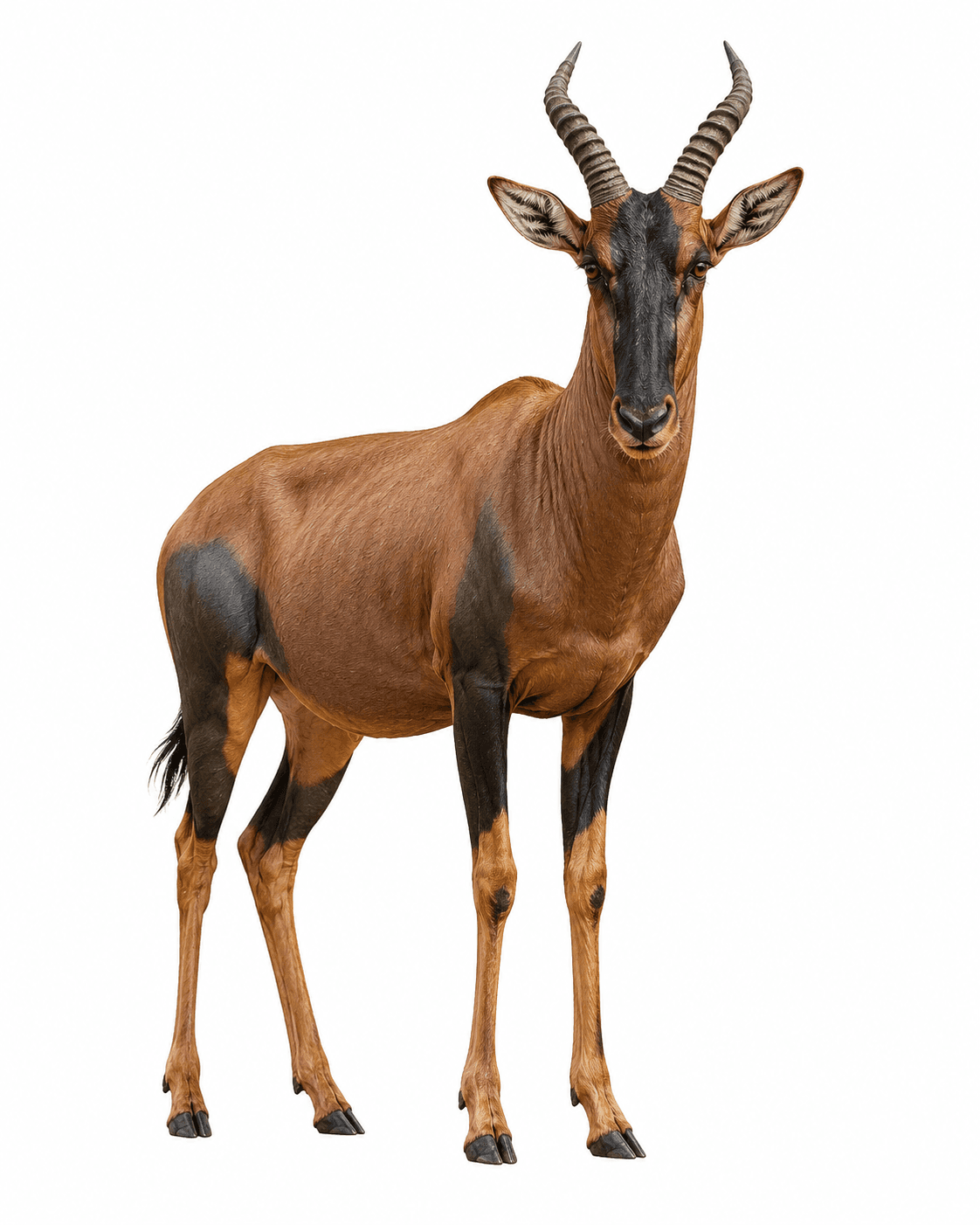
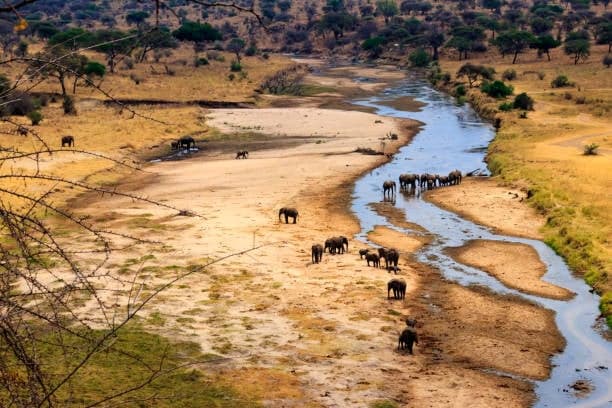
- Big Five viewing, with elephants, buffalo and a small protected population of black rhinoceros
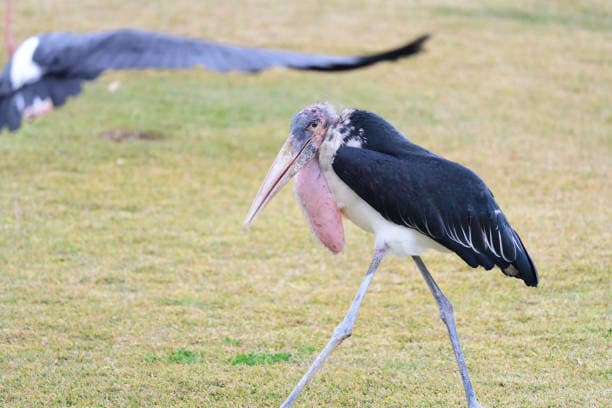
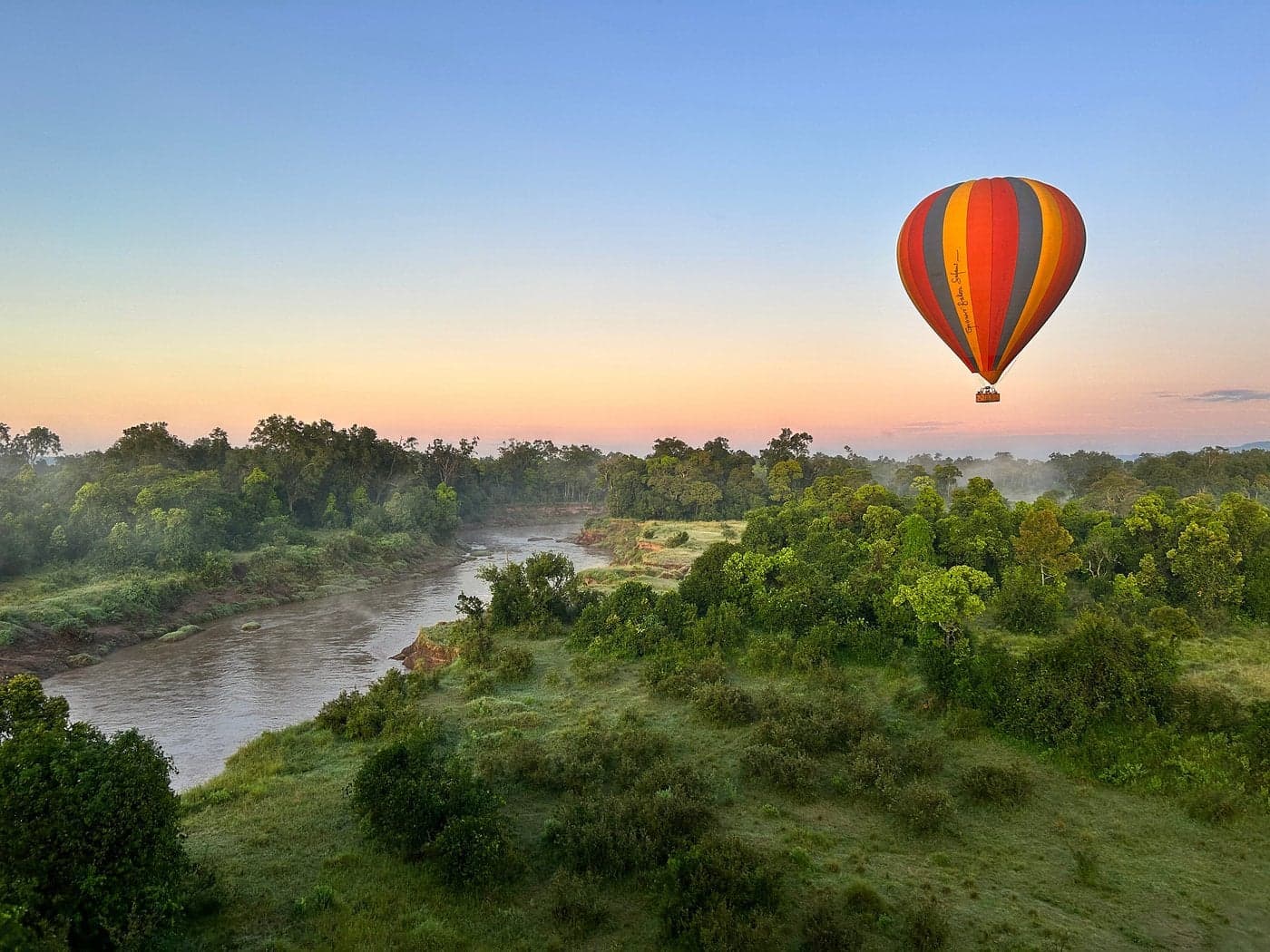
- Hot air balloon safaris at dawn over the plains, plus more than 500 recorded bird species
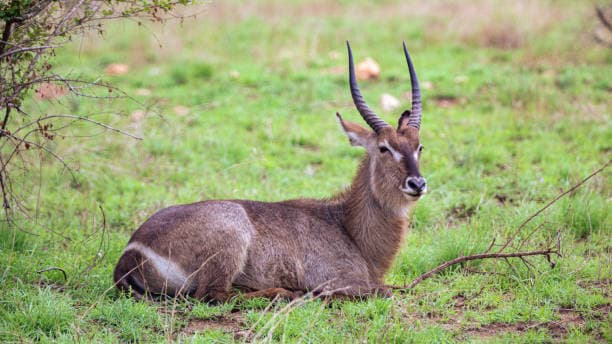
The migration is a year-round, rotating spectacle rather than a single event. From the calving grounds of the south — where some 8,000 wildebeest calves can be born in a single day at the peak — the herds sweep clockwise through the western corridor and up to the northern woodlands, where the Mara River crossings provide the most dramatic scenes in African wildlife watching. Even away from the herds, the Serengeti's resident game is so abundant that game drives in the Seronera Valley deliver big cats with remarkable consistency.
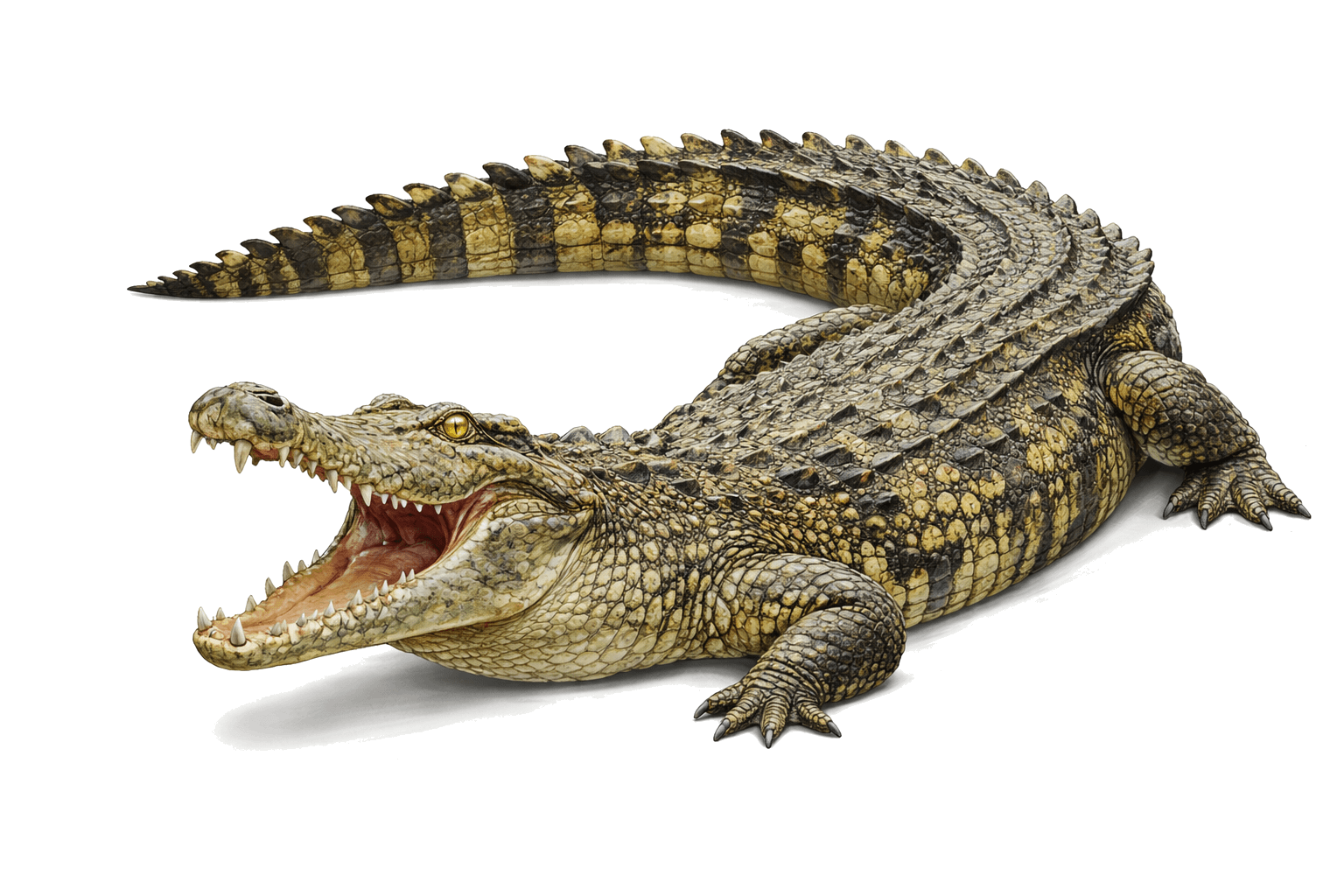
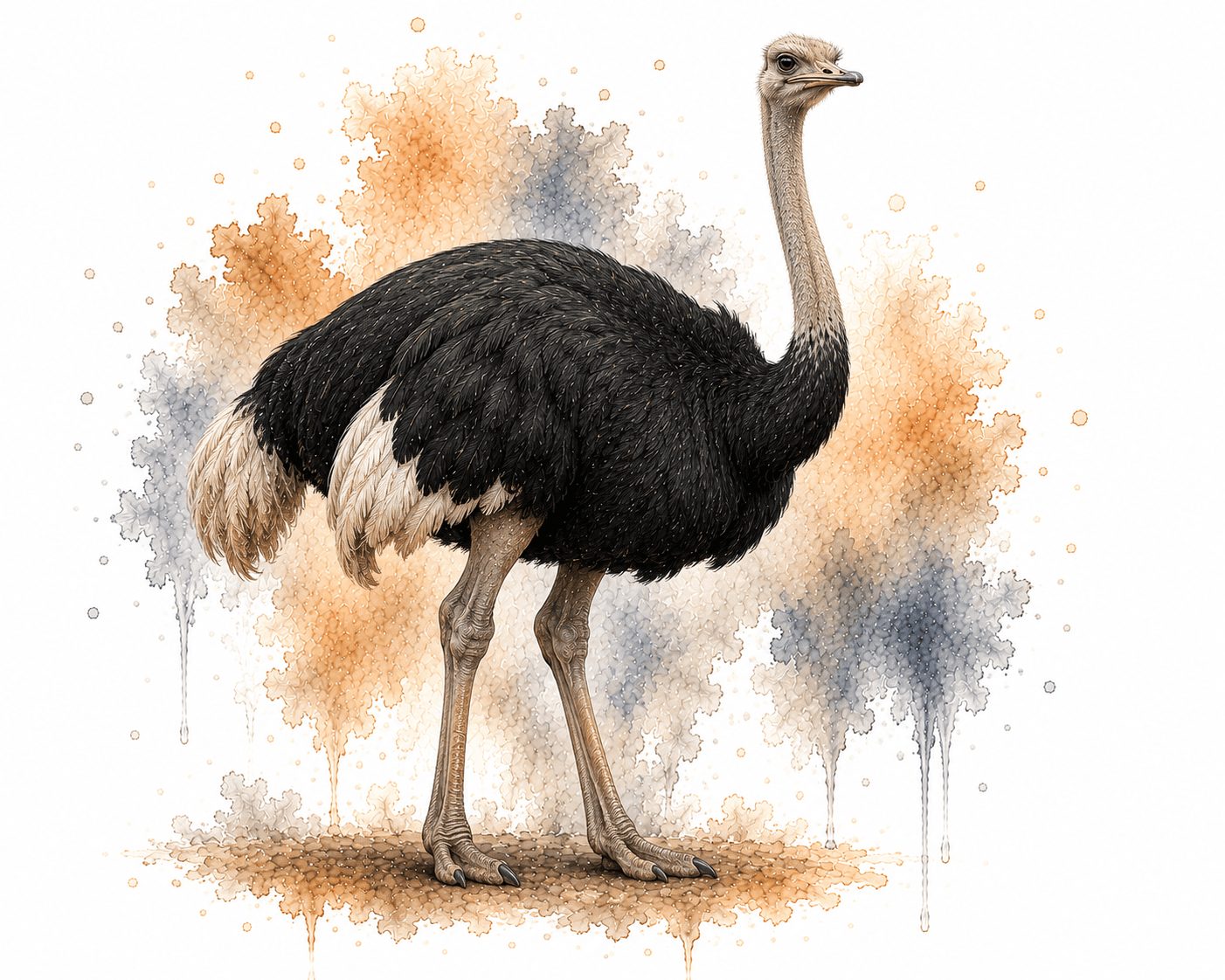
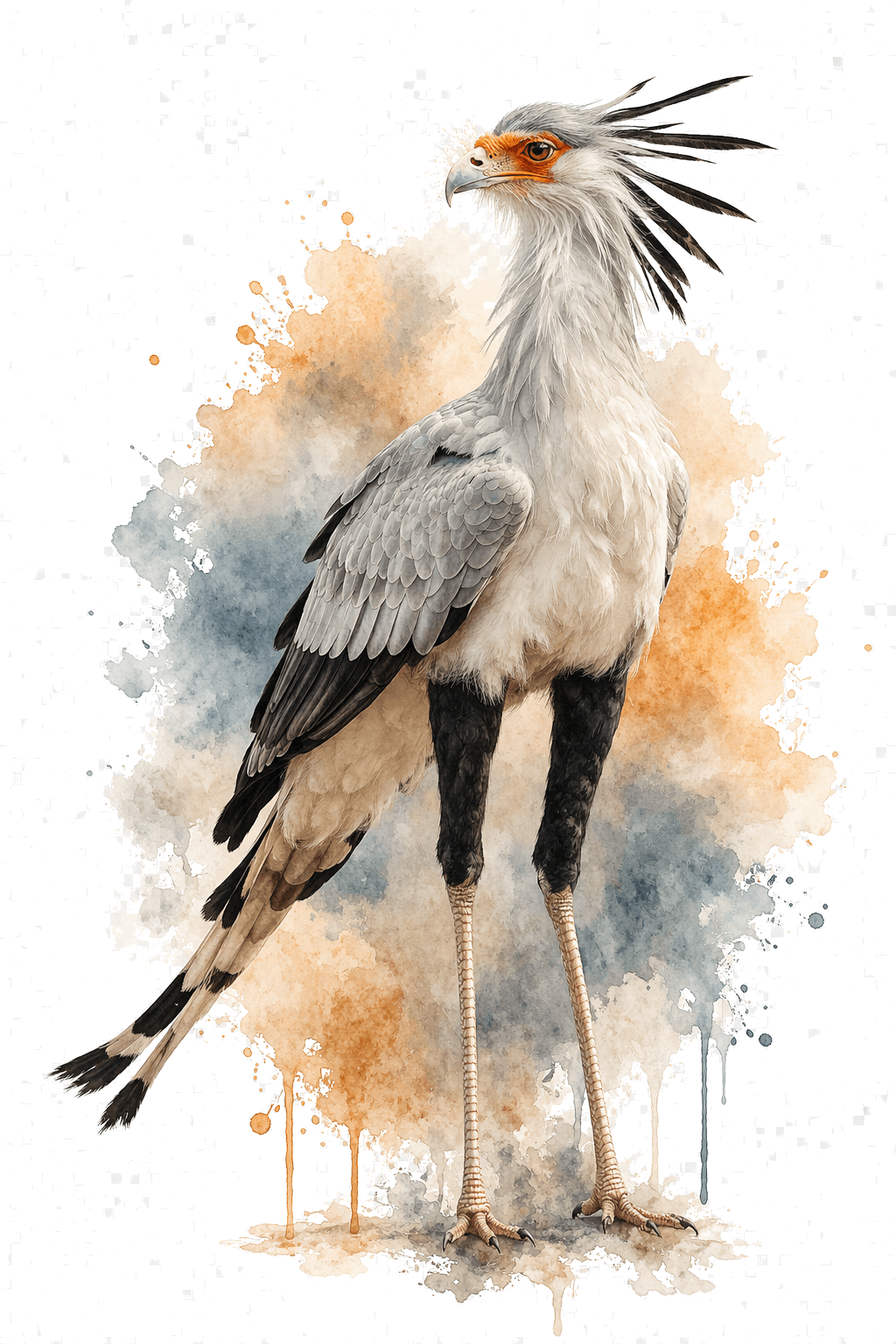
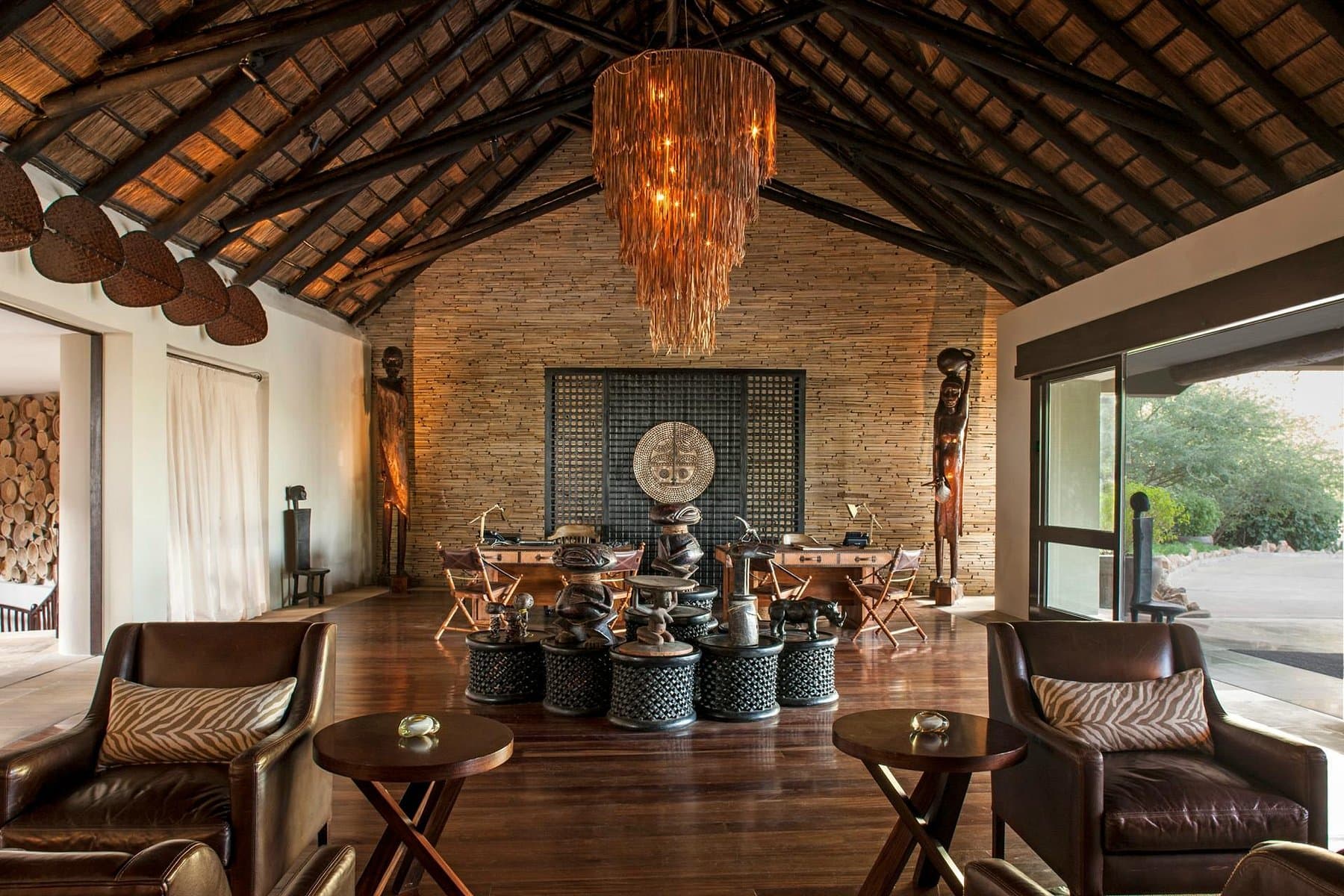
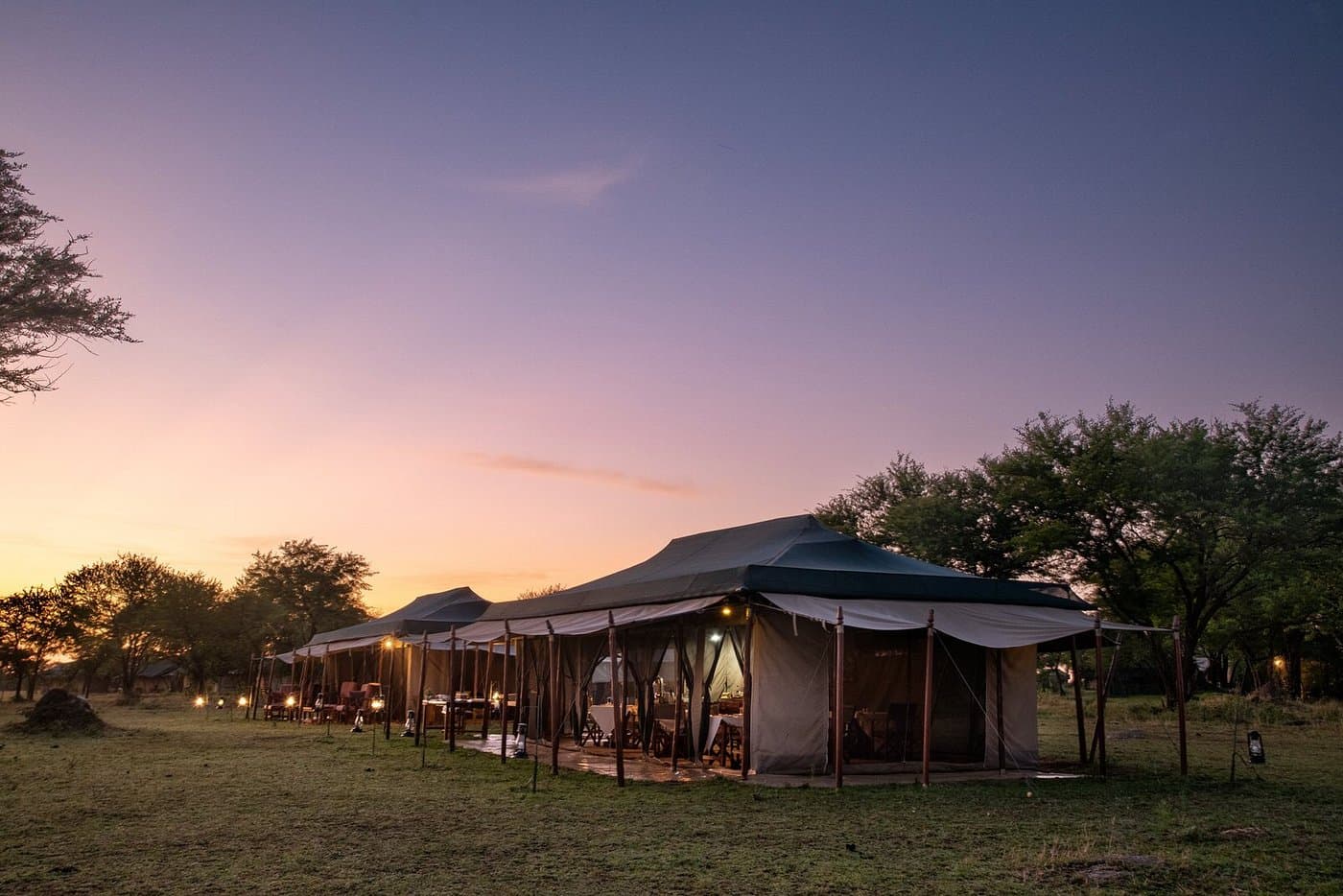
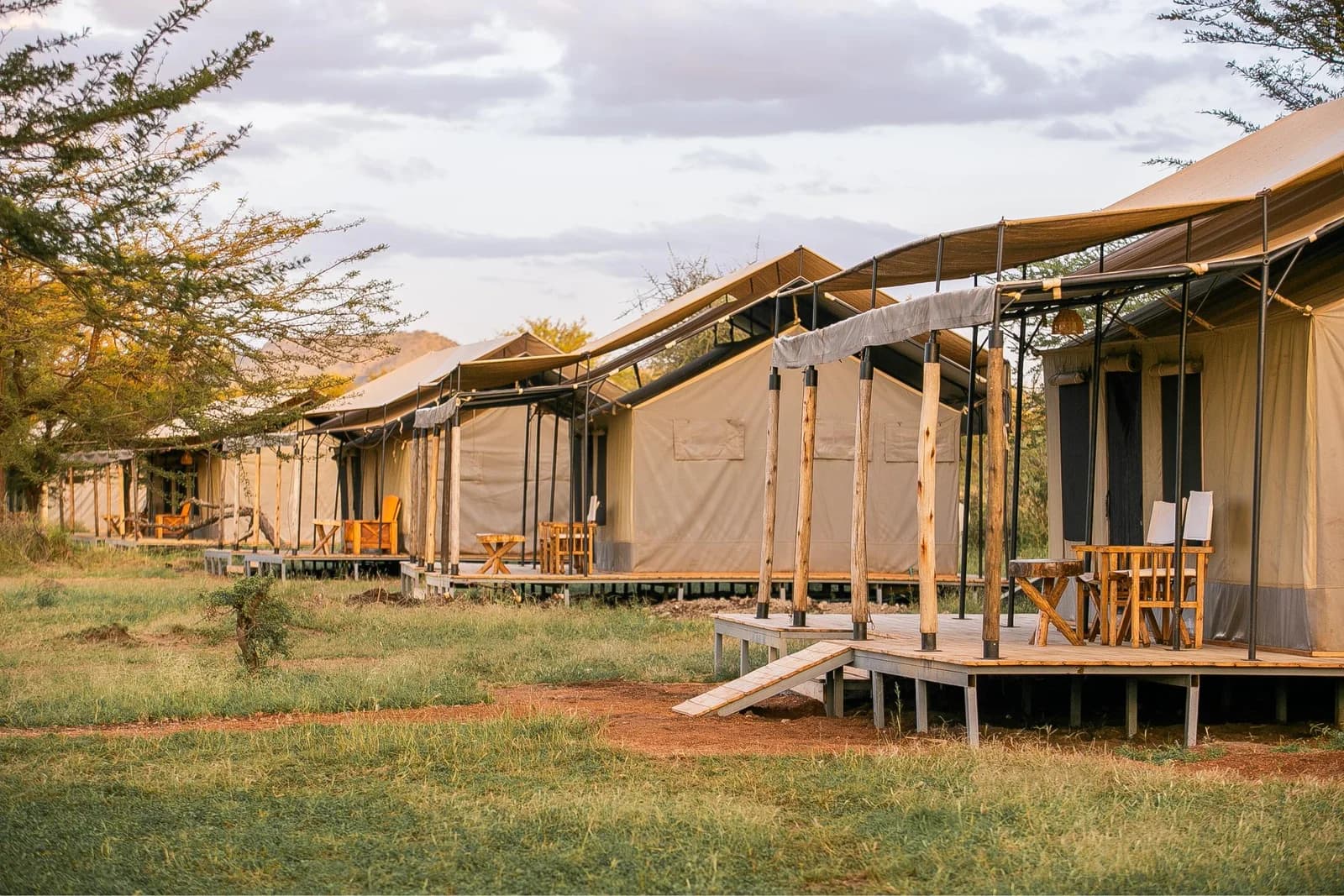
Beyond game drives, visitors can take walking safaris in designated areas, float over the plains by balloon at sunrise, and photograph kopjes where lions survey their territory — scenery familiar from countless documentaries. Each region has its own character: the southern short-grass plains around Ndutu turn into a nursery for hundreds of thousands of calves early in the year; the western corridor funnels the herds towards the crocodile-guarded Grumeti River; the Seronera Valley at the centre is celebrated for leopards and lions year-round; and the remote northern woodlands stage the Mara River crossings that define so many Serengeti photographs. Accommodation follows the same geography, from permanent lodges near Seronera to mobile camps that shift with the migration, so where you sleep matters as much as when you come. Birdlife rewards attention between big-game sightings — ostriches striding the plains, secretary birds stalking grass fires, and kori bustards displaying beside the tracks. Established in 1951, the park has protected these plains for over seventy years, and its research stations have produced much of what science knows about lion, cheetah and migratory grazing ecology anywhere in Africa.
When Is the Best Time to Visit the Serengeti?
The Serengeti rewards visitors year-round. January to March brings the calving season in the southern plains; June to October is the dry season, with superb general game viewing and Mara River crossings in the north; November and December offer green landscapes, migratory birds and fewer crowds.
How Do You Get to the Serengeti?
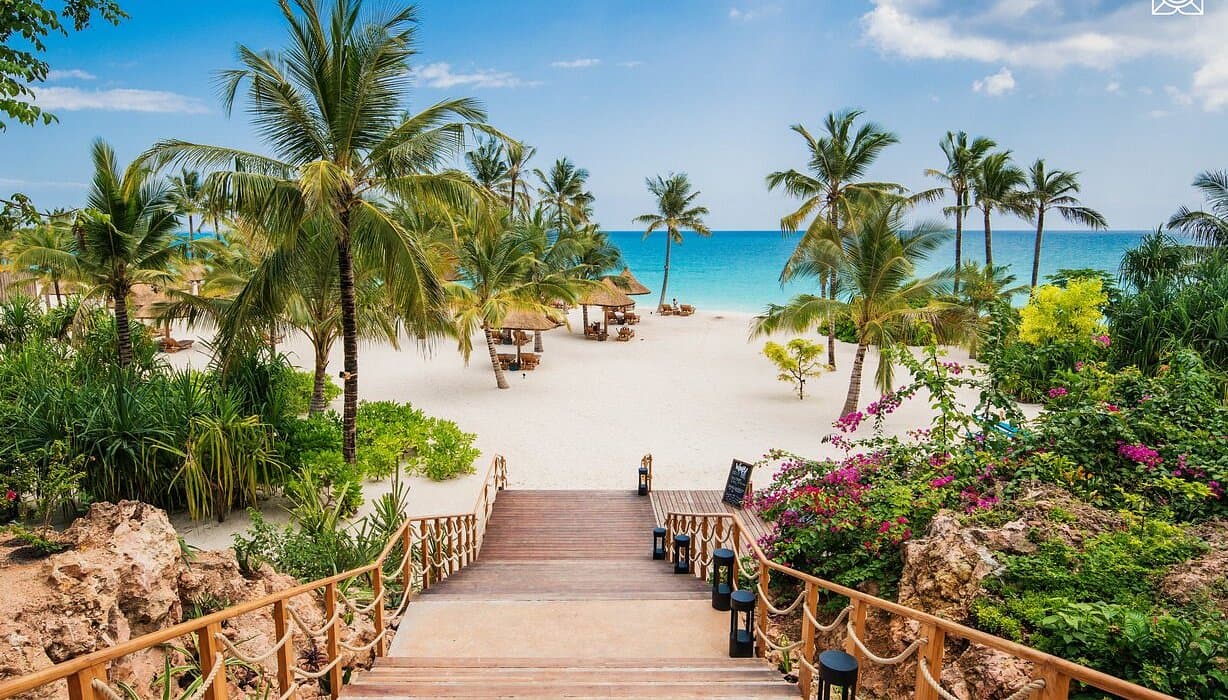
Daily scheduled and charter flights connect Arusha, Kilimanjaro International Airport and Zanzibar to airstrips across the park, including Seronera, Kogatende, Grumeti, Ndutu and Lobo. By road, the park is reached from Arusha through the Ngorongoro Conservation Area, a full-day scenic drive along the Northern Safari Circuit.
How Many Days Do You Need?
Three to four nights is the realistic minimum for a major park of this scale — enough to cover the Seronera Valley plus one migration region in depth. Migration-focused travellers often split their stay between two camps in different sectors.
The Serengeti stars in the 8-Day Mid-Range Tanzania Safari & Zanzibar Beach Holiday and the 10 Days Two Nations Safari Kenya&Tanzania, which links it with the Maasai Mara across the border.