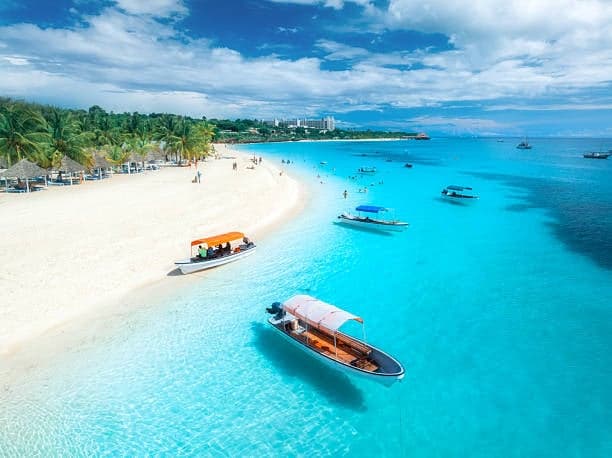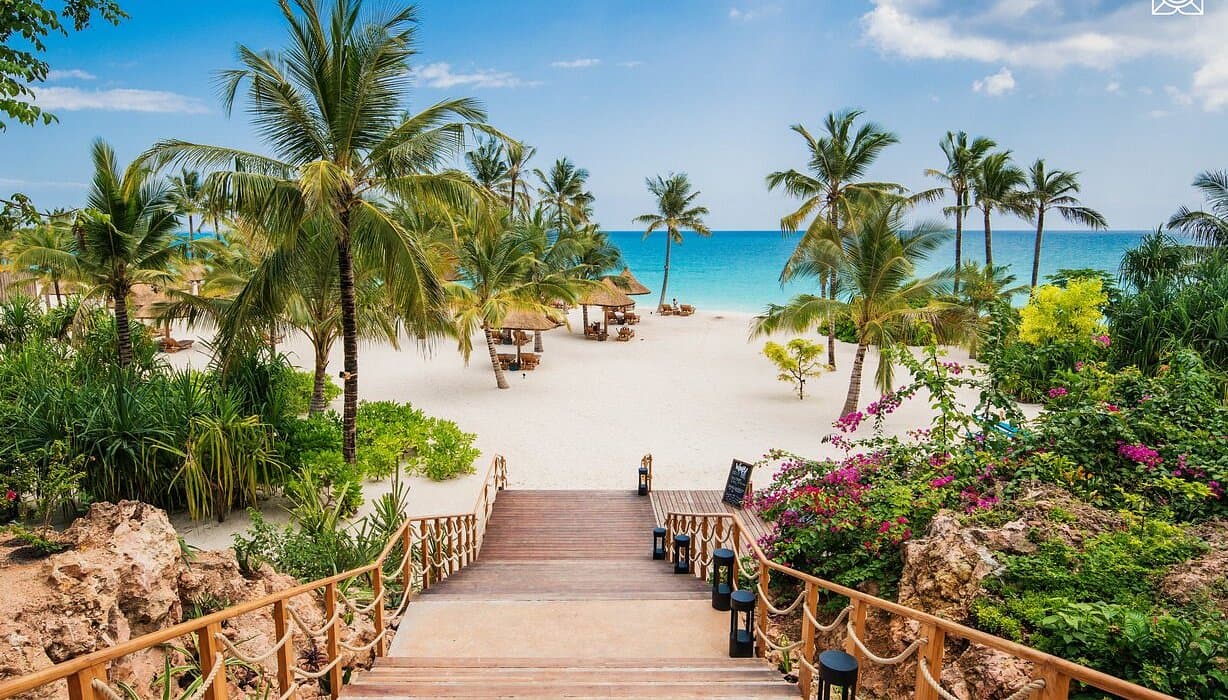


Zanzibar is a tropical archipelago off the coast of Tanzania in the Indian Ocean, celebrated for palm-fringed white-sand beaches, the UNESCO-listed Stone Town and centuries of spice-trade heritage. Known as the "Spice Island", it is East Africa's most popular beach destination and the classic finale to a safari.
The archipelago consists of several islands, with Unguja — commonly called Zanzibar Island — the largest and most visited. Centuries of Arab, Persian, Indian and European influence have produced a culture found nowhere else, layered over reefs, lagoons and beaches that rank among the finest in the Indian Ocean.
What Is Zanzibar Known For?
- Stone Town, a UNESCO World Heritage Site of winding alleys, carved wooden doors and historic trading houses
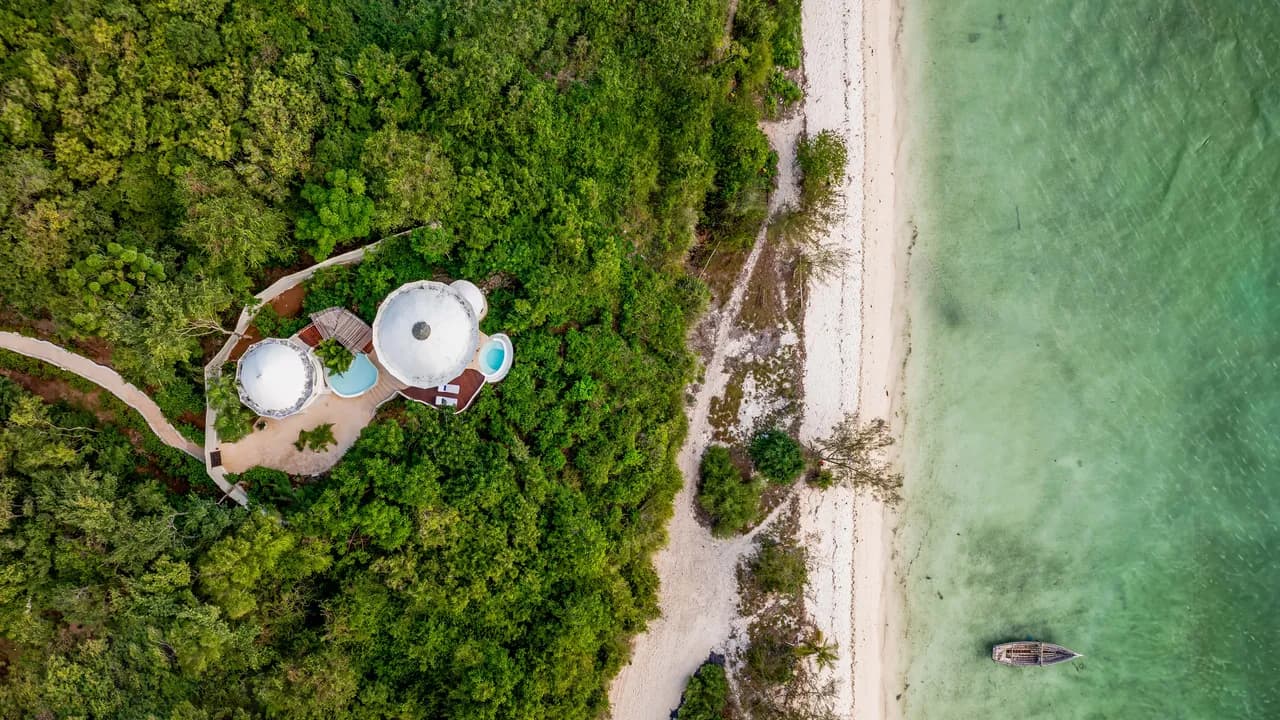
- Beaches such as Nungwi, Kendwa, Paje, Jambiani, Matemwe, Kiwengwa and Pongwe, each with its own character — from kitesurfing hubs to quiet luxury escapes
- Spice farms growing cloves, cinnamon, vanilla and nutmeg, the crops that named the island
- Snorkelling and diving on vibrant reefs, including the famous Mnemba Atoll Marine Reserve
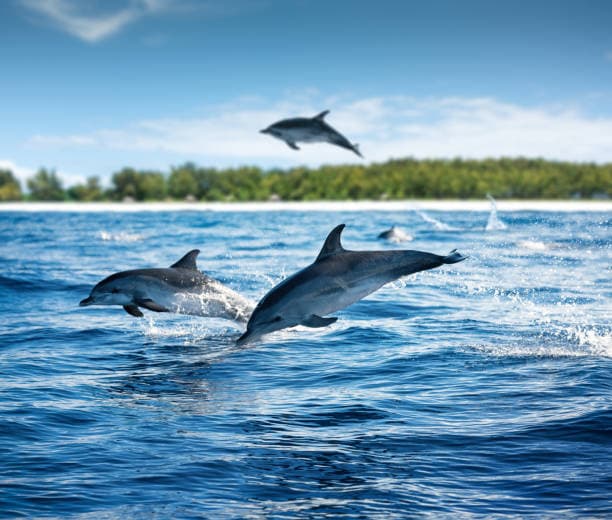
- Dhow sunset cruises, dolphin tours, deep-sea fishing and island-hopping excursions
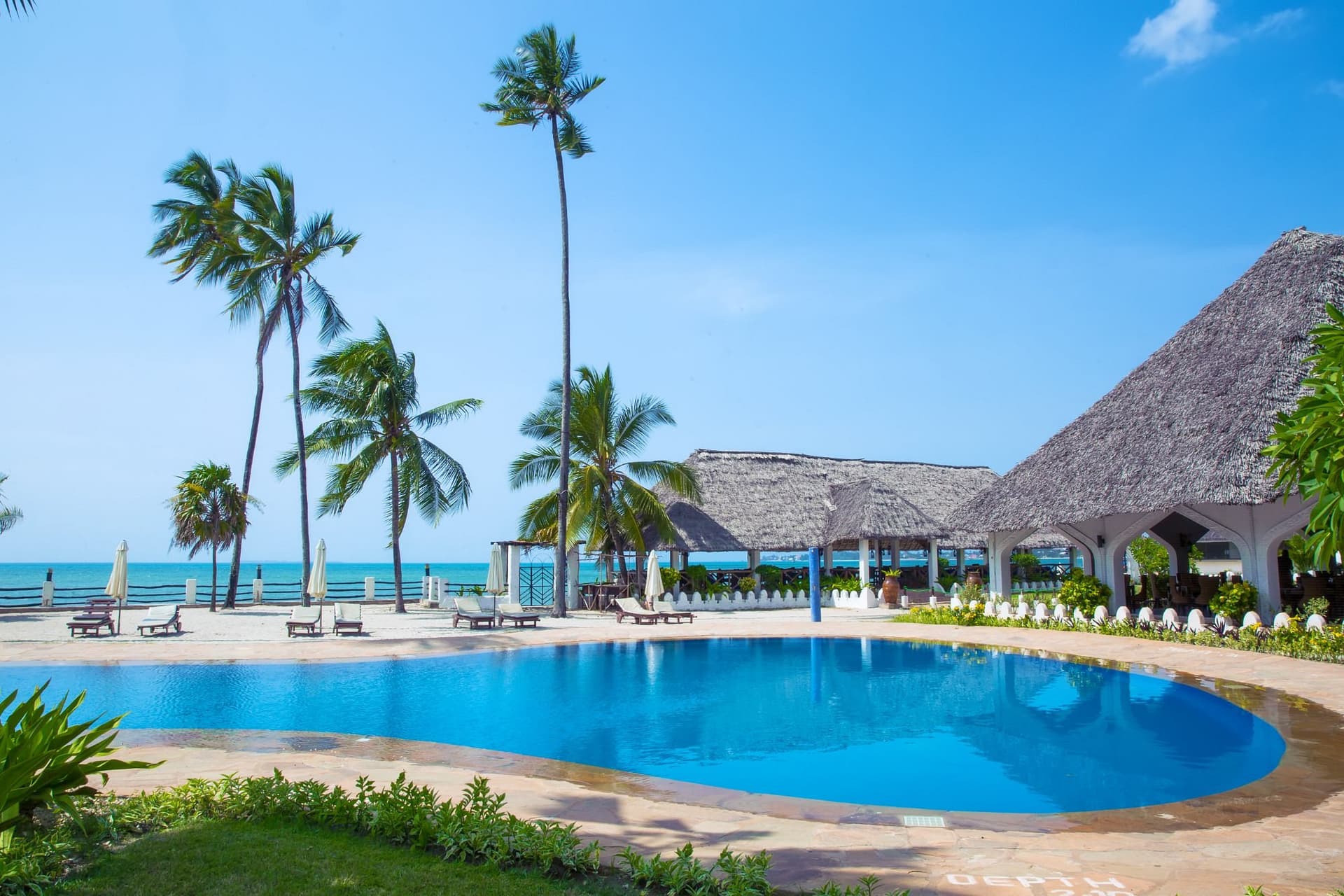
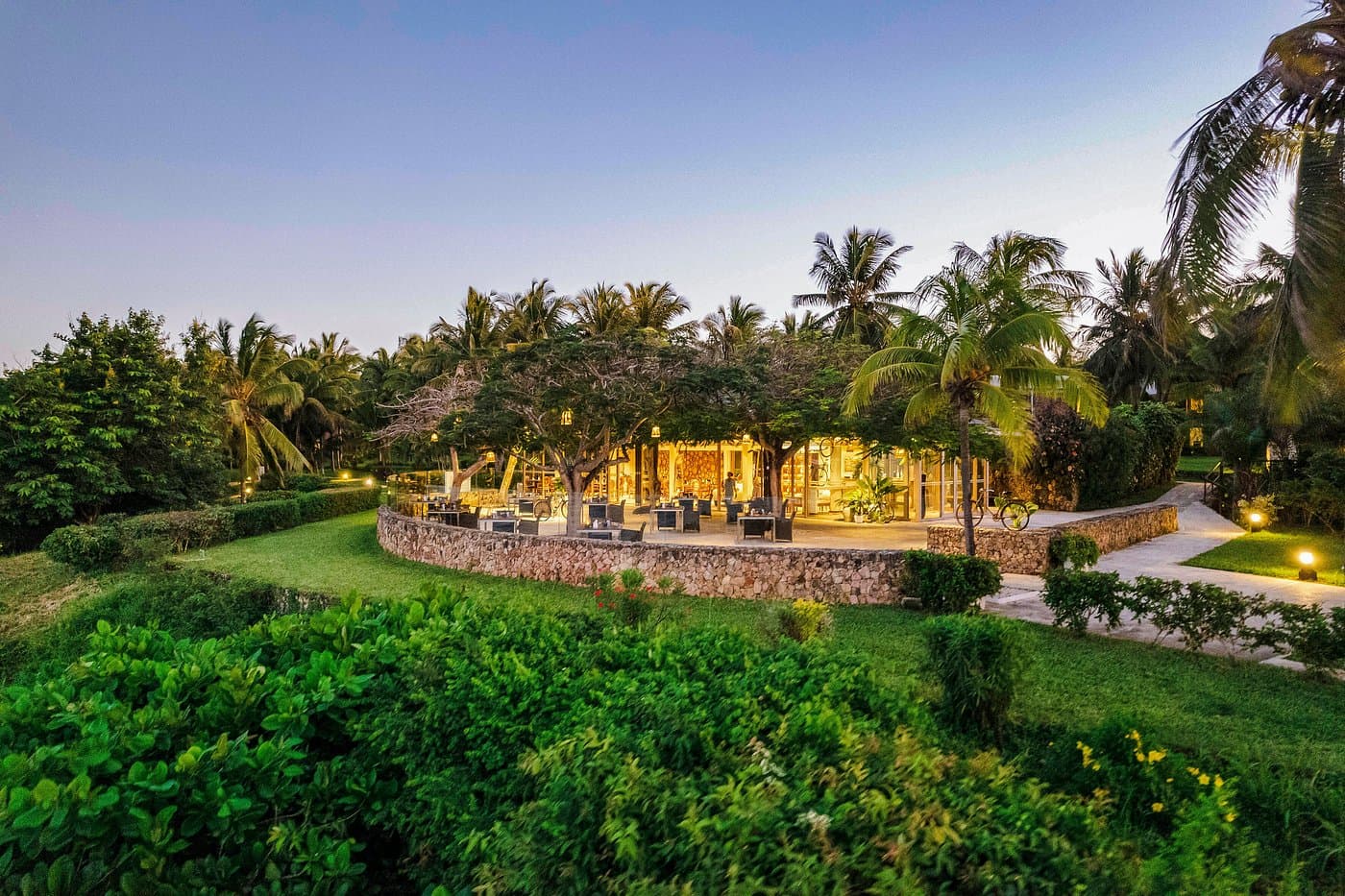
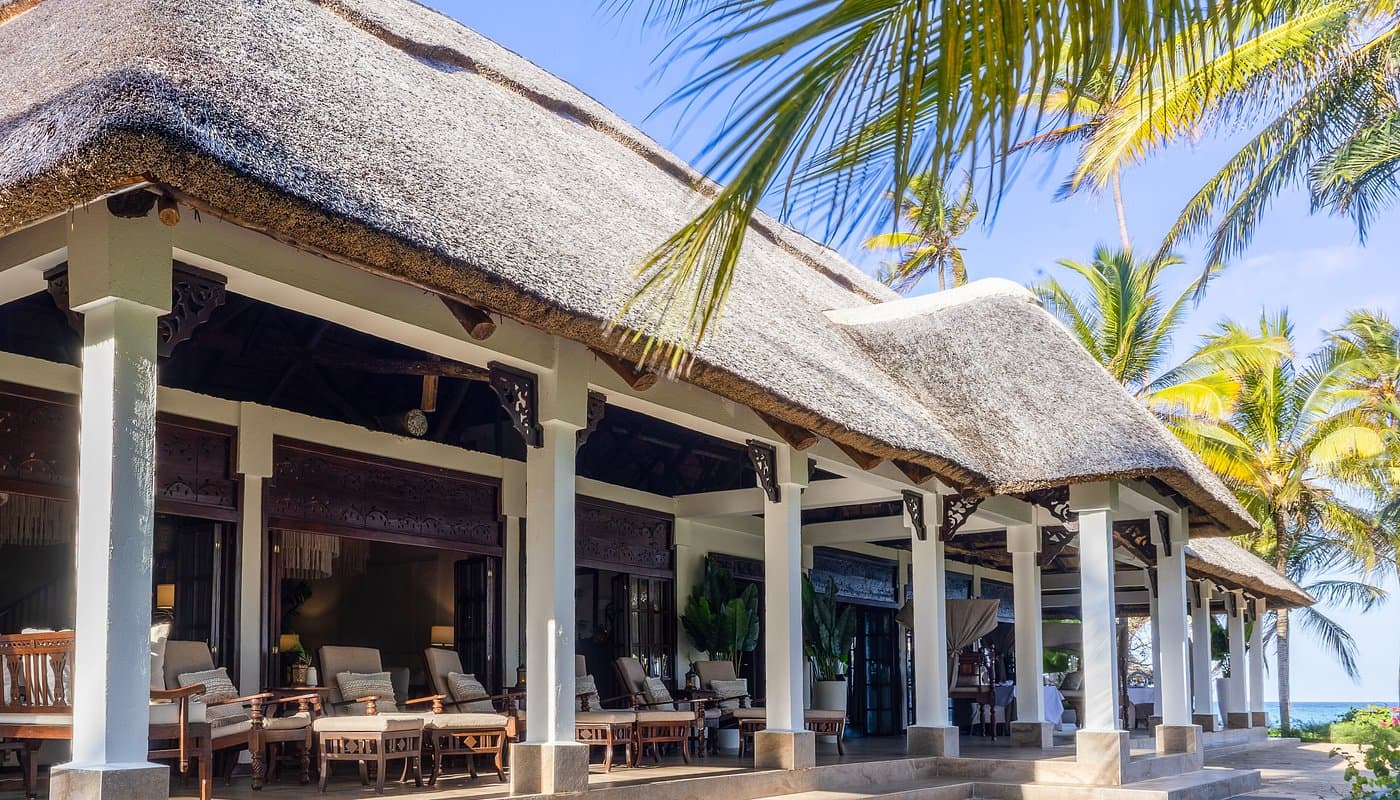
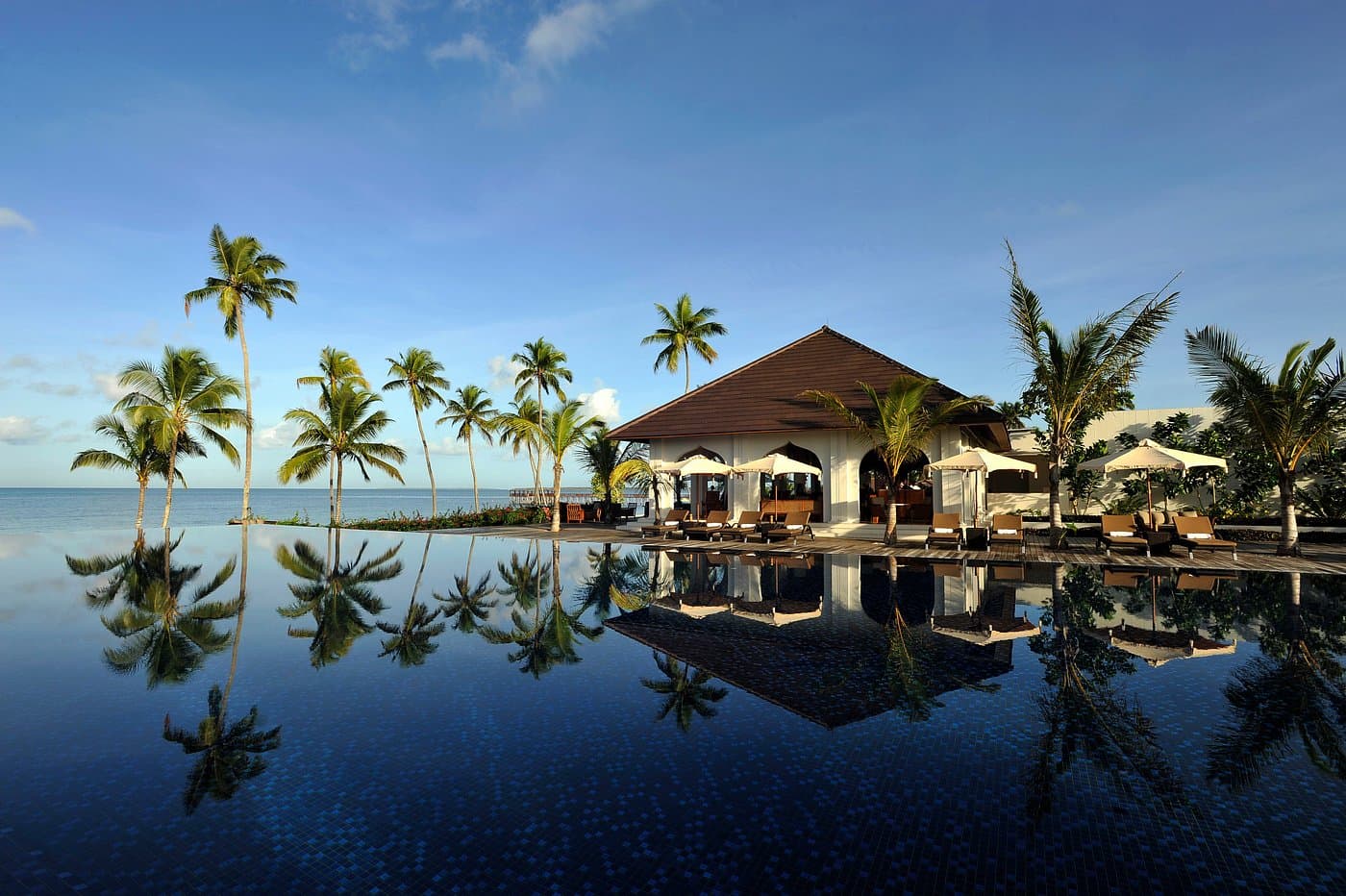
- Luxury beachfront resorts and boutique hotels suited to honeymoons and family holidays alike
Stone Town rewards at least half a day: its markets, museums and waterfront tell the story of the spice and ivory trades, while rooftop restaurants overlook a harbour still busy with wooden dhows. Around the coast, the island is ringed by colourful coral reefs and rich marine ecosystems that draw snorkellers and divers from around the world, and spice-farm tours inland explain why cloves once made this archipelago one of the wealthiest trading posts in the Indian Ocean. Inland, the Jozani forest shelters the endemic Zanzibar red colobus monkey, found nowhere else on Earth, and mangrove boardwalks thread the wetlands behind the east-coast beaches. Food is a highlight in its own right — from the night market at Stone Town's Forodhani Gardens to beachfront seafood grills — and the island's dive schools cater to everyone from first-time snorkellers to advanced divers heading for the drop-offs around Mnemba. The east coast's dramatic tides shape daily life there — the ocean retreats hundreds of metres at low water, exposing lagoons where seaweed farmers work — while the north coast around Nungwi and Kendwa stays swimmable at all tides, a distinction worth understanding before choosing a beach base.
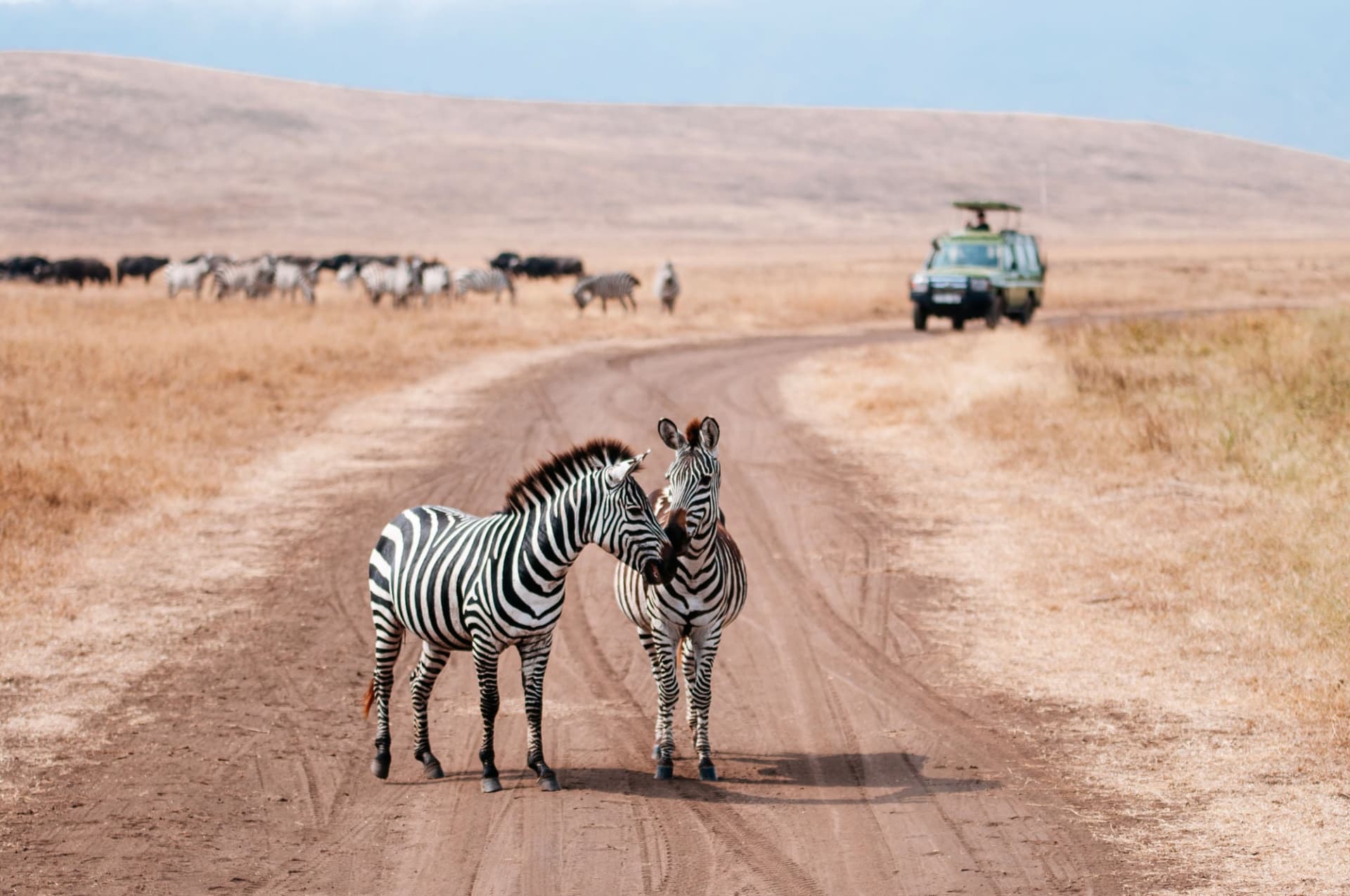
Zanzibar's powdery white beaches invite comparison with Kenya's coast — Diani, Mombasa and the beach-and-bush reserves behind them — yet the island's blend of history and ocean remains distinct. It pairs equally well with a East African safari in Kenya or a Tanzanian circuit through the Ngorongoro Crater, Tarangire, the wider Ngorongoro Conservation Area or Tsavo, with beach-finale itineraries such as the 10-Day Kenya Safari and Diani Beach Holiday showing the template.
When Is the Best Time to Visit Zanzibar?
June to October is the prime season — sunny, dry and low in humidity with calm seas. January to March is hot and excellent for diving and beach time, while the short rains of November–December bring brief showers; only the long rains of March to May significantly interrupt beach weather.
How Do You Get to Zanzibar?
Abeid Amani Karume International Airport (ZNZ) receives direct flights from Dar es Salaam, Arusha, Nairobi, Doha, Dubai, Istanbul and several European cities. High-speed ferries also link Dar es Salaam with Stone Town in around 2 hours, a scenic alternative for travellers already on the mainland.
How Many Days Do You Need?
Four to seven nights is the sweet spot: one day for Stone Town and a spice tour, the rest split between beach relaxation and ocean activities. Shorter three-night stays work as a post-safari wind-down.
Popular combinations include the 9 Days Kenya Safari & Zanzibar Beach Escape and the 8-Day Luxury Tanzania Safari & Zanzibar Beach Holiday, each ending with several nights on the island — the proven formula of dawn game drives followed by barefoot afternoons on the sand.