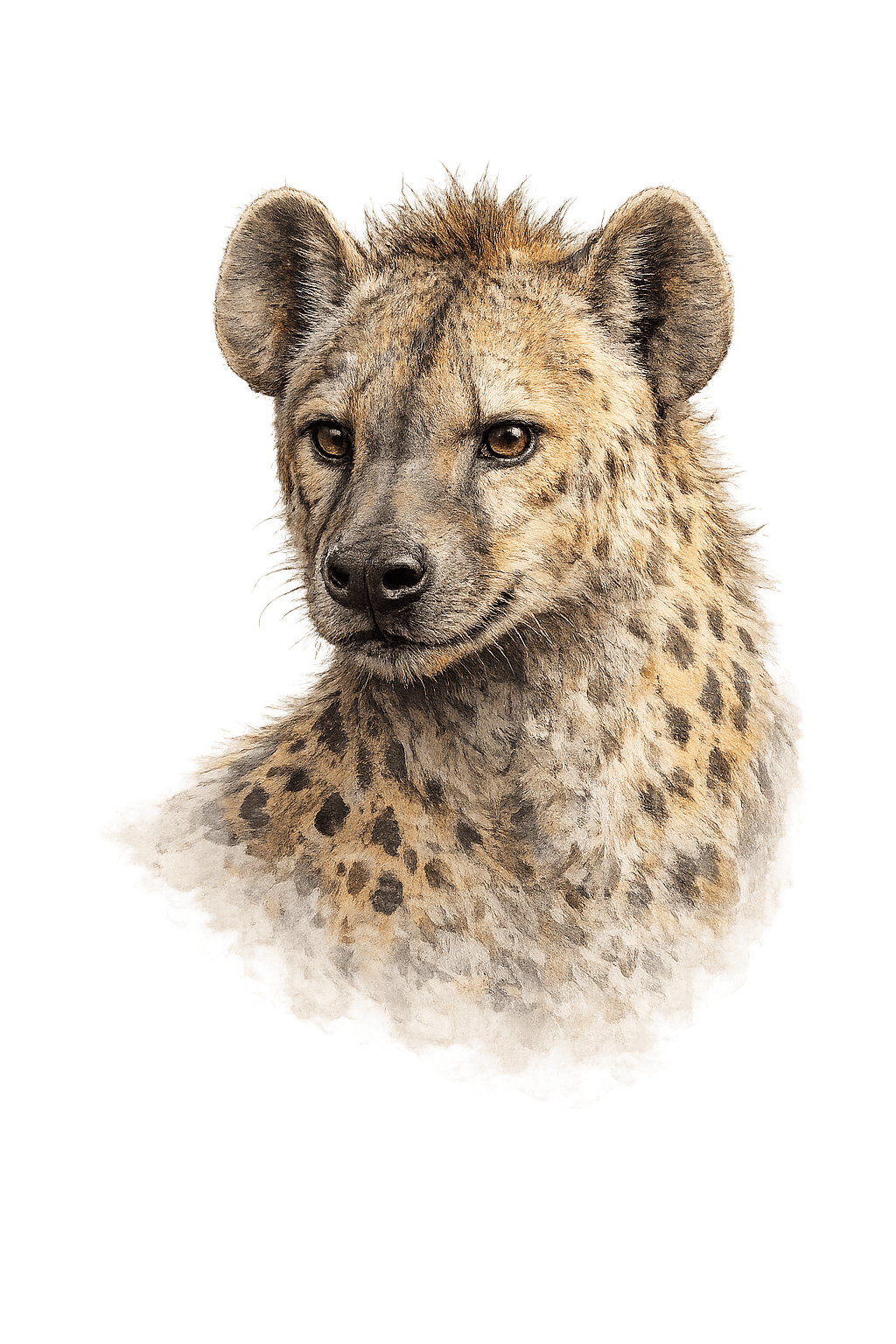
The Cheetah (Acinonyx jubatus) is one of Africa's most extraordinary predators and holds the title of the fastest land animal in the world. Built for speed rather than strength, the cheetah possesses a lightweight frame, long legs, flexible spine, and powerful muscles that allow it to chase down prey at incredible speeds.
Unlike lions and leopards, cheetahs rely on acceleration and agility rather than ambush tactics. During a hunt, a cheetah can accelerate from 0 to 100 km/h in approximately three seconds, rivaling some sports cars. Their top speed can exceed 120 km/h (75 mph), although they can only sustain such speeds for short distances.
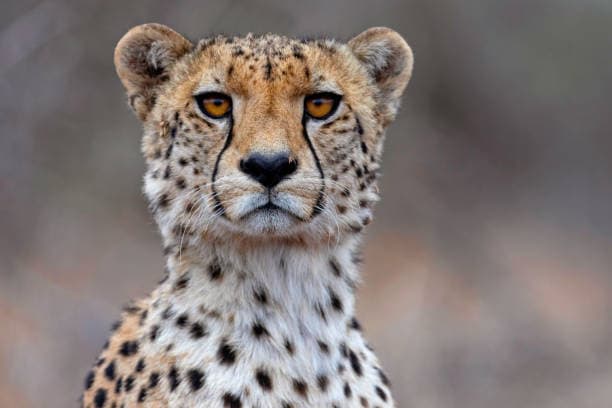
Cheetahs are easily recognized by their slender build, small rounded head, spotted coat, and distinctive black "tear marks" running from the eyes to the mouth. These markings help reduce glare from the sun and improve focus while hunting.
Unlike most big cats, cheetahs are generally active during the day, particularly in the early morning and late afternoon. This behavior helps them avoid competition from lions, leopards, and hyenas, which are more active at night.
Cheetahs primarily prey on medium-sized antelopes such as Thomson's gazelles, Grant's gazelles, impalas, and young wildebeests. After a successful chase, they must rest before feeding, making them vulnerable to larger predators that may steal their kills.
These magnificent cats are often found in open habitats where visibility is high and their speed advantage can be fully utilized. Their graceful movements and incredible hunting ability make them one of the most exciting animals to observe on safari.
Despite their fame, cheetahs face numerous threats including habitat loss, human-wildlife conflict, declining prey populations, and competition with larger predators. Conservation programs across Africa are working to secure the future of this iconic species.
Cheetahs in the Masai Mara
The open short-grass plains of the Masai Mara National Reserve are among the best places in Africa to watch cheetahs hunt in daylight. Sightings are strongest June to October when grass is short, and a 3-day fly-in Maasai Mara safari is often enough for a memorable encounter.
Where to See Cheetahs in East Africa
Cheetahs need space to sprint, so the best sightings come on open, short-grass plains where they can scan for prey from termite mounds and fallen trees. In Kenya, the Masai Mara — and especially its quieter conservancies — is one of the most reliable places in Africa to watch a cheetah hunt in daylight, while Amboseli's dry lake beds and Samburu's open country add further chances on a classic Kenya circuit.
In Tanzania, the Serengeti's southern short-grass plains around Ndutu are outstanding from December to March, when calving season concentrates the gazelle herds cheetahs favour. Because cheetahs hunt by day, they fit game-drive rhythms better than any other big cat: be out early, when the light is soft and the lions are still resting.
Our 10-day luxury Kenya safari and Kenya & Tanzania two-nations route both build in extended time on cheetah country plains — ask our Nairobi team to weight your itinerary toward big-cat viewing.