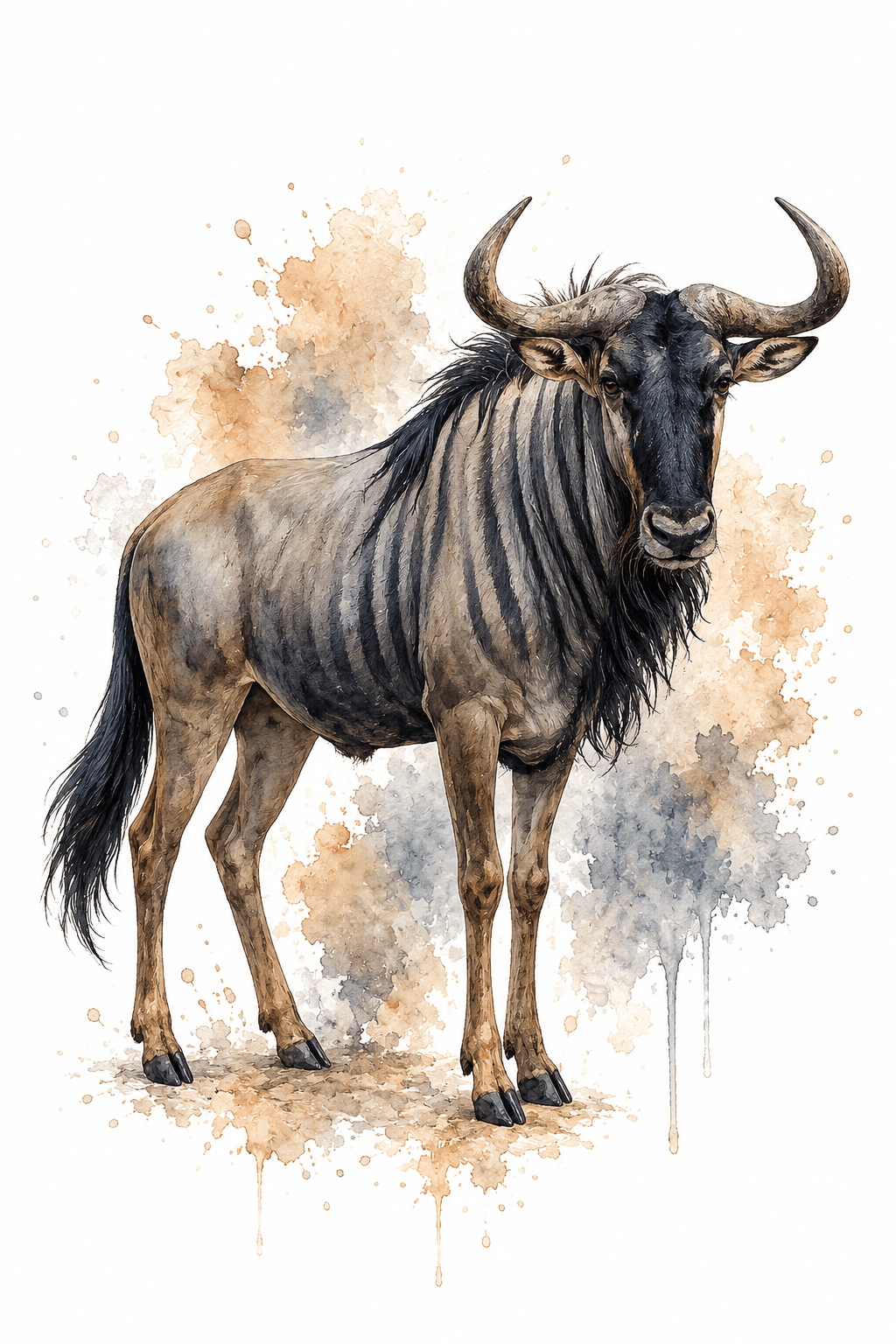
The Topi Antelope (Damaliscus lunatus) is one of Africa's most elegant and recognizable antelope species. Renowned for its speed, athleticism, and striking coloration, the Topi is a prominent resident of East Africa's open grasslands and floodplains.
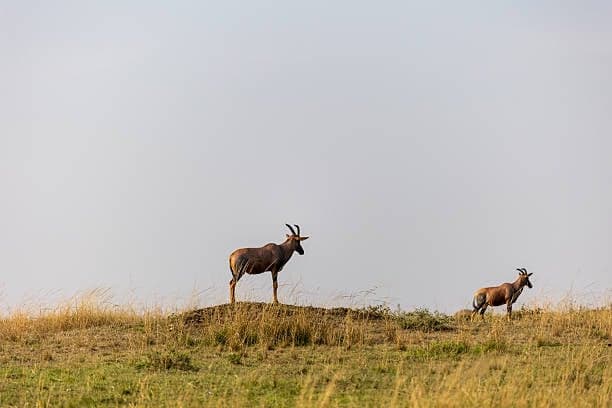
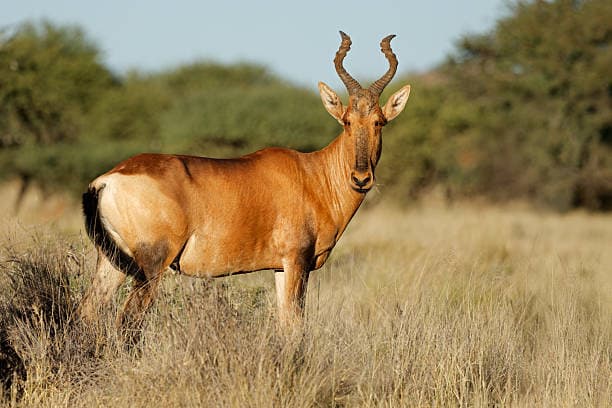
Topis are medium-to-large antelopes characterized by their glossy reddish-brown coats, dark bluish-black patches on the face, shoulders, and upper legs, and beautifully curved lyre-shaped horns. These distinctive markings make them easy to identify among Africa's many antelope species.
Highly adapted to life on open plains, Topis rely on their exceptional eyesight and speed to detect and escape predators. They can reach speeds of up to 70 km/h (43 mph), making them among the fastest antelopes in Africa.
One of the Topi's most fascinating behaviors is its tendency to stand on termite mounds, elevated ground, or small hills. This behavior allows individuals to monitor their surroundings and alert the herd to potential danger.
Topis are highly social and often form herds ranging from a few individuals to several hundred animals. During breeding seasons, dominant males establish territories and compete for access to females.
As grazers, Topis play an important ecological role by consuming grasses and helping maintain healthy savannah ecosystems. They are also an important prey species for lions, cheetahs, leopards, hyenas, and African wild dogs.
For safari travelers, Topis provide excellent wildlife viewing opportunities, especially in the Maasai Mara and Serengeti ecosystems, where large populations thrive alongside wildebeests, zebras, and gazelles.
Where Can You See Topi Antelope on Safari?
The topi is a fast grassland antelope, and the Serengeti National Park offers excellent sightings as small herds graze the open plains, often standing sentinel on old termite mounds. It is also found in other East African grasslands such as the Maasai Mara.
When Is the Best Time to See Them?
Topi are resident and can be seen year-round. The dry seasons of June to October and January to March make viewing easiest across the short-grass plains, while the wetter months draw grazers to fresh pasture and coincide with calving.