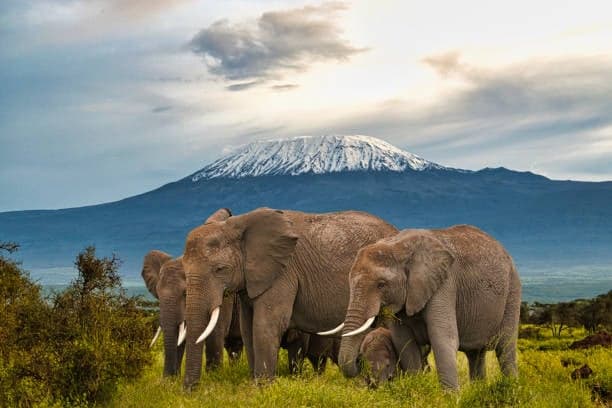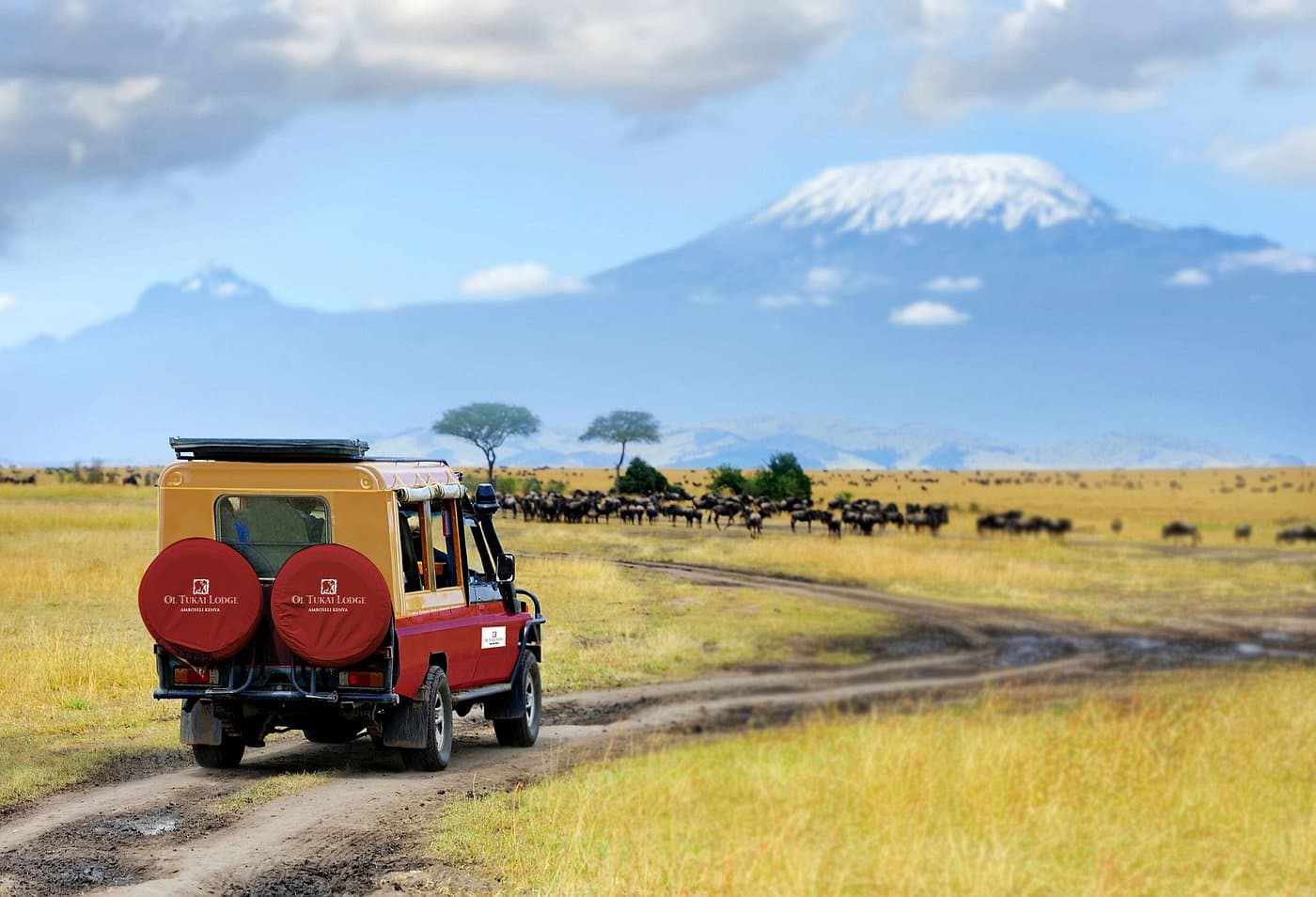
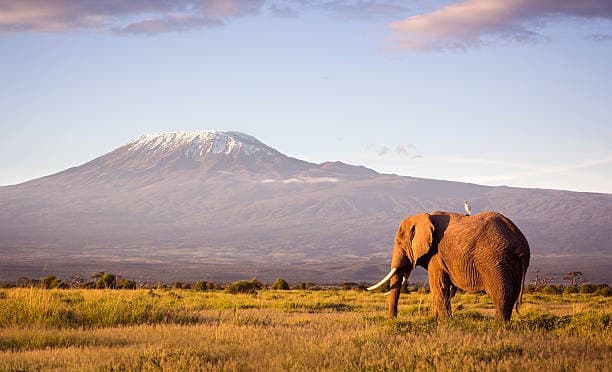
Amboseli National Park is a 392 km² wildlife reserve in Kajiado County, southern Kenya, on the border with Tanzania. It is Africa's classic stage for photographing free-roaming elephants beneath Mount Kilimanjaro, the continent's highest mountain at 5,895 m, and ranks among Kenya's most famous and reliable safari destinations.
The park anchors a much larger cross-border ecosystem extending into Tanzania. Its landscape of open savannah plains, freshwater swamps, acacia woodland, seasonal lake beds and marshland is fed by underground rivers rising from Kilimanjaro's melting snows — permanent water that draws wildlife throughout the year and keeps game viewing consistent even in the driest months.
Amboseli is world-famous for its large elephant population, which includes some of Africa's last remaining "super tuskers" carrying exceptionally heavy ivory. Watching these herds cross the dusty plains with Kilimanjaro rising behind them produces some of the most iconic safari photographs on the continent.
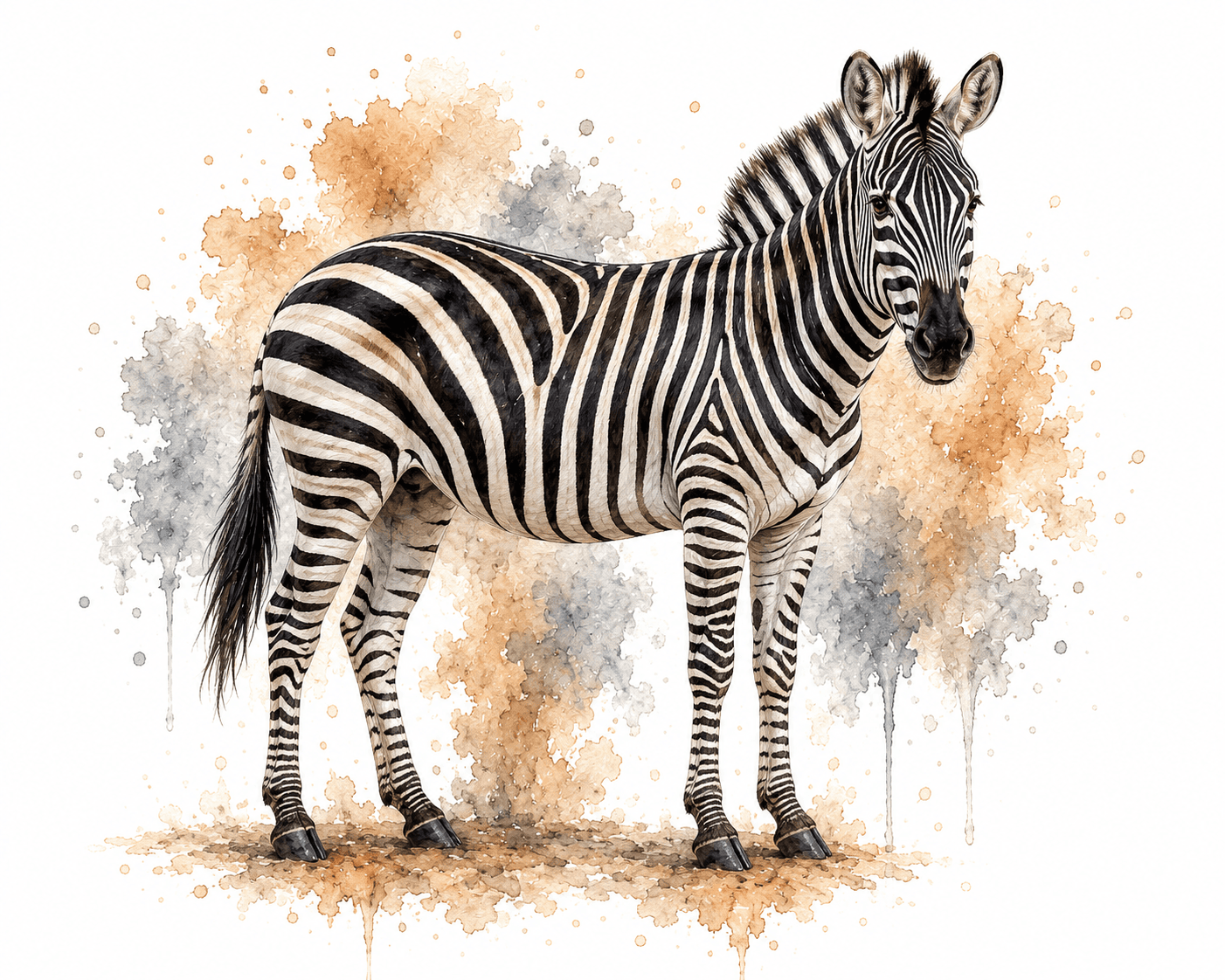
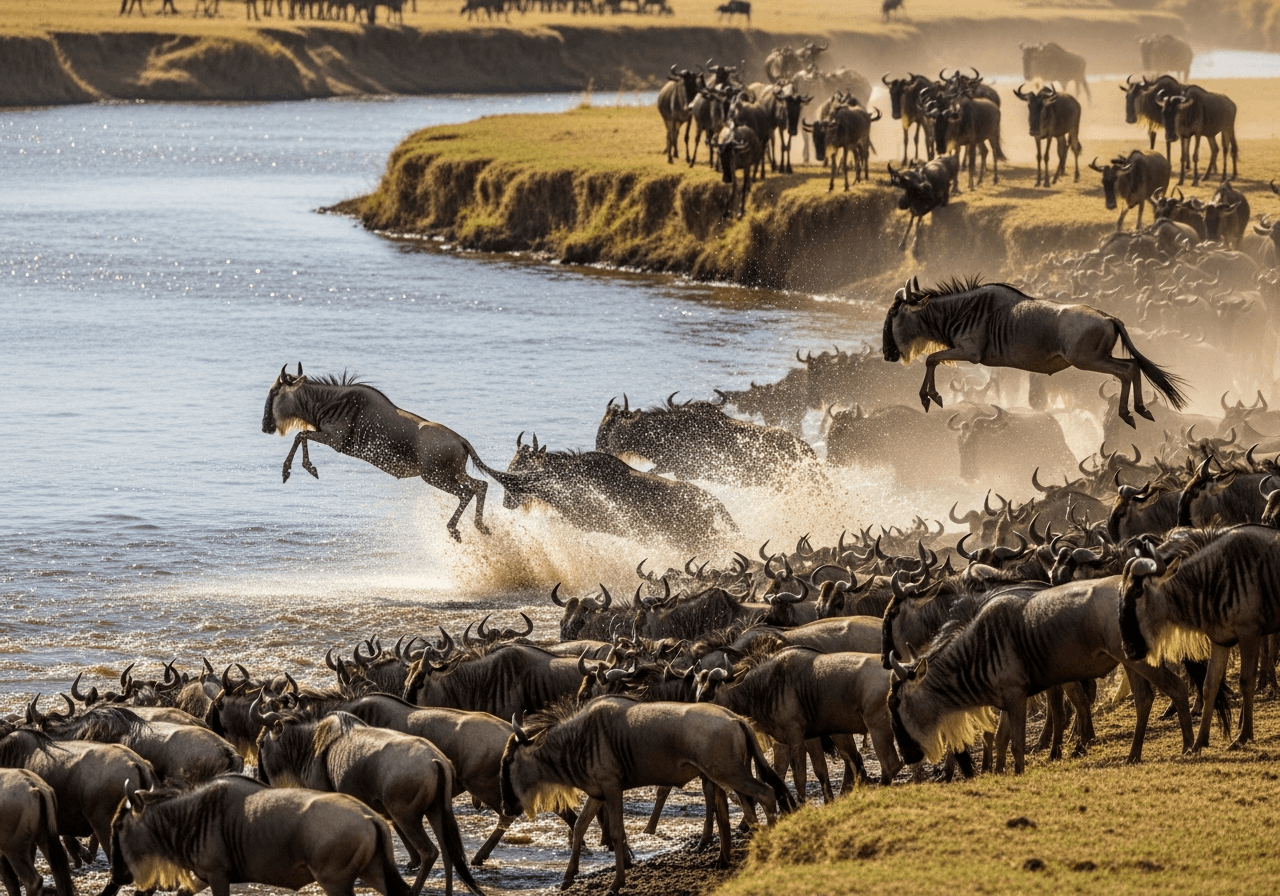
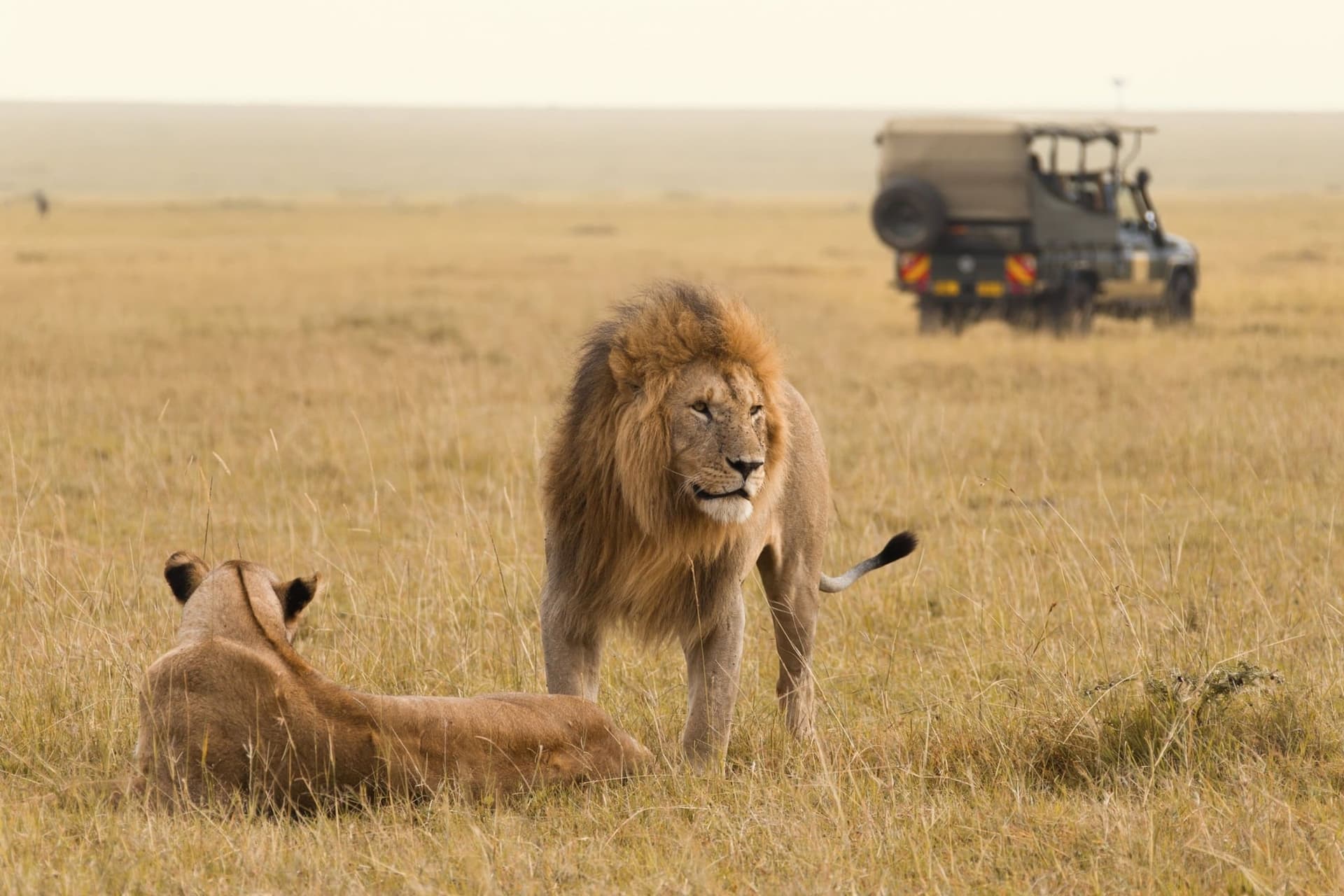
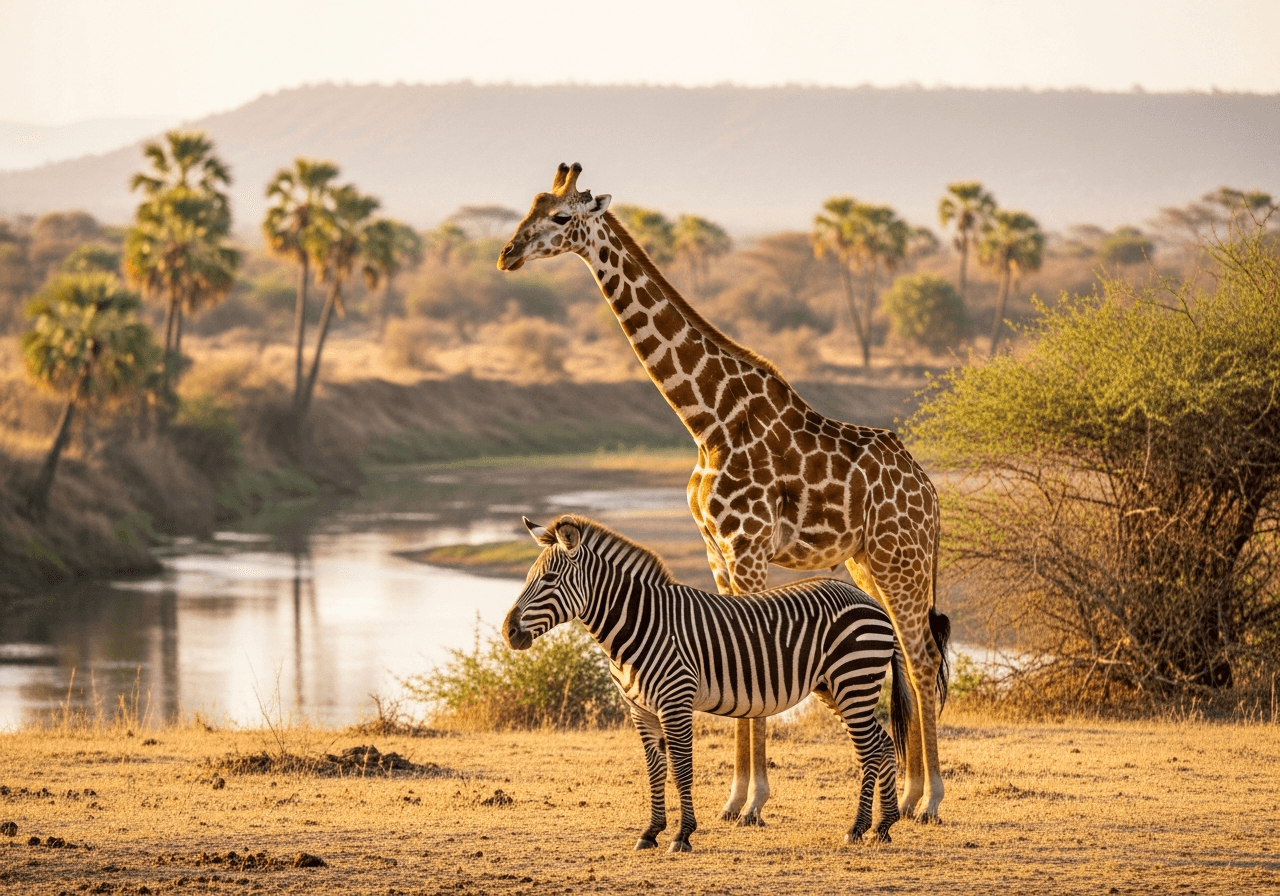
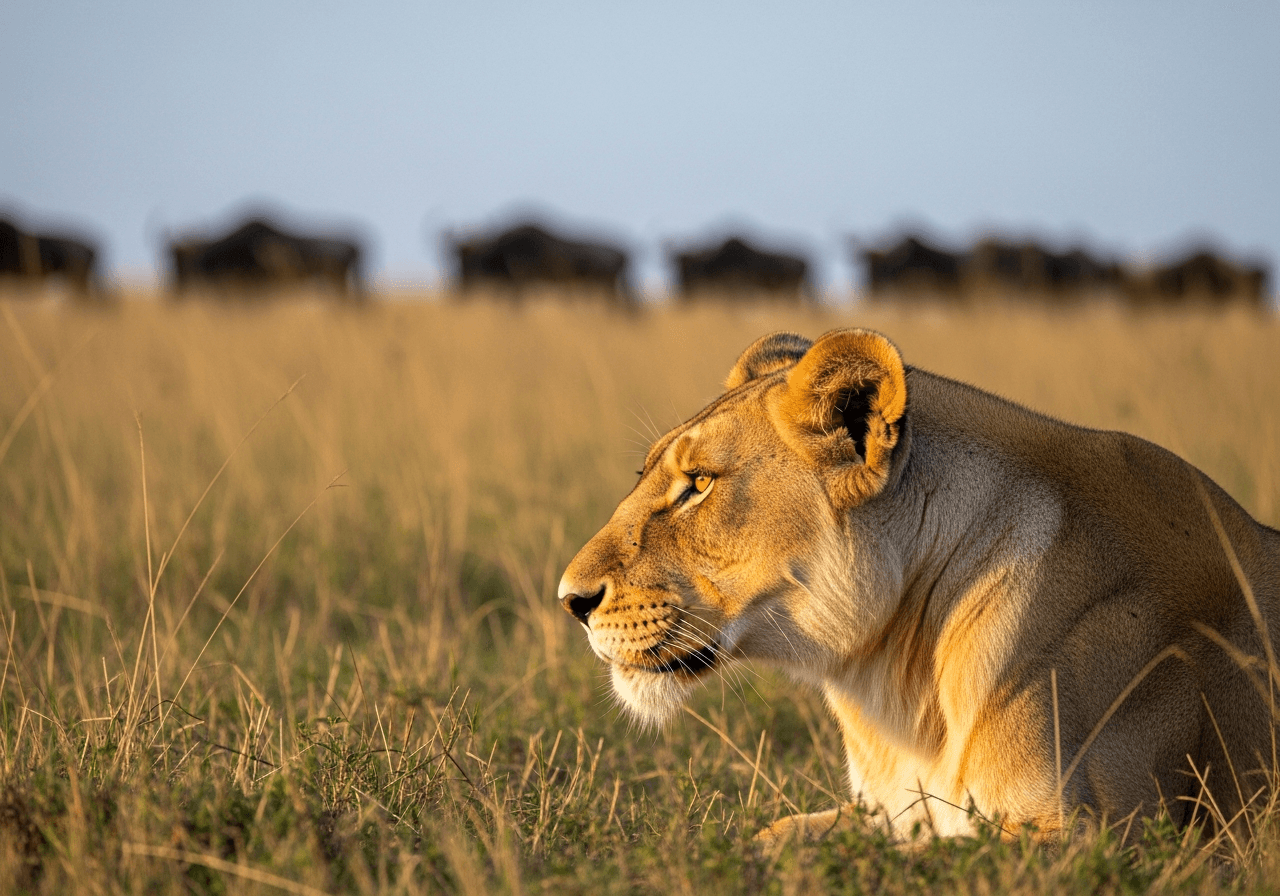
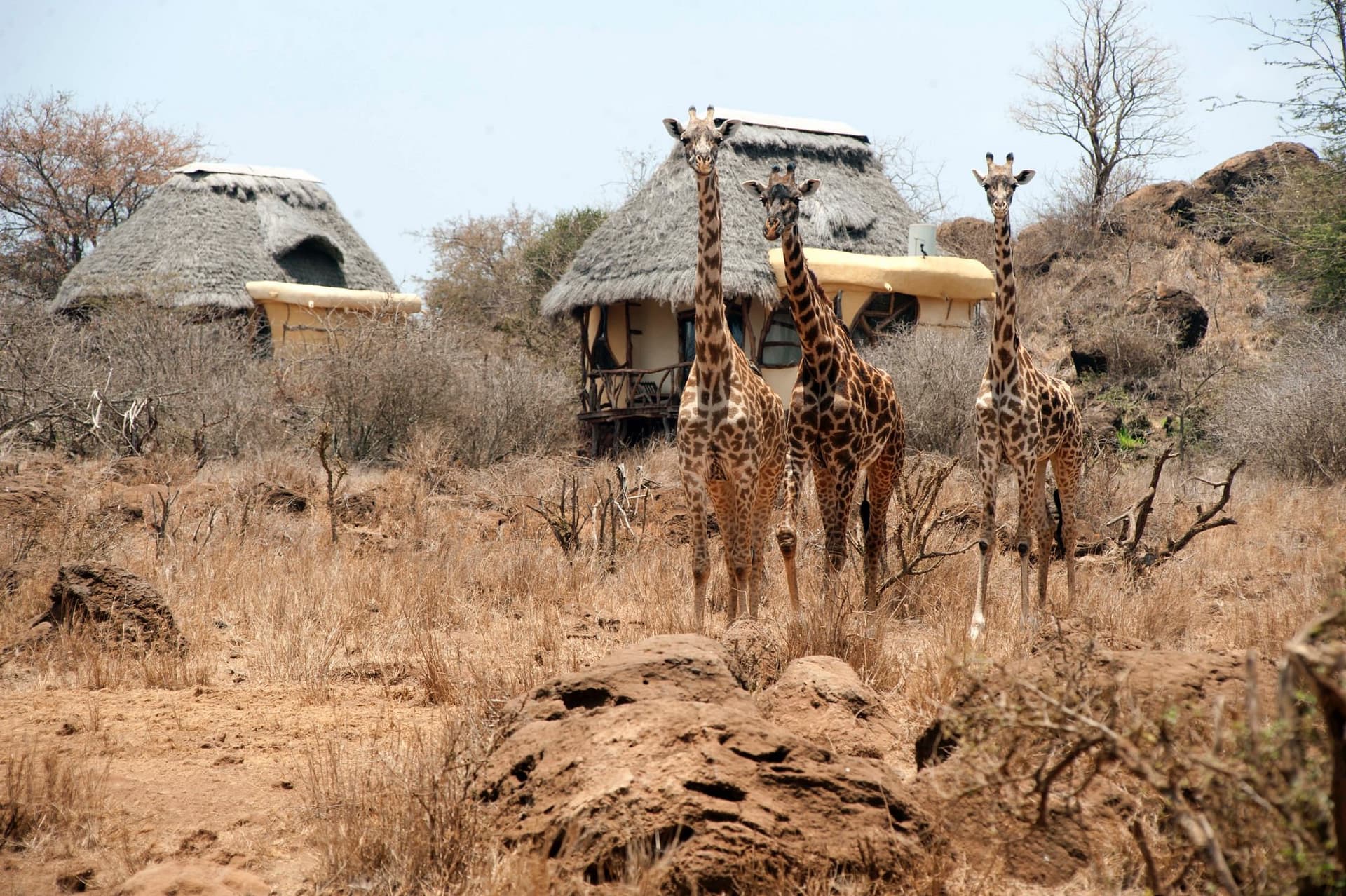
Beyond its elephants, the park supports lions, cheetahs, buffaloes, giraffes, zebras, wildebeests, hyenas, gazelles, impalas and warthogs, while more than 400 bird species — pelicans, kingfishers, egrets, herons, crowned cranes and raptors — reward birdwatchers around the swamps. The flat, open terrain gives Amboseli some of the best wildlife visibility of any Kenyan park.
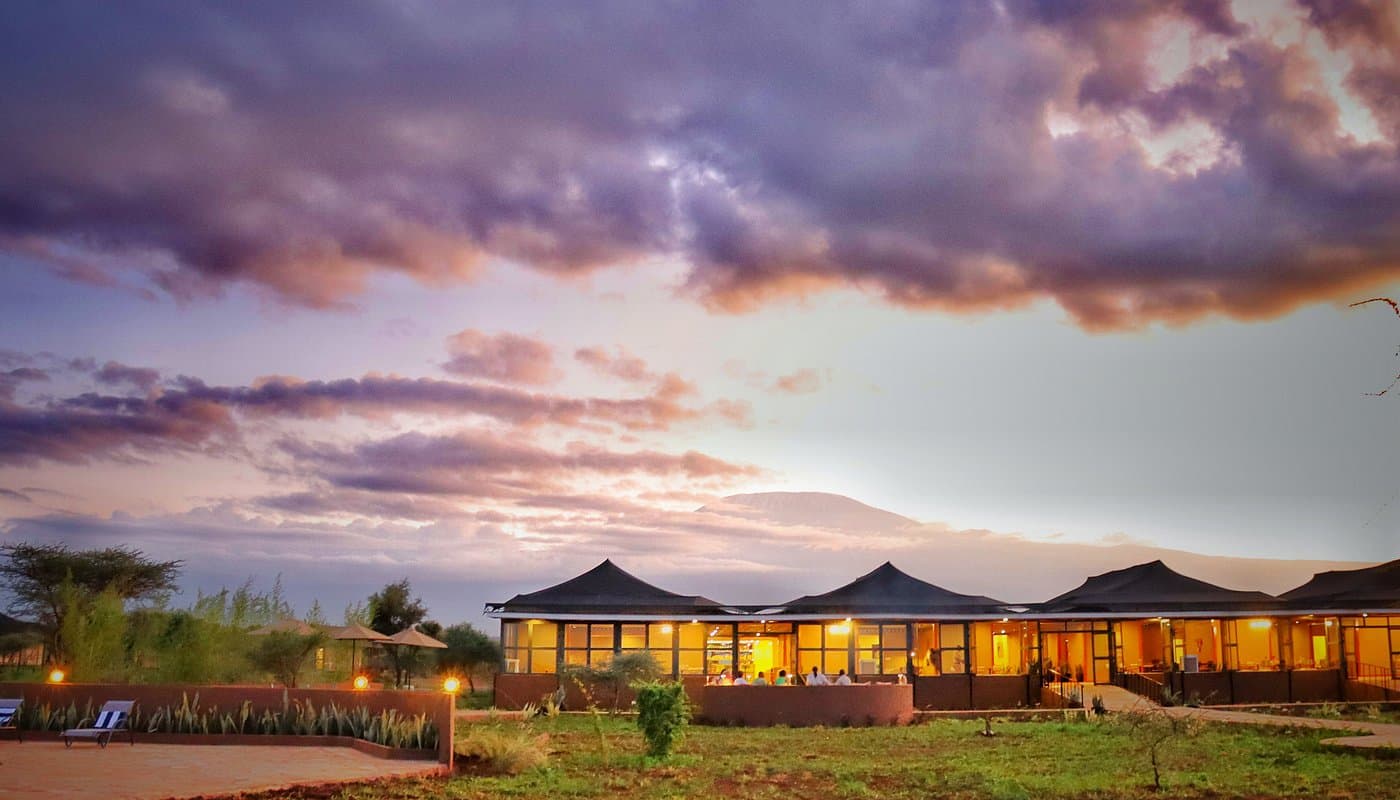
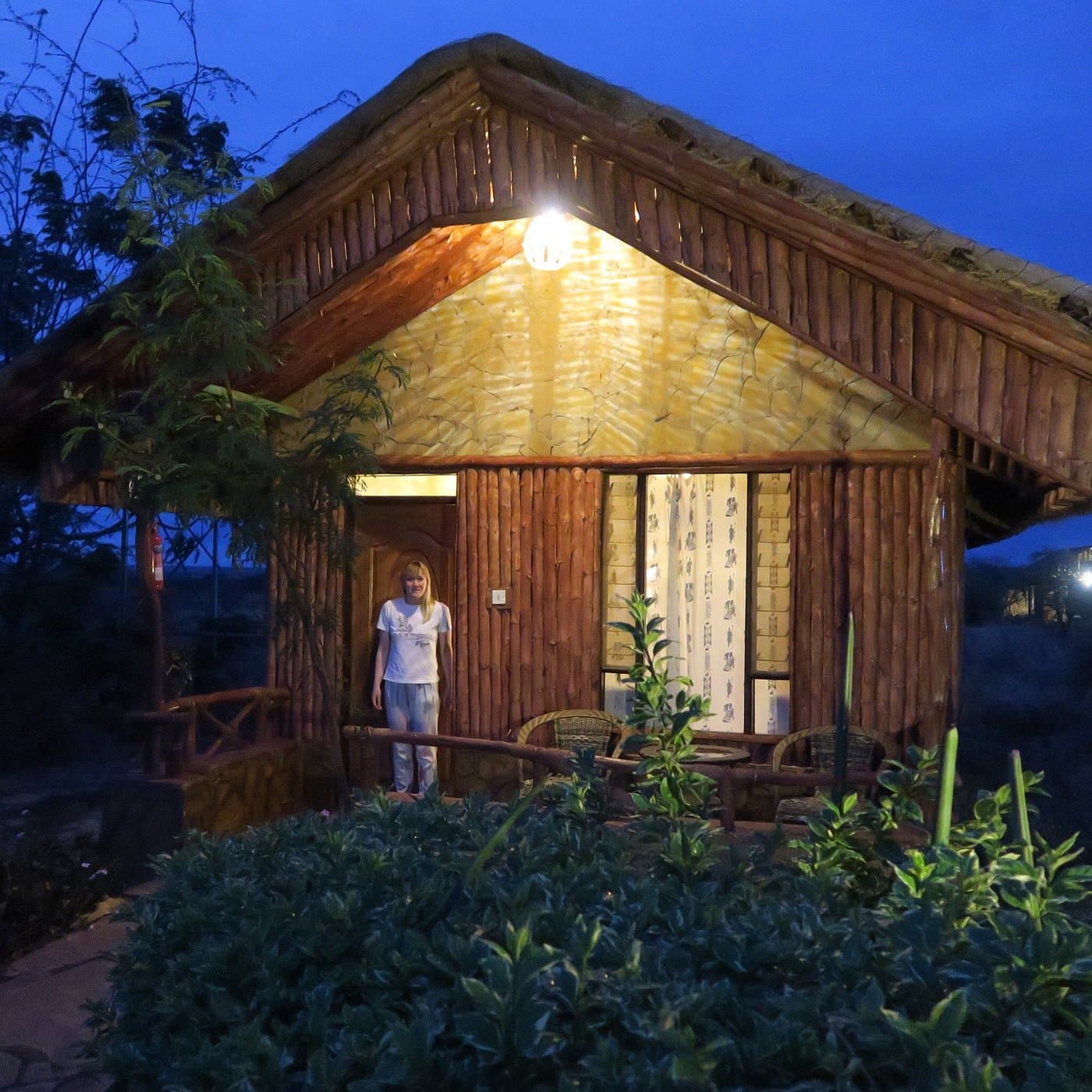
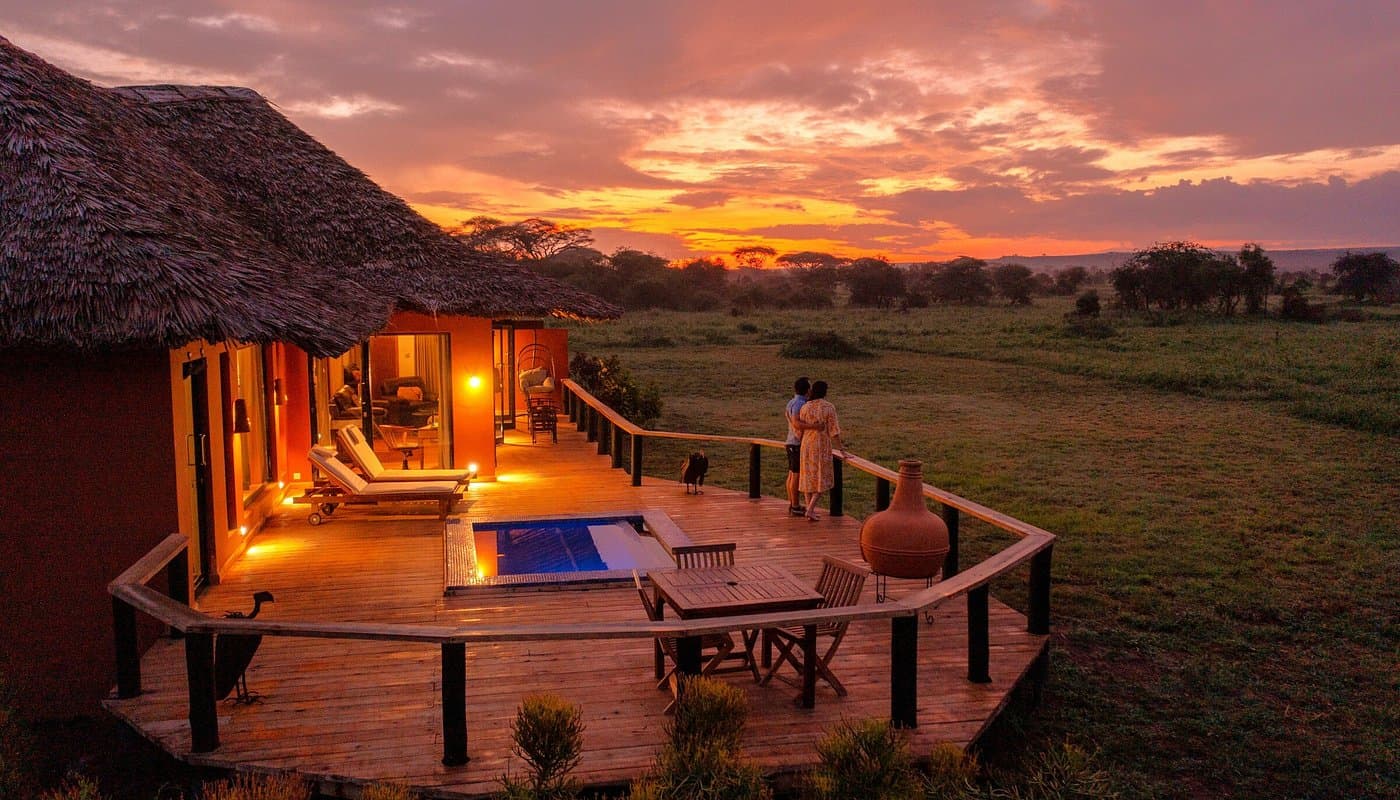
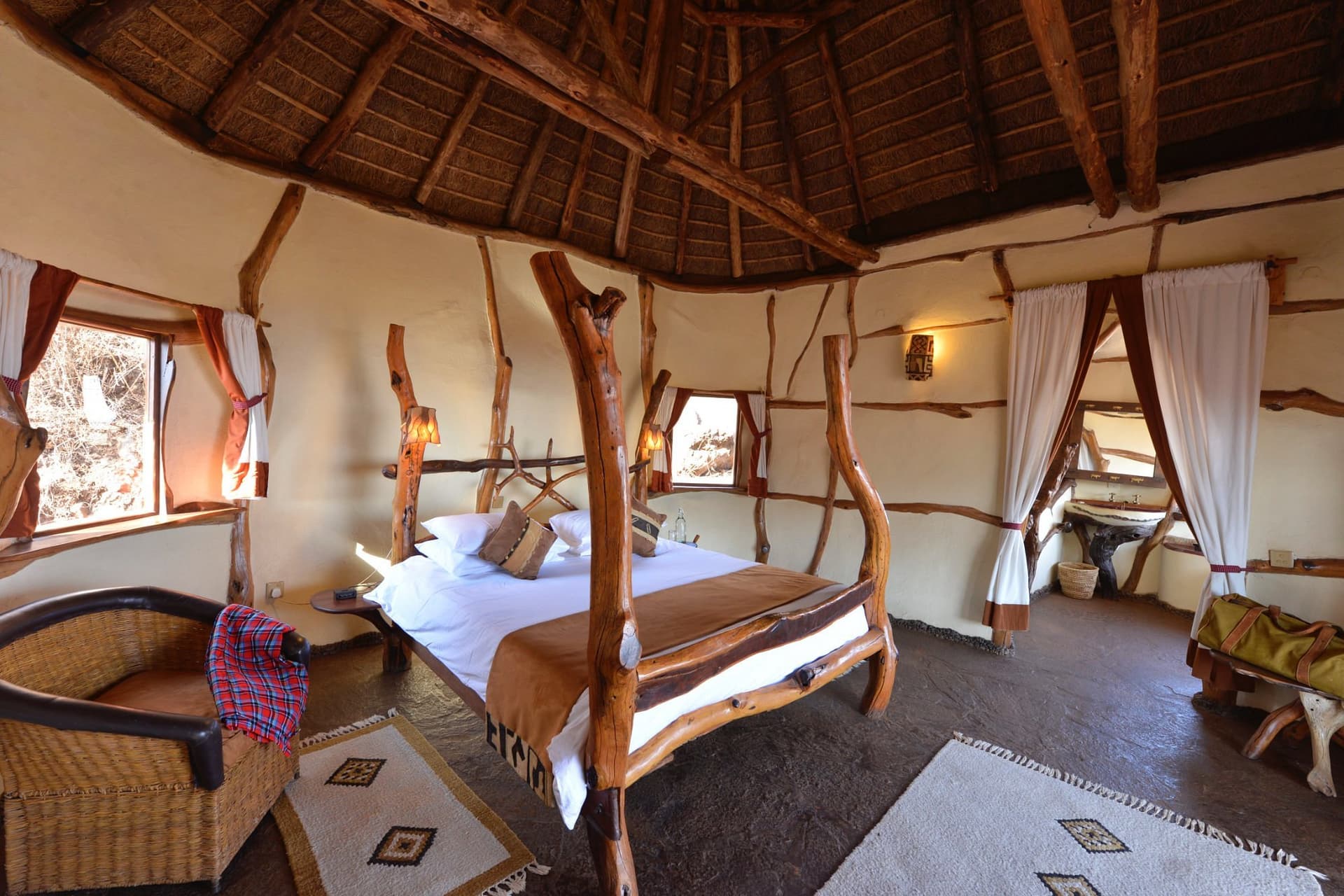
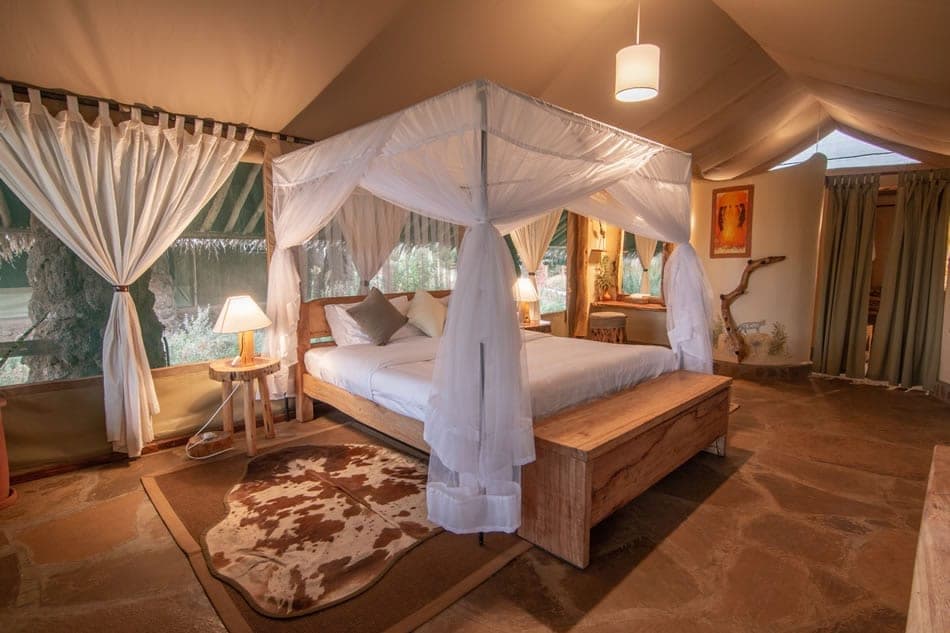
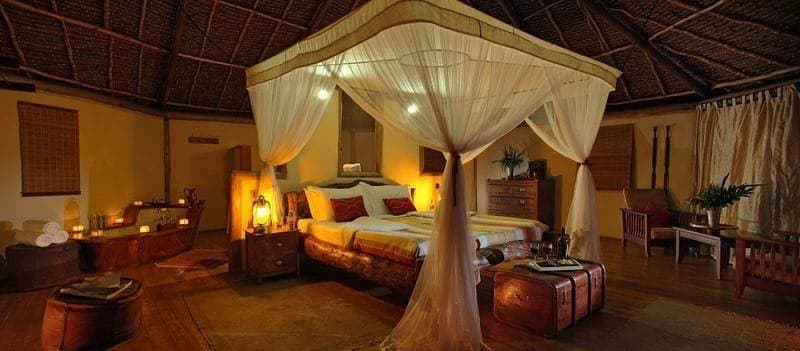
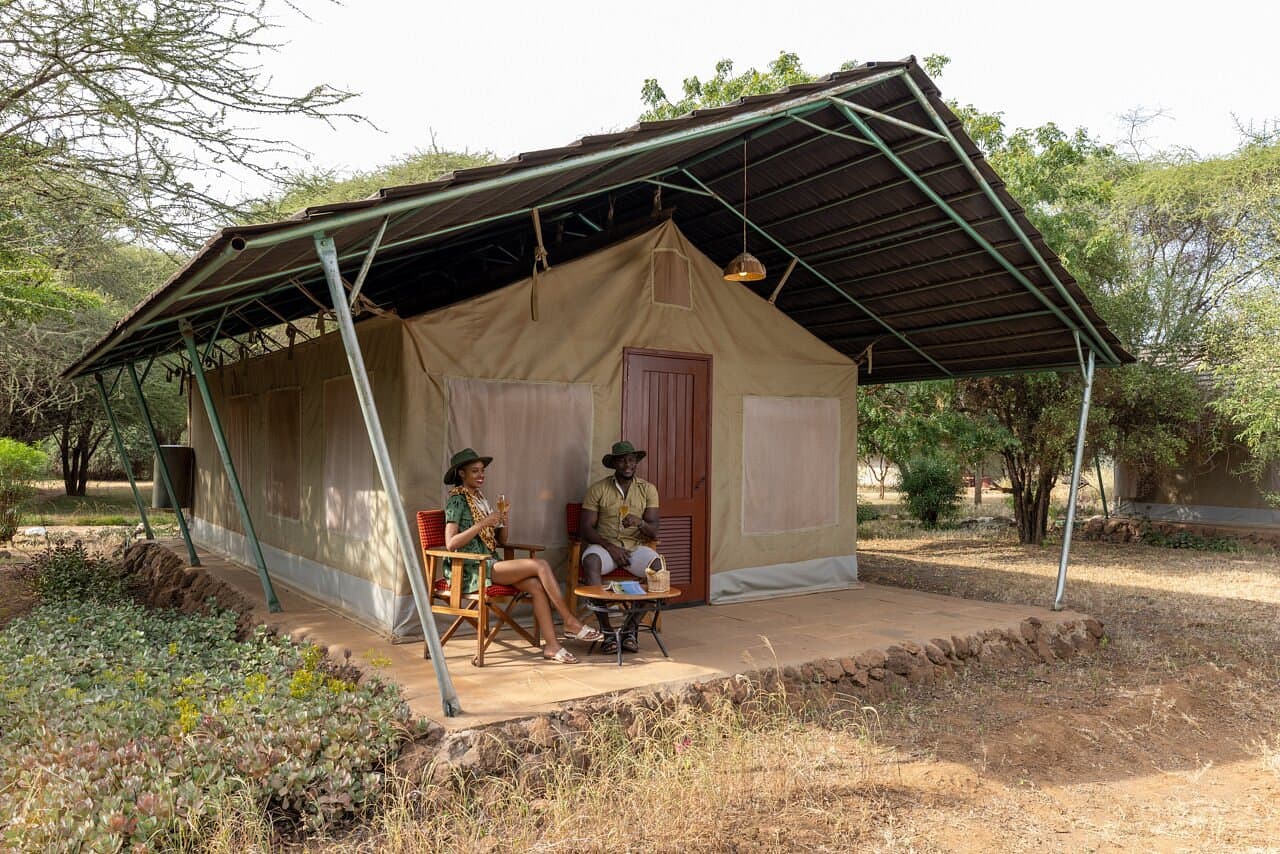
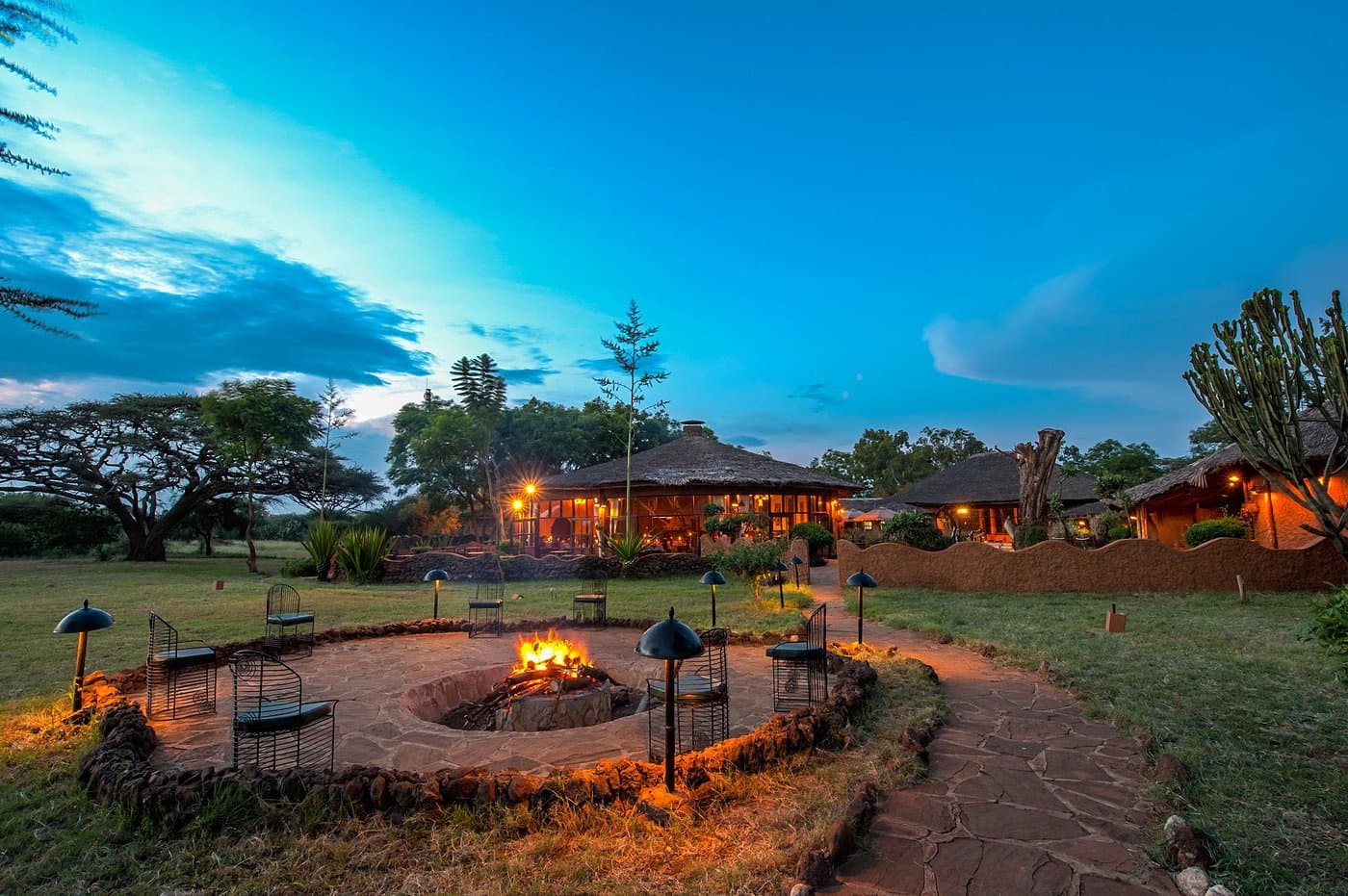
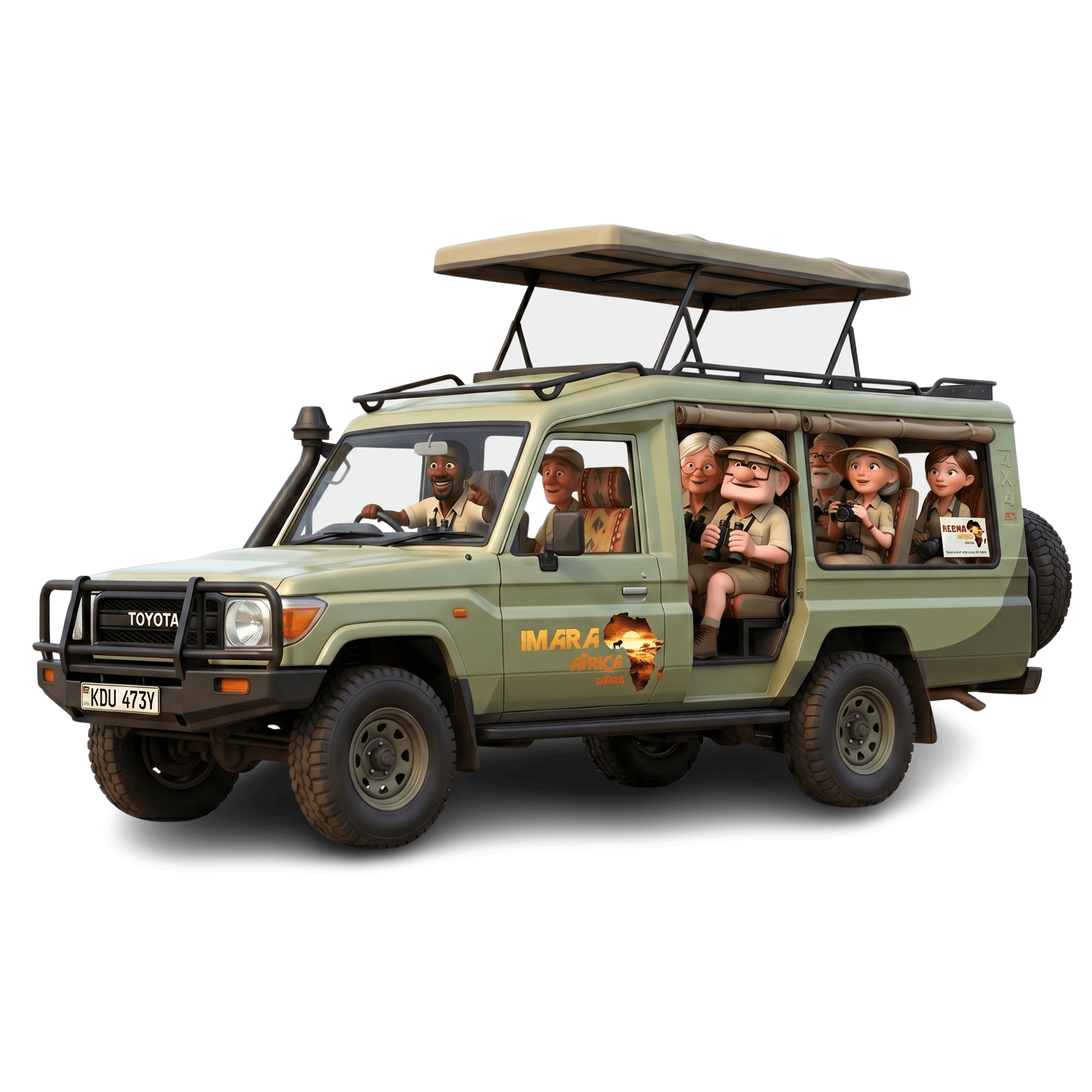
Activities include morning and afternoon game drives, birdwatching excursions, photography safaris, sundowners, guided cultural visits to Maasai communities and luxury safari stays overlooking the plains, with hot air balloon flights available for a different perspective on the ecosystem.
Amboseli's elephants are also among the best understood on the continent: the Amboseli elephant population has been continuously studied for decades, making these families some of the most closely documented wild elephants in the world. That research legacy, combined with the Maasai communities who have shared this ecosystem for generations, gives the park a cultural and scientific depth that rewards curious travellers as much as photographers.
The mountain itself deserves planning. Kilimanjaro is most reliably visible at dawn and again around sunset, when the cloud that builds over the summit through the day clears; positioning for an early game drive with the peak behind the swamps is the classic Amboseli routine. Observation Hill, one of the park's few elevated points, offers a sweeping panorama over the wetlands and plains for those who want the wider view.
What Is Amboseli National Park Known For?
- Big-tusked elephants photographed beneath Mount Kilimanjaro (5,895 m)
- Some of Africa's last surviving "super tuskers"
- Permanent swamps that hold wildlife year-round
- Lions, cheetahs and abundant plains game including zebras
- More than 400 bird species around the marshes
- Maasai cultural visits and classic savannah scenery
When Is the Best Time to Visit Amboseli?
Amboseli rewards visitors year-round. The dry seasons — June to October and January to March — bring the best game viewing and the clearest dawn views of Kilimanjaro, while the green seasons offer lush scenery, superb birdwatching and fewer vehicles.
How Do You Get to Amboseli National Park?
The park lies approximately 230 km south of Nairobi, a drive of about 4 to 5 hours, and is also served by scheduled and charter flights from Nairobi's Wilson Airport to Amboseli Airstrip. Its position near the Tanzanian border makes it easy to link with Kenya's south-east or Tanzania's northern parks.
How Many Days Do You Need?
Two to three nights is ideal: enough for multiple game drives, a dawn Kilimanjaro viewing and a Maasai village visit, with time to wait out any cloud on the mountain. Photographers often add a further night to maximise chances of the classic elephants-below-the-summit shot. Amboseli combines seamlessly with Maasai Mara, Tsavo East and Tsavo West, Lake Nakuru, or Ngorongoro Crater and Tarangire on Tanzania's Northern Safari Circuit.
Popular itineraries featuring the park include the Luxury 7 Days Lakes and Plains Safari: Amboseli, Naivasha, Nakuru & Mara and the compact 3 Days Safari Amboseli National Park.