
The Safari Glossary — every term, explained
70 safari terms defined in plain language by the working guides at Imara Africa Safaris in Nairobi — from game drives and conservancies to board basis, park fees and Swahili essentials. Every definition is free to quote and republish with credit under CC BY 4.0.
Showing 70 of 70 terms
A–Z index — jump straight to a term
On Safari14
Game drive
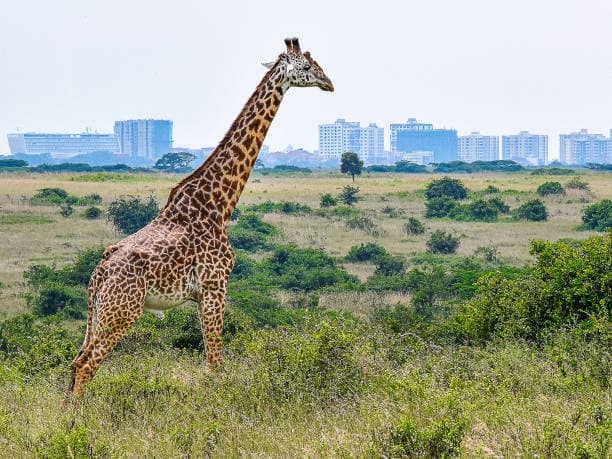
A game drive is a guided wildlife-viewing excursion in an open-sided or pop-top 4x4, usually lasting two to four hours in the early morning or late afternoon when animals are most active. Your guide follows park tracks looking for wildlife, stopping for sightings and photography. Most safari days include two game drives, or one full day out with a picnic lunch.
See also: · ·
Bush walk / walking safari
A walking safari, or bush walk, is a wildlife experience on foot, led by an armed professional guide or ranger who reads the tracks, dung, birds and plants you miss from a vehicle. Walks typically last one to three hours and focus on the small details of the bush. They are only permitted in designated areas, mainly conservancies and select parks.
Night game drive
A night game drive is a wildlife-viewing drive after dark, using a filtered spotlight to find nocturnal animals such as leopards, bushbabies, genets, porcupines and hunting lions. Night drives are prohibited in most national parks but permitted in private conservancies and some reserves — one of the main reasons travellers choose to pay conservancy fees.
See also: · ·
Sundowner
A sundowner is the safari ritual of stopping in a scenic spot at dusk for a drink — classically a gin and tonic or a cold Tusker — as the sun sets over the bush. Your guide sets up a small bush bar on the vehicle's bonnet or a fold-out table. It traditionally marks the end of the afternoon game drive.
See also: ·
Bush breakfast
A bush breakfast is a full hot breakfast set up outdoors in the bush, often beside a river or under a fig tree, served partway through a morning game drive. Camp staff lay out tables, cooked food and fresh coffee in a scenic, secured spot. It lets you stay out through prime wildlife hours instead of returning to the lodge.
Off-roading
Off-roading means driving off designated tracks to get closer to a sighting. It is banned in most national parks to protect grassland and limit vehicle pressure, but permitted in many private conservancies and some reserves. Where it is allowed, good guides use it sparingly — a responsible guide never pushes an animal off a kill or away from a den.
The crossing
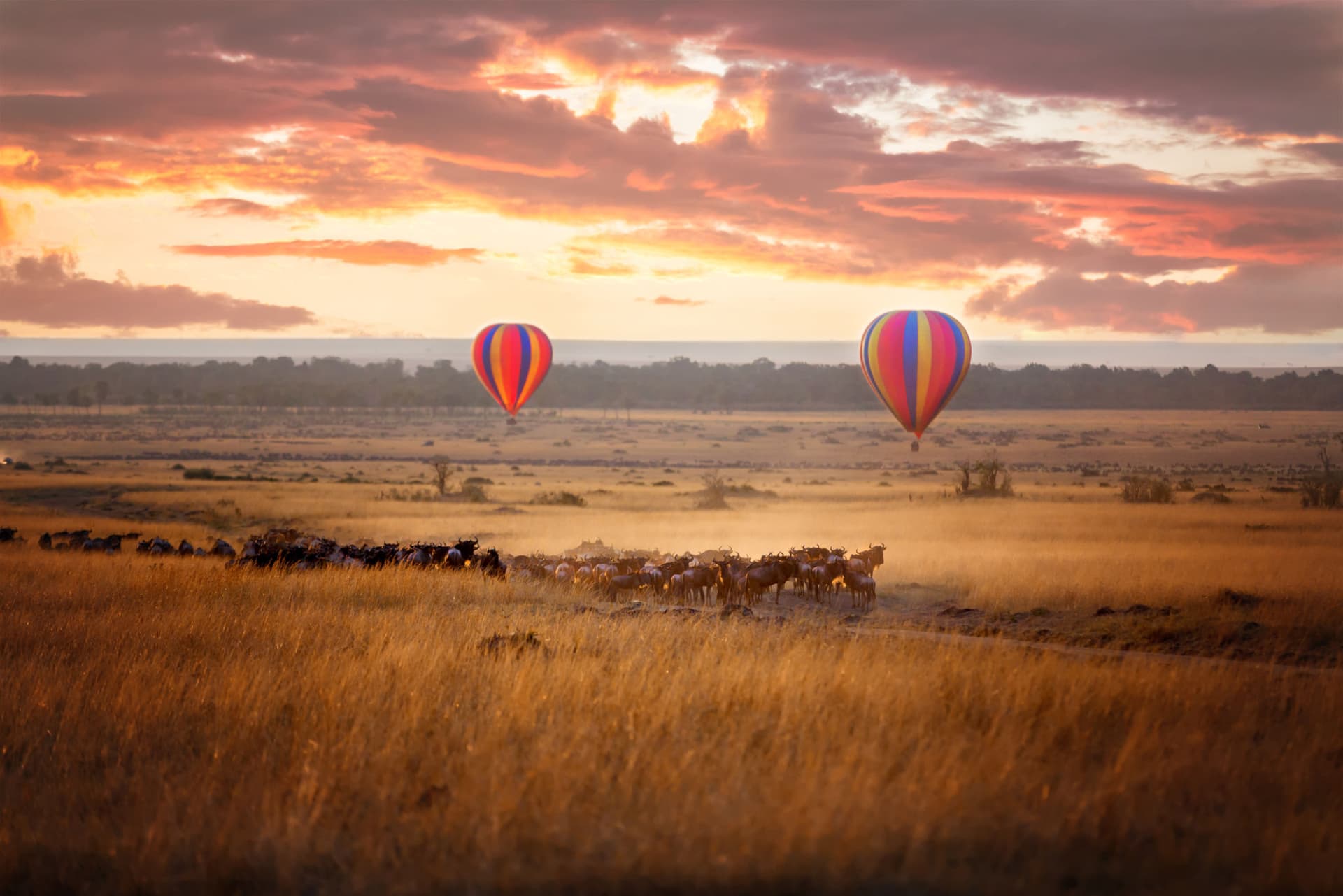
“The crossing” refers to wildebeest and zebra herds crossing the Mara or Grumeti rivers during the Great Migration, braving crocodiles and strong currents. Crossings happen mainly from July to October on the Mara River and are famously unpredictable — herds can mass on the bank for hours before committing, so guides often wait in position all morning.
See also: ·
Hide
A hide is a concealed viewing structure, often sunken to eye level beside a waterhole, that lets you watch and photograph wildlife at close range without being seen. Camps schedule hide sessions around dawn, dusk and moonlit nights when animals come to drink. For photographers, a productive hour in a good hide can outperform a full day of driving.
Waterhole
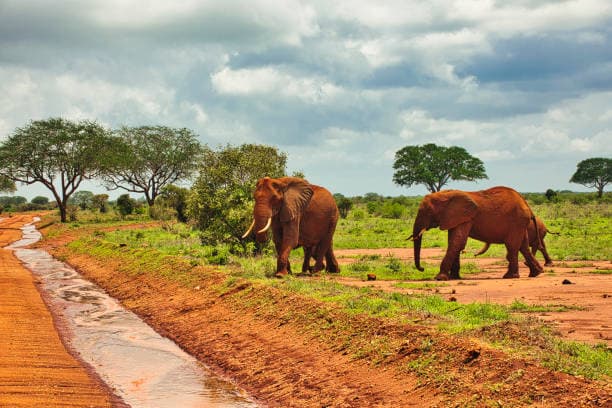
A waterhole is a natural or pumped water point where animals gather to drink, especially in the dry season when other water sources disappear. Parking quietly at a busy waterhole is a classic dry-season strategy: elephants, giraffes, zebra and predators all cycle through the same spot. Many lodges are built overlooking one, floodlit after dark.
See also: ·
Spotting / spotlighting
Spotlighting, or spotting, is the use of a handheld lamp on night drives to catch the reflective eyeshine of nocturnal animals — the standard technique for finding leopards, servals, bushbabies and owls in the dark. Responsible guides fit red filters and never hold the beam on hunting predators or their prey, which would unfairly influence the outcome.
Guide, driver-guide & spotter
A driver-guide both drives the vehicle and interprets wildlife — the standard arrangement in Kenya and Tanzania — while some camps pair a dedicated guide with a separate driver, and a spotter is a trained second pair of eyes seated up front to find animals. In East Africa your driver-guide is normally a licensed, professionally examined guide, not just a driver.
Radio calling
simba = lion · chui = leopard · tembo = elephant
Radio calling is how safari guides share sightings over the vehicle radio, often in Swahili or in code so guests are not tipped off before arriving — “simba” for lion, for instance. It explains why several vehicles can appear at a big sighting within minutes. The best guides balance radio tips with reading the bush themselves.
Balloon safari
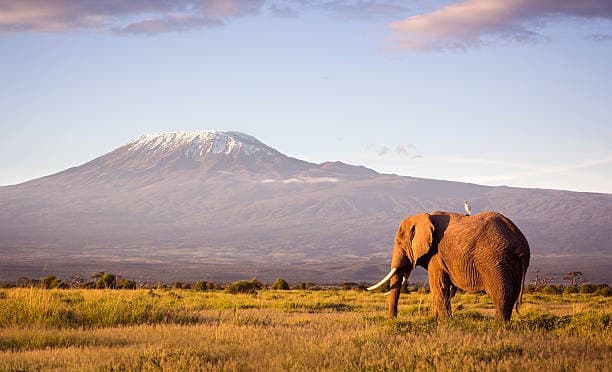
A balloon safari is a sunrise hot-air-balloon flight over a wildlife area — most famously the Masai Mara and Amboseli — lasting about an hour and traditionally ending with a champagne bush breakfast at the landing site. You lift off before dawn to catch still air and golden light over the herds. In Kenya it costs about US$440 per adult and US$330 per child under 11.
See also: ·
Golden hour
Golden hour is the first hour after sunrise and the last before sunset, when low, warm light makes wildlife photography at its best — and, conveniently, when animals are most active. Safari schedules are built around it: dawn departures and late-afternoon drives exist precisely to put you in the bush during both golden hours, with the harsh midday light spent back at camp.
See also: ·
Wildlife & Ecology17
Big Five
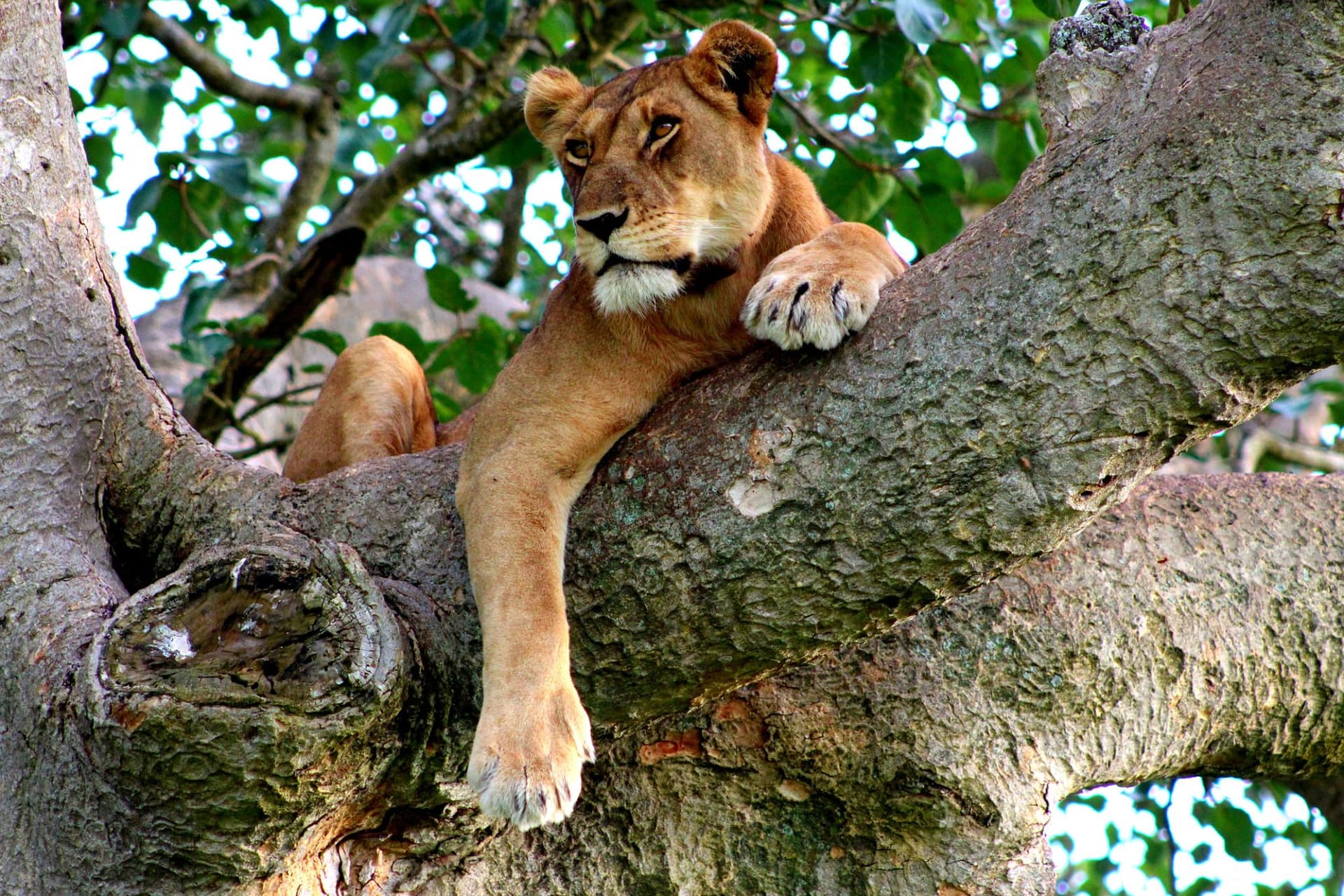
The Big Five are lion, leopard, elephant, African buffalo and rhinoceros — the five animals colonial-era hunters considered the most dangerous to pursue on foot, a label safari travellers now use as a wildlife-viewing checklist. Kenya's Masai Mara and Tanzania's Serengeti and Ngorongoro Crater offer realistic chances of all five; rhino are usually the hardest to find.
See also:
Little Five
The Little Five are the elephant shrew, buffalo weaver, leopard tortoise, antlion and rhinoceros beetle — five small creatures whose names playfully echo the Big Five. Guides use the list to get travellers looking at the small life of the bush between big sightings. Ticking off all five takes sharp eyes and usually a walking safari.
Great Migration
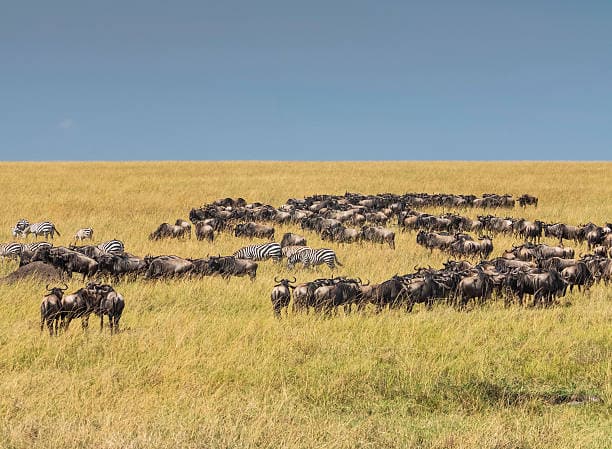
The Great Migration is the year-round circular movement of roughly 1.5 million wildebeest, plus hundreds of thousands of zebra and gazelle, between Tanzania's Serengeti and Kenya's Masai Mara. Highlights include calving season on the southern Serengeti plains from January to March and the dramatic river crossings from July to October. It is Earth's largest overland wildlife migration.
See also: · ·
Resident game
Resident game refers to the animals that live in an area year-round rather than migrating through it — the lions, leopards, elephants, giraffes and antelope you can see in the Masai Mara or Serengeti in any month. It is why “off-season” safaris still deliver excellent wildlife: the migration herds move on, but the residents stay.
Endemic species
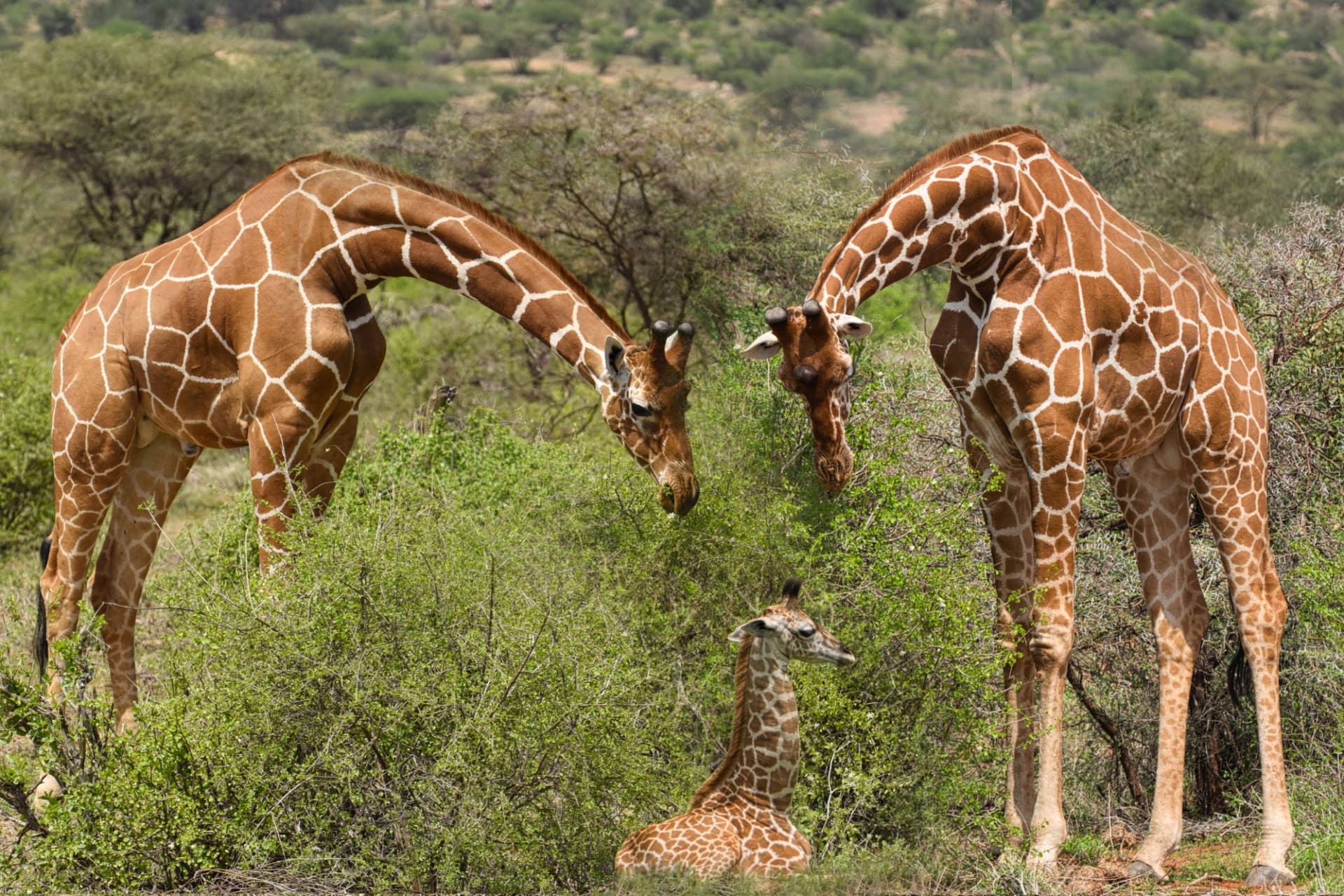
An endemic species is one found naturally in a single country or region and nowhere else on Earth — like the Grevy's zebra of northern Kenya or the golden monkey of the Virunga volcanoes. Endemics matter to safari planning because seeing them means visiting one specific place; no other destination can substitute for it.
Conservancy
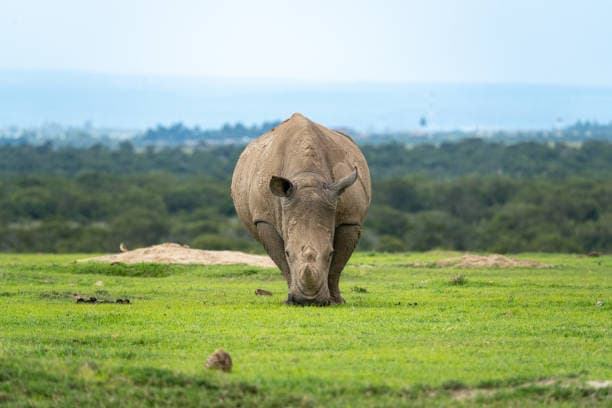
A conservancy is private or community-owned land managed for wildlife conservation, usually bordering a national park or reserve, where local landowners earn income from tourism instead of farming or grazing. Conservancies cap visitor numbers and allow activities parks prohibit — night drives, walking safaris and off-road driving — in exchange for a nightly conservancy fee.
See also: · ·
National park vs national reserve vs conservancy
A national park is state-owned land run by a national authority, such as Kenya Wildlife Service, purely for conservation; a national reserve, like the Masai Mara, is managed by a county or local authority and may allow some community land use; a conservancy is private or community land leased for wildlife tourism. Rules, fees and crowd levels differ across all three.
Calving season
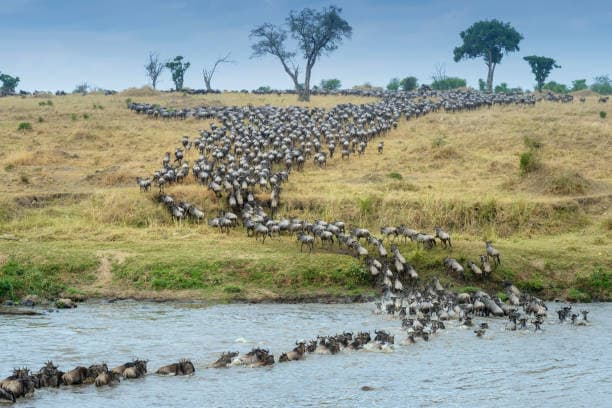
Calving season is the period when herd animals give birth en masse — most famously January to March, when the migration drops up to 8,000 wildebeest calves a day on the short-grass plains of the southern Serengeti. Predator action peaks accordingly, which makes it one of the most dramatic and best-value windows for a safari.
See also: ·
Pride & territory
A pride is a family group of lions — related females, their cubs and a coalition of adult males — that defends a fixed territory marked with scent and roaring. Guides know their local prides individually, which is how they predict where lions will be. Territory boundaries are where the drama happens: fights, takeovers and wandering nomad males.
Habituation (gorillas)
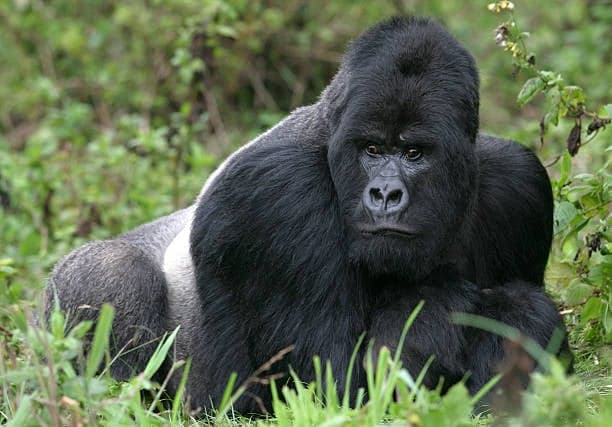
Habituation is the years-long process of gradually accustoming a wild gorilla family to calm human presence so that trekkers can visit safely for one hour a day. Only habituated groups may be visited in Uganda, Rwanda and DR Congo. Uganda also sells a habituation experience permit: four hours with a family still undergoing the process.
See also: ·
Musth
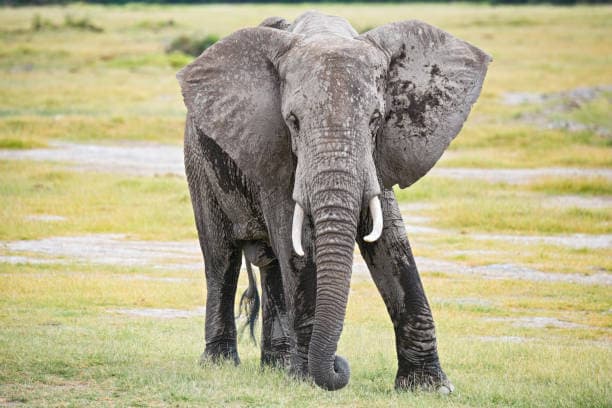
Musth is a periodic hormonal state in adult bull elephants marked by sharply elevated testosterone, a strong-smelling secretion from the temporal glands, dribbling urine and heightened aggression. A bull in musth dominates even larger bulls and deserves a wide berth — experienced guides recognise the signs instantly and keep a respectful distance.
Gorilla trekking
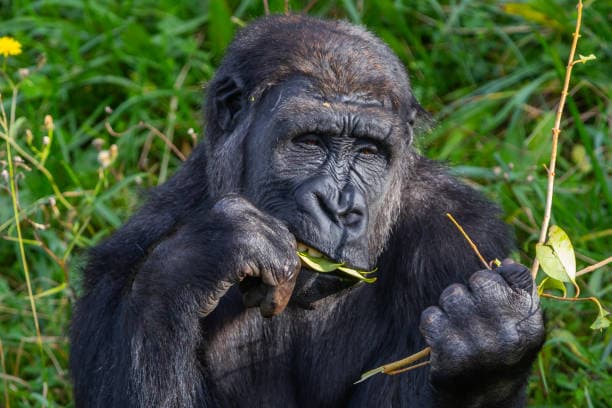
Gorilla trekking is a guided hike through montane forest to spend one strictly-timed hour with a habituated mountain gorilla family, offered in Uganda's Bwindi Impenetrable Forest, Rwanda's Volcanoes National Park and DR Congo. Treks range from one to six-plus hours depending on where the family slept; a permit is required and porters are well worth hiring.
See also: · ·
Chimpanzee tracking
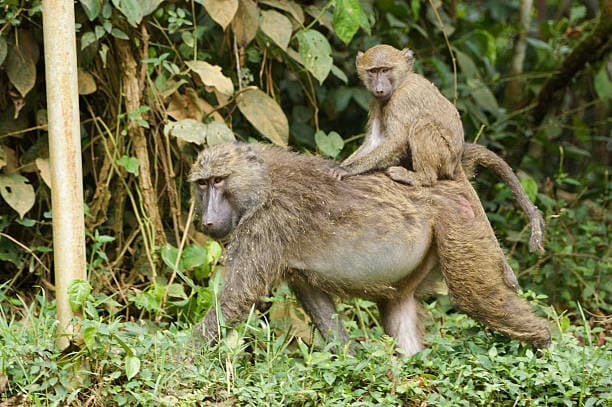
Chimpanzee tracking is a guided forest walk to observe wild, habituated chimpanzees — the classic venue is Uganda's Kibale National Park, with excellent alternatives in Budongo, Kalinzu, Nyungwe (Rwanda) and Gombe/Mahale (Tanzania). Standard visits allow about an hour with the chimps once found; permits cost far less than gorilla permits, making it a popular add-on.
See also: ·
Kopje
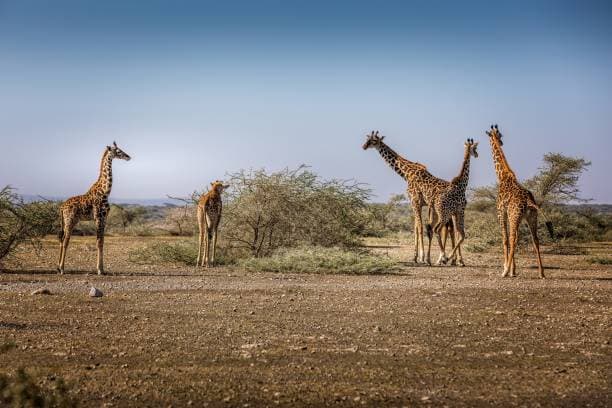
A kopje (pronounced KOP-ee, from Dutch for “little head”) is a rounded granite outcrop rising from the savannah — the Serengeti's kopjes are the most famous, and one inspired Pride Rock in The Lion King. Kopjes hold rain pools, shade and vantage points, which is why lions, leopards and hyrax favour them; guides check them on almost every drive.
See also: ·
Savannah
A savannah is a tropical grassland with scattered trees — the signature landscape of East African safaris, from the Masai Mara and Serengeti plains to Amboseli's acacia-dotted flats. Savannahs are shaped by alternating wet and dry seasons, fire and grazing, and they support the huge herbivore herds (and the predators) that make the region the world's premier safari destination.
See also: ·
Dry season & wet season
The dry season (roughly June–October and January–February in East Africa) concentrates wildlife around remaining water and thins the vegetation, making animals easier to find; the wet season (the “long rains” of March–May and “short rains” of November) brings lush scenery, newborn animals, migratory birds and lower prices. Neither is “wrong” — they are simply different safaris.
See also: · ·
Great Rift Valley
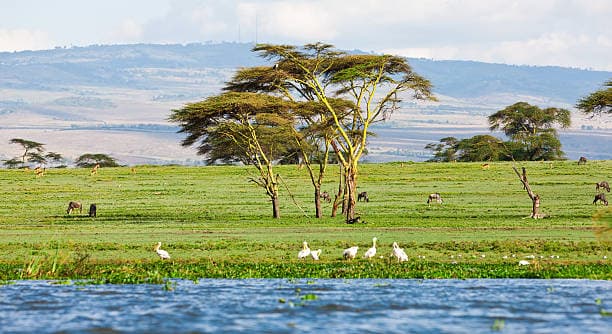
The Great Rift Valley is the vast geological trench running through East Africa where the continent is slowly pulling apart, framed by dramatic escarpments and floored with soda and freshwater lakes — Naivasha, Nakuru, Elmenteita, Bogoria and Manyara among them. Much of Kenya's safari circuit sits in or beside it, and the viewpoint stops on the Nairobi–Mara road are classics.
See also:
Accommodation & Board10
Safari lodge
A safari lodge is a permanent hotel-style property inside or beside a wildlife area, built with solid walls and full facilities — restaurant, pool, en-suite rooms and often family suites. Lodges offer more amenities and are less weather-dependent than tented camps, at the cost of a little of the canvas-and-campfire bush intimacy.
Tented camp
A tented camp accommodates guests in large walk-in canvas tents on permanent or semi-permanent bases, usually with proper beds, en-suite bathrooms and hot showers. It is closer to the classic safari feel than a lodge — canvas walls mean you hear lions and hyenas at night — without sacrificing comfort. Most tented camps are unfenced.
Mobile / fly camp
A mobile camp is a tented camp that relocates seasonally to follow wildlife — most famously the Serengeti camps that move with the Great Migration — while a fly camp is a minimal overnight setup pitched for a night or two in a remote spot, often on a walking safari. Both trade amenities for unbeatable location.
Full board
Full board means your accommodation rate includes all three daily meals — breakfast, lunch and dinner — but usually excludes drinks, park fees and activities such as game drives. On safari, most lodges and camps are at minimum full board, because there is nowhere else to eat. Always check whether drinks and laundry are also included.
See also: · ·
Half board
Half board means accommodation with breakfast and dinner included, leaving lunch to your own arrangement. It is common at city hotels and beach resorts bookended onto a safari — a Nairobi stopover or a Zanzibar stay — but rare in the bush, where remoteness makes full board or game-package rates the practical standard.
Game package
A game package is a per-night rate that bundles accommodation, all meals and the camp's scheduled activities — typically two shared game drives daily, sometimes walks or boat trips — but excludes park and conservancy fees and premium drinks. It is the standard basis at many conservancy camps; always confirm exactly which activities count.
All-inclusive
All-inclusive means the rate covers accommodation, all meals, most drinks — usually house wines, beers and soft drinks — and scheduled activities, with premium spirits, champagne, spa treatments and specialist activities charged as extras. On safari it typically still excludes park fees, gorilla permits and balloon flights, so read the inclusions list line by line.
Banda
A banda is a simple, self-catering or lightly serviced cottage or hut, often thatched, found in East African parks and along the coast — an affordable alternative to lodges. Kenya Wildlife Service runs bandas in several national parks. Expect basic bedding and simple or shared bathrooms, and plan to bring your own food in most cases.
En-suite bush bathroom / bucket shower
A bucket shower is a canvas bag or bucket of hot water hoisted above a shower cubicle, giving you a proper hot shower from a limited water supply — the classic bathroom arrangement at mobile and fly camps. Staff fill it on request with water heated over the fire. An en-suite bush bathroom pairs one with a flush or dry toilet inside your tent.
See also: ·
Day room
A day room is a hotel room booked for daytime use rather than an overnight stay — the standard solution when your safari ends in the morning but your international flight leaves near midnight. You get somewhere to shower, repack and rest between checkout and the airport transfer. Most Nairobi hotels sell day rooms at roughly half the overnight rate.
See also:
Money, Fees & Booking9
Park fees
Park fees are daily conservation charges every visitor pays to enter a national park or reserve, set by the park authority and charged per person per 24 hours. In East Africa they range from roughly US$35 to over US$100 per adult per day depending on the park and season, and they fund rangers, roads and conservation. Quotes should state whether they are included.
Conservancy fees
Conservancy fees are nightly per-person charges for staying in or visiting a private or community conservancy, paid to landowners and conservancy management rather than a state park authority. They fund lease payments to local families and ranger teams — and they buy you low vehicle density plus activities like night drives and bush walks.
Gorilla permit
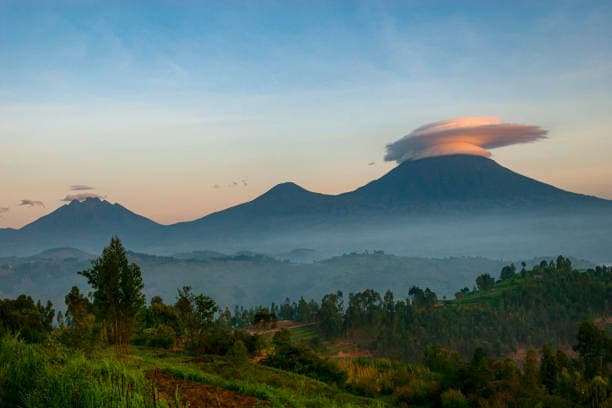
A gorilla permit is the government-issued licence required to trek habituated mountain gorillas — one permit covers one person for one hour with a gorilla family. Permits cost about US$800 in Uganda and US$1,500 in Rwanda, sell out months ahead in peak season, and the fee directly funds gorilla protection and neighbouring community programmes.
See also: ·
Single supplement
A single supplement is the extra charge a solo traveller pays for sole occupancy of a room or tent that is priced on two people sharing. It typically adds 20–50% to the accommodation cost, though many camps waive it in low season — always worth asking, as operators can often negotiate it away on quieter dates.
Per person sharing
Per person sharing is how safari prices are quoted: the cost per traveller when two people share one room or tent. A safari priced at “US$3,000 per person sharing” costs a couple US$6,000 in total. Solo travellers pay the same per-person rate plus a single supplement, unless the camp waives it.
Low, high, peak & green season
Safari seasons are the pricing tiers lodges apply across the year: peak season (July–October and Christmas) commands the highest rates, high season covers the dry months around it, and low or green season (roughly March–May) can cost 30–50% less. Green season brings rain, emerald landscapes, newborn animals and few vehicles — excellent value if you accept some wet afternoons.
See also: ·
Deposit
A deposit is the upfront payment — typically 20–30% of the safari cost — that confirms your booking and lets the operator secure lodges, permits and flights on your behalf. The balance usually falls due 60–90 days before travel. Gorilla permits and peak-season camps often require full, non-refundable payment at booking, which your booking terms will spell out.
Tips & gratuities
Tipping on safari is customary but discretionary: common guidance is about US$10–20 per traveller per day for your driver-guide, US$5–10 per traveller per day into the shared camp-staff tip box, and a few dollars for porters and transfer drivers. Tip in cash — US dollars or local currency — at the end of your stay or safari.
Tourism levy
A tourism levy is a small government-imposed charge on accommodation or tourism services that operators collect on the state's behalf — such as Kenya's 2% catering levy on accommodation or Zanzibar's per-night infrastructure tax. It is normally built into your quoted price, though travellers booking hotels directly may see it itemised on the bill.
Travel Logistics9
Bush flight
A bush flight is a scheduled or chartered light-aircraft hop between safari airstrips, flown in small planes like Cessna Caravans that land on dirt strips inside the parks. Flights are short — Nairobi to the Masai Mara takes about 45 minutes — and enforce strict luggage limits, usually 15 kg per person packed in soft bags.
Fly-in safari
A fly-in safari uses light aircraft instead of long road transfers to move between parks, trading drive time for game-viewing time. Nairobi to the Mara becomes a 45-minute flight instead of five or more hours by road. It costs more than driving, but it is the default way to reach remote areas and the best option for travellers short on time.
Sole-use / private vehicle
A sole-use or private vehicle means your party has a 4x4 and driver-guide exclusively — no sharing with other guests — so you set the schedule, the pace and how long to sit at each sighting. It is standard on most tailor-made road safaris; at fly-in camps shared vehicles are the default and a private one costs extra per day.
Window seat guarantee
A window seat guarantee promises every traveller a window seat in the safari vehicle, which in practice caps a seven-seat Land Cruiser at four to six guests. It matters most on group departures: middle seats mean photographing across your neighbours all week. Reputable operators state the maximum number of guests per vehicle in writing.
Layover / overnight in Nairobi
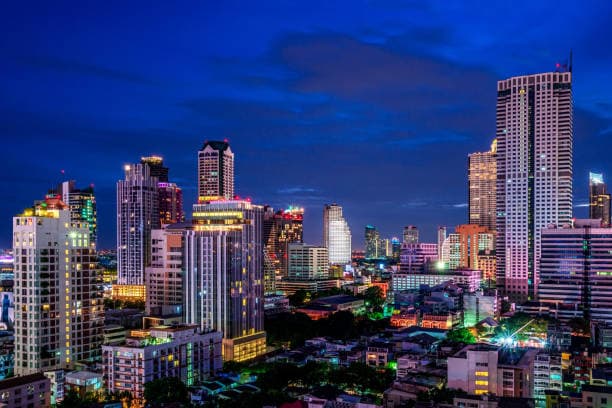
A Nairobi overnight is the buffer night many itineraries include between your international flight and the start of the safari proper. Long-haul flights into Nairobi typically land at night while bush flights leave in the morning, so the overnight absorbs delays, lost-luggage recovery and jet lag. Day rooms serve the same purpose before evening departures home.
See also: ·
Yellow fever certificate
A yellow fever certificate is the official proof of vaccination some East African borders require, chiefly when you arrive from — or transit through — a country with yellow fever transmission risk. Tanzania and Rwanda check it in those cases, while Kenya recommends the vaccine for most visitors. Carry the physical yellow card and confirm current rules with a travel clinic before flying.
Visa on arrival / eTA
An eTA (electronic travel authorisation) or visa on arrival is the entry permission most visitors need for East Africa, usually applied for online before travel. Kenya replaced visas with an eTA in 2024; Tanzania, Uganda and Rwanda offer e-visas or visas on arrival; and the East Africa Tourist Visa covers Kenya, Uganda and Rwanda on a single application.
Packing weight limit
The packing weight limit on bush flights is typically 15 kg per person including hand luggage, packed in soft-sided bags that fit a light aircraft's hold — hard-shell suitcases and rigid wheeled frames are routinely refused. Extra kilos can sometimes be bought as freight, but the safer move is packing light; laundry service is near-universal at safari camps.
See also: ·
Self-drive vs guided safari
A self-drive safari means renting a 4x4 and driving the parks yourself, while a guided safari puts a professional driver-guide behind the wheel. Self-drive is popular in southern Africa but hard work in East Africa — rough tracks, no signage and animals a trained eye finds ten times faster. Nearly all Kenya and Tanzania safaris are guided, and the guide is consistently what travellers rate highest.
See also: ·
People, Places & Language11
Maasai
The Maasai are a semi-nomadic pastoralist people of southern Kenya and northern Tanzania, instantly recognisable by red shuka cloth and intricate beadwork, whose traditional lands include the Masai Mara and Serengeti ecosystems. Many conservancies operate on Maasai-owned land, and Maasai guides, trackers and village visits are woven through safaris across the region.
Jambo, karibu & asante
JAM-boh · kah-REE-boo · ah-SAHN-teh
Jambo means “hello”, karibu means “welcome” and asante means “thank you” — the three Swahili words every safari traveller hears daily in Kenya and Tanzania. Add asante sana (“thank you very much”) and habari? (“how are you?”) and you will draw grins everywhere. Swahili is East Africa's lingua franca alongside English.
See also: · ·
Safari (the word)
sah-FAH-ree — journey · safari njema = safe travels
Safari is the Swahili word for “journey”, itself from the Arabic safar (travel) — in East Africa “safari njema” simply means “have a good trip”. English adopted it in the 19th century for expedition travel, and it now means a wildlife-viewing trip anywhere in Africa. In Kenya and Tanzania the word still carries its original everyday meaning too.
See also:
Hakuna matata
hah-KOO-nah mah-TAH-tah — no worries
Hakuna matata is Swahili for “no worries” or “no problem” — globally famous from The Lion King and genuinely used across East Africa, though locals just as often say hakuna shida or no shida. Expect to hear it from guides and camp staff whenever plans wobble; it captures the region's unflappable approach to fixing things with a smile.
See also: ·
Boma & manyatta
A boma is an enclosure of thorn branches or fencing that protects livestock and homesteads from predators overnight, while a manyatta is a Maasai settlement of mud-and-dung houses, traditionally built by women and often ringed by a boma. Many safari lodges borrow the word boma for their open-air, fire-lit dining areas.
“Pole pole”
POH-leh POH-leh — slowly, slowly
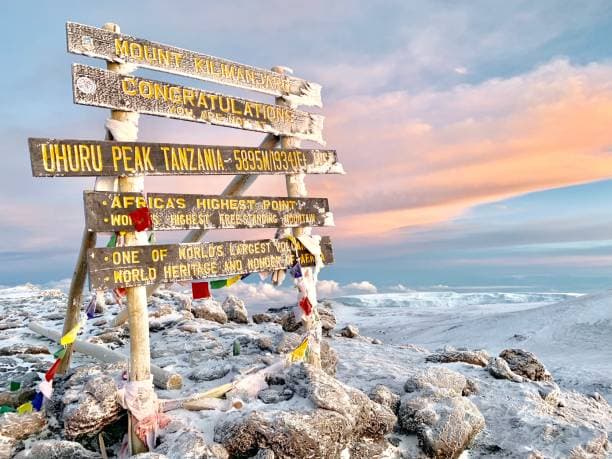
Pole pole (pronounced po-leh po-leh) is Swahili for “slowly, slowly” — the unofficial motto of East Africa and standing advice on Kilimanjaro, where a slow pace is the best defence against altitude sickness. On safari it captures the rhythm worth adopting: unhurried drives and long, patient sits at sightings beat racing between ticks on a checklist.
Askari
ah-SKAH-ree — guard
An askari is a guard or watchman — from the Swahili and Arabic word for soldier — and at safari camps it means the night staff who escort you between your tent and the mess area after dark. Unfenced camps require an askari escort at night without exception: flash your torch or radio the mess and one appears.
Shuka
A shuka is the checked cotton cloth worn by the Maasai, most often in bold red — chosen, tradition holds, because it signals strength and is visible across the savannah. Wrapped and knotted in layers, it doubles as coat, blanket and status marker. Shukas make one of the best safari souvenirs: authentic, packable and actually useful on chilly morning game drives.
See also: ·
Nyama choma
NYAH-mah CHOH-mah — roast meat
Nyama choma is Swahili for “roast meat” — Kenya's beloved social dish of charcoal-grilled goat or beef, carved at the table and eaten by hand with kachumbari (tomato-onion salsa) and ugali (maize meal). It is the centrepiece of Kenyan celebrations, and many Nairobi visits and cultural tours include a nyama choma stop. Vegetarian alternatives are always available.
Tusker
Tusker means two things in Kenya: the country's iconic lager, brewed since 1922 and the default sundowner beer, and a “big tusker” — a bull elephant whose tusks are so large they sweep the ground, each weighing over 45 kg. Fewer than a few dozen big tuskers survive in Africa; Tsavo and Amboseli protect several of the most famous.
See also: ·
Matatu
A matatu is a privately run minibus share-taxi, the backbone of Kenyan public transport, famous for loud paint jobs, louder sound systems and creative interpretations of the highway code. Tourists rarely ride them on safari — transfers use private 4x4s — but you will see matatus everywhere in Nairobi, and they are a cultural icon in their own right.
Heard a term we haven’t covered?
Ask our planners — we answer safari questions daily and we’ll add the term to the glossary while we’re at it.