

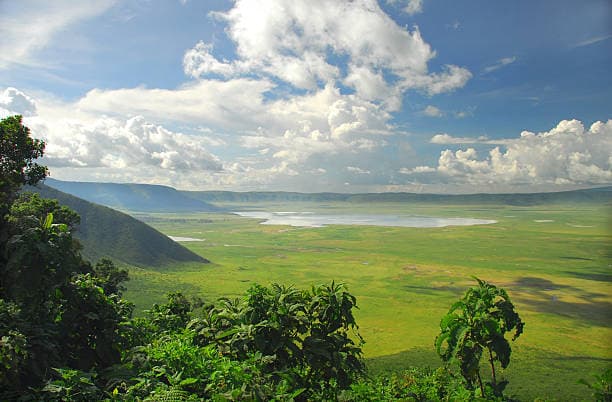
Ngorongoro Crater is the world's largest intact, unfilled volcanic caldera, covering roughly 260 square kilometres with walls rising more than 600 metres above its floor. Located within the Ngorongoro Conservation Area in northern Tanzania, it shelters one of the densest year-round concentrations of large mammals in Africa, including the full Big Five.
The crater was formed approximately two to three million years ago, when a massive volcano erupted and collapsed inward. Today it is a UNESCO World Heritage Site and a highlight of Tanzania's renowned Northern Safari Circuit, prized for game viewing that remains reliable in every month of the year.
What Is Ngorongoro Crater Known For?
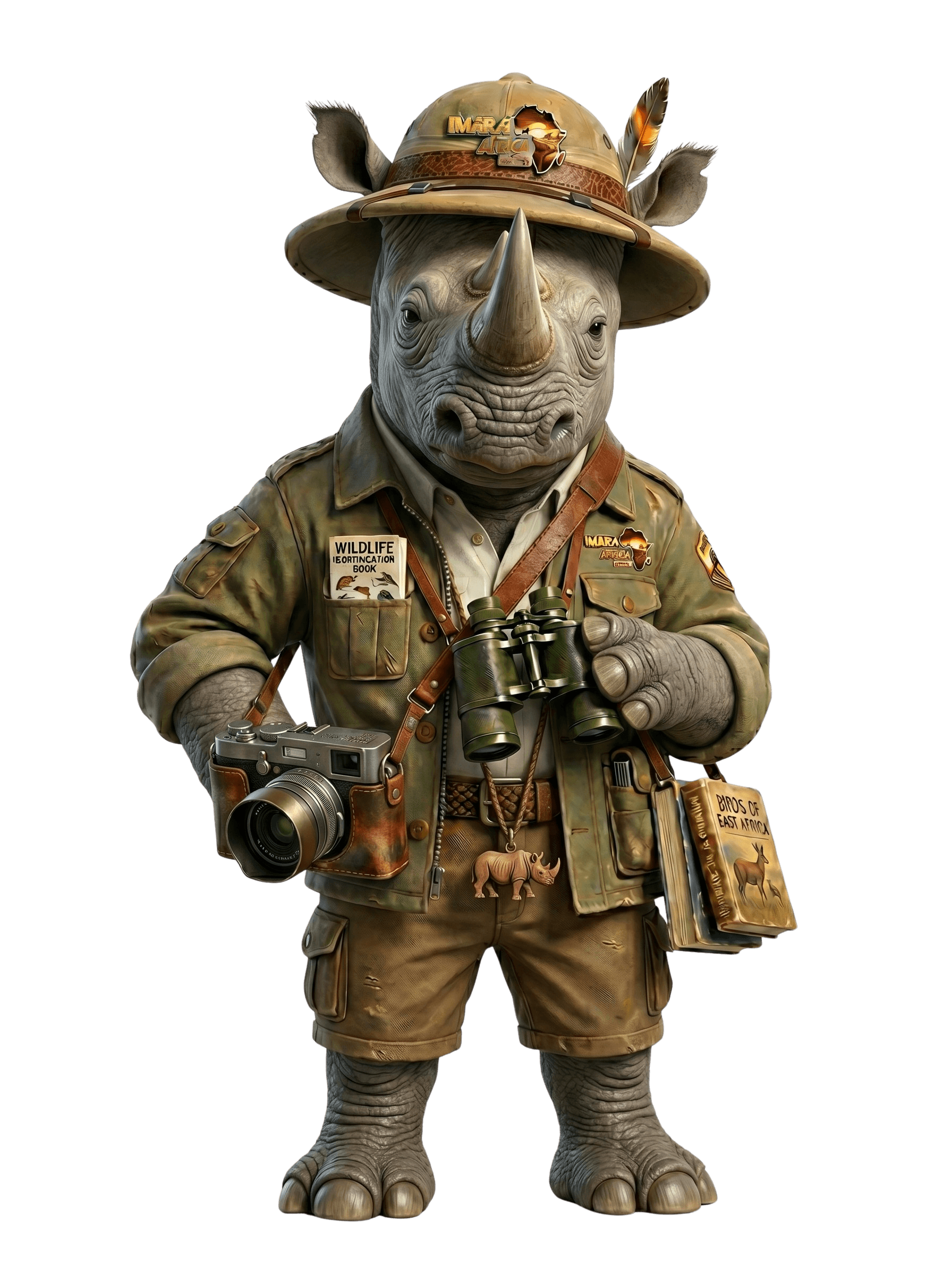
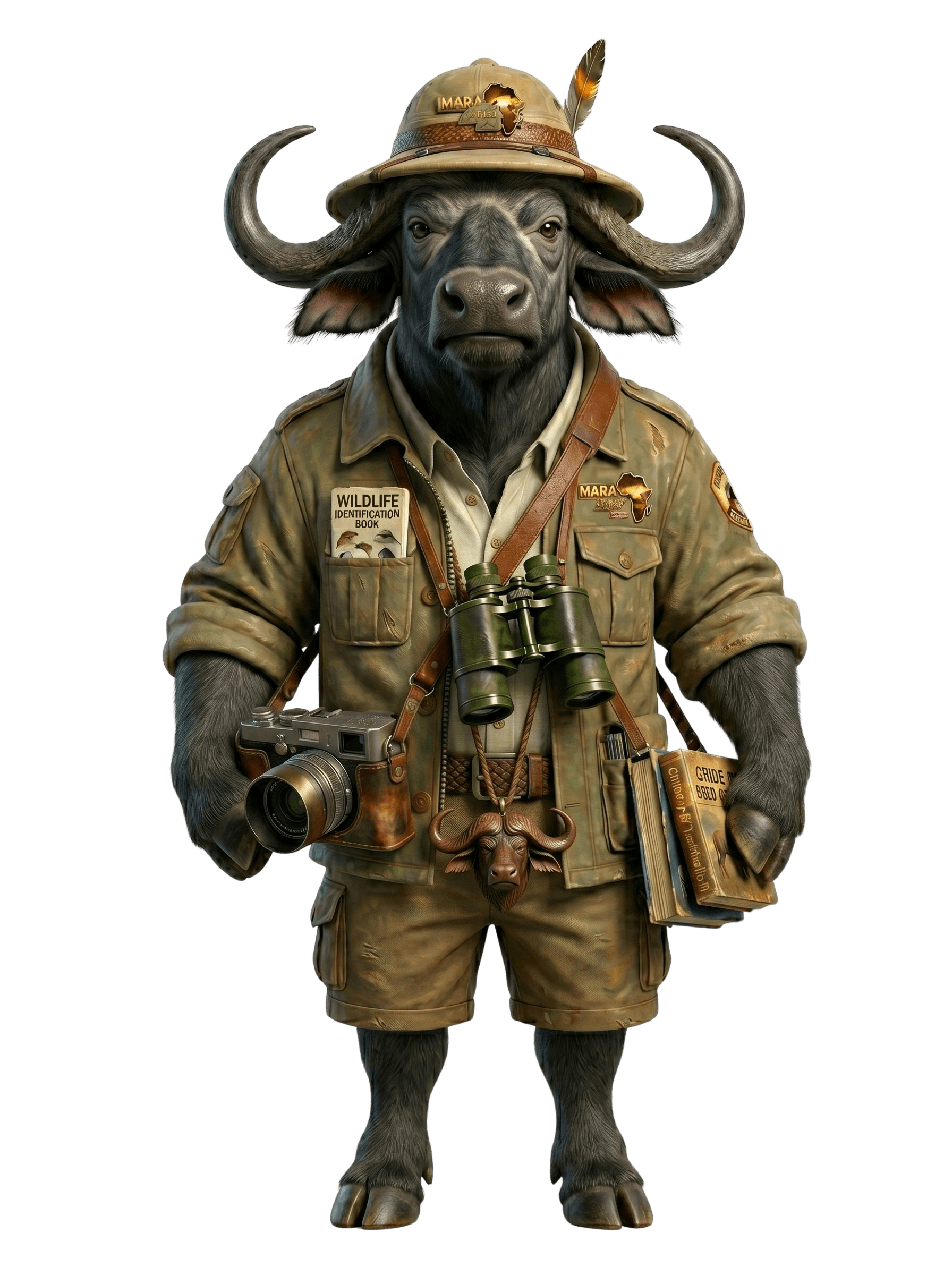
- Big Five sightings in a single day, including lions, buffalo, elephants, leopards and one of Tanzania's most important populations of endangered black rhinos (black rhinoceros)
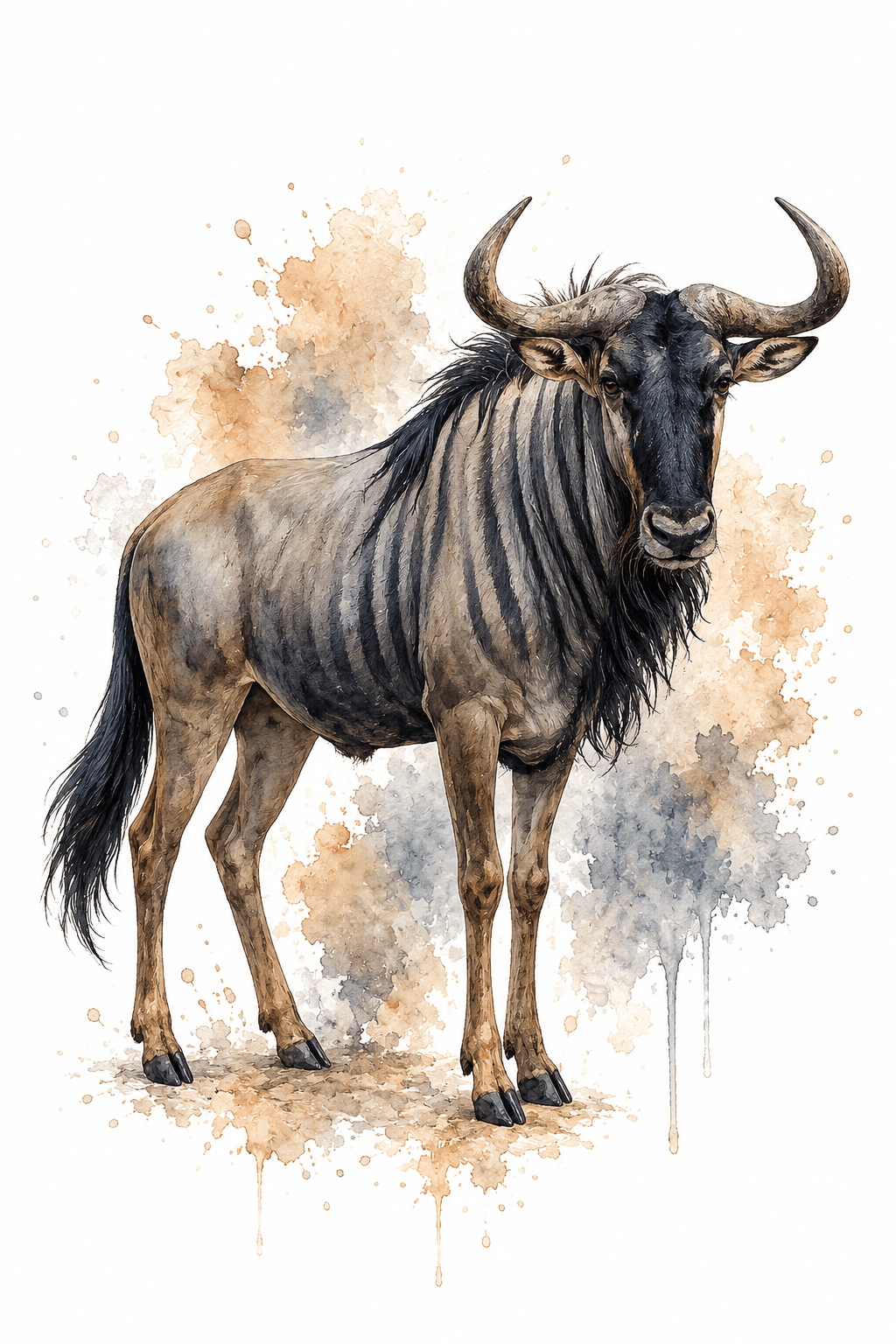
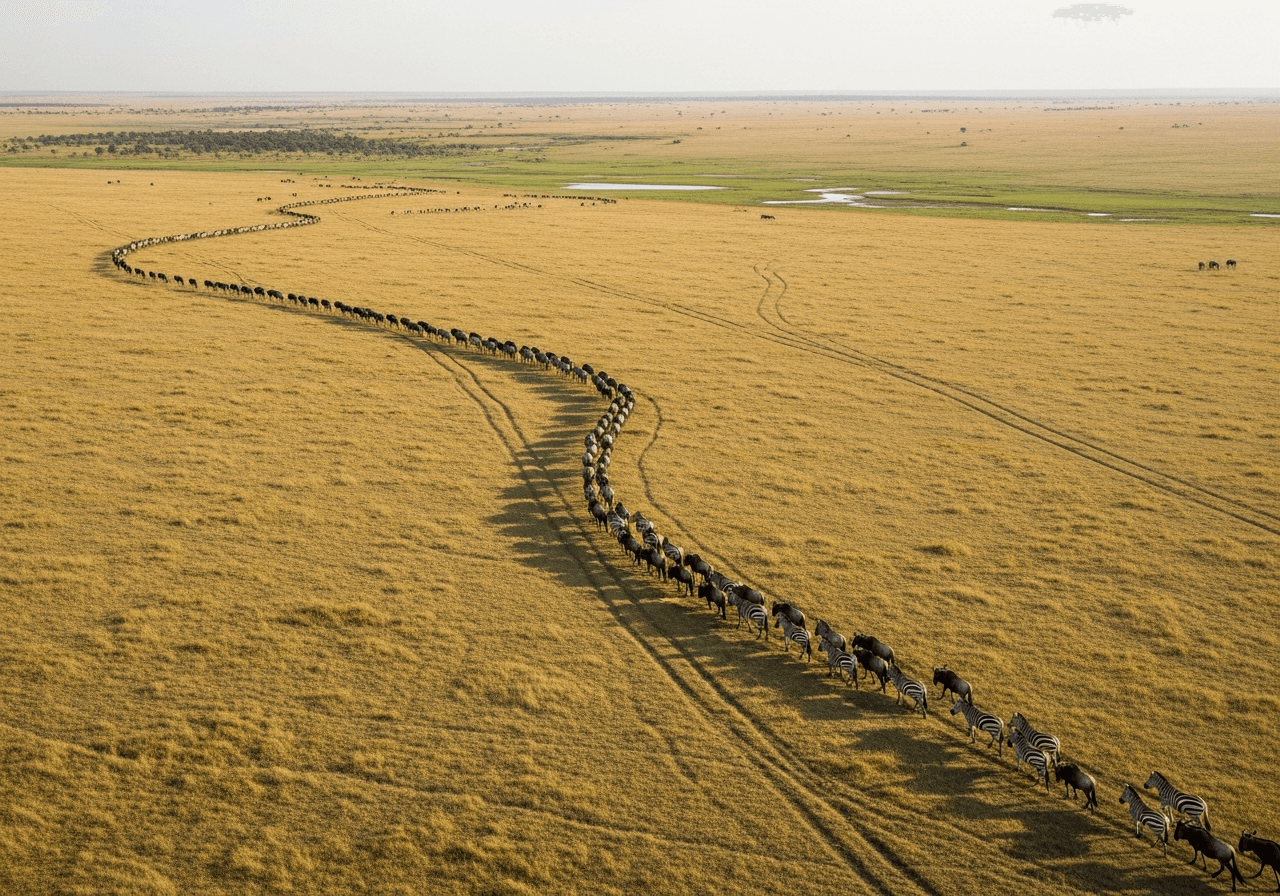
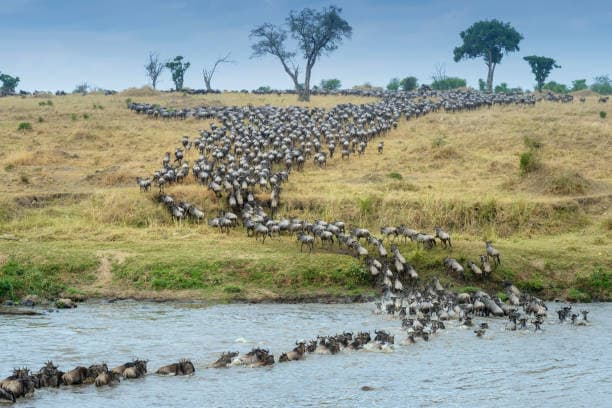
- Large resident herds of plains zebra and blue wildebeest that never need to migrate
- Lake Magadi, a shallow alkaline lake that attracts flamingos and other water birds
- Exceptional predator viewing, with hyenas, jackals and some of Africa's densest lion prides
- Living Maasai culture within the surrounding conservation area
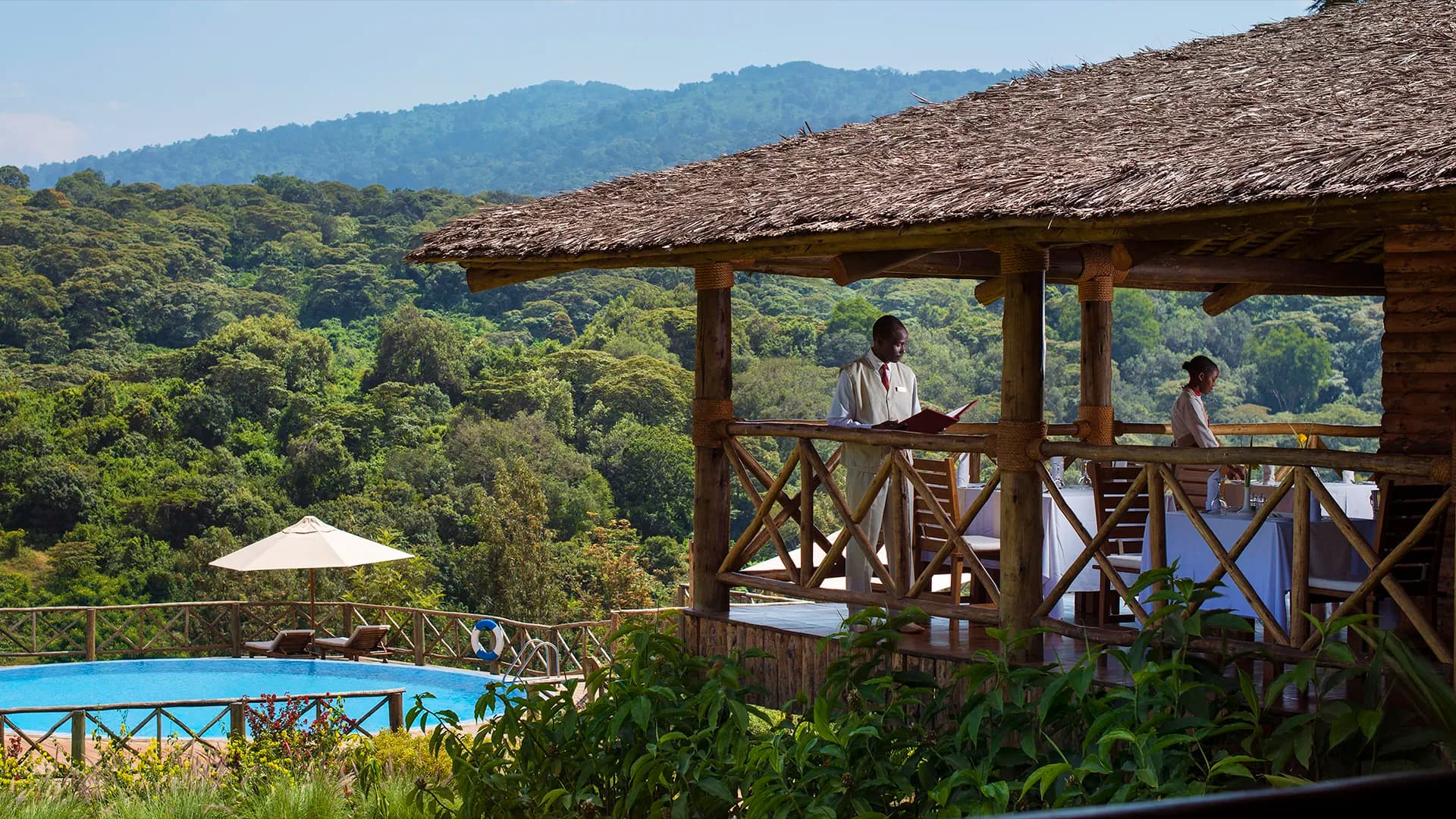
- Dramatic scenery, from the forested rim at about 2,286 metres to the grassland crater floor
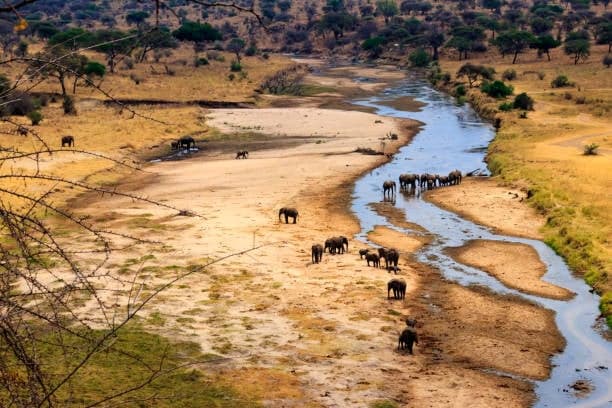
The crater floor packs remarkable habitat variety into a compact area: open grasslands, acacia forest, freshwater springs, swamps and the soda lake. Because permanent water and fertile grazing keep animals inside the caldera all year, sightings of gazelles, elands, warthogs, hippos and abundant birdlife are consistent rather than seasonal. The natural enclosure also supports a healthy predator population, so interactions between lions, hyenas and their prey are witnessed here more often than in most reserves. This is one of the few places in Africa where visitors have an excellent chance of ticking off the Big Five before lunch, with elephants — mostly old bulls with impressive tusks — a near-certainty on the crater floor.
Beyond wildlife, the Ngorongoro Conservation Area is home to the Maasai people, who continue to graze cattle across the highlands as they have for generations. Guided cultural visits to Maasai villages add a human dimension that few safari destinations can match.
A crater visit follows a distinctive rhythm. Vehicles descend the steep access road at dawn, when mist still pools on the caldera floor and predators are finishing the night's hunting; game drives then loop between the grasslands, the Lerai Forest and the swamps before picnic stops beside the freshwater springs. Because the rim sits at highland altitude, mornings and evenings are genuinely cold — layered clothing matters more here than in most of Tanzania — while the crater floor warms pleasantly by mid-morning. The wider conservation area repays exploration too: the highlands conceal the Empakaai and Olmoti craters, quieter calderas reached on foot with an armed ranger, and the plains running west toward the Serengeti pass Olduvai Gorge, one of the world's most important palaeoanthropological sites.
When Is the Best Time to Visit Ngorongoro Crater?
Ngorongoro is a genuine year-round destination because its wildlife stays inside the caldera. June to October brings the driest weather and easiest game viewing, while January to March offers green landscapes and fewer vehicles. Even the April–May rains rarely disappoint, since animals cannot leave the crater floor.
How Do You Get to Ngorongoro Crater?
The crater lies about 180 kilometres west of Arusha, a drive of roughly 3 to 4 hours on the main Northern Circuit road. Most itineraries pair it with Serengeti National Park, Tarangire National Park or Lake Manyara National Park, and the descent road from the rim delivers one of the most scenic arrivals in Africa.
How Many Days Do You Need?
One full day on the crater floor is enough to see the headline wildlife, so plan one to two nights on the rim or in nearby Karatu. Two nights allow an early-morning descent, when predators are most active and the light is at its best.
Ngorongoro features on the 8-Day Mid-Range Tanzania Safari & Zanzibar Beach Holiday and the cross-border 10 Days Two Nations Safari Kenya&Tanzania, both of which combine the crater with the wider Northern Circuit.