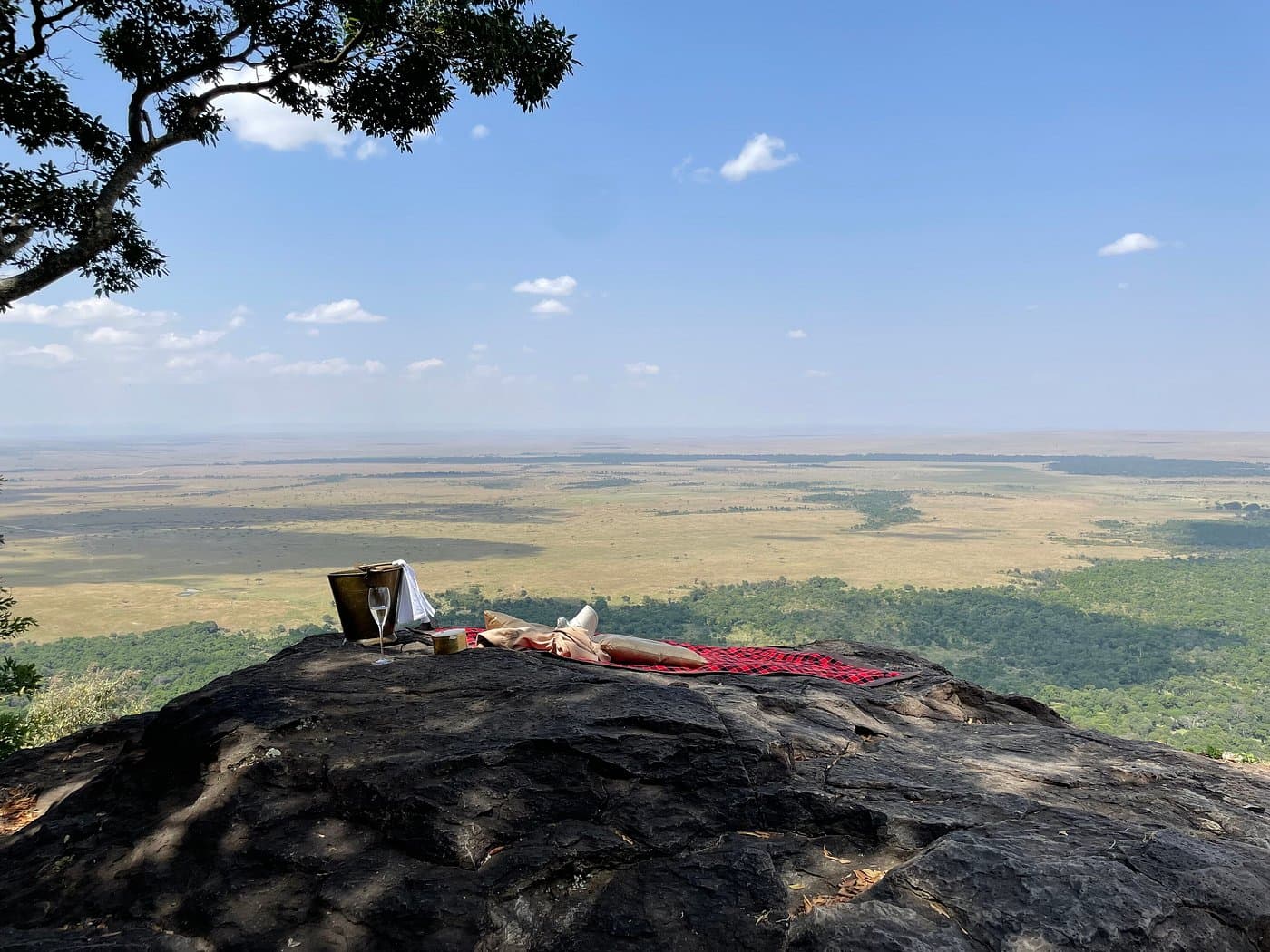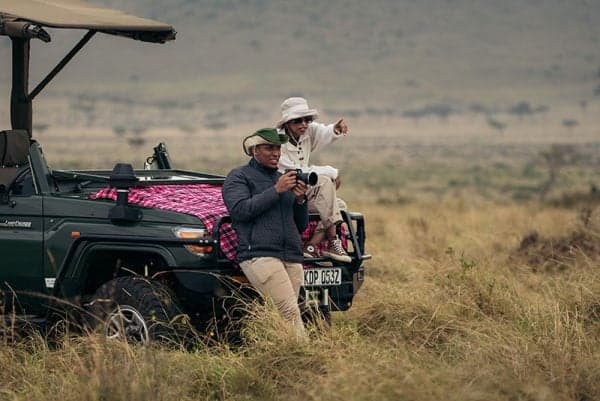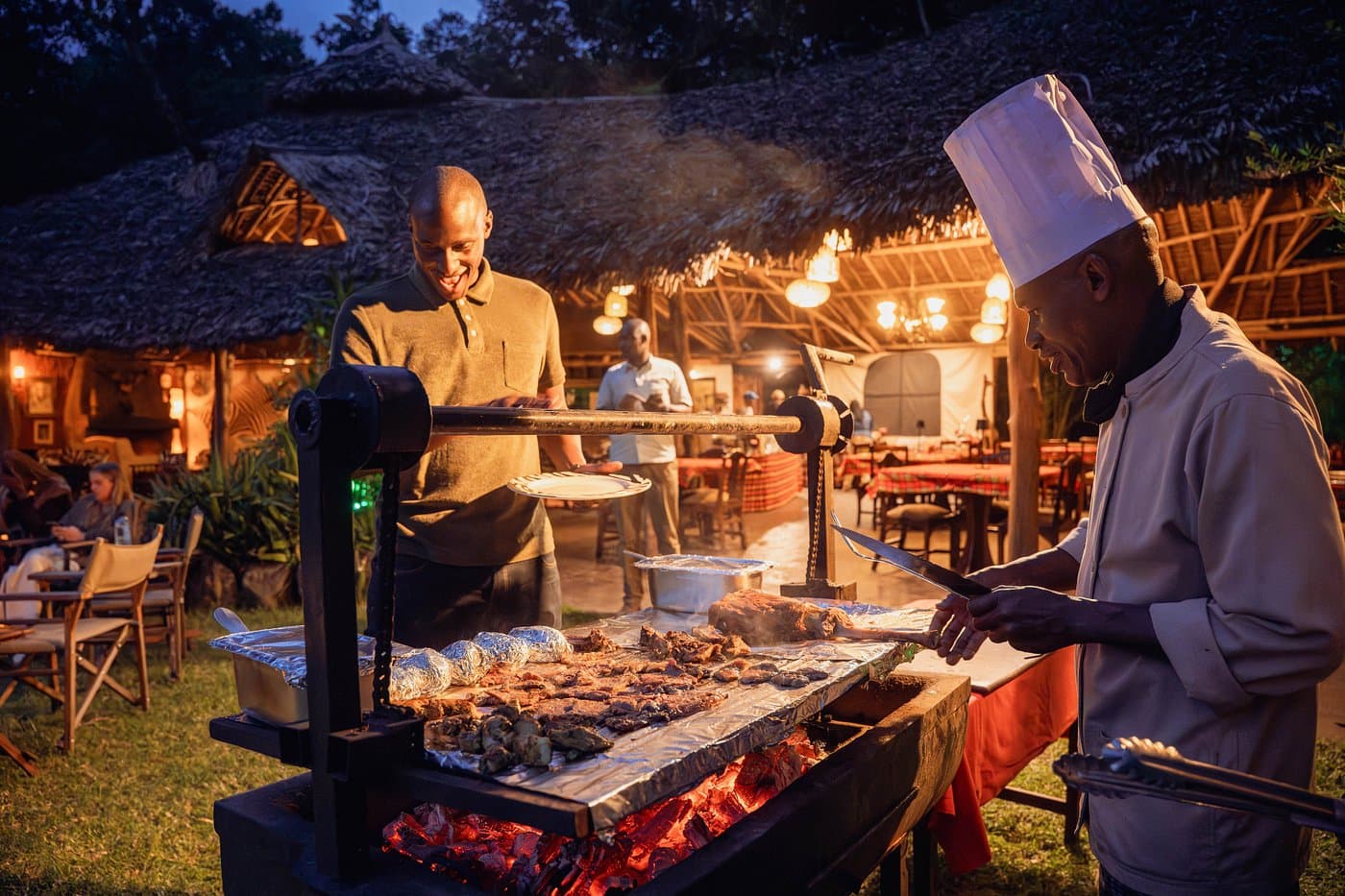
Masai Mara National Reserve is Kenya’s flagship safari destination — a 1,510 km² savannah reserve in south-western Kenya, contiguous with Tanzania’s Serengeti. It offers Africa’s most reliable big-cat viewing year-round, hosts the Great Migration from July to October, and works equally well as a short fly-in safari or part of a longer Kenya road circuit.
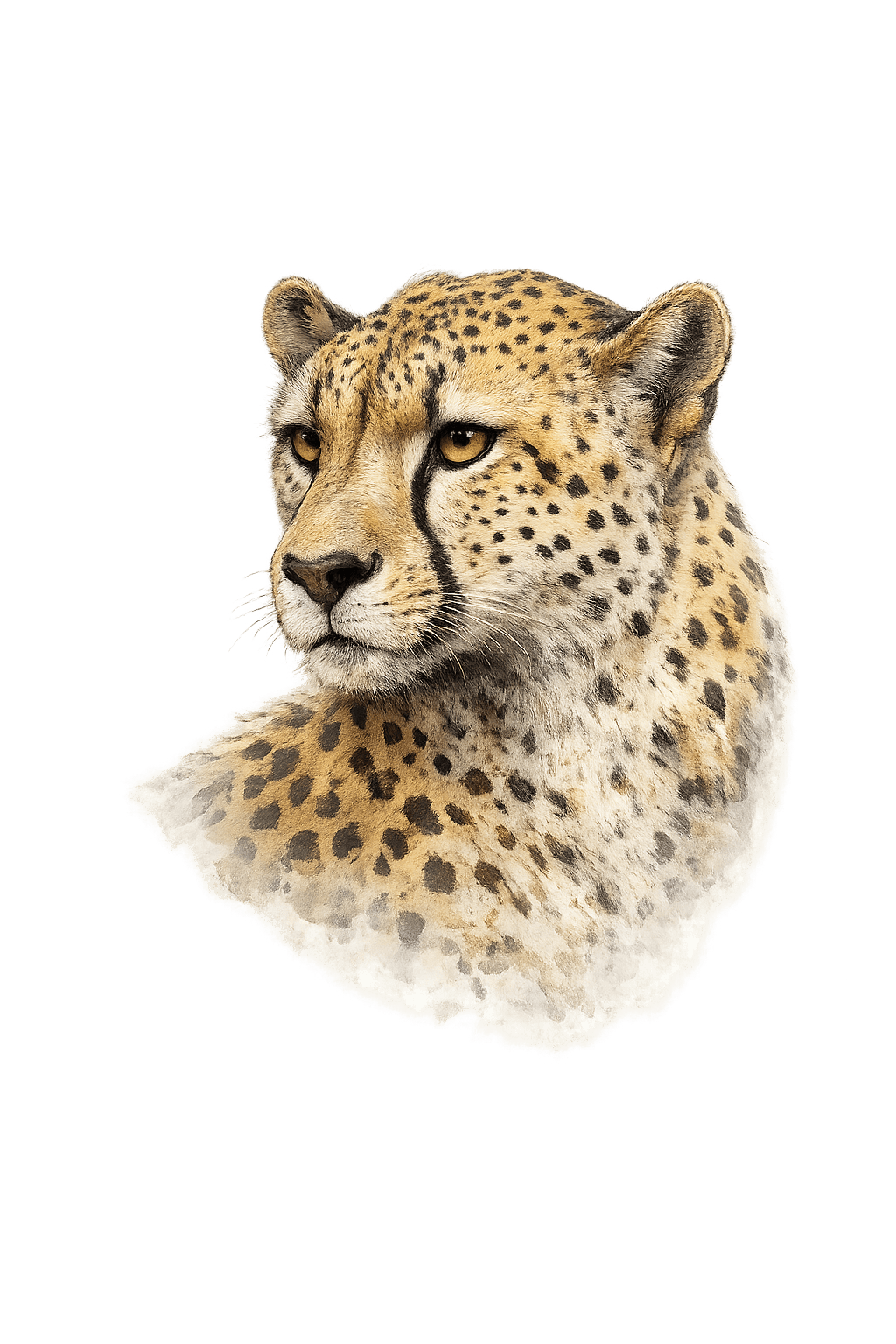
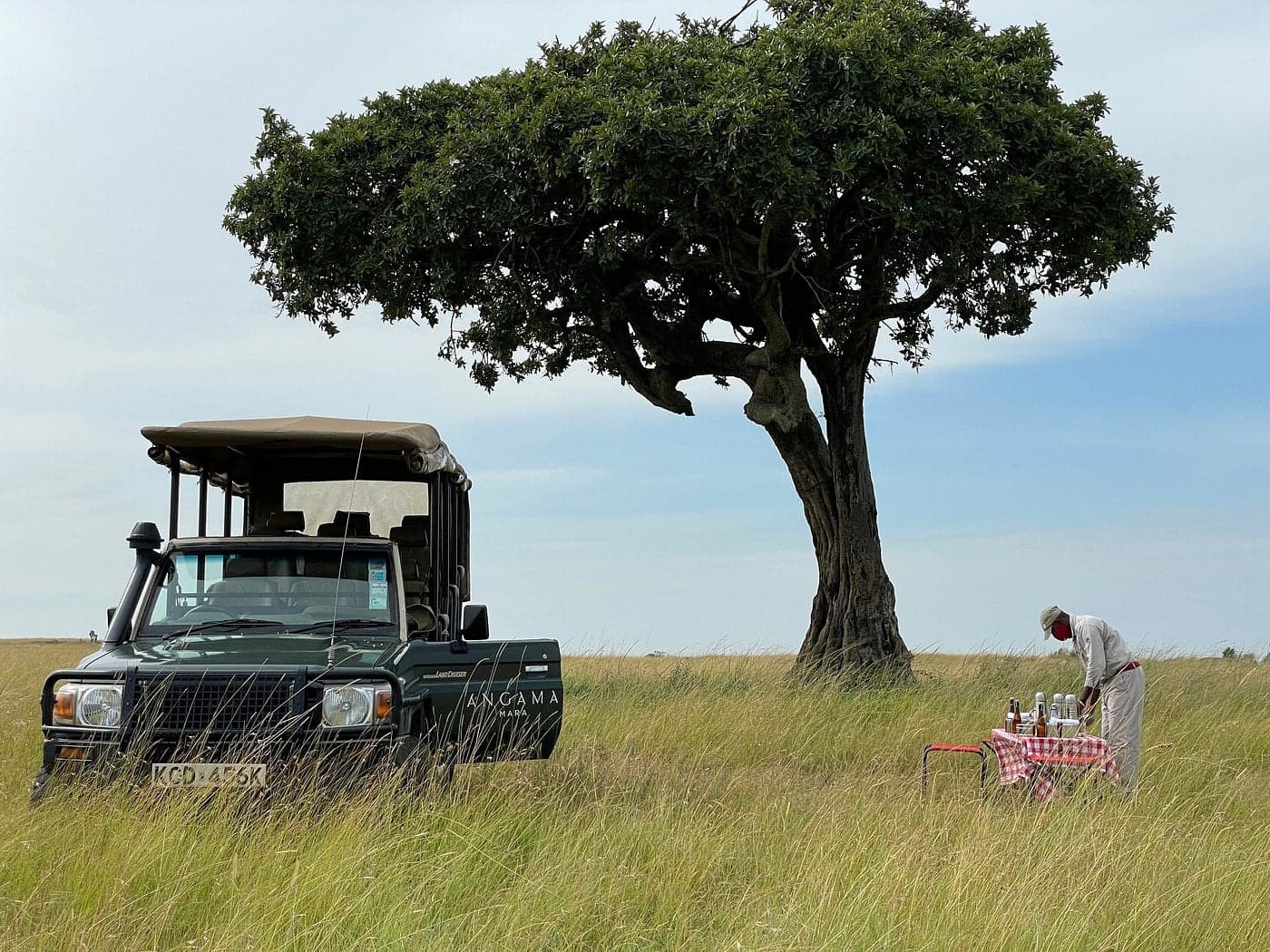
Start game drives by 6:15 am in the Mara. The hour after sunrise is when we find lions still on the move and cheetahs scanning from termite mounds — by 9 am most big cats are flat in the grass. — Imara Africa Safaris guiding team, Nairobi
Best Time to Visit the Masai Mara
The best overall time to visit is June to October, when dry weather concentrates wildlife, grass is short and the Great Migration is in the reserve. January to March is an excellent second window: dry, warm, quieter and strong for resident big cats. April and May (long rains) bring the lowest rates, lush green scenery and few vehicles, though some black-cotton tracks become difficult. November’s short rains are usually brief afternoon showers. See our month-by-month guide to the best time for a Kenya safari.
Great Migration Timing
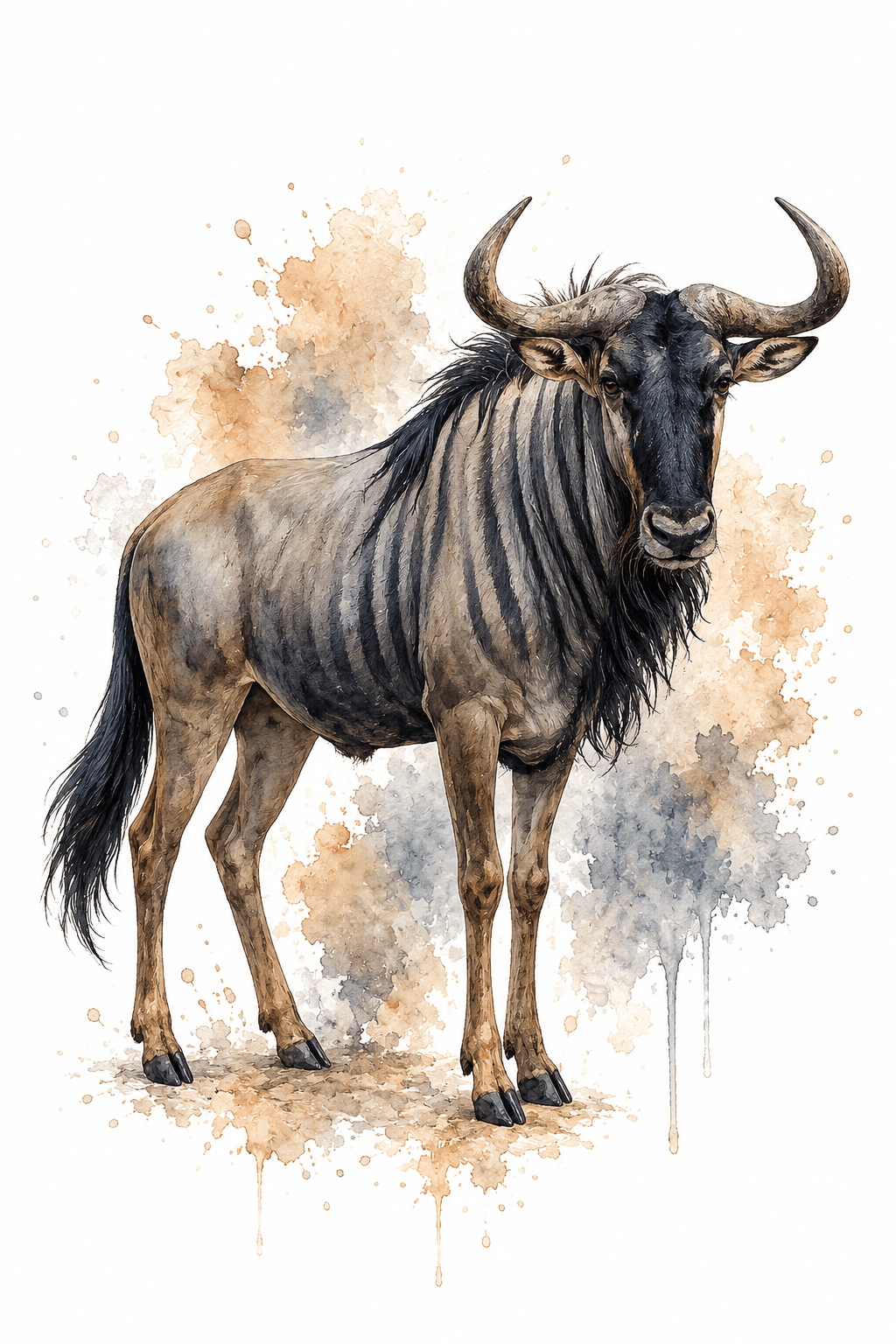
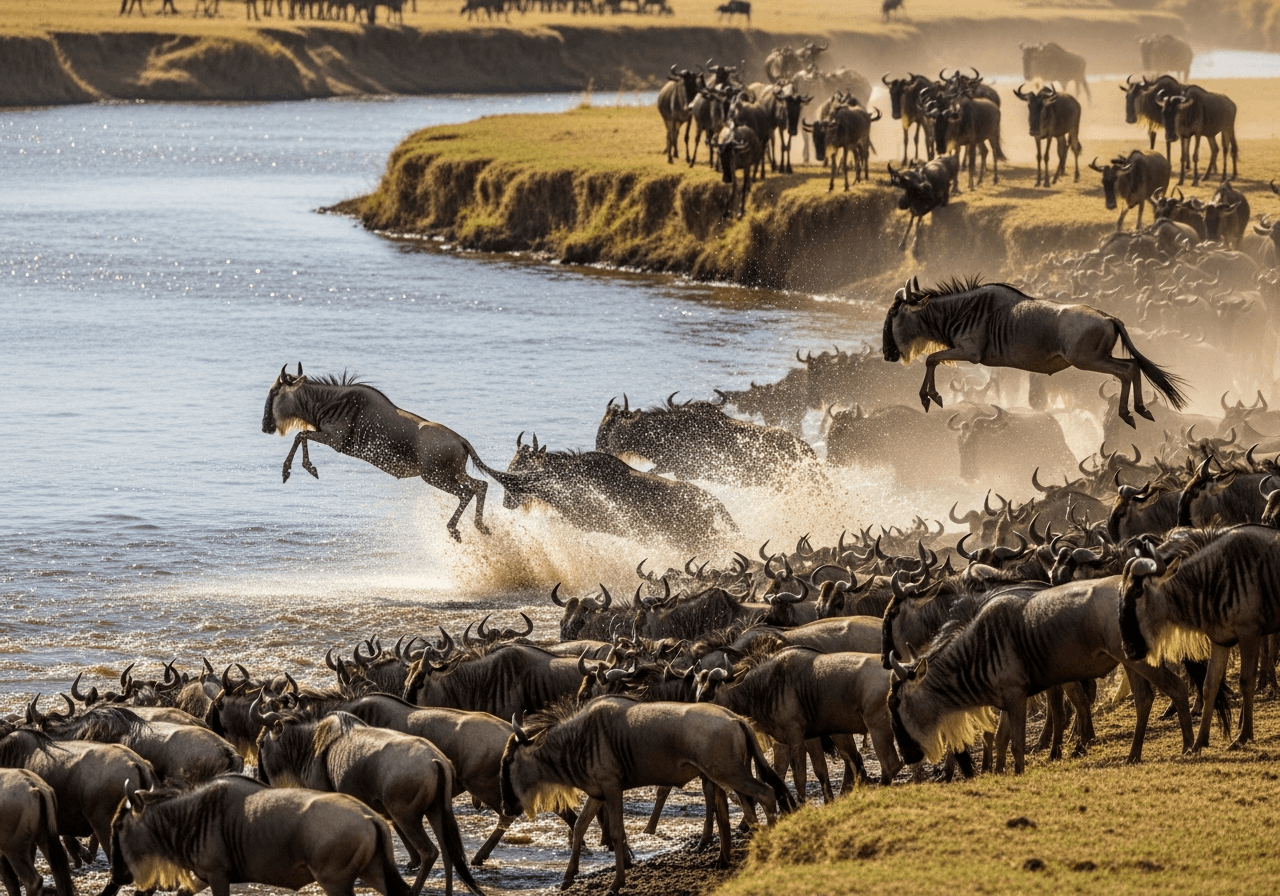
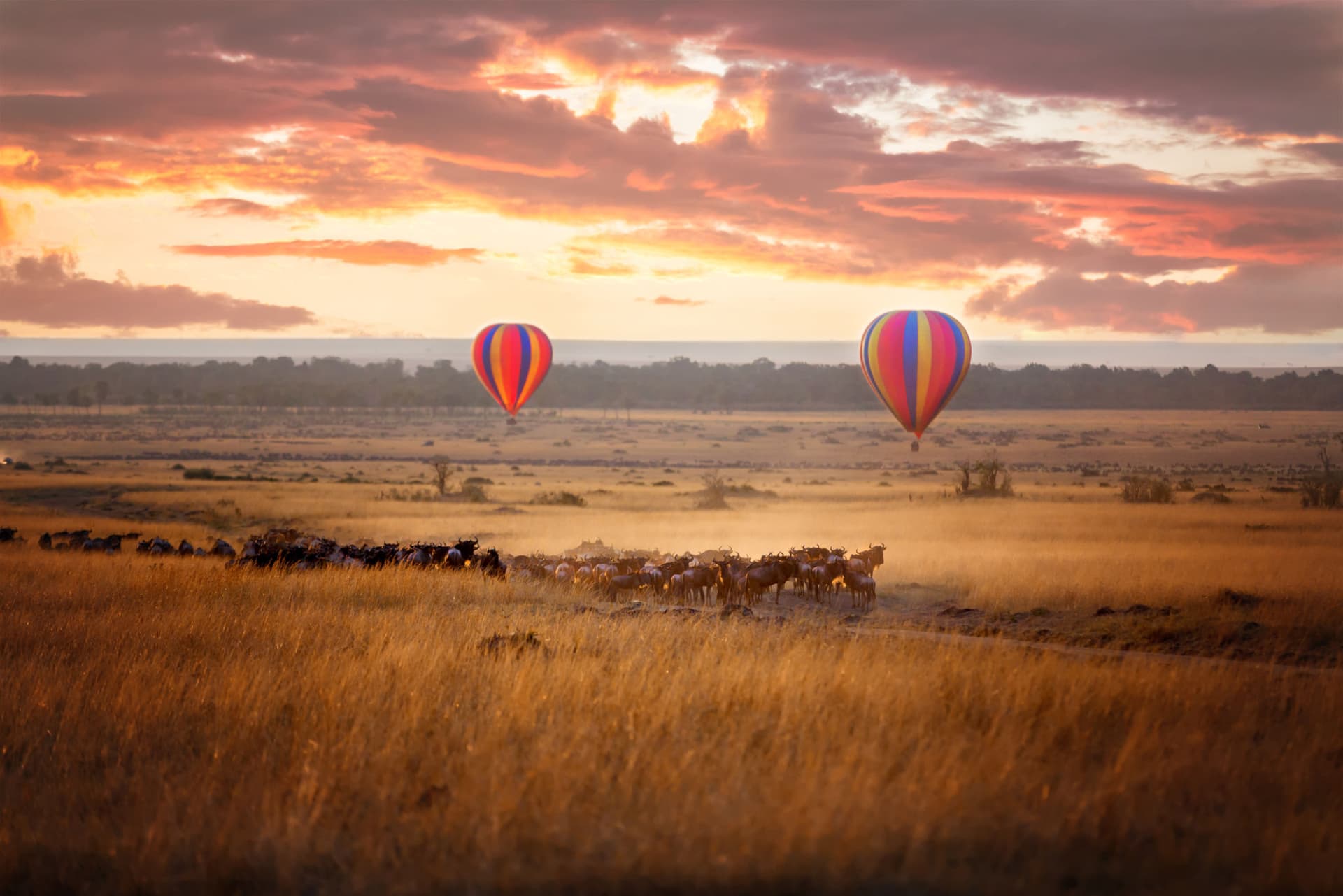
Around 1.5 million wildebeest, plus zebra and gazelle, typically enter the Mara from the Serengeti in July, with dramatic Mara River crossings from July to October, peaking August–September. The herds drift back south in October–November. Crossings follow rainfall and grazing rather than a calendar, so no single date can be guaranteed — plan 3–4 nights in migration season for a realistic chance of seeing one. Full details in our Great Migration guide.
How Many Days Do You Need?
Plan a minimum of 3 days / 2 nights, which allows an arrival game drive, one full day on the plains and a final-morning activity — the format of our 3-day fly-in Maasai Mara safari. For the Great Migration, photography or a slower pace, 4 days / 3 nights is better, as on the 4-day fly-in luxury safari. Combining the Mara with other parks? Two nights here works well inside a 5–8 day circuit.
Fly-in vs Road Safari
Fly-in: scheduled flights from Nairobi’s Wilson Airport reach the Mara airstrips (Keekorok, Ol Kiombo, Mara Serena, Musiara) in 45–60 minutes — ideal for short stays, honeymooners and anyone avoiding long drives. Luggage is limited to about 15 kg per person in soft bags. By road: the 225–280 km drive from Nairobi takes 5–6 hours through the Great Rift Valley and costs less, and a private 4x4 lets you link the Mara with Lake Naivasha, Lake Nakuru and Amboseli in one itinerary, as on our 5-day midrange Kenya safari.
What a Masai Mara Safari Costs
As a guide, mid-range safaris start around US$400–700 per person per day and luxury camps and fly-in itineraries run US$900–1,800+ per person per day, driven by season, camp standard and transport. Reserve entry for non-resident adults is currently about US$100 per day in low season (January–June) and US$200 in high season (July–December) — always confirm current rates, though our packages include park fees. Example package prices: the 3-day fly-in safari from US$1,554 per person and the 5-day midrange circuit from US$1,105 per person.
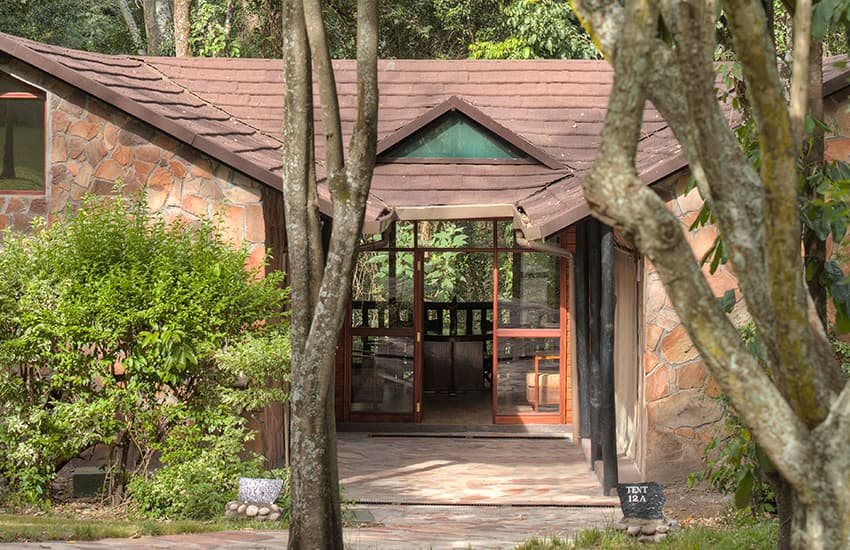
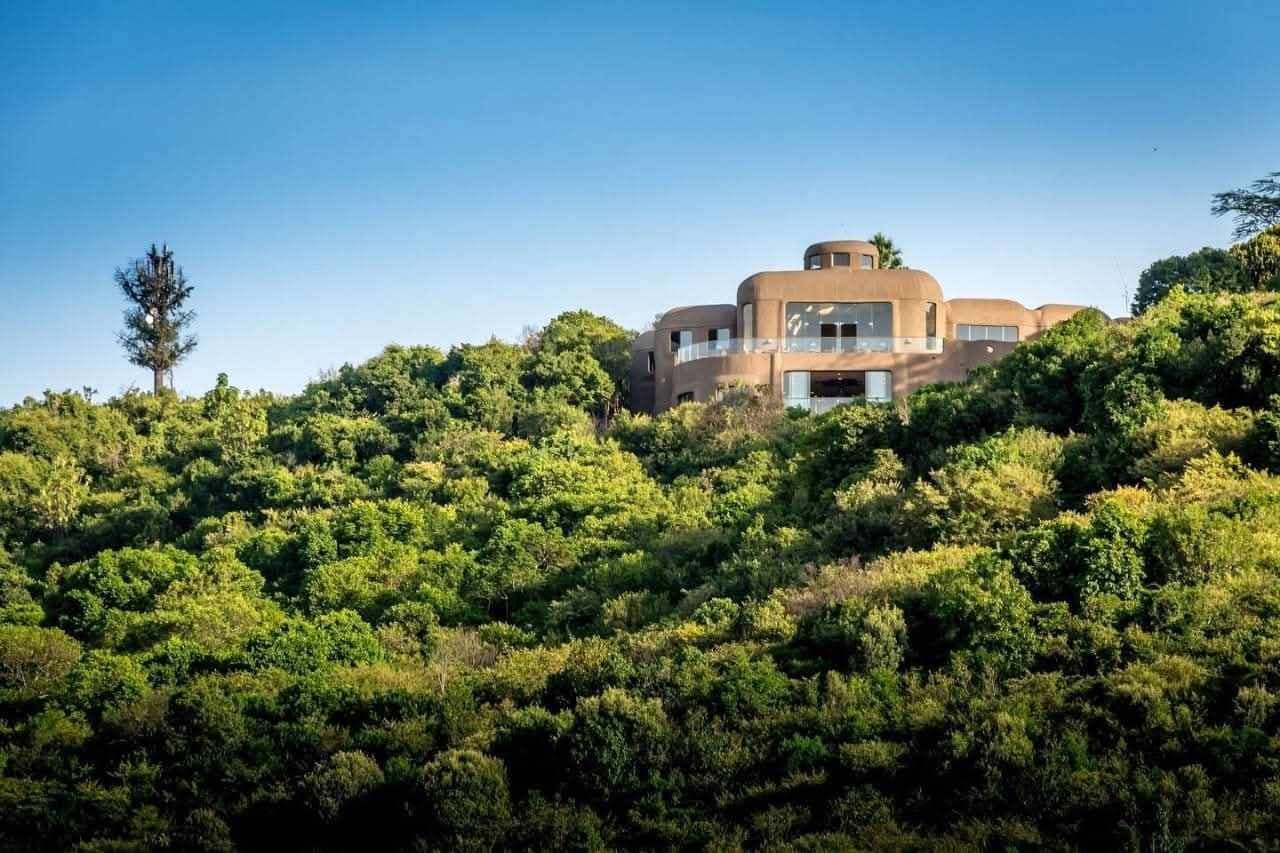
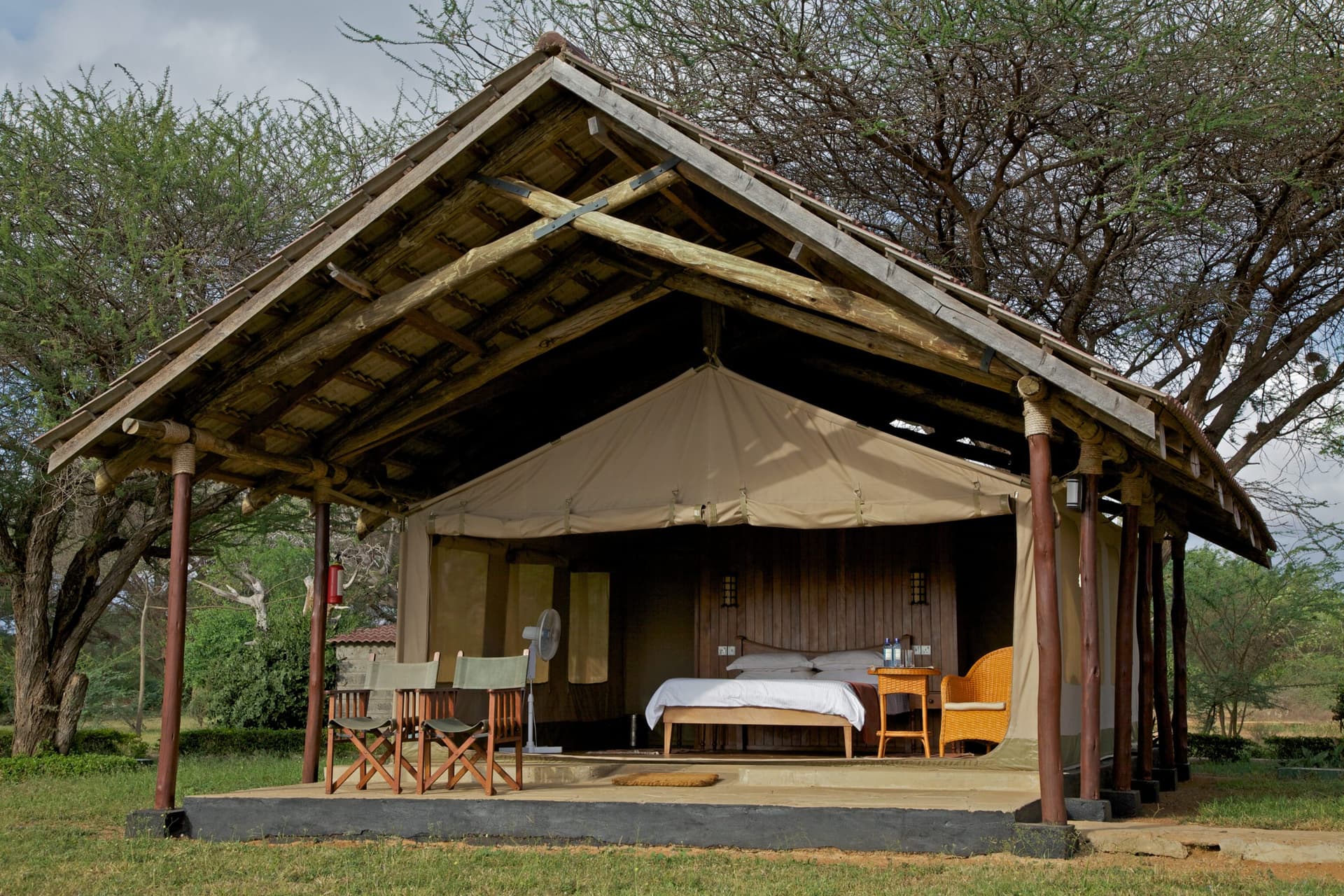
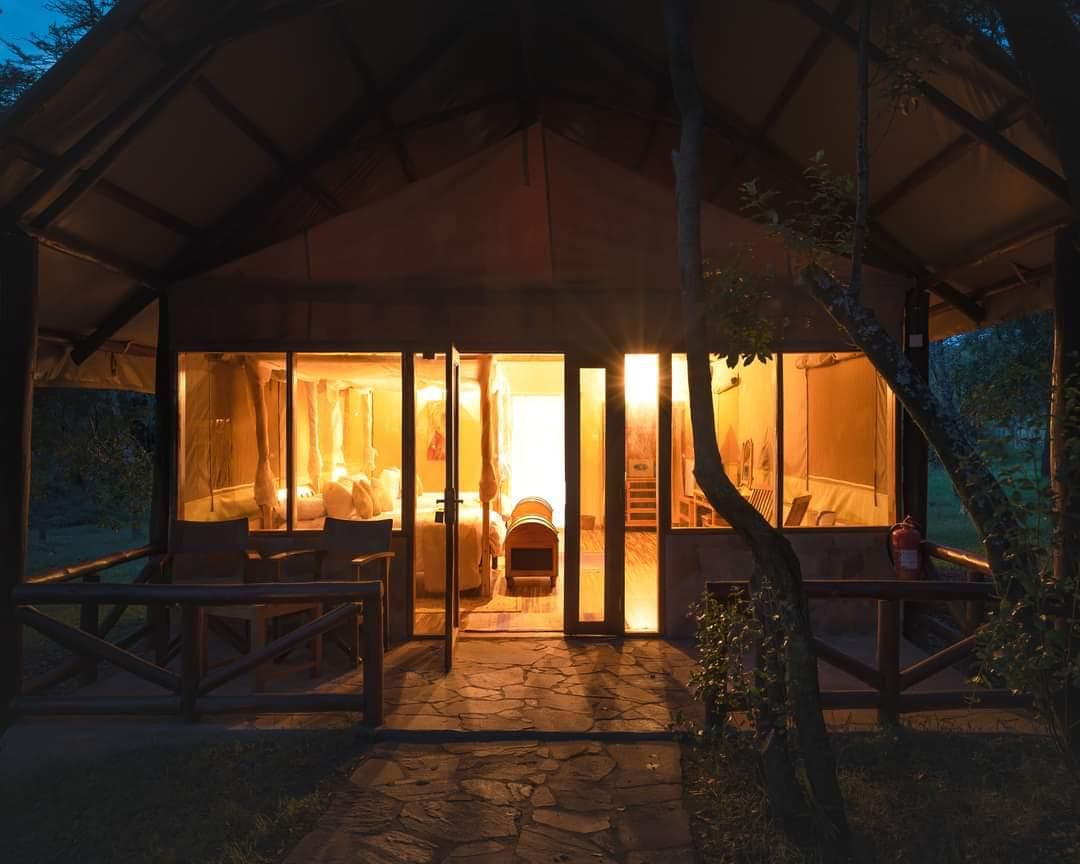
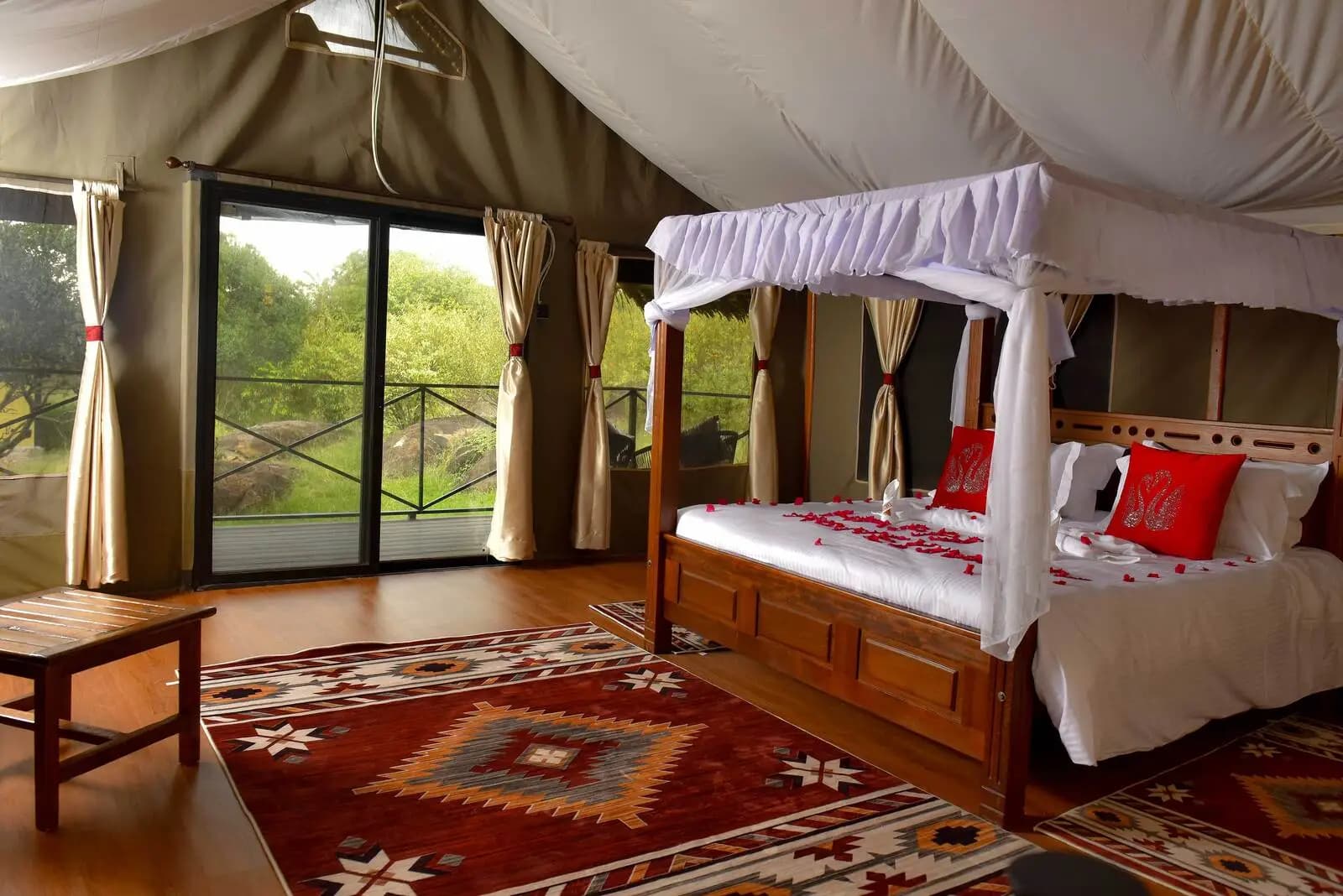
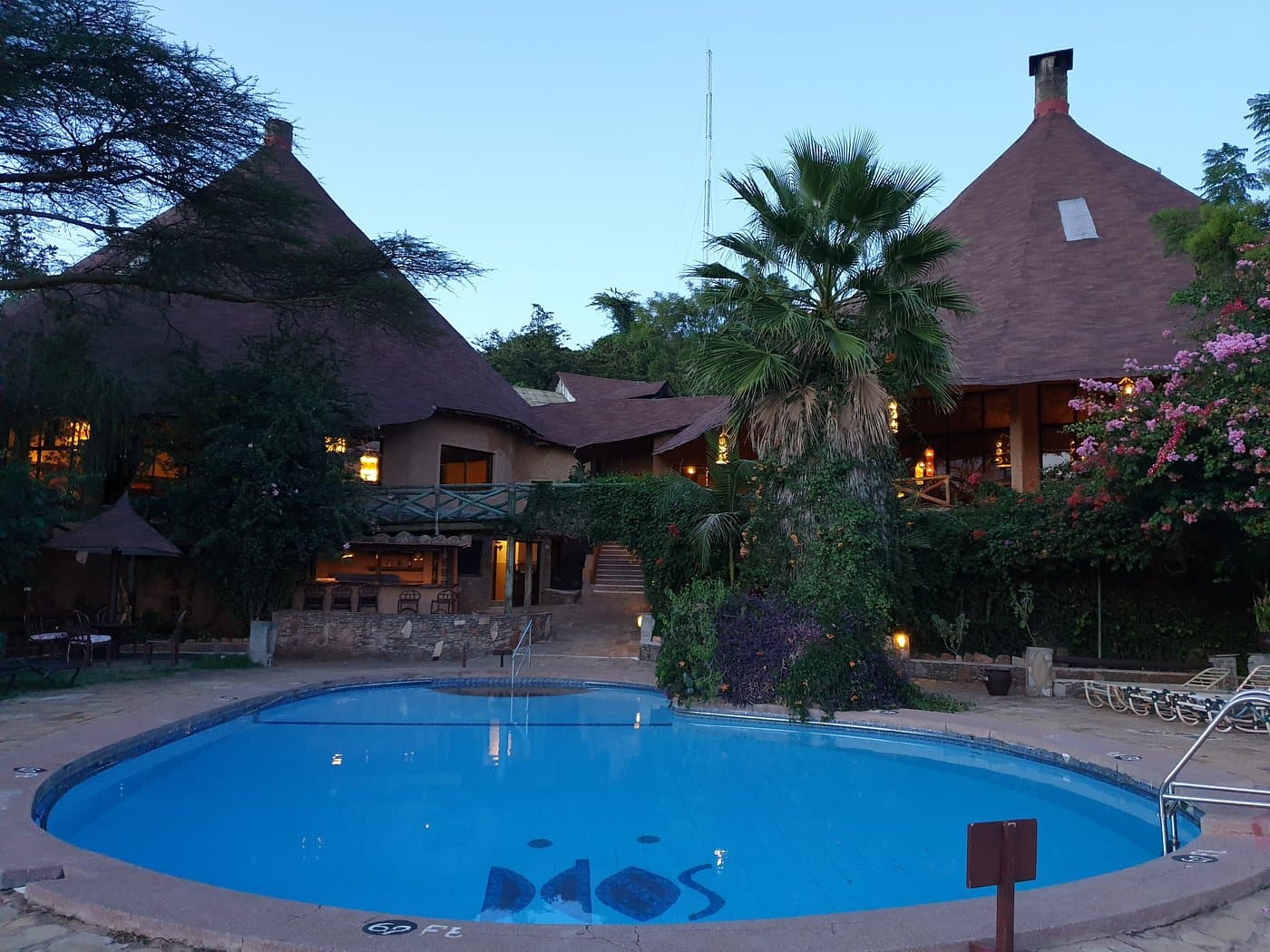
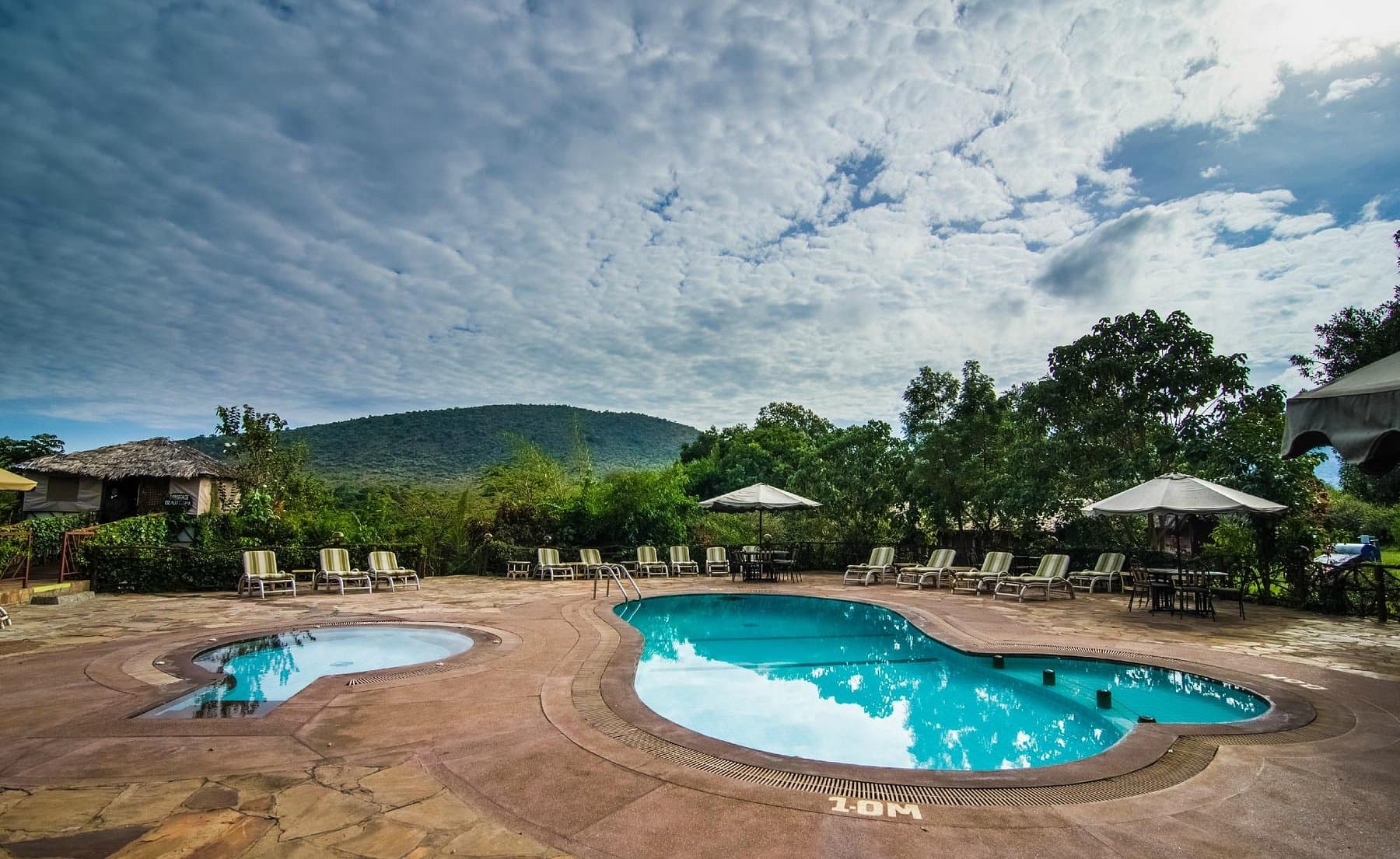
Choosing where to stay matters as much as when to go — our guide to the best luxury safari lodges in the Masai Mara compares the reserve's flagship lodges with the top conservancy camps, including who each one suits.
Reserve vs Mara Conservancies
The National Reserve is the government-managed core, open to all permit holders. Bordering it are community-owned conservancies — Mara North, Olare Motorogi, Naboisho, Ol Kinyei and others — leased from Maasai landowners. Conservancies cap visitor numbers and allow night drives, walking safaris and off-road positioning at sightings, in exchange for separate conservancy fees and staying at a member camp. First-timers on a budget usually base in or beside the reserve; return visitors and photographers often prefer a conservancy camp, or split their nights between both.
Is the Masai Mara in Kenya or Tanzania? Masai Mara vs Serengeti
The Masai Mara is in Kenya, not Tanzania. The reserve sits in southwestern Kenya on the northern edge of the Serengeti–Mara ecosystem; across the border the same plains continue as Tanzania's Serengeti National Park. The two parks share the Great Migration, but they are separate destinations in different countries, with different park fees, access airports and safari styles.
| Masai Mara (Kenya) | Serengeti (Tanzania) | |
|---|---|---|
| Country | Kenya | Tanzania |
| Size | ~1,510 km² (plus surrounding conservancies) | ~14,763 km² |
| Migration highlight | July–October, incl. Mara River crossings | November–June, incl. calving season (Jan–Mar, Ndutu) |
| Access | 45-minute flight or 5–6 hour drive from Nairobi | Flight or drive from Arusha |
| Best for | Big-cat density, shorter safaris, balloon flights | Vast wilderness, longer itineraries, calving season |
Choosing between them usually comes down to timing and trip length. The Mara is compact, predator-dense and quick to reach from Nairobi, which suits shorter safaris; the Serengeti is roughly ten times larger and suits longer, wilder itineraries from Arusha. From July to October the migration herds — and the famous river crossings — are on the Kenyan side, which is why our fly-in Mara safaris book out early. For a deeper side-by-side look, see our full Masai Mara vs Serengeti comparison, or combine both parks in one trip on our 10-day Kenya & Tanzania two-nations safari.
Wildlife You Will See
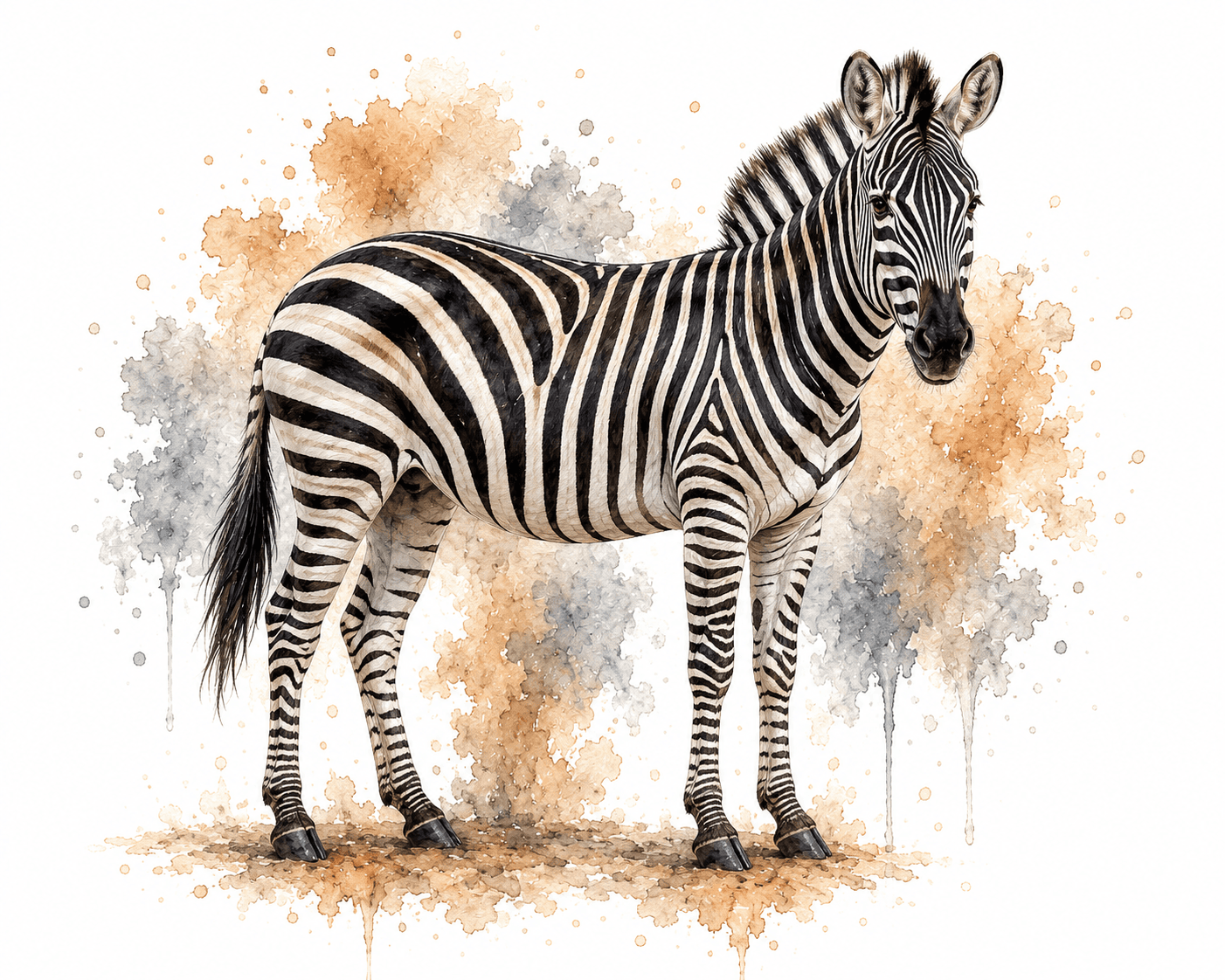
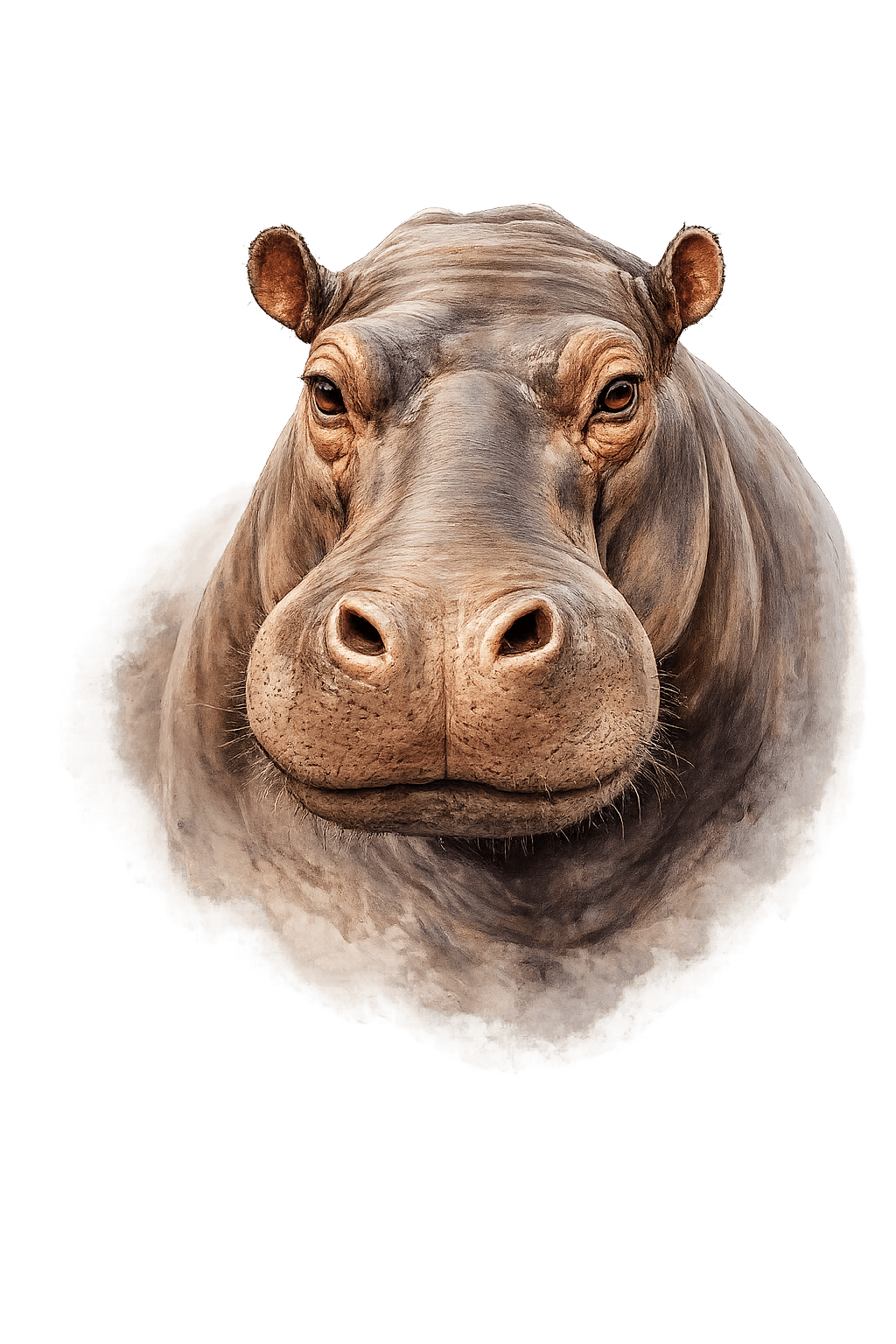
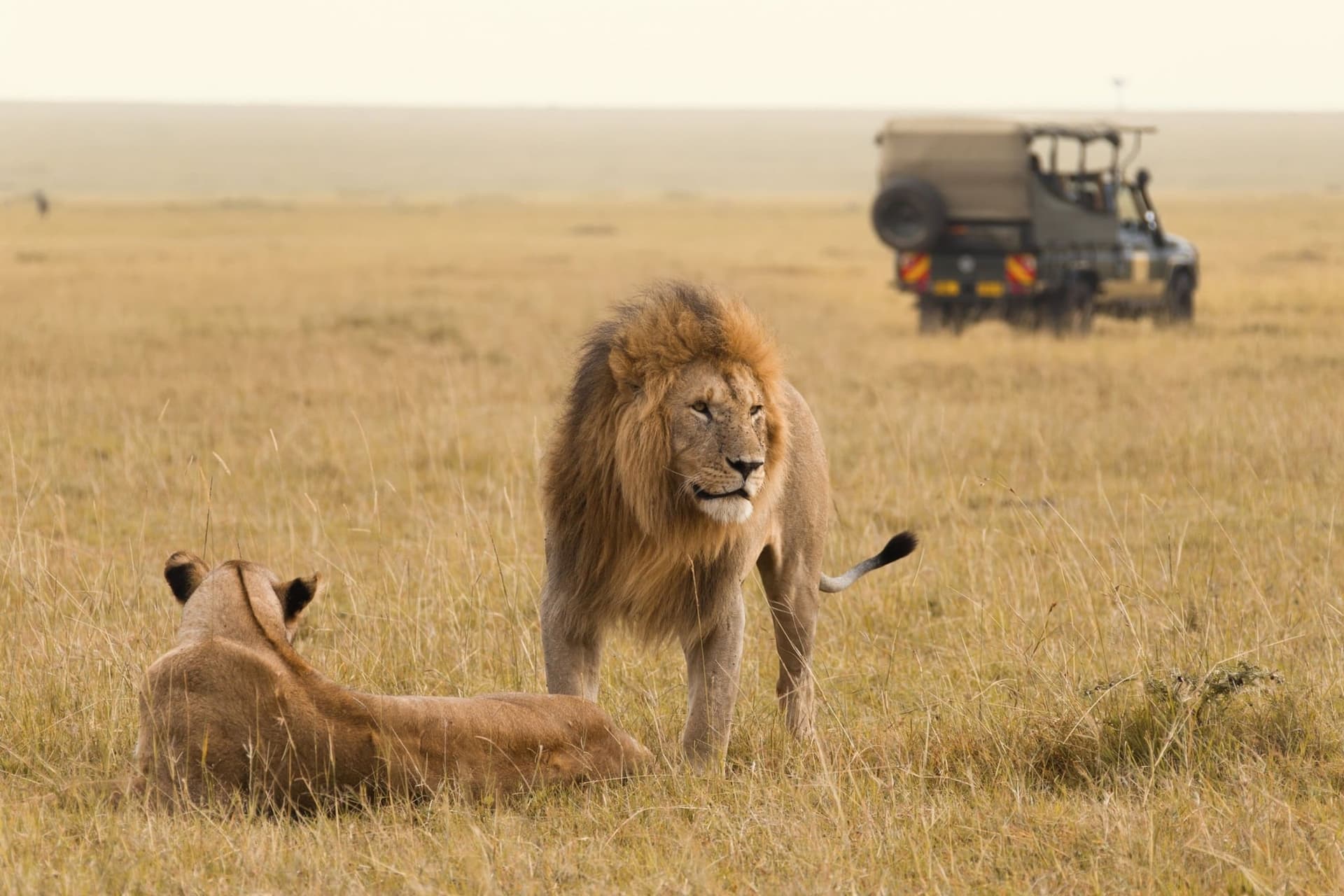
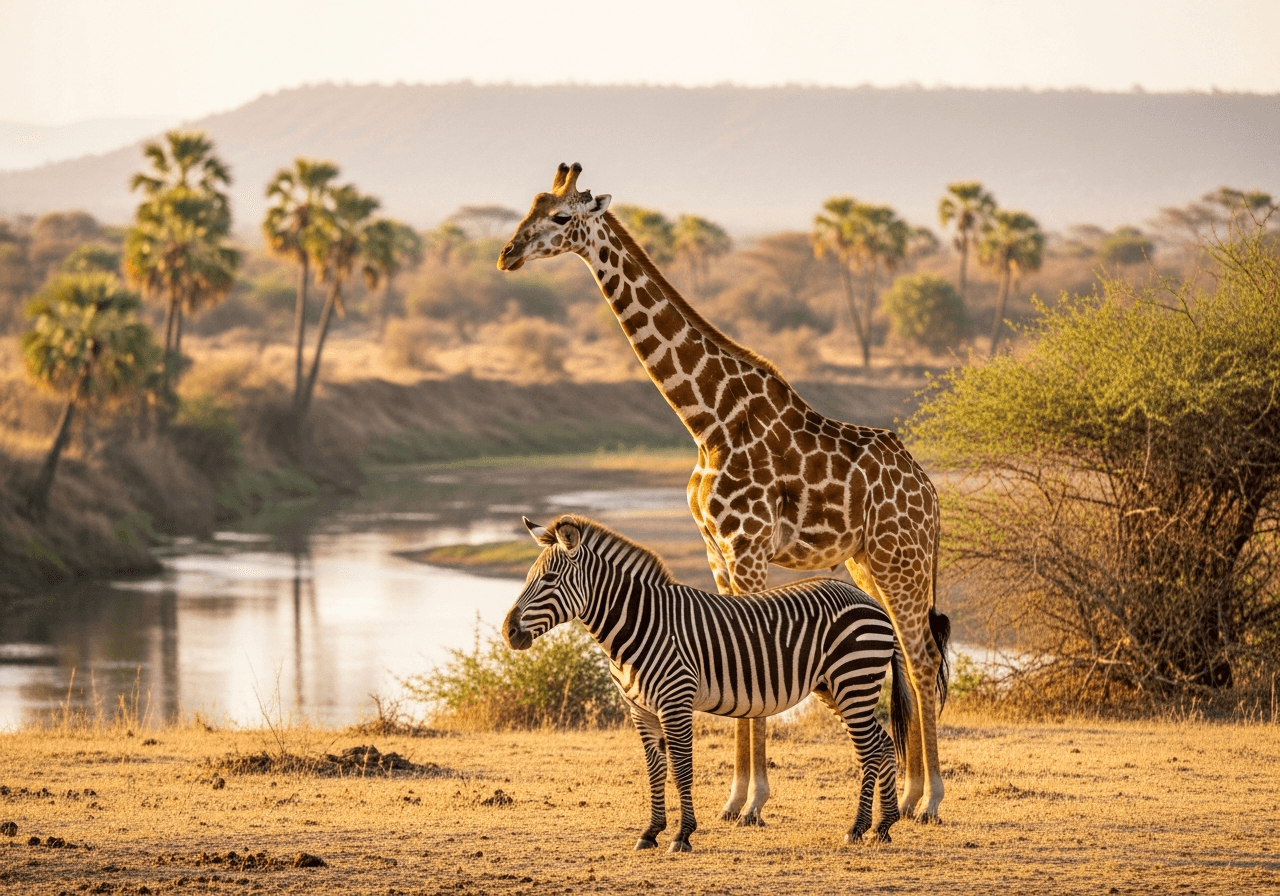
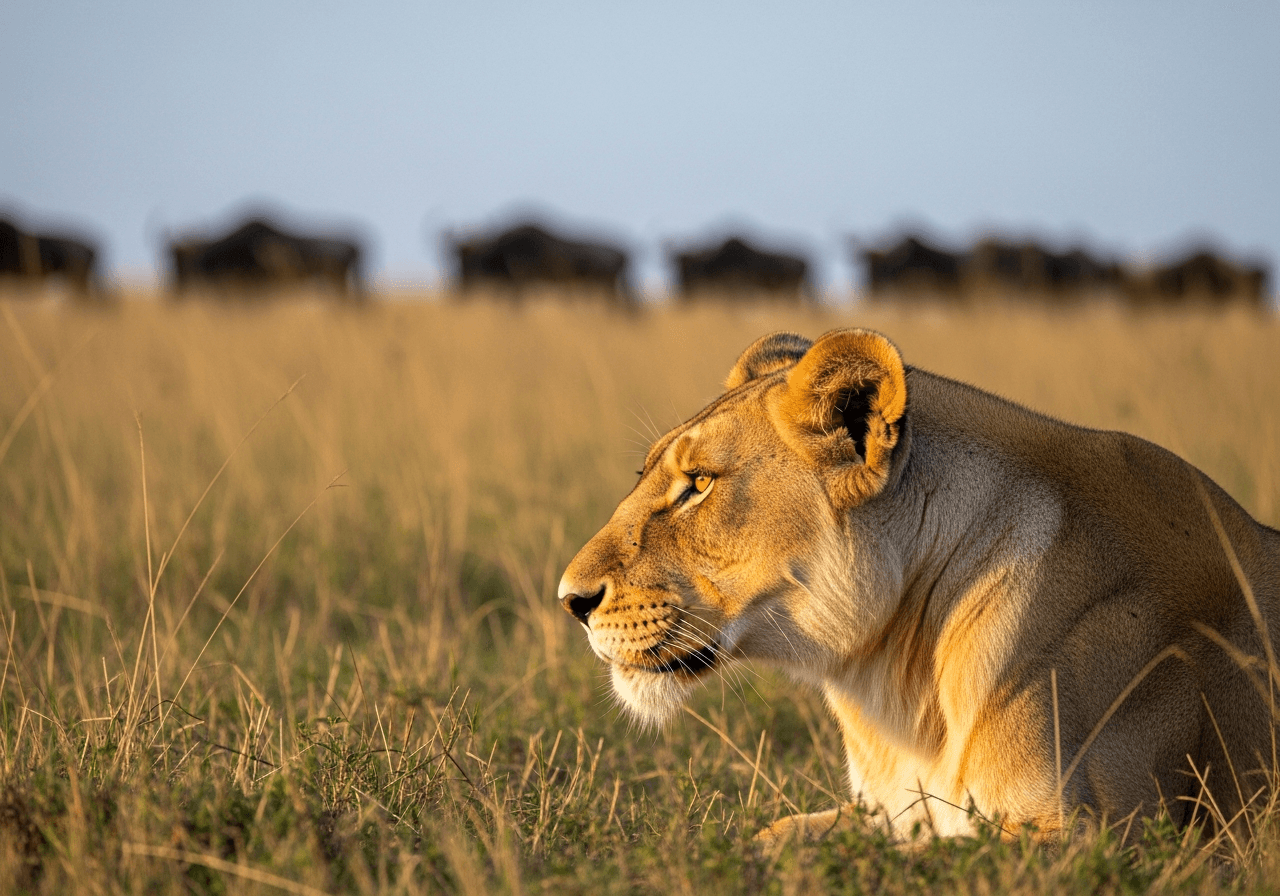
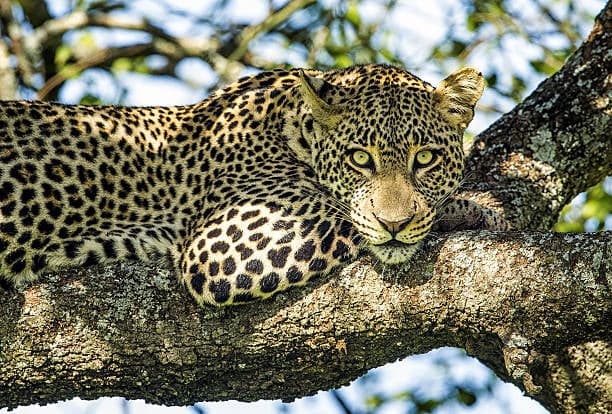
The Mara is one of Africa’s best places for lion, cheetah and leopard, alongside African elephants, Cape buffalo, Masai giraffe, zebra, hyena, hippo and Nile crocodile in the Mara River. Black rhino survive in small numbers, so Big Five sightings are possible though never guaranteed. Over 450 bird species have been recorded.
First-Timer Itinerary Recommendations
- Short on time: the 3-day fly-in Maasai Mara safari from Nairobi — maximum game-drive time, zero long drives.
- Best-value first safari: the 5-day midrange Kenya safari — Mara, Lake Naivasha and Amboseli by private 4x4.
- The complete Kenya circuit: the 8-day Kenya safari — Nairobi, Amboseli, both Rift Valley lakes and the Mara.
New to safari altogether? Start with our first-timer’s guide to planning an East Africa safari.