

Tsavo West National Park is a 9,065 km² park in southern Kenya, established in 1948 between Nairobi and Mombasa. Together with Tsavo East it forms one of the world's largest protected areas at roughly 22,000 km², and it is best known for Mzima Springs — a crystal-clear oasis pumping millions of litres of fresh water daily from the volcanic Chyulu Hills.
Part of the greater Tsavo Conservation Area, Tsavo West is the more dramatic half of the pair: rugged volcanic hills, lava fields, acacia woodland, riverine forest, swamps and natural springs make it one of Kenya's most scenic and photogenic parks, in contrast to the open plains of Tsavo East.
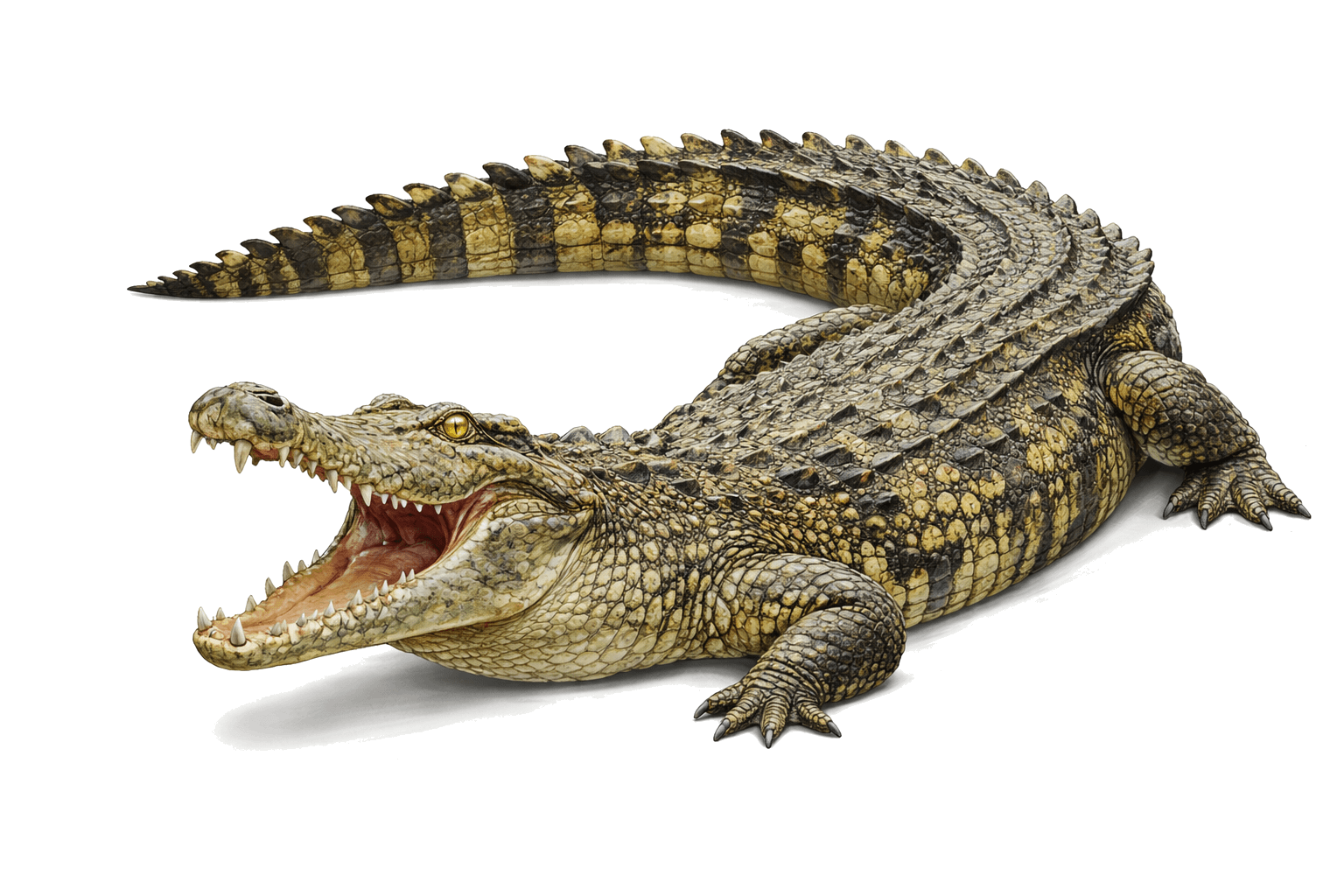
Mzima Springs is the park's signature attraction. Fed by underground streams filtering through the Chyulu Hills' porous lava, the springs sustain hippos, crocodiles, fish and lush vegetation, observable from a unique underwater viewing chamber. Elsewhere, the Shetani Lava Flow — a stark black river of solidified lava — and the climbable Chaimu Crater testify to the region's volcanic past, while the Chyulu Hills backdrop is said to have inspired Ernest Hemingway's Green Hills of Africa.
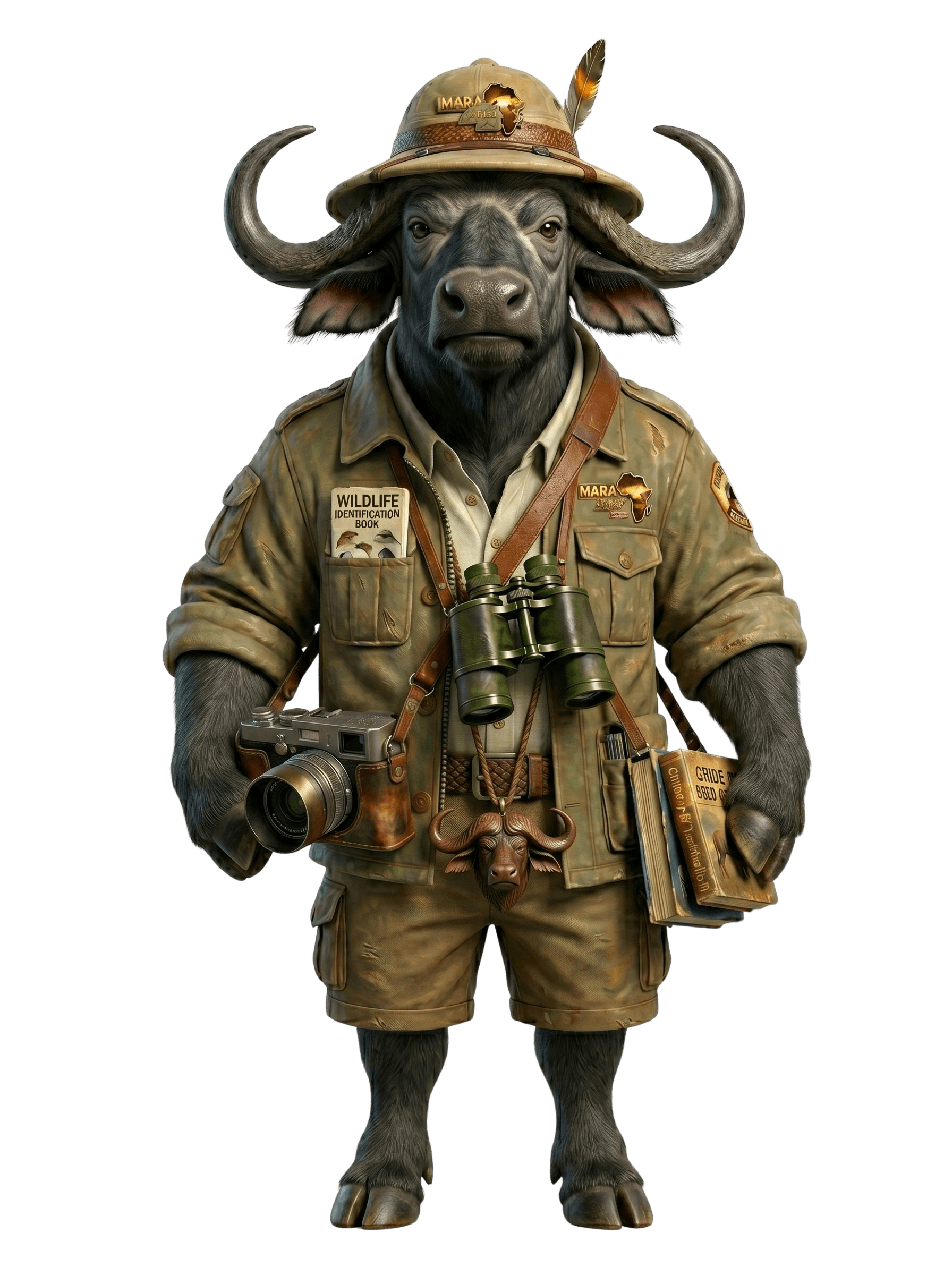
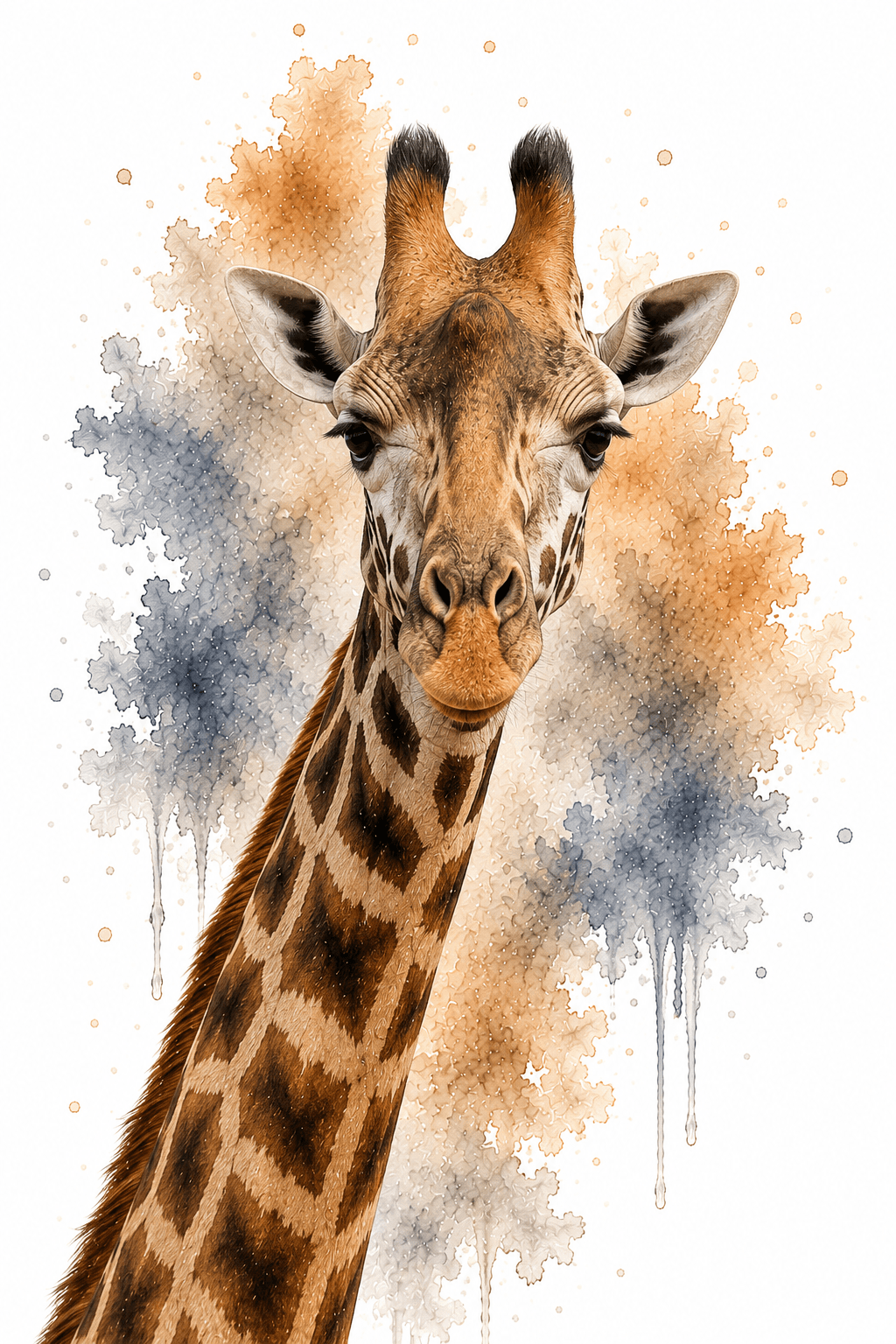
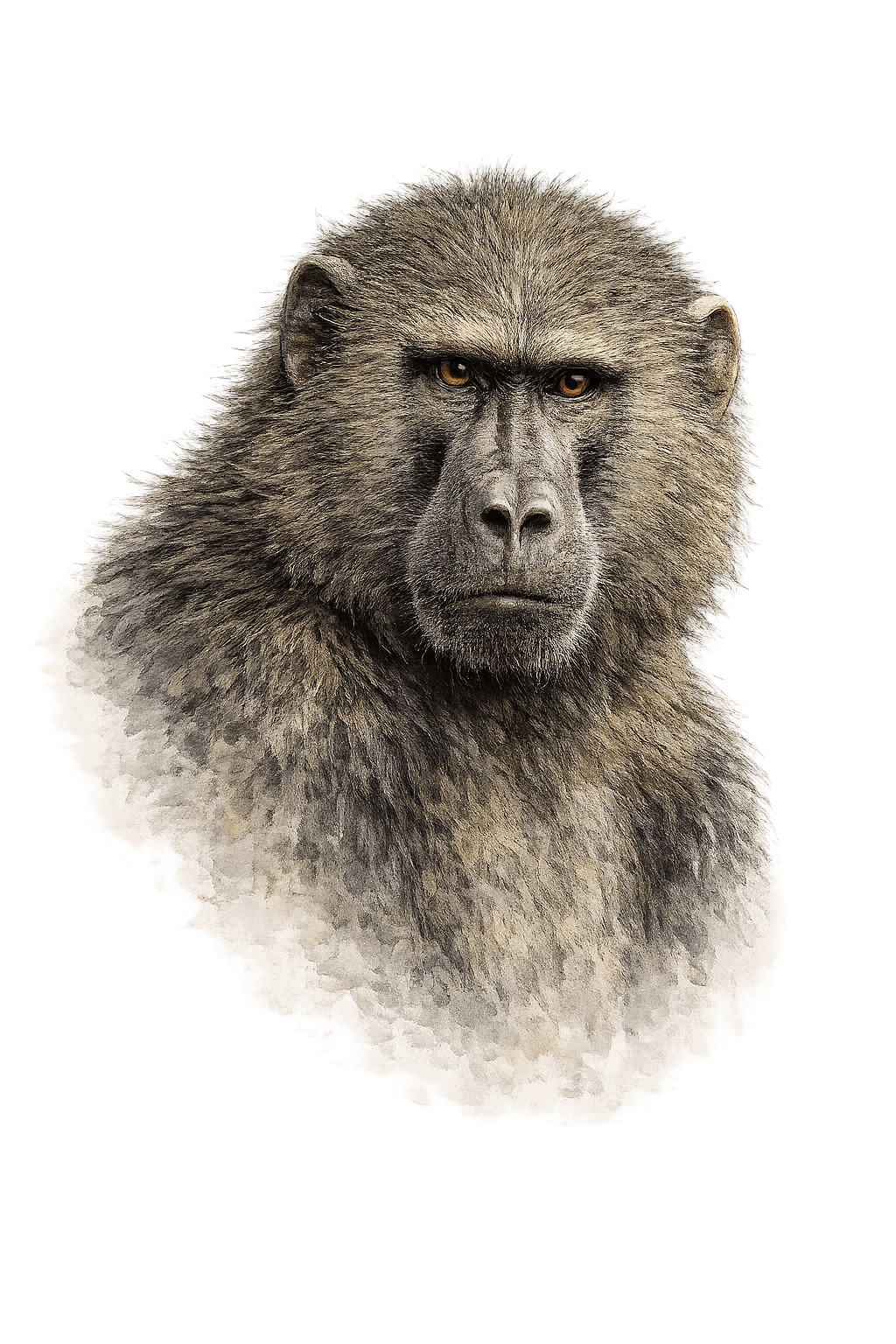
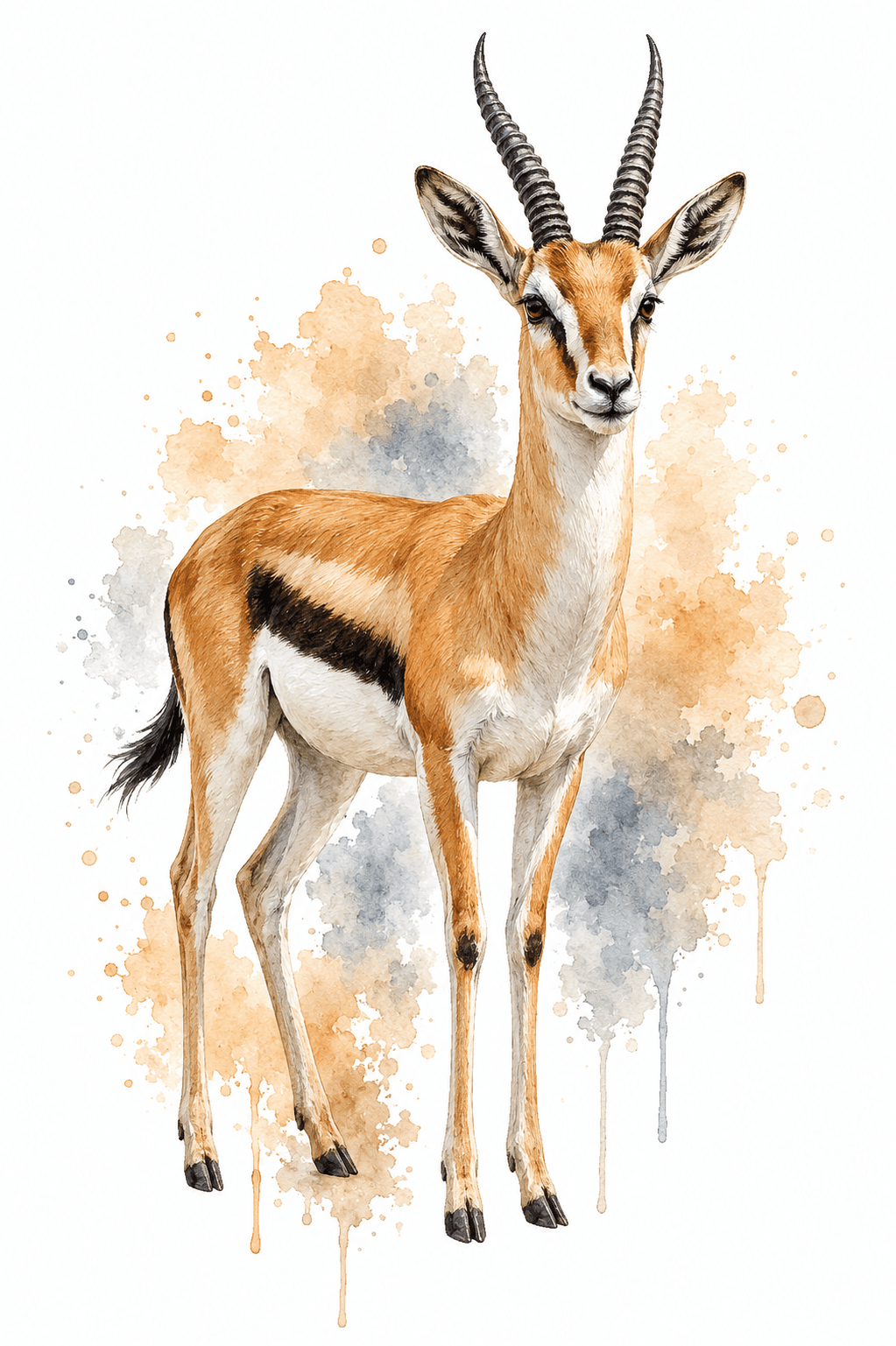
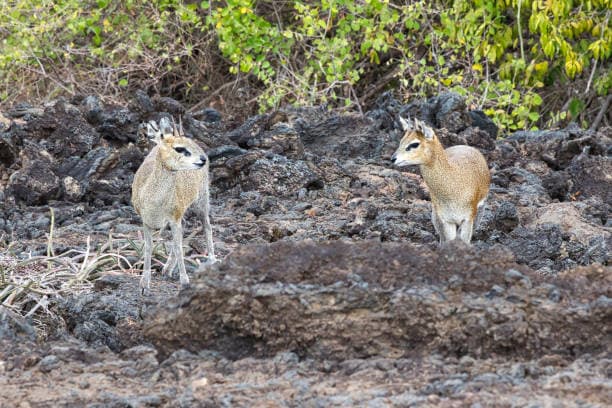
Wildlife is abundant and varied: elephants famously tinted red by Tsavo's soil, lions, leopards, cheetahs, buffaloes, giraffes, zebras, hippos, hyenas, waterbucks, impalas, lesser kudus and Grant's gazelles, with baboons along the rivers. The Ngulia Rhino Sanctuary protects one of Kenya's most important populations of endangered black rhinos within a secure, intensively monitored area.
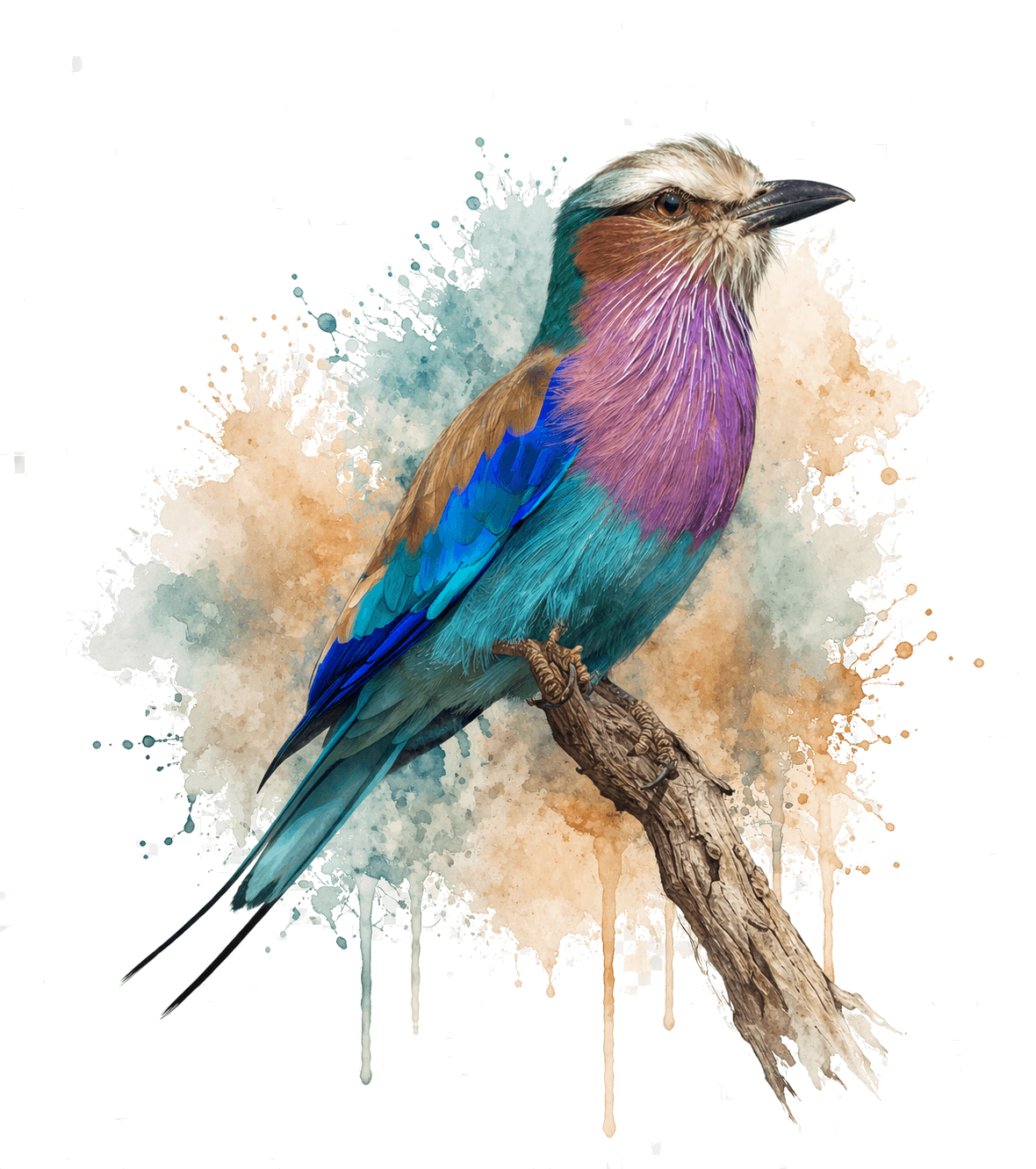
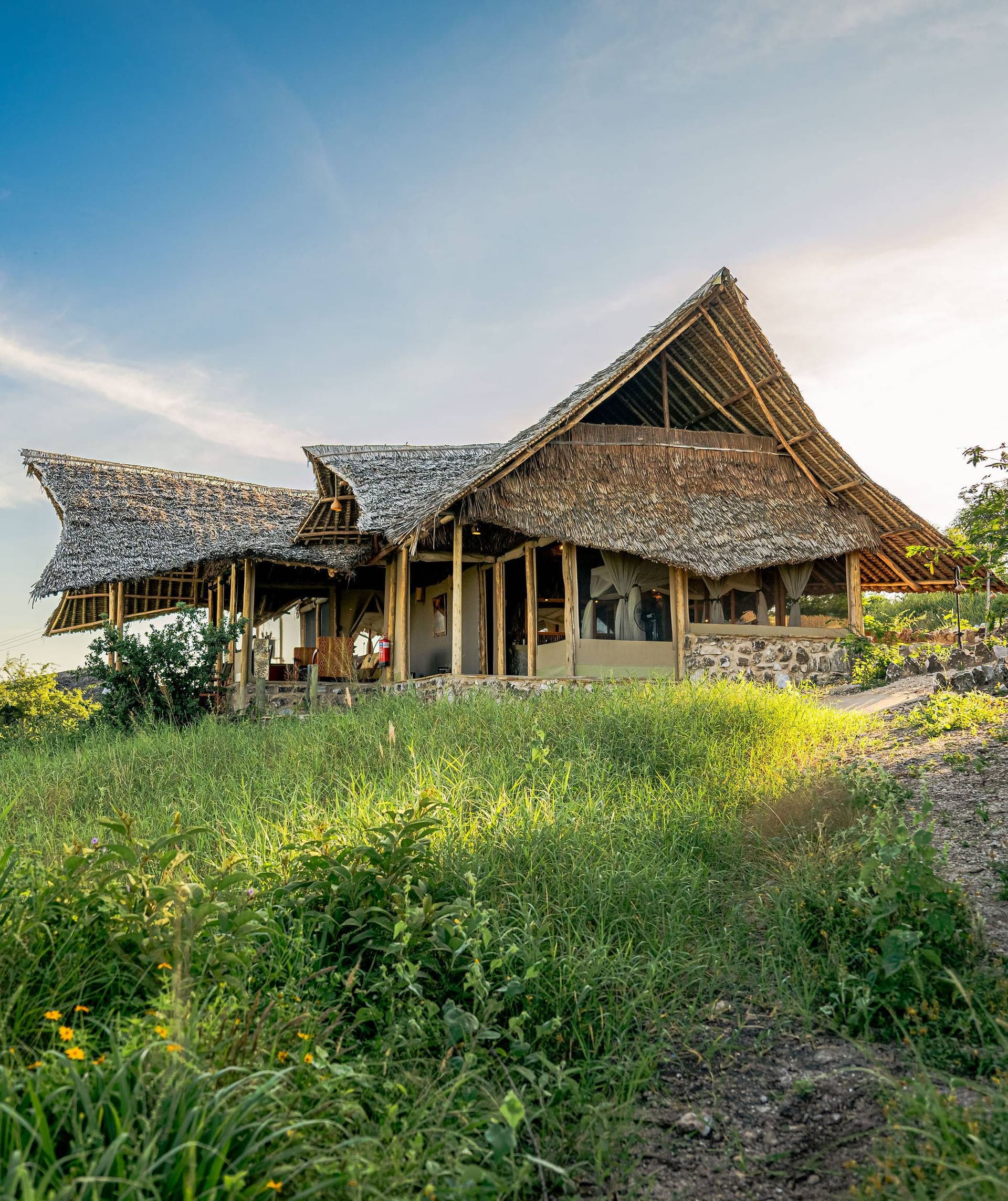
Birders can pursue more than 600 recorded species — kingfishers, hornbills, eagles, weavers and starlings among them — and Ngulia lodge sits on a major autumn migration flyway. Game drives, walking safaris and photography anchor the activity list, supported by lodges and tented camps across the park.
Tsavo's history looms as large as its landscapes. The infamous "man-eaters of Tsavo" — the lions that stalked railway workers in 1898 — entered safari legend here, and the park's role in Kenya's anti-poaching battles of the twentieth century shaped modern conservation practice across the country. Today the same vastness that once challenged rangers is the park's gift to visitors: space, silence and horizons unbroken by crowds.
The rhythm of a Tsavo West safari differs from the open-plains parks. Wildlife must be sought along the rivers, springs and waterholes threading the woodland, which makes sightings feel earned and keeps game drives varied — a leopard in a fig tree one hour, a herd of red elephants crossing a lava field the next.
What Is Tsavo West Known For?
- Mzima Springs and its underwater hippo-viewing chamber
- The Shetani Lava Flow and climbable Chaimu Crater
- The Ngulia Rhino Sanctuary for endangered black rhinos
- Red-dusted elephants against volcanic scenery
- More than 600 recorded bird species
- Part of the ~22,000 km² Tsavo Conservation Area
When Is the Best Time to Visit Tsavo West?
The park rewards visits year-round. The dry seasons — June to October and January to March — concentrate wildlife at water and offer the clearest game viewing, while the green seasons bring dramatic skies, fine birdwatching and few visitors.
How Do You Get to Tsavo West National Park?
Tsavo West straddles the Nairobi-Mombasa Highway, approximately 240 km from Nairobi and 250 km from Mombasa, making it one of Kenya's most accessible major parks by road. Airstrips within the park also serve fly-in safaris, and it combines naturally with Amboseli via the Chyulu corridor.
How Many Days Do You Need?
Two to three nights suit the park's scale, allowing Mzima Springs, the lava flows and the rhino sanctuary plus unhurried game drives. Many itineraries pair it with Tsavo East or Amboseli, or use it to break the journey to the coast.
For dramatic volcanic landscapes and big game between Kenya's capital and its beaches, Tsavo West National Park offers one of East Africa's most complete safari experiences.