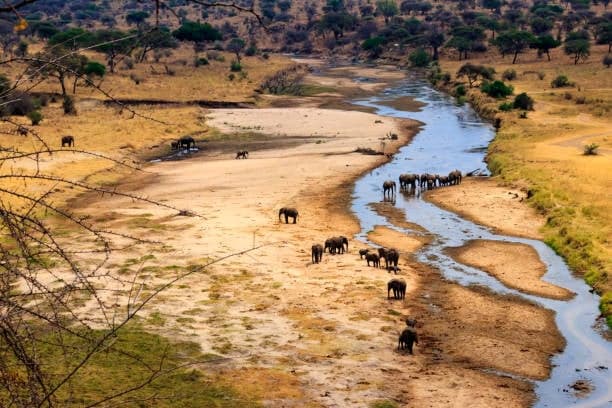

Tarangire National Park is a 2,850 km² park on Tanzania's Northern Safari Circuit, about 120 km southwest of Arusha. Named for the Tarangire River that sustains it, the park is famous for one of East Africa's largest elephant populations — herds of 100 or more are regularly seen moving beneath its ancient baobab trees.
Often called Tanzania's "Elephant Paradise", Tarangire delivers some of Africa's most iconic safari scenes: elephants dusting themselves red beneath baobabs that may be centuries old. The river is the park's lifeline, and its diverse habitats — open savannah, riverine forest, acacia woodland, swamps, seasonal floodplains and rocky ridges — support a correspondingly rich cast of wildlife.
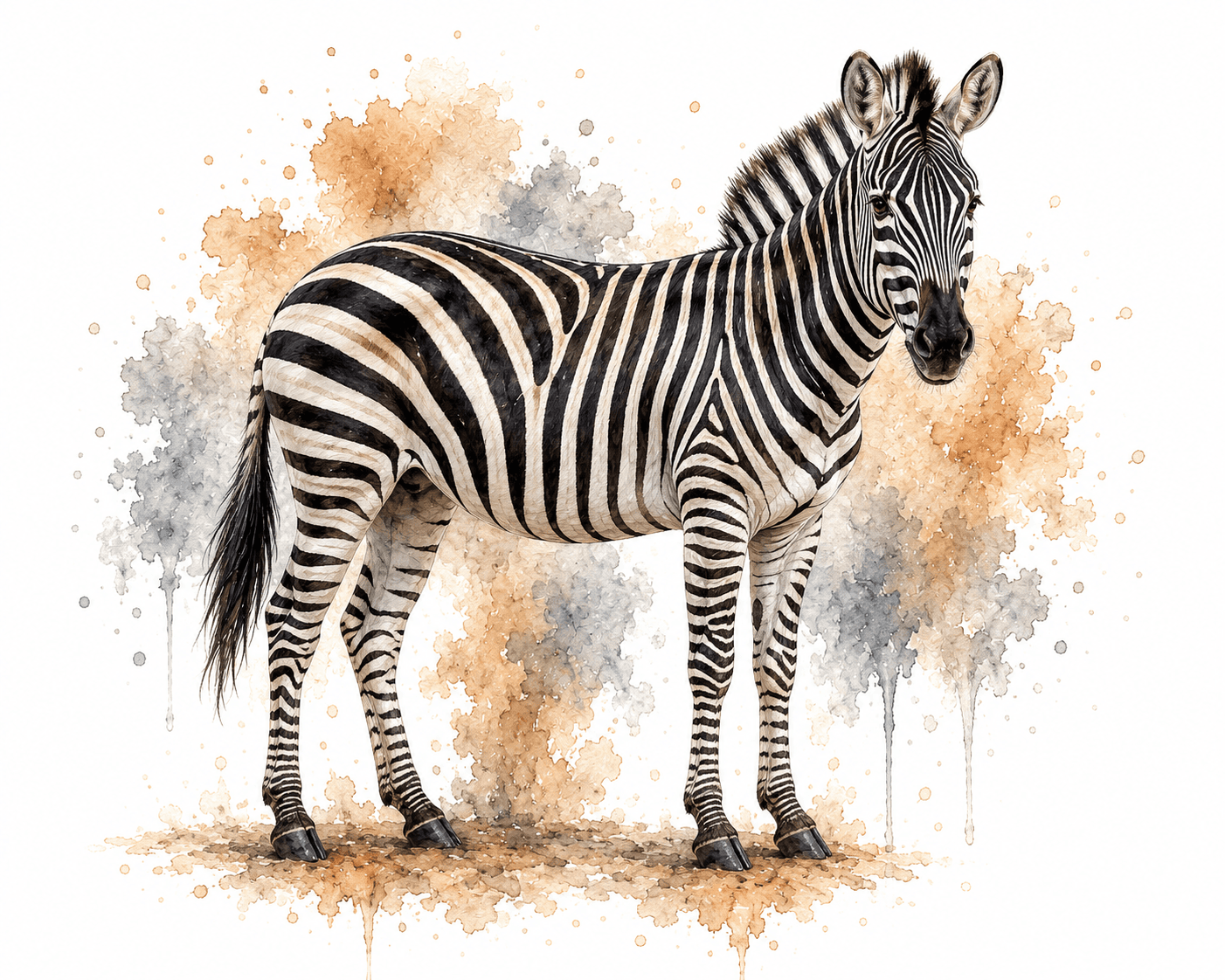
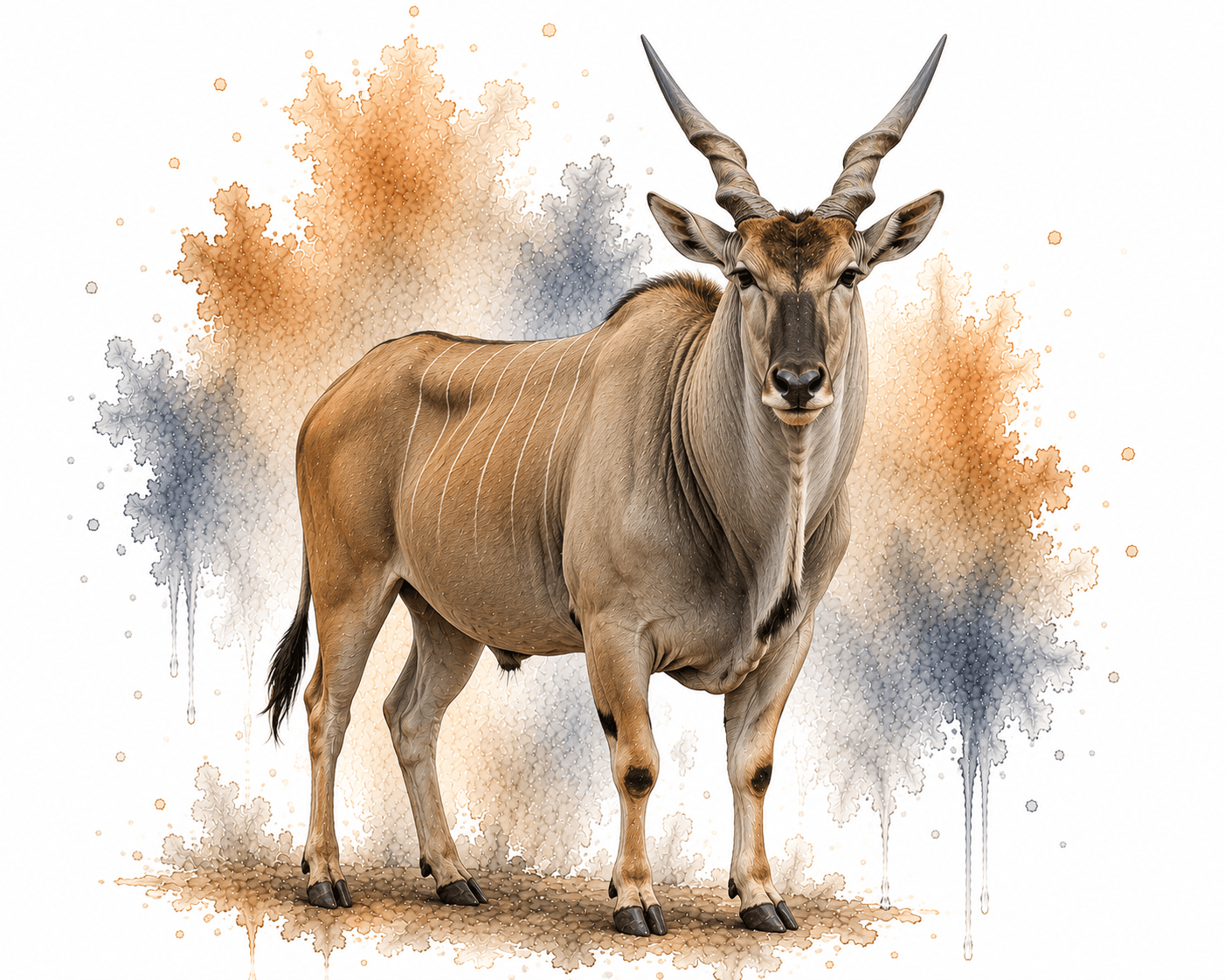
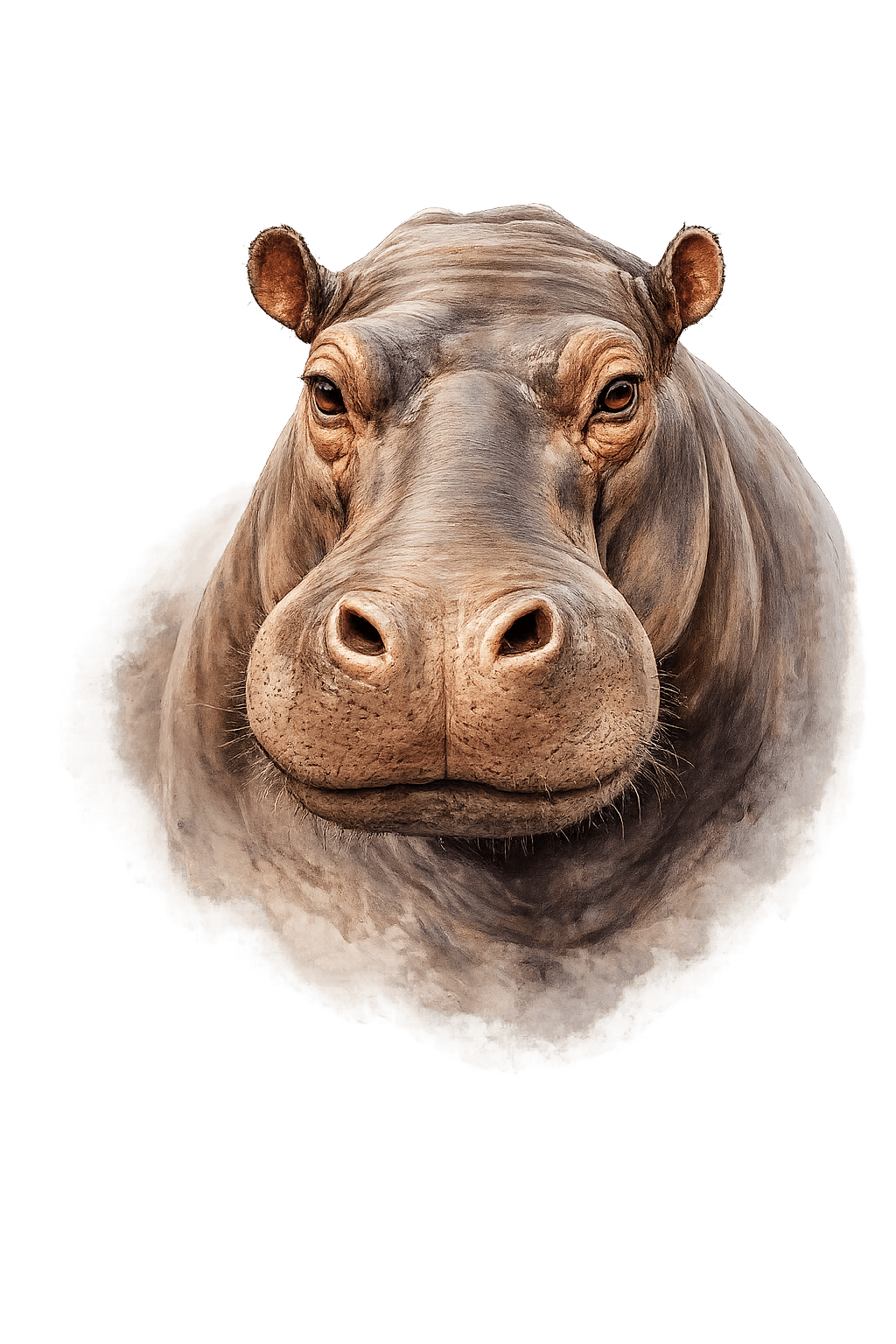
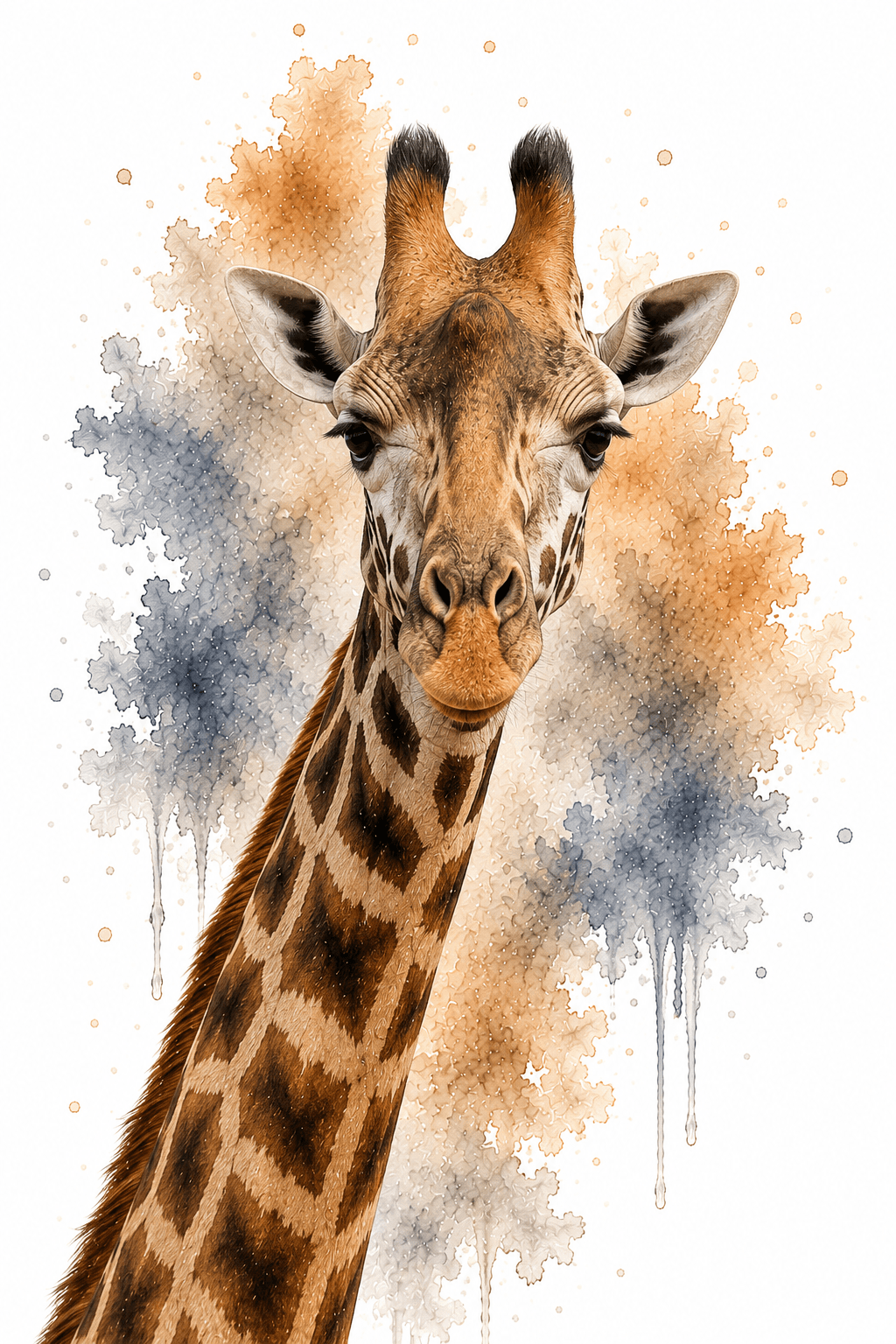
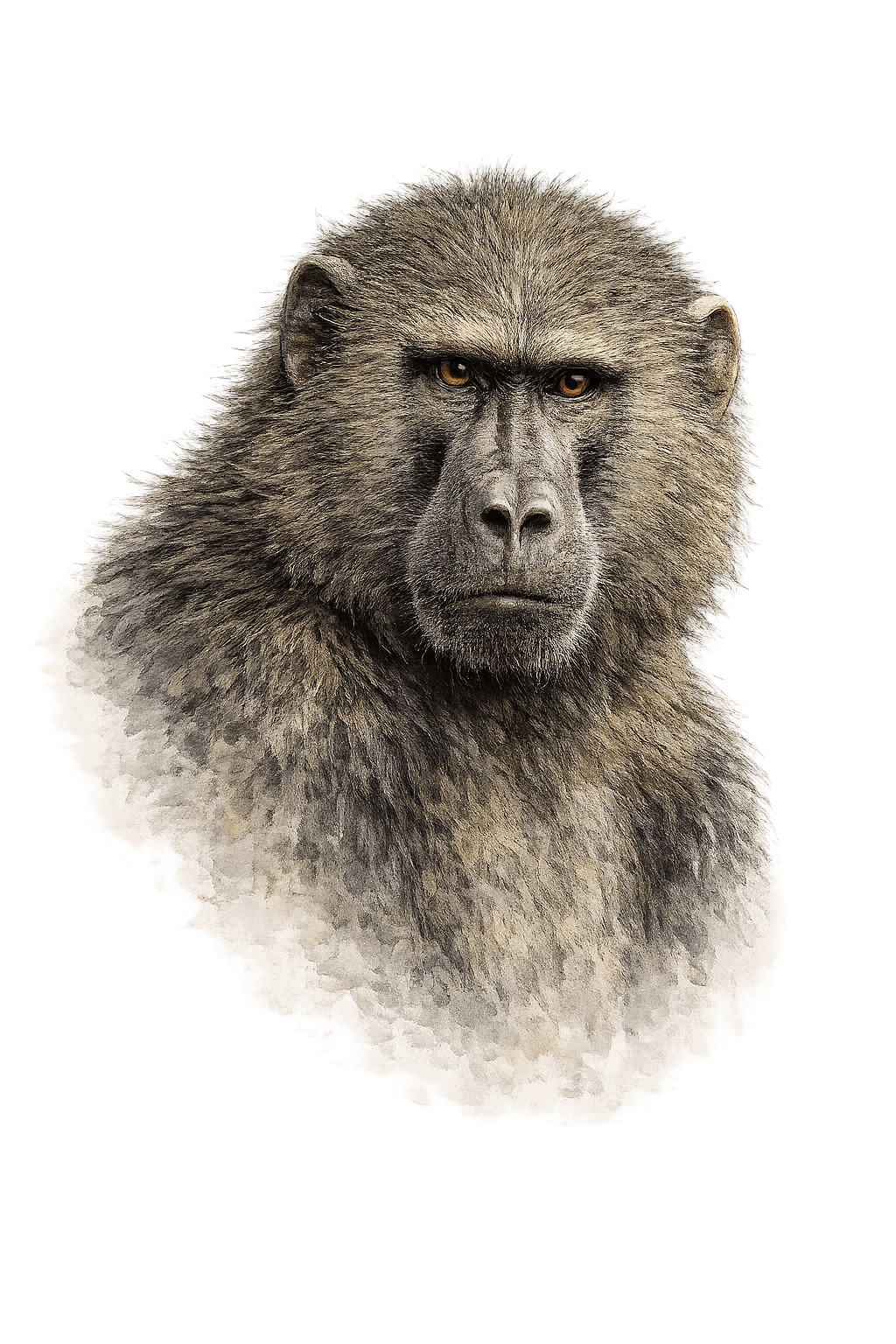
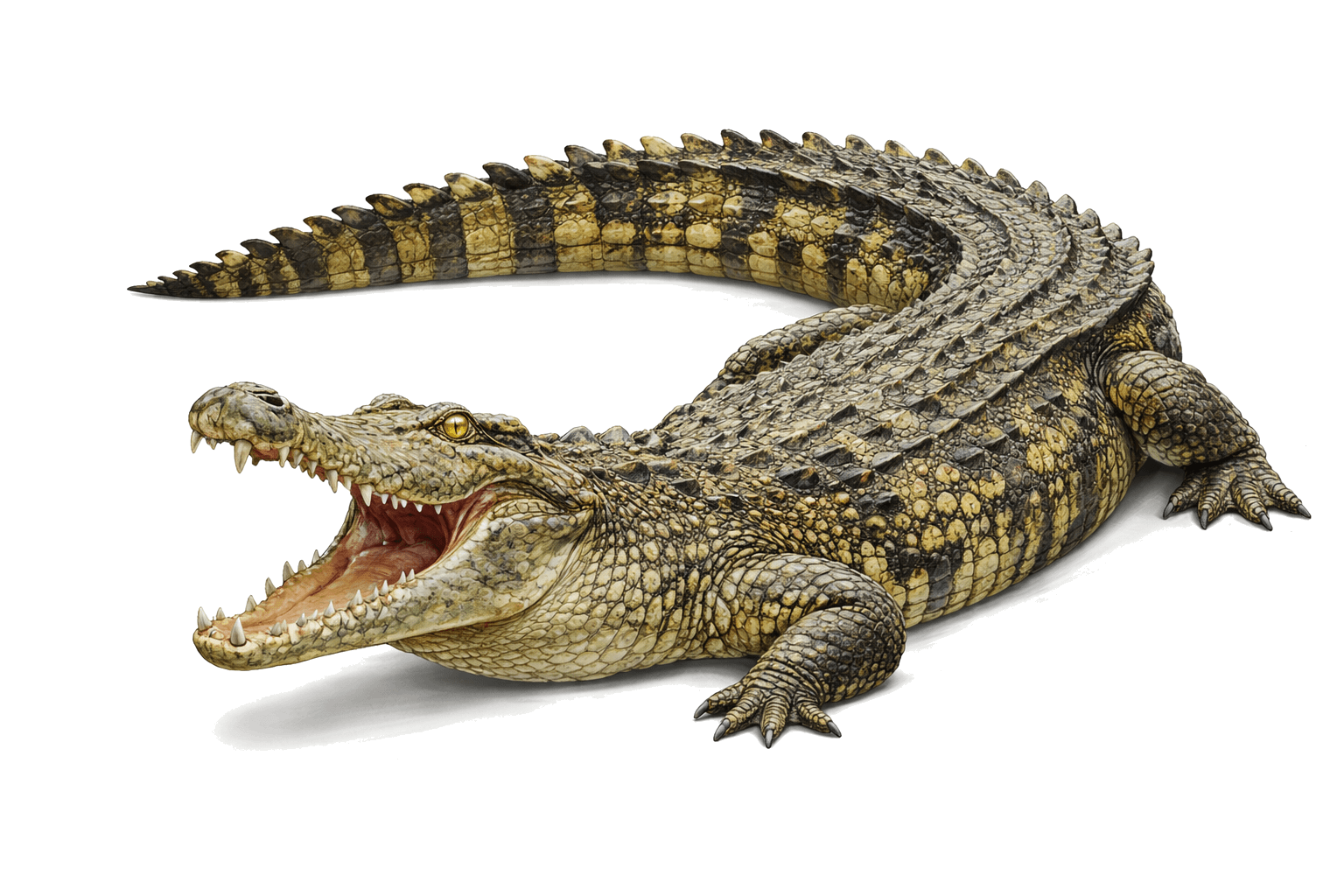
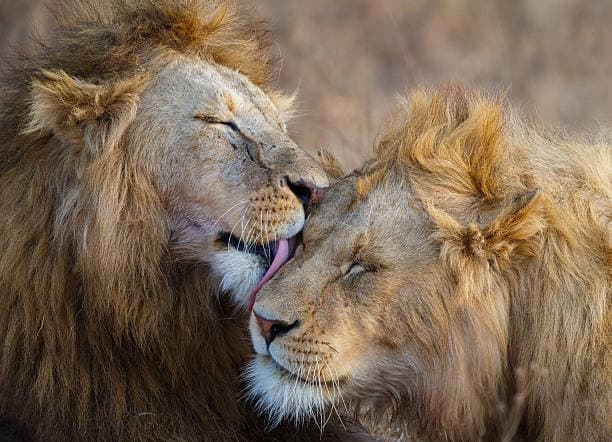
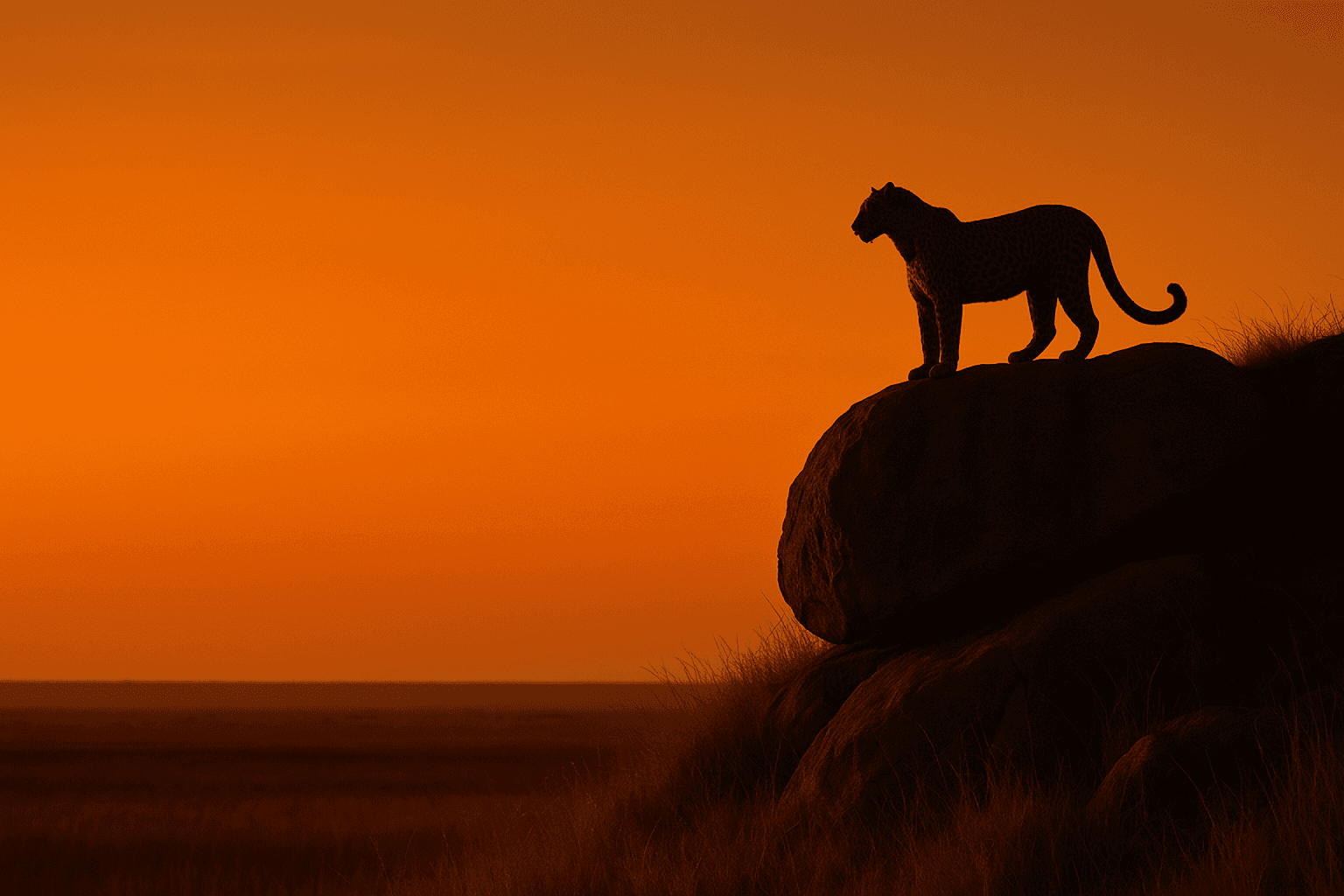
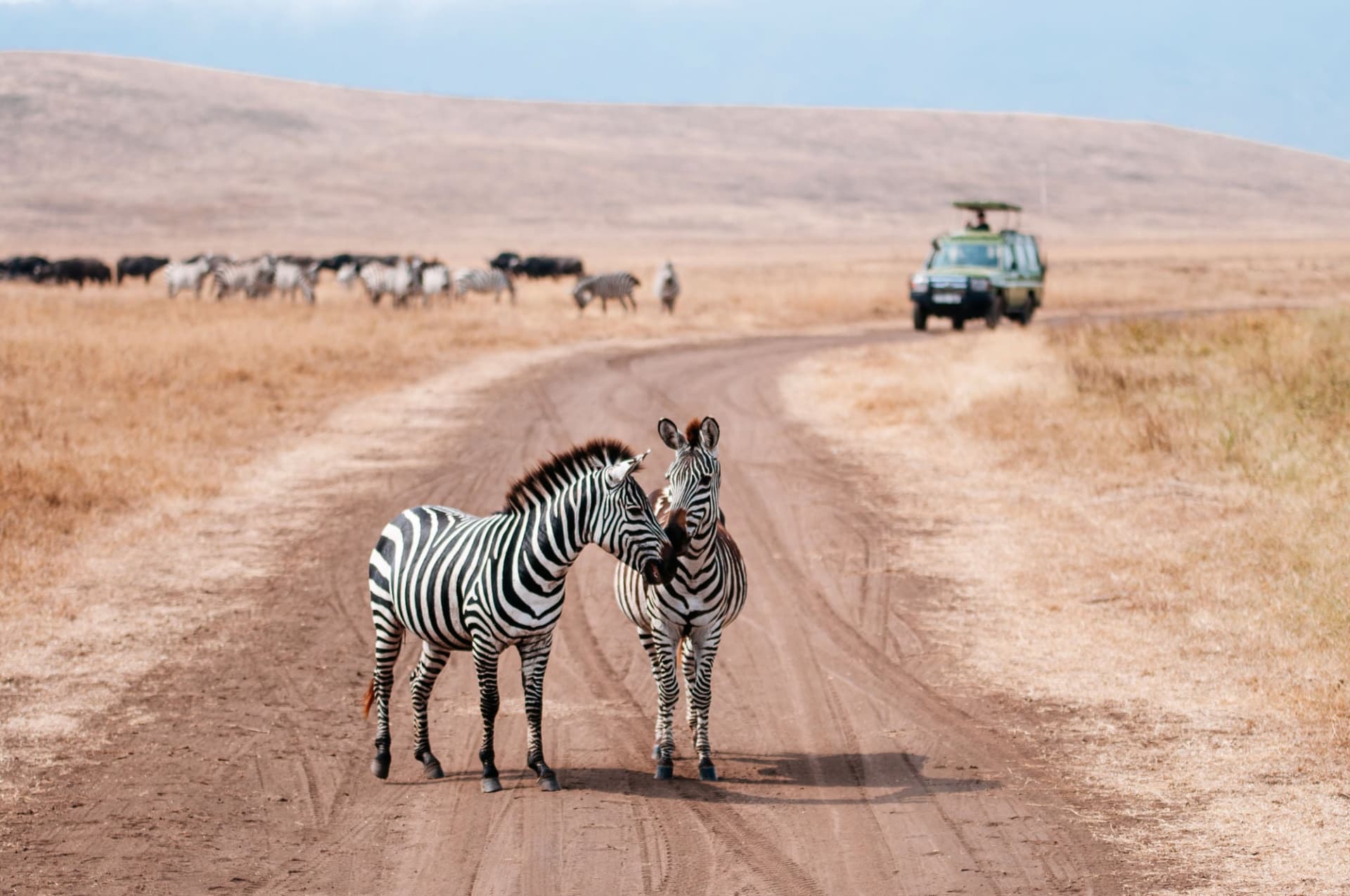
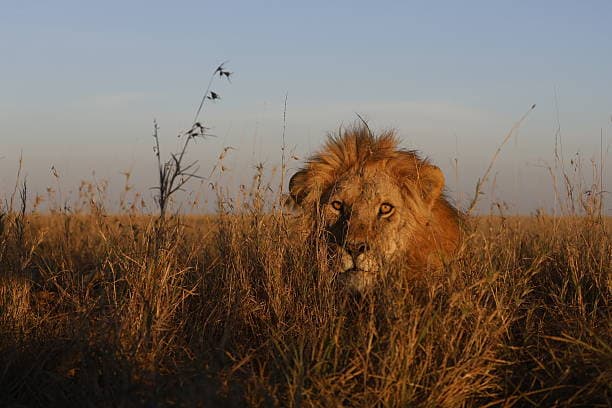
Game viewing features lions, leopards, cheetahs, buffaloes, giraffes, zebras, wildebeests, impalas, waterbucks, hartebeests, elands, warthogs and baboons, with crocodiles along the river. Tarangire is also known for rarer species — fringe-eared oryx, greater kudu and occasionally African wild dogs.
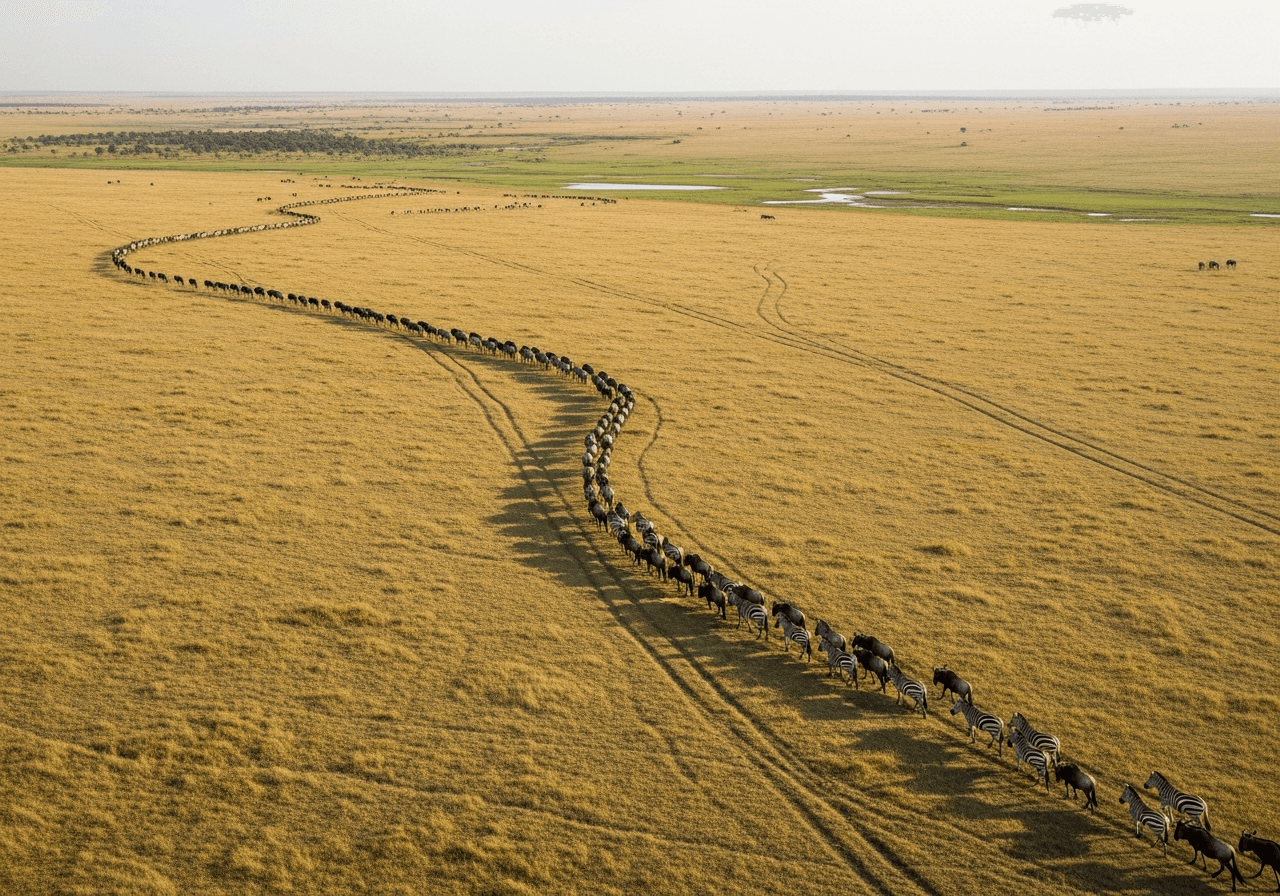
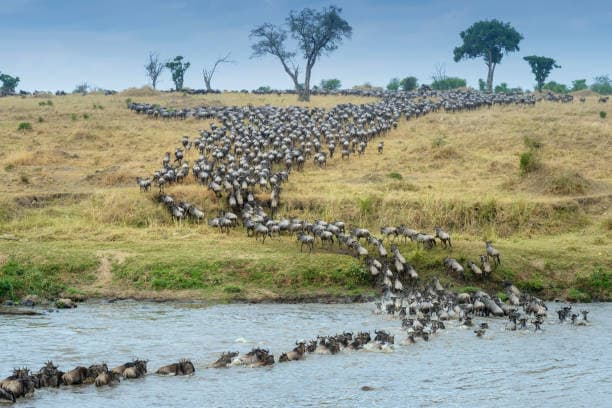
The park's defining phenomenon is its dry-season concentration. Between June and October, thousands of animals converge on the Tarangire River from the surrounding ecosystem in search of water, producing a seasonal density of wildlife that rivals far more famous safari spectacles — yet with a fraction of the vehicles found in the Serengeti or Ngorongoro.
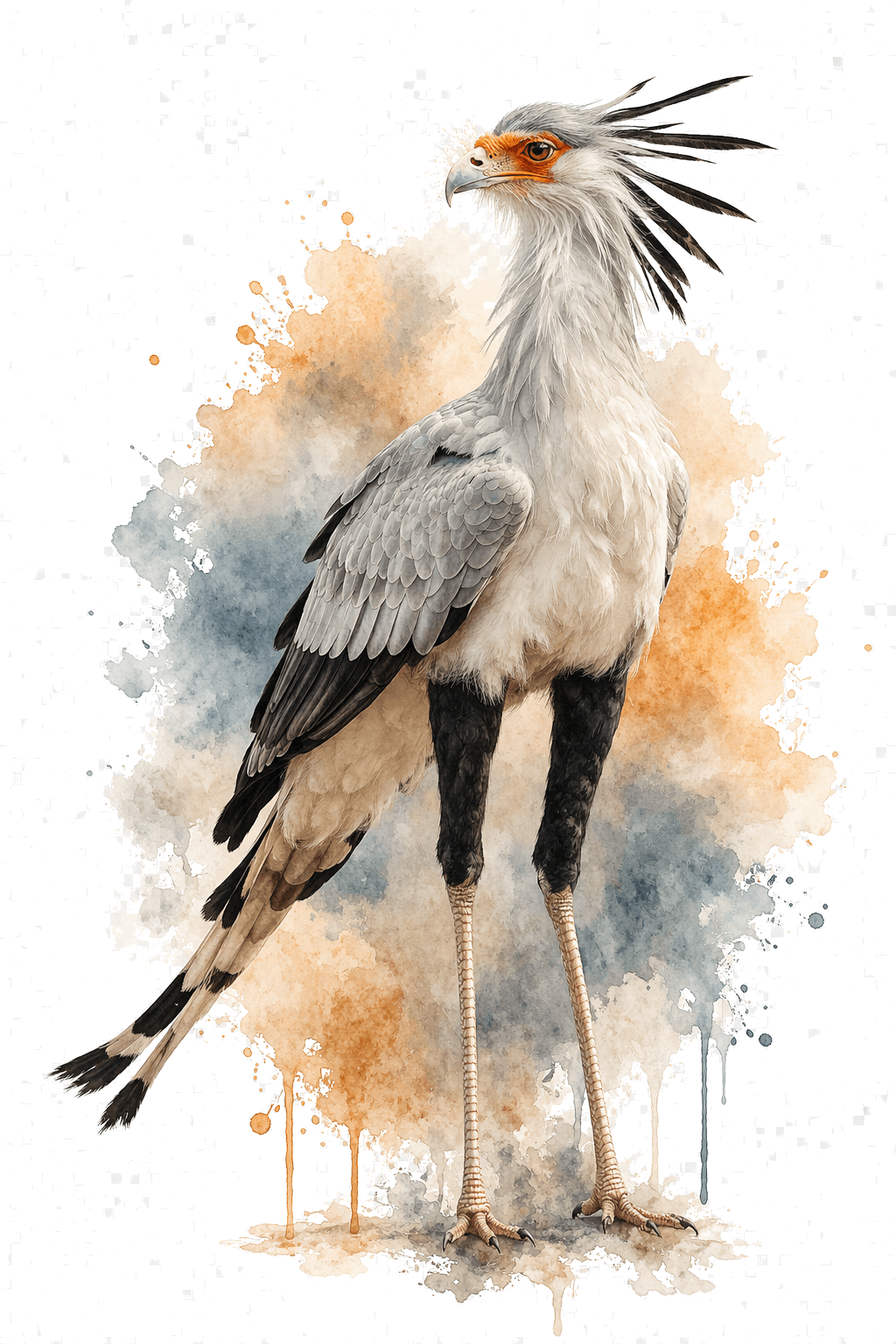
Birdlife is exceptional even by Tanzanian standards, with more than 550 recorded species including yellow-collared lovebirds, hornbills, ostriches, secretary birds, eagles and vultures. Lodges, tented camps and boutique properties inside and around the park allow visitors to enjoy its wildlife in comparative solitude.
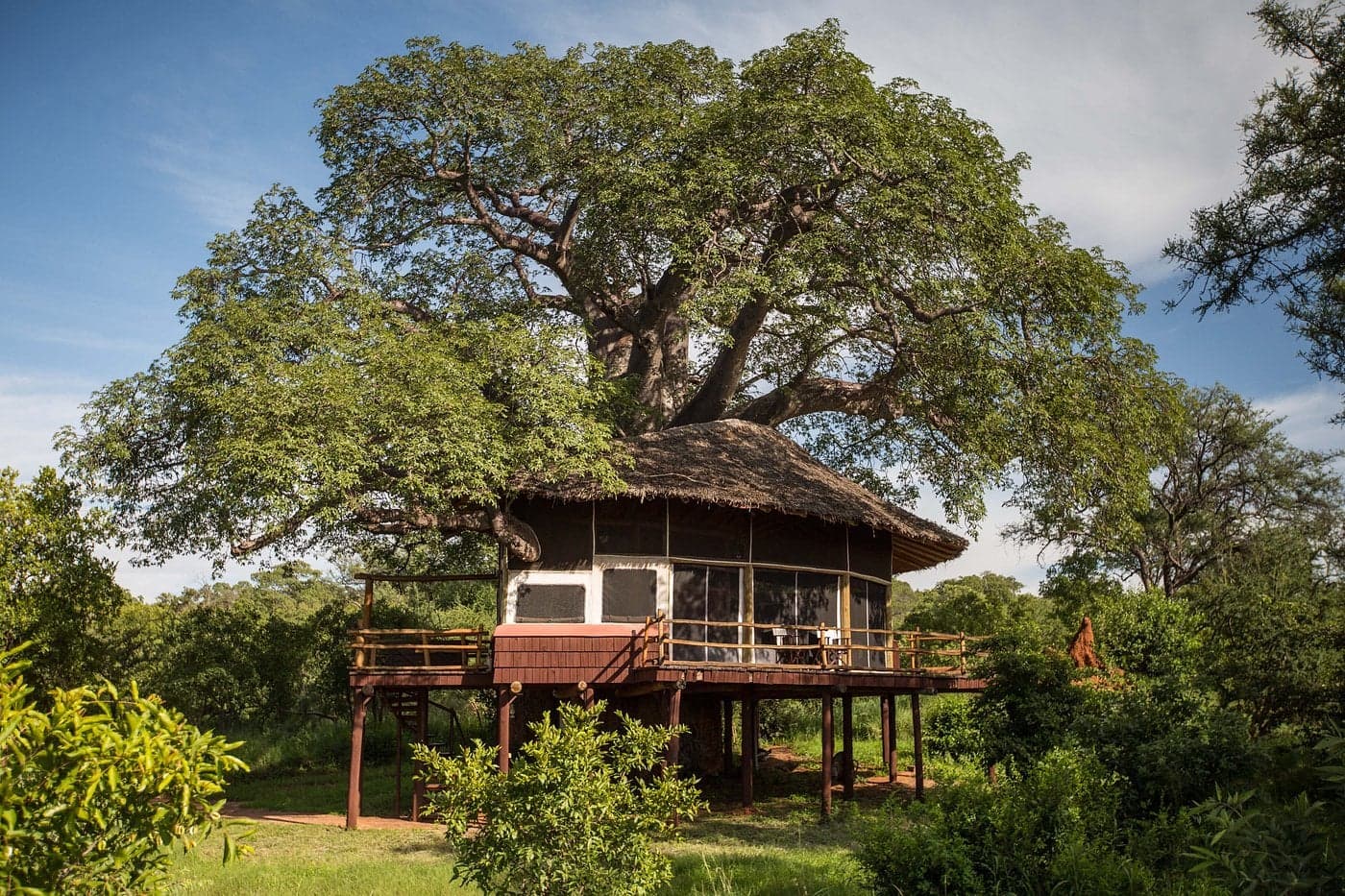
The baobabs deserve their star billing. Tarangire holds one of Africa's great concentrations of these vast, water-storing trees, some of them many centuries old, and their sculptural forms give the park a visual identity unlike anywhere else on the northern circuit. Elephants strip their bark in the dry months, leaving scars that tell the story of each tree's long relationship with the herds.
Away from the river, the Silale Swamp in the park's south acts as a second dry-season magnet, drawing elephants, buffaloes and big cats to its permanent green margins — and it is here that lions and pythons are famously, if occasionally, found resting in trees. Cultural visits to Maasai and Barabaig communities around the park's fringes add a human dimension to the itinerary.
What Is Tarangire National Park Known For?
- One of East Africa's largest elephant populations, with herds of 100+
- Ancient baobab trees studding the savannah
- A dramatic dry-season wildlife gathering along the Tarangire River
- Rare species such as fringe-eared oryx and greater kudu
- More than 550 bird species, including yellow-collared lovebirds
- A quieter alternative to the busier northern circuit parks
When Is the Best Time to Visit Tarangire?
The dry season from June to October is the standout period, when wildlife masses along the river. January to March brings green landscapes and superb birdwatching, while the rainy months offer dramatic skies, low visitor numbers and lush scenery.
How Do You Get to Tarangire National Park?
The park lies approximately 120 km southwest of Arusha, a drive of about 2 to 3 hours, and is typically the first or last stop on the Northern Safari Circuit linking the Serengeti, Ngorongoro Crater and Lake Manyara. Airstrips inside the park serve fly-in safaris.
How Many Days Do You Need?
Two to three nights allow unhurried exploration of the river circuits, the swamps and the baobab country — enough time to appreciate why many guides rank Tarangire among Tanzania's finest parks. Even travellers on tight itineraries should resist treating it as a drive-through: the park rewards those who stay past the day-trip departures, when the river valley empties of vehicles and fills with elephants.
Tarangire features on cross-border and beach-combination itineraries such as the 8-Day Mid-Range Tanzania Safari & Zanzibar Beach Holiday and the 10 Days Two Nations Safari Kenya & Tanzania.