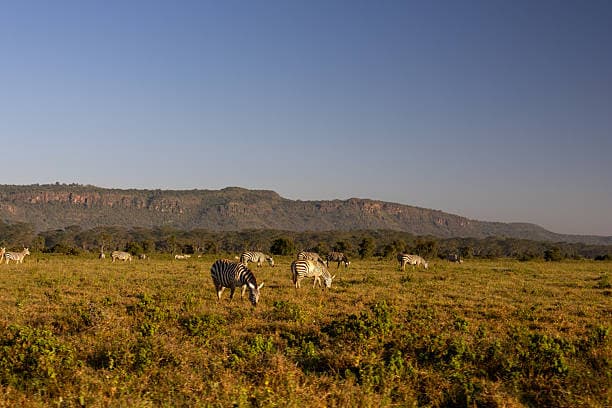
Lake Nakuru National Park is a 188 km² wildlife sanctuary in Kenya's Great Rift Valley, roughly 160 km northwest of Nairobi. One of Africa's most successful rhino sanctuaries, it protects both black and white rhinos alongside the alkaline lake whose birdlife — including vast flocks of flamingos in favourable years — first made it famous.
The park was originally established to protect the lake ecosystem and its extraordinary birdlife, and over the decades it has evolved into one of Kenya's premier conservation areas. Its compact size belies remarkable habitat diversity: alkaline lake shores, acacia woodland, euphorbia forest, open grassland, rocky cliffs and scenic escarpments all lie within a single game drive.
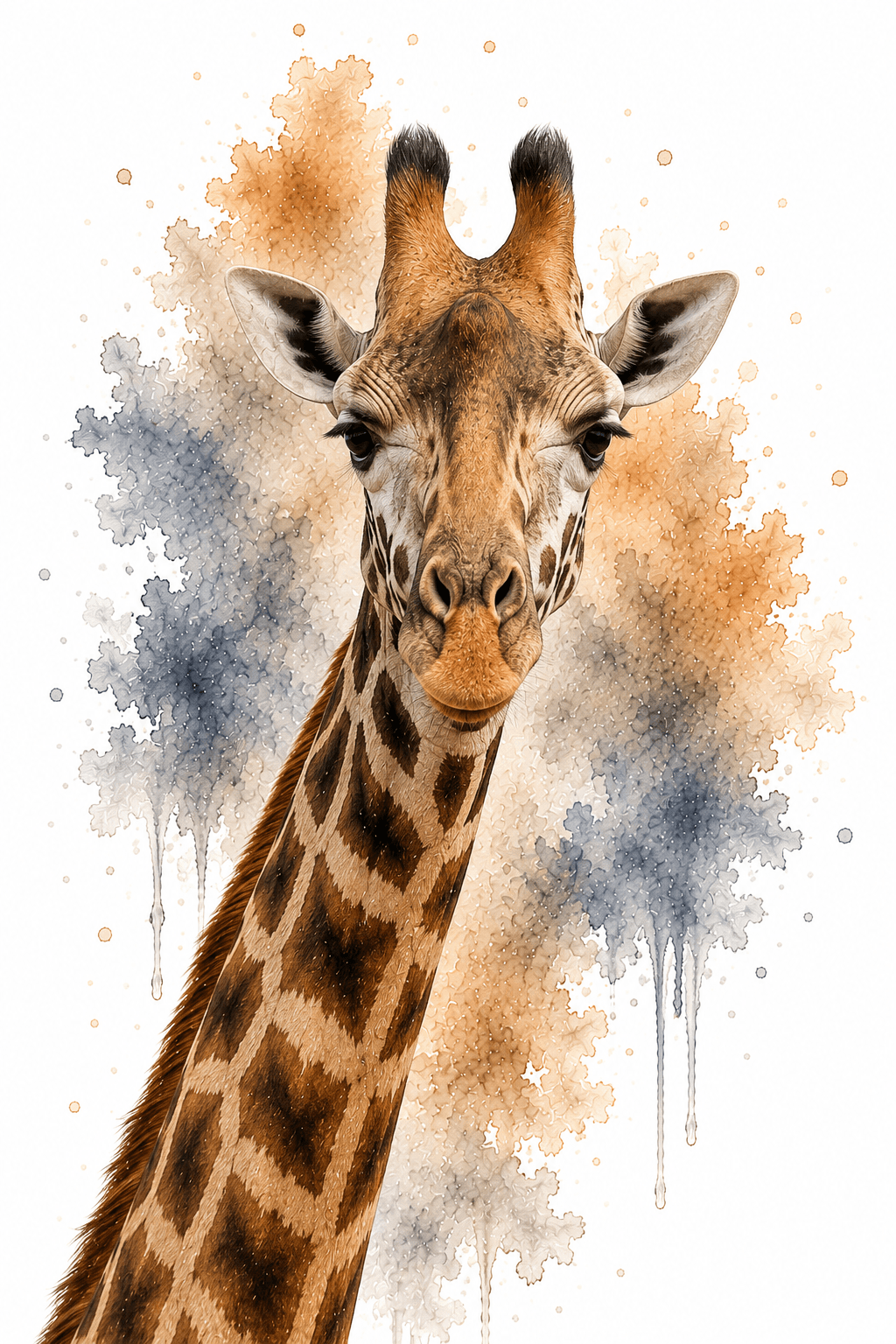
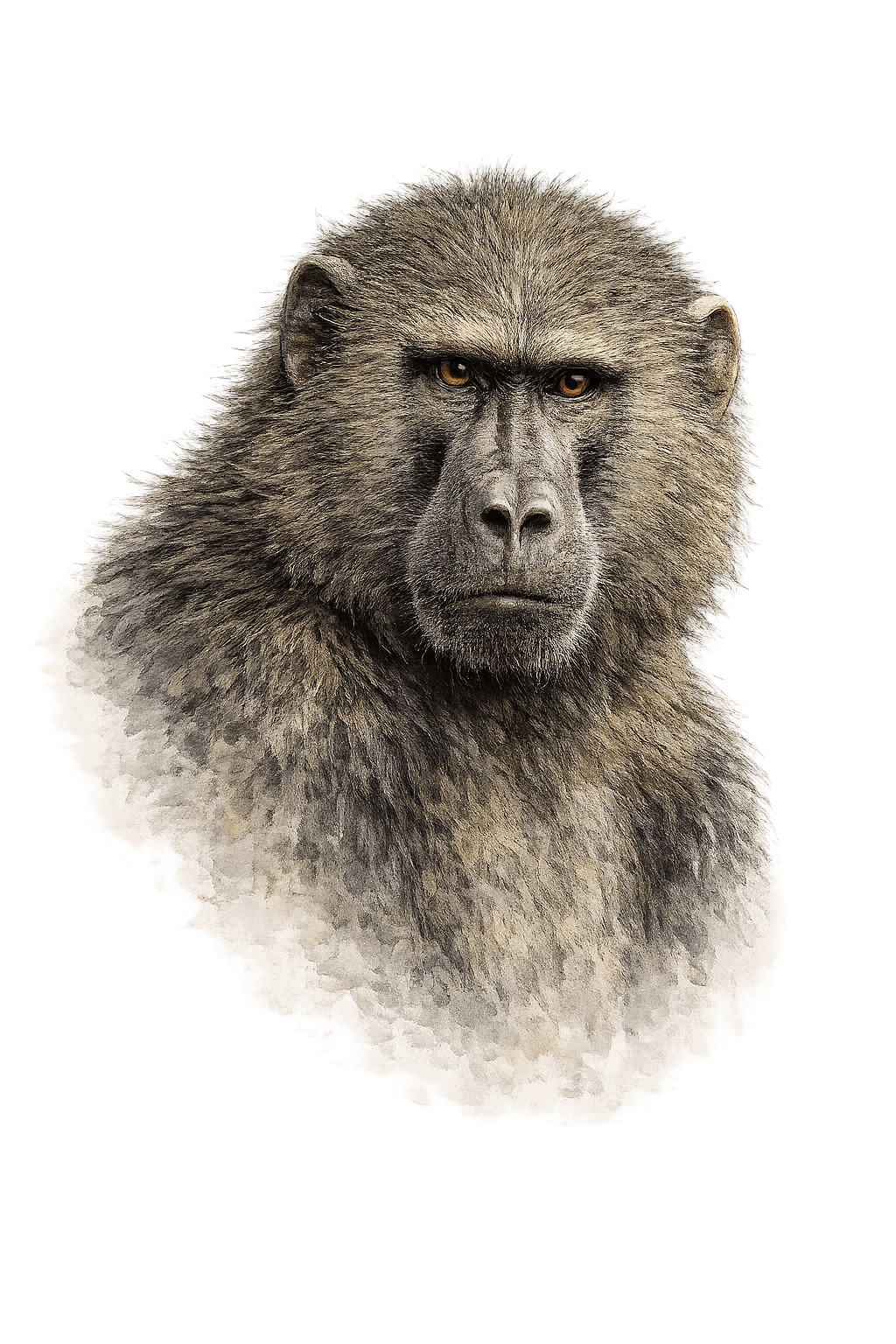
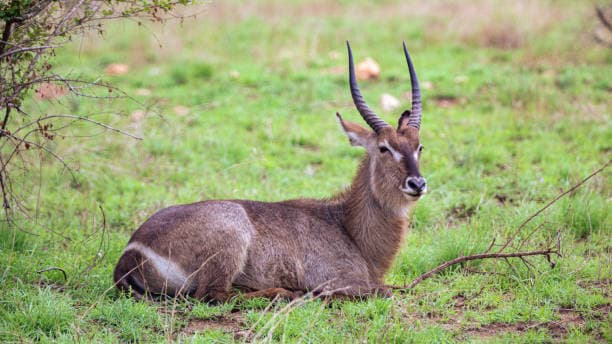
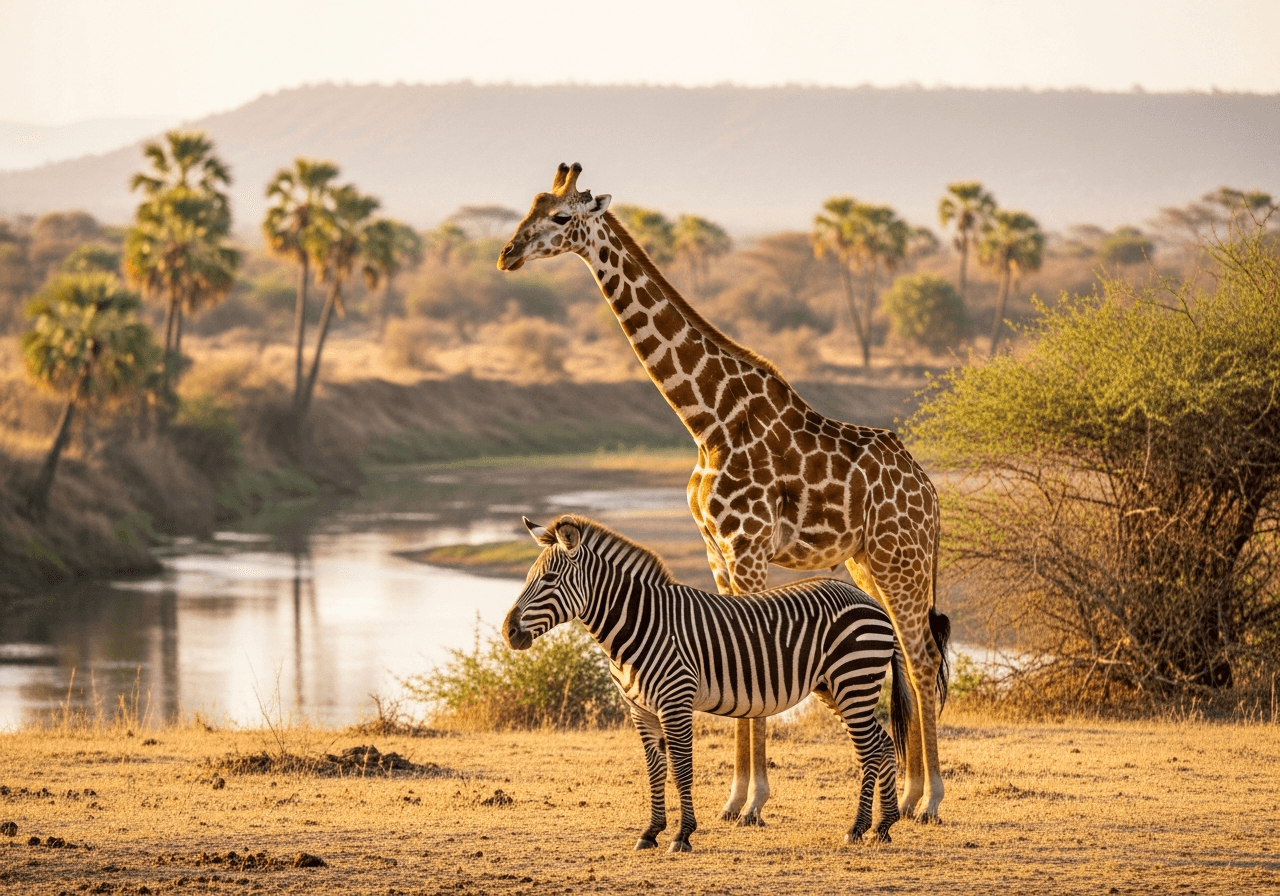
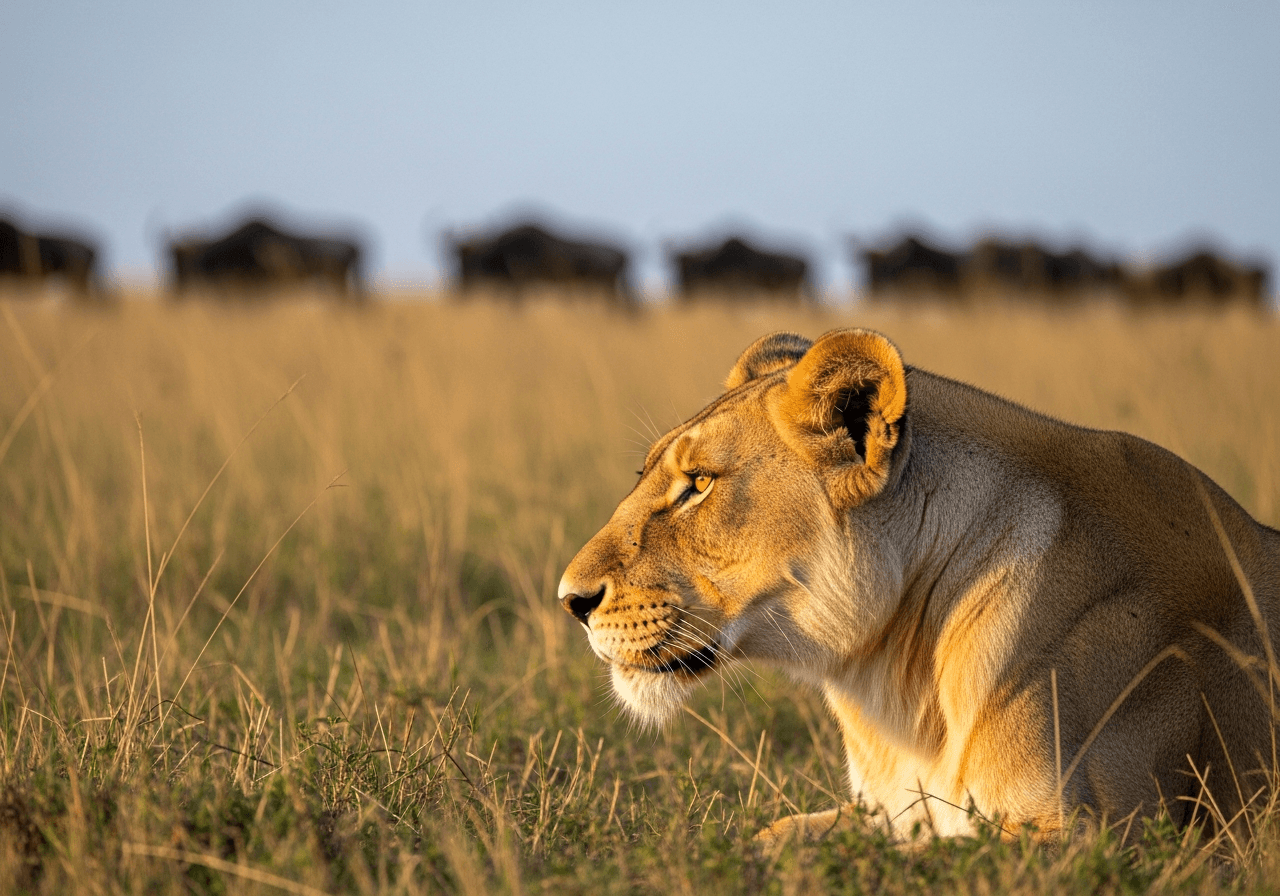
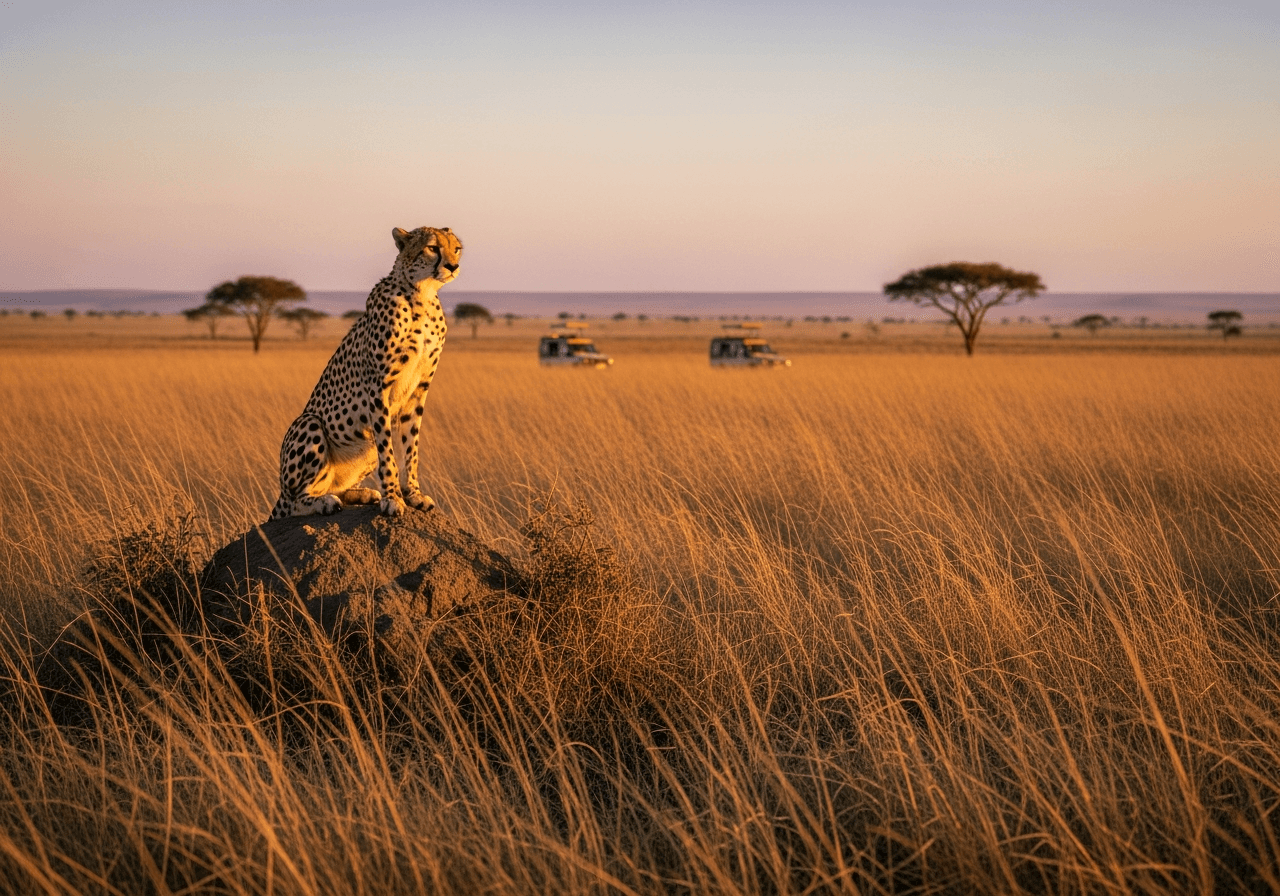
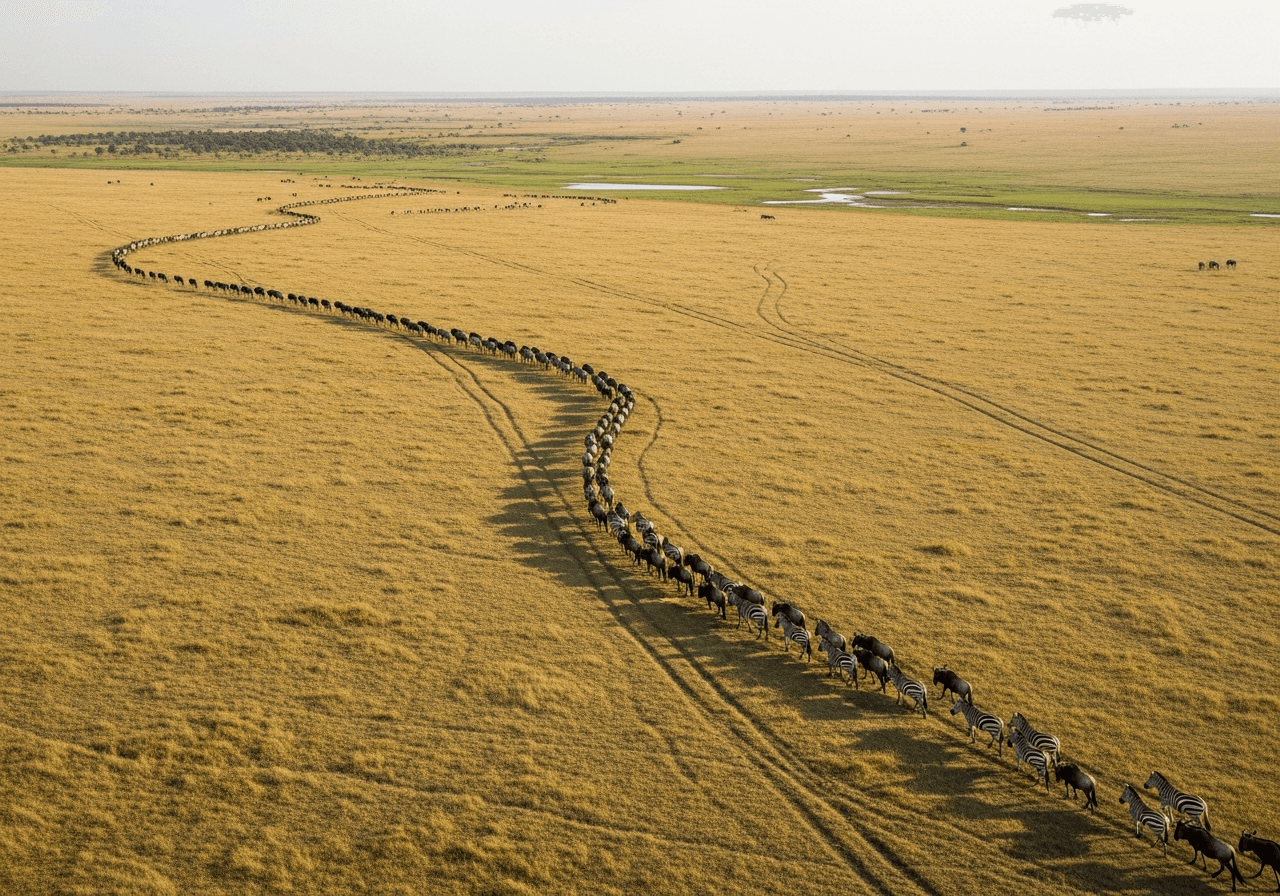
Wildlife viewing is superb for a park of this scale. Visitors regularly encounter black and white rhinos, lions, leopards, buffaloes, zebras, waterbucks, impalas, hyenas, baboons, vervet monkeys and the endangered Rothschild's giraffe, for which Nakuru is a key sanctuary.
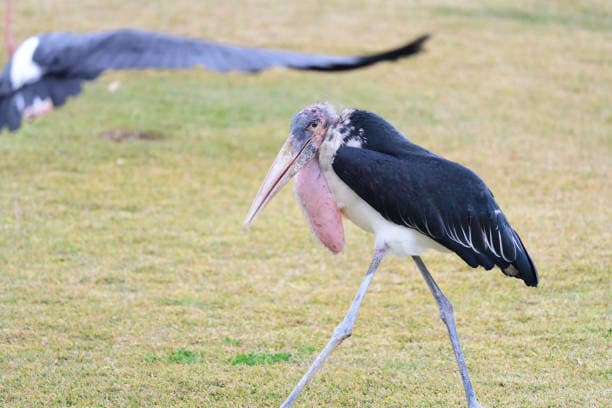
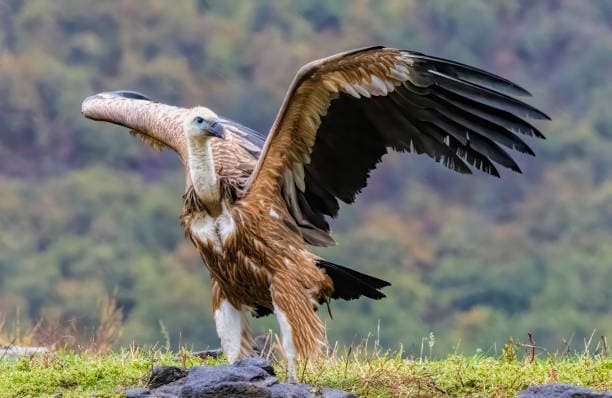
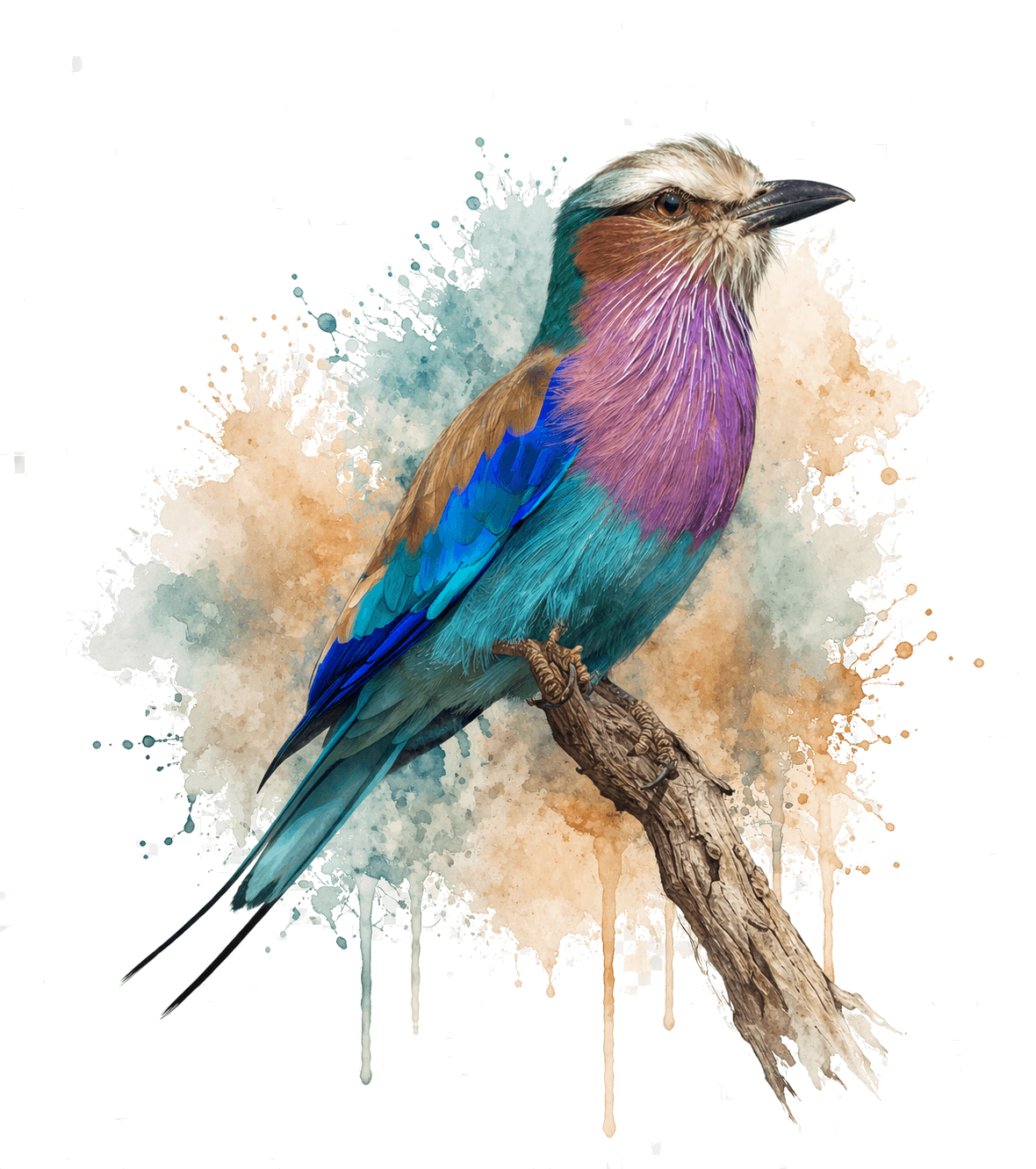
The lake itself remains the centrepiece. Its alkaline waters attract pelicans, cormorants, African fish eagles, herons and kingfishers, and with over 450 recorded bird species the park is a world-class birding destination. Viewpoints such as Baboon Cliff, Lion Hill and Out of Africa Lookout deliver panoramic views over the lake, the plains and the Rift Valley walls — outstanding photography at any time of day.
Water levels shift the birdlife between seasons and years. Our guide to flamingos in Kenya explains how rising and falling levels move the flocks between Nakuru, Bogoria and Elementaita — essential reading before planning a Lake Nakuru flamingo safari.
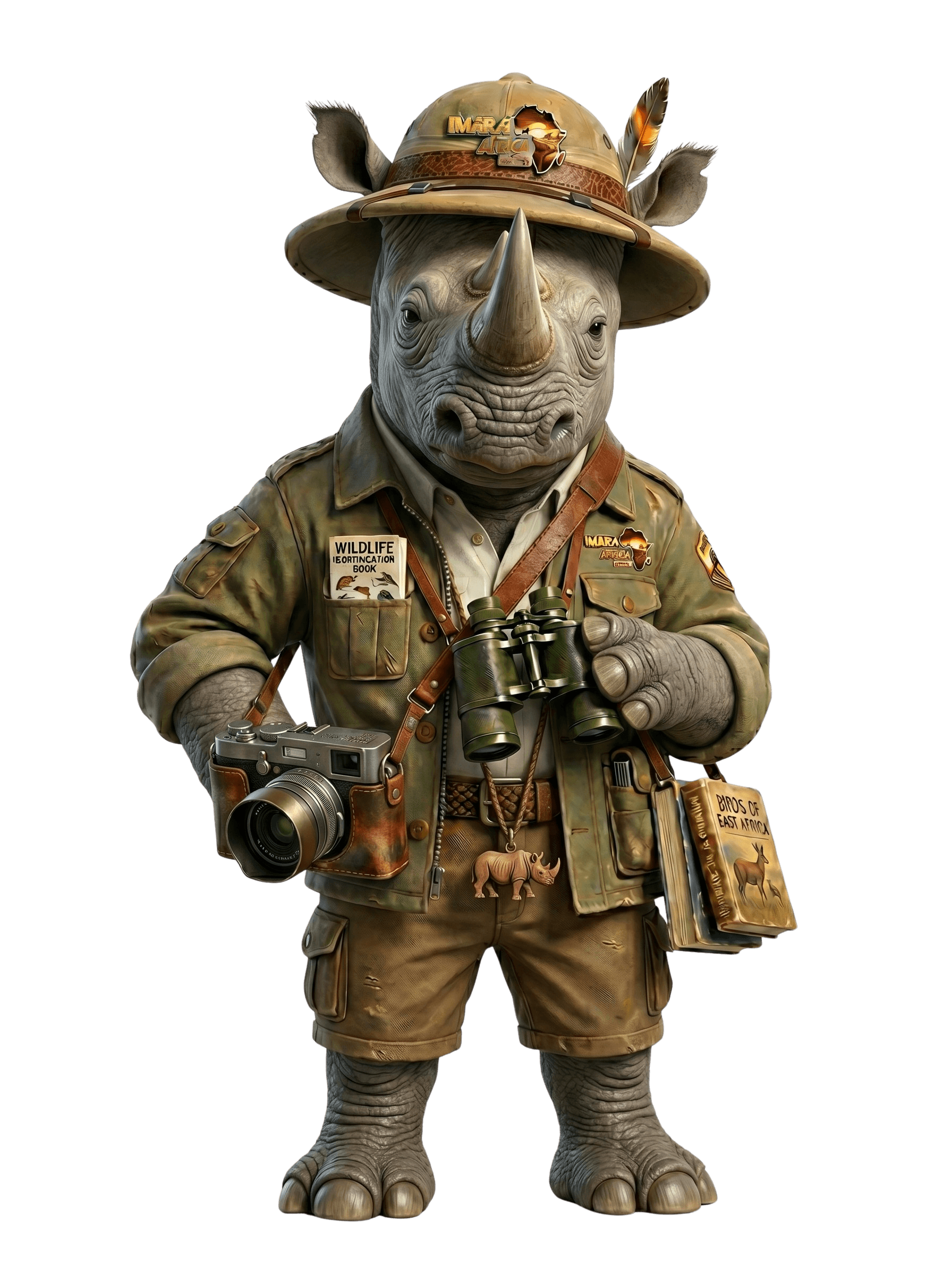
Nakuru's rhino programme deserves particular mention. The park was among the first in Kenya to be fully fenced, creating a secure sanctuary into which rhinos could be translocated and bred — a model since repeated elsewhere — and today sightings of white rhinos grazing the lakeshore meadows are among the most dependable in the country. The Rothschild's giraffe population has a similar backstory, established here to safeguard a subspecies that had lost almost all of its original range.
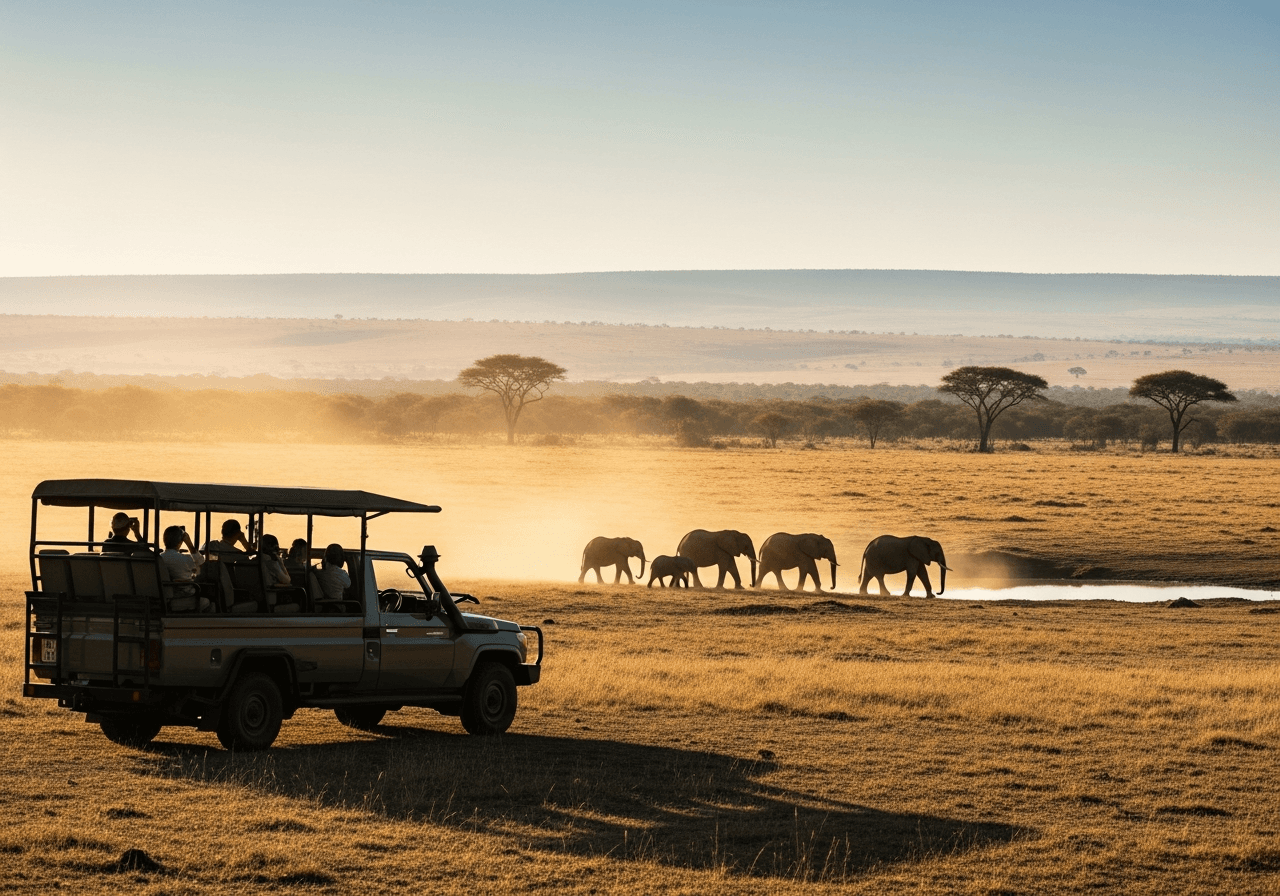
The park's game-drive network is compact and well maintained, so a single day can take in the lakeshore, the acacia forest favoured by leopards, the euphorbia slopes and at least one of the clifftop viewpoints. Photographers should plan for early light on the eastern shore, when the water, the birds and the Rift wall line up at their best.
What Is Lake Nakuru National Park Known For?
- One of Africa's most successful black and white rhino sanctuaries
- Flamingo flocks on the alkaline lake in favourable conditions
- The endangered Rothschild's giraffe
- More than 450 recorded bird species
- Tree-climbing lions and reliable leopard sightings
- Panoramic Rift Valley views from Baboon Cliff and Lion Hill
When Is the Best Time to Visit Lake Nakuru?
The park is a year-round destination. The dry seasons — June to October and January to March — offer the most reliable wildlife viewing, while the green seasons bring lush landscapes, excellent birdwatching and fewer visitors.
How Do You Get to Lake Nakuru National Park?
Lake Nakuru lies approximately 160 km from Nairobi along the Nairobi-Nakuru Highway, a drive of about 2.5 to 3 hours. That accessibility makes it one of Kenya's most popular parks for both day trips and overnight stays on a Rift Valley circuit.
How Many Days Do You Need?
One night — or even a long day trip from Nairobi — covers the main circuits, the rhino areas and the viewpoints. Two nights allow a more relaxed pace, better light for photography at dawn and dusk, and time to add nearby Lake Naivasha or Lake Elementaita to a wider Rift Valley loop.
The park slots naturally into classic Rift Valley and Mara itineraries such as the 4-Day Masai Mara, Lake Nakuru & Lake Naivasha Safari and the Luxury 7 Days Lakes and Plains Safari.