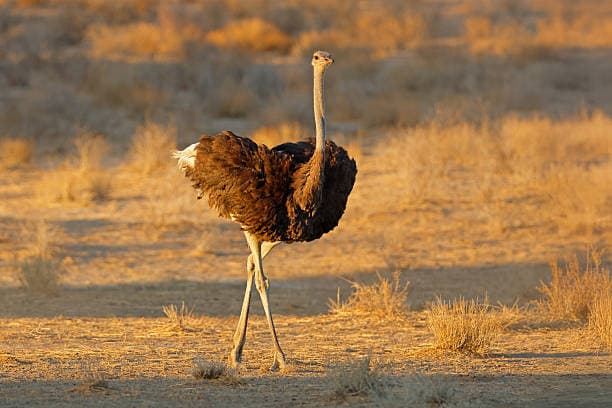

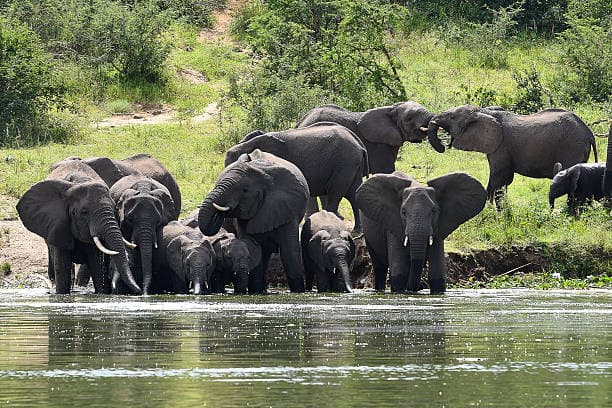
Queen Elizabeth National Park is Uganda's most visited national park, spanning approximately 1,978 km² of savannah, crater lakes, forest and wetland in the west of the country. Framed by Lake George, Lake Edward and the Rwenzori Mountains, it is best known for the tree-climbing lions of its Ishasha sector and the wildlife-packed Kazinga Channel.
Established in 1952 and named after Queen Elizabeth II following her visit to Uganda, the park anchors the wider Queen Elizabeth Conservation Area. Its habitats — open savannah, wetlands, tropical forest, crater lakes, riverine woodland and volcanic cones — support one of the highest levels of biodiversity of any African protected area.
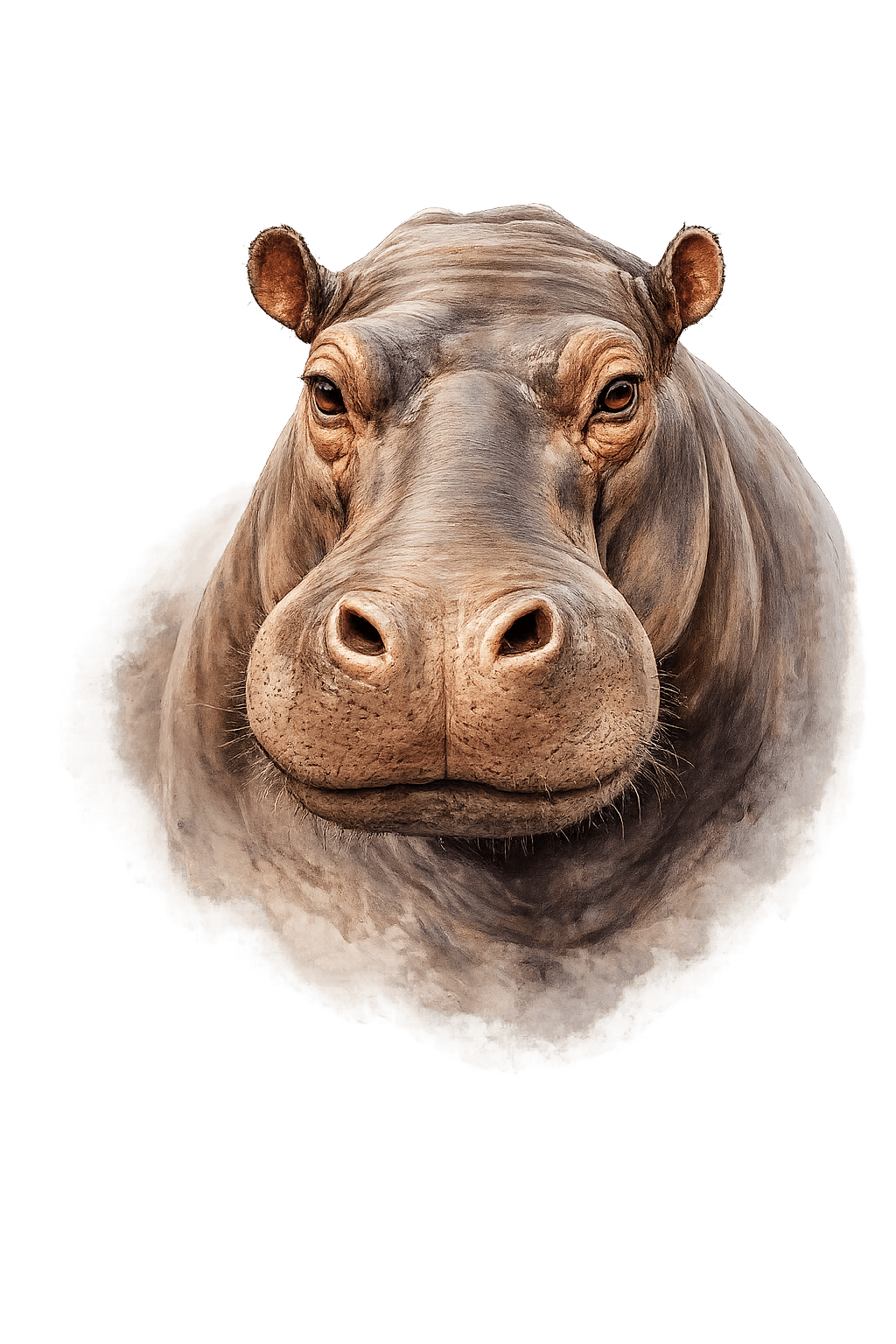
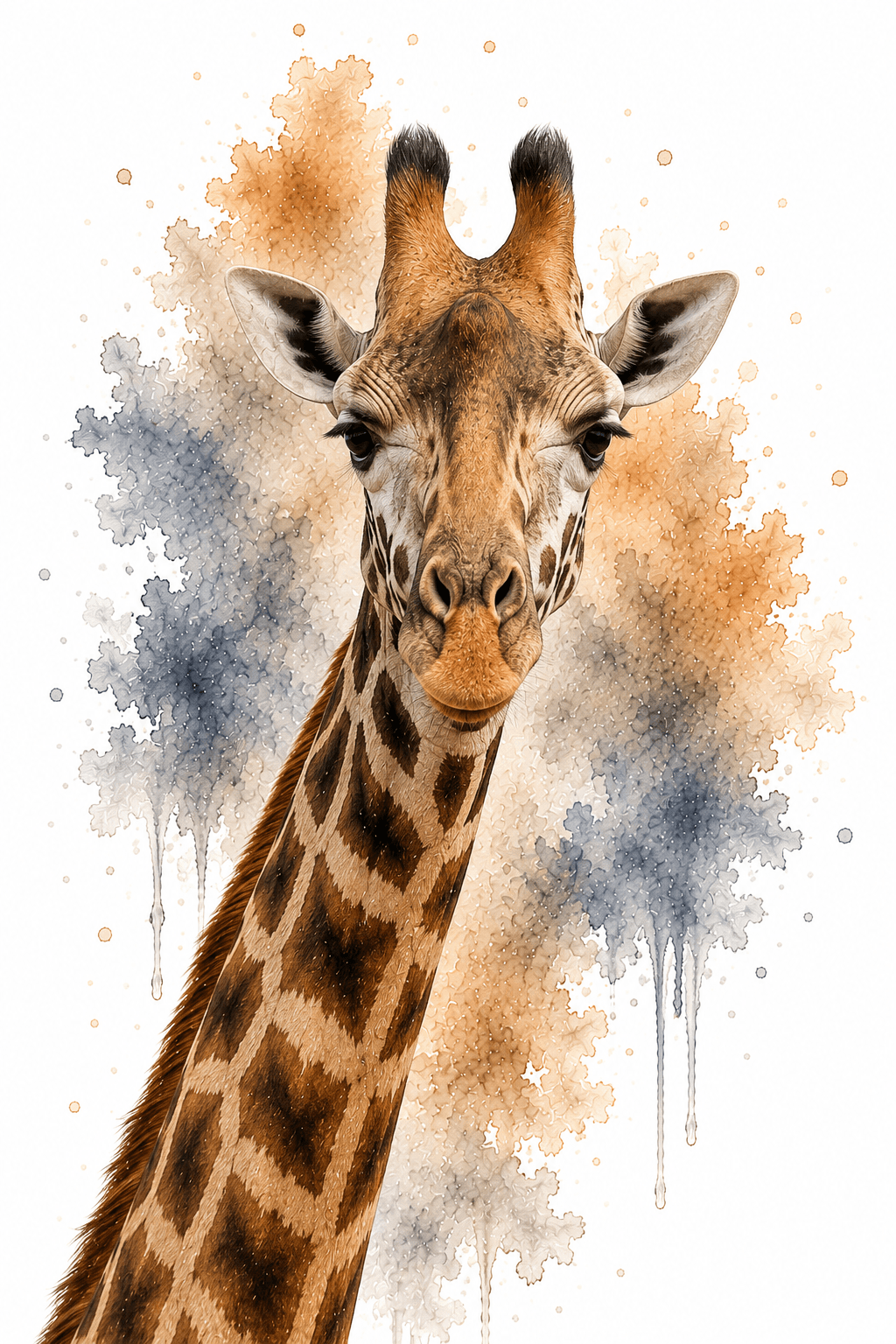
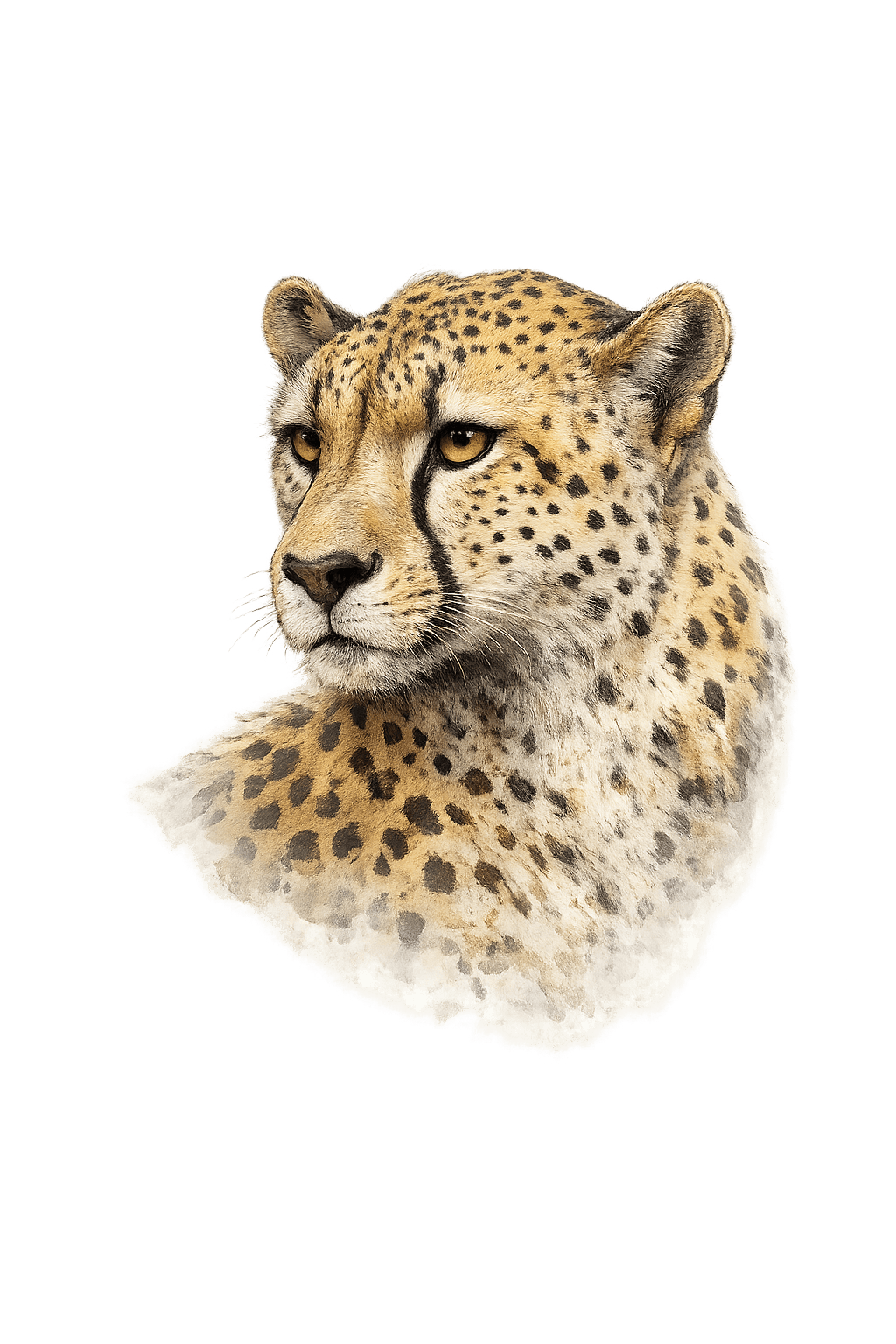
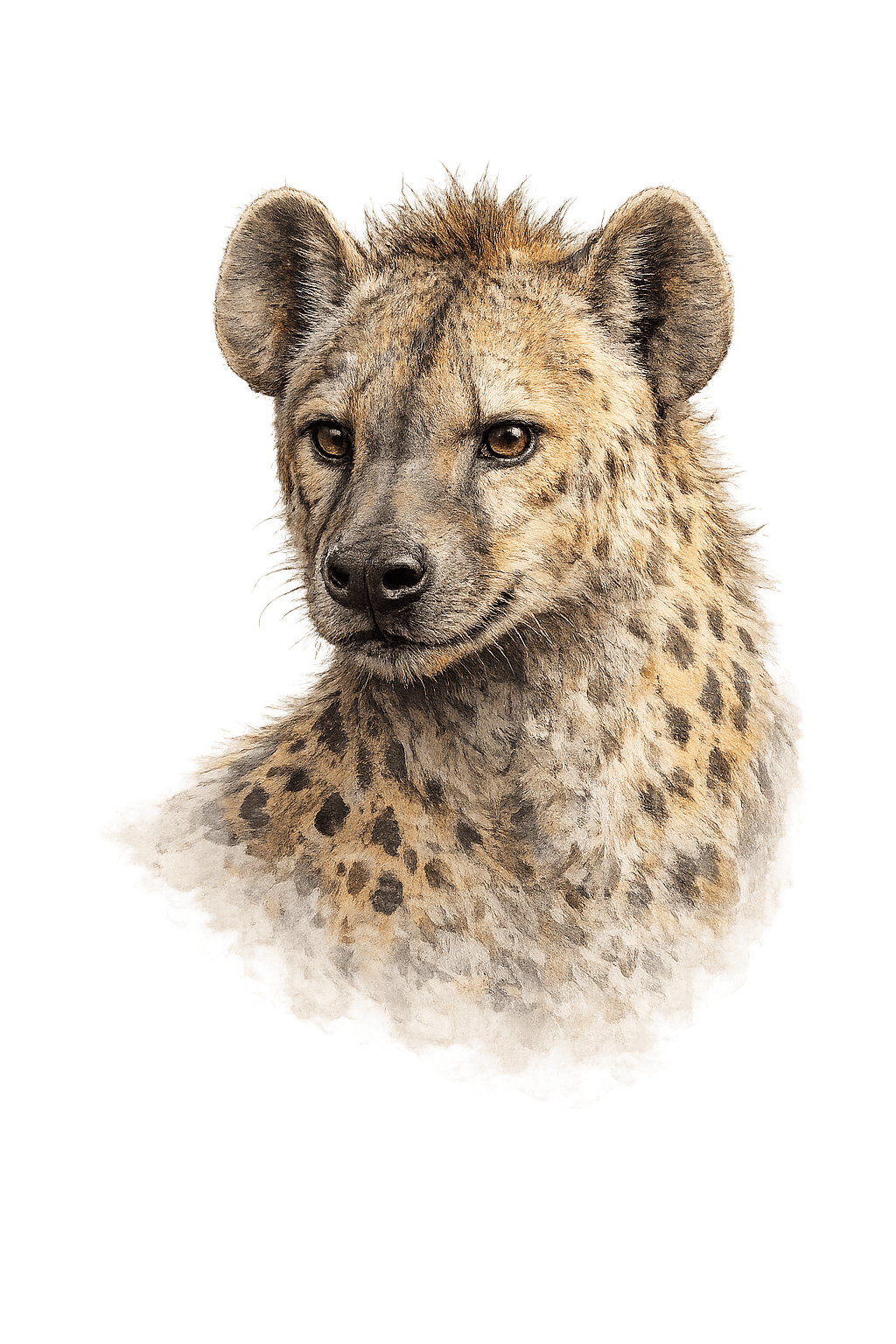
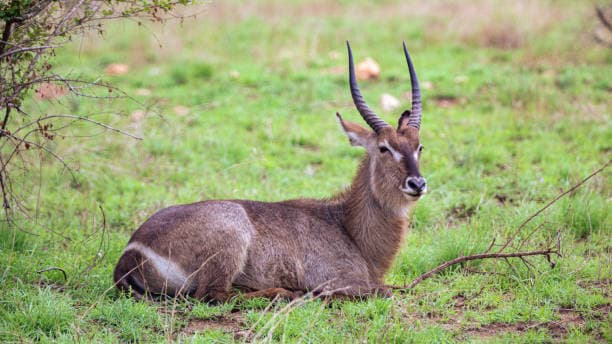
The park's most famous residents are the tree-climbing lions of the Ishasha sector, regularly found draped over the limbs of large fig trees — a behaviour documented in only a handful of places in Africa. In total the park hosts over 95 mammal species, including elephants, buffaloes, leopards, hyenas, Uganda kobs, topis, bushbucks, giant forest hogs and one of Africa's largest hippo populations.
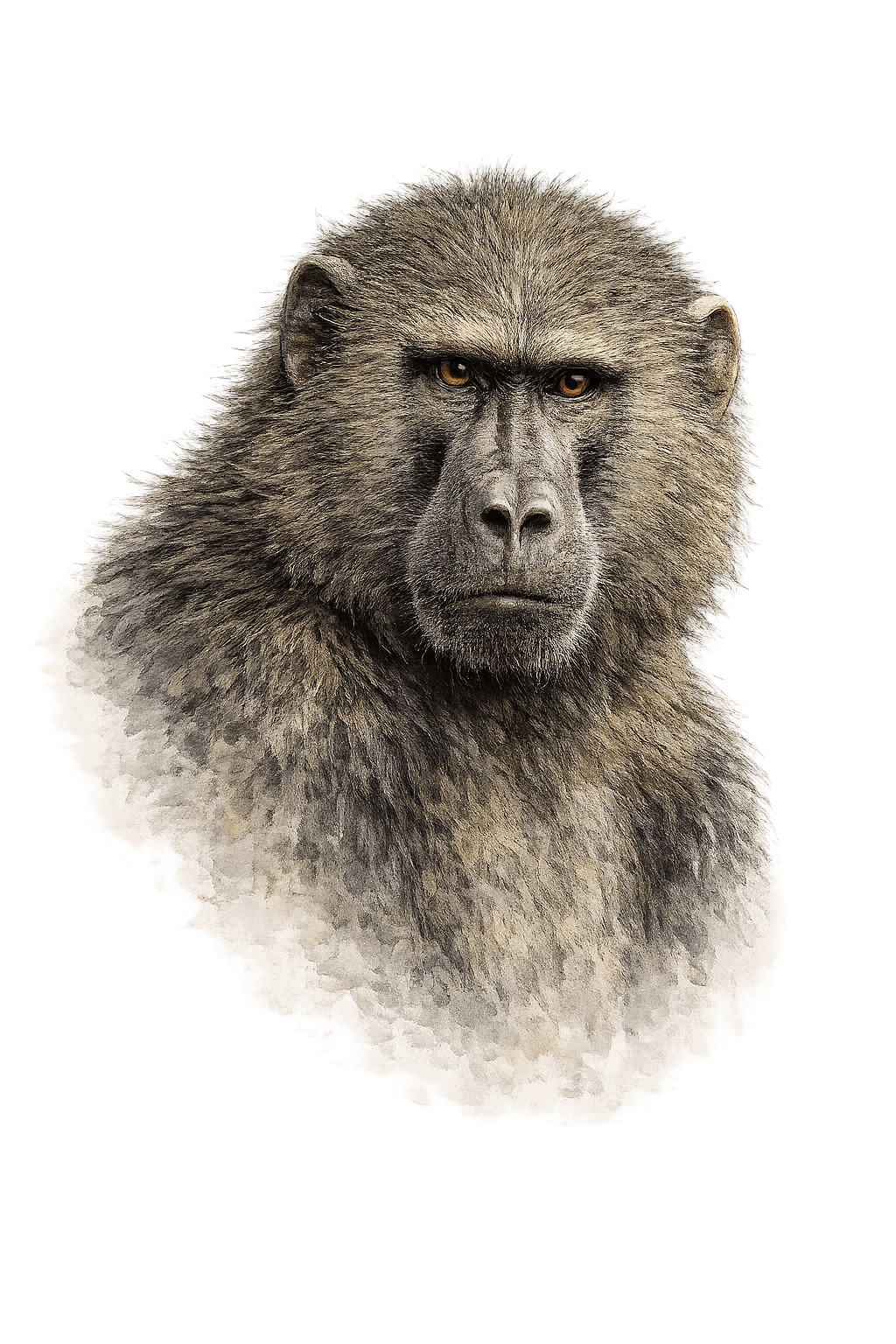
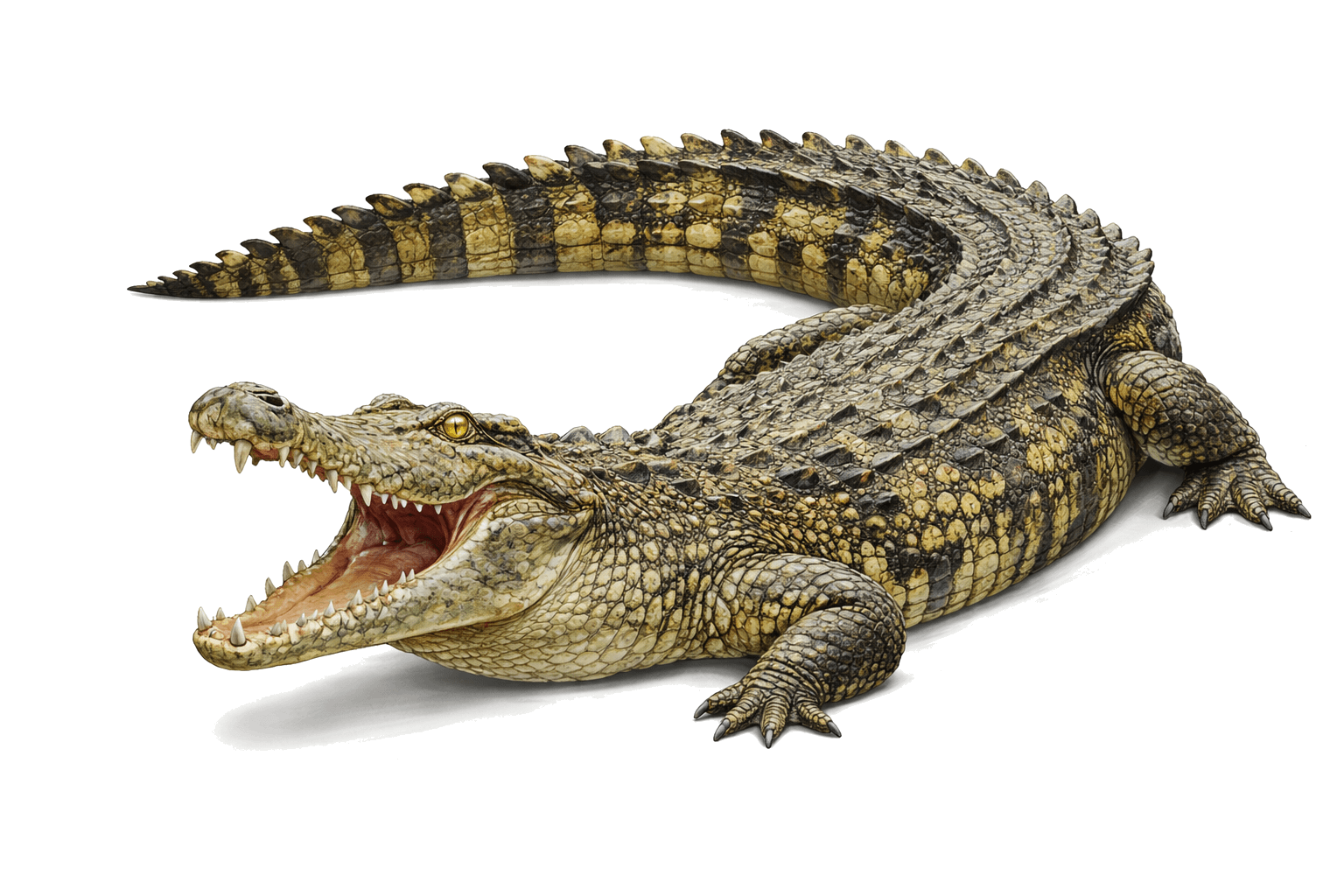
The Kazinga Channel, a 32 km natural waterway linking Lake George and Lake Edward, is the park's signature experience. Boat cruises drift past hundreds of hippos, crocodiles, elephants and buffaloes lining the banks, with waterbirds at every turn. In Kyambura Gorge — the "Valley of Apes" — visitors can track a habituated community of chimpanzees through a sunken tropical forest.
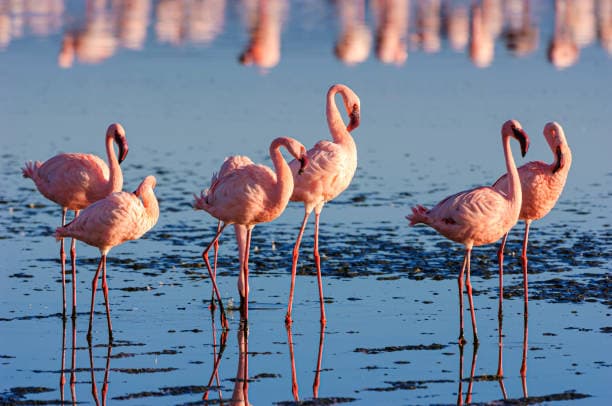
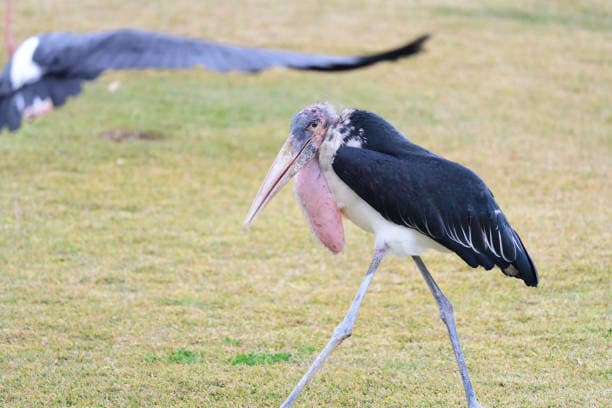
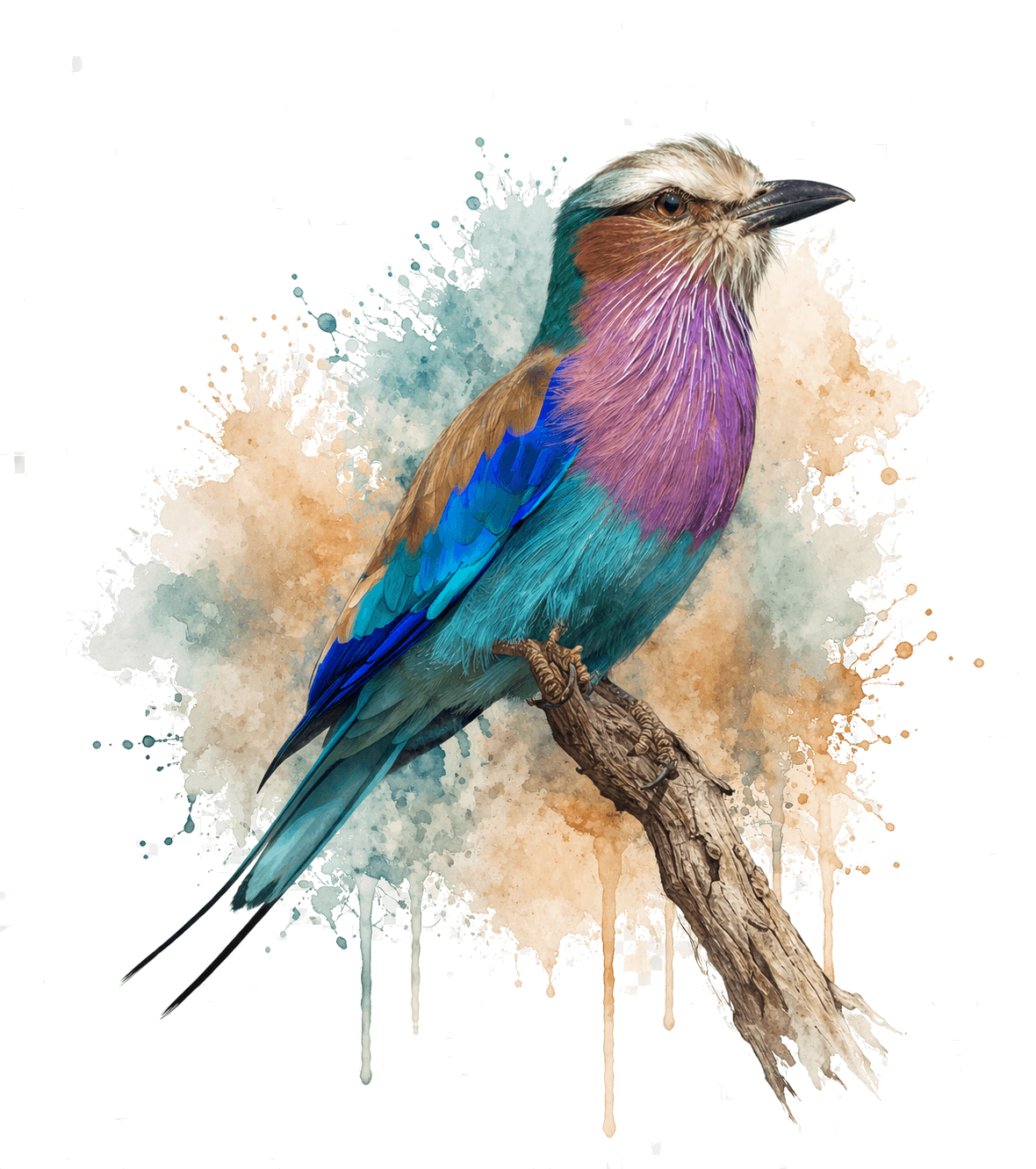
Birders regard Queen Elizabeth as one of Africa's premier destinations, with over 600 recorded species including the African skimmer, shoebill stork, saddle-billed stork, martial eagle and seasonal flamingos on the crater lakes. The explosion craters, panoramic viewpoints and equatorial sunsets add scenic depth to every itinerary.
The park's geography rewards slow travel. The northern Kasenyi plains deliver classic savannah game drives among kob breeding grounds and hunting lions; the Mweya Peninsula overlooks the channel from a scenic bluff; and the remote Ishasha sector, en route to Bwindi, combines fig-tree lions with a genuine end-of-the-road atmosphere. Dozens of explosion craters — some holding salt lakes worked by local communities for generations — pattern the landscape between them.
Straddling the equator, the park enjoys warm, stable temperatures year-round, and its lodges range from luxury properties above the Kazinga Channel to budget-friendly camps near the main gates, making it as flexible for honeymooners as for overland travellers.
What Is Queen Elizabeth National Park Known For?
- Tree-climbing lions in the Ishasha sector
- Boat safaris on the 32 km Kazinga Channel
- One of Africa's largest hippo populations
- Chimpanzee tracking in Kyambura Gorge
- Over 600 bird species, including the shoebill stork
- Crater lakes with seasonal flamingos
When Is the Best Time to Visit Queen Elizabeth National Park?
The park is open year-round. The dry seasons — June to August and December to February — offer the easiest wildlife viewing and the best road conditions, while the wetter months reward birdwatchers with migratory species and vivid green landscapes.
How Do You Get to Queen Elizabeth National Park?
The park lies approximately 400 km southwest of Kampala, a drive of about 6 to 7 hours, while domestic flights from Entebbe to nearby airstrips cut the journey to under two hours. Most itineraries pair it with Kibale or Bwindi on a western Uganda circuit.
How Many Days Do You Need?
Two to three nights is ideal: enough for savannah game drives, a Kazinga Channel cruise and either Kyambura chimpanzees or an Ishasha detour en route to Bwindi. Travellers with more time can split their stay between the Mweya area in the north and Ishasha in the south, sampling both faces of the park without backtracking.
Combined with Bwindi Impenetrable Forest, Kibale National Park or Murchison Falls, Queen Elizabeth National Park forms the heart of almost every great Uganda safari.