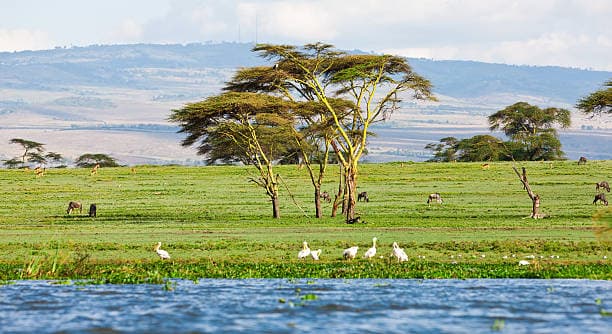
Lake Naivasha is a freshwater lake in Kenya's Great Rift Valley, lying about 90 kilometres north-west of Nairobi at an elevation of roughly 1,884 metres. Unusual among the Rift's mostly alkaline lakes, its fresh water sustains large hippo pods, more than 400 recorded bird species and the walking safaris of Crescent Island.
The lake's surface area fluctuates with rainfall, constantly reshaping its papyrus-fringed shoreline and flooded acacia woodlands — a changing landscape that attracts nature lovers, photographers and birdwatchers year-round. Flower farms and lakeside lodges share the shore with fever-tree forests where giraffes browse in the open.
What Is Lake Naivasha Known For?
- Boat safaris among some of Kenya's largest hippo populations
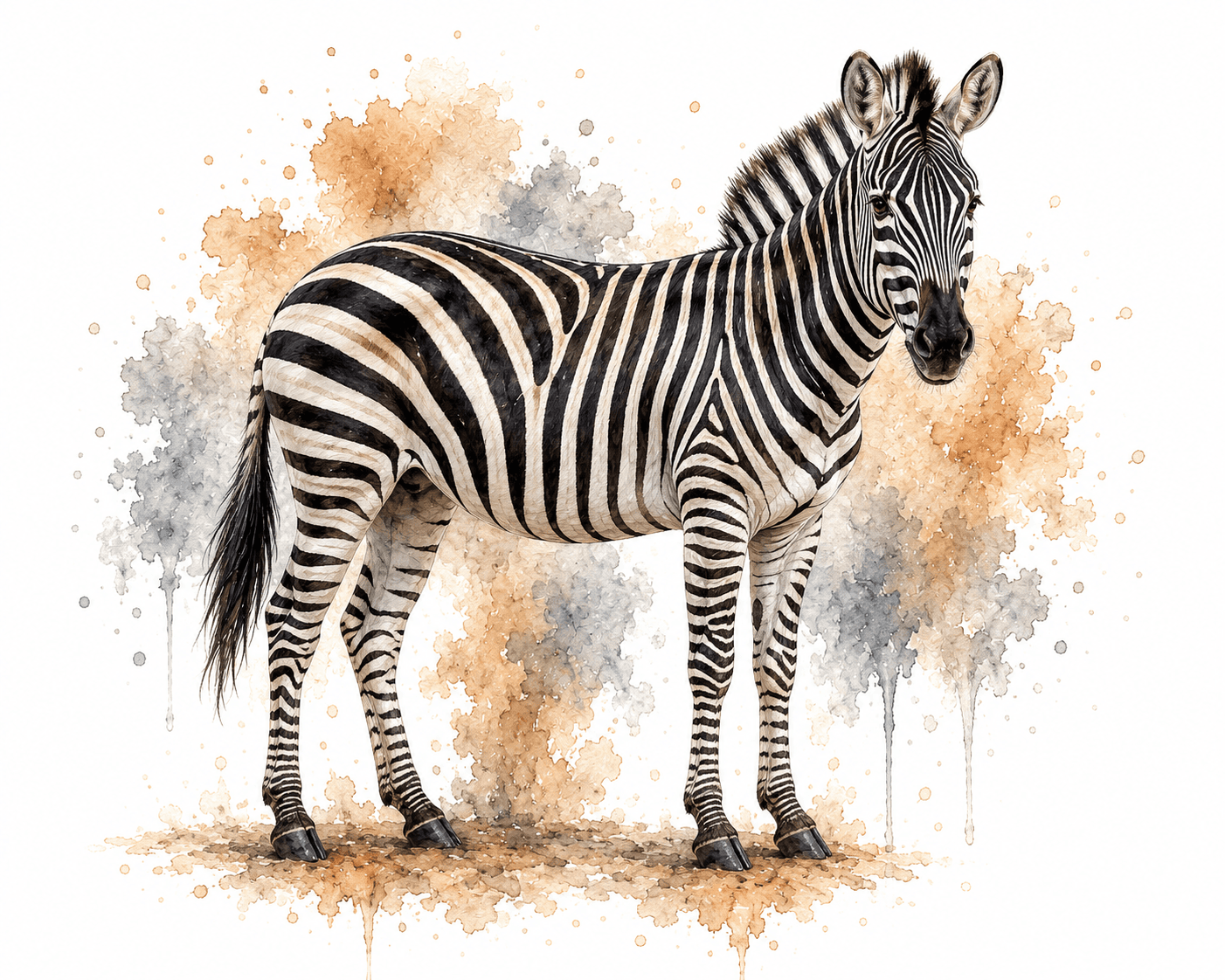
- Crescent Island Game Sanctuary, where guided walks pass giraffes, zebras, wildebeest and waterbuck with no large predators present
- More than 400 bird species, headlined by the African fish eagle's iconic call
- Gateway position for Hell's Gate National Park, Mount Longonot and Lake Oloiden
- Fever-tree woodland and Rift Valley escarpment scenery
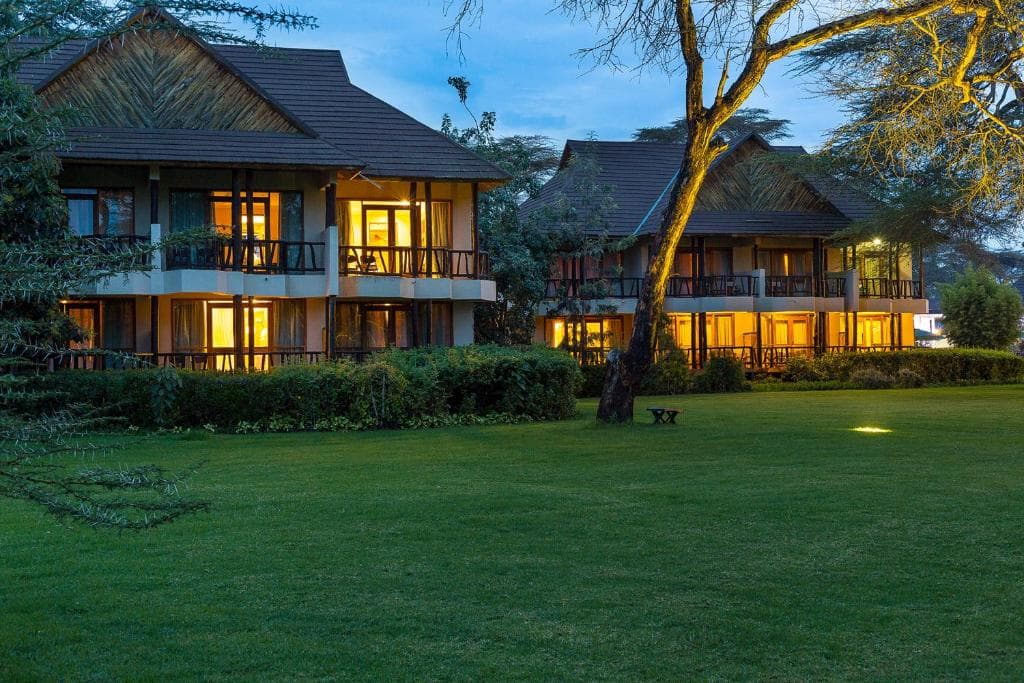
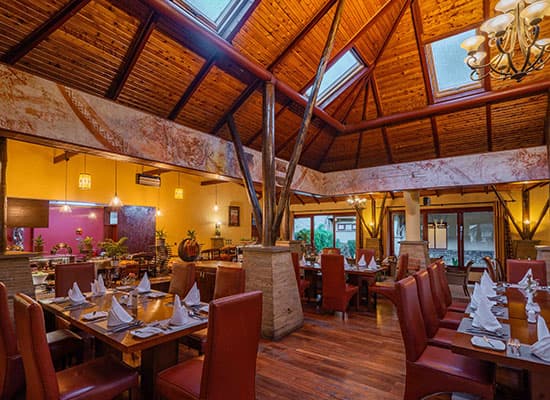
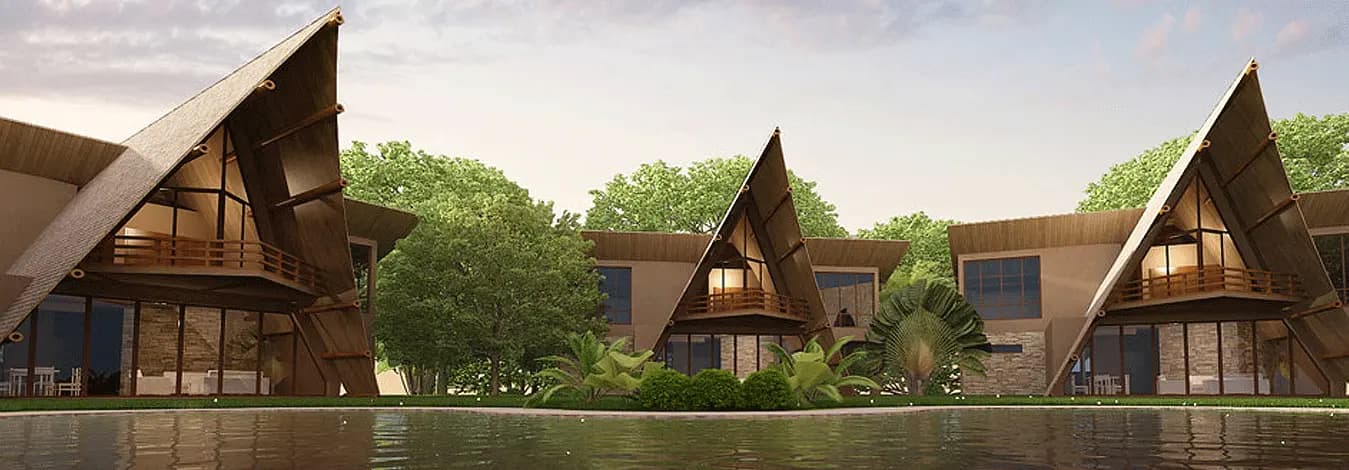
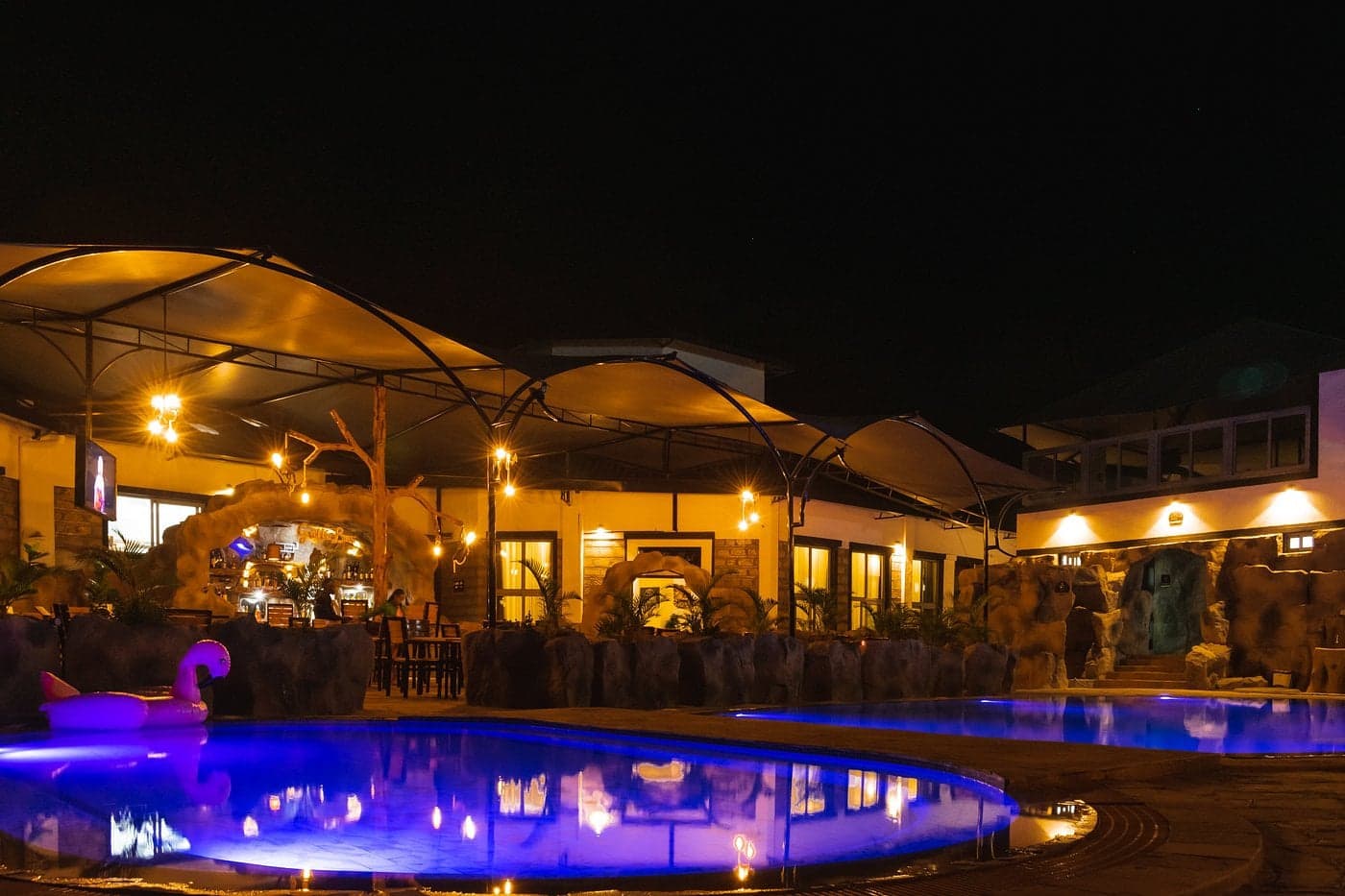
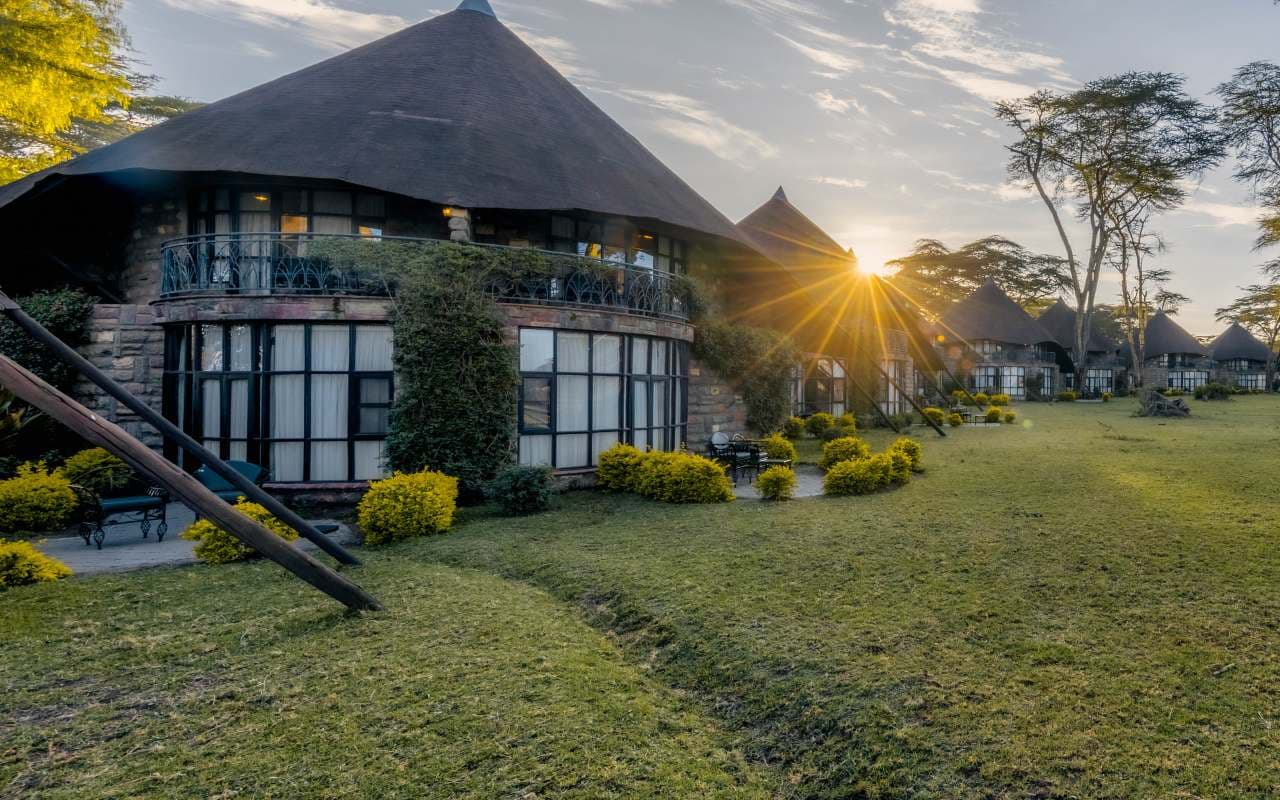
- Lakeside lodges, boutique camps and resorts suited to families and weekenders
Hippos rest in the shallows by day and graze the lawns of lakeshore properties by night, while pelicans, cormorants, kingfishers, herons and ospreys work the water. The boat safari is the signature activity — gliding past hippo pods and fish eagles swooping for bait fish — usually paired with a walking safari on Crescent Island, one of the few places in Kenya where visitors can stroll freely among plains game. Cyclists and hikers use the lake as a base for Hell's Gate's gorges and Mount Longonot's crater rim, both within easy reach.
Birdwatchers can also spot lesser flamingos on neighbouring Lake Oloiden when water conditions allow — the guide to flamingos in Kenya covers the best lakes and months.
The lake also anchors one of Kenya's most important flower-growing regions, whose greenhouses along the southern shore supply cut roses to markets worldwide — an economic story that coexists, sometimes uneasily, with the lake's wildlife and gives the area a lived-in character different from a fenced park. Conservation-minded visitors can call at Elsamere, the former lakeside home of Joy Adamson of Born Free fame, now a field study centre where colobus monkeys inhabit the garden trees. Nearby, the geothermal fields of Hell's Gate power a growing share of Kenya's electricity, and the park's gorges, cliffs and cycling trails — safely predator-free — let visitors explore on foot or by bike in a way impossible in most Kenyan reserves. Evenings on the lake have their own ritual: hippos begin to grunt and surface as the light fades, fish eagles make their last patrols, and the fever trees along the shore turn gold — the hour that keeps photographers coming back.
When Is the Best Time to Visit Lake Naivasha?
The dry seasons from June to October and January to March offer ideal conditions for boat rides, walking safaris and birdwatching. The rains bring vivid green scenery and strong photographic light, and the lake remains fully accessible year-round.
How Do You Get to Lake Naivasha?
The lake is approximately 90 kilometres from Nairobi — about 1.5 to 2 hours by road — with spectacular Rift Valley viewpoints along the descent. Its proximity makes it Kenya's most accessible lake safari destination and an easy first stop on a Rift Valley circuit.
How Many Days Do You Need?
One to two nights works well: a boat safari and Crescent Island walk fill one day, while a second allows Hell's Gate cycling or a Mount Longonot hike. Many itineraries use Naivasha as a relaxed overnight between Nairobi and the Maasai Mara.
Lake Naivasha features on the Luxury 7 Days Lakes and Plains Safari and the 4-Day Masai Mara, Lake Nakuru & Lake Naivasha Safari, both linking the Rift lakes with the Mara. As the first stop out of Nairobi, the lake sets an unhurried tone that the rest of the safari builds on.