
African Safari: What Happens on a game drive?
An african safari is more than seeing animals: learn what happens on a game drive, how guides read the bush, and what first-time travellers can expect.
27 min read53viewsUpdated Sep 22, 2026
“Imara” means strong in Swahili. We build every safari with that same strength — expert knowledge, honest pricing, and relentless attention to detail.
Tell us what you're looking for — we reply within minutes and send a free, no-obligation custom itinerary within 24 hours.
Start PlanningNo spam, ever. Unsubscribe anytime.
Protected by Cloudflare Turnstile & Google reCAPTCHA. Privacy & Terms apply.
Safari deals, travel tips & destination guides — straight to your inbox.
No spam, ever. Unsubscribe anytime.
Protected by Cloudflare Turnstile & Google reCAPTCHA. Privacy & Terms apply.
An african safari is more than seeing animals: learn what happens on a game drive, how guides read the bush, and what first-time travellers can expect.
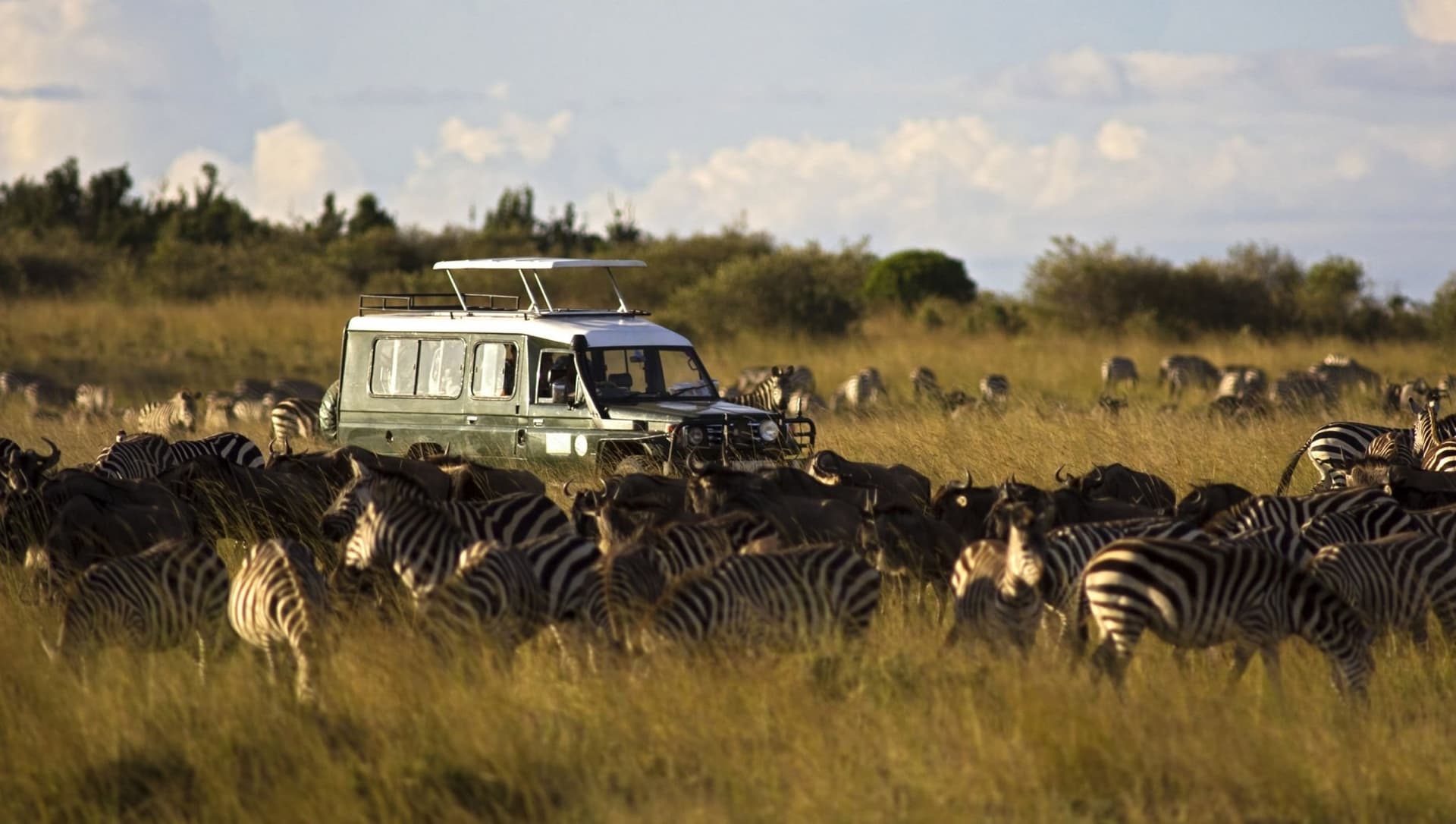
At 6.30 am in the Masai Mara National Reserve, the first decision is rarely where to go fastest; it is where the night has left its signs. An African safari is guided wildlife travel through natural habitats, not a zoo-style circuit past enclosed animals. The guide reads the landscape, explains what animals are doing and keeps the experience safe for guests and wildlife.
The word safari comes from Kiswahili and means a journey, but the modern African safari is much more structured than that old meaning suggests. It involves protected areas, trained safari guides, park rules, lodge operations, conservation fees, community land arrangements and careful vehicle behaviour around animals. In Kenya, for example, park rules may be set by the Kenya Wildlife Service in national parks, while county governments and conservancy boards manage other areas.
A classic East Africa safari usually centres on game drives, yet that is only one style. Travellers may also take guided walks in private conservancies, boat safaris on Lake Naivasha or the Kazinga Channel, gorilla treks in Uganda and Rwanda, cultural visits with local communities, hot-air balloon flights over savannah plains or beach extensions on Zanzibar after time in the bush.
For anyone asking what is a safari, the clearest answer is this: it is a guided encounter with wild places on their own terms. The animals are not staged, the route can change by the minute, and the best moments often come from patient observation rather than rushing from one famous species to another.
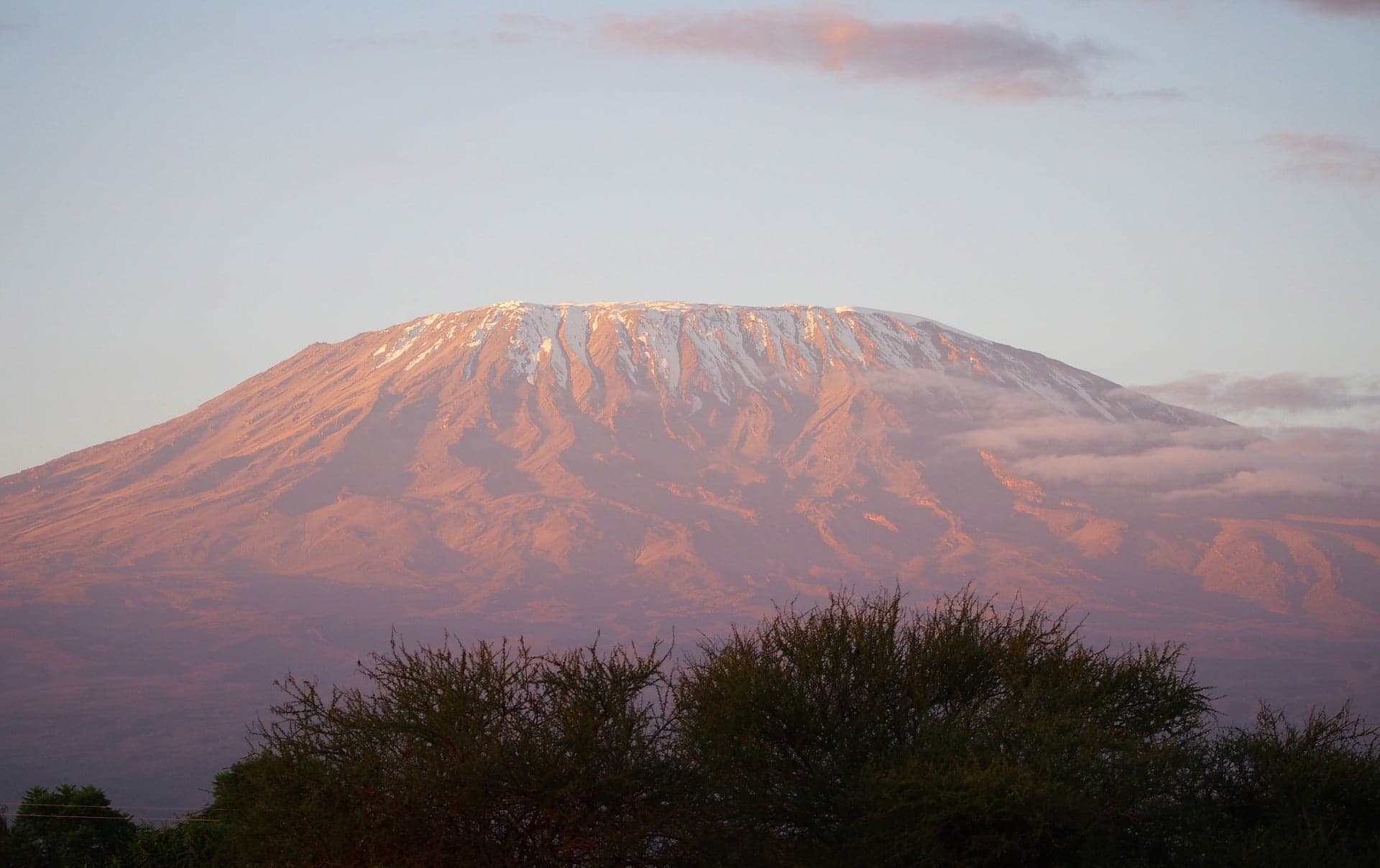
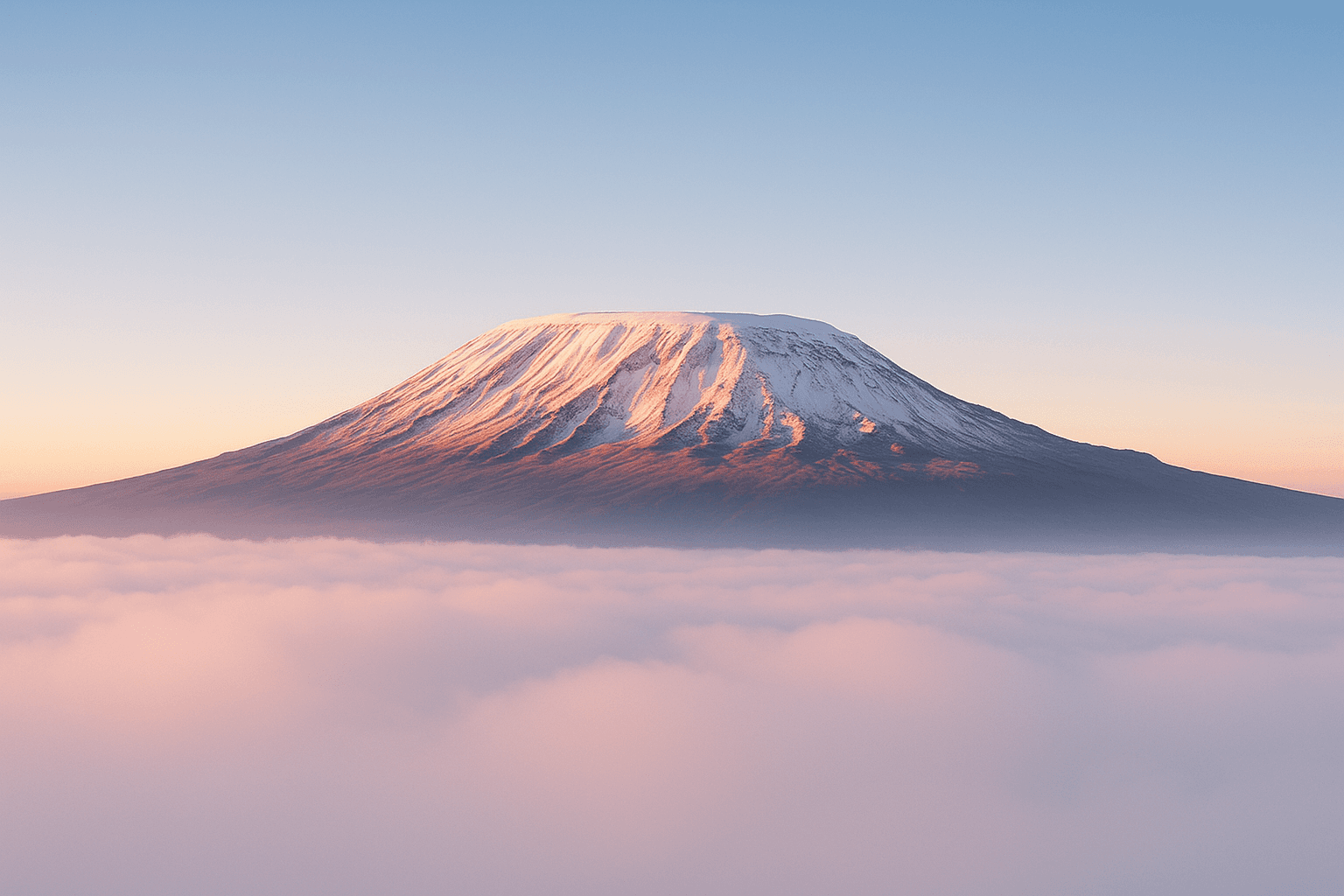
In Amboseli National Park, a morning game drive might begin with elephant tracks pressed into pale dust and Kilimanjaro briefly clear before cloud builds. Guests sit in a safari vehicle with a trained safari guide, moving slowly through tracks, grassland, woodland, riverine areas or lake margins while scanning for wildlife and interpreting behaviour.
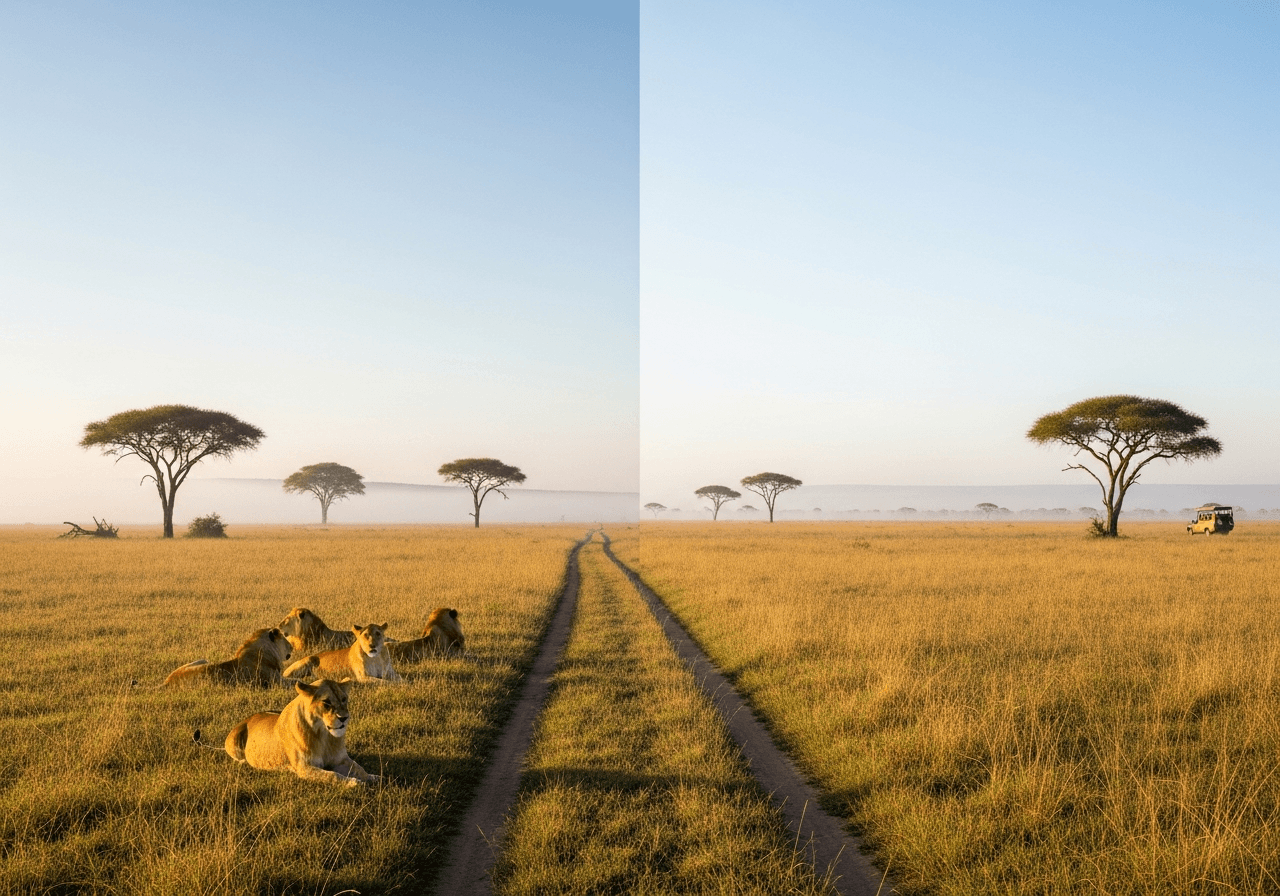
Most game drives last 2–4 hours; full-day drives commonly run 6–10 hours with picnic meals. The vehicle may stop often: for giraffe crossing the track, for a lilac-breasted roller catching light on a branch, for lions sleeping in shade, or for a guide to explain fresh hyena spoor. Once close to an animal, the guide usually switches off the engine so guests can watch quietly and hear the bush around them.
What happens on a game drive depends on habitat, temperature, recent rain, water levels, breeding cycles, predator movement and the guide’s local knowledge. Lions may stay flat in the shade through hot hours. Cheetahs often favour open ground with visibility. Elephants may walk long distances between feeding areas and water. Leopards can vanish into a croton thicket metres from the track.
A good safari game drive is not a race. It is a sequence of small decisions: which track to take, how long to wait, how close is respectful, where the light will fall, and whether the animal is relaxed enough for the vehicle to remain.
At many Mara, Serengeti and Tsavo camps, the wake-up knock comes around 5.30 am with coffee, tea and a few biscuits delivered to the tent or served by the mess area. The vehicle often leaves near sunrise, when predators may still be active and the air is cool enough for animals to move.
Tea, coffee and a light snack arrive before sunrise, often while the air is still cool.
The vehicle leaves as the light comes up, when predators may still be active and plains game begins to move.
The guide checks tracks, listens for alarm calls and follows likely routes near water, shade or open grazing.
If conditions allow, the guide chooses a safe scenic spot away from wildlife movement.
As heat builds, many animals rest and guests return for brunch, showers and downtime.
Guests regroup with cameras, layers and binoculars before heading back out.
The focus shifts to animals moving towards water, predators becoming active and warm late-day light.
Back at camp, the day’s sightings are discussed and the next morning’s plan is shaped.

 KE
KEKenya · Masai Mara National Reserve
The first drive may run until mid-morning. Guests return for a late breakfast or brunch, followed by time to shower, charge camera batteries, sort memory cards, read, swim or sleep. This midday pause is not wasted safari time. By noon, heat shimmer can make photography poor, lions are often inactive, and many herbivores feed less intensely.
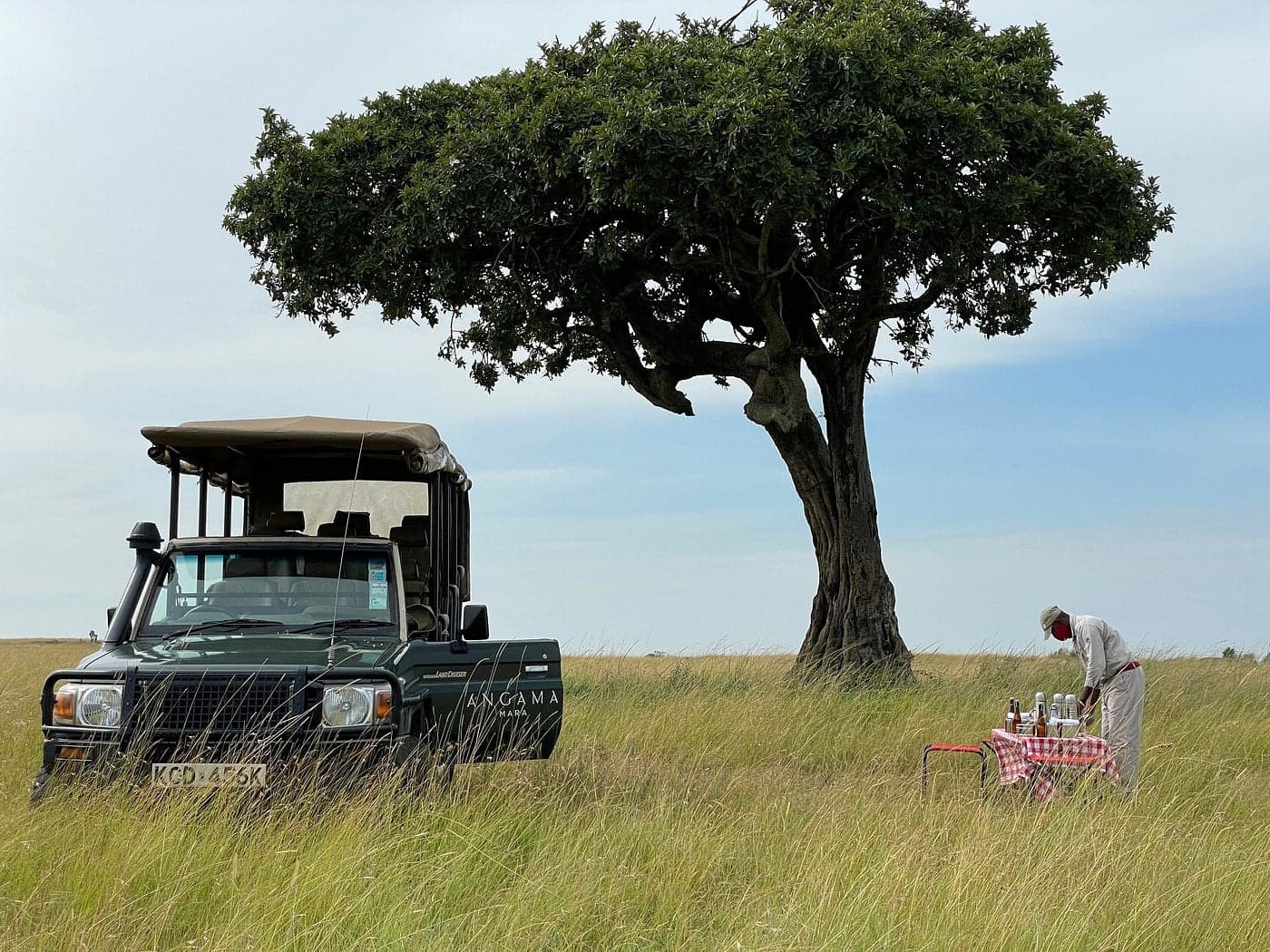
The late-afternoon drive usually leaves between 3.30 pm and 4.30 pm, depending on the park, season and lodge routine. Light softens, elephants drift back towards water, antelope become alert, and predators begin to lift their heads after the heat. In private conservancies and some permitted areas, the drive may end with a sundowner: a quiet drink at a safe viewpoint while the guide keeps watch and the sun drops.
After dark, guests return to camp for dinner. In unfenced camps, staff escort guests between tents and dining areas because hippo, buffalo, elephant or hyena may move through at night.
In Ngorongoro Crater, a full-day plan makes sense because the descent road, crater floor and ascent all take time. In the Masai Mara, two shorter drives can work better when the lodge is close to productive habitat. The right format depends on distance, wildlife pattern, park rules and guest energy.
The best choice depends on park rules, wildlife goals and how much time the route requires.
Night drives need careful control: low voices, no flash photography, measured spotlight use and strict attention to the guide. They can reveal a different world, but they are not available everywhere. In many national parks, vehicles must be back at camp or out of the park by set closing times.
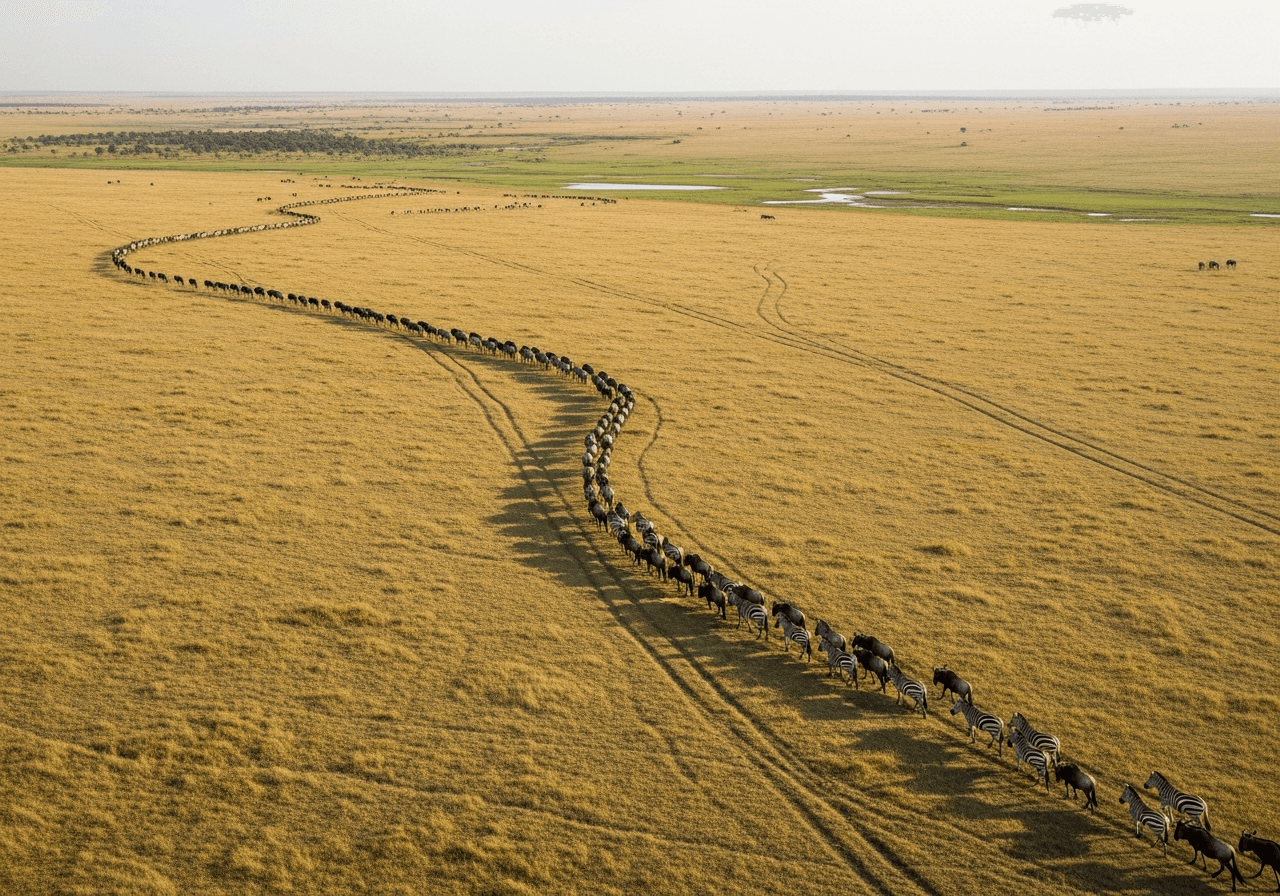
Masai Mara National Reserve covers about 1,510 km²; neighbouring Serengeti National Park covers 14,763 km². Together, these protected landscapes anchor the Serengeti-Mara ecosystem, where the Great Migration moves roughly 1.5 million wildebeest, plus hundreds of thousands of zebra and gazelles, through the Serengeti-Mara ecosystem.
 KE
KEThe Masai Mara National Reserve in southwestern Kenya is a premier 1,510-square-kilometre wildlife sanctuary. Renowned for the annual Great Wildebeest Migration from July to October, it offers exceptional year-round Big Five viewing across open savannahs. The reserve is contiguous with Tanzania's Serengeti, forming a critical, biodiverse transboundary ecosystem.

 TZ
TZDiscover the magic of Serengeti National Park, one of Africa’s most celebrated wildlife destinations and home to the spectacular Great Wildebeest Migration. Stretching across the heart of northern Tanzania, the Serengeti offers exceptional game viewing, breathtaking savannah landscapes, and unforgettable encounters with the Big Five. From luxury safari lodges and hot air balloon adventures to year-round wildlife experiences, the park provides the perfect setting for nature lovers, photographers, and safari enthusiasts seeking an authentic and unforgettable African wilderness adventure.
Kenya’s classic game-drive areas include the Masai Mara for big cats and open grassland, Amboseli National Park for elephant families below Kilimanjaro, Lake Nakuru National Park for rhino, flamingos when lake conditions suit, pelicans and woodland birding, and Tsavo East National Park for red-dusted elephants, dry-country species and wide horizons. Travellers planning a Kenya safari game drive often combine two or three of these rather than relying on one park for every experience.
Tanzania adds scale. The Serengeti plains suit travellers who want vast predator-prey movement, while Ngorongoro Crater offers a compact high-density wildlife day. Ngorongoro Crater is about 610 m deep, with a wildlife-rich floor of roughly 260 km².
Protected-area labels matter. National parks are usually state-managed with strict rules on off-road driving, walking and night drives. National reserves can be county-managed and may have different regulations. Private conservancies often allow more flexible activities, lower vehicle density and community landowner benefits. Forest parks are different again: Bwindi Impenetrable National Park covers 321 km², while Rwanda’s Volcanoes National Park covers 160 km², and both are known for primate trekking rather than classic savannah game drives.
For a focused Mara experience, Masai Mara safaris suit travellers who want open grasslands, lion prides, cheetah country and seasonal migration movement without adding too many long transfers.
At Lake Nakuru National Park, a guide may slow beside fever trees to check for a rhino resting in shade before scanning the lakeshore for buffalo, waterbuck, pelicans and fish eagles. Game drives can reveal African lion, leopard, cheetah, spotted hyena, African elephant, buffalo, giraffe, zebra, wildebeest, hippo, crocodile, warthog, jackal, mongoose, antelope and rich birdlife.
Lions are often most active around dawn and dusk; leopards favour cover, riverine trees and rocky areas; cheetahs use open plains where they can spot prey.
Amboseli, Tsavo and the Mara are strong elephant areas, with family groups often moving between feeding grounds, water and shade.
Black and white rhinos are best sought in protected strongholds such as Lake Nakuru, Lewa, Ol Pejeta and parts of Ngorongoro.
Zebra, wildebeest, buffalo, gazelles, impala and giraffe reveal the health and rhythm of the ecosystem.
Raptors, bee-eaters, rollers, pelicans, storks and flamingos can turn a quiet mammal drive into a rich photographic morning.
Mountain gorillas and chimpanzees are usually experienced on foot in forest parks, making them natural add-ons to a vehicle safari.
Animal behaviour matters more than a checklist. A lion pride sleeping under a balanites tree is interesting; a lioness watching topi calves downwind is a lesson in hunting strategy. Elephant viewing becomes richer when guests notice matriarchs testing the air, calves staying between adults, or bulls in musth moving with a different posture. For travellers drawn to family behaviour, Amboseli elephants offer some of East Africa’s clearest viewing in open country.
Predators are not active on command. Cheetahs may hunt in the morning or late afternoon, but they also spend long periods resting and scanning. Leopards often move at dawn, dusk or night, using riverine cover. Lions can sleep for much of the day, especially after feeding.
Specialist wildlife experiences can be added around the main African safari. Rhino sanctuaries and well-managed parks such as Lake Nakuru can improve rhino chances. Gorilla trekking in Bwindi Impenetrable National Park or Volcanoes National Park is a separate walking activity with permits, strict time limits near gorillas and smaller group sizes. Chimpanzee trekking in Uganda or Rwanda adds another primate focus.
A fresh lion print in damp sand near the Talek River tells a guide more than a distant rumour on the radio. Good safari guides combine tracking, local memory and restraint. They read spoor, broken grass, alarm calls from impala or vervet monkeys, fresh dung, vultures circling or dropping, shade lines, water sources and the direction of wind.
Guides look for overnight tracks, fresh dung, disturbed dust and the direction animals were moving before sunrise.
Open plains, riverine woodland, marsh, lava rock, forest edge and waterholes each suggest different species and behaviours.
Baboons, impala, francolin and birds may give alarm calls when a predator is moving through cover.
Guides may share general sighting information, but responsible guiding avoids crowding, blocking or pressuring wildlife.
A good guide positions the vehicle where an animal is likely to pass rather than chasing it from behind.
Many memorable safari moments happen after the engine is off and guests give the animal time to behave naturally.
Guides also speak with each other, but ethical radio use has limits. A radio call may help locate a leopard or a cheetah with cubs, yet responsible guides avoid crowding the animal or blocking its path. In sensitive sightings, the best guides hang back, wait for other vehicles to leave, and choose an angle that gives the animal room.
“A patient guide does not chase a sighting; they predict where the animal will feel safe enough to keep behaving naturally.”
Positioning is often the difference between a rushed photograph and a meaningful sighting. Instead of following a walking leopard too closely, a guide may stop ahead at a respectful distance and let the leopard choose its route. At an elephant crossing, the vehicle should wait with space for the family to pass, especially if calves are present.
This low-pressure approach helps guests see more natural behaviour: hunting, feeding, grooming, nursing, scent-marking, dust-bathing and social contact. It also protects the reputation of the safari industry in areas where wildlife, communities and tourism share the same land.
On a corrugated Tsavo East track, vehicle choice affects comfort as much as photography. East African safaris commonly use 4x4 Land Cruisers with pop-up roofs, open-sided vehicles in some conservancies and lodges, and safari minibuses on lower-cost routes in parts of Kenya. A well-kept 4x4 handles rougher tracks, muddy black-cotton soil and long distances better than a standard road vehicle.
A private safari vehicle usually gives each guest a window seat, which matters for both viewing and photography. Pop-up roofs allow guests to stand safely inside the vehicle while the guide controls distance and angle. Open-sided vehicles create a stronger sense of being in the bush, though they are more exposed to dust, wind and cool early mornings.
For photography, a beanbag is often more useful than a tripod because it rests on a window frame or roof rail. A lens around 100–400 mm suits many wildlife situations; a wider lens helps with elephants close to the vehicle, landscapes, camps and people with permission. Dust protection is essential: keep a cloth handy, change lenses as little as possible on open tracks, and bring spare batteries.
Useful comfort details include charging points, a cool box with water, a first-aid kit, binoculars, blankets for dawn drives and enough legroom. The best advice still comes from the guide: there are moments to shoot, and moments to lower the camera and watch the behaviour unfold.
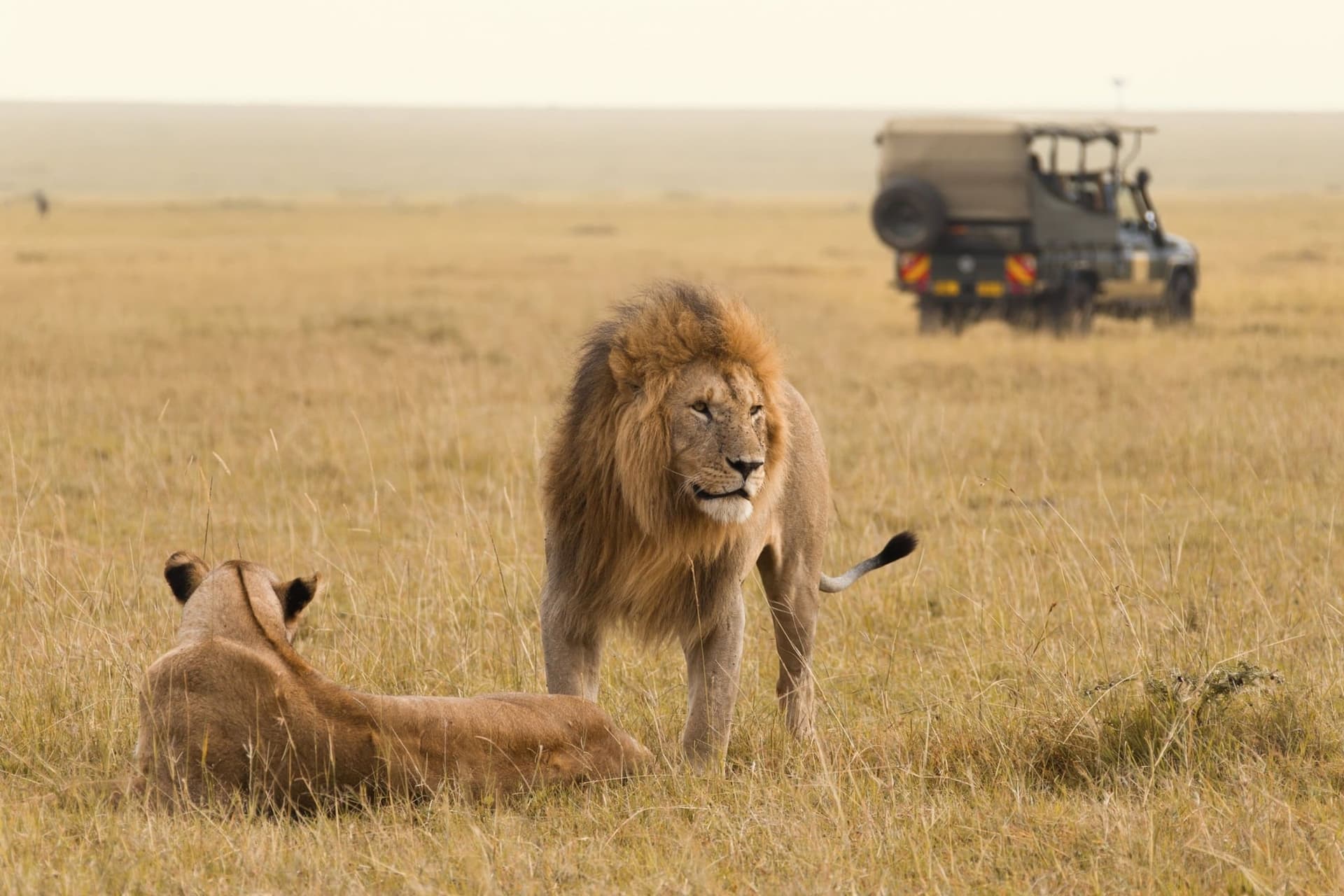
At a lion sighting in the Mara, one person standing suddenly through the roof can change the mood of the whole pride. The core rules are clear: listen to the safari guide, stay inside the vehicle unless told otherwise, keep voices low, and avoid sudden movements near wildlife.
Feeding animals is dangerous and harmful. It changes natural behaviour, encourages animals to approach vehicles and can lead to conflict. Leaning out for a better angle can also put guests at risk, especially near elephants, buffalo, hippos, lions or baboons. A photograph is never worth ignoring the guide’s instruction.
Respect also applies to other vehicles. Guests should avoid loud commentary at sightings, blocking another vehicle’s view, urging guides to go off-road where it is not permitted, or pressuring them to move closer than they judge safe. In Kenya Wildlife Service parks such as Amboseli, Lake Nakuru and Tsavo East, staying on authorised tracks protects fragile soils and vegetation.
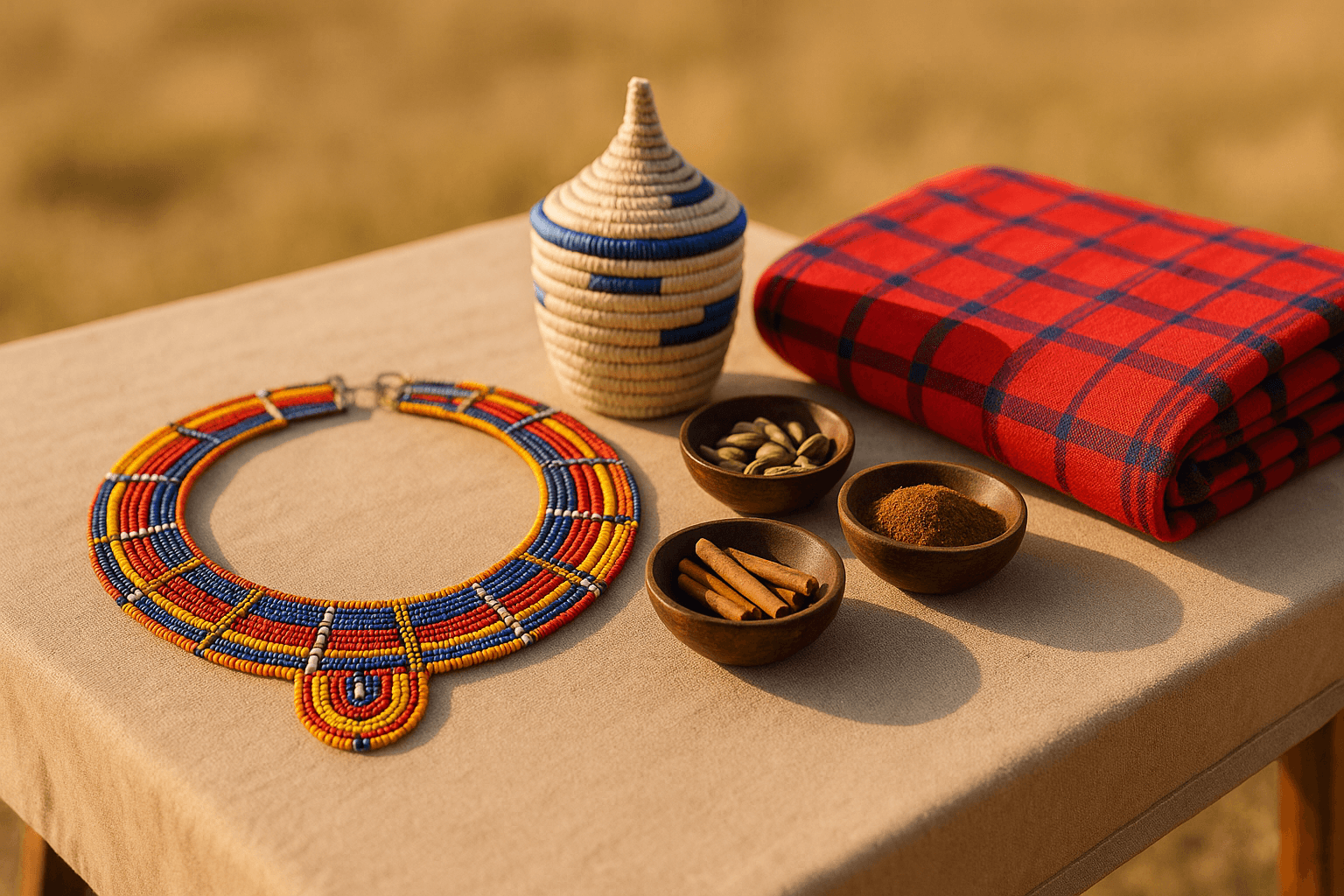
Local communities are part of the safari landscape. Ask before photographing people, follow lodge guidance on village visits, buy crafts respectfully if you choose to, and remember that conservancy fees can support landowners who keep wildlife corridors open outside formal parks.
July on the Mara River can bring wildebeest herds massing on steep banks, crocodiles waiting below and long pauses before any animal commits to crossing. The dry season, broadly June to October in many East African safari areas, often gives easier wildlife visibility because grass is shorter and animals concentrate around water sources.
The dry months suit a first time African safari when travellers want classic open-country viewing, clearer tracks and a strong chance of repeated sightings. It is also the peak period in famous areas, so private conservancies, well-located camps and early starts become important for a quieter experience.
The green season has different strengths. After rain, the Mara, Serengeti and Amboseli turn greener, dust drops, migratory birds arrive, many antelope give birth, and predator-prey interactions can be active around young animals. Some areas have fewer vehicles and better value, although rain can make tracks slippery and some remote routes slower.
Light shapes the day. Early morning gives cooler tones, mist in valleys and active mammals. Late afternoon gives warmer colour and side light on coats, horns and dust. Midday light is harsher, but it can still work in places such as Ngorongoro Crater where wildlife density is high and a full-day drive is practical.
Wind, heat and rain all affect animal movement. Lions may use wind to approach prey. Elephants may feed more actively after showers. On hot afternoons, many species stay close to shade until the temperature drops.
A camp beside the Mara’s Olare Orok Conservancy gives a different daily rhythm from a large lodge outside a busy gate. Accommodation is not just where guests sleep; it shapes drive time, access, privacy, guiding style and how connected the safari feels between outings.
 KE
KELuxury Safari Lodge in the Heart of Masai Mara
Masai Mara, Kenya
Best Location
Lodges offer permanent rooms, larger facilities, swimming pools and often broader menus, making them useful for families or travellers who prefer more infrastructure. Tented camps range from comfortable seasonal camps to high-end canvas suites with proper beds, flush toilets, hot showers and attentive hosting. Mobile camps move with wildlife seasons in areas such as the Serengeti, especially around migration patterns.
City hotels in Nairobi, Arusha or Kigali work well before early departures or after international flights. Beach extensions on the Kenyan coast or Zanzibar add slow days after dusty tracks and early starts. In Uganda and Rwanda, forest lodges near Bwindi or Volcanoes National Park place guests close to gorilla trekking trailheads, where the morning briefing starts early.
Location often matters more than luxury level. A modest camp inside or beside a productive conservancy can give better wildlife time than a more polished property requiring long gate commutes. Good planning keeps transfers sensible so guests spend more time watching animals and less time driving between distant beds.
From Nairobi or Arusha, the choice between private, shared and self-drive travel changes the whole pace of an African safari. It affects departure times, how long guests can stay at sightings, the amount of guiding they receive and how much flexibility they have each day.
For a first time African safari in Kenya or Tanzania, a private guide usually adds the most value. The guide handles park entries, road conditions, local etiquette, wildlife interpretation, timing and practical decisions that can overwhelm newcomers. Families also benefit because the day can bend around children’s energy and meal needs.
Shared drives can work well at high-quality camps with strong resident guides, especially in private conservancies where vehicle density is lower. Self-drive suits some travellers in parts of East Africa, but it demands comfort with rough tracks, changing weather, wildlife distance, park navigation and border or permit logistics.
Six to eight nights is a practical starting point for many first safari plans: enough time for two or three areas without turning the trip into a transfer schedule. The right African safari comes from matching destination, season, budget, pace and wildlife priorities, not from chasing a generic list of famous names.
A strong first route might pair Amboseli for elephants, Lake Nakuru or Lake Naivasha for Rift Valley scenery and birdlife, and the Masai Mara for big cats and open plains. A Kenya itinerary such as the lakes and plains safari follows this logic by combining Amboseli, Naivasha, Nakuru and the Mara in one week.
Indicative East Africa safari costs vary by season, vehicle type, accommodation level and park fees. A private mid-range Kenya safari may start from $3,200 pp for about a week in quieter months, while premium migration-season safaris in top camps can start from $6,500 pp. Gorilla trekking extensions cost more because permits, specialist guiding and forest lodge logistics add to the budget.
Do not rush too many parks. Two nights in an area gives one full day; three nights gives the guide time to learn recent movements and adjust. In larger landscapes such as the Serengeti, changing camps by season can matter more than adding extra destinations.
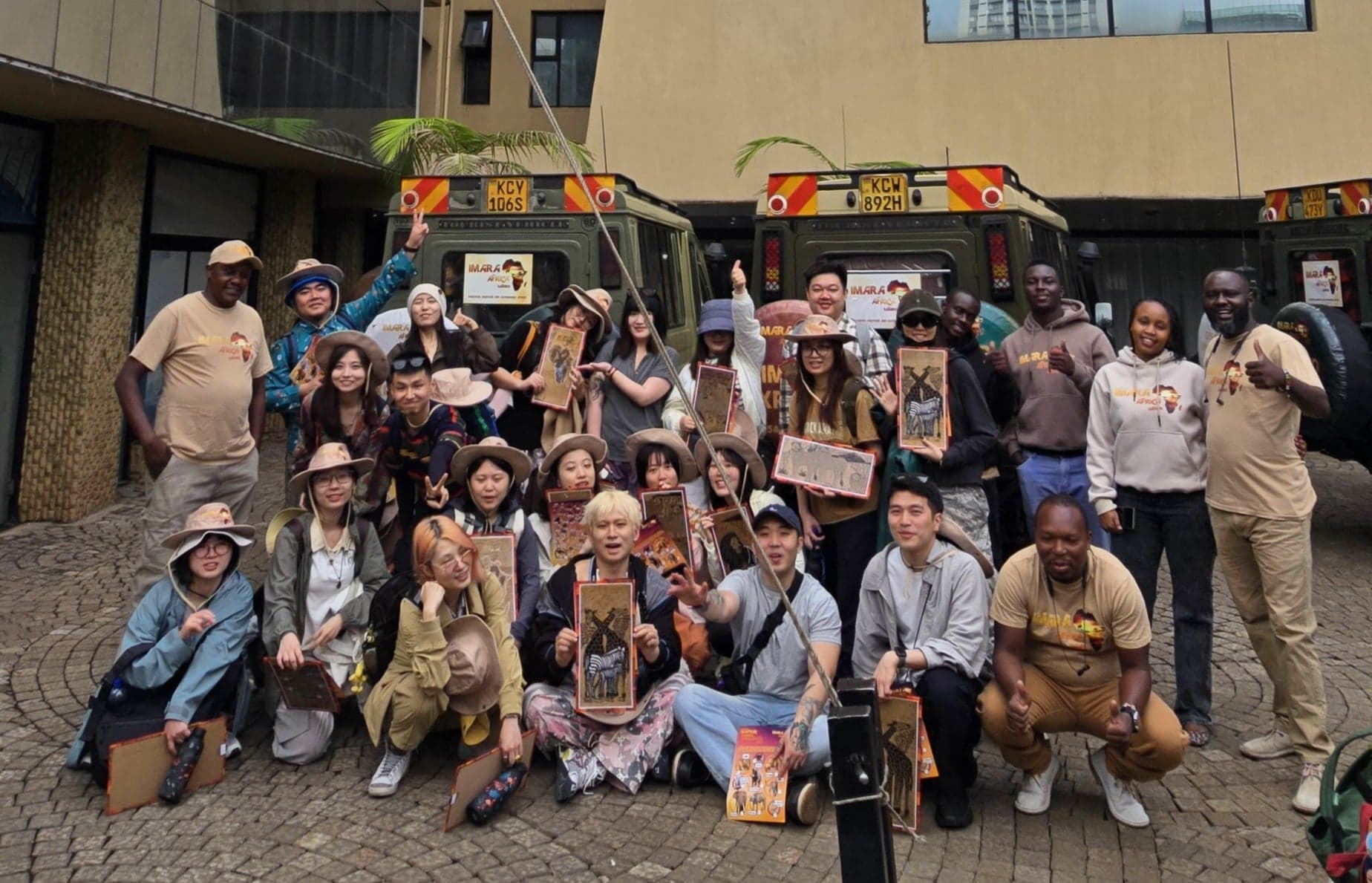
Imara Africa Safaris plans tailor-made journeys across Kenya, Tanzania, Uganda and Rwanda, with routes built around guest interests, realistic drive times and the best seasonal fit. Travellers who want a planning framework after learning the basics can use our first-timer’s guide as a next step before shaping dates and budget.
On a quiet morning in Tsavo East, a secretary bird stamping through grass can be as absorbing as a lion, if the guide takes time to explain what it is doing. The biggest myth is that an African safari is only about the Big Five. Lion, leopard, elephant, buffalo and rhino matter, but they are not the whole story.
The most satisfying safari expectations are flexible. A guest may come hoping for African lion and leave talking about dung beetles, giraffe necking, a martial eagle, a hyena den or the silence that falls when elephants approach a vehicle on their own terms.
KEKenya · Masai Mara National Reserve
Imara Africa Safaris designs private East African journeys around wildlife priorities, seasons, comfort level and pace, from the Masai Mara to Serengeti, Bwindi and Volcanoes.
At a glance
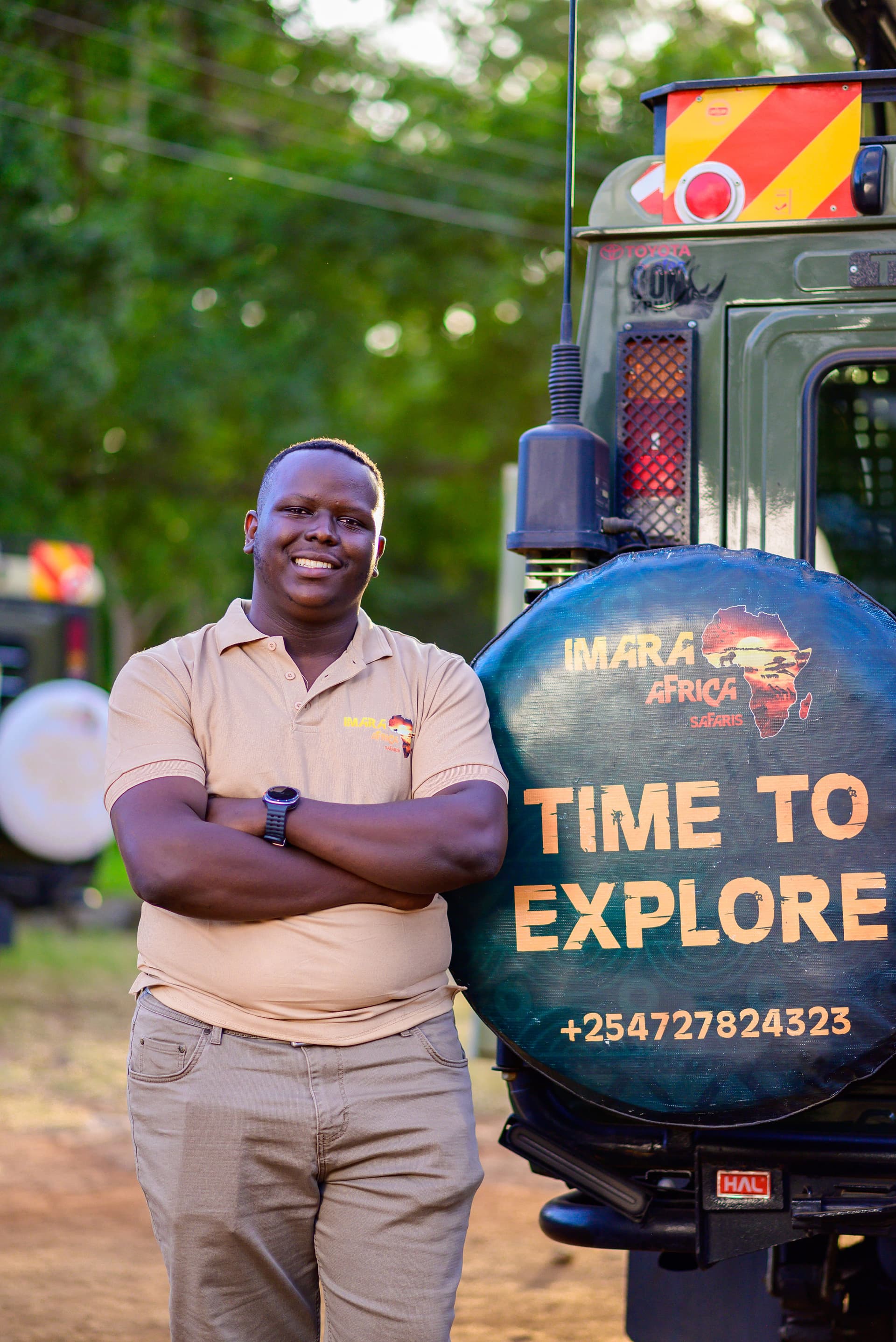
Lewis Munuhe
Founder & Director
<p>Lewis Munuhe is the Director and Owner of Imara Africa Safaris, a trusted safari company dedicated to creating tailor-made African safari experiences across Kenya, Tanzania, Uganda, and Rwanda. With a strong passion for African travel, wildlife, culture, and conservation, Lewis leads the company’s vision of delivering personalized, seamless, and unforgettable safari journeys for travelers from around the world.</p><p>Through Imara Africa Safaris, Lewis helps guests discover East Africa’s most iconic destinations, from the Masai Mara and Serengeti to Uganda and Rwanda’s gorilla trekking regions. His approach focuses on understanding each traveler’s interests, comfort level, budget, and expectations, then transforming those details into carefully curated safari itineraries that feel personal, meaningful, and well-planned.</p><p>As Director and Owner, Lewis is committed to maintaining high standards in safari planning, guest care, destination expertise, and responsible tourism. Whether arranging a luxury wildlife safari, honeymoon escape, family adventure, cultural journey, gorilla trekking safari, or multi-country East African itinerary, he ensures every experience reflects the quality, authenticity, and attention to detail that define Imara Africa Safaris.</p><p>Under his leadership, Imara Africa Safaris continues to help travelers experience the beauty of Africa through expertly planned safaris that celebrate wildlife, landscapes, local cultures, conservation, and unforgettable adventure.</p>
Lewis Munuhe
Founder & Director
<p>Lewis Munuhe is the Director and Owner of Imara Africa Safaris, a trusted safari company dedicated to creating tailor-made African safari experiences across Kenya, Tanzania, Uganda, and Rwanda. With a strong passion for African travel, wildlife, culture, and conservation, Lewis leads the company’s vision of delivering personalized, seamless, and unforgettable safari journeys for travelers from around the world.</p><p>Through Imara Africa Safaris, Lewis helps guests discover East Africa’s most iconic destinations, from the Masai Mara and Serengeti to Uganda and Rwanda’s gorilla trekking regions. His approach focuses on understanding each traveler’s interests, comfort level, budget, and expectations, then transforming those details into carefully curated safari itineraries that feel personal, meaningful, and well-planned.</p><p>As Director and Owner, Lewis is committed to maintaining high standards in safari planning, guest care, destination expertise, and responsible tourism. Whether arranging a luxury wildlife safari, honeymoon escape, family adventure, cultural journey, gorilla trekking safari, or multi-country East African itinerary, he ensures every experience reflects the quality, authenticity, and attention to detail that define Imara Africa Safaris.</p><p>Under his leadership, Imara Africa Safaris continues to help travelers experience the beauty of Africa through expertly planned safaris that celebrate wildlife, landscapes, local cultures, conservation, and unforgettable adventure.</p>
Lewis Munuhe
Founder & Director
<p>Lewis Munuhe is the Director and Owner of Imara Africa Safaris, a trusted safari company dedicated to creating tailor-made African safari experiences across Kenya, Tanzania, Uganda, and Rwanda. With a strong passion for African travel, wildlife, culture, and conservation, Lewis leads the company’s vision of delivering personalized, seamless, and unforgettable safari journeys for travelers from around the world.</p><p>Through Imara Africa Safaris, Lewis helps guests discover East Africa’s most iconic destinations, from the Masai Mara and Serengeti to Uganda and Rwanda’s gorilla trekking regions. His approach focuses on understanding each traveler’s interests, comfort level, budget, and expectations, then transforming those details into carefully curated safari itineraries that feel personal, meaningful, and well-planned.</p><p>As Director and Owner, Lewis is committed to maintaining high standards in safari planning, guest care, destination expertise, and responsible tourism. Whether arranging a luxury wildlife safari, honeymoon escape, family adventure, cultural journey, gorilla trekking safari, or multi-country East African itinerary, he ensures every experience reflects the quality, authenticity, and attention to detail that define Imara Africa Safaris.</p><p>Under his leadership, Imara Africa Safaris continues to help travelers experience the beauty of Africa through expertly planned safaris that celebrate wildlife, landscapes, local cultures, conservation, and unforgettable adventure.</p>
Our trips
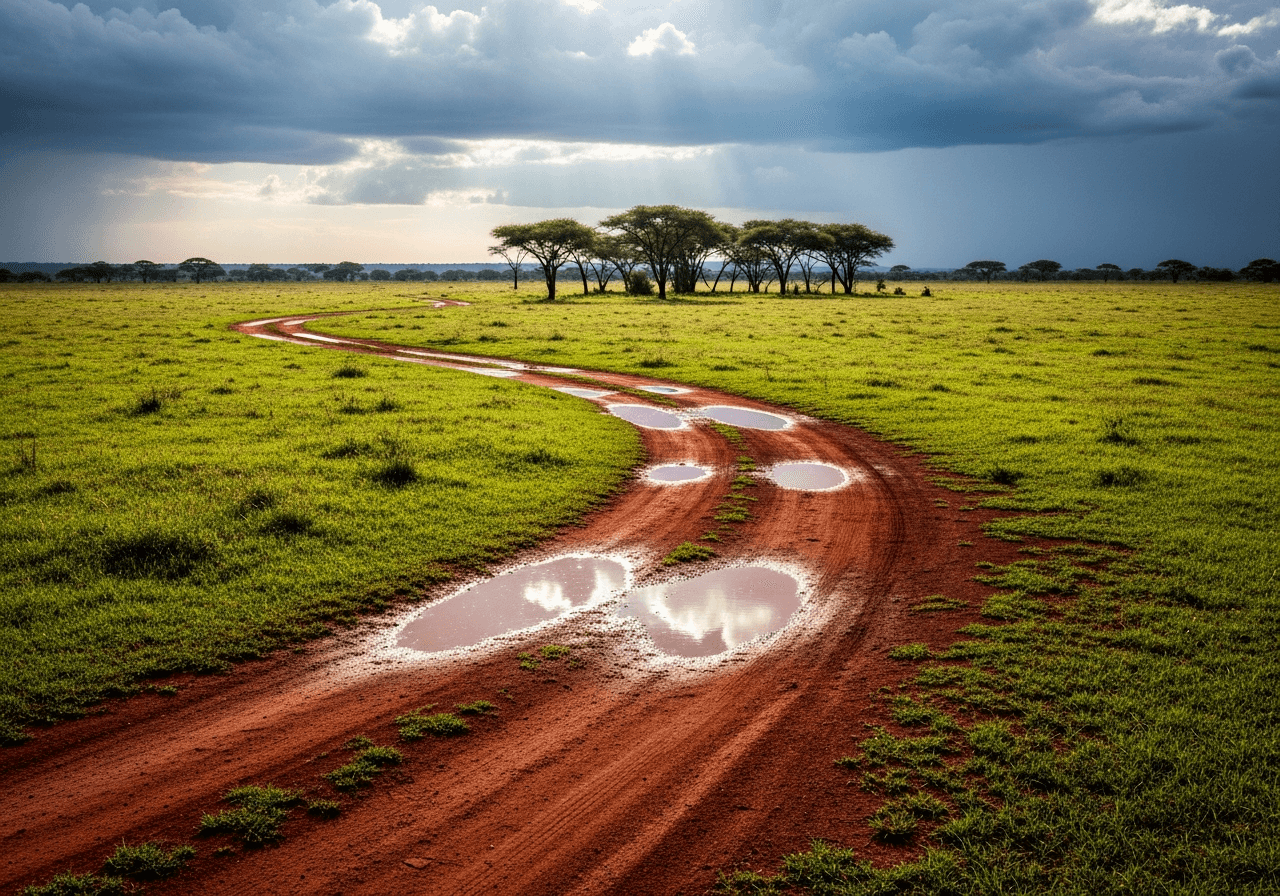 Safari PlanningEl Niño East Africa Safaris: 2026 - 2027 Planning GuideBy Lewis Munuhe·25m read·76 views
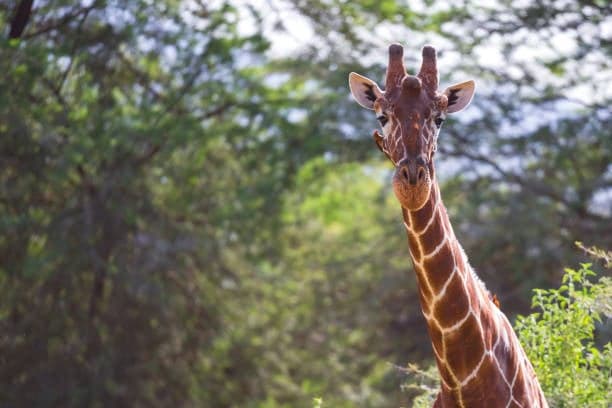 Safari PlanningMasai Mara vs Serengeti: Which Safari Is Better in 2026/27?By Lewis Munuhe·30m read·53 views
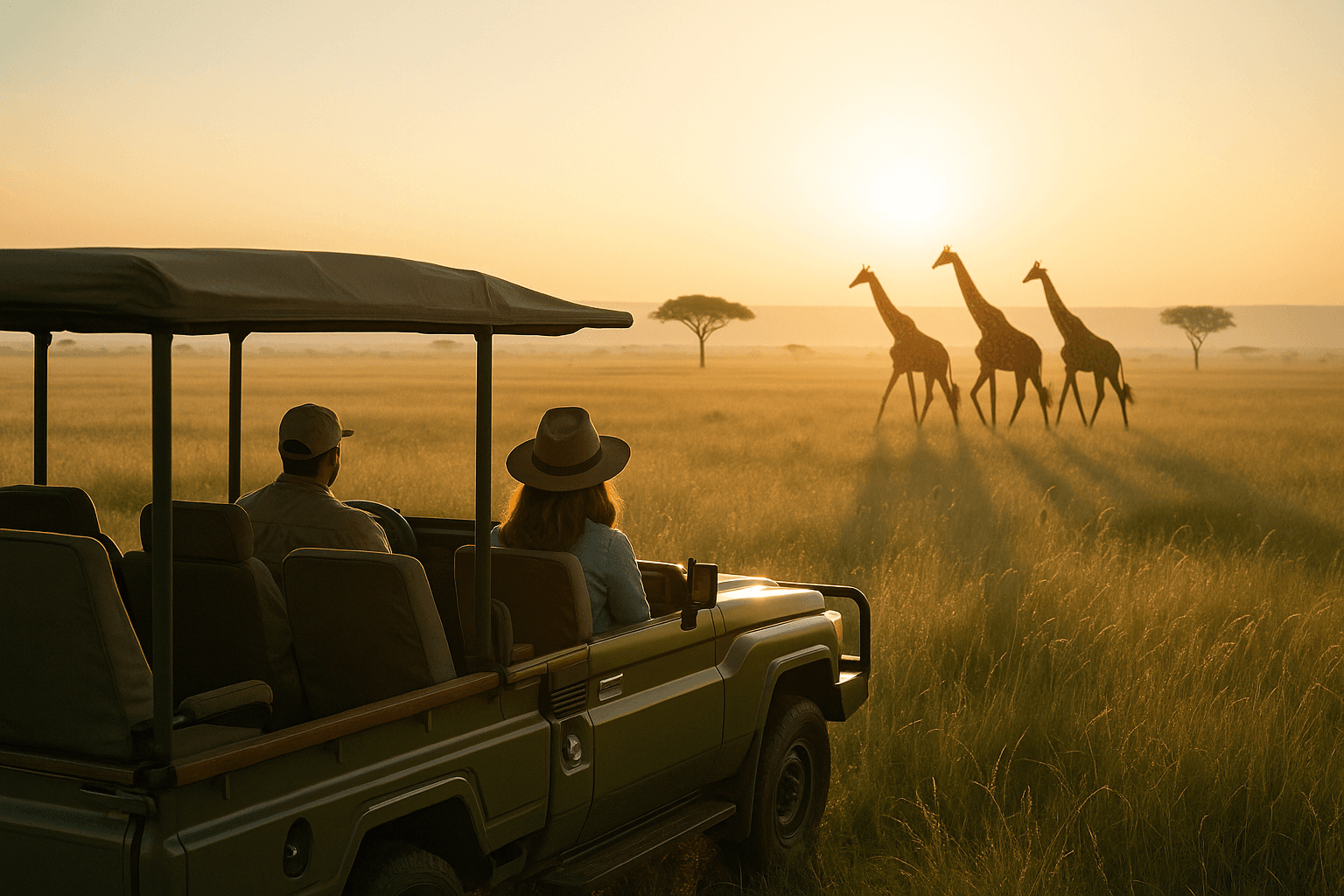 Safari PlanningWhat to Pack for an African Safari: The Complete 2026/27 ChecklistBy Lewis Munuhe·10m read·85 views
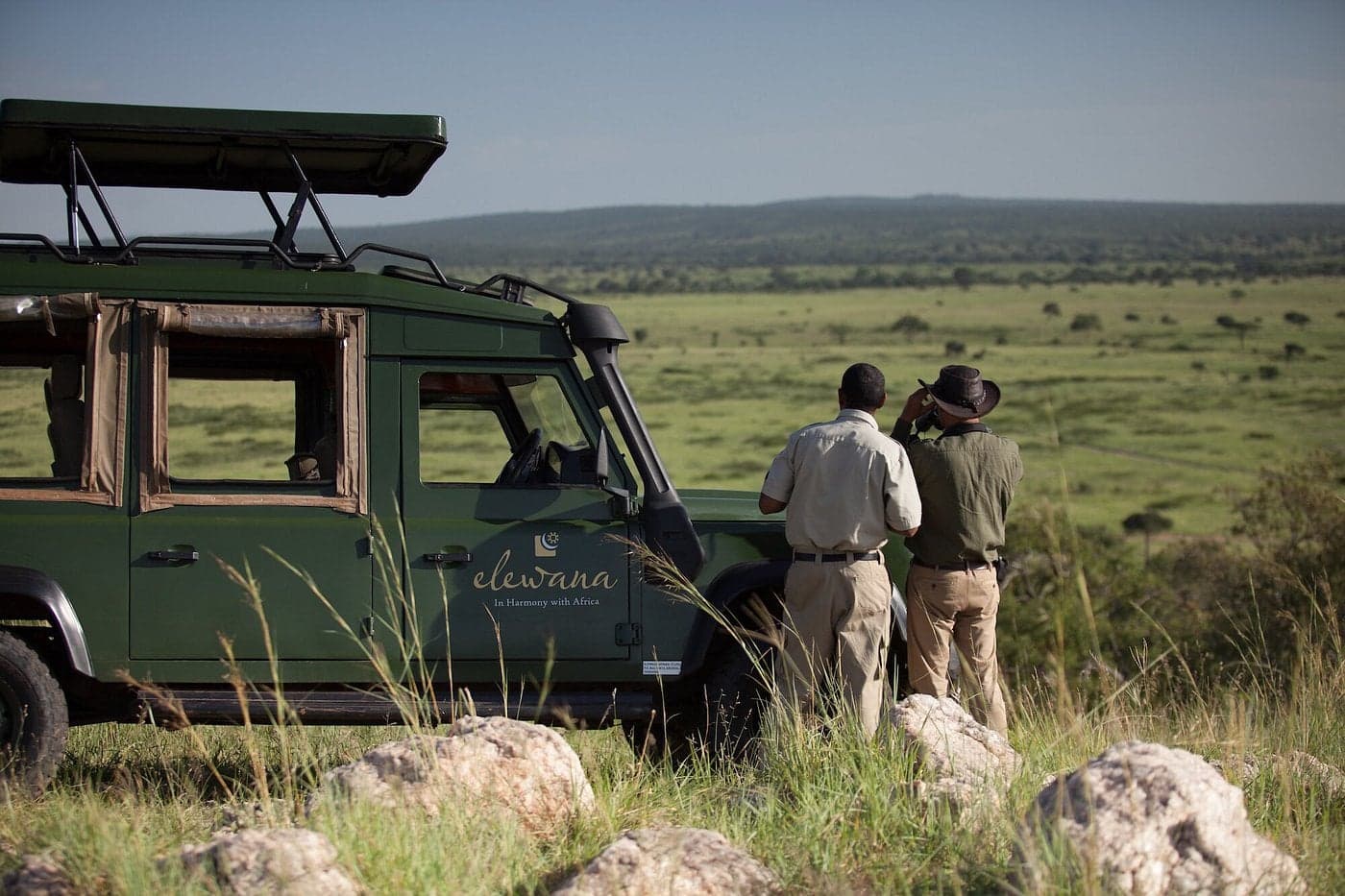 Safari PlanningAfrica Safaris: Everything to Know Before You GoBy Lewis Munuhe·34m read·48 views
13°C
overcast clouds
Feels like 12° · 94% humidity
🦁Right now in the bush: Prime game-drive window — lions are most active.


Comments
Loading…