Kenya or Tanzania Safari: Which Is Better for First-Timers?
A kenya or tanzania safari can both be brilliant for beginners. This guide compares wildlife, travel time, costs, seasons and beach options to choose confidently.
30 min read49viewsUpdated Sep 29, 2026
49views
Share
Listen~30 min
In this articleTap to view 12 sectionsTap a section to jump
Kenya is usually the easier first safari for shorter trips, varied scenery and simpler logistics from Nairobi.
Tanzania is the stronger choice if the Serengeti, Ngorongoro Crater and a classic northern circuit are the priority.
Both countries offer outstanding big-cat viewing, elephants, plains game and seasonal Great Migration action.
The best first itinerary is usually 6–8 days for Kenya or 7–10 days for northern Tanzania.
Beach extensions are easy in both countries, with Kenya’s Diani Coast and Tanzania’s Zanzibar the standout pairings.
For most first-timers, a kenya or tanzania safari decision leans towards Kenya: shorter transfers, reliable Big Five viewing, varied parks and straightforward beach extensions. Tanzania wins if the Serengeti and Ngorongoro Crater are the dream, or a longer, wilder northern circuit suits your time, budget and travel style.
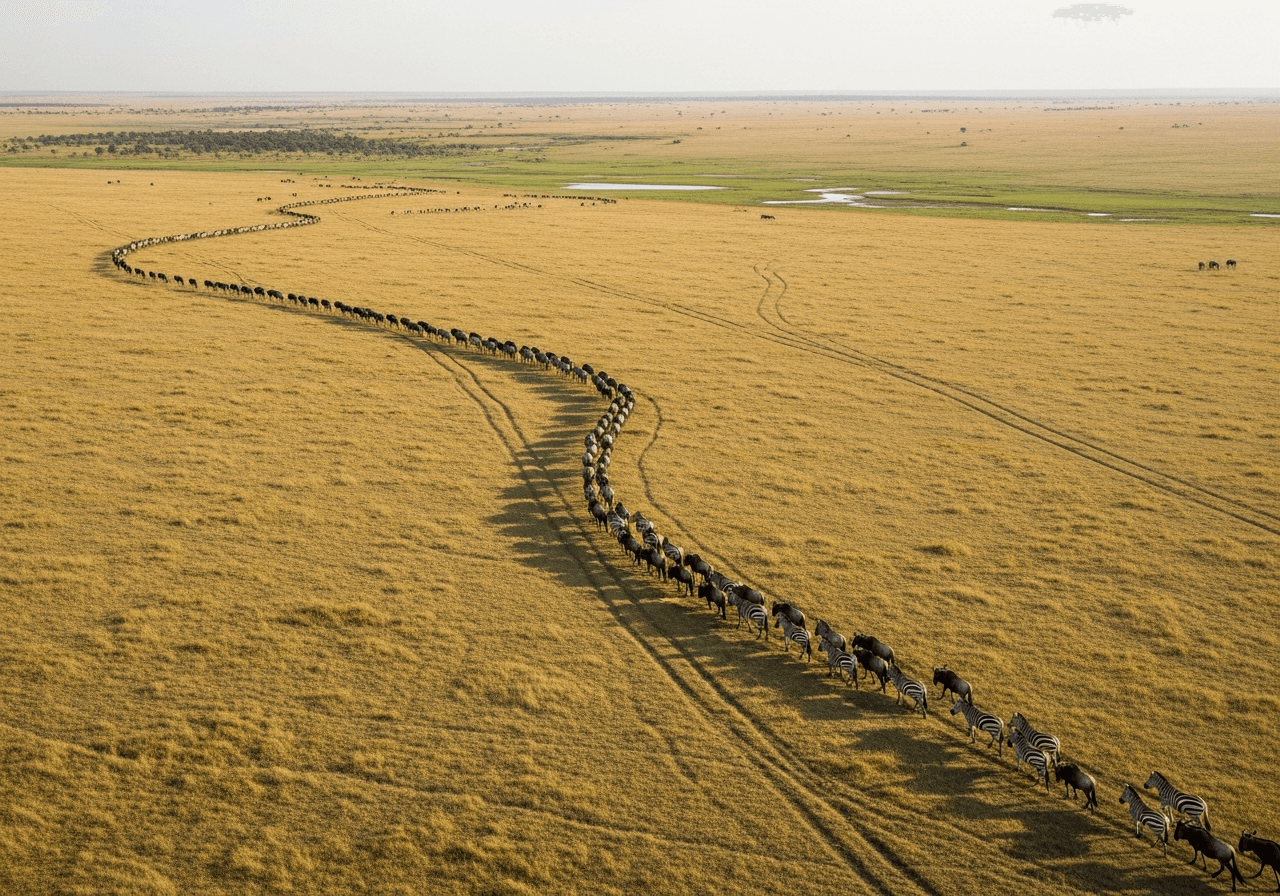
A wildebeest herd streams across the Serengeti-Mara plains, capturing the scale and rhythm of the Great Migration.
kenya or tanzania safari: quick verdict
Nairobi, Amboseli, Lake Nakuru and the Masai Mara fit together neatly for travellers planning a first safari in Africa with one week and a sensible pace. Kenya usually feels easier on a first trip because the distances are manageable, the park variety is strong, and Nairobi gives quick access to both safari country and the coast.
Tanzania suits travellers who already picture themselves in the Serengeti’s open grasslands or on the floor of Ngorongoro Crater. The northern circuit from Arusha to Tarangire, Ngorongoro and Serengeti is one of Africa’s great safari routes, but it asks for more time, more driving or flying, and often a higher budget.
The honest Kenya vs Tanzania safari answer is not that one country is better for everyone. Kenya is often the best safari for beginners who want rich wildlife, shorter transfers, excellent guiding and easy beach add-ons. Tanzania is stronger for travellers who want scale, long wilderness days and the Serengeti–Ngorongoro combination above all else.
Choose Kenya for 5–8 days, family travel, mixed-age groups, private conservancies, easier logistics and Diani, Watamu or Mombasa beach extensions.
Choose Tanzania for 7–10+ days, Serengeti-focused travel, Ngorongoro Crater, Tarangire elephants and a natural Zanzibar finale.
Combine both only if there is enough time and budget to avoid rushing: usually 10–14 days works better than one busy week.
How do Kenya and Tanzania safaris differ?
Masai Mara National Reserve covers about 1,510 km², while Serengeti National Park covers 14,763 km², so the first difference is scale. Kenya’s classic safari style is compact variety: elephants below Kilimanjaro in Amboseli, rhino in Lake Nakuru, boat rides on Lake Naivasha, big cats in the Mara, and dry-country species in Samburu. Tanzania’s northern circuit feels grander, with longer distances between parks and a stronger sense of continuous wilderness.
Kenya vs Tanzania for a first safari
A practical first-timer comparison, not a one-size-fits-all verdict.
Kenya
Easiest first safari
Best headline parks
Masai Mara, Amboseli, Lake Nakuru, Lake Naivasha, Samburu
Typical first-trip rhythm
Compact circuits of 5–7 days work well
Wildlife strengths
Big cats, elephants, rhino add-ons, varied habitats and private conservancies
Travel feel
Shorter hops, more route flexibility and easier Nairobi access
Beach pairing
Diani, Watamu, Mombasa or Lamu-style coast extensions
Best-fit traveller
Families, shorter holidays, first-time safari nerves and mixed interests
Tanzania
Grandest classic circuit
Best headline parks
Serengeti, Ngorongoro Crater, Tarangire, Lake Manyara
Typical first-trip rhythm
Northern circuits usually feel best in 7–10 days
Wildlife strengths
Huge plains, migration routes, Ngorongoro density and Tarangire elephants
Travel feel
Longer distances, bigger landscapes and a stronger wilderness mood
Beach pairing
Zanzibar is the natural island finale
Best-fit traveller
Travellers focused on Serengeti scale, longer drives and classic safari romance
Compare
Easiest first safari
Kenya
Grandest classic circuit
Tanzania
Best headline parks
Masai Mara, Amboseli, Lake Nakuru, Lake Naivasha, Samburu
Serengeti, Ngorongoro Crater, Tarangire, Lake Manyara
Typical first-trip rhythm
Compact circuits of 5–7 days work well
Northern circuits usually feel best in 7–10 days
Wildlife strengths
Big cats, elephants, rhino add-ons, varied habitats and private conservancies
Huge plains, migration routes, Ngorongoro density and Tarangire elephants
Travel feel
Shorter hops, more route flexibility and easier Nairobi access
Longer distances, bigger landscapes and a stronger wilderness mood
Beach pairing
Diani, Watamu, Mombasa or Lamu-style coast extensions
Zanzibar is the natural island finale
Best-fit traveller
Families, shorter holidays, first-time safari nerves and mixed interests
Travellers focused on Serengeti scale, longer drives and classic safari romance
Both countries are excellent; the better first safari is the one whose routing, season and pace match the traveller.
Nairobi is Kenya’s main gateway, with most travellers landing at Jomo Kenyatta International Airport before continuing by road or light aircraft. Northern Tanzania usually begins from Arusha, reached via Kilimanjaro International Airport or a regional flight from Nairobi. Zanzibar’s Abeid Amani Karume International Airport is useful at the end of a Tanzania safari and can also connect well after a Kenya safari with the right routing.
Decision point
Kenya
Tanzania
Best fit
Shorter first safaris, varied parks, families, private conservancies, beach on the Kenya Coast
Serengeti and Ngorongoro focus, longer wilderness circuits, Zanzibar add-on
Main gateway
Nairobi via Jomo Kenyatta International Airport
Arusha via Kilimanjaro International Airport, or onward via Zanzibar
Common trip length
5–8 days on safari; 8–10 days with beach
7–10 days on safari; 10–12 days with Zanzibar
Transfers
Often shorter between key parks, with easy fly-in upgrades
Longer road sectors on the northern circuit, with flights useful for Serengeti
Signature wildlife areas
Masai Mara, Amboseli, Lake Nakuru, Samburu, private Mara conservancies
Serengeti, Ngorongoro Crater, Tarangire, Lake Manyara
For Kenya safaris, Imara Africa Safaris often builds first trips around a small number of contrasting habitats rather than a long list of parks. For Tanzania safaris, the planning priority is usually pacing: enough time in each area to enjoy the scale without spending every afternoon in transit.
Wildlife viewing: Big Five, predators and migration
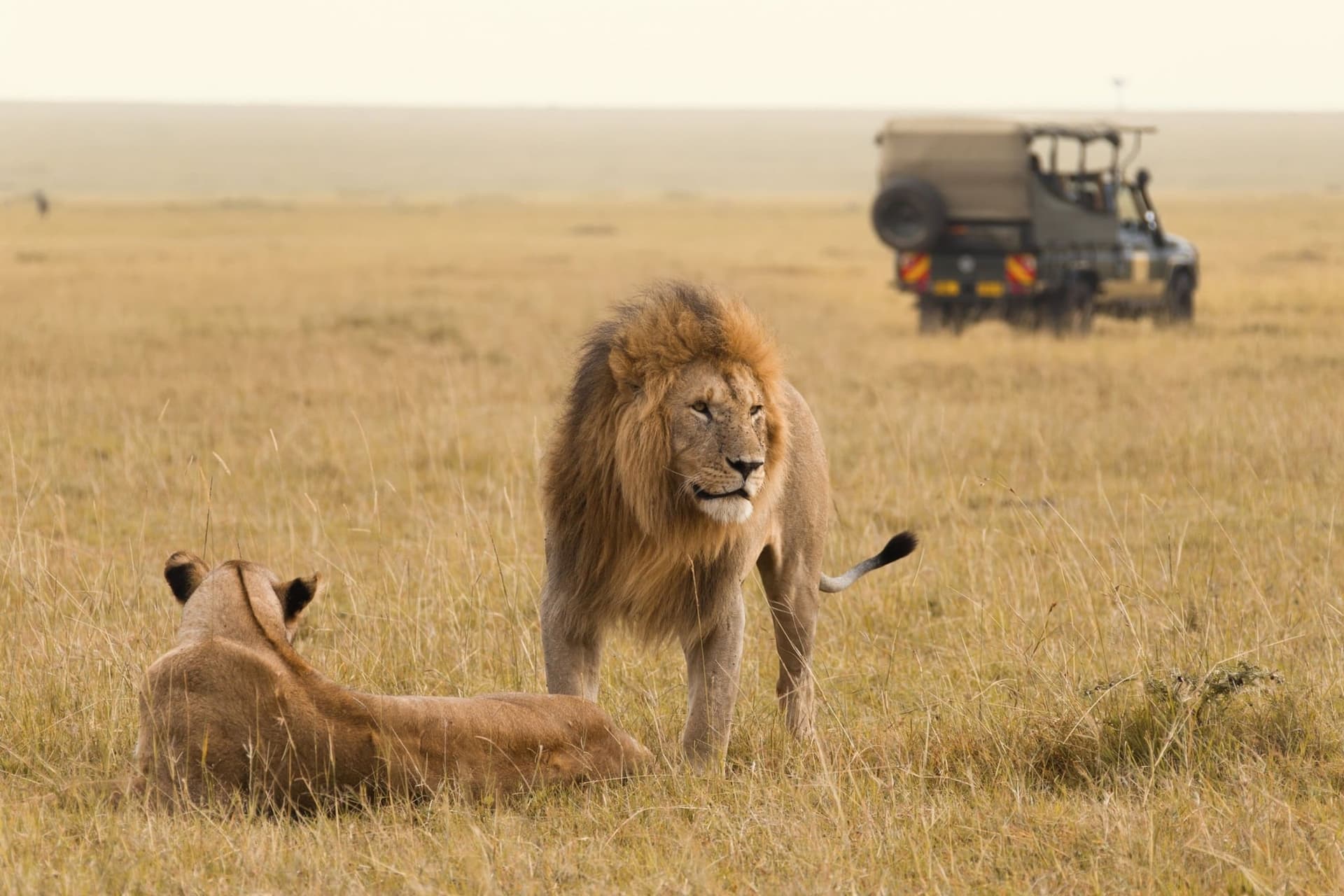
The Masai Mara and Serengeti are both serious predator country. Lions use the open plains for visibility, females often hunt cooperatively at dawn or after a cool evening, and large prides can hold territories around water, river lines and resident grazing herds. Cheetah sightings are strongest on open, shorter-grass plains where they can see approaching hyenas and use speed without thick cover in the way.
A poised cheetah surveys the open plains from a sunlit termite mound, embodying the quiet tension of East Africa’s wild savannas.
1.5 million
Approximate wildebeest in the Great Migration
14,763 km²
Protected area of Serengeti National Park
1,510 km²
Protected area of Masai Mara National Reserve
260 km²
Approximate floor area of Ngorongoro Crater
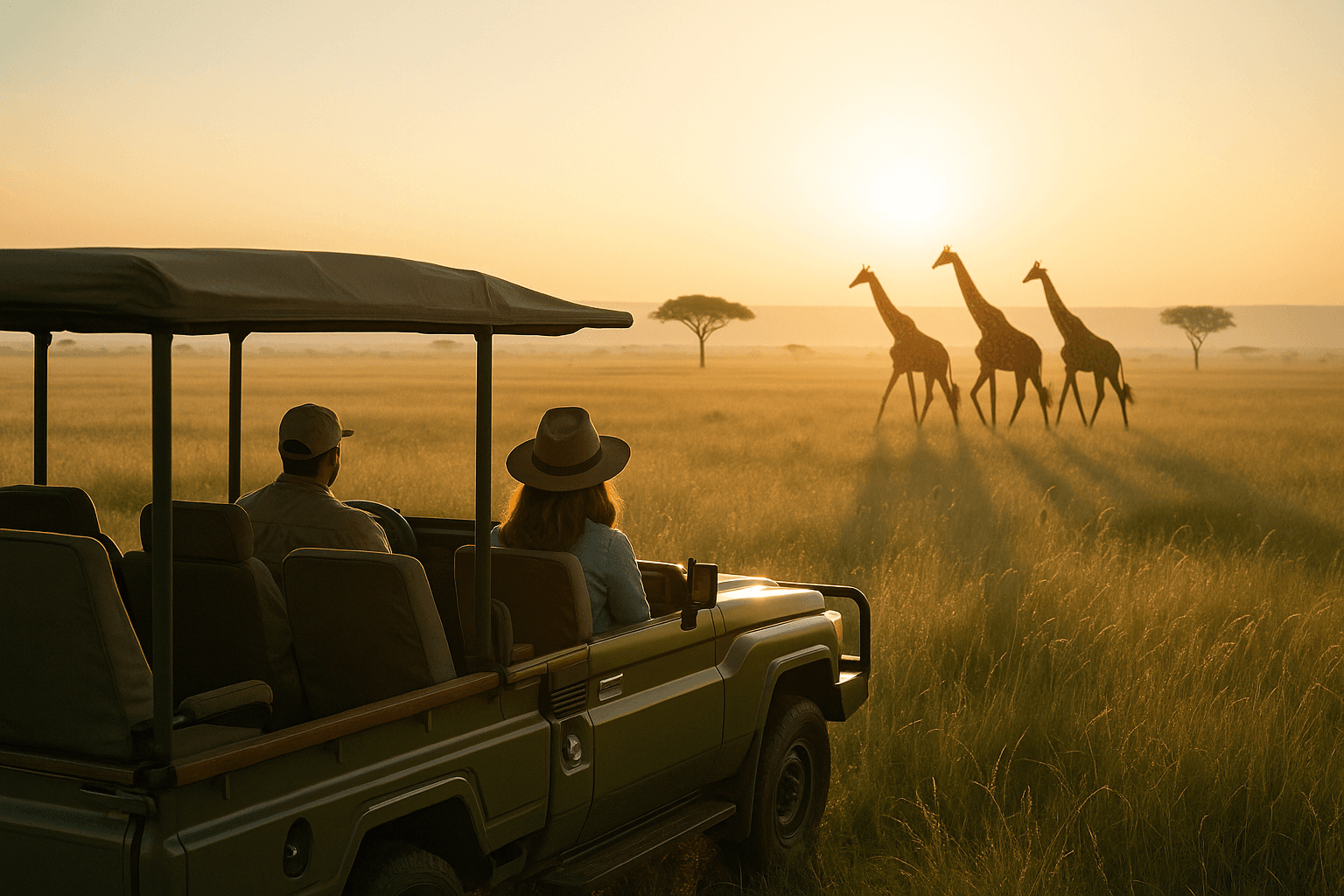
In the Mara, first-timers often like how quickly the wildlife appears. A morning drive can include lions on a termite mound, elephants crossing a track, topi standing on ridges, spotted hyenas trotting home, and giraffes feeding along acacia lines before breakfast. The private conservancies bordering the reserve add night drives, off-road viewing where permitted, guided walks in some camps, and fewer vehicles at sightings.
In the Serengeti, the reward is scale and movement. Serengeti National Park covers 14,763 km², and wildlife shifts across its plains, woodland and river systems according to grass, water and calving cycles. A Tanzania safari for first timers works best with at least three nights in or near the Serengeti, because one rushed night rarely does the park justice.
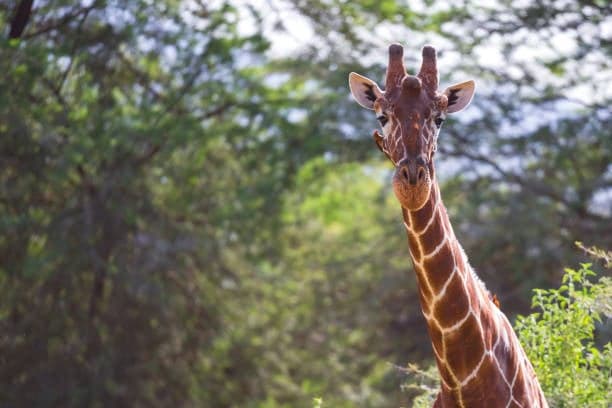
Elephants are dependable in Amboseli National Park, where family herds move between marshes under Kilimanjaro and dusty plains where calves learn to use their trunks. Tarangire National Park is Tanzania’s elephant stronghold in the dry season, when herds gather near the Tarangire River and baobabs frame much of the landscape. Buffalo are common in both countries, while giraffe sightings are widespread in Kenya’s Mara, Naivasha and Samburu areas and across Tanzania’s northern circuit.
Rhino viewing needs more specific planning. Lake Nakuru National Park is one of Kenya’s most useful first-safari rhino stops, especially for travellers combining the Rift Valley with the Mara. In Tanzania, Ngorongoro Crater gives first-timers a realistic chance of seeing black rhino on the open crater floor, though sightings depend on distance, weather and the animals’ movements.
The Great Migration is shared, not owned by one country. The wider Serengeti–Mara ecosystem spans roughly 30,000 km² across northern Tanzania and south-western Kenya. The Great Migration involves about 1.5 million wildebeest, plus hundreds of thousands of zebras and gazelles. Timing matters more than the border: herds may be in the southern Serengeti for calving, the western or northern Serengeti during movement phases, or the Masai Mara in the peak migration months.
“
““For a first safari, chase good guiding and enough nights in the right place before chasing a river crossing. The animals decide the drama; the itinerary decides whether you are there long enough to see it.””
Best safari routes for first-timers
Amboseli–Naivasha–Nakuru–Mara is a strong Kenya safari for first timers because each stop changes the rhythm. Amboseli gives elephants and Kilimanjaro views; Lake Naivasha adds boat-based birding, hippos and a softer afternoon after dusty game drives; Lake Nakuru brings rhino and Rift Valley scenery; the Masai Mara finishes with big cats and broad plains.
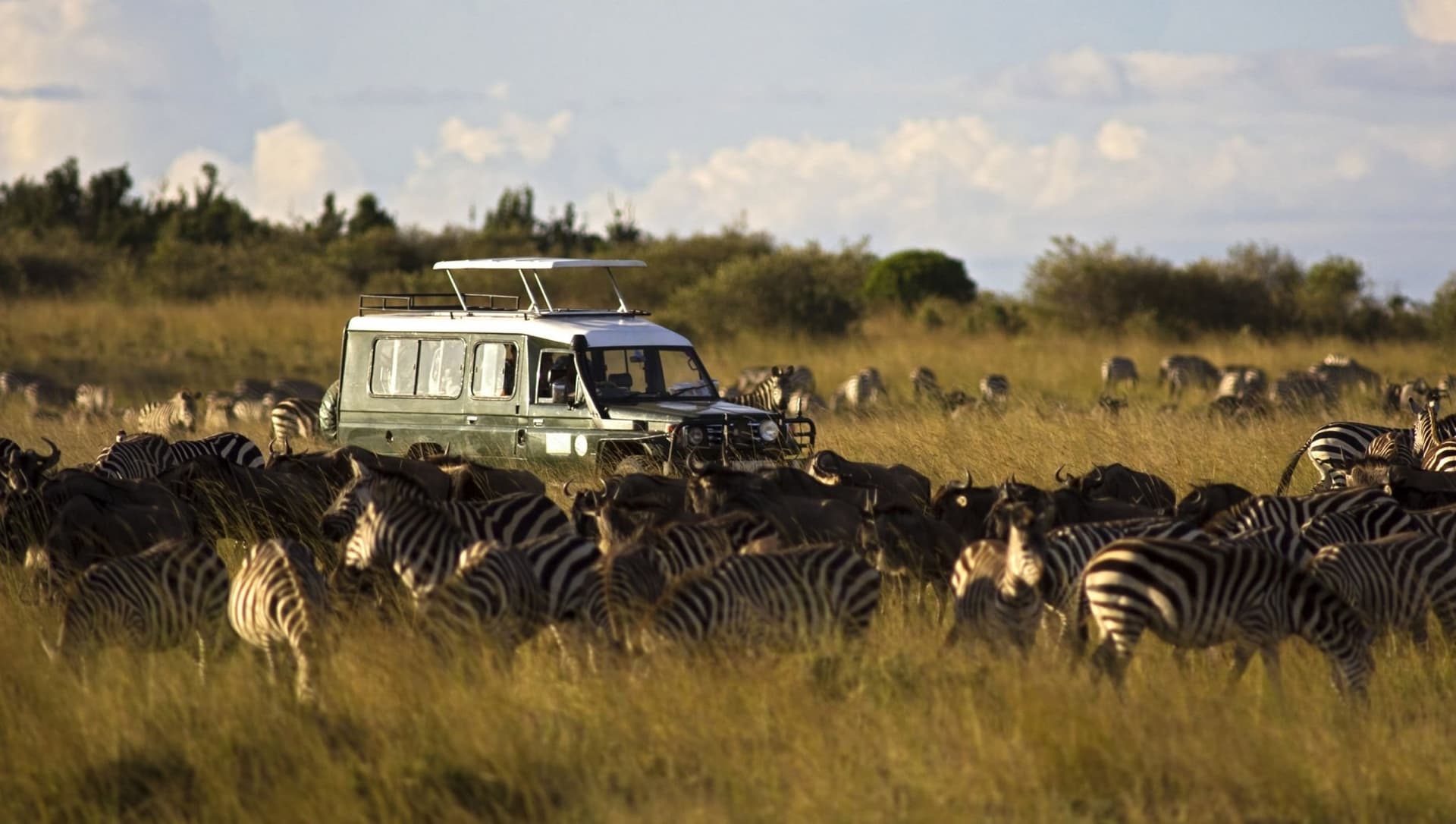
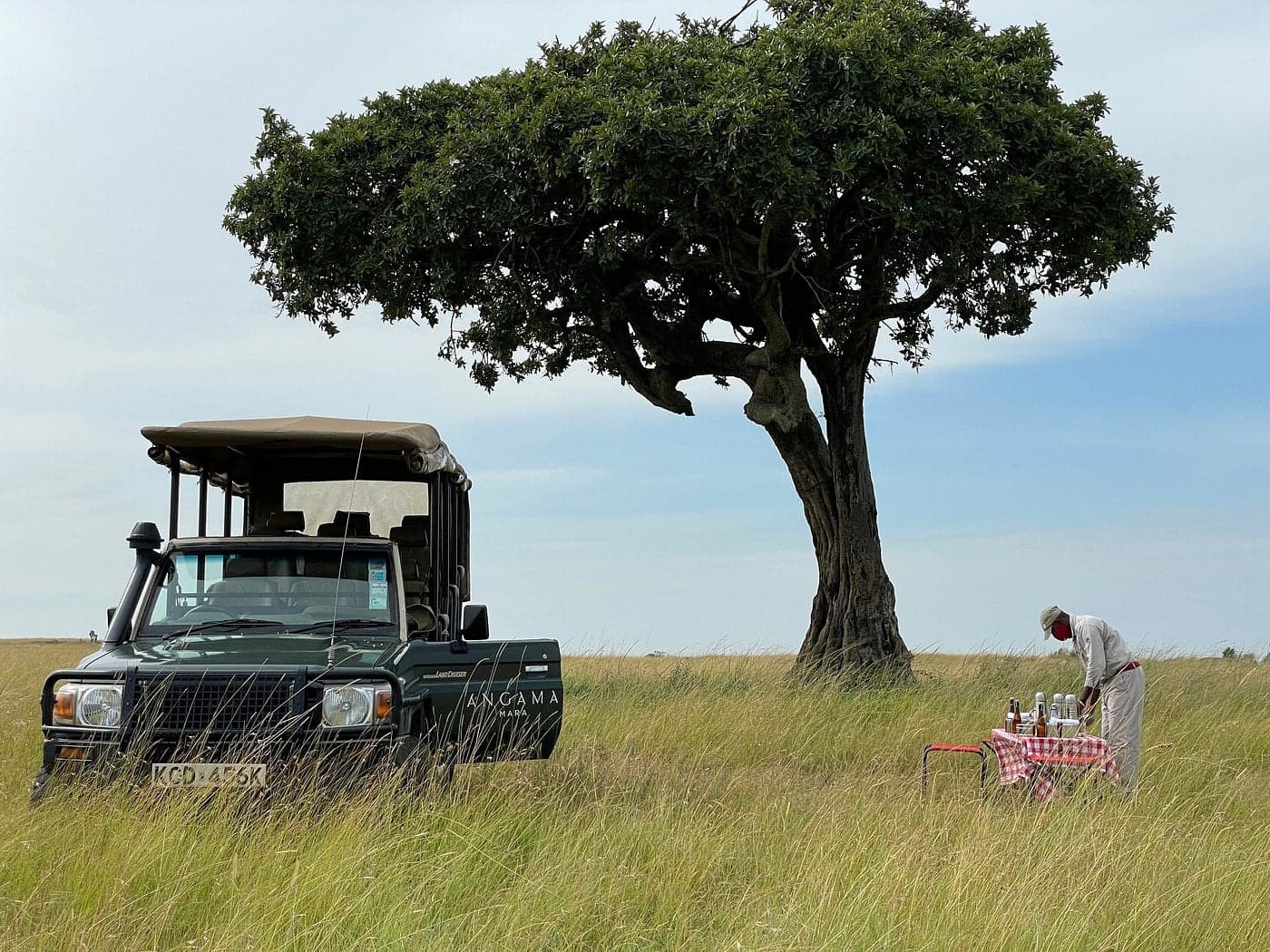
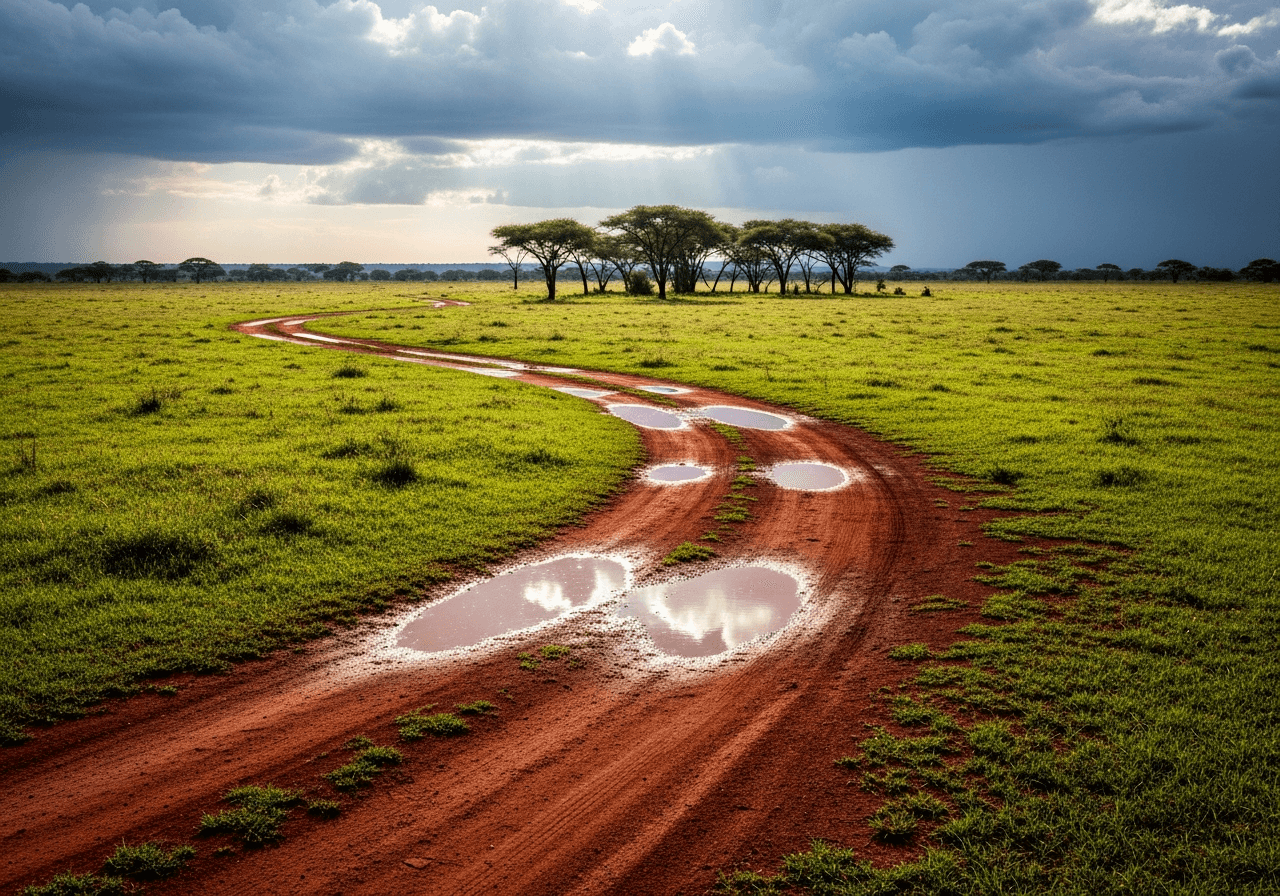
A classic open 4x4 follows a red-earth track through acacia-dotted plains under clear mid-morning light.
Trip length
Kenya route idea
Tanzania route idea
Best for
5–6 days
Nairobi, Amboseli or Lake Naivasha, Masai Mara
Arusha, Tarangire, Ngorongoro, Lake Manyara
Travellers with limited time who still want strong wildlife variety
7–8 days
Amboseli, Lake Naivasha, Lake Nakuru, Masai Mara
Tarangire, Ngorongoro Crater, central Serengeti
A balanced first safari with varied landscapes and meaningful game time
9–12 days
Samburu or Amboseli, Ol Pejeta or Lake Nakuru, Masai Mara, coast add-on
Tarangire, Ngorongoro, Serengeti, Zanzibar
Travellers wanting a fuller safari rhythm and a relaxed beach finish
Common first-safari route shapes in Kenya and Tanzania
Luxury
KE
Safari
Kenya · Masai Mara National Reserve
7Days
Luxury 7 Days lakes and plains safari: Amboseli, Naivasha, Nakuru & Mara
Masai Mara National ReserveNairobi CityAmboseli National Park+1
Evening game drive in Amboseli National Park with Kilimanjaro views when skies are clear
Full private day in Amboseli National Park, known for large African Elephant herds
A classic Kenya route can start in Nairobi and run south to Amboseli for two nights, north-west to Lake Naivasha or Lake Nakuru for one or two nights, then on to the Masai Mara National Reserve for three nights. Imara’s 7-day lakes and plains safari follows this first-timer logic, balancing game density with enough variety to keep each day fresh.
Arusha–Tarangire–Ngorongoro–Serengeti is the core Tanzania route. Tarangire works well for elephants, baobabs and dry-season herds. Ngorongoro Crater gives a concentrated wildlife day in a dramatic caldera. The Serengeti then stretches the trip out into longer drives, open horizons and seasonal animal movements. Lake Manyara can be added for forest, birdlife and a shorter first wildlife stop, though it is not always essential if time is tight.
Trip length
Kenya option
Tanzania option
Best advice
5 days
Nairobi plus Masai Mara, or Amboseli plus Mara by flight
Arusha plus Tarangire and Ngorongoro, or a short fly-in Serengeti trip
Keep it focused; two areas at most.
7 days
Amboseli, Lake Naivasha or Nakuru, and Masai Mara
Tarangire, Ngorongoro and central Serengeti
The best safari for beginners often sits here: enough time without fatigue.
10 days
Amboseli, Laikipia or Samburu, Lake Nakuru and Mara, with possible coast
Tarangire, Ngorongoro, Serengeti and Zanzibar start or extra Serengeti nights
Use the extra nights for depth, not more road miles.
Travel logistics and flight access
Jomo Kenyatta International Airport in Nairobi is one of Africa’s strongest safari gateways, with good long-haul access and easy domestic connections. Many Kenya safaris start with one night in Nairobi, especially after an evening arrival, then continue by 4x4 or light aircraft the next morning.
A white bush plane waits on a remote gravel airstrip, ready for a seamless safari arrival across the savannah.
At a glance
First safari logistics at a glance
Kenya gateway
Nairobi via Jomo Kenyatta International Airport
Tanzania gateway
Arusha via Kilimanjaro International Airport or Arusha Airport connections
Minimum rewarding length
5–7 days in Kenya; 7–10 days in northern Tanzania
Common safari transfer
Road transfers, light-aircraft flights or a mix of both
Easy beach add-ons
Diani and Mombasa for Kenya; Zanzibar for Tanzania
First safari hubs and headline reserves
Nairobi
Masai Mara National Reserve
Arusha
Serengeti National Park
Ngorongoro Crater
Zanzibar
Nairobi to the Masai Mara is commonly a 5–6 hour road transfer or about a 45-minute light-aircraft flight. The road gives a look at the Great Rift Valley and rural life, but it can feel long after an international flight. Flying saves time and reduces fatigue, especially for families, honeymooners, older travellers or anyone with only five to seven days.
Kilimanjaro International Airport serves Arusha and Tanzania’s northern circuit. From Arusha, Tarangire and Lake Manyara are reachable by road, Ngorongoro is a longer but manageable drive, and the Serengeti needs careful planning. Driving into the Serengeti via Ngorongoro can be rewarding, but it is not a short transfer; flying one direction often improves comfort.
Zanzibar’s Abeid Amani Karume International Airport works well after a Tanzania safari, with beach stays around Nungwi, Kendwa, Matemwe, Pongwe and the south-east coast. Kenya beach extensions usually route through Nairobi or direct coastal flights to Ukunda for Diani, Malindi for Watamu, or Mombasa for the South Coast.
First-timers should avoid itineraries that look efficient on a map but feel tiring on the ground. A safari day is not only the drive between parks; it includes early starts, dust, heat, excitement, bumpy tracks and late-afternoon game viewing. A well-paced kenya or tanzania safari often beats a longer checklist of famous names.
Which is cheaper: Kenya or Tanzania?
Kenya often gives more flexibility across mid-range and luxury budgets because there are many lodge styles, strong domestic flight networks, and several park combinations within reach of Nairobi. A private mid-range Kenya safari may start from about $2,800 pp for six to seven days in low or shoulder season, excluding international flights, while luxury fly-in versions can rise well above $6,500 pp.
Tanzania’s northern circuit often costs more for comparable comfort because of longer routing, park fees, Ngorongoro access costs, remote Serengeti logistics and higher flight costs when used. A private mid-range Tanzania safari commonly starts from about $3,650 pp for seven days, while high-end Serengeti and Ngorongoro trips can run from $7,500 pp and climb steeply in peak migration locations.
Price alone is a poor way to choose a first safari. A cheaper lodge far from the best wildlife areas can cost more in lost game-viewing time. A well-located tented camp with strong guiding, good sleep quality and shorter access to prime habitat can deliver better value than a larger property with a lower headline rate.
Style
Kenya, 6–7 days
Tanzania, 7–8 days
What changes the price
Comfortable mid-range
from $2,800 pp
from $3,650 pp
Road routing, lodge location, season, vehicle type
Upper mid-range or boutique camps
from $4,200 pp
from $5,200 pp
Smaller camps, better guiding, conservancy or prime park access
Luxury fly-in
from $6,500 pp
from $7,500 pp
Light-aircraft flights, private concessions, top locations, peak dates
For first-timers, the best value usually comes from matching the spend to the right things: time in the main wildlife area, an experienced guide, a comfortable vehicle, a lodge or camp in a strong location, and enough nights to avoid rushing. Two nights in the wrong place rarely beats three nights in the right habitat.
When is the best time for a Kenya or Tanzania safari?
June to October is the clearest all-round season for a first safari in either country. The main dry season in both countries runs from June to October; long rains usually fall from March to May. Dry conditions draw wildlife towards water, grass is shorter in many areas, and game viewing tends to feel easier for beginners.
Kenya’s Masai Mara is excellent for resident predators year-round, with the peak migration months usually falling between July and October, depending on rainfall and herd movement. River crossings should never be treated as a guaranteed appointment. Some guests see several in a day; others miss them by hours. Good planning improves the odds but cannot control wildebeest, water levels or crocodiles.
Tanzania’s Serengeti has different seasonal strengths. The southern Serengeti and Ndutu area are important during the calving season, usually from January to March, when predators follow vulnerable young wildebeest. The central Serengeti is a strong year-round option for big cats. The western and northern Serengeti become important as the herds move through the year, with the north linking naturally to the Masai Mara ecosystem.
November and early December bring short rains in many areas, often falling as afternoon showers rather than all-day washouts. The bush greens up, migrant birds arrive, dust settles, and photography can be rich. January and February are good months for warm weather and predator activity, especially in Tanzania’s southern Serengeti and Kenya’s open plains.
March to May is the long-rains period and needs careful advice. Some camps close, some roads become difficult, and first-timers who want easy logistics may prefer other months. Travellers who accept weather risk can find lower rates, fewer vehicles and dramatic skies, but this is better planned with a specialist who knows which areas remain practical.
Best for easiest first safari conditions: June to October.
Best for migration focus in the Mara: usually July to October, with no guarantee of crossings.
Best for Serengeti calving: usually January to March in the southern Serengeti and Ndutu area.
Best for lower crowds and green landscapes: November, early December, January and February.
Best for photography value: green-season months, when light, clouds and young animals add interest.
Kenya strengths for a first safari
Amboseli National Park is one of Kenya’s strongest first-safari openings because the elephant viewing is clear, close and behaviour-rich. Guides can explain matriarch-led family groups, dust bathing, feeding in the marshes and how calves learn from older females, while Kilimanjaro often appears in the early morning before cloud builds.
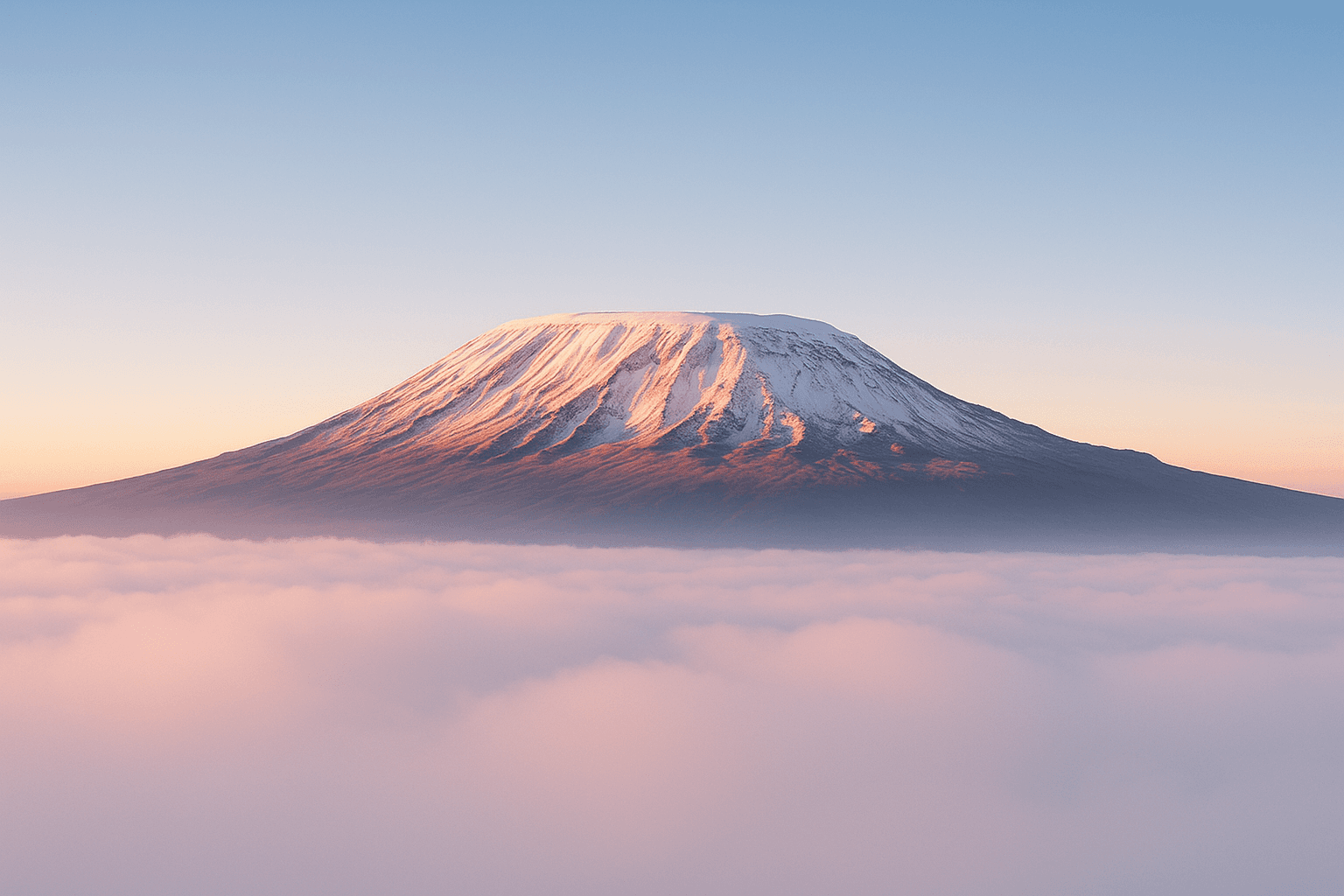
A matriarch leads her calf across Amboseli’s golden plains beneath the cloud-veiled summit of Mount Kilimanjaro.
Kenya for a first safari
Pros
Shorter, more flexible circuits are possible from Nairobi.
The Masai Mara offers excellent predator viewing even outside migration months.
Amboseli, Lake Nakuru, Lake Naivasha and Samburu add varied habitats without crossing borders.
Private conservancies can offer quieter game drives, night drives and walking where permitted.
Kenya pairs easily with Diani, Watamu or Mombasa for a beach finish.
Cons
The main Masai Mara reserve can feel busy in peak migration months.
Some road transfers are bumpy and longer than they look on a map.
A short Kenya itinerary still needs careful pacing; adding too many parks can dilute game time.
KE
Featured
Kenya
Masai Mara National Reserve
The Masai Mara National Reserve in southwestern Kenya is a premier 1,510-square-kilometre wildlife sanctuary. Renowned for the annual Great Wildebeest Migration from July to October, it offers exceptional year-round Big Five viewing across open savannahs. The reserve is contiguous with Tanzania's Serengeti, forming a critical, biodiverse transboundary ecosystem.
The Masai Mara is Kenya’s headline wildlife area, and it suits beginners because big-cat sightings can be frequent and the open plains make animal behaviour easier to read. Lions are often seen resting after a night hunt, cheetahs scan from low rises, and leopards use riverine trees and thicker drainage lines for cover.
Lake Nakuru National Park adds rhino, Rothschild’s giraffe, buffalo, woodland birds and views over the alkaline lake. Lake Naivasha offers a slower interlude, with boat trips past hippos, fish eagles and cormorants, plus walking options on nearby conservancies or Crescent Island where conditions allow. Samburu, farther north, brings a different cast: Grevy’s zebra, reticulated giraffe, gerenuk, Beisa oryx and dry-country scenery.
Private conservancies are one of Kenya’s biggest advantages for first-timers who want a more flexible safari. Around the Mara, conservancies such as Ol Kinyei, Naboisho, Olare Motorogi and Mara North limit bed numbers and allow activities that are restricted in the national reserve, depending on the conservancy and camp. Night drives, off-road viewing and guided walks can add depth, especially for travellers staying three nights or more.
Cultural encounters can also be easier to weave into Kenya without forcing the pace. A well-run visit with Maasai or Samburu hosts should be respectful, paid fairly and explained properly, not added as a token stop. Families often appreciate Kenya’s range of lodge styles, child-friendly guides and the ability to combine wildlife with downtime at the coast.
Diani, Watamu, Mombasa and the South Coast give Kenya an easy safari-and-beach finish. Diani suits soft sand and a polished resort feel; Watamu works well for marine life, dhow trips and a quieter coastal rhythm; Mombasa and the South Coast offer broad hotel choice and simpler logistics for some budgets.
Tanzania strengths for a first safari
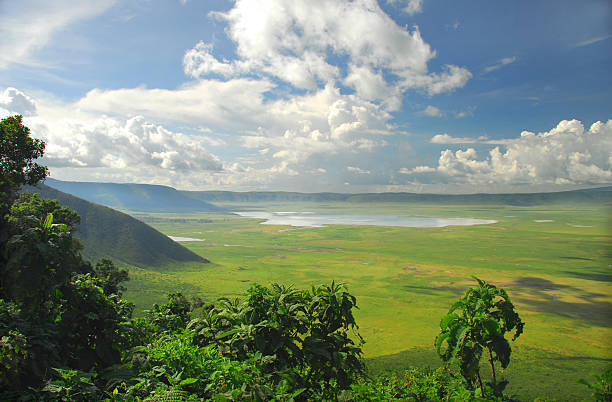
Ngorongoro Crater gives Tanzania a powerful first-safari moment: a steep descent at first light, then open grassland, soda lakes, fever trees, hyenas, lions, buffalo, flamingos in season and, with luck, black rhino at distance. Ngorongoro Crater’s floor covers about 260 km² within a caldera roughly 20 km across, making wildlife viewing feel concentrated compared with the Serengeti’s vastness.
Tanzania for a first safari
Pros
The Serengeti delivers extraordinary scale and a deep wilderness feeling.
Ngorongoro Crater offers unusually dense wildlife viewing in a compact area.
Tarangire is superb for elephants and baobab landscapes in the dry season.
The northern circuit combines several famous parks without needing multiple countries.
Zanzibar makes a natural island finale after a safari.
Cons
Northern Tanzania routes usually need more time to avoid feeling rushed.
Longer distances and remote logistics can raise the overall cost.
Popular areas of the crater and central Serengeti can be busy in high-demand months.
TZ
Featured
Tanzania
Serengeti National Park
Discover the magic of Serengeti National Park, one of Africa’s most celebrated wildlife destinations and home to the spectacular Great Wildebeest Migration. Stretching across the heart of northern Tanzania, the Serengeti offers exceptional game viewing, breathtaking savannah landscapes, and unforgettable encounters with the Big Five. From luxury safari lodges and hot air balloon adventures to year-round wildlife experiences, the park provides the perfect setting for nature lovers, photographers, and safari enthusiasts seeking an authentic and unforgettable African wilderness adventure.
Explore the breathtaking Ngorongoro Crater, one of Africa's most extraordinary safari destinations and the world's largest intact volcanic caldera. Located in northern Tanzania, this UNESCO World Heritage Site offers incredible wildlife encounters, spectacular landscapes, and one of the highest concentrations of animals in Africa. Visitors can witness the Big Five, endangered black rhinos, large lion prides, elephants, and thousands of other animals within a stunning natural amphitheater, creating an unforgettable safari experience unlike anywhere else on Earth.
The Serengeti is Tanzania’s great draw for travellers who want space. The horizon feels wider, the drives longer, and the sense of animal movement stronger. A pride of lions may hold a kopje for shade, cheetah may hunt on the short-grass plains, and wildebeest lines can stretch across the landscape during movement periods.
Tarangire National Park is sometimes underestimated by first-timers, yet it can be one of the most rewarding stops in the dry season. Elephants gather in impressive numbers, giraffes browse near riverine woodland, and the baobabs give the park a distinct visual character. It also breaks up the route from Arusha before the higher, cooler Ngorongoro area.
Lake Manyara can add forest, escarpment scenery, baboons, birdlife and a softer first day after arrival. It is not always essential on a short itinerary, especially if the choice is between a brief stop there and an extra night in the Serengeti. For many Tanzania first-timers, the extra Serengeti night wins.
Zanzibar is Tanzania’s natural post-safari beach extension. Stone Town works for history, spice markets and Swahili architecture, while the north and east coasts offer beach time after early safari mornings. A Tanzania safari with Zanzibar often suits honeymooners and travellers who want one country for both bush and coast, with flights linking the Serengeti or Arusha to the island.
Where to stay: lodges, camps and beach add-ons
A Mara tented camp beside a river line feels different from a large Amboseli lodge with Kilimanjaro views, and both can be right for a first safari. The best choice depends less on labels and more on location, guiding standards, drive times, room comfort, food, sleep quality and how the property handles early departures.
A traditional dhow glides across Zanzibar’s turquoise shallows, framing a serene beach escape in bright tropical light.A serene tented camp veranda opens onto golden savannah, capturing the quiet elegance of safari evenings.
Location matters most
A beautiful lodge far from the game-viewing area can mean longer daily drives. First-timers should prioritise position before extra facilities.
Guiding shapes the safari
An excellent guide reads tracks, animal behaviour and light, turning sightings into a richer wildlife story.
Comfort is personal
Some travellers love canvas tents and night sounds; others sleep better in a lodge with solid walls and more facilities.
Beach pairing changes the route
Diani works naturally after a Kenya safari, while Zanzibar often fits best after northern Tanzania.
Conservancies add depth
In Kenya, conservancies around the Mara can offer lower vehicle density and activities not always allowed in national reserves.
One-night stops are rarely ideal
A first safari usually feels better with at least two nights in key wildlife areas, especially the Mara or Serengeti.
TZ
Featured
Tanzania
Zanzibar
Escape to Zanzibar, Tanzania's breathtaking island paradise renowned for its pristine white-sand beaches, turquoise waters, rich cultural heritage, and unforgettable tropical experiences. Located in the Indian Ocean, Zanzibar offers the perfect blend of relaxation, adventure, and history. From exploring the UNESCO-listed Stone Town and spice plantations to snorkeling, diving, sailing, and luxury beachfront resorts, the island caters to every type of traveler. Whether you're planning a romantic honeymoon, family holiday, or beach escape after a safari, Zanzibar promises memories that last a lifetime.
Classic lodges suit travellers who want solid facilities, swimming pools, family rooms, easier dining and a familiar hotel structure. They work well in Amboseli, Lake Nakuru, Lake Naivasha, Tarangire and Ngorongoro highlands, where travellers may want comfort between game drives and road transfers.
Tented camps suit guests who want to hear hyenas at night, wake to birdsong and feel closer to the bush without giving up proper beds, hot showers and good meals. In the Masai Mara and Serengeti, seasonal or semi-permanent camps can place travellers closer to migration routes and predator territories, though exact value depends on month and location.
Private conservancy camps in Kenya are often ideal for a premium first safari. Lower vehicle density, flexible activities and strong guide-to-guest ratios can make sightings feel calmer. In Tanzania, private concessions and carefully chosen mobile camps can create a similar sense of exclusivity, especially in remote Serengeti locations.
Beach resorts should be chosen with the same care as safari camps. Diani works well after Kenya for travellers who want white sand, restaurants and water sports. Watamu suits a quieter coastal stay with marine park access. Zanzibar has more variety than many first-timers expect: polished northern beaches, quieter east-coast resorts, and Stone Town for a short cultural stop before flying home.
Prioritise location: fewer transfer hours and better access to wildlife matter more than a long facilities list.
Ask about guiding: an excellent guide changes how much a first-timer understands, not just how much they see.
Check drive structure: some lodges offer shared drives, others private vehicles; this affects flexibility.
Protect sleep: early starts are easier with quiet rooms, good beds and sensible meal timing.
Match comfort to pace: longer circuits benefit from a little extra comfort between dusty days.
Should you choose Kenya or Tanzania?
A five- to seven-night itinerary from Nairobi often makes Kenya the better choice for nervous first-timers, families and mixed-age groups. The wildlife is strong, the routing can be efficient, and the range of accommodation makes it easier to match different comfort levels within one trip.
Check
Choose Kenya if time is short
Kenya is often the better fit for 5–7 days, especially when travellers want strong wildlife, varied landscapes and simpler routing from Nairobi.
Star
Choose Tanzania if the Serengeti is the dream
Tanzania is ideal for travellers who want the Serengeti and Ngorongoro Crater to sit at the heart of the trip.
Heart
Choose Kenya for mixed-age groups
Families and multi-generational groups often appreciate Kenya’s route flexibility, conservancy options and wide accommodation choice.
Globe
Choose Tanzania for a longer classic circuit
With 7–10 days or more, Tanzania’s northern circuit becomes one of Africa’s great first-safari journeys.
Compass
Choose both only with enough time
Combining Kenya and Tanzania can be superb, but it works best when the itinerary has room for border logistics and meaningful stays in each park.
Choose Kenya if the group wants a first safari that balances wildlife, scenery, culture and coast without too many long drives. It is also the stronger choice for travellers who want private conservancy experiences in the Mara, a high chance of seeing elephants in Amboseli, rhino in Lake Nakuru, and a beach finish at Diani or Watamu.
Choose Tanzania if the Serengeti is the main reason for travelling. The Masai Mara vs Serengeti decision often comes down to scale: the Mara can feel more immediate and compact, while the Serengeti feels larger and more immersive. Add Ngorongoro Crater and Tarangire, and Tanzania becomes a superb choice for travellers who are happy with longer days and a deeper northern circuit.
Combining both countries can be excellent, especially for travellers with 10–14 days who want the Masai Mara and Serengeti in one East Africa safari planning brief. It can also add cost and border logistics. With one week, combining Kenya and Tanzania usually creates more movement than benefit unless the route is fly-in and tightly designed.
For most first-timers, the decision should be made in this order: travel dates, available nights, wildlife priorities, budget range, comfort level, then beach plans. A kenya or tanzania safari chosen this way feels calmer on the ground and usually delivers better wildlife time than a trip built from famous names alone.
How Imara Africa Safaris designs the right first trip
Nairobi-based planning matters because real driving times, seasonal wildlife movement and lodge locations do not always match map distances. Imara Africa Safaris designs each first safari around the traveller’s dates, arrival airport, wildlife priorities, preferred pace, lodge style and budget range before recommending Kenya, Tanzania or a combined route.
Still weighing Kenya against Tanzania?
Imara Africa Safaris can design a first safari around real travel time, season, wildlife priorities and the right level of comfort.
The team checks likely weather, migration movement, international flight access and whether Nairobi, Arusha or Zanzibar makes the most sensible gateway.
2
Define the wildlife priority
Some travellers want big cats and the Mara; others want the Serengeti, elephants in Tarangire, rhino options or a relaxed first safari with less driving.
3
Set the right pace
A first safari should protect unhurried game drives and rest time, rather than collecting too many parks on paper.
4
Match lodge style to the traveller
Imara weighs location, guiding standards, comfort, food, family suitability and whether a camp or lodge best suits the guest.
5
Add the right finish
Depending on route and flight access, the safari can end with Diani, Mombasa, Zanzibar or simply an extra night in a favourite wildlife area.
The process starts with practical questions: how many nights are available, who is travelling, how comfortable the group is with light aircraft, what level of accommodation feels right, and which animals or landscapes matter most. A family with children may need shorter transfer days and a pool between drives. A photographer may want private vehicles, low vehicle density and longer time in one wildlife area. Honeymooners may prefer fewer stops, better rooms and a smooth beach finish.
Season shapes the route. June to October may point towards dry-season elephant viewing, Mara predator country or northern Serengeti movement. January to March may favour Tanzania’s southern Serengeti and Ngorongoro. Green-season travellers may get better value if they are matched to the right camps and roads. The aim is not to sell the same answer to every guest; it is to make the safari fit the month and the traveller.
Comfort also shapes the design. Some first-timers love the adventure of a private 4x4 road safari; others are happier flying into the Mara or Serengeti and saving energy for game drives. Imara’s team weighs the cost of flights against the value of time saved, especially for short holidays, older guests and families.
For a tailored Kenya, Tanzania or combined East Africa safari, share the travel month, number of nights, group size, budget range and dream wildlife moments with Imara Africa Safaris. The right first safari should feel well-paced from the first airport welcome to the final morning coffee before the drive.
Kenya is often cheaper for a first safari because it offers more mid-range lodge choice, shorter routing and flexible park combinations from Nairobi. Tanzania can cost more on the northern circuit due to longer distances, park fees, Ngorongoro access and remote Serengeti logistics.
The Masai Mara is often easier for first-timers because wildlife viewing is concentrated and transfers from Nairobi are straightforward. The Serengeti is better for travellers who want greater scale, longer wilderness days and the full northern Tanzania circuit with Ngorongoro Crater.
Yes, both countries can offer the Big Five, but rhino requires careful routing. In Kenya, Lake Nakuru and some conservancies help; in Tanzania, Ngorongoro Crater gives one of the better chances of seeing black rhino.
Five days can work if the route is focused, but seven days is a better first-safari length for Kenya or Tanzania. Ten days allows a richer pace, extra time in the Mara or Serengeti, and a beach extension.
Kenya is easier for Diani, Watamu, Mombasa and South Coast beach extensions after a shorter safari. Tanzania is excellent if the plan is Serengeti, Ngorongoro and Zanzibar in one smooth bush-and-beach route.
June to October is the best all-round period for a first safari because dry conditions make wildlife easier to find. January and February are also strong, especially for green landscapes, predator activity and Tanzania’s southern Serengeti calving season.
Season
Kenya
Tanzania
First-timer note
January–March
Green-season light, good resident wildlife and fewer vehicles outside peak holiday dates
Southern Serengeti ecosystem is known for wildebeest calving and predator activity
Excellent for photography and value, with some afternoon showers possible
March–May
Long rains can affect roads, but landscapes are lush and quieter
Long rains; some remote camps may close or adjust operations
Best for flexible travellers who value low crowds over perfect weather
June–October
Dry-season visibility, strong Masai Mara game viewing and peak migration interest
Dry-season northern circuit, with herds moving through the central, western and northern Serengeti over the period
Most reliable first-safari weather, but popular areas should be booked early
November–December
Short rains refresh the plains, with good light and fewer crowds than peak dry months
Short rains, returning green landscapes and good resident game
A fine shoulder-season choice if travellers accept brief showers
Season guide for first-time Kenya and Tanzania safaris
49views
Share
About the author
Lewis Munuhe
Founder & Director
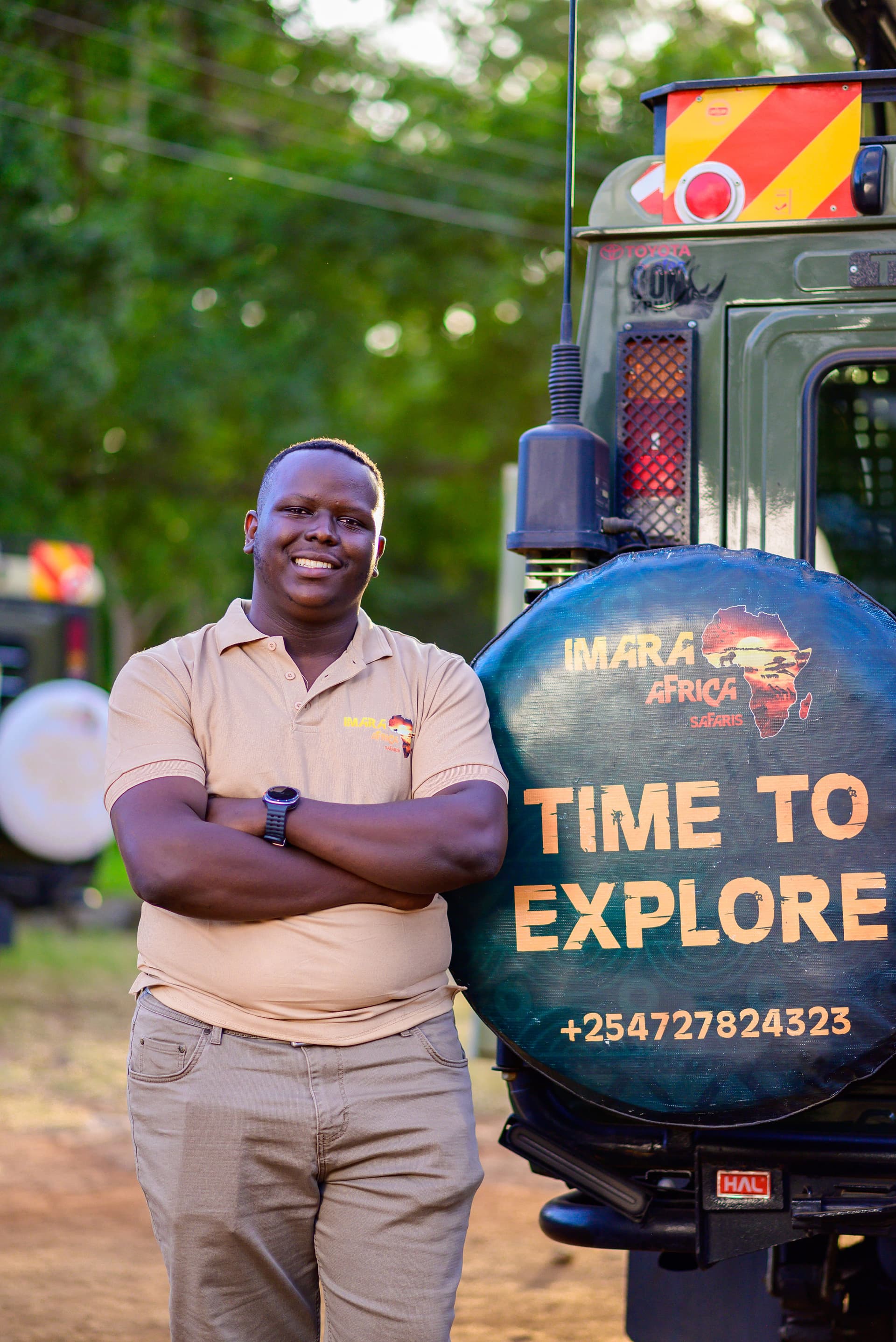
<p>Lewis Munuhe is the Director and Owner of Imara Africa Safaris, a trusted safari company dedicated to creating tailor-made African safari experiences across Kenya, Tanzania, Uganda, and Rwanda. With a strong passion for African travel, wildlife, culture, and conservation, Lewis leads the company’s vision of delivering personalized, seamless, and unforgettable safari journeys for travelers from around the world.</p><p>Through Imara Africa Safaris, Lewis helps guests discover East Africa’s most iconic destinations, from the Masai Mara and Serengeti to Uganda and Rwanda’s gorilla trekking regions. His approach focuses on understanding each traveler’s interests, comfort level, budget, and expectations, then transforming those details into carefully curated safari itineraries that feel personal, meaningful, and well-planned.</p><p>As Director and Owner, Lewis is committed to maintaining high standards in safari planning, guest care, destination expertise, and responsible tourism. Whether arranging a luxury wildlife safari, honeymoon escape, family adventure, cultural journey, gorilla trekking safari, or multi-country East African itinerary, he ensures every experience reflects the quality, authenticity, and attention to detail that define Imara Africa Safaris.</p><p>Under his leadership, Imara Africa Safaris continues to help travelers experience the beauty of Africa through expertly planned safaris that celebrate wildlife, landscapes, local cultures, conservation, and unforgettable adventure.</p>
<p>Lewis Munuhe is the Director and Owner of Imara Africa Safaris, a trusted safari company dedicated to creating tailor-made African safari experiences across Kenya, Tanzania, Uganda, and Rwanda. With a strong passion for African travel, wildlife, culture, and conservation, Lewis leads the company’s vision of delivering personalized, seamless, and unforgettable safari journeys for travelers from around the world.</p><p>Through Imara Africa Safaris, Lewis helps guests discover East Africa’s most iconic destinations, from the Masai Mara and Serengeti to Uganda and Rwanda’s gorilla trekking regions. His approach focuses on understanding each traveler’s interests, comfort level, budget, and expectations, then transforming those details into carefully curated safari itineraries that feel personal, meaningful, and well-planned.</p><p>As Director and Owner, Lewis is committed to maintaining high standards in safari planning, guest care, destination expertise, and responsible tourism. Whether arranging a luxury wildlife safari, honeymoon escape, family adventure, cultural journey, gorilla trekking safari, or multi-country East African itinerary, he ensures every experience reflects the quality, authenticity, and attention to detail that define Imara Africa Safaris.</p><p>Under his leadership, Imara Africa Safaris continues to help travelers experience the beauty of Africa through expertly planned safaris that celebrate wildlife, landscapes, local cultures, conservation, and unforgettable adventure.</p>
<p>Lewis Munuhe is the Director and Owner of Imara Africa Safaris, a trusted safari company dedicated to creating tailor-made African safari experiences across Kenya, Tanzania, Uganda, and Rwanda. With a strong passion for African travel, wildlife, culture, and conservation, Lewis leads the company’s vision of delivering personalized, seamless, and unforgettable safari journeys for travelers from around the world.</p><p>Through Imara Africa Safaris, Lewis helps guests discover East Africa’s most iconic destinations, from the Masai Mara and Serengeti to Uganda and Rwanda’s gorilla trekking regions. His approach focuses on understanding each traveler’s interests, comfort level, budget, and expectations, then transforming those details into carefully curated safari itineraries that feel personal, meaningful, and well-planned.</p><p>As Director and Owner, Lewis is committed to maintaining high standards in safari planning, guest care, destination expertise, and responsible tourism. Whether arranging a luxury wildlife safari, honeymoon escape, family adventure, cultural journey, gorilla trekking safari, or multi-country East African itinerary, he ensures every experience reflects the quality, authenticity, and attention to detail that define Imara Africa Safaris.</p><p>Under his leadership, Imara Africa Safaris continues to help travelers experience the beauty of Africa through expertly planned safaris that celebrate wildlife, landscapes, local cultures, conservation, and unforgettable adventure.</p>







Comments
Loading…