
Kibale National Park is a 795 km² tropical rainforest in western Uganda, near Fort Portal, widely regarded as the primate capital of East Africa. With more than 1,500 chimpanzees and 13 primate species in total, it offers the region's highest primate density and Africa's most reliable chimpanzee trekking.
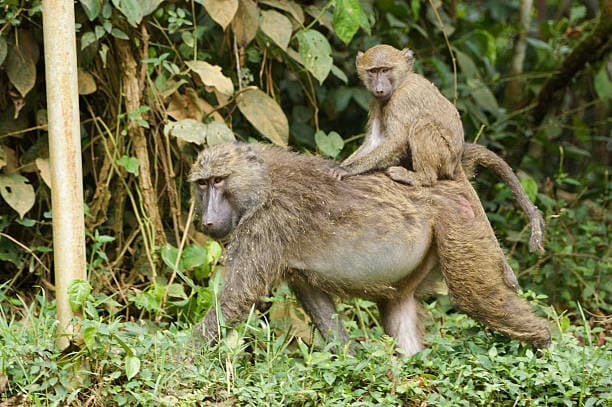
The park protects a mosaic of tropical rainforest, grasslands, swamps and woodland, threaded by well-maintained forest trails. This habitat diversity underpins Kibale's extraordinary primate community: alongside chimpanzees live black-and-white colobus monkeys, red colobus monkeys, red-tailed monkeys, blue monkeys, grey-cheeked mangabeys, L'Hoest's monkeys, vervet monkeys and olive baboons — a concentration that has made the park one of the world's most important primate conservation areas.
Chimpanzee trekking is the signature activity. Visitors join experienced guides to track habituated chimpanzee communities through the forest, learning about their behaviour, social structure and feeding habits before spending a memorable hour in their company. The Chimpanzee Habituation Experience goes further, allowing guests to shadow researchers and trackers for extended periods as a community is gradually accustomed to human presence.
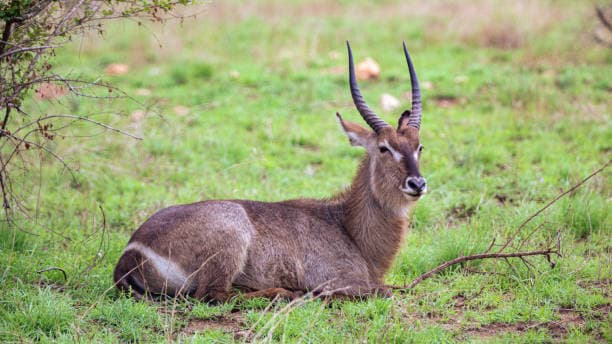
Kibale is also a celebrated birding destination, with more than 375 recorded species including the sought-after green-breasted pitta, great blue turaco, crowned eagle and a long list of forest specialists. The adjacent Bigodi Wetland Sanctuary — a community-run conservation project — complements the park with guided swamp walks featuring monkeys, butterflies and superb birdlife, while waterbuck and other larger mammals occur around the park's grassy fringes.
The scenery matches the wildlife: towering hardwoods, dense understorey, rivers and gently rolling hills create a beautiful backdrop for walking, photography and quiet immersion in one of Uganda's most biodiverse ecosystems.
Chimpanzee permits are issued for morning and afternoon sessions, and treks usually last two to four hours depending on where the communities are feeding. Sightings are famously reliable — success rates here are among the highest anywhere in Africa — as experienced trackers read calls, nests and feeding signs to bring visitors within respectful viewing distance. Elephants, buffaloes and bushpigs also move through the forest, though they are shy and more often heard than seen.
Kibale's climate is classic equatorial rainforest: warm, humid and green throughout the year, with rain possible in any month, so light waterproofs and good walking shoes are all most visitors need. Accommodation ranges from comfortable lodges near the main trailhead to guesthouses around Fort Portal, a scenic town of crater lakes and tea estates that makes an appealing base — short guided walks to the crater lake rims are easily added between treks.
What Is Kibale National Park Known For?
- Chimpanzee trekking with over 1,500 wild chimpanzees
- 13 primate species — the highest density in East Africa
- More than 375 bird species, including the green-breasted pitta
- The Chimpanzee Habituation Experience with researchers
- Community-run swamp walks at Bigodi Wetland Sanctuary
- Guided nature walks and photography in pristine rainforest
When Is the Best Time to Visit Kibale?
Kibale can be visited year-round, but the dry seasons — June to September and December to February — are best for chimpanzee trekking, when forest trails are easier to walk and viewing conditions are excellent. The wetter months bring lush scenery and fine birding with fewer visitors.
How Do You Get to Kibale National Park?
The park lies approximately 320 km from Kampala, a drive of about 5 to 6 hours by road via Fort Portal. It is also easily reached from Queen Elizabeth National Park, which makes Kibale a natural addition to a wider western Uganda safari circuit.
How Many Days Do You Need?
Two nights is the practical minimum, giving one full day for chimpanzee trekking plus time for a Bigodi swamp walk. Add a third night for the habituation experience or dedicated forest birding.
Combined with Queen Elizabeth National Park, Bwindi Impenetrable Forest or Murchison Falls, Kibale National Park anchors one of East Africa's most rewarding primate and wildlife itineraries. For many travellers it is the perfect counterpoint to gorilla trekking: the chimpanzees are noisier, faster and more theatrical than their mountain cousins, and watching a community feed, squabble and drum on buttress roots ranks among Africa's great wildlife spectacles.