
Safari in kenya: Best Month for Wildlife
Our safari in kenya guide chooses the best month for wildlife, migration, Big Five, Amboseli views, family travel and smarter seasonal value.
24 min read70viewsUpdated Sep 23, 2026
“Imara” means strong in Swahili. We build every safari with that same strength — expert knowledge, honest pricing, and relentless attention to detail.
Tell us what you're looking for — we reply within minutes and send a free, no-obligation custom itinerary within 24 hours.
Start PlanningNo spam, ever. Unsubscribe anytime.
Protected by Cloudflare Turnstile & Google reCAPTCHA. Privacy & Terms apply.
Safari deals, travel tips & destination guides — straight to your inbox.
No spam, ever. Unsubscribe anytime.
Protected by Cloudflare Turnstile & Google reCAPTCHA. Privacy & Terms apply.
Our safari in kenya guide chooses the best month for wildlife, migration, Big Five, Amboseli views, family travel and smarter seasonal value.
If you want one simple recommendation for a first Kenya safari, choose August. The grass is shorter, permanent water is more important, big cats are easier to read, and the Masai Mara is usually in its strongest Great Migration window. It is also one of the most in-demand months, so the best camps and guides book early.
September is our favourite quieter premium alternative. Wildlife viewing is still excellent in the Masai Mara, Amboseli, Samburu and Laikipia, but the mood is often calmer once the busiest school-holiday weeks have passed. For value, late June is hard to beat: the country is drying after the long rains, resident wildlife is strong, and some peak-season costs have not yet fully taken hold.
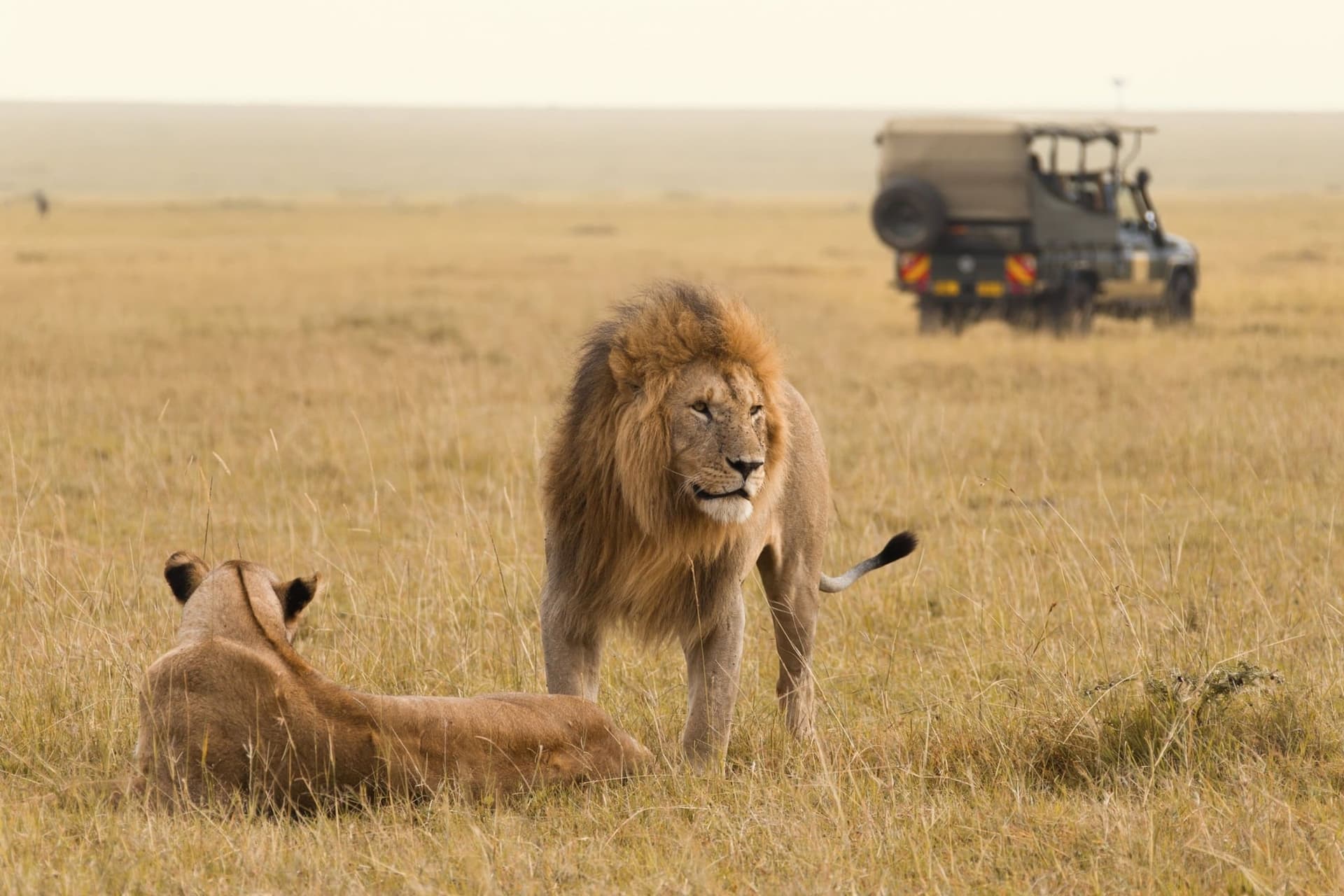
The Great Migration is seasonal, but Kenya’s resident wildlife is present all year. Lions do not leave the Mara when the wildebeest do. Elephants still move between Amboseli’s swamps and dusty plains. Rhinos remain a year-round highlight at Ol Pejeta Conservancy and Lake Nakuru National Park. A good Kenya safari plan separates migration probability from overall wildlife quality.
No month can guarantee a Mara River crossing. Crossings depend on rainfall, grass, river levels, herd pressure and animal decisions. Good planning improves your odds by choosing the right season, the right part of the Mara ecosystem and enough nights on the ground.
As of 25 June, our Nairobi team is planning safaris with the country moving from the long-rains period into the long dry safari season. Kenya Meteorological Department guidance for June–August points to mostly dry conditions in many important safari areas, with local variation by altitude, county and lake-basin weather.
At a glance
In practical terms, our guides expect drying tracks across the Masai Mara, Amboseli and Samburu, cooler dawn starts, and dust building steadily through July. Wildlife begins to pay closer attention to reliable water: the Mara and Talek river systems, Amboseli’s permanent swamps, the Ewaso Nyiro River in Samburu, and waterholes in the Tsavo landscape.
For first-time travellers, this is a useful moment to travel if you prefer value over peak spectacle. The plains can still hold a green wash after the rains, skies are often clean in the morning, and lodges may feel more relaxed than they do in August. Pack a fleece for early drives, sunglasses for dust, and neutral layers that work from cold dawn to warm midday.
“Our late-June guide rule is simple: watch where water is lasting, not where the map looks famous. By dry season, animals vote with their feet.”
A safari in Kenya changes character month by month. The table below separates resident game viewing from Great Migration probability, so you do not over-focus on one event and miss the wider safari rhythm.
There is no single national answer that works for every traveller, because Kenya’s best wildlife areas are very different. A Masai Mara grassland safari does not behave like Amboseli’s swamp-and-dust system, Samburu’s dry river country, or Ol Pejeta’s conservancy model. For first-time safari planning, we usually pair the Mara with a contrasting habitat rather than building the whole trip around one park.
August and September are strongest for migration probability and predator action, while February and June suit quieter resident-game safaris.
June to October bring reliable elephant concentrations around the swamps; February can deliver beautiful green colour and clear Kilimanjaro mornings.
June to October and January to February are excellent for dry-country wildlife along the Ewaso Nyiro River, including reticulated giraffe and Grevy’s zebra.
A strong year-round conservation stop, especially useful for rhino viewing and Big Five routing when paired with the Mara.
Good in January to March and June to September for rhino, woodland birding and Rift Valley scenery; flamingo numbers vary with water levels.
July to October suit big landscapes, red-dust elephants and quieter game drives, though October can become hot before the short rains.
Kenya Wildlife Service, often abbreviated as KWS, manages several key national parks, while county and conservancy authorities shape access in other areas. This matters because fees, road access and seasonal operating styles all influence the best month as much as weather does.
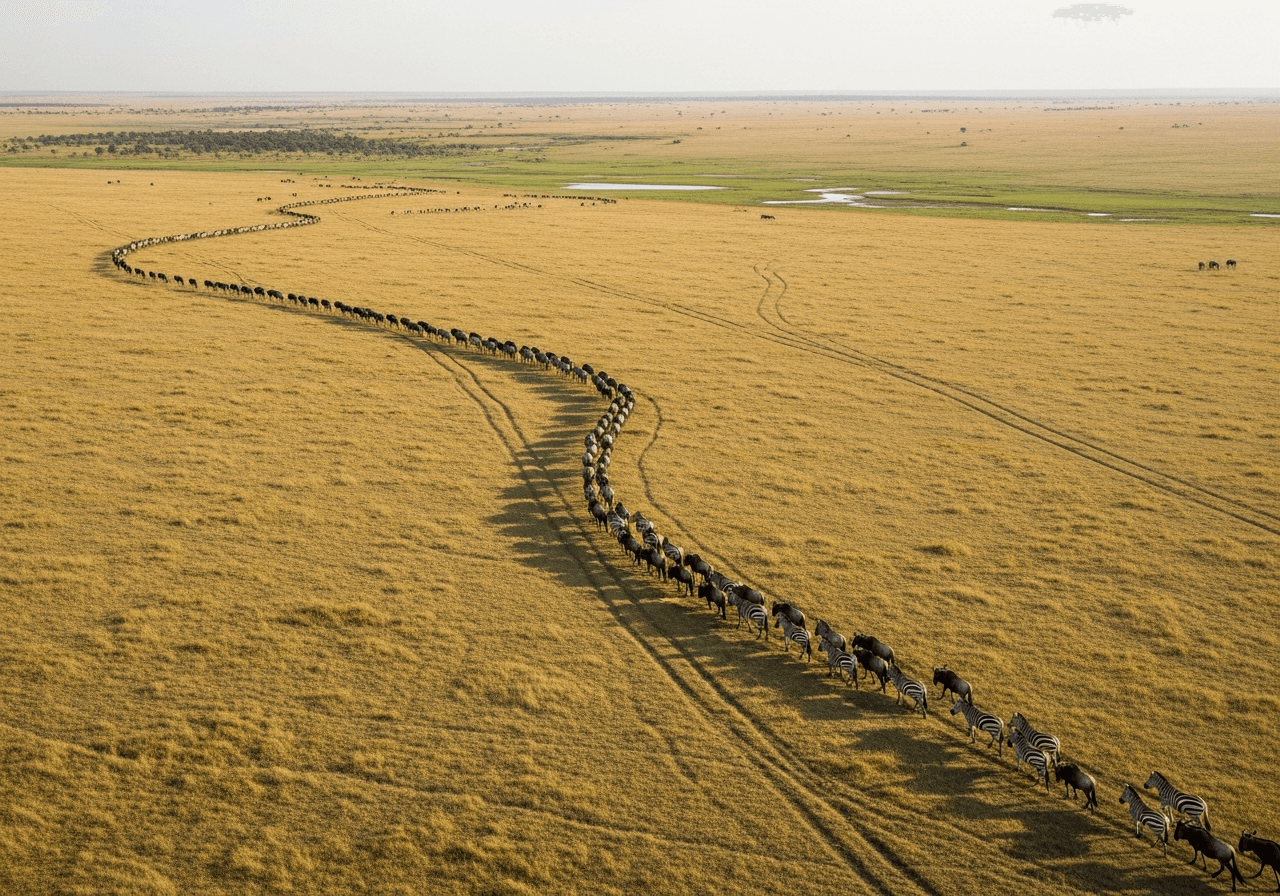
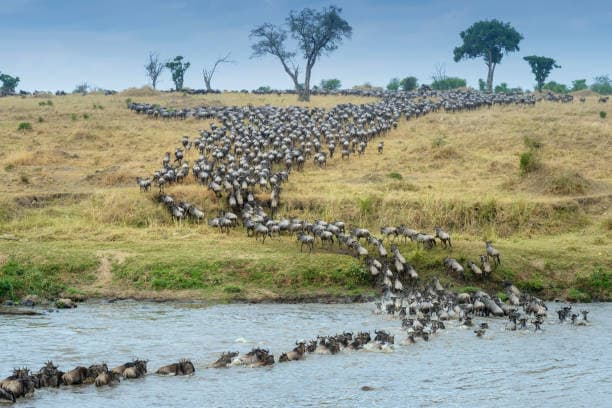
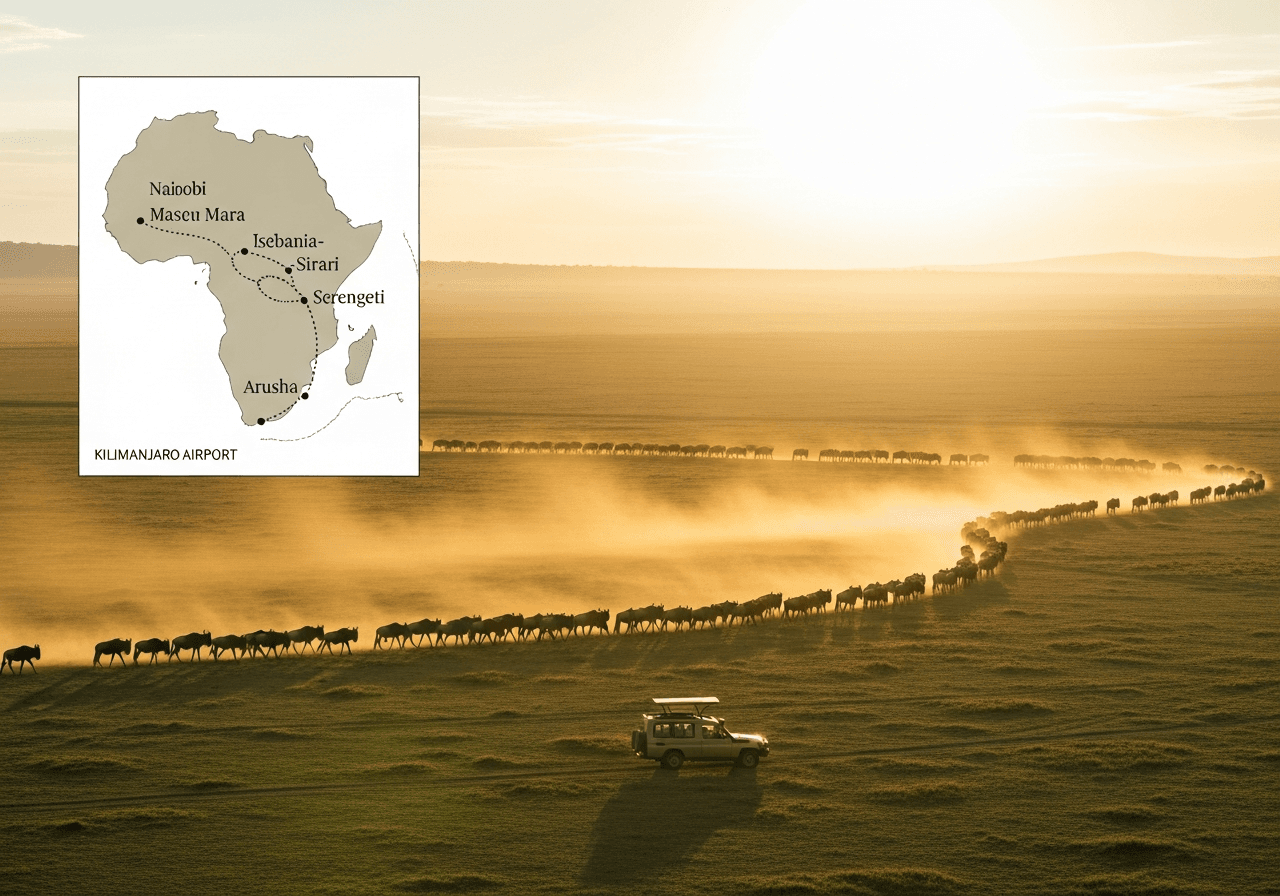
The broad Masai Mara migration window runs from July to October, with August and September usually the strongest months. The Serengeti–Mara migration is commonly estimated at over 1.5 million wildebeest plus about 200,000 zebra moving through the ecosystem, following rain-fed grazing rather than a fixed human calendar.
Where to find the herds, month by month
The Great Migration is a continuous, year-round clockwise loop of over 1.5 million wildebeest and hundreds of thousands of zebra, driven by rainfall and fresh grazing across the Serengeti–Mara ecosystem. Use the live calendar below to see where the herds are right now — and plan your trip around calving or the famous river crossings.
Calving season begins on the southern Serengeti's short-grass plains around Ndutu. Roughly 8,000 wildebeest are born each day, drawing lion, cheetah and hyena.
Southern Serengeti
Ndutu & southern plains
The short-grass plains around Ndutu host the calving season — the densest concentration of newborns and predators in the entire cycle. Around 8,000 calves are born each day at the peak, drawing lion, cheetah and hyena onto the open plains.
Grumeti River
The herds push through the western corridor, where the Grumeti River and its giant crocodiles provide the season's first dramatic crossings, alongside the wildebeest rut. Exclusive reserves mean far fewer vehicles.
Kogatende & Mara River (TZ)
The Mara River runs through the northern Serengeti, making it the prime crossing zone from July to October — often with fewer vehicles than the Kenyan side, plus big resident lion prides.
Masai Mara, Kenya
The northern stage of the loop. From August to October the herds spill across the Mara River into Kenya for heart-stopping crossings, with superb resident big cats and balloon safaris all year.

 KE
KEThe Masai Mara National Reserve in southwestern Kenya is a premier 1,510-square-kilometre wildlife sanctuary. Renowned for the annual Great Wildebeest Migration from July to October, it offers exceptional year-round Big Five viewing across open savannahs. The reserve is contiguous with Tanzania's Serengeti, forming a critical, biodiverse transboundary ecosystem.
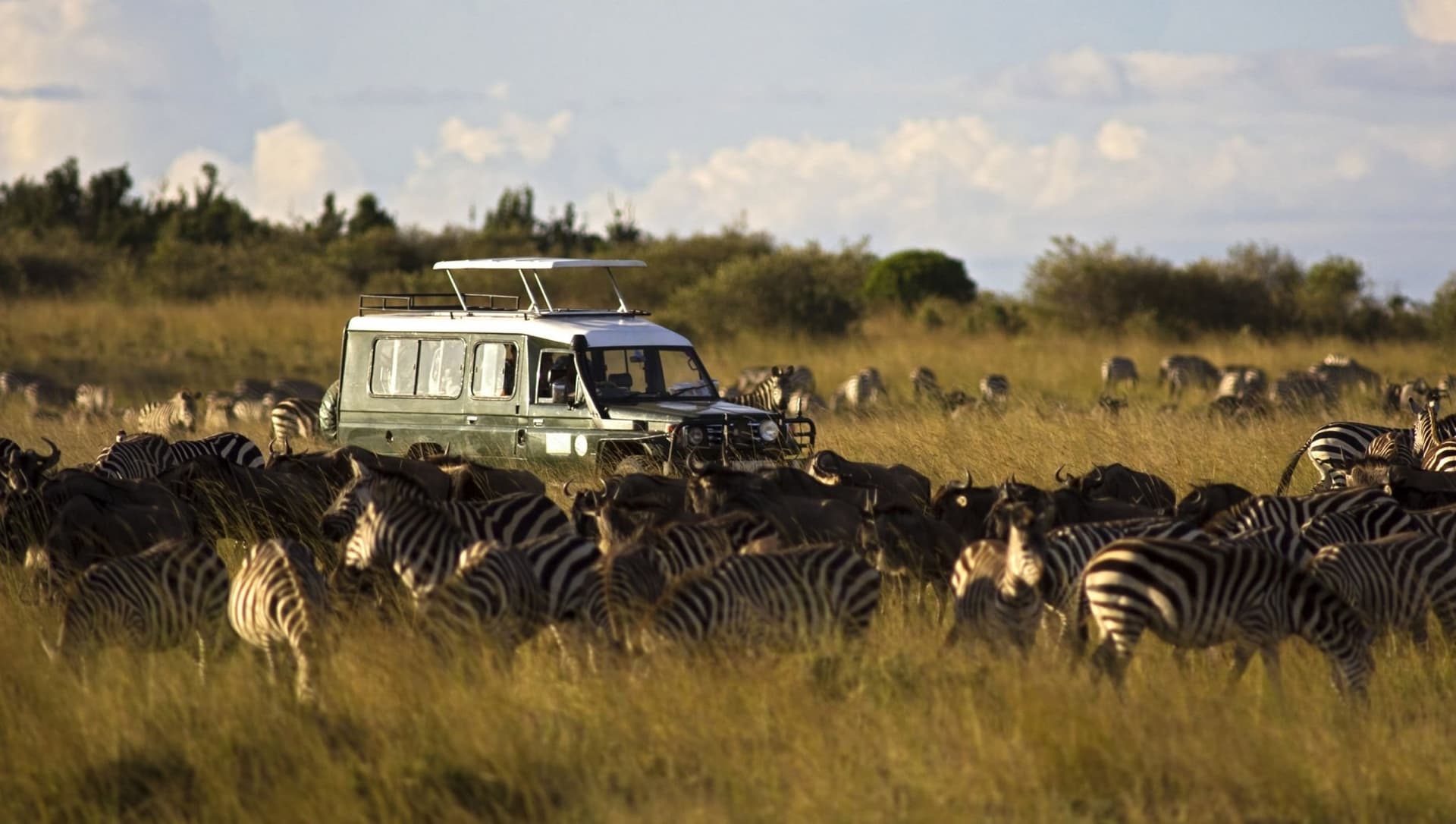
Masai Mara National Reserve covers about 1,510 km² in Narok County, with the Mara Triangle forming its western sector. During migration season, the Mara River becomes the famous stage, but the best safari days are not only about crossings. Lions watch the herd edges, cheetahs work open short grass, hyenas test weak animals, and leopards hold riverine territories where the plains fold into thicket.
For a dedicated Masai Mara migration safari, we normally suggest at least three nights in or near the Reserve, Mara Triangle or a well-positioned conservancy. Typical scheduled flights from Nairobi Wilson to Masai Mara airstrips take about 45–60 minutes; road transfers usually take around 5–6 hours depending on gate and weather.
A Mara River crossing cannot be ordered for 10 a.m. after breakfast. Rainfall, grass quality, river levels, herd nervousness, crocodile pressure and vehicle density all influence what happens. Patient guiding is far better than frantic chasing.
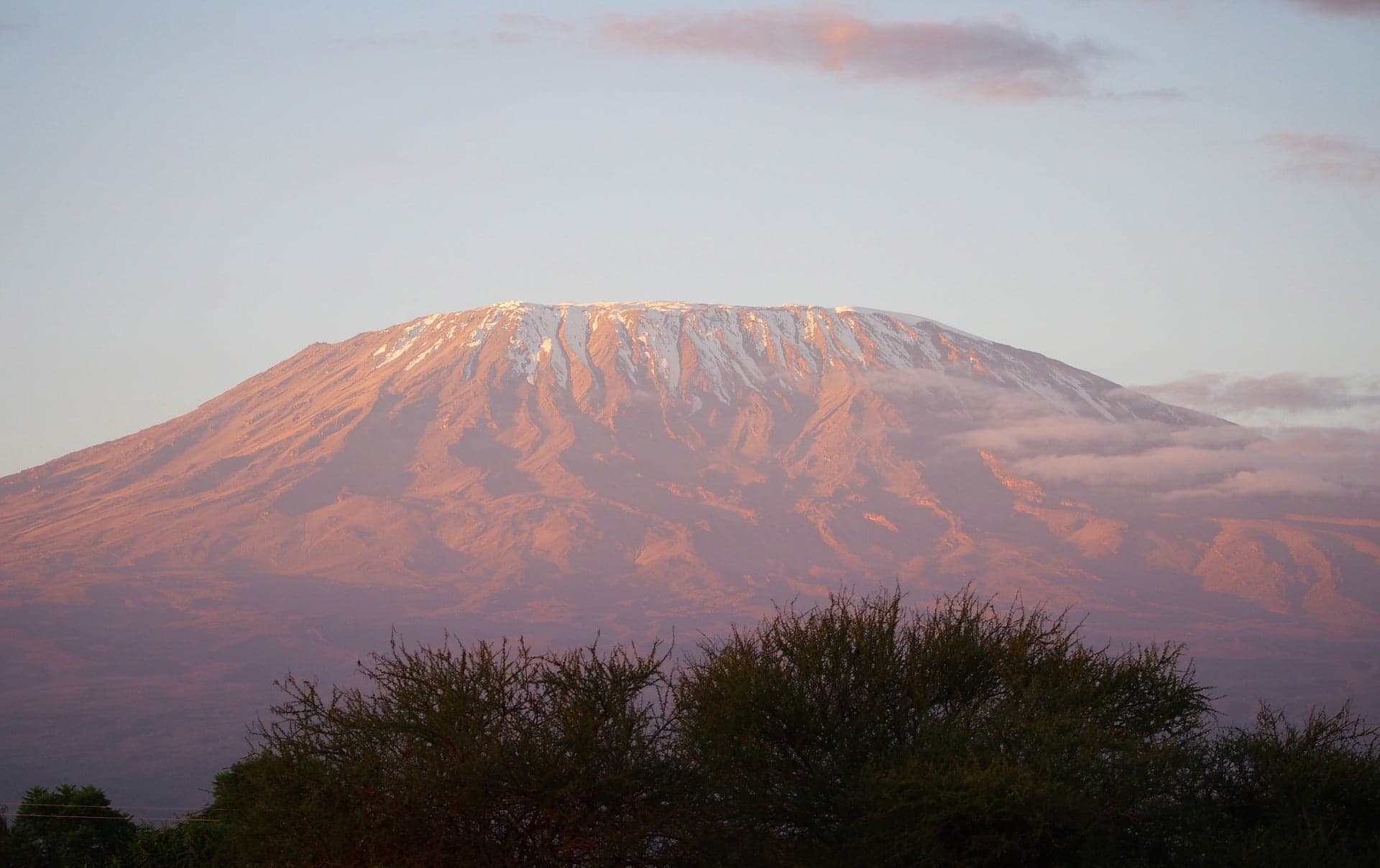
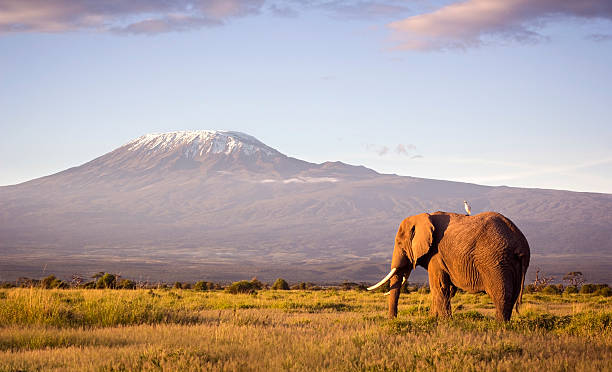
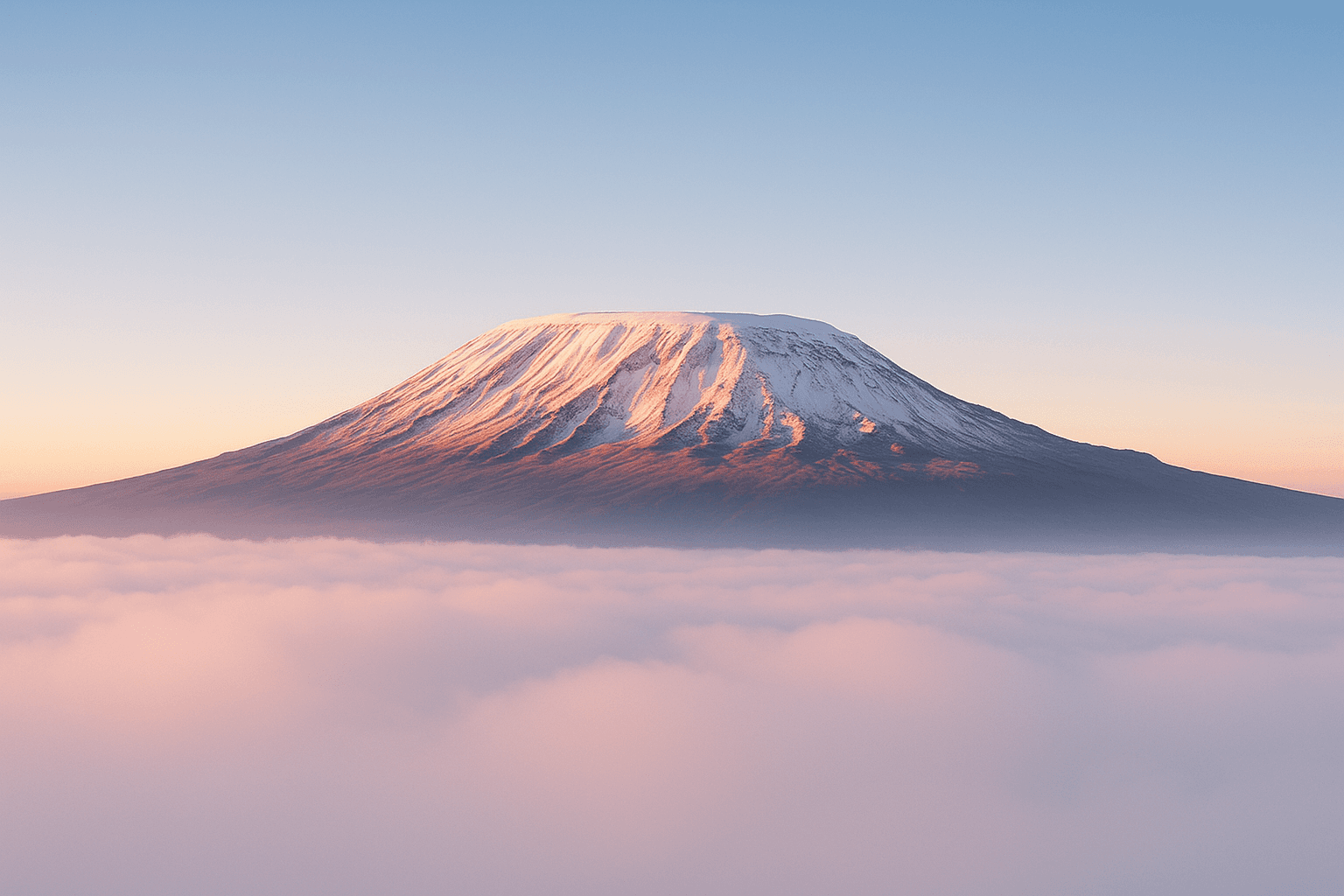
Amboseli National Park covers about 392 km² and is one of Kenya’s most reliable dry-season elephant strongholds. From June to October, elephants often move between dusty plains and permanent swamps, creating classic sightings with Mount Kilimanjaro rising to the south when skies are clear. Green-season mornings in January and February can also be beautiful for photography, especially before cloud builds.
 KE
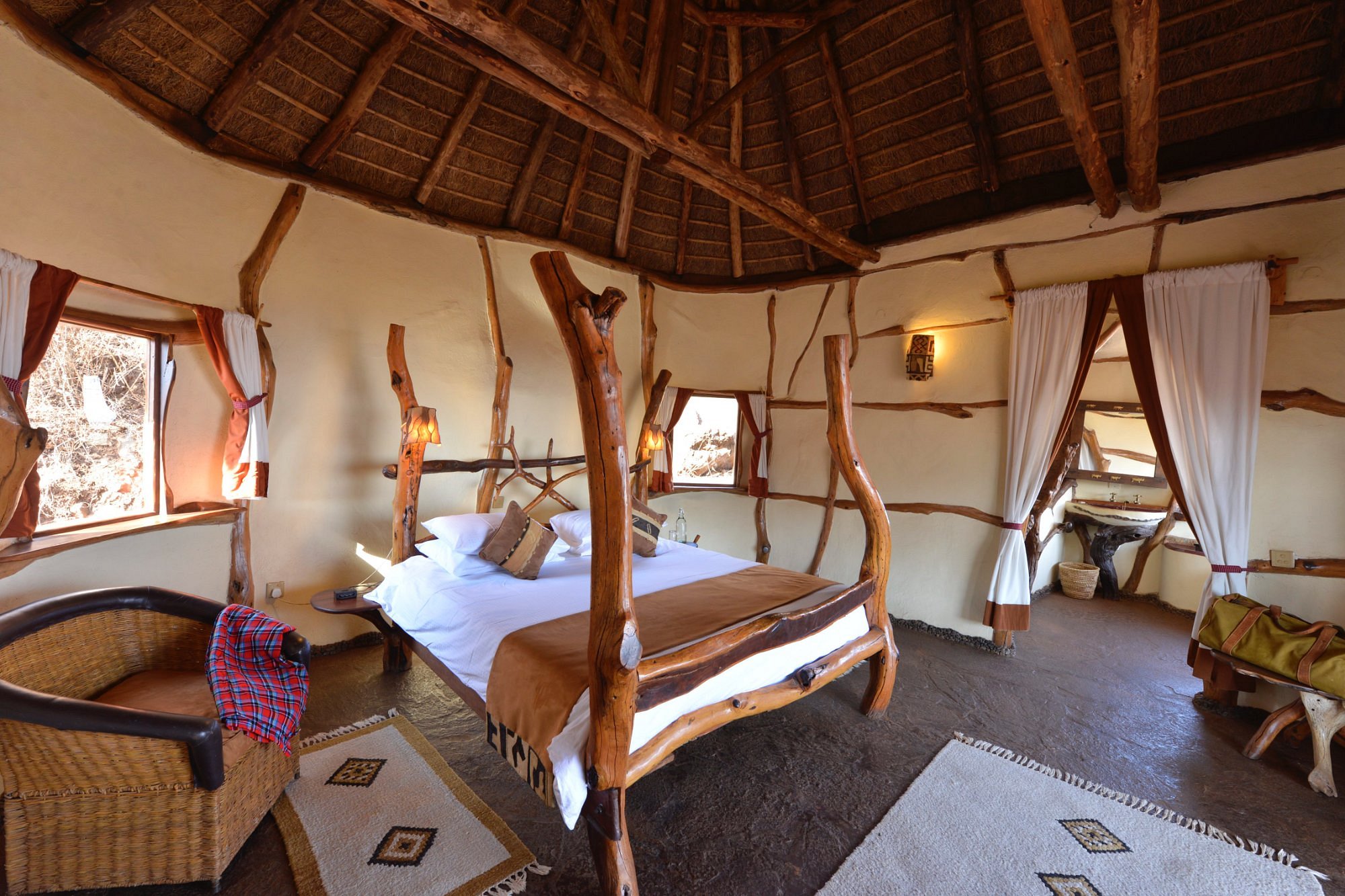
KEEco-Luxury Living on a Private Conservancy Under the Shadow of Kilimanjaro
Amboseli National Park
Eco-Friendly
 KE
KEAmboseli National Park is one of Kenya's most celebrated wildlife destinations, renowned for its impressive elephant populations and unrivaled views of Mount Kilimanjaro. Covering approximately 392 square kilometers in southern Kenya, the park offers exceptional game viewing, diverse ecosystems, and rich cultural experiences. Visitors can spot elephants, lions, cheetahs, buffaloes, giraffes, zebras, wildebeests, and over 400 bird species throughout the year. The park's swamps, grasslands, acacia woodlands, and seasonal lakes create ideal wildlife habitats and stunning photographic opportunities. Amboseli National Park delivers unforgettable safari adventures, breathtaking scenery, and authentic African wildlife experiences.
If elephants and Kilimanjaro are central to your dream, an Amboseli elephant safari pairs very well with the Masai Mara. The contrast is immediate: Mara grassland drama followed by Amboseli’s open pans, swamp edges and family elephant herds led by experienced matriarchs.
Samburu National Reserve is best in dry months because wildlife leans heavily on the Ewaso Nyiro River. Look for Grevy’s zebra, reticulated giraffe, Beisa oryx, gerenuk and Somali ostrich, alongside elephant, lion and leopard. It feels wilder and more arid than southern Kenya, which makes it a strong second or third stop for travellers who want variety.
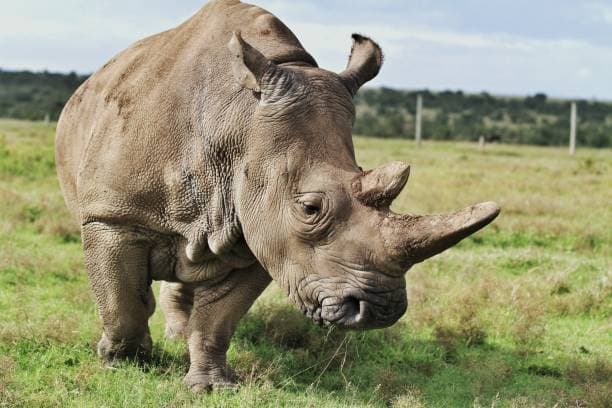
Ol Pejeta Conservancy covers about 360 km² and protects the world’s last 2 northern white rhinos. It is excellent for rhino-focused travellers, easier Big Five routing and year-round value, especially when combined with Lake Nakuru National Park or the Mara.
August, September and February are all excellent, but they suit different travellers. August gives the most obvious wildlife drama; September gives a polished version of the same dry-season quality with less pressure; February is greener, quieter and often more relaxed for resident wildlife.
Choose by the experience you value most, not by month alone.
Our honest advice: choose August if the Great Migration is your main reason for travelling and you accept busier sightings. Choose September if you want a refined Kenya safari with top wildlife and a little more breathing room. Choose February if you prefer colour, quiet camps and resident predators over migration theatre.
Kenya safari costs change because several moving parts shift together: park fees, lodge seasons, charter and scheduled air-seat availability, private vehicle demand and school-holiday pressure. Late June, July, August and September can all deliver superb wildlife, yet their total costs can differ sharply.
 KE
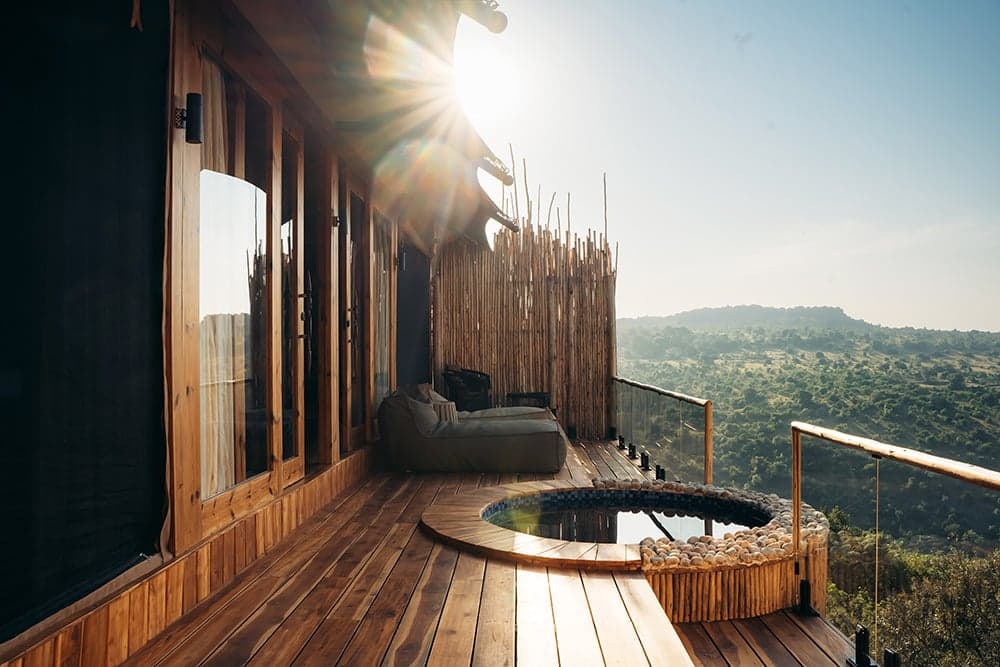
KELuxury Safari Lodge in the Heart of Masai Mara
Masai Mara, Kenya
Best Location
Current Narok County tariff lists non-resident adult Masai Mara entry at US$100 from January–June and US$200 from July–December. That single change affects every Mara night for non-resident adults, before you add lodge peak rates, conservancy fees, flights and private guiding.
To reduce costs without weakening the safari, we look at shoulder dates, conservancy choices, split road-and-fly routing, and camps with excellent guiding rather than the most famous name. The cheapest safari is rarely the best value; the right guide in the right habitat is where the magic sits.
For families, the best month is not always the month with maximum wildlife density. June, September, February and selected December dates often work beautifully because they balance sightings, camp atmosphere and child-friendly pacing. August can still be superb, especially for older children who dream of the Masai Mara, but the busiest weeks are not always the calmest.
We plan a family-friendly Kenya safari around drive times, private vehicles, room configuration, pool time and the child’s attention span. A private vehicle is especially valuable with younger children because you can return to camp early, pause for snacks, or spend longer with elephants without worrying about other guests.
Amboseli is excellent for families who love elephants and big landscapes. Ol Pejeta is strong for rhinos, conservation learning and easier pacing. Lake Nakuru reduces long transfer pressure on some routes, while the Masai Mara gives the highest drama for families ready for longer game drives. Camp style matters: some properties are relaxed with children, while others have minimum ages or more adult lodge rhythms.
Our planning process starts with your wildlife goal, then the month, then the route, then the lodge style. If migration is the priority, we build around the Masai Mara. If elephants and scenery matter most, Amboseli comes forward. If rhinos and conservation are important, Ol Pejeta or Lake Nakuru enter the plan. If you want a wilder dry-country contrast, we look north to Samburu.
Tell us your dates, wildlife wish list and travel style, and our Nairobi team will shape a route that fits the season properly.
We ask whether the priority is migration, big cats, elephants, rhino, photography, family comfort or value.
A beautiful camp in the wrong place for your season is not as strong as a well-located camp matched to wildlife movement.
For first-timers, we often combine the Masai Mara with Amboseli, Ol Pejeta, Lake Nakuru or Samburu to spread wildlife risk.
We compare park fees, lodge seasons, flight seats, vehicle needs and transfer time, not just the nightly rate.
The best sightings often reward unhurried game drives, early starts and guides who read tracks, wind and animal behaviour.
We adjust the route for children, older travellers, photographers and honeymooners so the safari feels rich rather than rushed.
 KE
KEKenya · Masai Mara National Reserve
For first-time travellers, the strongest routes usually combine the Masai Mara with a contrasting habitat. Classic pairings include Mara and Amboseli for migration and elephants; Mara, Lake Nakuru and Ol Pejeta for Big Five variety; or Mara and Samburu for southern grassland plus northern dry-country species. Our lakes and plains itinerary is a useful example of how Amboseli, Naivasha, Nakuru and the Mara can work in one balanced journey.
Tell our Nairobi team your ideal month, budget, pace and must-see wildlife. We will match the season to the route, explain the trade-offs honestly, and design a Kenya safari that feels unhurried, well-guided and right for you.
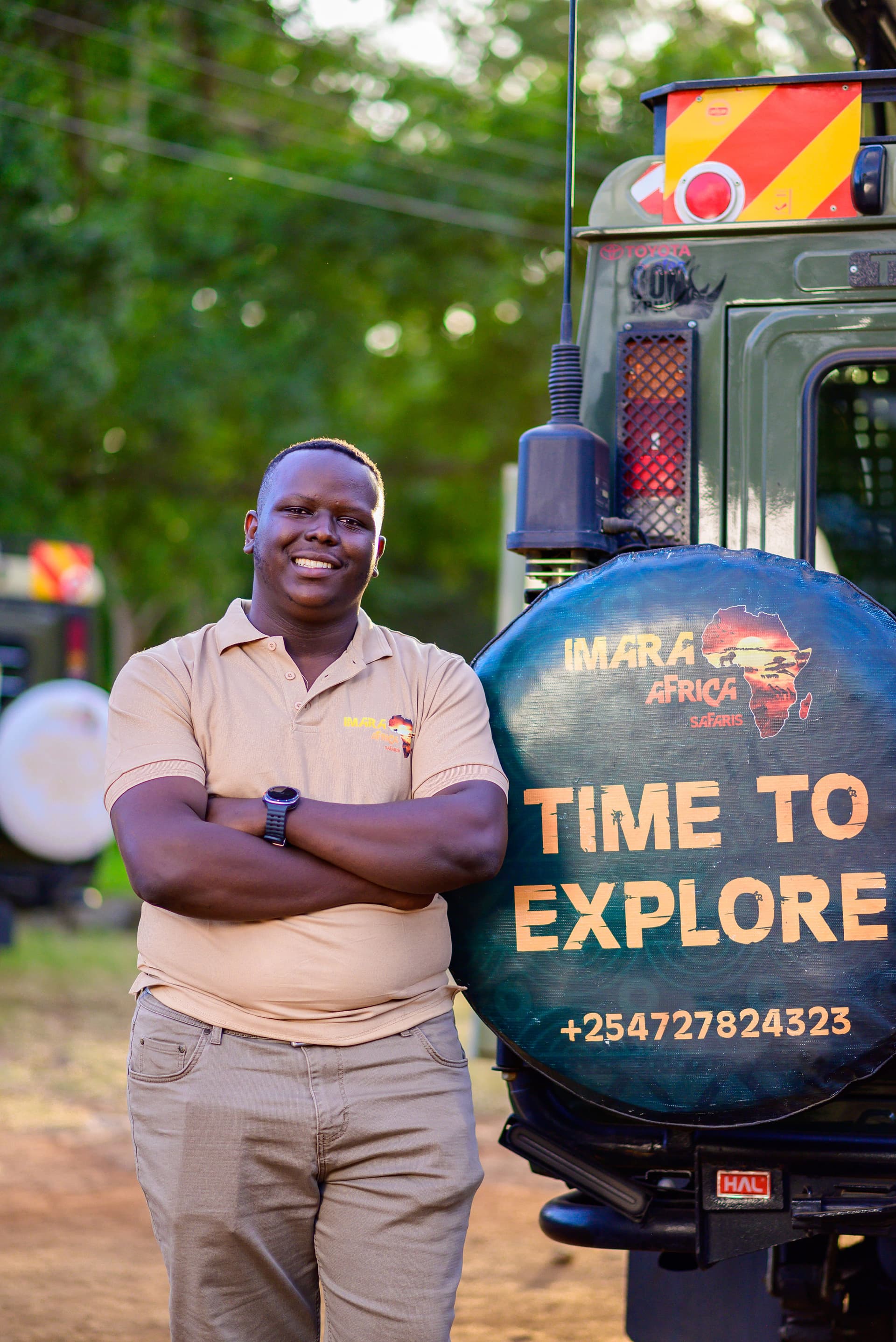
Lewis Munuhe
Founder & Director
<p>Lewis Munuhe is the Director and Owner of Imara Africa Safaris, a trusted safari company dedicated to creating tailor-made African safari experiences across Kenya, Tanzania, Uganda, and Rwanda. With a strong passion for African travel, wildlife, culture, and conservation, Lewis leads the company’s vision of delivering personalized, seamless, and unforgettable safari journeys for travelers from around the world.</p><p>Through Imara Africa Safaris, Lewis helps guests discover East Africa’s most iconic destinations, from the Masai Mara and Serengeti to Uganda and Rwanda’s gorilla trekking regions. His approach focuses on understanding each traveler’s interests, comfort level, budget, and expectations, then transforming those details into carefully curated safari itineraries that feel personal, meaningful, and well-planned.</p><p>As Director and Owner, Lewis is committed to maintaining high standards in safari planning, guest care, destination expertise, and responsible tourism. Whether arranging a luxury wildlife safari, honeymoon escape, family adventure, cultural journey, gorilla trekking safari, or multi-country East African itinerary, he ensures every experience reflects the quality, authenticity, and attention to detail that define Imara Africa Safaris.</p><p>Under his leadership, Imara Africa Safaris continues to help travelers experience the beauty of Africa through expertly planned safaris that celebrate wildlife, landscapes, local cultures, conservation, and unforgettable adventure.</p>
Lewis Munuhe
Founder & Director
<p>Lewis Munuhe is the Director and Owner of Imara Africa Safaris, a trusted safari company dedicated to creating tailor-made African safari experiences across Kenya, Tanzania, Uganda, and Rwanda. With a strong passion for African travel, wildlife, culture, and conservation, Lewis leads the company’s vision of delivering personalized, seamless, and unforgettable safari journeys for travelers from around the world.</p><p>Through Imara Africa Safaris, Lewis helps guests discover East Africa’s most iconic destinations, from the Masai Mara and Serengeti to Uganda and Rwanda’s gorilla trekking regions. His approach focuses on understanding each traveler’s interests, comfort level, budget, and expectations, then transforming those details into carefully curated safari itineraries that feel personal, meaningful, and well-planned.</p><p>As Director and Owner, Lewis is committed to maintaining high standards in safari planning, guest care, destination expertise, and responsible tourism. Whether arranging a luxury wildlife safari, honeymoon escape, family adventure, cultural journey, gorilla trekking safari, or multi-country East African itinerary, he ensures every experience reflects the quality, authenticity, and attention to detail that define Imara Africa Safaris.</p><p>Under his leadership, Imara Africa Safaris continues to help travelers experience the beauty of Africa through expertly planned safaris that celebrate wildlife, landscapes, local cultures, conservation, and unforgettable adventure.</p>
Lewis Munuhe
Founder & Director
<p>Lewis Munuhe is the Director and Owner of Imara Africa Safaris, a trusted safari company dedicated to creating tailor-made African safari experiences across Kenya, Tanzania, Uganda, and Rwanda. With a strong passion for African travel, wildlife, culture, and conservation, Lewis leads the company’s vision of delivering personalized, seamless, and unforgettable safari journeys for travelers from around the world.</p><p>Through Imara Africa Safaris, Lewis helps guests discover East Africa’s most iconic destinations, from the Masai Mara and Serengeti to Uganda and Rwanda’s gorilla trekking regions. His approach focuses on understanding each traveler’s interests, comfort level, budget, and expectations, then transforming those details into carefully curated safari itineraries that feel personal, meaningful, and well-planned.</p><p>As Director and Owner, Lewis is committed to maintaining high standards in safari planning, guest care, destination expertise, and responsible tourism. Whether arranging a luxury wildlife safari, honeymoon escape, family adventure, cultural journey, gorilla trekking safari, or multi-country East African itinerary, he ensures every experience reflects the quality, authenticity, and attention to detail that define Imara Africa Safaris.</p><p>Under his leadership, Imara Africa Safaris continues to help travelers experience the beauty of Africa through expertly planned safaris that celebrate wildlife, landscapes, local cultures, conservation, and unforgettable adventure.</p>
Our trips
Stories, sightings & itineraries from the field.
16°C
broken clouds
Feels like 16° · 82% humidity
🦁Right now in the bush: Great for big cats before the midday heat.


Comments
Loading…