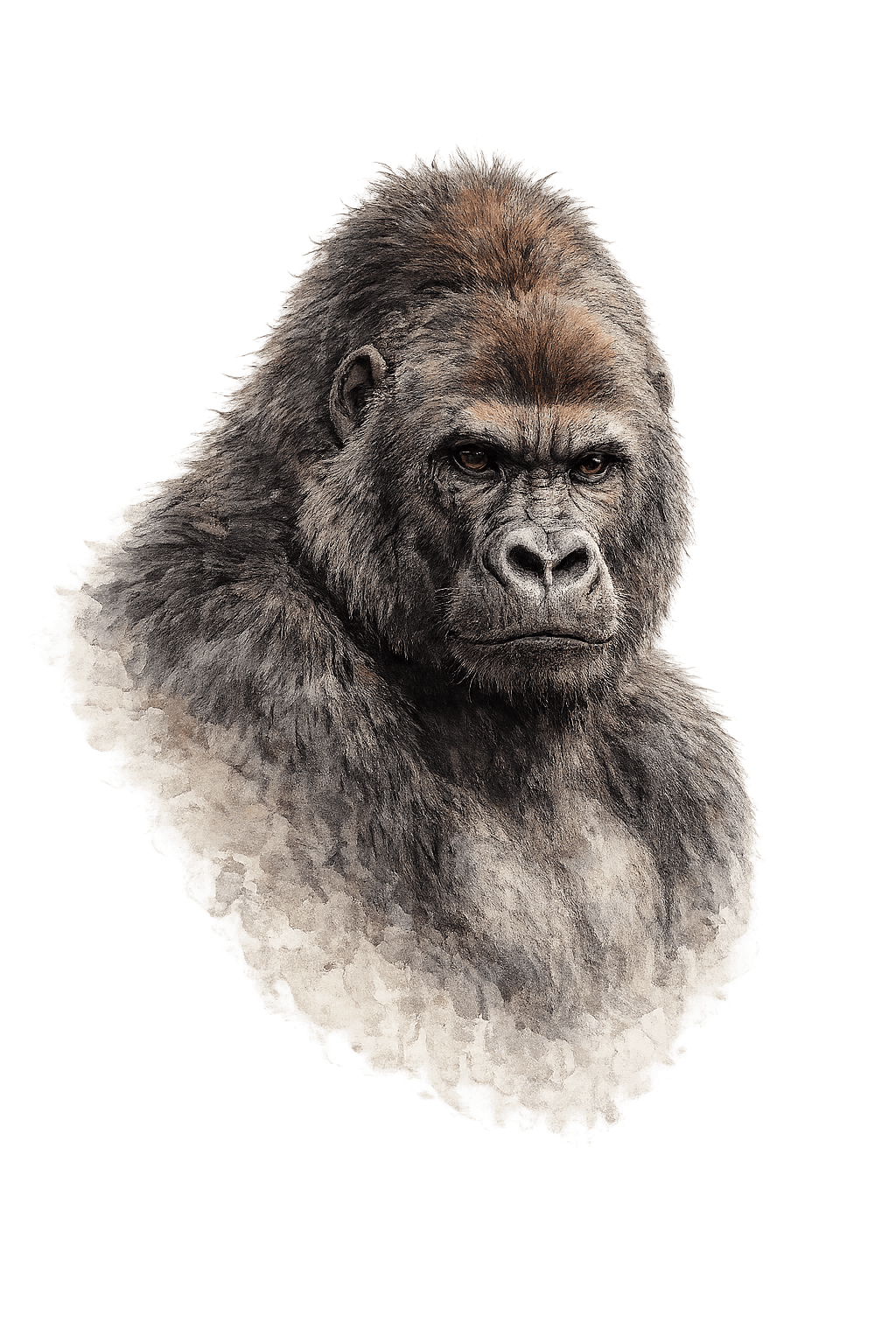
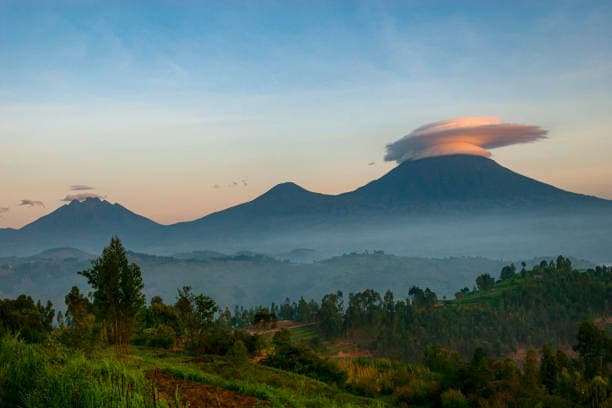
Volcanoes National Park is Rwanda's premier wildlife destination and one of the best places on Earth to see mountain gorillas. Covering approximately 160 square kilometres of the Virunga range in the country's north-west, the park spans elevations from 2,400 to 4,507 metres and protects several habituated gorilla families.
Established in 1925, it is Africa's oldest national park and forms part of the greater Virunga Conservation Area shared with Uganda and the Democratic Republic of Congo. The park earned worldwide recognition through primatologist Dian Fossey, whose research and anti-poaching work here helped pull mountain gorillas back from the brink of extinction — one of conservation's defining success stories.
What Is Volcanoes National Park Known For?
- Gorilla trekking with habituated mountain gorilla families — widely regarded as one of the most profound wildlife encounters on Earth
- Five of the eight Virunga volcanoes: Karisimbi, Bisoke, Muhabura, Gahinga and Sabyinyo
- Endangered golden monkeys, trackable in the bamboo zone
- The Dian Fossey Tomb and research legacy at Karisoke
- Over 200 bird species amid bamboo forest, montane rainforest and alpine meadows
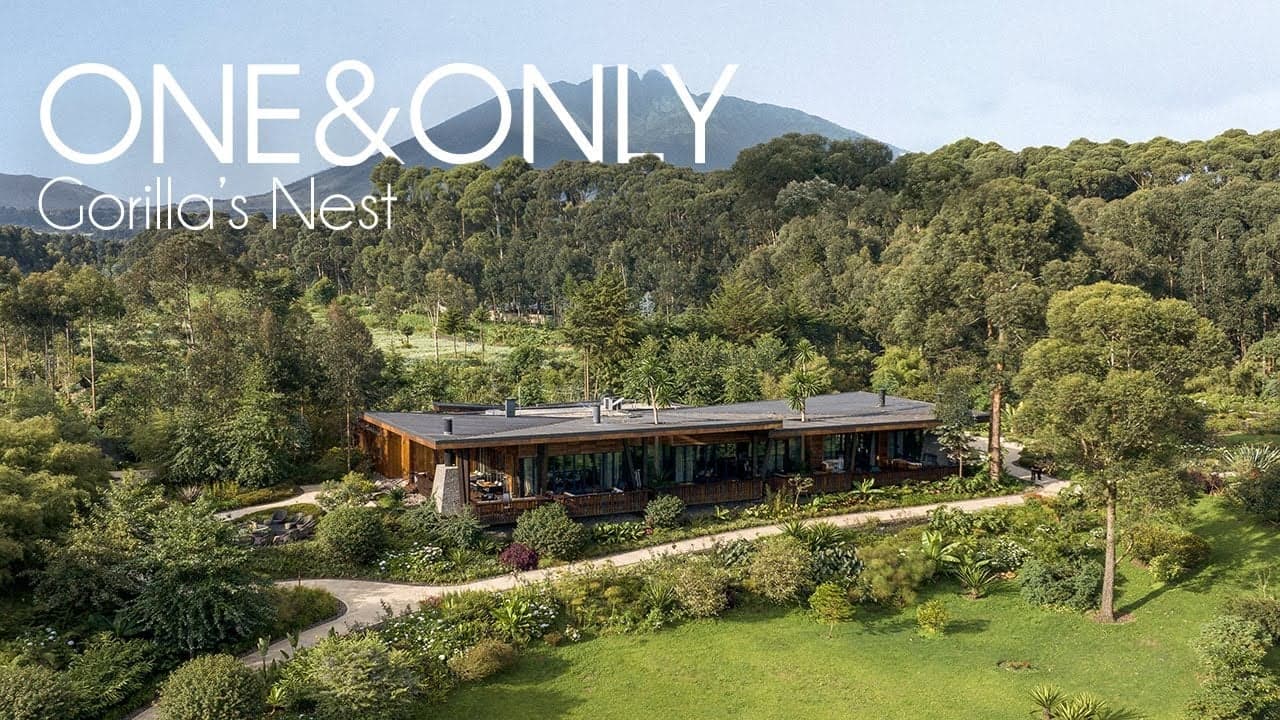
- Luxury eco-lodges and community tourism at the park's edge
Gorilla trekking is the park's centrepiece: small guided groups hike through bamboo and rainforest — often on steep, mountainous terrain — to spend a strictly limited hour with a gorilla family, watching silverbacks, females and infants at close range. Beyond gorillas, the forest shelters buffalo, forest elephants, bushbucks, giant forest hogs and other magnificent primates, while golden monkey tracking offers a lively, photogenic second trek.
Adventurous visitors can attempt volcano hiking — Bisoke's crater lake is a popular day climb and Karisimbi a two-day expedition — across dramatic volcanic landscapes whose volcanic slopes tower over the cultivated foothills. Cultural village visits and the Fossey research centre round out a stay, deepening the story behind Rwanda's conservation renaissance.
Trekking logistics are tightly and sensibly managed. Each habituated gorilla family receives one visiting group per day, limited to eight trekkers, and the hour spent with the animals is strictly timed to minimise disturbance. Permits are limited and in high demand, so booking months ahead is essential, particularly for dry-season dates. Treks vary enormously in length — some families forage close to the forest edge, others high on the volcano slopes — and porters from local villages can be hired to carry daypacks, a worthwhile contribution to the community either way. Rwanda's annual Kwita Izina ceremony, in which newborn gorillas are publicly named, reflects how central the park has become to national identity: tourism revenue is shared with surrounding communities, turning former poachers into trackers and making the gorillas more valuable alive than any threat could pay. The Virunga population has grown steadily as a result — mountain gorillas remain endangered, but they are one of the very few great ape populations on Earth that is increasing rather than declining.
When Is the Best Time to Visit Volcanoes National Park?
The dry seasons from June to September and December to February offer the best trekking conditions, with firmer trails and clearer views. Treks run year-round, and the rainier months bring lush vegetation and fewer visitors.
How Do You Get to Volcanoes National Park?
The park lies approximately 110 kilometres from Kigali, a scenic drive of about 2.5 to 3 hours on well-maintained roads — making it the most accessible gorilla trekking destination in Africa. Most treks start from the park headquarters near Kinigi at 7 a.m., so visitors overnight nearby.
How Many Days Do You Need?
Two nights is the standard for gorilla trekking, positioning you near the trailhead the evening before your permit date. A third night allows golden monkey tracking or a Bisoke hike before returning to Kigali.
Volcanoes pairs naturally with Nyungwe Forest and Akagera on a one-week Rwanda circuit, combining gorillas, chimpanzees and Big Five savannah in a single compact country. For many travellers, the hour with a gorilla family here justifies the entire journey to Africa on its own.