
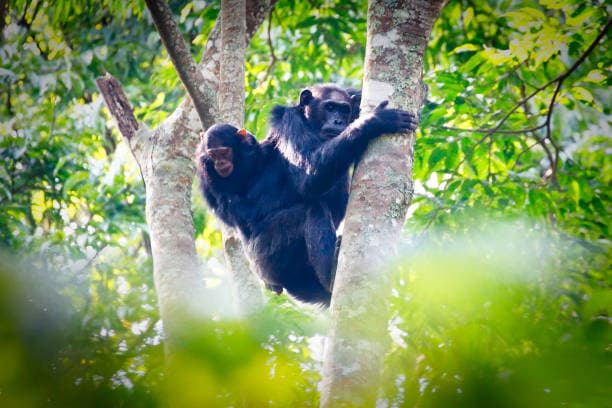
Nyungwe Forest National Park is Rwanda's largest protected montane rainforest, covering approximately 1,019 square kilometres of the Albertine Rift in the country's south-west. Estimated to be over one million years old, it is best known for chimpanzee trekking, a 70-metre-high canopy walkway and 13 species of primates.
As one of Africa's oldest surviving rainforests, Nyungwe plays an outsized ecological role. The forest acts as a major watershed, feeding both the Nile and Congo river basins, and anchors one of the most important biodiversity hotspots in the world. Its elevation ranges from roughly 1,600 to 2,950 metres, producing a cool, misty mountain climate quite unlike the classic savannah safari.
What Is Nyungwe Forest Known For?
- Chimpanzee trekking with habituated communities, regarded among the best primate experiences in East Africa
- 13 primate species, including Angola colobus troops that can number several hundred individuals, L'Hoest's monkeys, owl-faced monkeys, blue monkeys and grey-cheeked mangabeys
- The Canopy Walkway, a suspension bridge hanging about 70 metres above the forest floor
- More than 320 bird species, with Albertine Rift endemics such as the Red-collared Babbler, Rwenzori Turaco, Grauer's Warbler and Handsome Francolin
- An extensive trail network passing waterfalls, orchid habitats, bamboo stands and tea plantations
Chimpanzee tracking is the park's signature activity. Visitors walk with guides into dense rainforest to observe habituated chimpanzee groups feeding, grooming and communicating at close range. Birdwatchers rate Nyungwe as one of Africa's finest forest birding destinations, since many of its endemic species are found nowhere outside the Albertine Rift. Hiking trails range from gentle nature walks to full-day mountain treks, and the surrounding tea estates add a distinctive cultural backdrop.
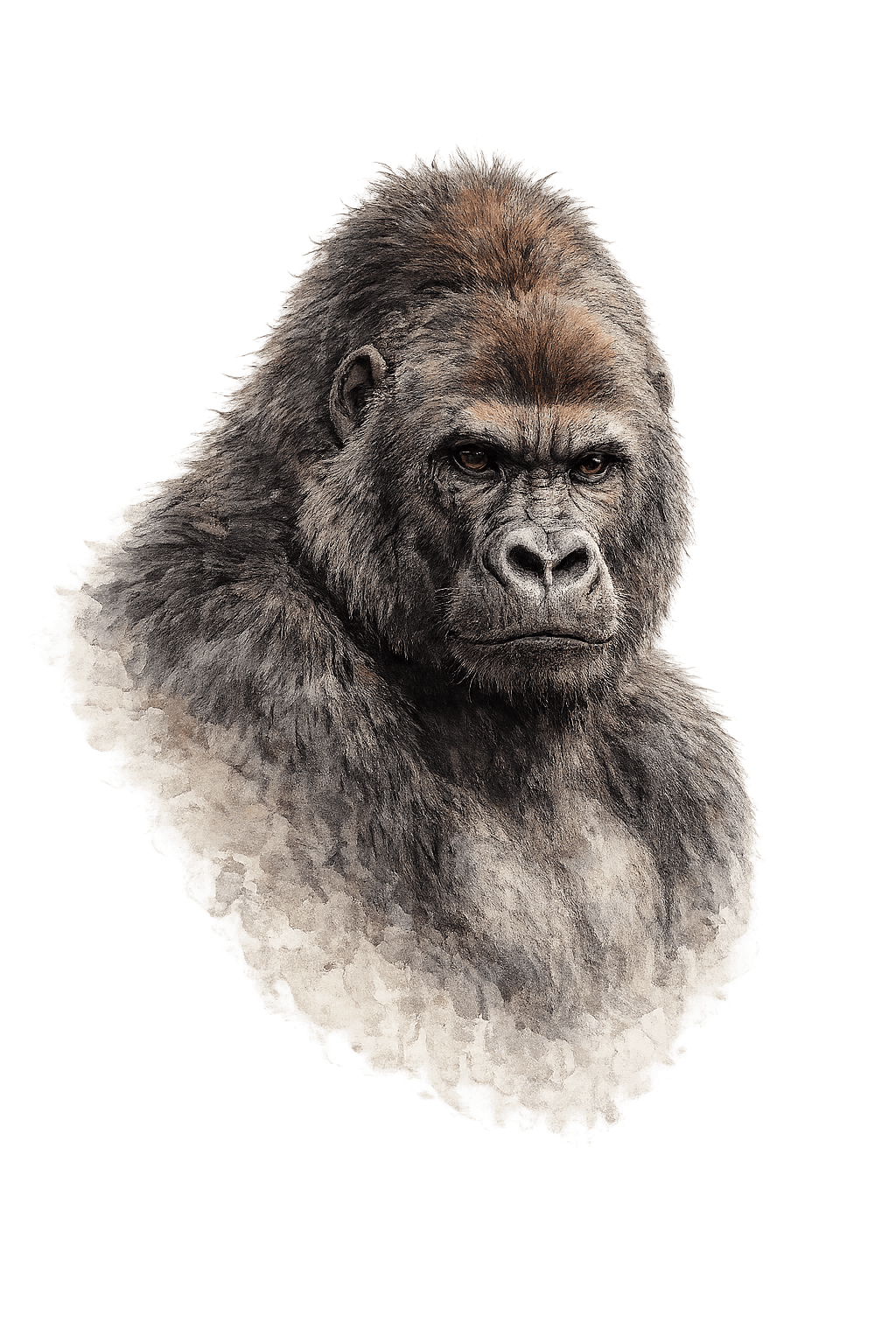
Nyungwe holds no mountain gorillas of its own; travellers wanting to see mountain gorillas usually pair the forest with Volcanoes National Park in Rwanda's north-west, creating a twin-primate itinerary that showcases both of the country's great rainforest experiences.
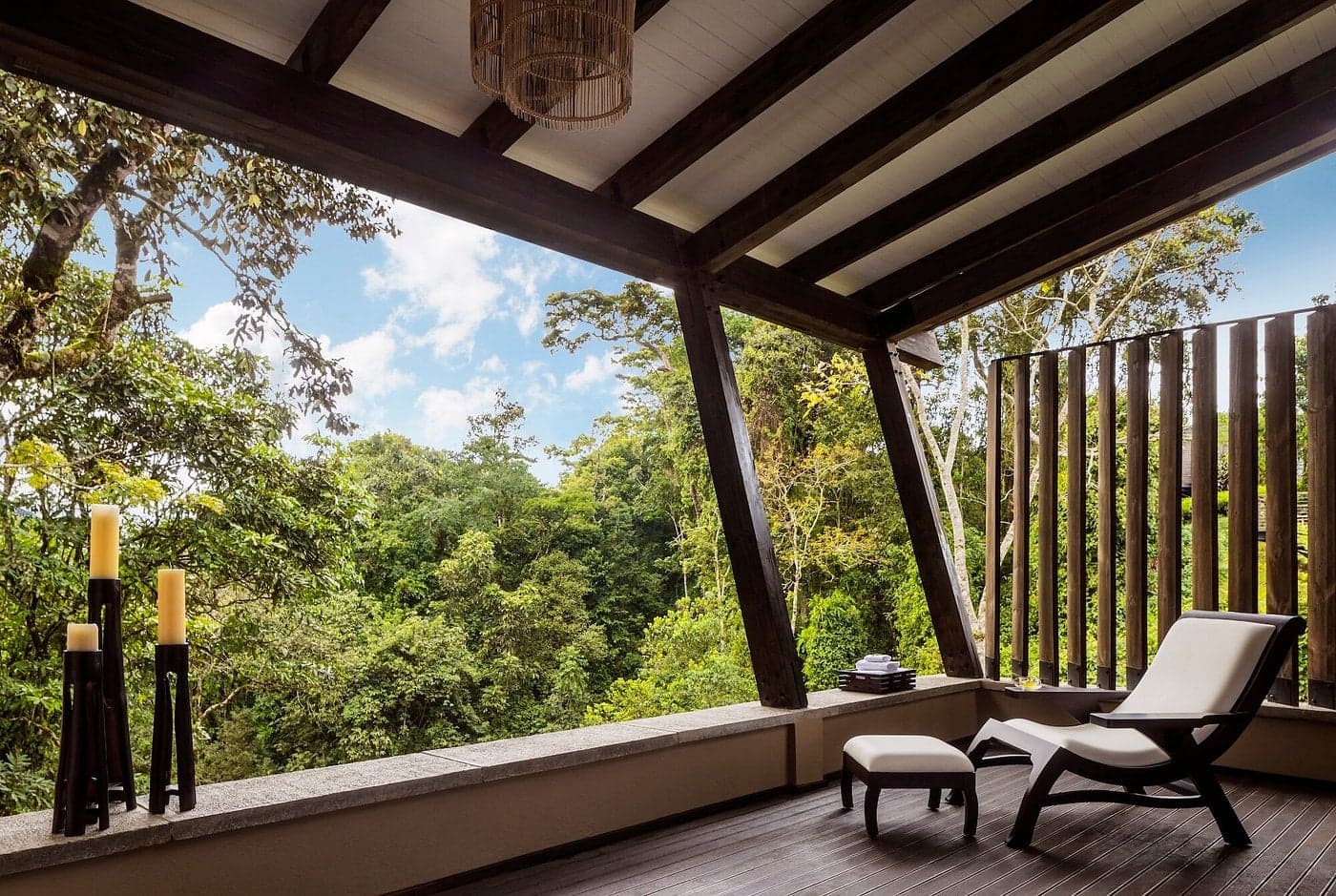
Luxury eco-lodges and boutique accommodation on the forest edge allow visitors to explore comfortably while supporting conservation programmes and local communities — a model that has helped keep this ancient ecosystem intact.
A day in Nyungwe typically begins before dawn, when trekkers gather at a reception centre for a briefing before driving to the trailhead nearest their assigned chimpanzee community. The chimps range widely, so treks can be short or strenuous — flexible fitness and waterproof footwear are the two essentials. Afternoons suit gentler pursuits: the canopy walkway circuit takes around two hours, colobus monkey walks follow the forest edge, and several waterfall trails descend into fern-filled ravines where giant tree ferns and orchids crowd the understorey. Guides are required on all trails, and their knowledge of bird calls and medicinal plants transforms an ordinary walk into a natural history masterclass. The forest's cool, misty atmosphere — a consequence of altitudes climbing towards 2,950 metres — surprises visitors expecting equatorial heat, and evenings at the forest-edge lodges are best spent with a warm drink watching cloud pour over the ridgelines.
When Is the Best Time to Visit Nyungwe Forest?
The dry seasons, June to September and December to February, are best for chimpanzee tracking and the canopy walk, when trails are firmer and sightings more reliable. Birdwatching peaks between November and March, when migrants join the resident endemics.
How Do You Get to Nyungwe Forest?
The park lies approximately 225 kilometres south-west of Kigali, a road journey of about 5 to 6 hours through Rwanda's rolling hills and tea country. The drive itself is scenic, passing terraced farmland and viewpoints over Lake Kivu on some routings.
How Many Days Do You Need?
Plan two to three nights. That allows one morning for chimpanzee trekking, a second activity such as the canopy walkway or a colobus monkey walk, and time to absorb the long transfer from Kigali without rushing.
Nyungwe combines naturally with Volcanoes National Park and Lake Kivu on a one-week Rwanda circuit, making it the ideal second act in a primate-focused East African journey.