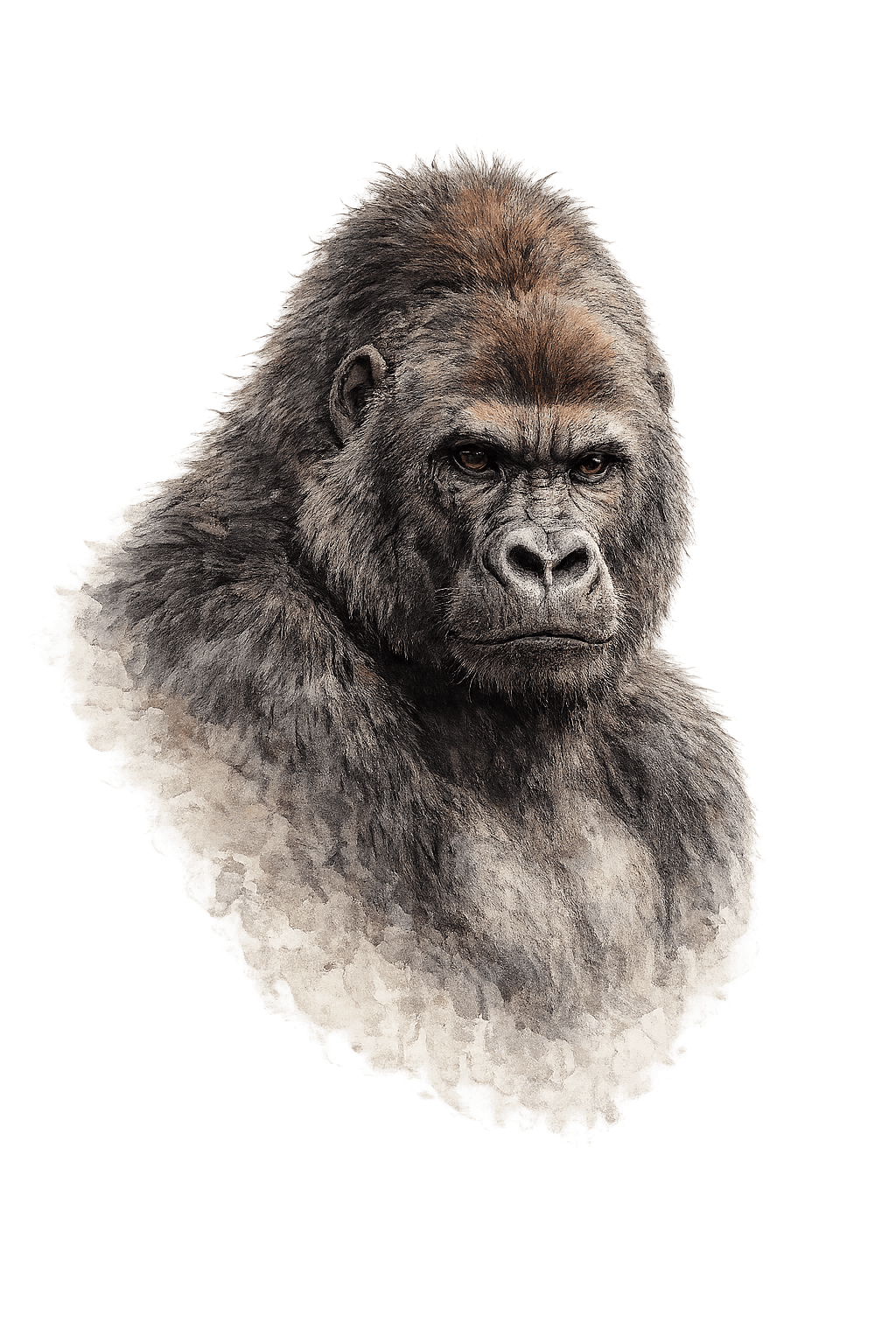
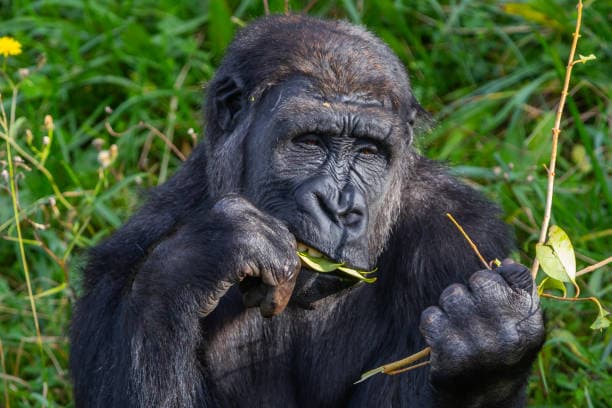
Bwindi Impenetrable National Park is a 331 km² UNESCO World Heritage rainforest in southwestern Uganda, on the edge of the Albertine Rift Valley. It protects nearly half of the world's remaining mountain gorillas, making it Africa's foremost gorilla trekking destination and one of the continent's most important conservation areas.
Estimated to have existed for more than 25,000 years, Bwindi is one of Africa's oldest rainforests. Its rugged terrain of steep hillsides, misty valleys, dense vegetation and ancient trees creates a dramatic landscape that supports an extraordinary diversity of wildlife and plant species — the reason early explorers dubbed the forest "impenetrable".
Gorilla trekking is the park's defining experience. Visitors join expert guides and trackers to hike through the rainforest and spend a carefully managed hour observing a habituated gorilla family at close quarters — widely regarded as one of the most moving wildlife encounters on Earth. For a longer engagement, the gorilla habituation experience allows extended time with families still being accustomed to human presence.
Beyond its famous primates, Bwindi supports over 120 mammal species, including chimpanzees, black-and-white colobus monkeys, L'Hoest's monkeys, forest elephants, giant forest hogs and duikers. Birdwatchers rate it among Africa's finest forest birding sites, with more than 350 recorded species including several rare Albertine Rift endemics found nowhere else.
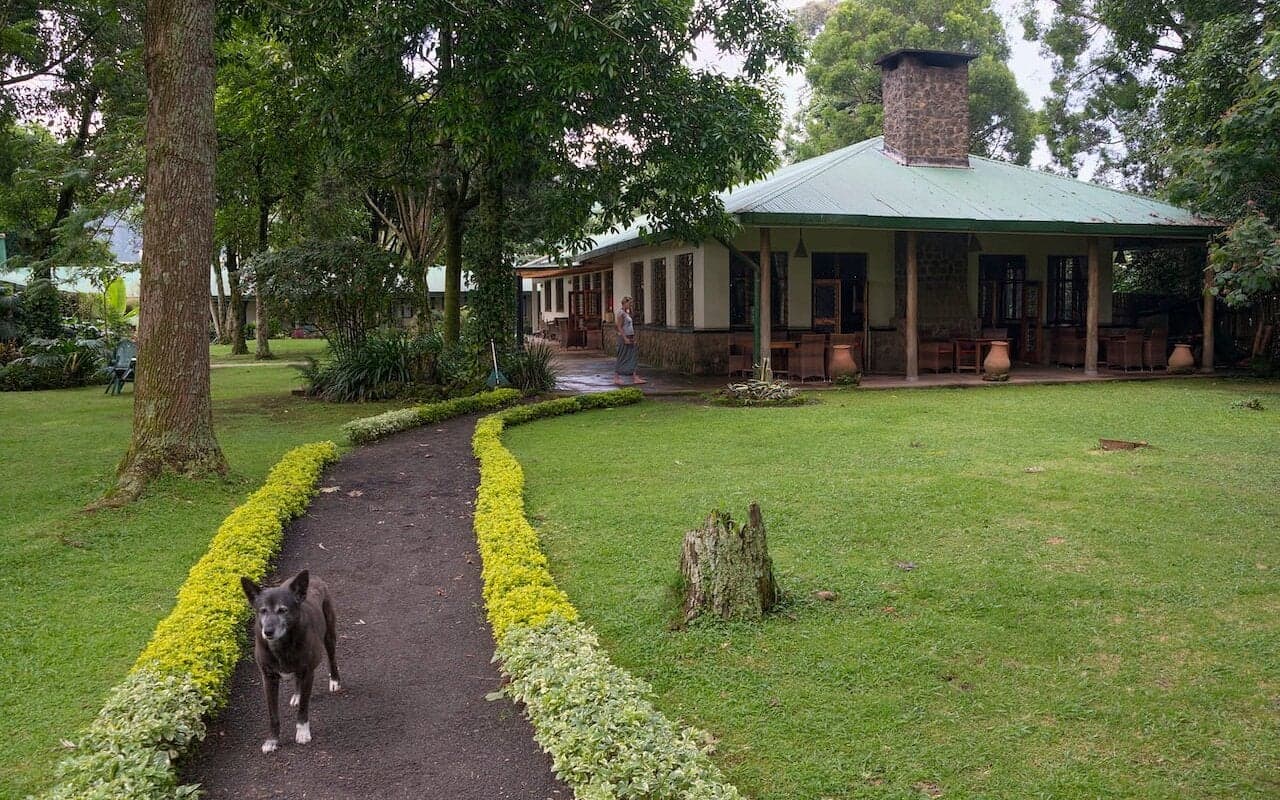
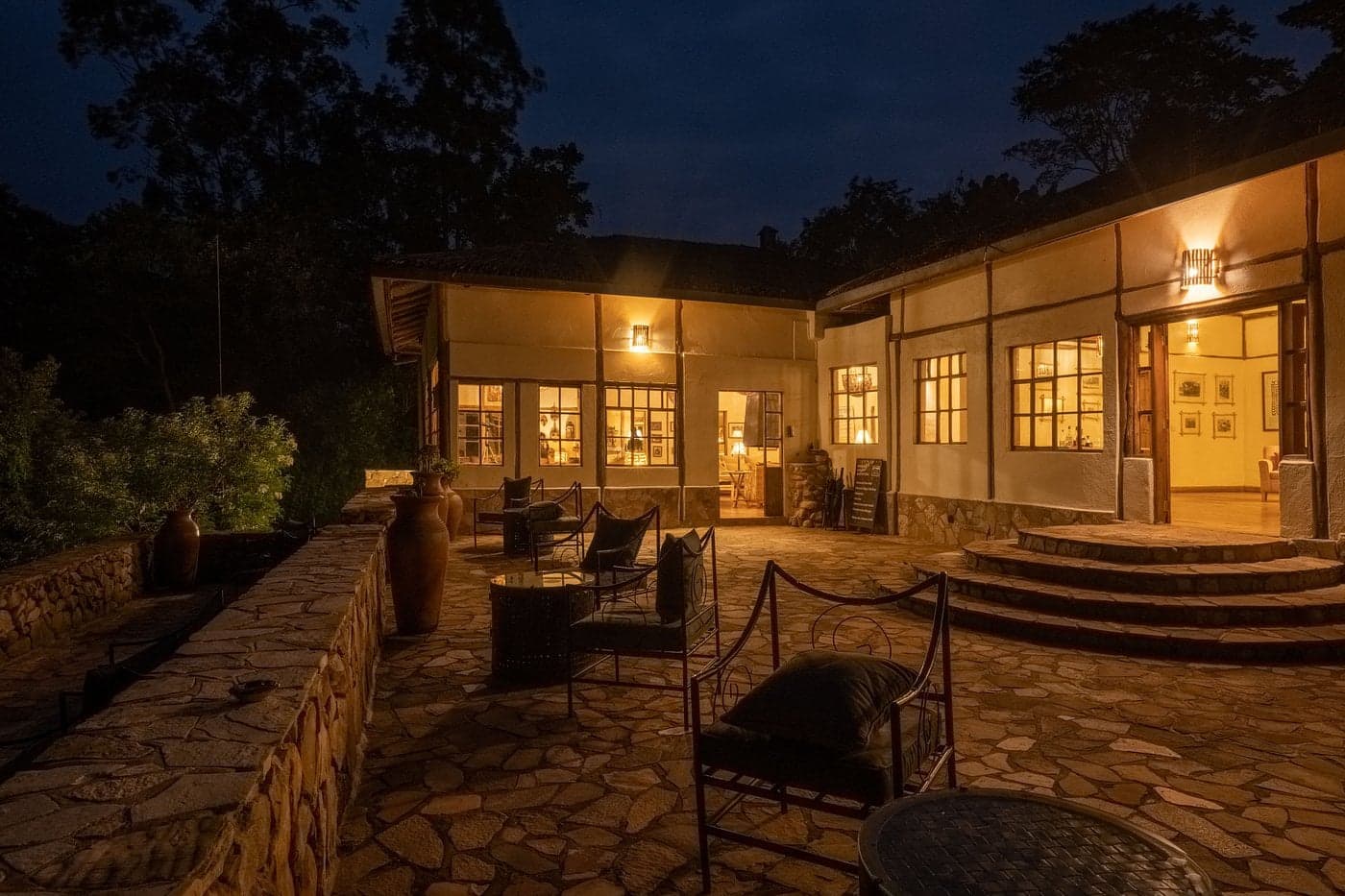
The park is divided into four trekking sectors — Buhoma, Ruhija, Rushaga and Nkuringo — each offering distinct trails, scenery, accommodation and access to different gorilla families. Options range from luxury lodges and eco-camps to community-run guesthouses, and activities beyond trekking include birdwatching, guided forest walks, waterfall hikes, Batwa cultural experiences and community visits.
Gorilla permits are limited each day for every habituated family, so booking well in advance is essential, particularly for the June to August peak. Treks vary enormously in length — from under an hour to a full day's hiking — depending on where the gorillas moved overnight, and porters from local communities are available at each trailhead to help with bags and steep sections, providing valuable local employment. Choice of sector matters too: Buhoma is the oldest and best connected, while Rushaga offers the most permits and hosts the habituation experience.
The park's high-altitude rainforest climate means rain is possible in any month, which is exactly what keeps the forest so lush. Sturdy waterproof boots, gaiters, gloves and layered clothing make trekking far more comfortable, and moderate physical fitness significantly improves the experience on Bwindi's steep, muddy slopes.
What Is Bwindi Impenetrable Forest Known For?
- Nearly half of the world's remaining mountain gorillas
- An ancient rainforest ecosystem more than 25,000 years old
- Four trekking sectors: Buhoma, Ruhija, Rushaga and Nkuringo
- More than 350 bird species, including Albertine Rift endemics
- The Batwa cultural trail and community tourism experiences
- Challenging, rewarding forest trails through mist-covered hills
When Is the Best Time to Visit Bwindi?
Gorilla trekking runs year-round, and permits are issued in every month. The dry seasons — June to August and December to February — offer the easiest trekking conditions, with firmer trails and less rain, though the forest remains atmospheric and rewarding even in the wetter months.
How Do You Get to Bwindi Impenetrable Forest?
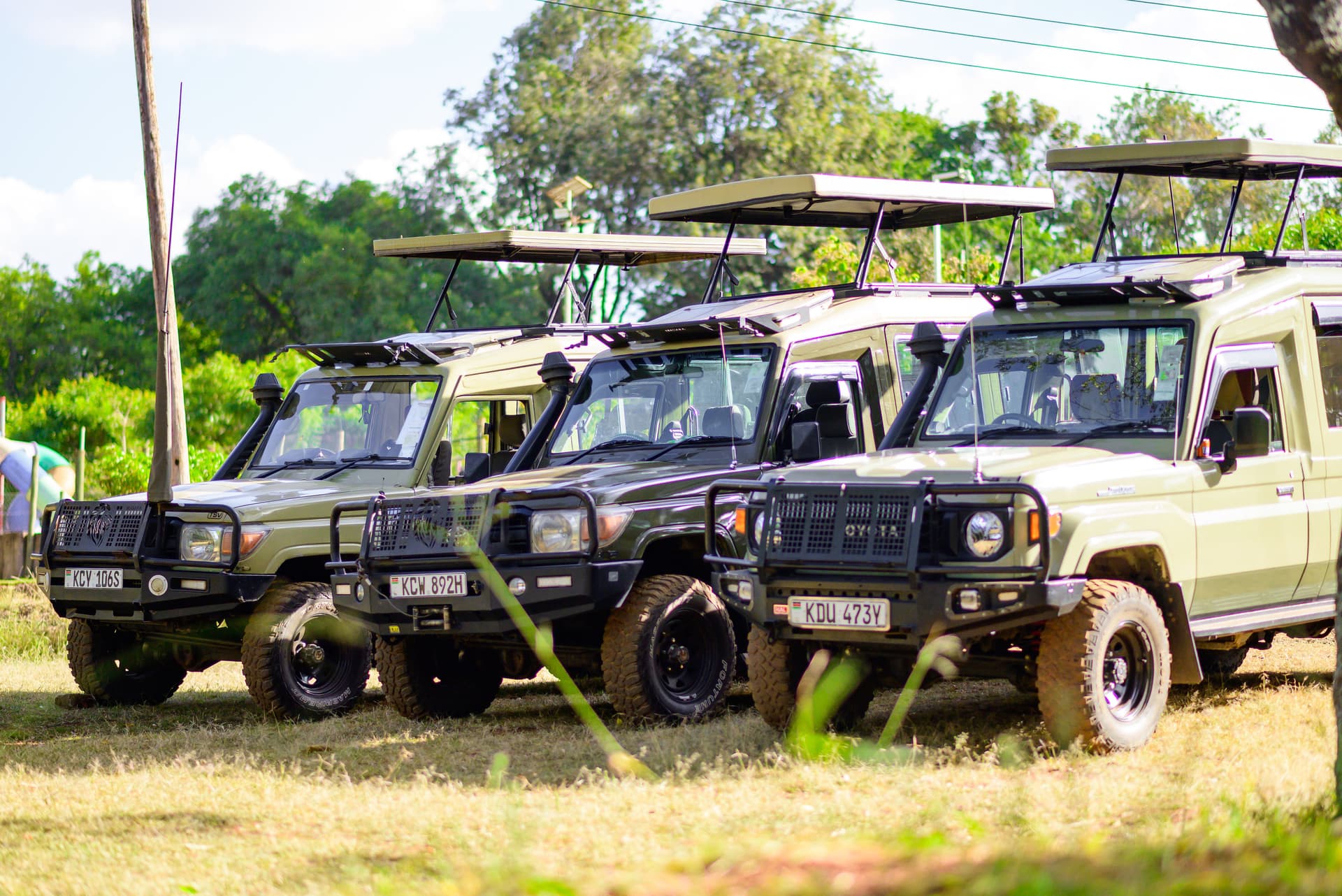
By road, Bwindi lies roughly 8 to 10 hours from Kampala or Entebbe along scenic routes through Uganda's countryside. Faster access is by scheduled domestic flight from Entebbe or Kajjansi to Kihihi or Kisoro airstrips, followed by a road transfer to the relevant trekking sector. The mountainous terrain means moderate fitness helps on trek days.
How Many Days Do You Need in Bwindi?
Plan at least two nights: one full day for the gorilla trek itself, plus buffer time for transfers between the airstrip or road route and your lodge. Adding a third night allows a second trek, a Batwa cultural visit or dedicated forest birdwatching.
For a once-in-a-lifetime wildlife encounter combined with genuine conservation impact, few destinations on the continent rival Bwindi Impenetrable National Park — and it pairs naturally with Queen Elizabeth National Park or Lake Mburo on a longer Uganda itinerary.