

Rwenzori Mountains National Park is a 996 km² UNESCO World Heritage Site in western Uganda, on the border with the Democratic Republic of Congo. Known as the legendary "Mountains of the Moon", it protects Africa's third-highest summit — 5,109 m Margherita Peak — along with glaciers, waterfalls and alpine vegetation found almost nowhere else on Earth.
Ancient geographers described the Rwenzoris as the fabled source of the Nile, and the range remains one of Africa's most dramatic mountain landscapes: snow-capped peaks, deep glacial valleys, crystal-clear rivers and rare high-altitude ecosystems. Unlike Mount Kilimanjaro and Mount Kenya, the Rwenzoris are not volcanic; they were formed by tectonic uplift, which explains their rugged, serrated character.
Established as a national park in 1991 and recognised by UNESCO for its outstanding natural value, the park safeguards one of the continent's most biologically diverse mountain environments. Elevations range from roughly 1,600 m in the foothills to over 5,100 m at the summits, producing an extraordinary succession of climate zones within a single trek.
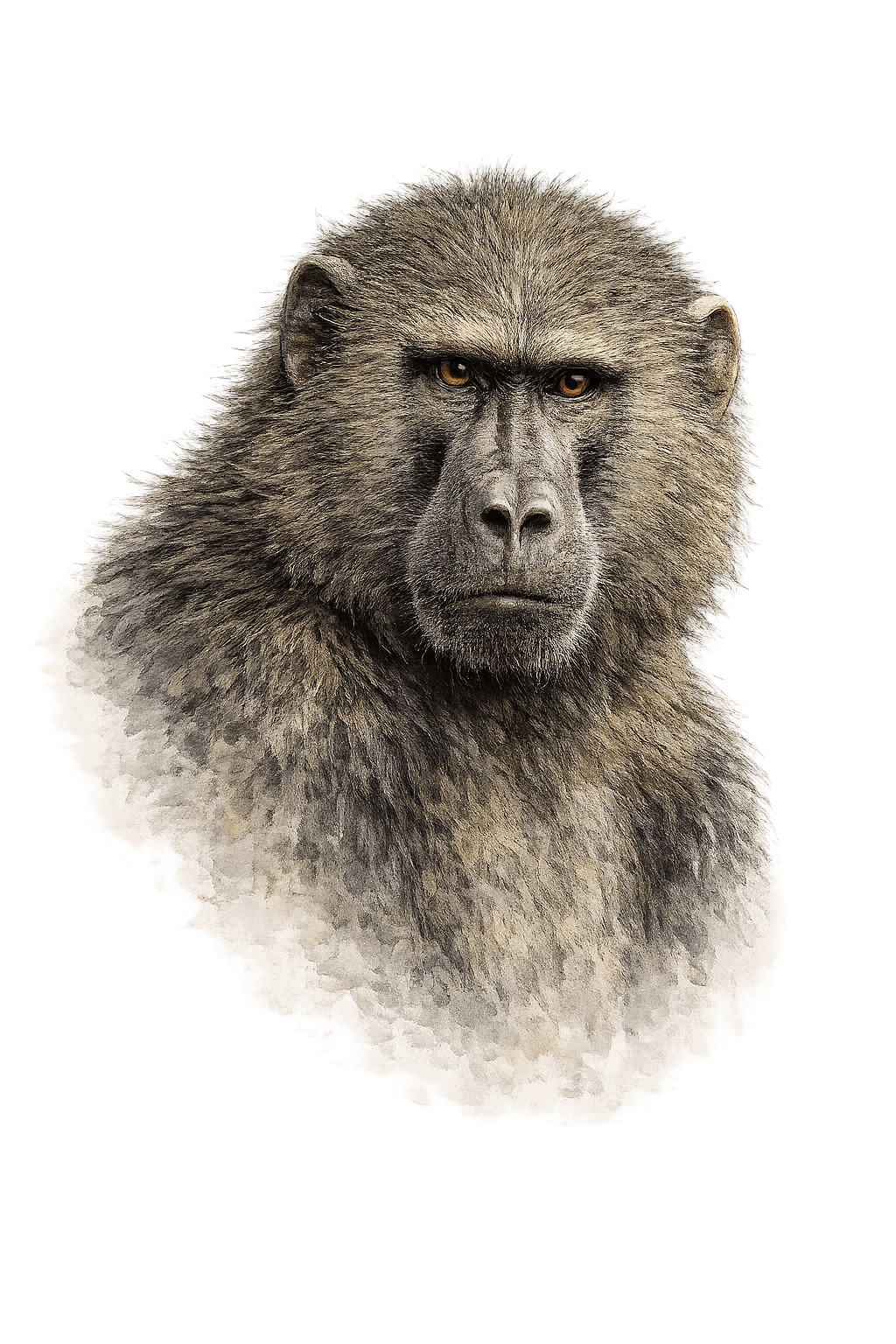
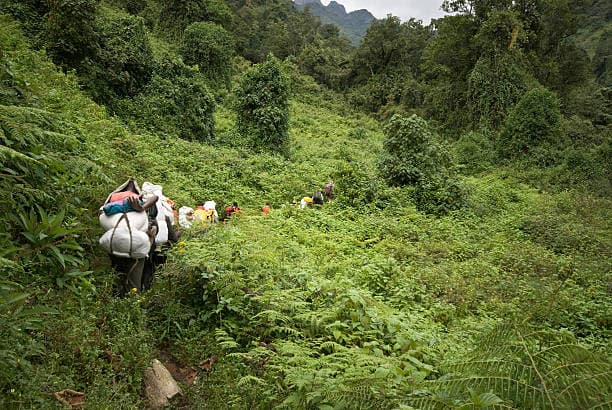
The vegetation is a highlight in its own right. Ascending trekkers pass through tropical rainforest, bamboo forest, giant heather, alpine meadows and the otherworldly zone of giant groundsels and giant lobelias — a landscape often described as botanically unique in Africa. Wildlife includes forest elephants, chimpanzees, blue monkeys, black-and-white colobus monkeys, bushbucks, giant forest hogs, hyraxes and baboons on the lower slopes, while more than 217 bird species include several Albertine Rift endemics.
Trekking routes range from short nature walks in the foothills to full expeditions on the famous Central Circuit Trail and Kilembe Trail, which climb through every vegetation zone towards the high peaks. The ascent of Margherita Peak on Mount Stanley is a serious mountaineering objective that attracts experienced climbers from around the world.
Treks are organised through licensed local operators with mandatory guides, porters and hut or camp accommodation along the routes. Days on the mountain typically involve several hours of walking through bogs, ladders and root-tangled forest — the famous Rwenzori mud is part of the experience in every season, and rubber boots are standard issue.
The mountain climate is cool and wet, with temperatures falling steadily as altitude increases and freezing conditions common above 4,500 m. Acclimatisation is built into the longer itineraries, and the reward for the effort is a landscape of glacial lakes, hanging valleys and equatorial snow that very few travellers ever witness first-hand.
What Is Rwenzori Mountains National Park Known For?
- Margherita Peak (5,109 m), Africa's third-highest summit
- Equatorial glaciers and snow on the "Mountains of the Moon"
- Surreal giant lobelia and groundsel vegetation zones
- The Central Circuit and Kilembe trekking routes
- More than 217 bird species, including Albertine Rift endemics
- UNESCO World Heritage status since 1994, protected as a park from 1991
When Is the Best Time to Trek the Rwenzoris?
The drier months — June to August and December to February — offer the best trail conditions, clearer mountain views and safer climbing on the high routes. Trekking is possible year-round, but rain, mud and bogs are a constant feature of the range, so waterproof gear is essential in any season.
How Do You Get to Rwenzori Mountains National Park?
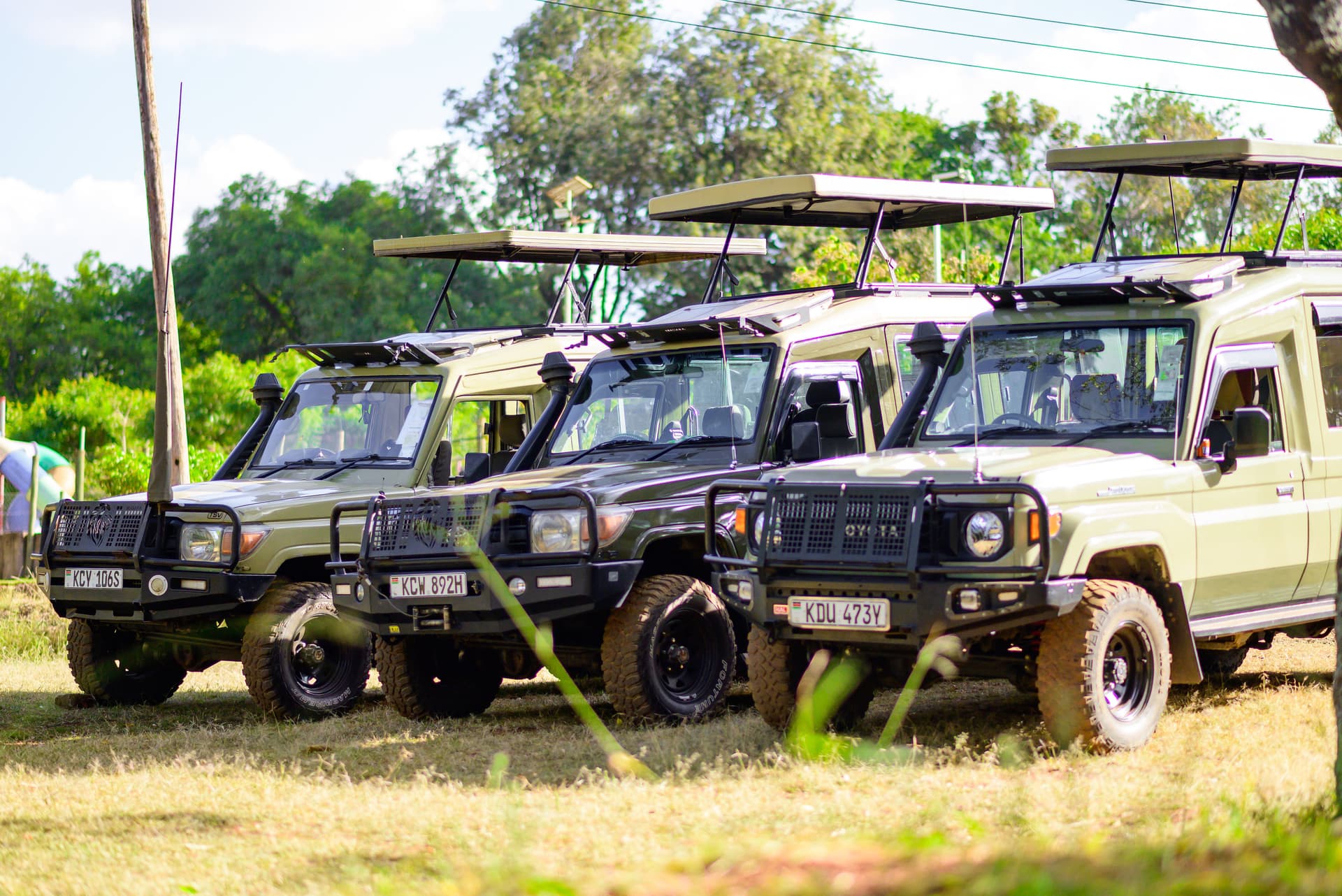
The park lies near Kasese in western Uganda, approximately 400 km from Kampala — about 6 to 7 hours by road. Domestic flights to Kasese Airstrip shorten the journey considerably. Trailheads for the main routes are reached by short road transfers from Kasese town.
How Many Days Do You Need?
A summit attempt on Margherita Peak typically requires a multi-day expedition of around seven days or more, while shorter treks of two to three days explore the forested foothills, waterfalls and lower valleys without the technical demands of the high peaks.
For serious mountaineers, adventurous trekkers and nature lovers alike, the Rwenzoris deliver one of Africa's most unforgettable wilderness experiences — a genuine expedition landscape that pairs well with Uganda's savannah and primate parks.