Mount Kenya National Park protects Africa's second-highest mountain, an extinct stratovolcano rising to 5,199 metres (17,057 feet) in central Kenya, about 175 kilometres north-east of Nairobi. A UNESCO World Heritage Site and Biosphere Reserve, it is prized for glacier-carved peaks, equatorial alpine scenery and rewarding forest wildlife.
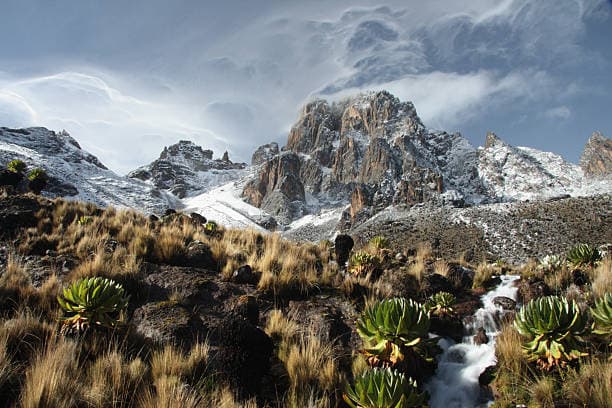
The park spans an extraordinary vertical range of ecosystems: dense montane forest and bamboo on the lower slopes give way to giant-heather moorland, high-altitude lakes, glacial valleys and finally the rock and ice of the summit zone. Ascending the mountain means walking through a compressed sequence of Africa's habitats in a matter of days.
What Is Mount Kenya Known For?
- The three main peaks — Batian, Nelion and Point Lenana — with Point Lenana (4,985 m) the trekkers' summit
- One of Africa's finest sunrise views, watched from Point Lenana above a sea of cloud
- Giant lobelias and groundsels in the otherworldly moorland zone
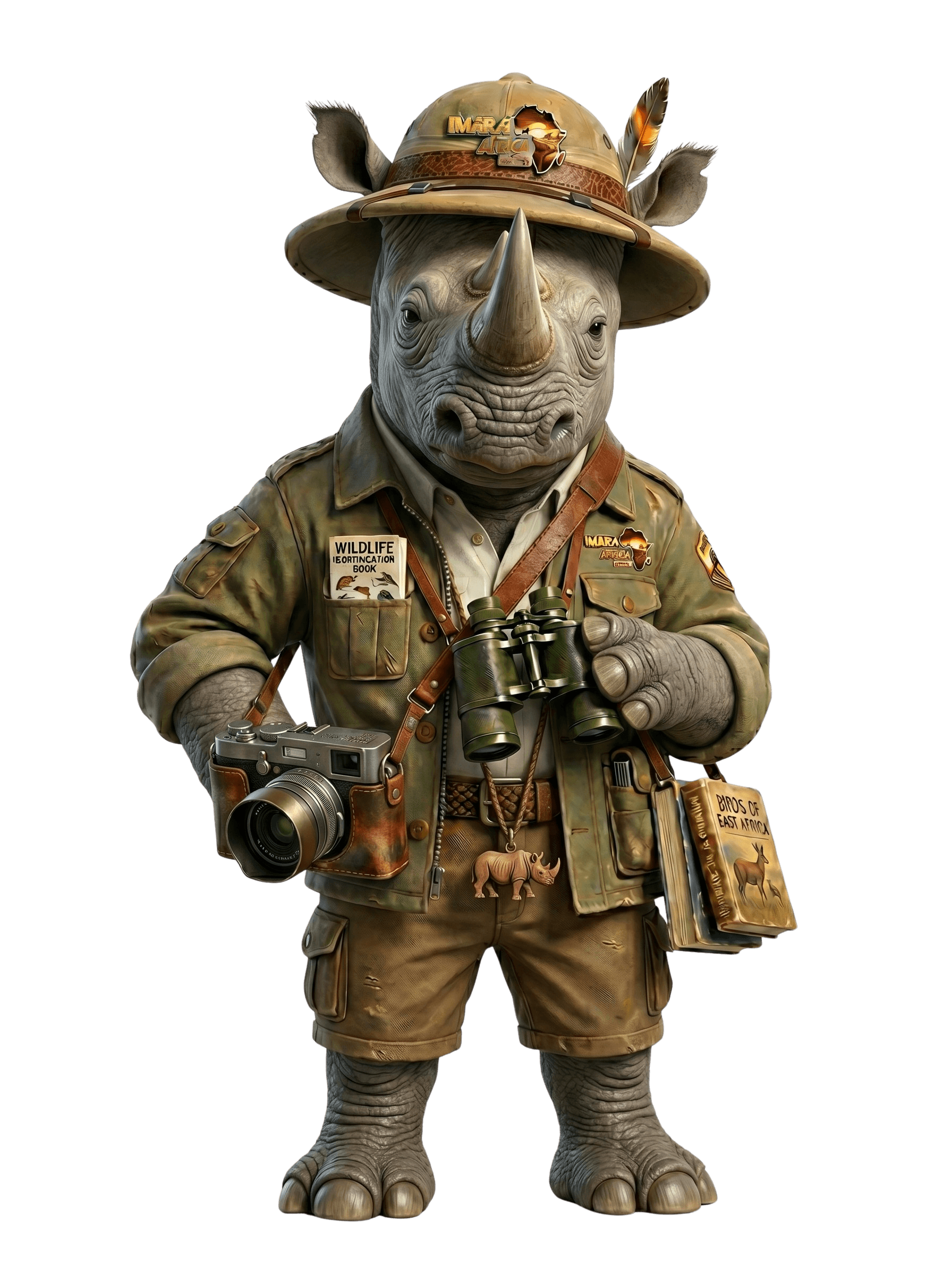
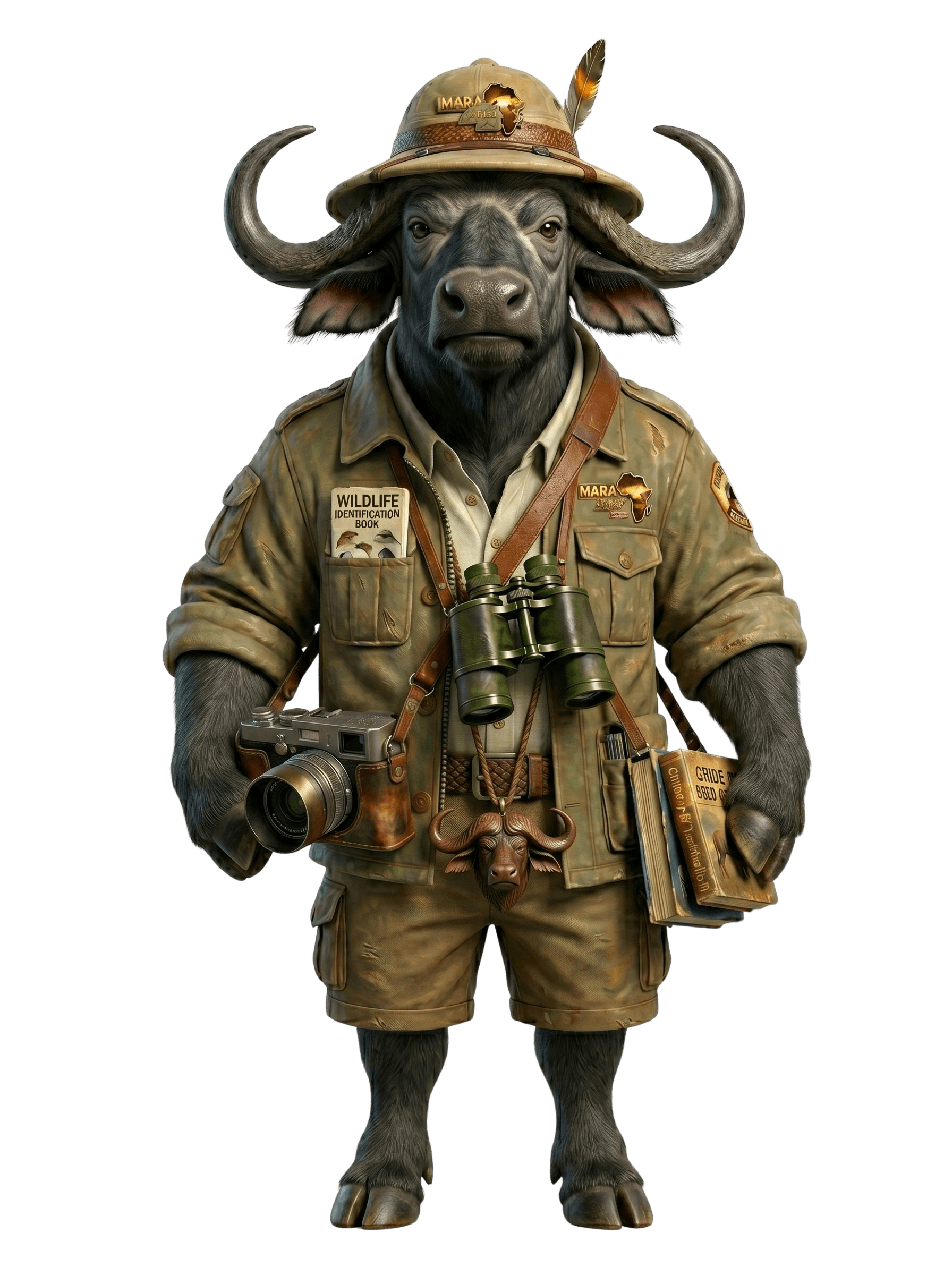
- Forest wildlife including elephants, buffalo, bushbucks, giant forest hogs and black-and-white colobus monkeys
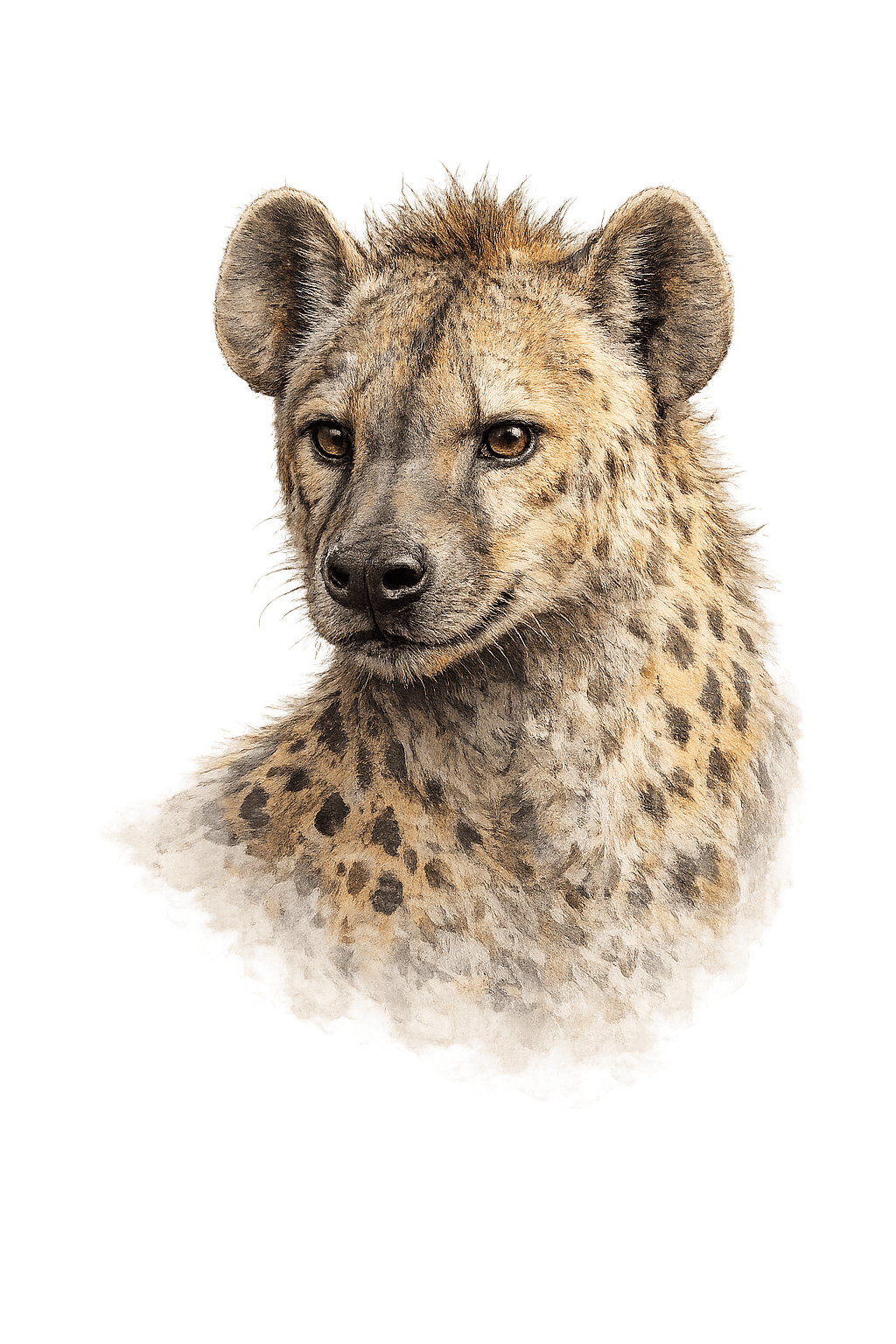
- Elusive leopards and hyenas ranging surprisingly high on the mountain
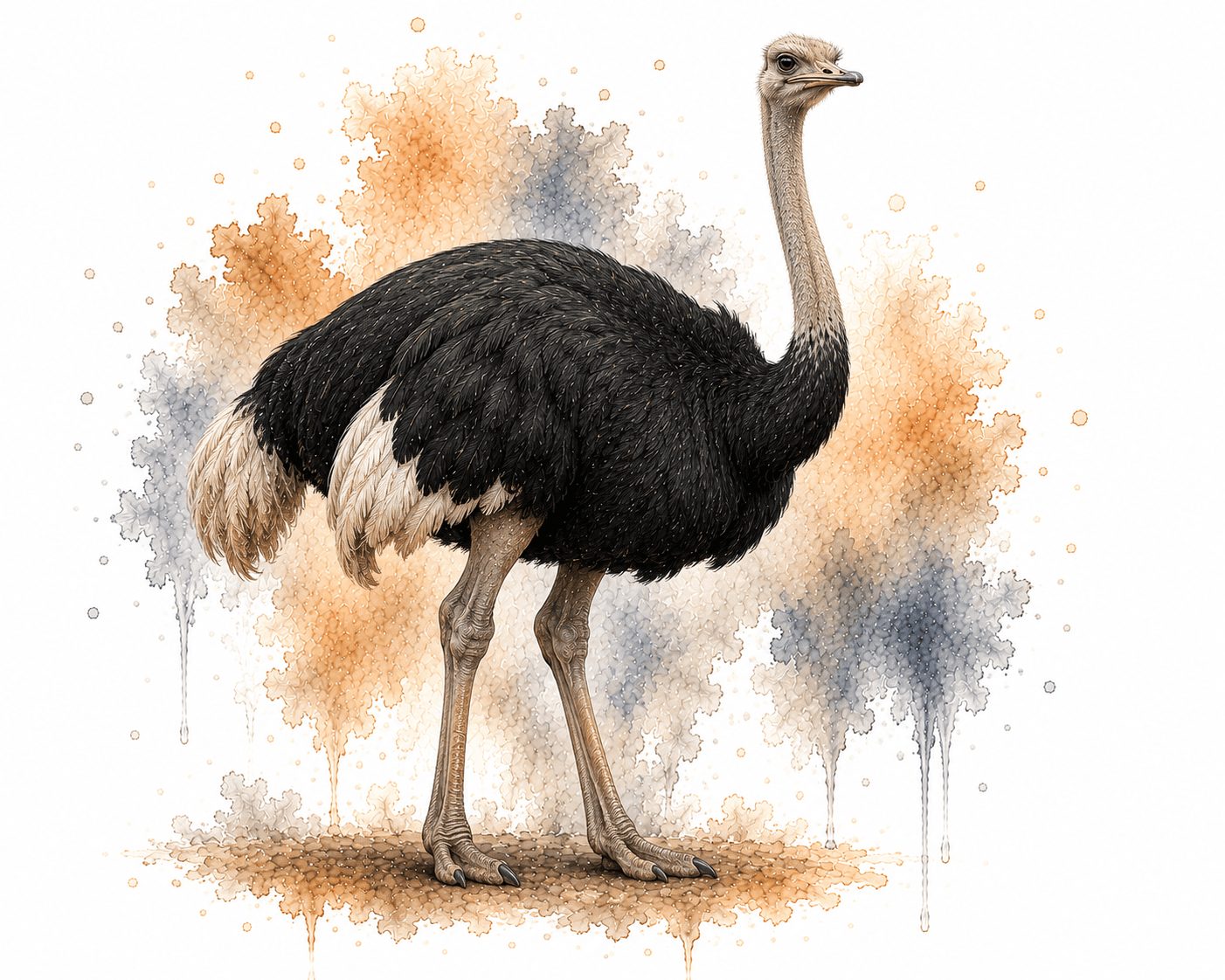
- Over 130 bird species, from sunbirds and turacos to Jackson's francolin
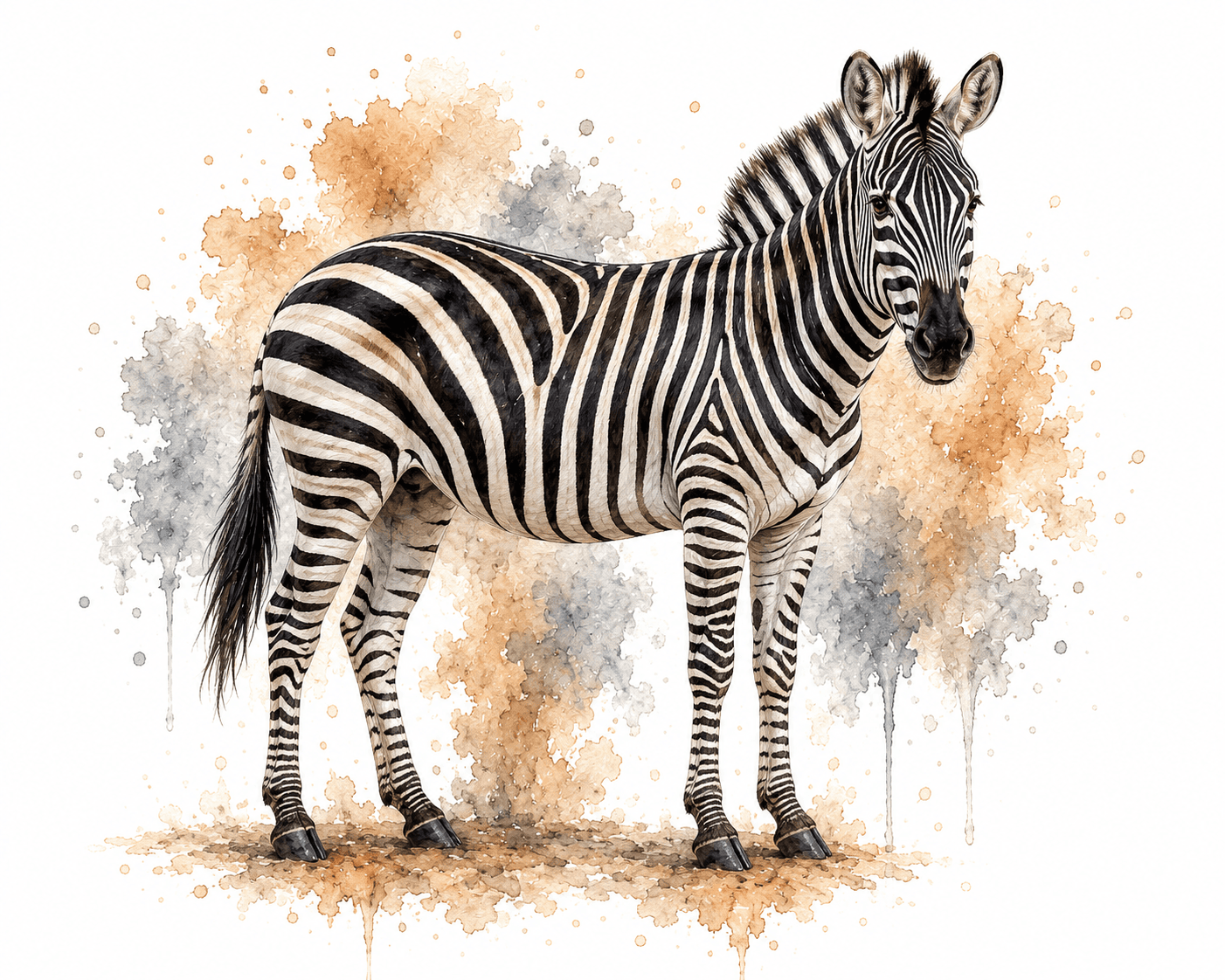
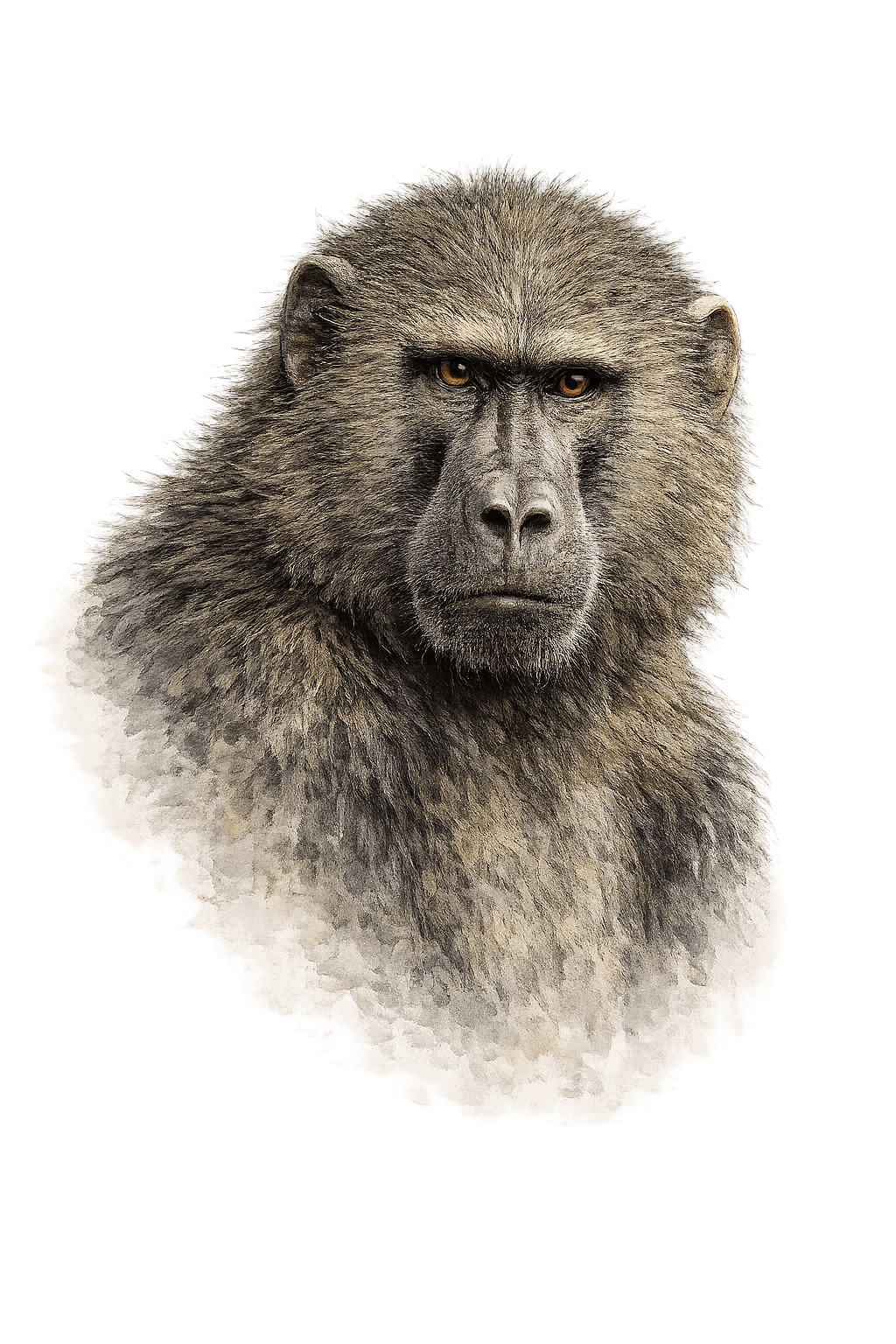
While Batian and Nelion demand technical rock climbing, Point Lenana is attainable by any fit trekker, which makes Mount Kenya the continent's most satisfying non-technical summit after Kilimanjaro — with a fraction of the crowds. Five established routes serve the mountain: Sirimon and Chogoria are the most scenic (and often combined as an up-one, down-the-other traverse), while Naro Moru is the most direct; Burguret and Timau see little traffic. Lower down, zebras, baboons and antelope graze the forest edges and adjoining plains.
The mountain rewards non-climbers too: day hikes into the forest zone, trout fishing, waterfall walks and wildlife viewing around the park gates offer a taste of the ecosystem without the altitude.
The mountain carries deep cultural weight as well as scenic grandeur: known as Kirinyaga to the Kikuyu people, it is traditionally revered as the home of God, and its name gave Kenya its own. Physically, it is a textbook equatorial peak — glaciers such as the Lewis have retreated dramatically over the past century, tarns and turquoise high lakes fill the glacial valleys (Lake Michaelson on the Chogoria route is a celebrated camp spot), and the daily weather cycle of clear mornings and cloudy afternoons dictates the trekking timetable. Compared with Kilimanjaro, Mount Kenya offers wilder camps, richer wildlife on the approach days and a more technical skyline, which is why many mountaineers rate it the more beautiful of East Africa's two giants even as its neighbour claims the altitude record. Trekkers should respect the altitude all the same: Point Lenana stands nearly 5,000 metres above sea level, and building an extra acclimatisation night into the itinerary pays for itself on summit morning.
When Is the Best Time to Visit Mount Kenya?
The dry seasons from January to March and June to October provide clear skies, the best visibility and the most favourable trekking conditions. The rains of April–May and November make trails slippery and hide the peaks in cloud.
How Do You Get to Mount Kenya?
The park is approximately 175 kilometres from Nairobi, about 3 to 4 hours by road. Access towns — Nanyuki, Naro Moru, Chogoria and Meru — each serve different trekking routes, and the drive passes through the farming country of the central highlands.
How Many Days Do You Need?
Allow four to six days for a Point Lenana trek with sound acclimatisation — the popular Sirimon–Chogoria traverse fits five days well. Non-trekkers can enjoy the forest zone and foothill lodges on a one- or two-night stay.
Mount Kenya combines readily with the neighbouring Laikipia conservancies, letting trekkers follow their summit with classic Big Five game viewing in the same region. A week split between the mountain and a conservancy such as Ol Pejeta delivers two entirely different Kenyas — alpine and savannah — within a hundred kilometres of each other.