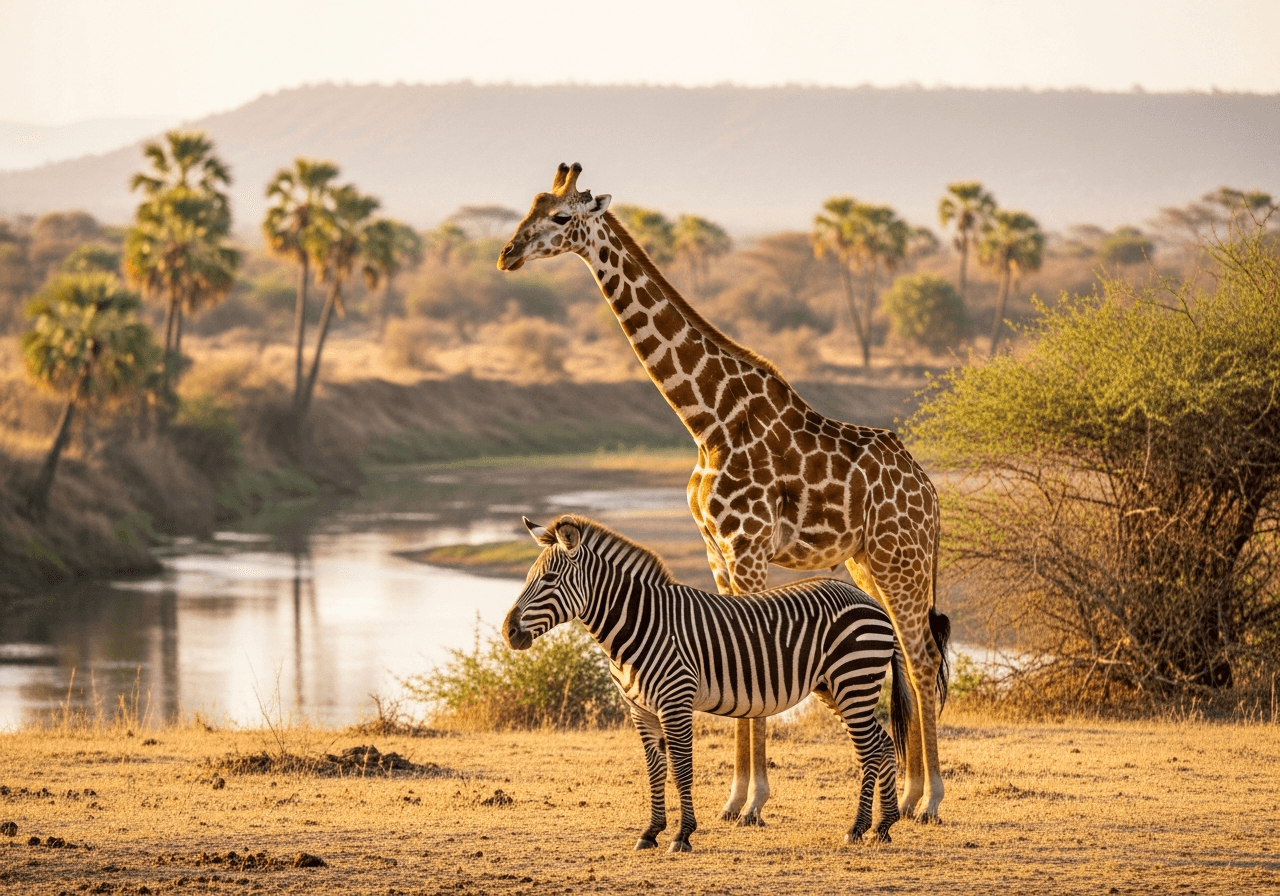
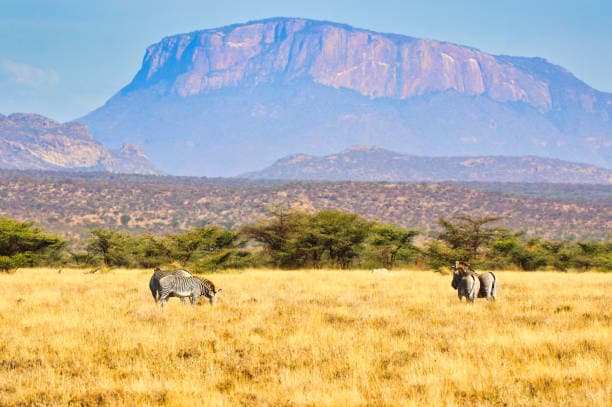
Samburu National Reserve is a semi-arid wilderness in the arid north of Kenya, strung along the Ewaso Nyiro River roughly 350 kilometres from Nairobi. It is the home of the Samburu Special Five — Grevy's zebra, reticulated giraffe, Somali ostrich, gerenuk and Beisa oryx — northern species found in few other reserves.
The reserve's character comes from contrast: a dry, semi-arid landscape of acacia scrub, rocky hills and volcanic outcrops cut by a ribbon of lush riverine forest along the Ewaso Nyiro. That permanent water draws wildlife from across the region, concentrating game along the river in a way that makes Samburu's sightings feel intimate and reliable.
What Is Samburu Known For?
- The Samburu Special Five: Grevy's zebra, reticulated giraffe, Somali ostrich, gerenuk and Beisa oryx
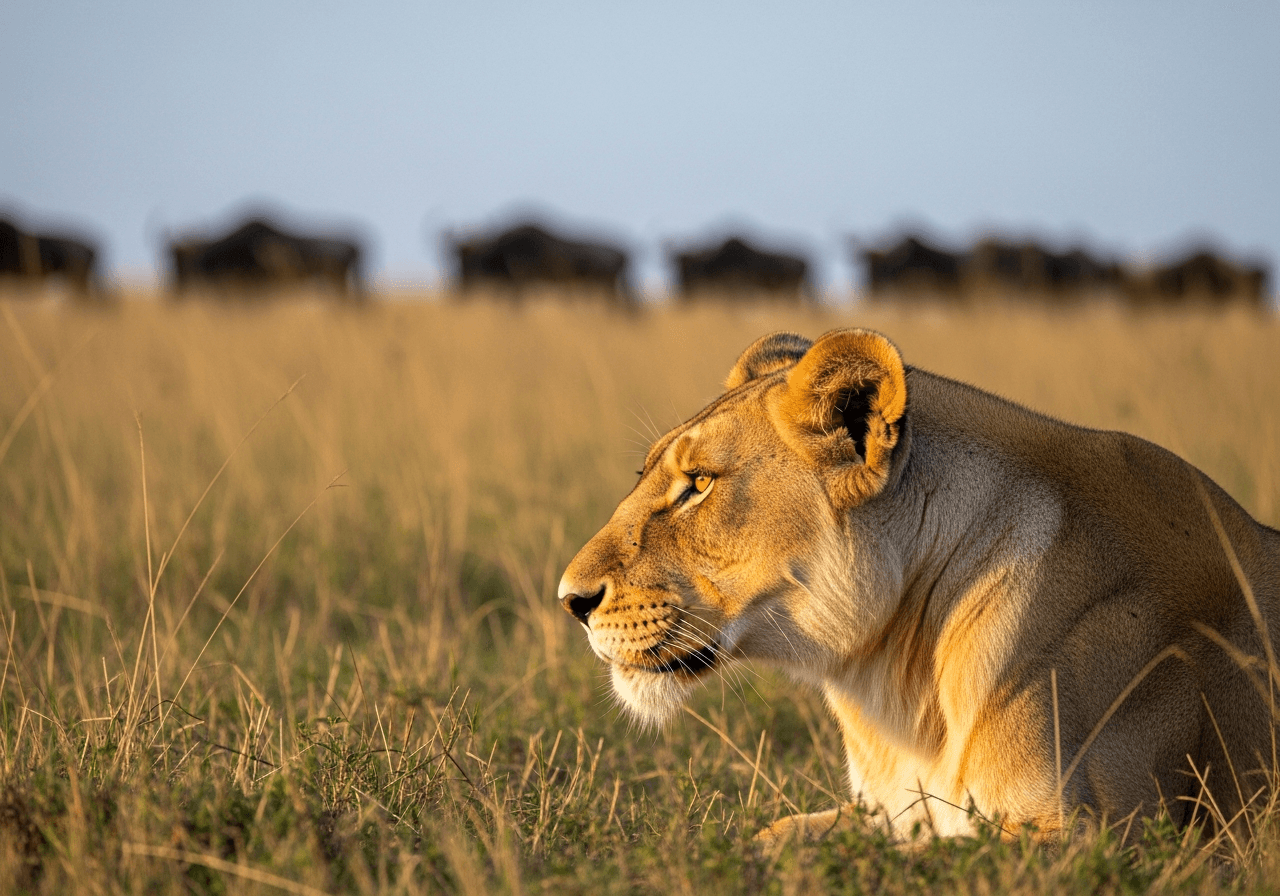
- Outstanding big cat viewing — lions, leopards and cheetahs patrol the river margins
- Large herds of elephants crossing and bathing in the Ewaso Nyiro
- The doum palm and riverine forest corridor, a magnet for buffalo and antelope
- Rich dry-country birdlife, from vulturine guineafowl to martial eagles
- Authentic cultural encounters with the Samburu people, northern cousins of the Maasai
Game drives here have a distinctive rhythm: mornings along the river as elephants descend to drink, middays in the shade of doum palms, and afternoons scanning the ridgelines where big cats like lions rest between hunts. River safaris and guided walks add variety, while visits to Samburu villages introduce a semi-nomadic culture whose warriors, dress and traditions remain strikingly intact.
Because Samburu sits well north of Kenya's classic circuit, it attracts fewer vehicles than the Maasai Mara — a reserve where sightings are often shared with no one at all.
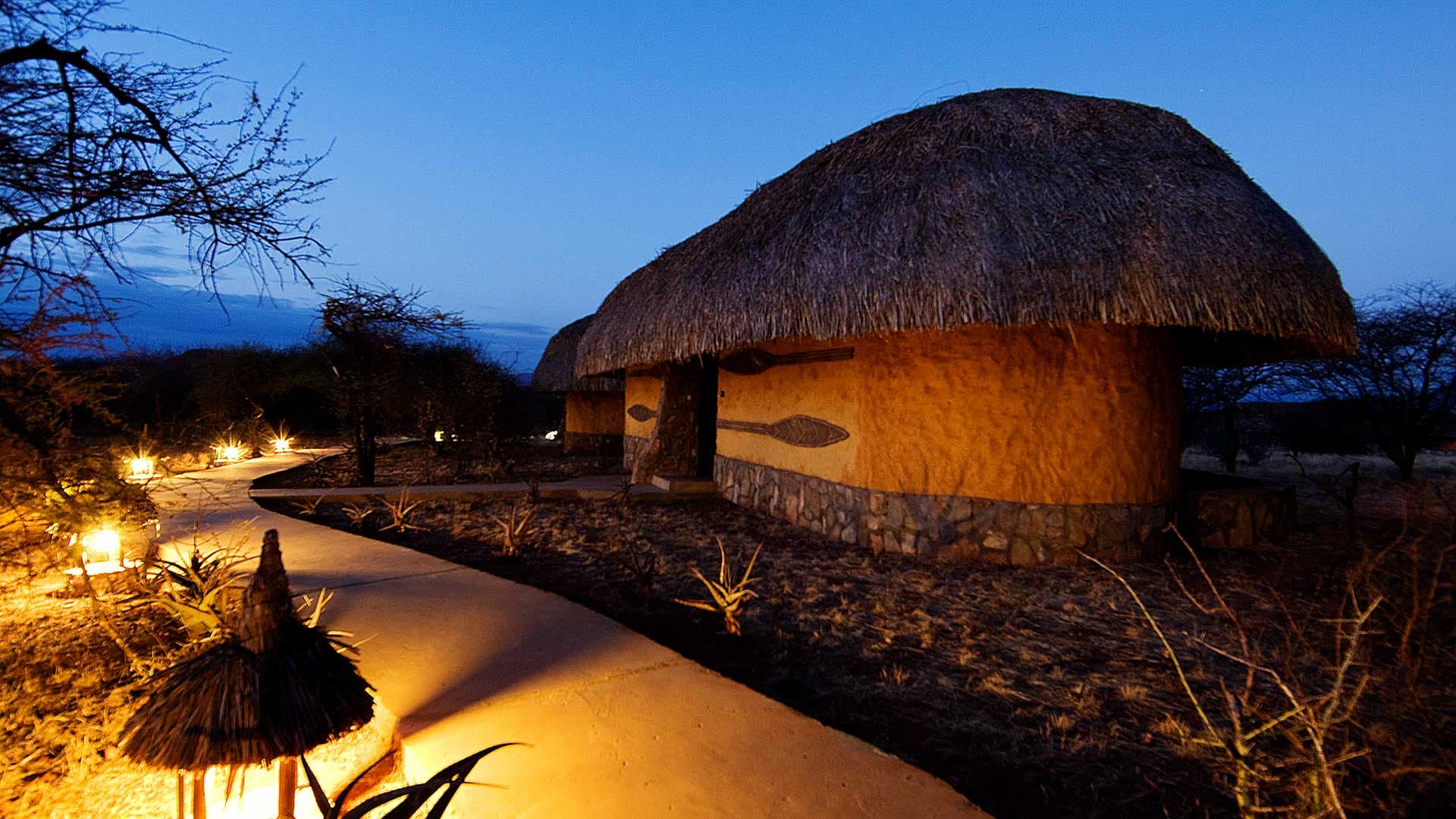
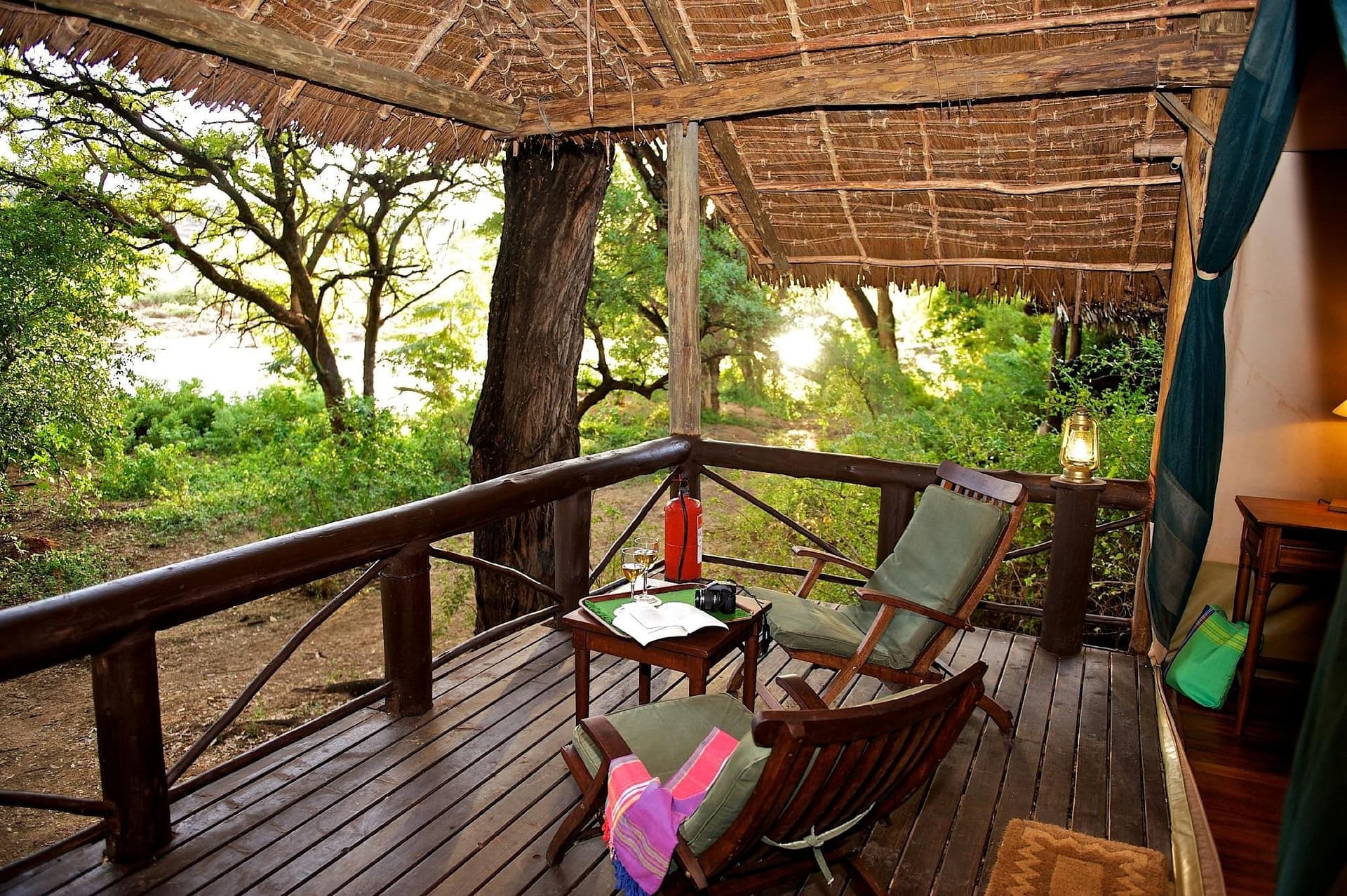
Samburu sits at the heart of a larger ecosystem: Buffalo Springs National Reserve faces it across the Ewaso Nyiro, and Shaba National Reserve lies just to the east, so wildlife moves freely across a landscape far bigger than any single reserve boundary. The river itself rises in the Mount Kenya and Aberdare highlands and is the region's lifeline — in severe droughts its flow shrinks and the game presses ever closer to the remaining pools, producing some of Kenya's most concentrated dry-season viewing. Samburu has also earned a reputation as one of Africa's most important elephant landscapes, with long-running research projects following individual families across generations; guides here often know the herds by name, adding a layer of storytelling to every sighting that few destinations can offer. The reserve's semi-arid setting also rewards visitors with reliably clear night skies, and many camps set dinner tables on the riverbank where the sound of elephants crossing in the dark is part of the experience — a wilder, more intimate register of safari than the busy southern circuit provides, and one that repeat visitors to Kenya consistently rank among their favourites.
When Is the Best Time to Visit Samburu?
The dry seasons from June to October and January to March are best, when wildlife congregates along the Ewaso Nyiro River and visibility peaks. The green seasons bring fresh landscapes, excellent birdwatching and low visitor numbers.
How Do You Get to Samburu?
The reserve lies approximately 350 kilometres north of Nairobi, a road journey of about 5 to 6 hours through Nanyuki and the Laikipia highlands. Scheduled and charter flights from Nairobi's Wilson Airport to airstrips within the Samburu ecosystem shorten the trip to around an hour.
How Many Days Do You Need?
Two to three nights is ideal — enough to find the full Special Five, work the river for elephants and cats, and fit in a cultural visit. Flying safaris make even a two-night stay unhurried.
Samburu forms the northern chapter of the 10-Day Midrange Kenya Safari by Road and the 10-Day Luxury Kenya Safari with Flights, which pair it with Kenya's southern reserves. Adding Samburu to a Mara-based itinerary is the single easiest way to double a trip's species list, since the northern specialists simply do not occur further south.