Shimba Hills National Reserve is a roughly 300 km² coastal rainforest reserve in south-east Kenya, about 33 km from Diani Beach and 56 km southwest of Mombasa. Its headline claim is unique: the reserve protects Kenya's only significant population of the rare and endangered sable antelope, set within one of East Africa's most important biodiversity hotspots.
Part of the Eastern Arc Coastal Forest ecosystem, Shimba Hills could hardly be more different from Kenya's savannah parks. Lush coastal rainforest, rolling hills, grasslands, woodlands and scenic valleys rise to around 450 m above sea level, delivering cooler temperatures than the nearby coast and, on clear days, panoramic views out across the Indian Ocean.
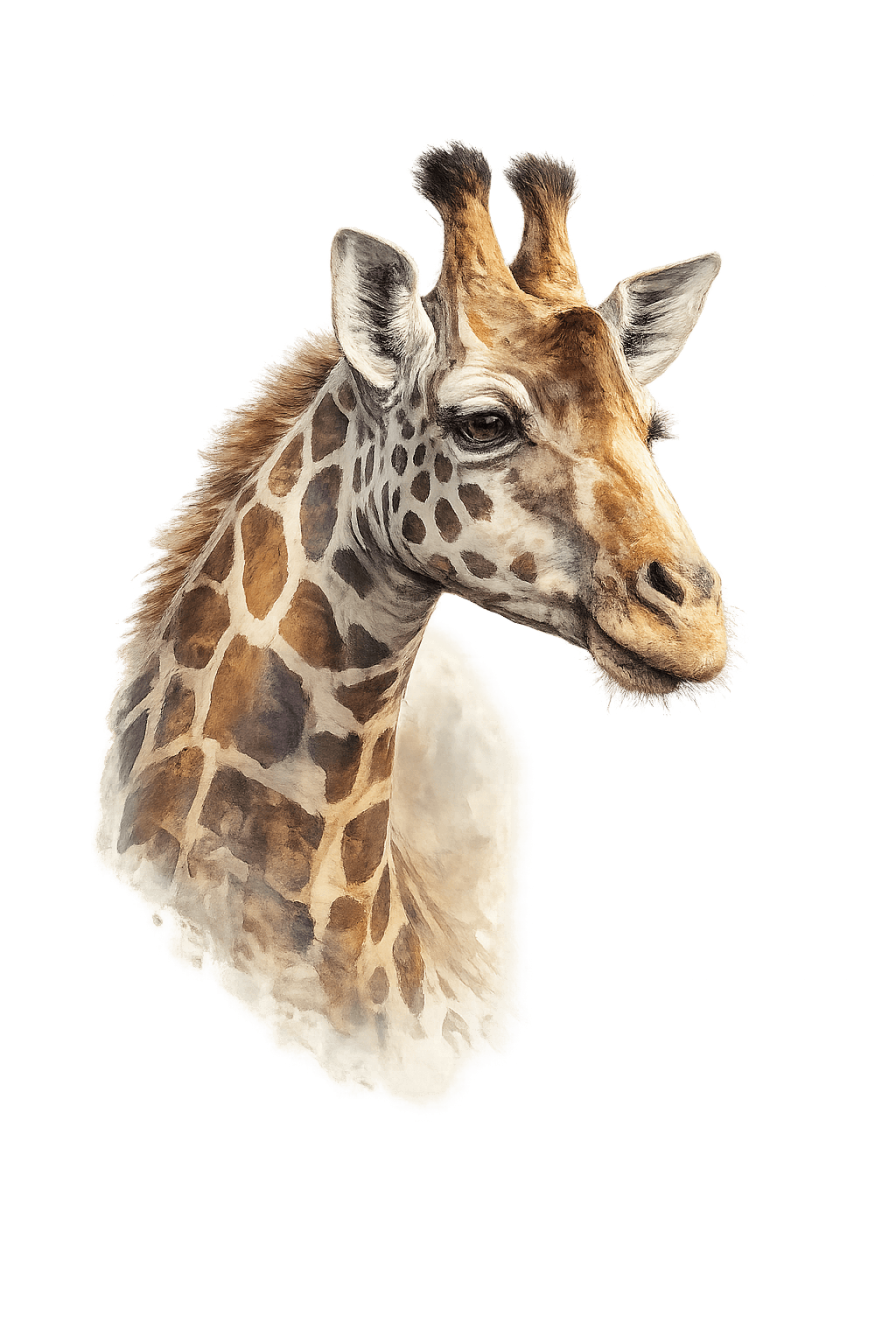
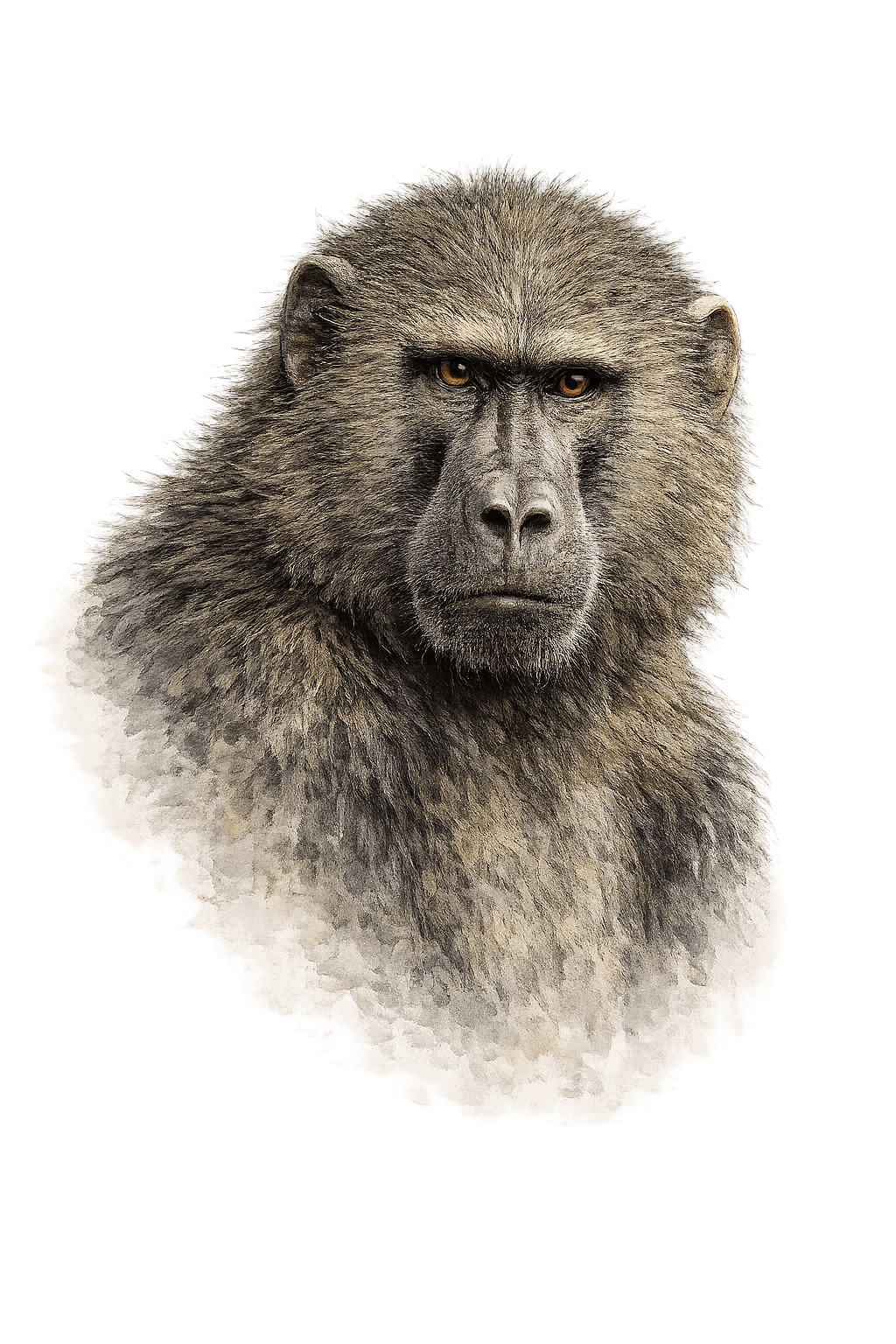
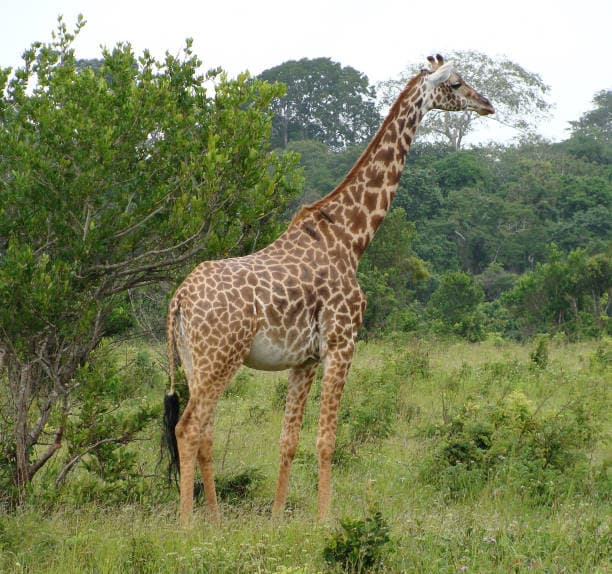
The star attraction is the sable antelope, one of Africa's most striking large antelopes, whose only viable Kenyan population survives here. The reserve also holds one of the highest densities of African elephants in Kenya, moving between forest and grassland in a setting quite unlike the country's better-known elephant strongholds. Buffaloes, giraffes, bushbucks, waterbucks, warthogs, monkeys, baboons, genets, civets and the occasional leopard complete the picture.
Birdlife is exceptional, with more than 300 recorded species including coastal forest endemics, hornbills, turacos, sunbirds, kingfishers, raptors and seasonal migrants — enough to rank Shimba Hills among Kenya's premier birding destinations.
Two natural landmarks anchor most visits. Sheldrick Falls, a beautiful 21 m waterfall hidden in the forest, is reached by a guided walk that doubles as a natural history lesson, while the viewpoint at Elephant Hill sweeps across forest, grassland and the distant coastline. Game drives, guided nature walks and photography safaris fill out a rewarding one- or two-day programme.
The reserve's ecological importance extends well beyond its flagship species. Its coastal forests belong to one of Africa's oldest and most fragmented forest systems, sheltering rare plants — including endemic cycads and orchids — alongside butterflies, amphibians and small mammals found in few other places. Conservation programmes here also manage the pressure of the large elephant population on the forest, a reminder that Shimba Hills is a working landscape as well as a scenic one.
Visiting is refreshingly simple compared with Kenya's remoter parks: morning game drives, a guided walk to Sheldrick Falls, a picnic at one of the viewpoints and an afternoon circuit through the grasslands fill a day comfortably. The cooler hilltop air — often several degrees below the coast — is a welcome bonus for travellers based at sea level.
What Is Shimba Hills Known For?
- Kenya's only significant population of the endangered sable antelope
- One of the country's highest densities of African elephants
- Sheldrick Falls, a 21 m waterfall reached by guided forest walk
- More than 300 bird species, including coastal forest endemics
- Ocean views from Elephant Hill and other ridge-top lookouts
- A cool, forested contrast to Kenya's savannah safari parks
When Is the Best Time to Visit Shimba Hills?
The reserve is open year-round. The dry seasons — June to October and January to March — offer the best game viewing and walking conditions, while the rains bring lush forest scenery and superb birdwatching for those who don't mind occasional showers.
How Do You Get to Shimba Hills National Reserve?
Access is easy from Kenya's south coast: the reserve sits roughly 33 km from Diani Beach and 56 km from Mombasa, making it the most convenient wildlife excursion from the coastal resorts. Most visitors arrive on a guided day trip or overnight safari from Diani or Ukunda.
How Many Days Do You Need?
A full-day trip from Diani covers the main game-viewing circuits and Sheldrick Falls comfortably. An overnight stay adds dawn game drives — the best time for elephant and sable sightings — and a more relaxed pace.
For beach-based travellers wanting a genuine wildlife experience without a long transfer, Shimba Hills National Reserve is the south coast's most rewarding safari escape — proof that a full Kenyan safari day, complete with elephants, rare antelope and a rainforest waterfall, can begin and end with breakfast and dinner beside the Indian Ocean.