Imara Africa Safaris
Kenya

Meru National Park

Discover a hidden gem of Kenya, where wildlife thrives in peace and Mount Kenya stands guard.

Discover Meru National Park, one of Kenya's most spectacular and least-crowded safari destinations. Famous as the home of Elsa the Lioness from the iconic Born Free story, the park offers breathtaking landscapes, abundant wildlife, and authentic safari experiences away from the crowds. Visitors can explore vast savannahs, riverine forests, swamps, and palm-lined rivers while spotting elephants, lions, leopards, cheetahs, rhinos, and over 400 bird species. Meru National Park combines wilderness, conservation, and adventure, making it one of Kenya's most rewarding hidden safari gems.

9 Wildlife1 Stays4 Highlights
Meru National Park

About Meru National Park

Kenya · Safari Destination

Meru National Park is an 870 km² wilderness east of Mount Kenya, approximately 350 km northeast of Nairobi. It is the celebrated setting of the Born Free story — where George and Joy Adamson raised and released Elsa the lioness — and today offers rhino sightings, permanent rivers and some of Kenya's most crowd-free big-game viewing.

The park forms part of a much larger protected complex that includes Kora National Park, Bisanadi National Reserve and Mwingi National Reserve. Its conservation legacy is unmatched in Kenya: visitors can still explore the landscapes where Elsa the Lioness roamed, a story that carried Meru to worldwide fame through the bestselling book and award-winning film.

Ecologically, Meru is defined by water. Major rivers including the Tana, Rojewero, Ura and Murera flow through the park year-round, threading dense riverine forest, swamps and doum palm stands through open grassland, acacia woodland and rocky outcrops. This permanent water sustains wildlife densities that belie the park's semi-arid setting.

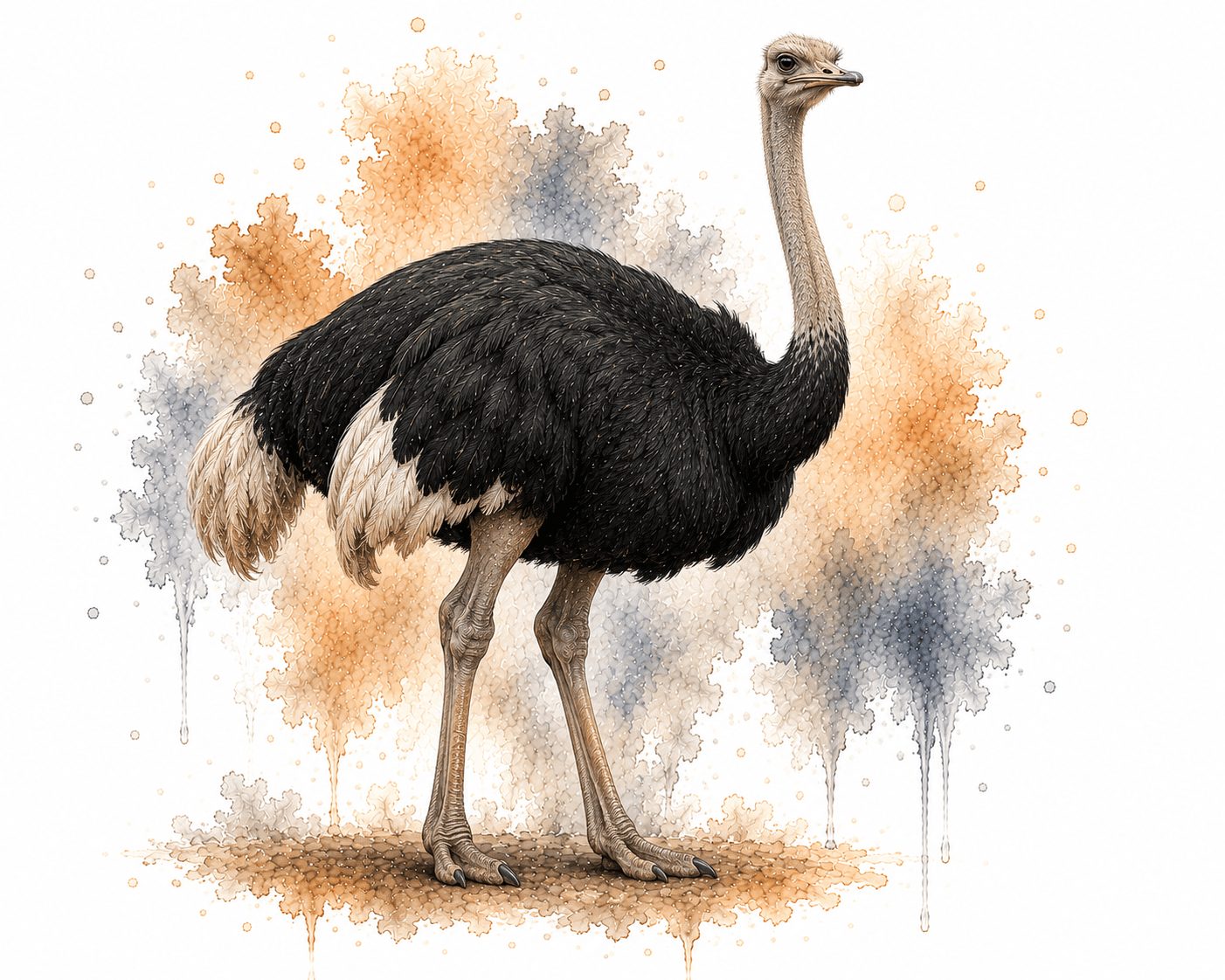
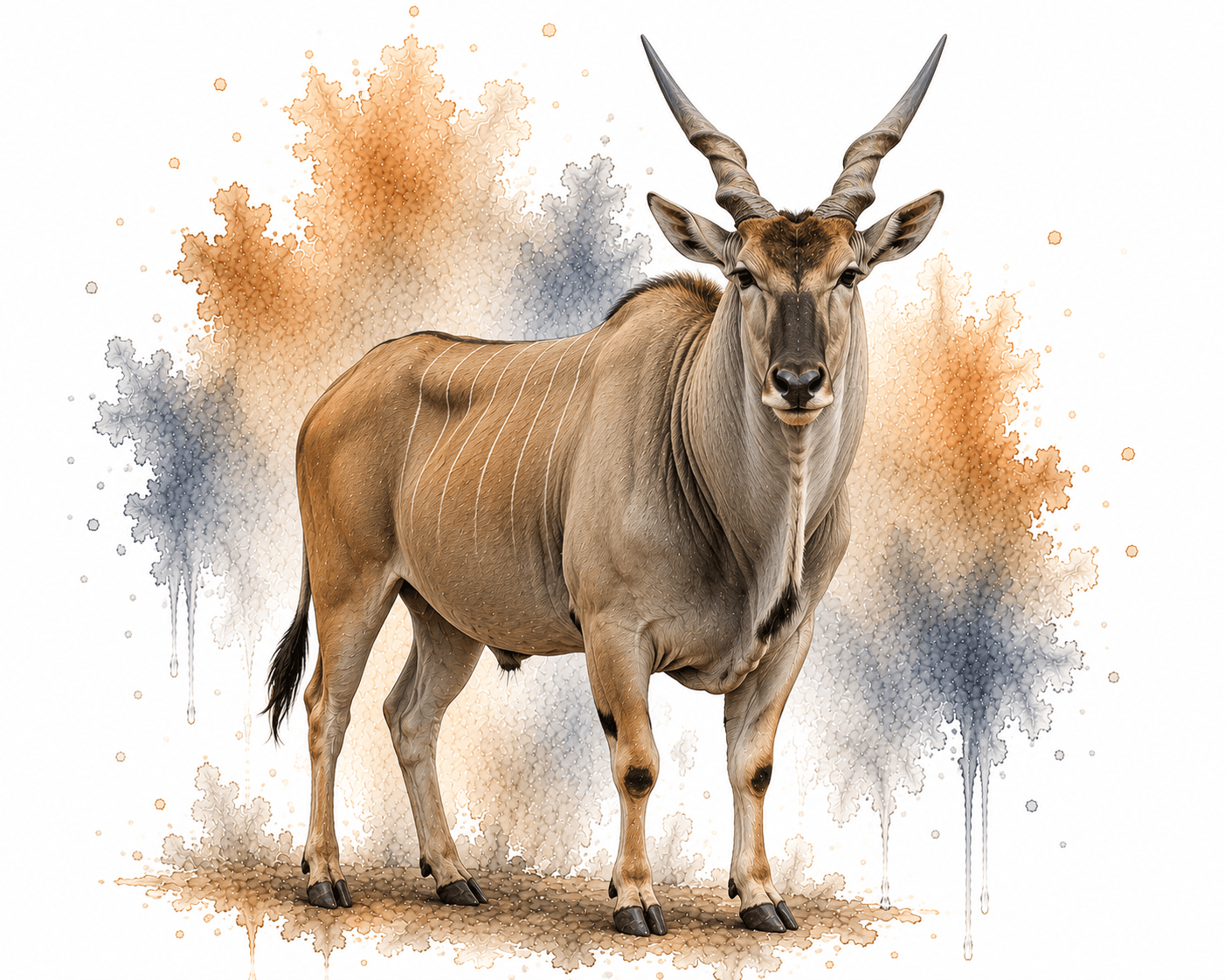
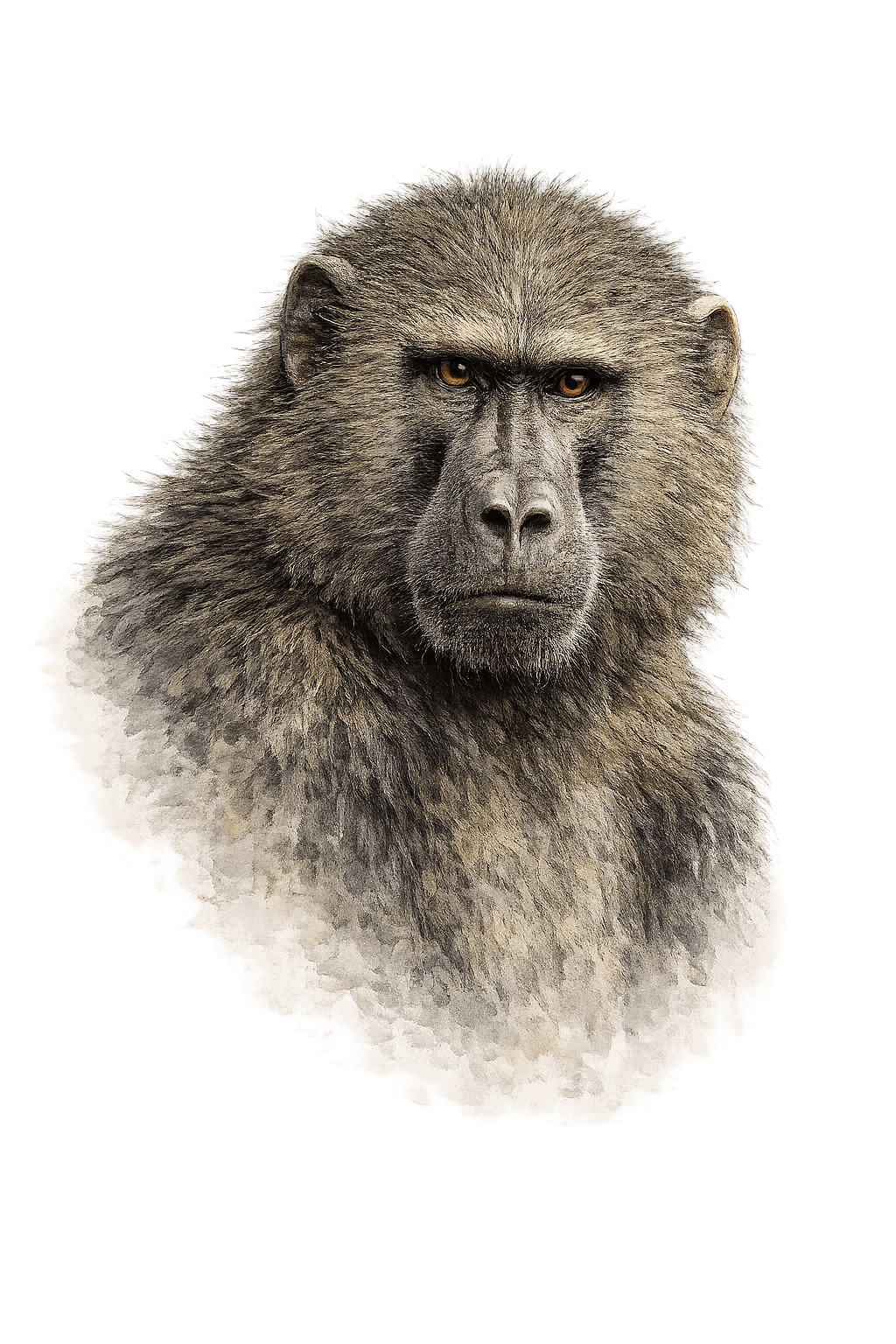
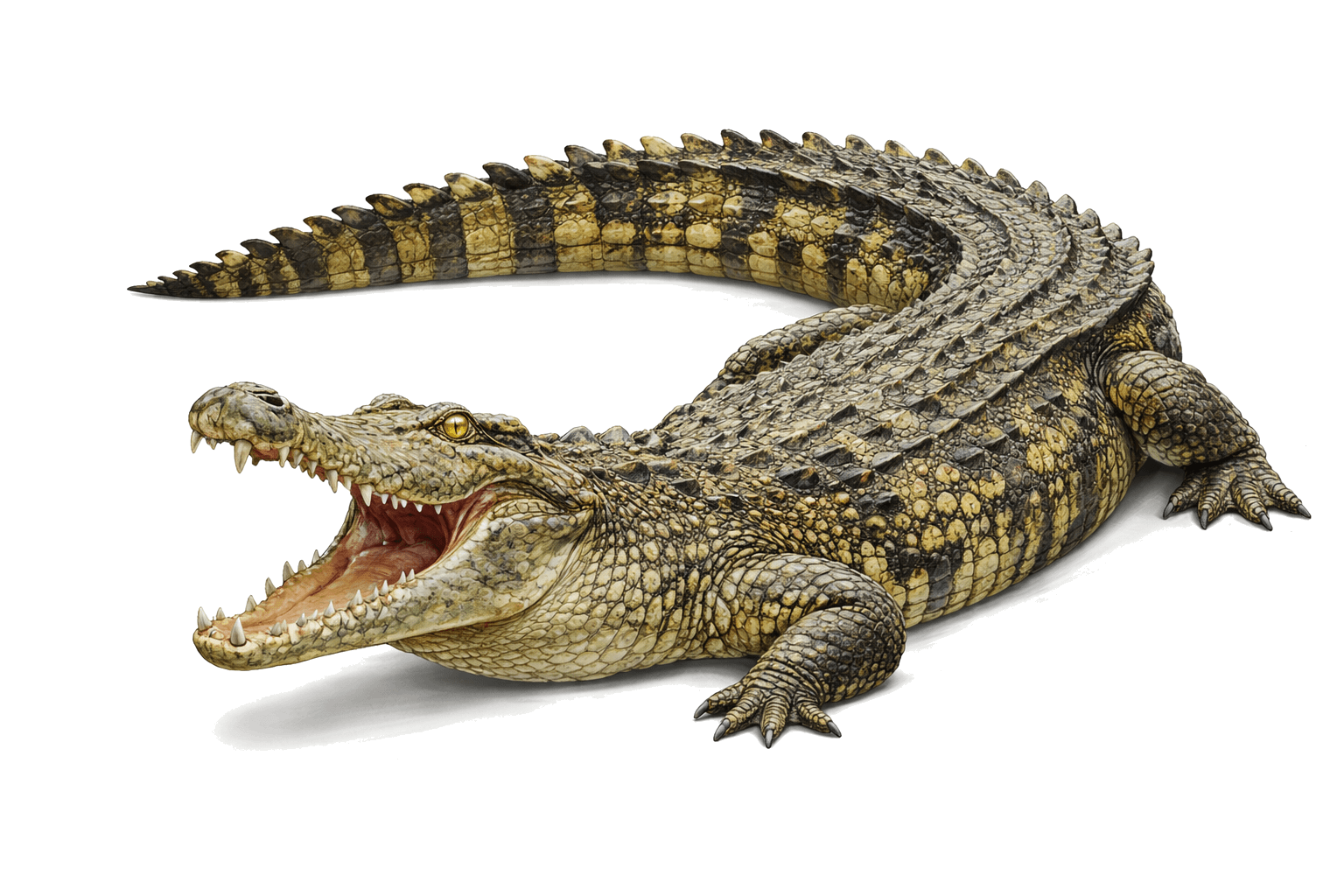
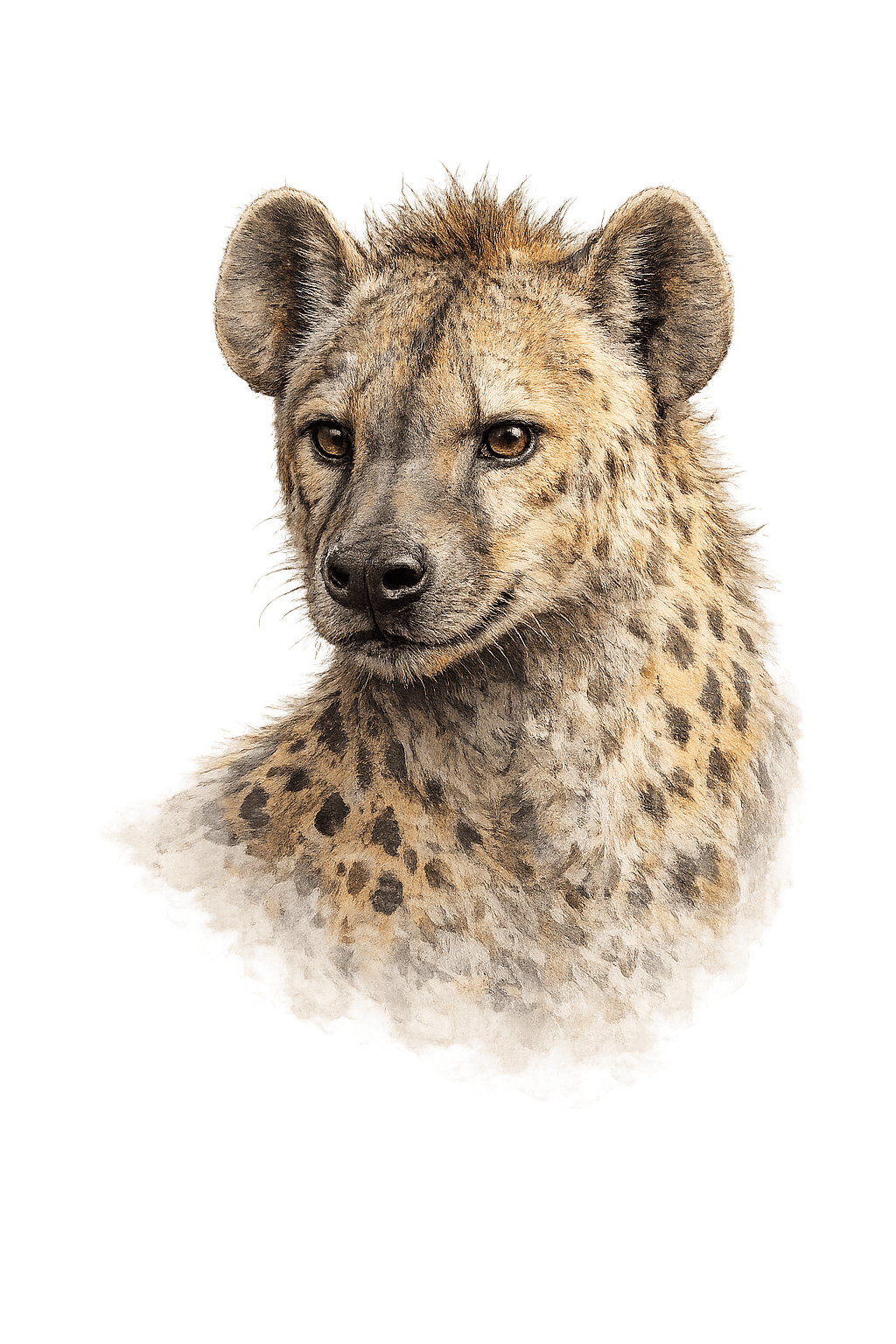
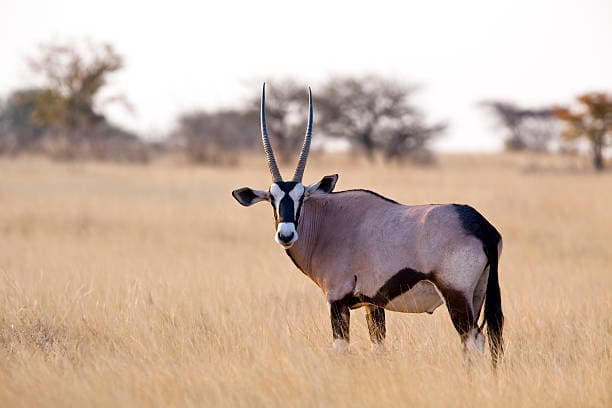
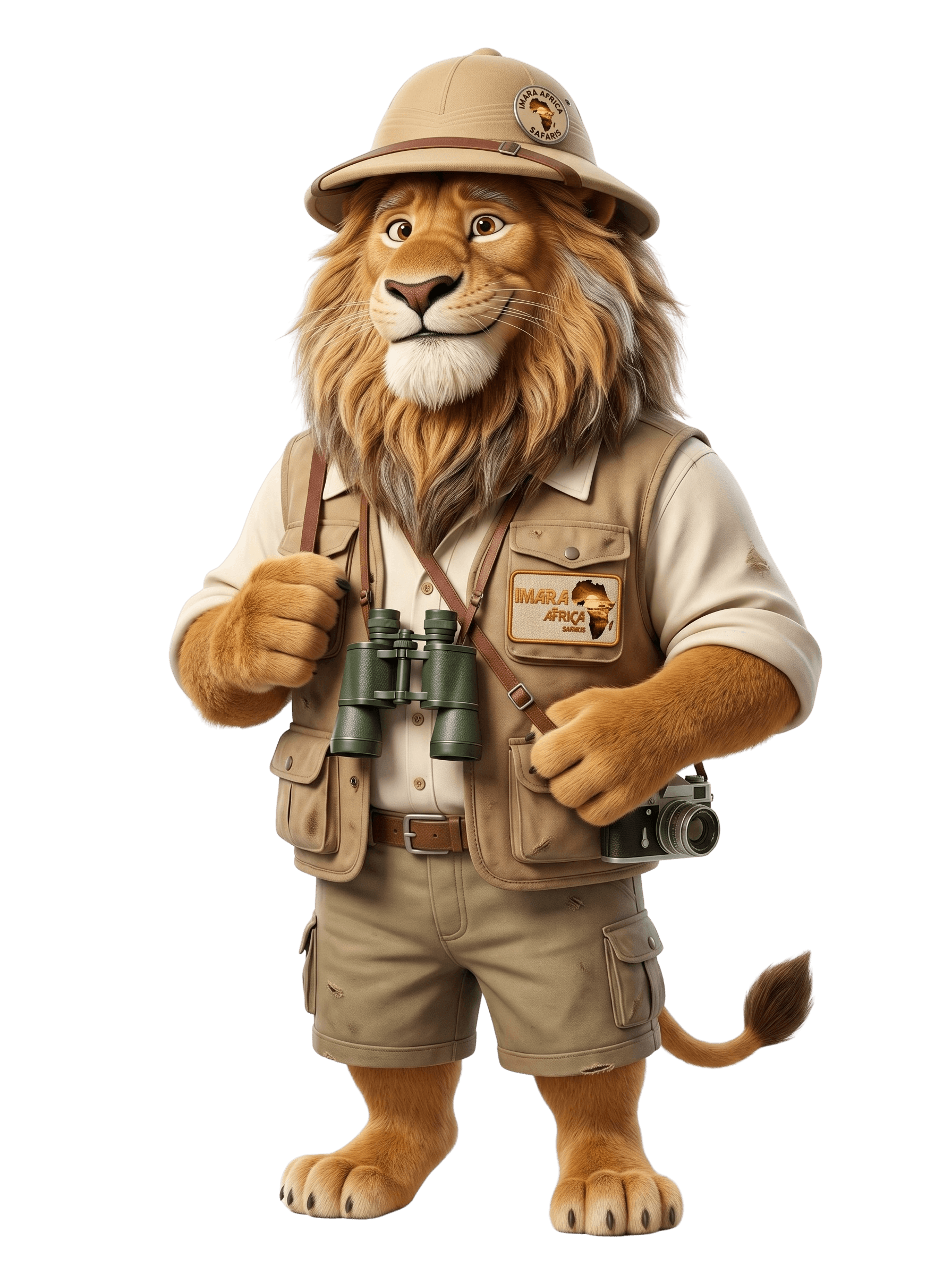
Game viewing features elephants, lions, leopards, cheetahs, hyenas, buffaloes, giraffes, zebras, oryx, elands, hartebeests, hippos and crocodiles, plus dryland specialists such as the Somali ostrich and gerenuk. A fenced rhino sanctuary within the park protects both black and white rhinos, making Meru one of the few Kenyan parks where visitors can reliably seek both species.

Birdlife tops 400 recorded species — kingfishers, bee-eaters, hornbills, fish eagles, herons and storks along the rivers, with dry-country species on the plains. Perhaps Meru's greatest luxury, though, is solitude: sightings here are rarely shared with another vehicle, giving safaris an intimacy that Kenya's famous parks can seldom match.

Meru's history adds poignancy to its present. Heavy poaching in the late twentieth century emptied much of the park before a major restoration programme rebuilt its infrastructure and restocked its wildlife — a recovery now regarded as one of Kenya's conservation success stories. Elsa's grave and the sites associated with the Adamsons remain quiet places of pilgrimage for Born Free readers.

What Is Meru National Park Known For?

  • The Born Free story of Elsa the Lioness and the Adamsons
  • A rhino sanctuary protecting both black and white rhinos
  • Thirteen permanent rivers, including the Tana and Rojewero
  • Dryland species such as oryx, gerenuk and Somali ostrich
  • More than 400 recorded bird species
  • Genuinely crowd-free big-game safaris

When Is the Best Time to Visit Meru?

The park is open year-round, with the dry seasons — June to October and January to March — offering the best wildlife viewing as animals gather along the rivers. Birdwatchers may prefer the greener months, when migrants arrive and the landscape is lush.

How Do You Get to Meru National Park?

Meru lies approximately 350 km northeast of Nairobi, a drive of about 5 to 6 hours via Embu or Nanyuki, while domestic flights connect Nairobi to airstrips within the park for a much faster arrival.

How Many Days Do You Need?

Two to three nights allow proper exploration of the rivers, the rhino sanctuary and the remoter plains — and the journey there deserves more than a single night's stay.

For travellers who value wild country, conservation history and safaris without the crowds, Meru National Park is among Kenya's most rewarding and underrated destinations.
Highlights

01Big Five game viewing
02Photography opportunities
03Predator sightings
04Scenic landscapes

At a Glance

Wildlife: 9 species
Stays: 1 places
Photos: 4
Safari Planning

Best Time to Visit Meru National Park

Month-by-month guide with live weather, crowd levels, and seasonal highlights for Meru National Park, Kenya.

Dry SeasonMixed / Short RainsGreen Season (Rains)Current Month

August

August is an excellent time to visit Meru National Park for reliable dry-season safari conditions and strong wildlife concentration around permanent water. Despite Kenya’s wider peak safari season, Meru remains quieter than Masai Mara, so game drives to the Rhino Sanctuary, Adamson Falls and the Tana River can produce relaxed sightings of rhino, elephant, buffalo, Somali ostrich and gerenuk.

Dry Season 18–28 °CMedium Season Higher Rates

Best For

Elephant and buffalo concentrations at permanent riversRhino Sanctuary game drivesAdamson Falls excursionsDry-season birding along riverine forest

Monthly Rainfall

Bone dry — perfect conditions

Live Weather · Meru National Park

Live
21°C

broken clouds · Feels 21°C

Humidity

70%

Wind

17 km/h

Feels

21°C

Live weather via OpenWeather — updated every 5 min.

When to Visit

Recommended travel months

Meru National Park can be visited throughout the year. The best wildlife viewing occurs during the dry seasons from June to October and January to March when animals gather around rivers and water sources. Birdwatchers may prefer the wetter months when migratory species are present and the park is lush and green.

Climate & Weather

Year-round weather patterns

Meru National Park experiences a warm tropical climate with pleasant temperatures throughout the year.

Location & Getting There

Meru National Park, Kenya

Meru National Park

Kenya

Coordinates

0.16463°, 38.19526°

Open in Google Maps

Getting There

Routes, transfers & access information

Meru National Park is located approximately 350 kilometers northeast of Nairobi and can be reached in about 5 to 6 hours by road. Domestic flights are also available from Nairobi to nearby airstrips within the park.

The terrain is incredibly diverse, featuring open savannahs, riverine forests, wetlands, acacia woodlands, grasslands, rocky kopjes, and numerous permanent rivers. This diversity supports a rich variety of wildlife habitats and scenic landscapes.

Where to Stay

1 stay in Meru National Park

Ikweta Safari Camp
Eco-Friendly
01
Camp

Ikweta Safari Camp

Meru National Park, Murera Gate

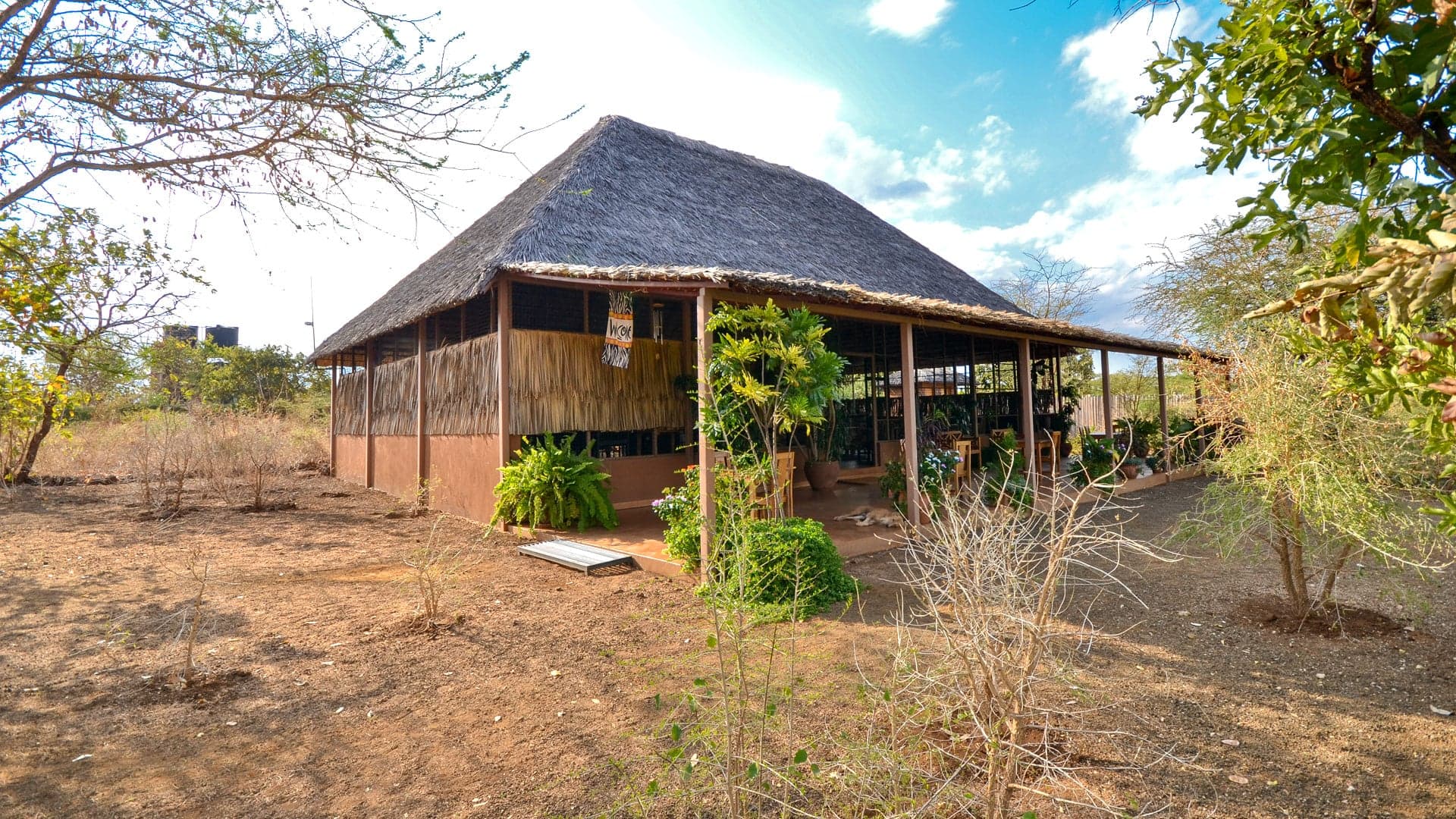
Ikweta Safari Camp is an eco-friendly mid-range safari camp located just two kilometres outside the Murera Gate of Meru National Park, Kenya. It features ten spacious en-suite safari tents, a large swimming pool, and operates largely on solar power, offering affordable, high-value access to Meru’s diverse Big Five wildlife.

Swimming PoolRestaurantBar+11
9 highlights9 activities11 dining10 rooms

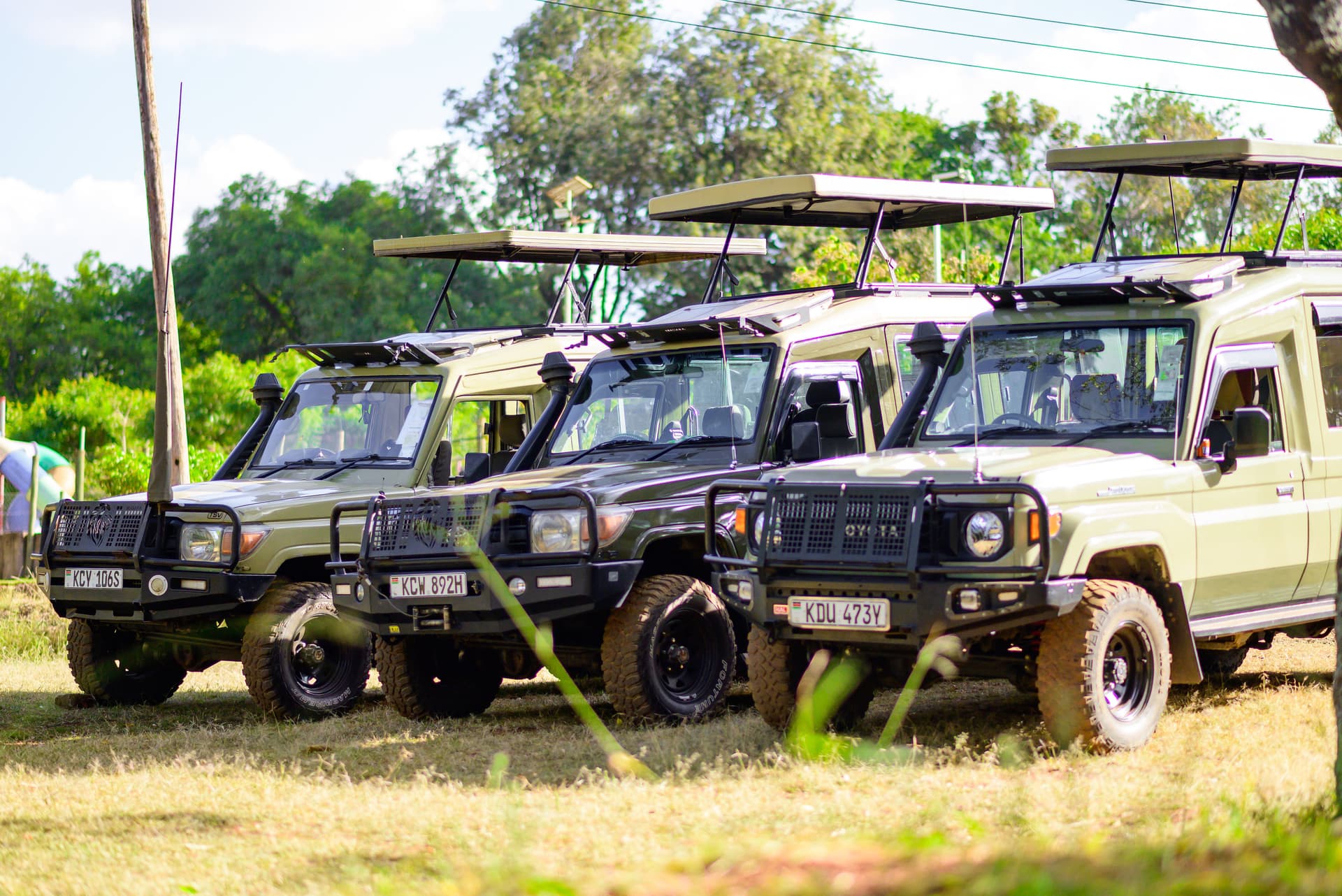
Safari Vehicles for Meru National Park

3 purpose-built vehicles— fully insured & maintained

Accessibility

Meru National Park is best explored using customized 4x4 safari vehicles, especially during rainy seasons when some roads can become muddy and challenging. The park has an extensive network of game-viewing tracks that provide access to rivers, rhino sanctuaries, grasslands, and wildlife-rich areas.

Fly-in safaris are available via Kinna, Mulika, and other nearby airstrips, making Meru easily accessible for luxury safari travelers. Both guided and self-drive safaris are possible, although guided game drives offer the best opportunities for wildlife sightings.

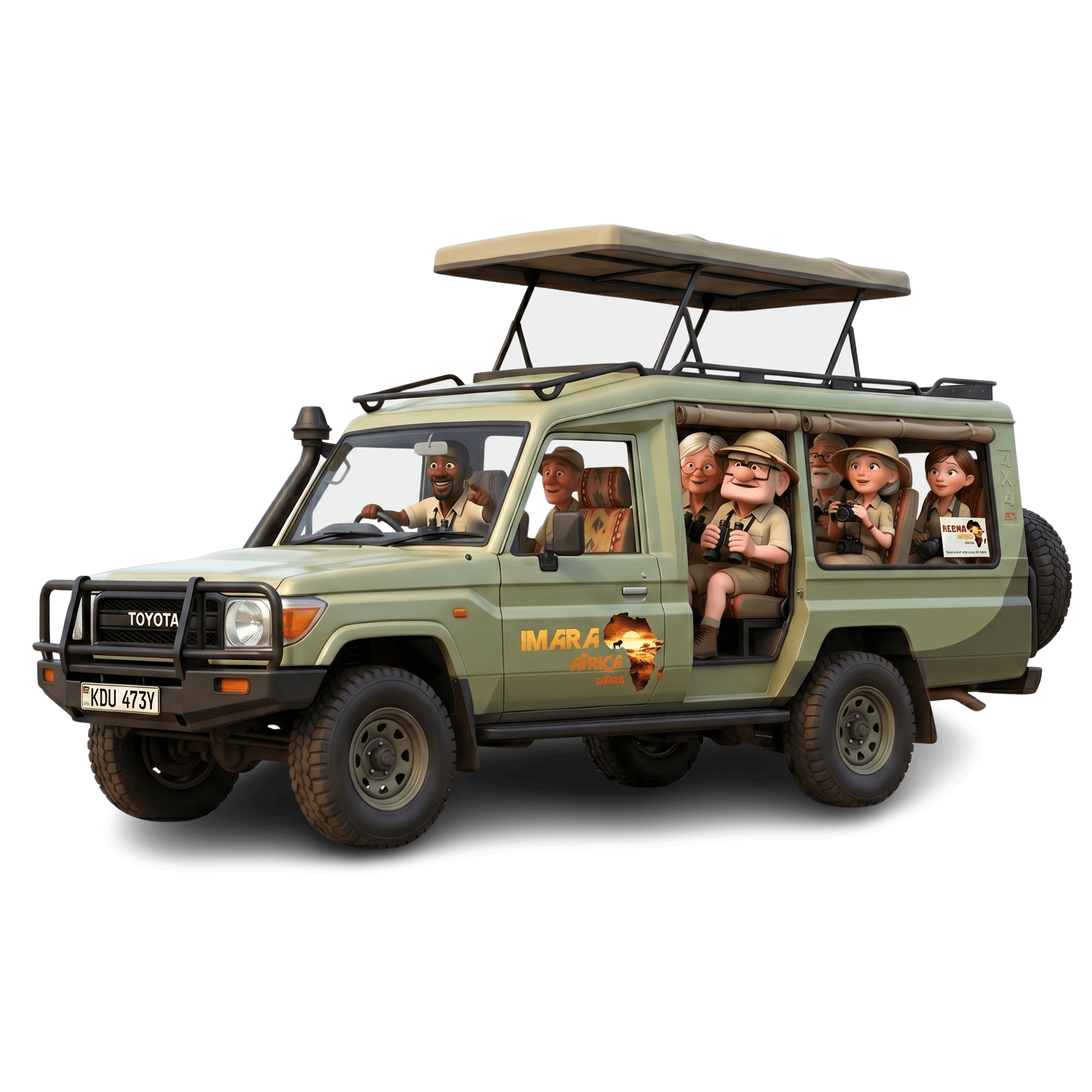
4×4 Safari Land Cruiser
01

4×4 Safari Land Cruiser

Toyota 78 Series — Game Drive Specialist

7 - 8 guests 4x4 Safari Land Cruiser
View Details Insured
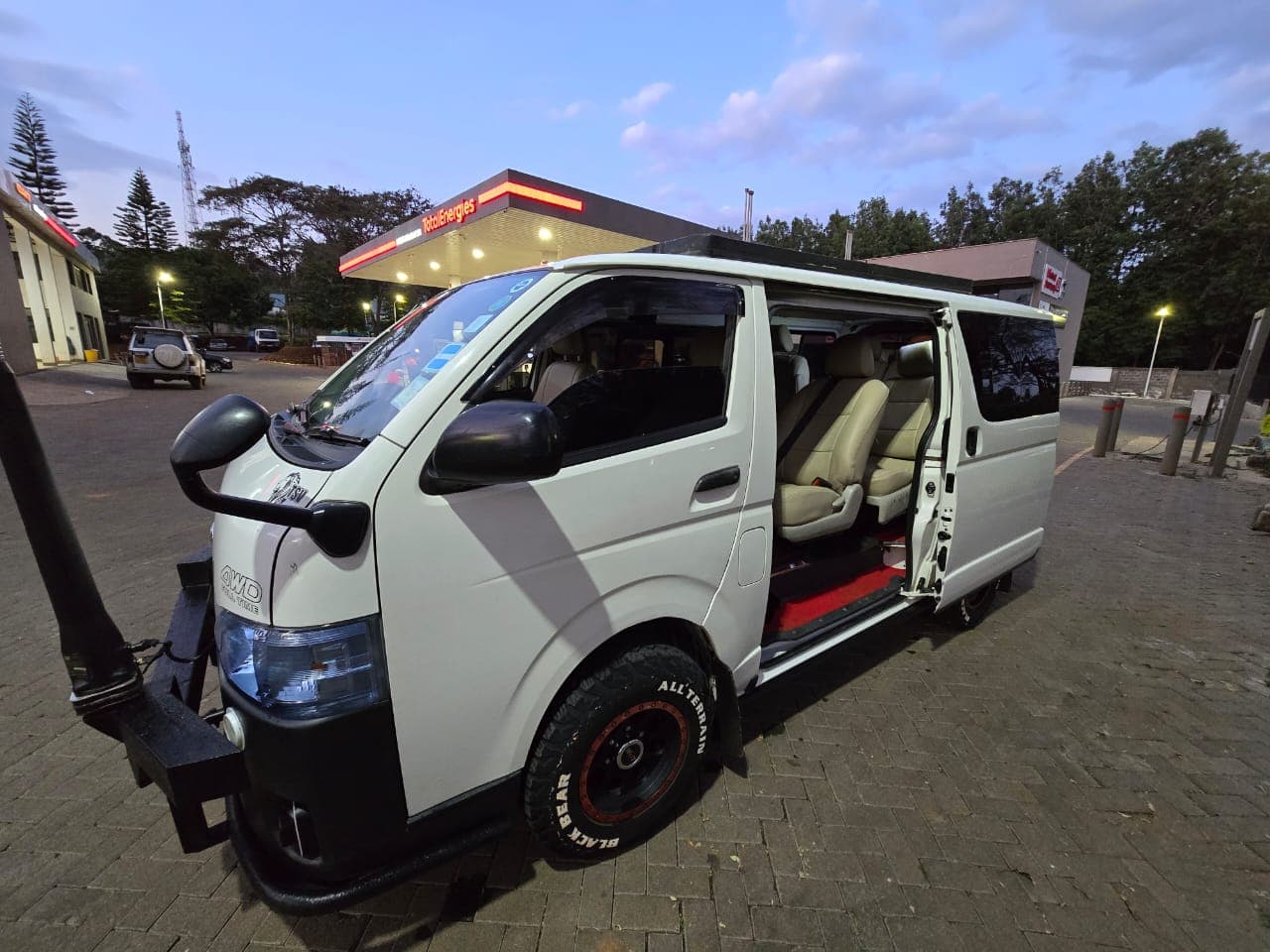
4×4 Safari Van
02

4×4 Safari Van

Toyota HiAce Custom — Budget-Friendly Explorer

6–7 guests 4x4 Safari Van
View Details Insured
Mini Bus / Rosa Bus
03

Mini Bus / Rosa Bus

Rosa / Coaster — Large Group Transfers

15–30 guests Mini Bus / Rosa Bus
View Details Insured

Compare Meru National Park

Not sure if Meru National Park is the right park? See how it stacks up against other East African destinations.

Written and reviewed by Imara Africa Safaris’ Nairobi-based safari specialists, who plan and guide trips to Meru National Park throughout the year. Park fees, seasonal conditions and access details are checked against official park and tourism-board sources. .

Meru National ParkFrequently Asked Questions

“Imara” means strongin Swahili. We build every safari with that same strength — expert knowledge, honest pricing, and relentless attention to detail.

Imara Africa Safaris

Ready for the trip of a lifetime?

Tell us what you're looking for and we'll build a custom itinerary — free, no obligation, within 24 hours.

Start Planning

No spam, ever. Unsubscribe anytime.

Safari AI Expert Live

Instant safari advice — 24/7

Ask me anything about safaris, destinations, wildlife or planning your trip.

Open Safari AI Expert

Chat with us

Online now

Our safari experts are ready to help you plan the perfect African adventure.