Lewa Wildlife Conservancy is a private conservation area of more than 62,000 acres on the northern slopes of Mount Kenya, in Kenya's Laikipia County. Established in 1995, it is one of Africa's most celebrated conservation success stories, protecting more than 10% of Kenya's black rhino population alongside the world's largest concentrations of endangered Grevy's zebra.
Lewa has become a global model for how wildlife conservation, community development and sustainable tourism can reinforce one another. The conservancy safeguards critical wildlife migration corridors, funds schools, clinics and water projects in neighbouring communities, and channels tourism revenue directly into protection of endangered species.
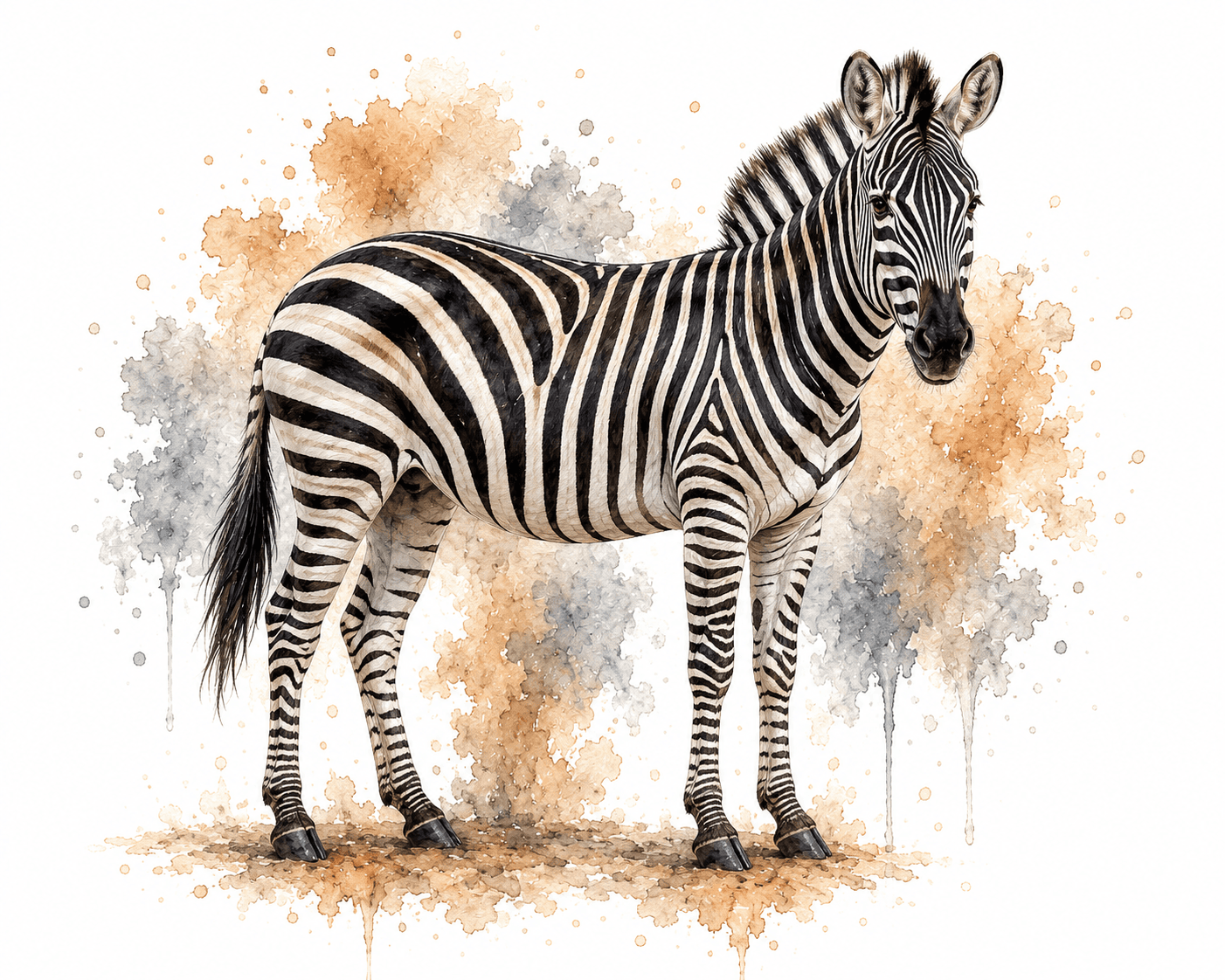
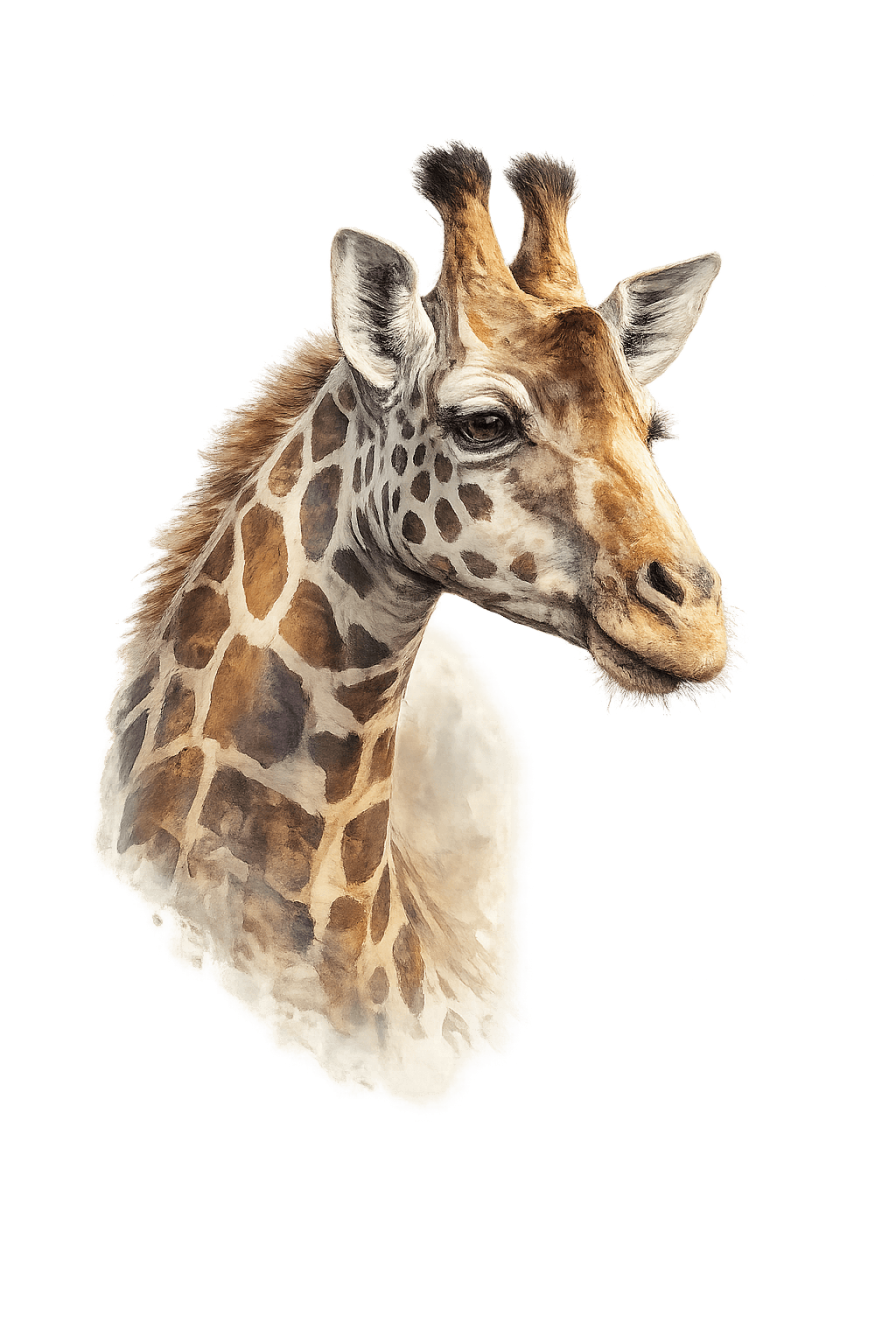
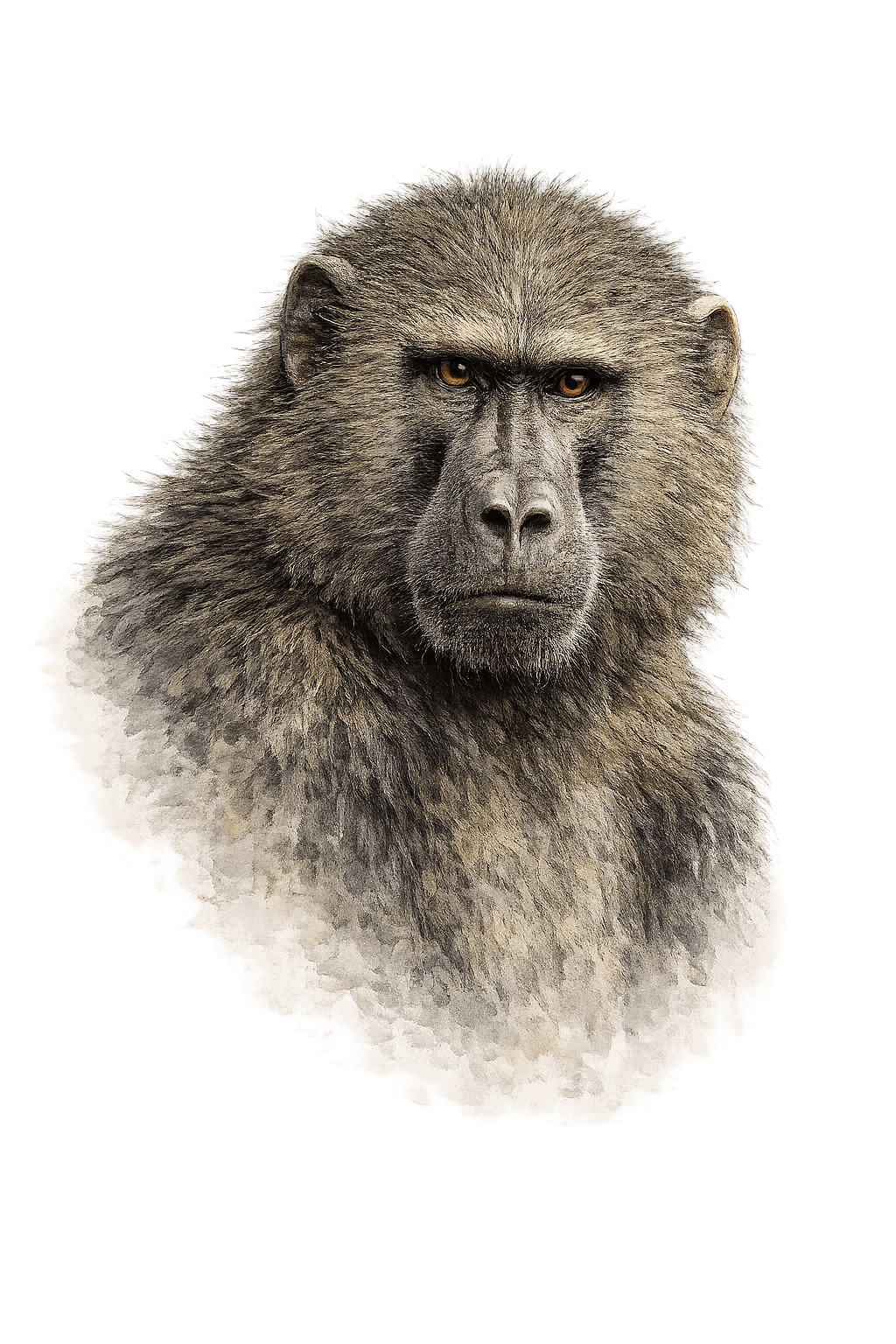
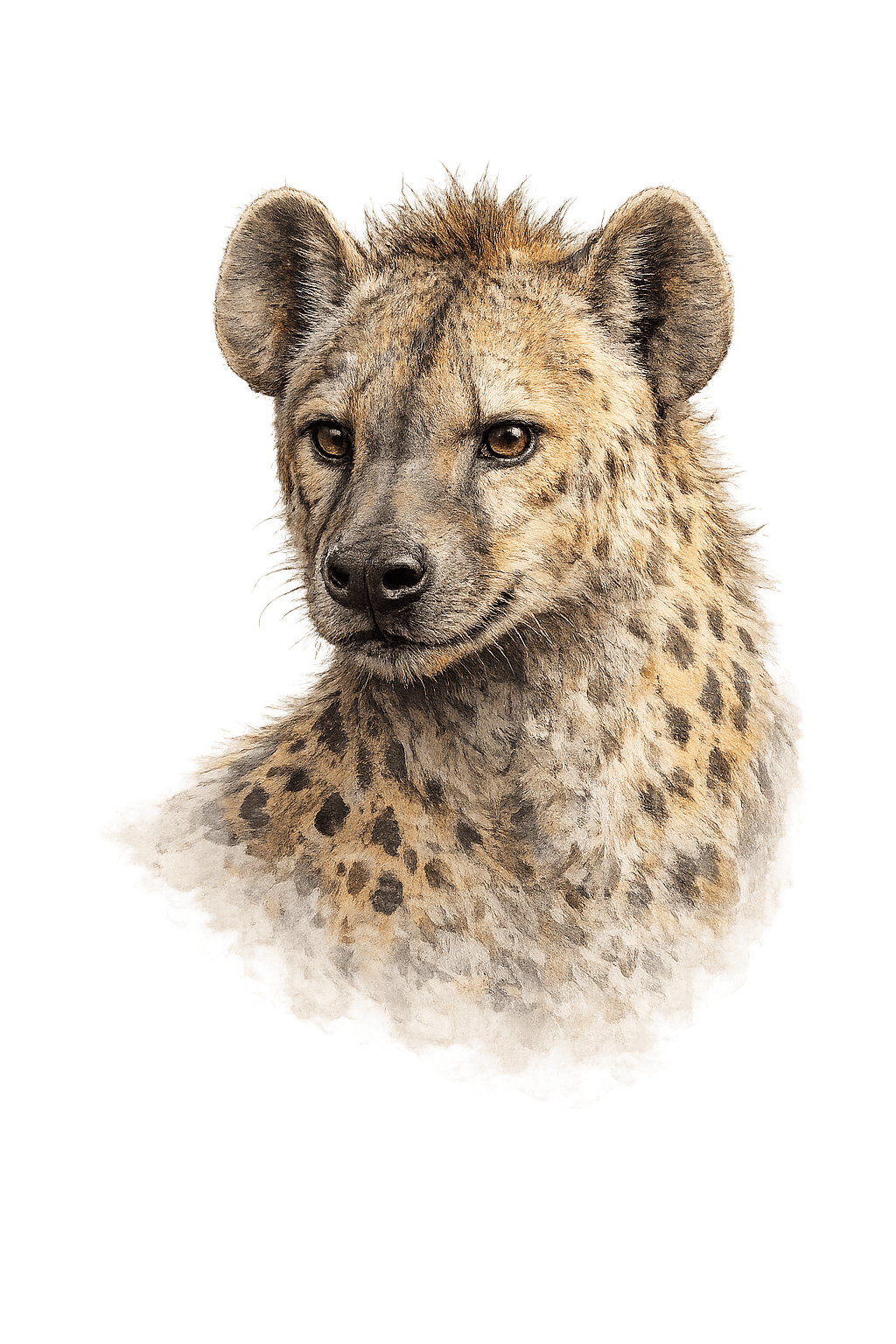
Rhino conservation is Lewa's flagship achievement. The conservancy protects one of Kenya's most important populations of black and white rhinos, making it among the finest places in Africa to watch these animals at close range. It is equally significant for the endangered Grevy's zebra — found only in northern Kenya and parts of Ethiopia — alongside elephants, lions, leopards, cheetahs, buffaloes, reticulated giraffes, hyenas, wild dogs, plains zebras, elands and baboons.
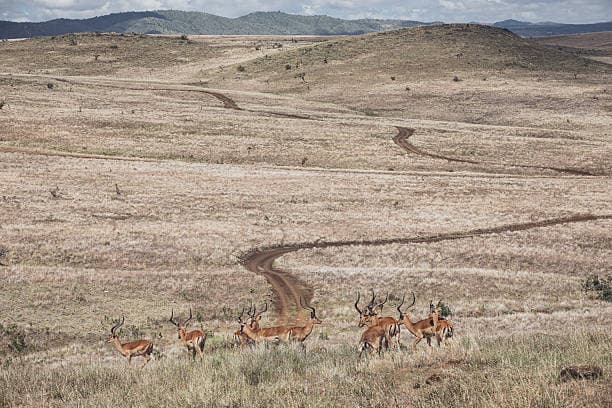
The landscape rolls from open grassland and acacia woodland through riverine forest to hills with sweeping views of Mount Kenya, whose summit rises to 5,199 m to the south. Lewa is recognised by UNESCO as World Heritage territory within the Mount Kenya inscription — international acknowledgement of its conservation significance.
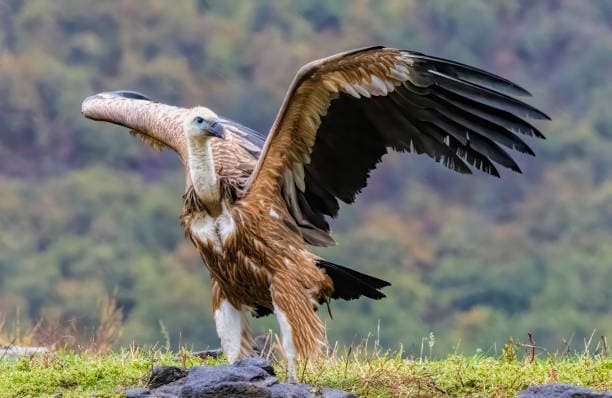
The visitor experience is deliberately exclusive: limited guest numbers, few vehicles and highly personalised activities. Game drives are complemented by guided walking safaris, horseback and camel rides, bush breakfasts, sundowners and behind-the-scenes conservation encounters with Lewa's research and anti-poaching teams. Birdwatchers can seek over 450 recorded species, from raptors and hornbills to seasonal migrants.
Lewa's anti-poaching record underpins everything else: a dedicated ranger force, tracker dogs and aerial surveillance protect the rhinos around the clock, and guests can learn how the operation works during their stay — a level of access to real conservation work that few destinations offer. The conservancy is also home of the famous Lewa Safari Marathon, run annually through the wildlife-filled landscape to raise conservation funding.
Accommodation is limited to a handful of owner-run lodges and camps, each with its own character but all sharing the conservancy's ethos: small guest numbers, superb guiding and days shaped around what guests most want to see, whether that is rhino tracking on foot, a camel-supported walk across the plains or simply an unhurried afternoon at a waterhole. Families are particularly well catered for, with several properties offering dedicated children's programmes built around conservation.
What Is Lewa Conservancy Known For?
- More than 10% of Kenya's black rhino population
- The world's largest concentrations of endangered Grevy's zebra
- Walking, horseback and camel safaris with expert guides
- Exclusive, low-vehicle game viewing with Mount Kenya views
- Over 450 bird species across 62,000 acres of habitat
- A pioneering community-conservation funding model
When Is the Best Time to Visit Lewa?
Lewa is a year-round destination with a pleasant highland climate. The dry seasons — June to October and January to March — bring the easiest wildlife viewing, with animals concentrated near water and clear views of Mount Kenya at dawn.
How Do You Get to Lewa Conservancy?
The conservancy lies approximately 260 km north of Nairobi, a drive of about 4 to 5 hours, while daily scheduled and charter flights link Nairobi's Wilson Airport with the Lewa Downs airstrip in under an hour — the option most guests choose.
How Many Days Do You Need?
Three nights is the sweet spot, allowing time for game drives, a walking or horseback safari and a conservation experience without rushing. Lewa also pairs naturally with Samburu or the Mara on a longer fly-in itinerary.
For travellers who want their safari to fund measurable conservation impact — and to see rhinos superbly well while doing so — Lewa Wildlife Conservancy is one of the most rewarding destinations in Africa.