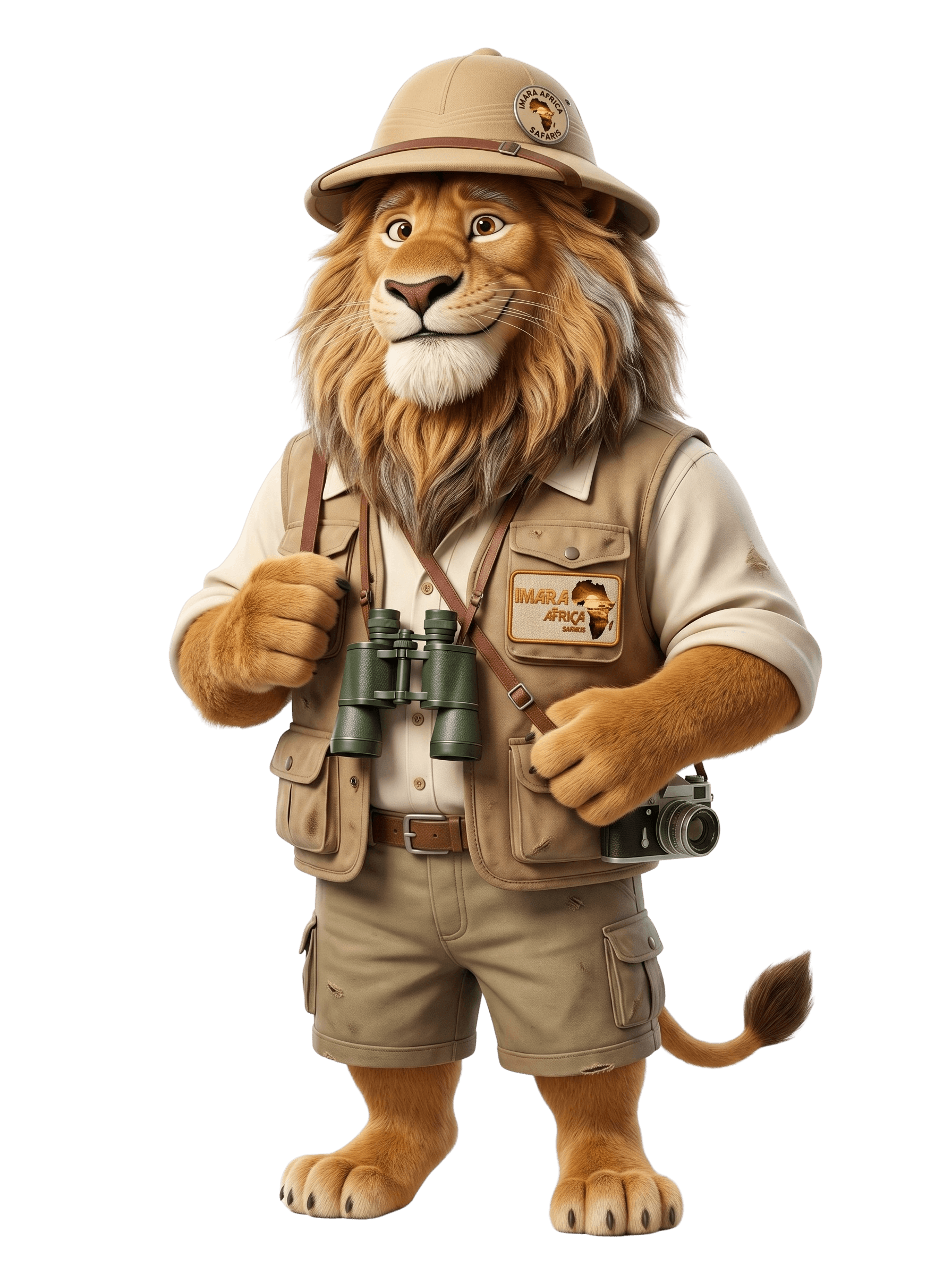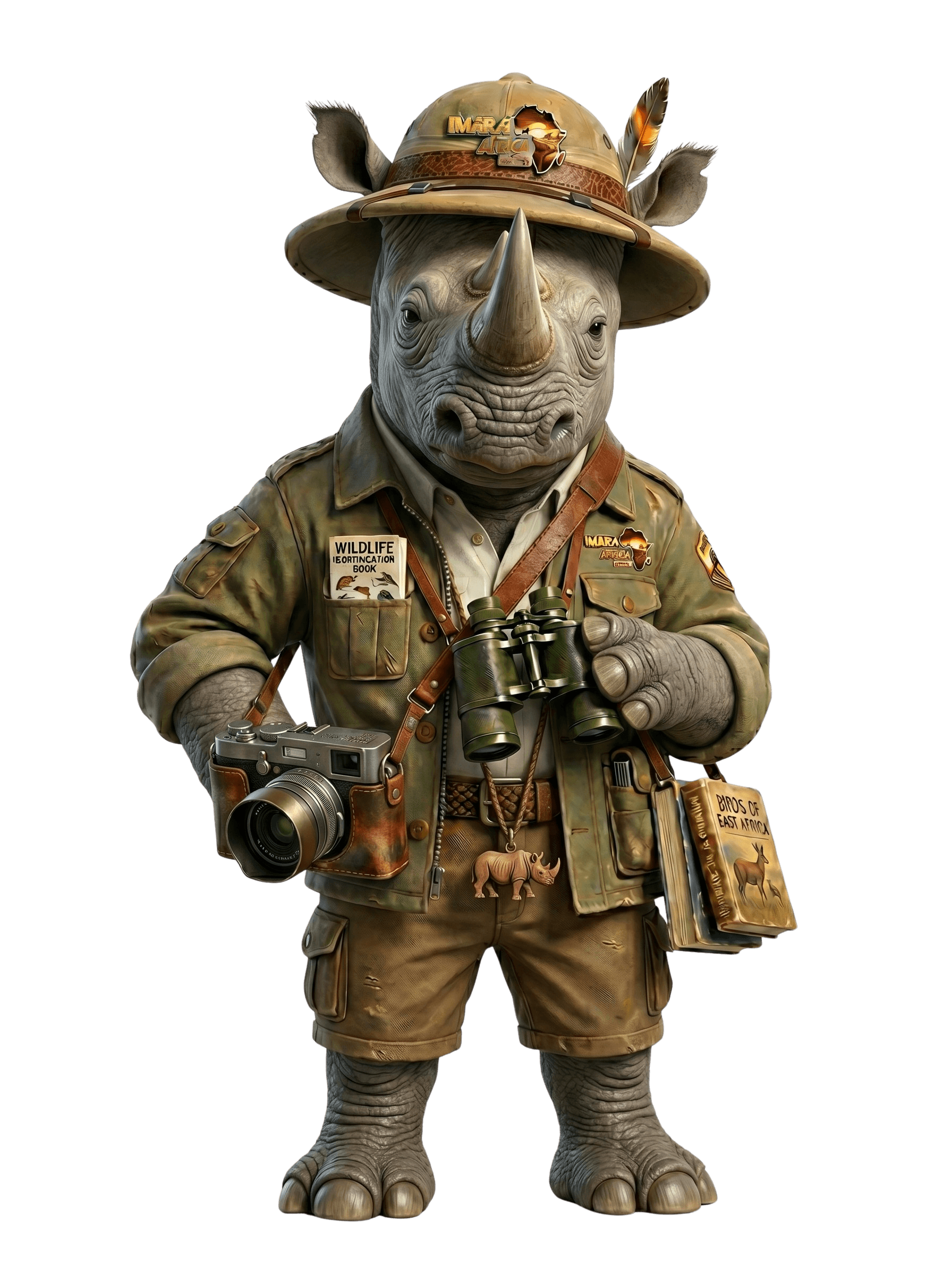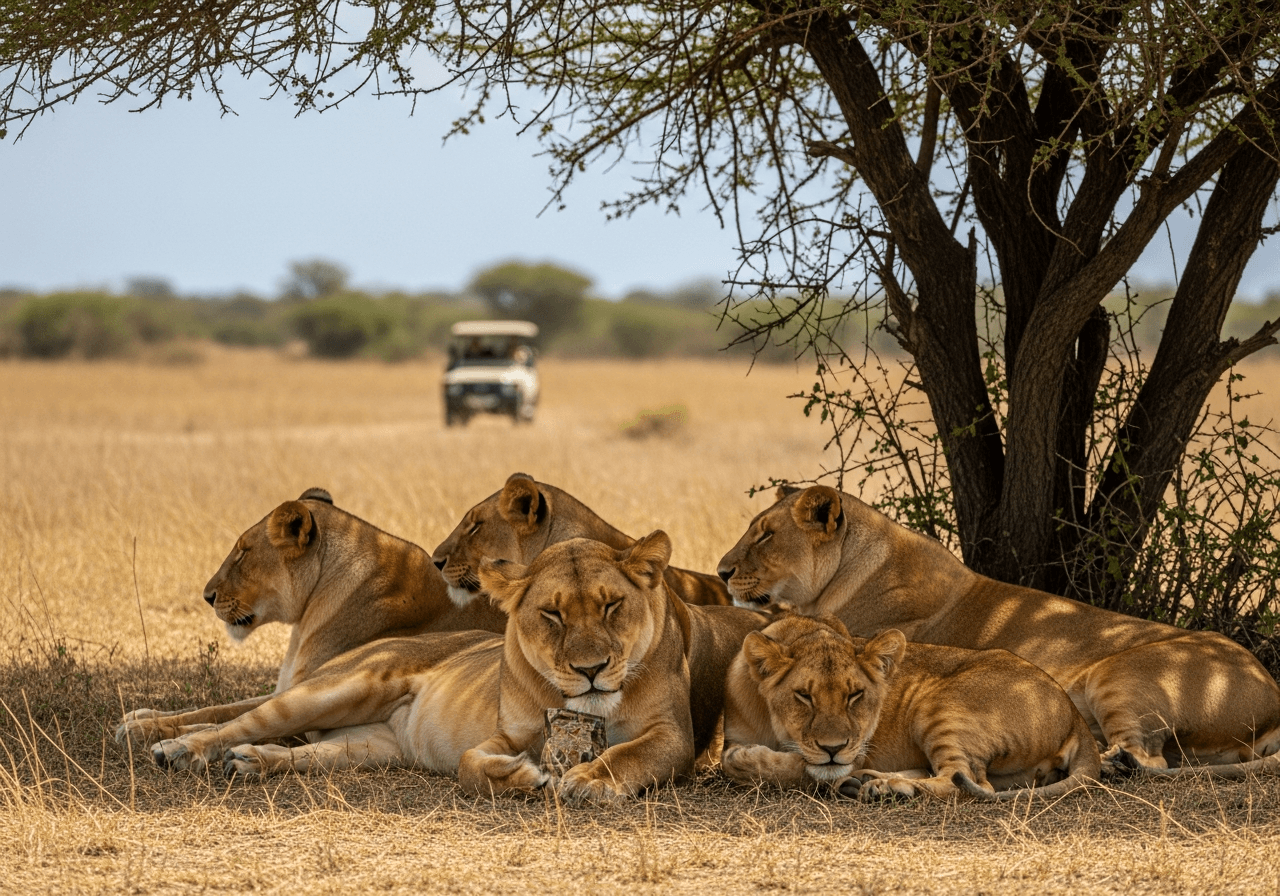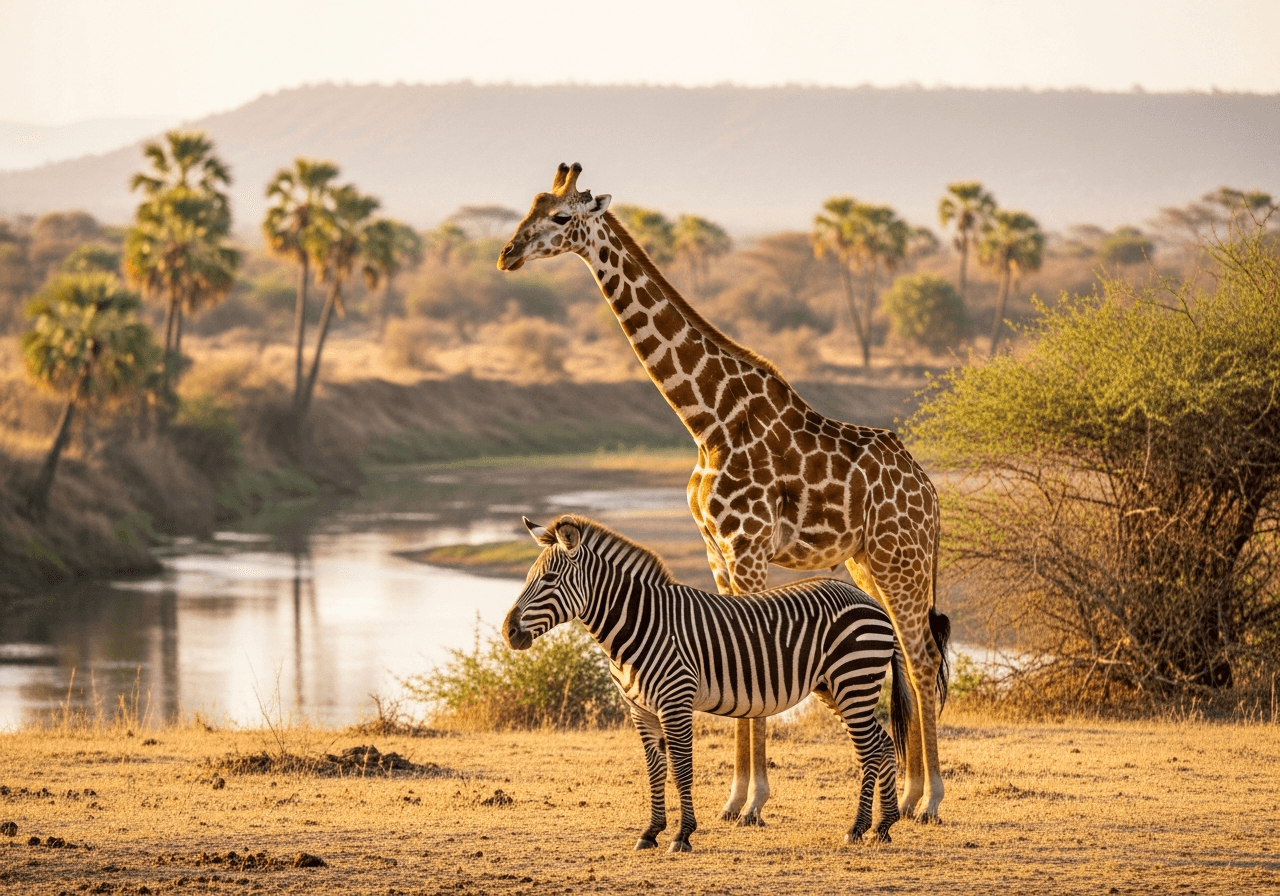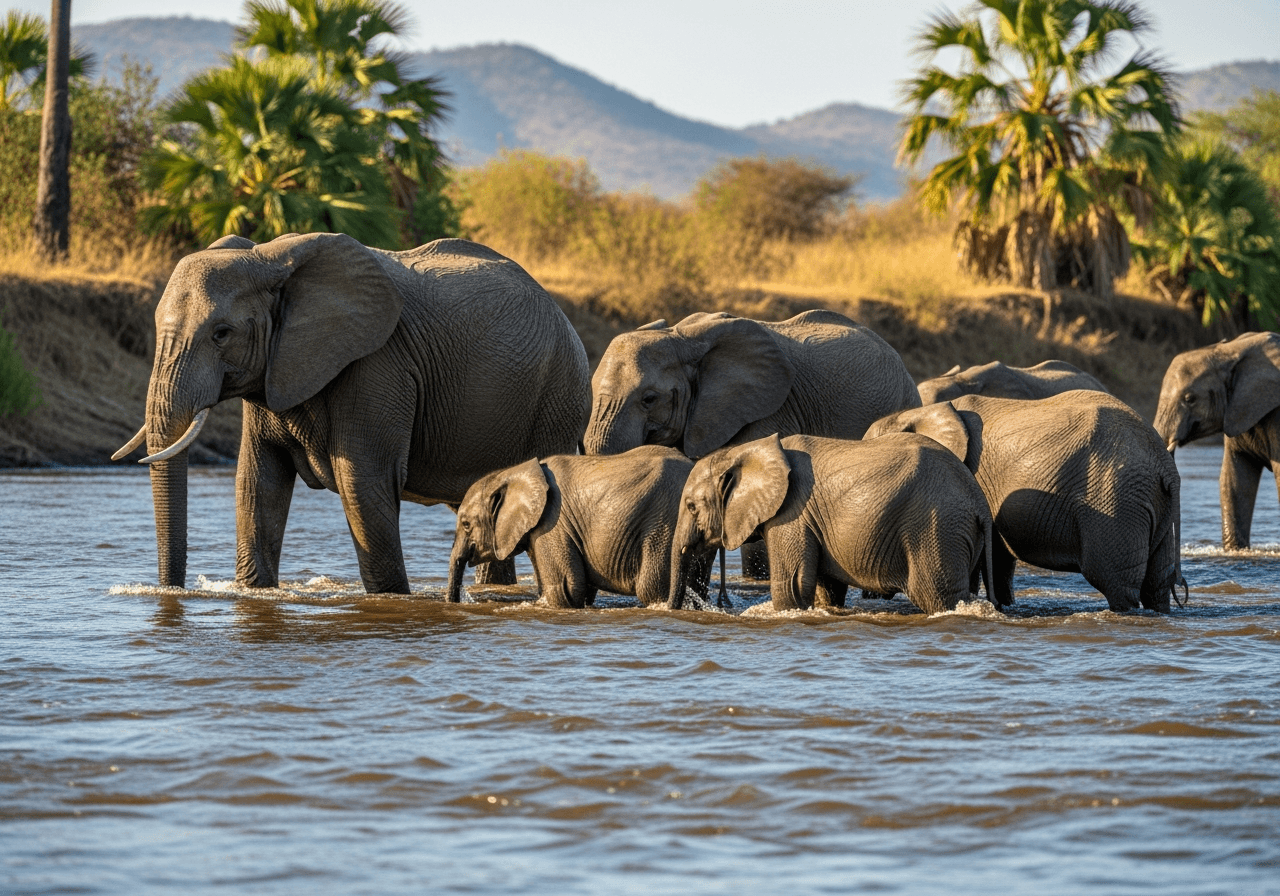
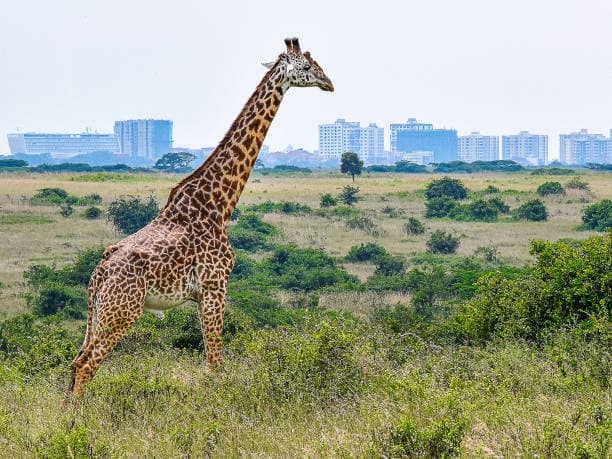
Nairobi National Park is the world's only major wildlife park bordering a capital city, lying just 7 km from Nairobi's Central Business District in Kenya. Its open savannah supports lions, black rhinos, giraffes and more than 100 mammal species — all photographed against a skyline of high-rise buildings.
Despite its extraordinary proximity to the city, the park maintains a natural, open savannah ecosystem of grasslands, acacia woodland, river valleys, rocky gorges, wetlands and seasonal streams. Wildlife moves freely through these habitats, and the southern boundary remains unfenced, allowing seasonal movement of plains game between the park and the Athi-Kapiti plains beyond.
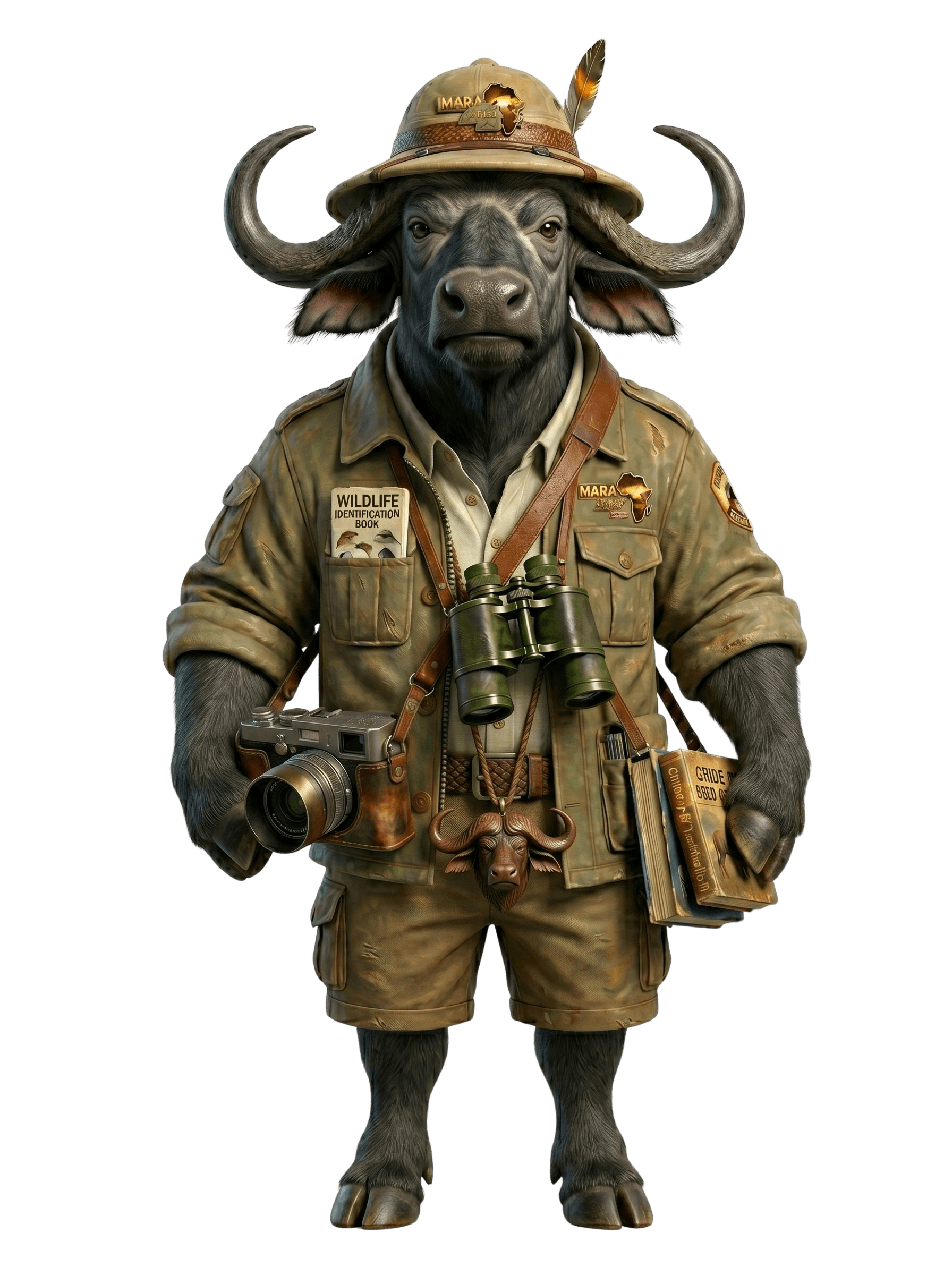
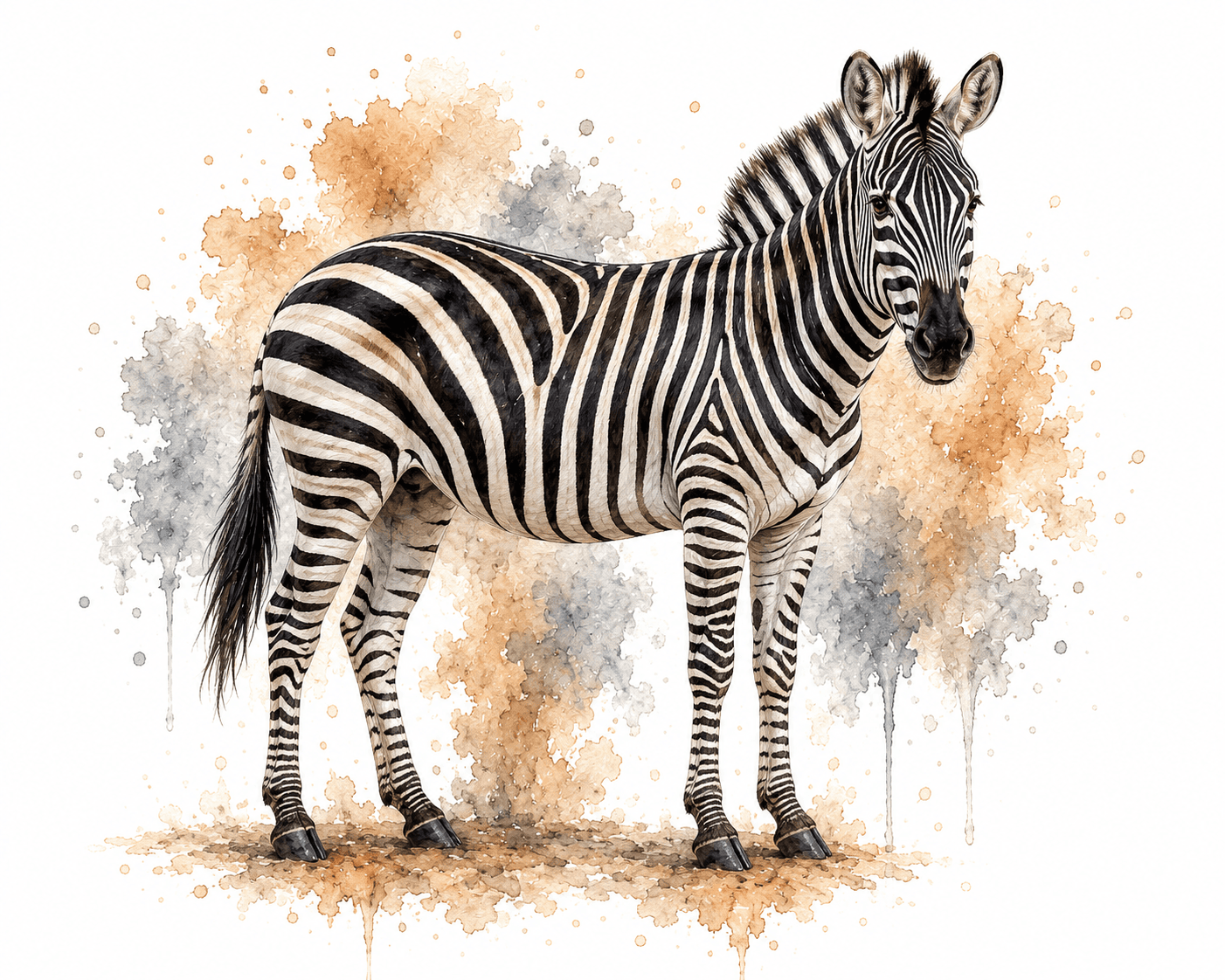
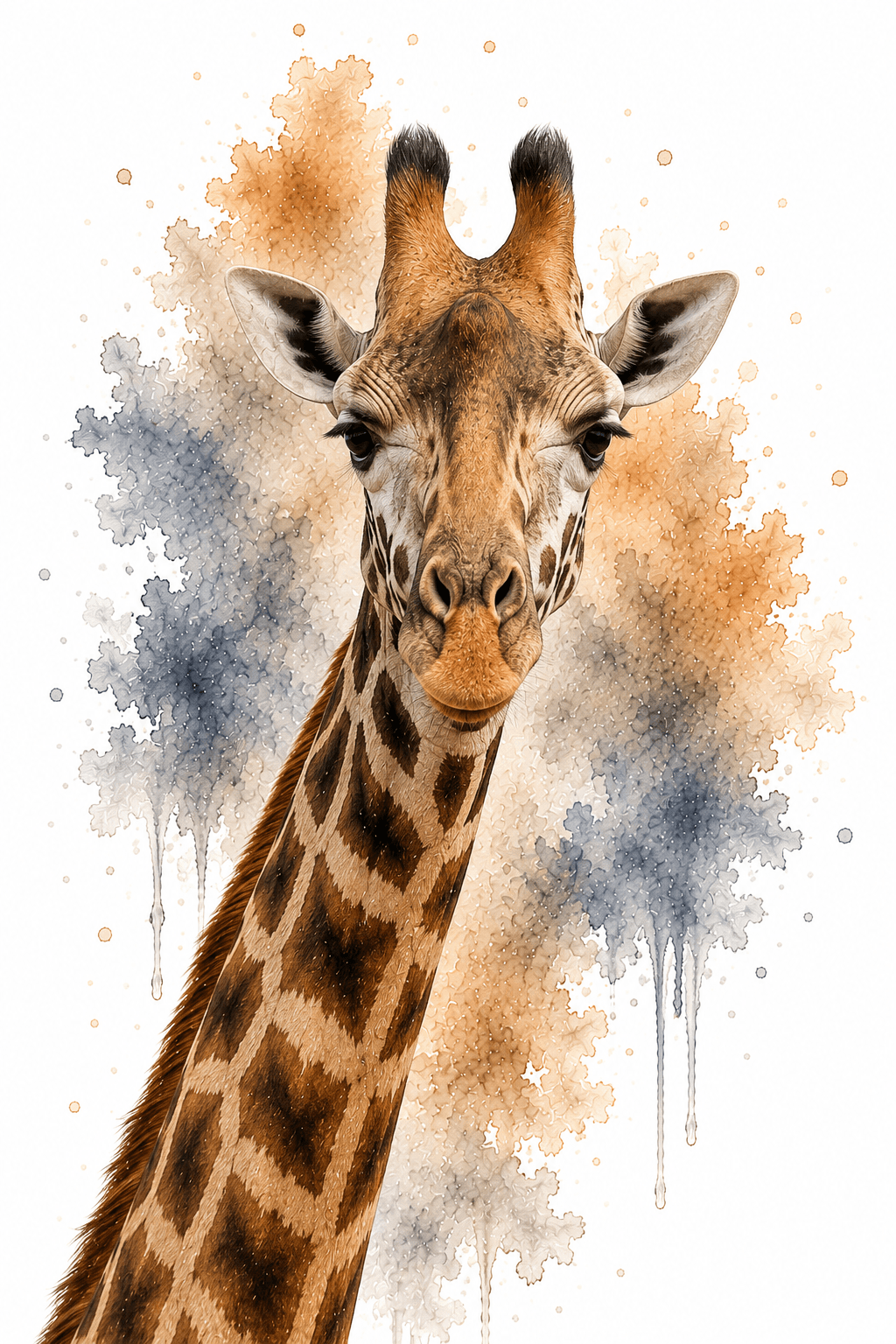
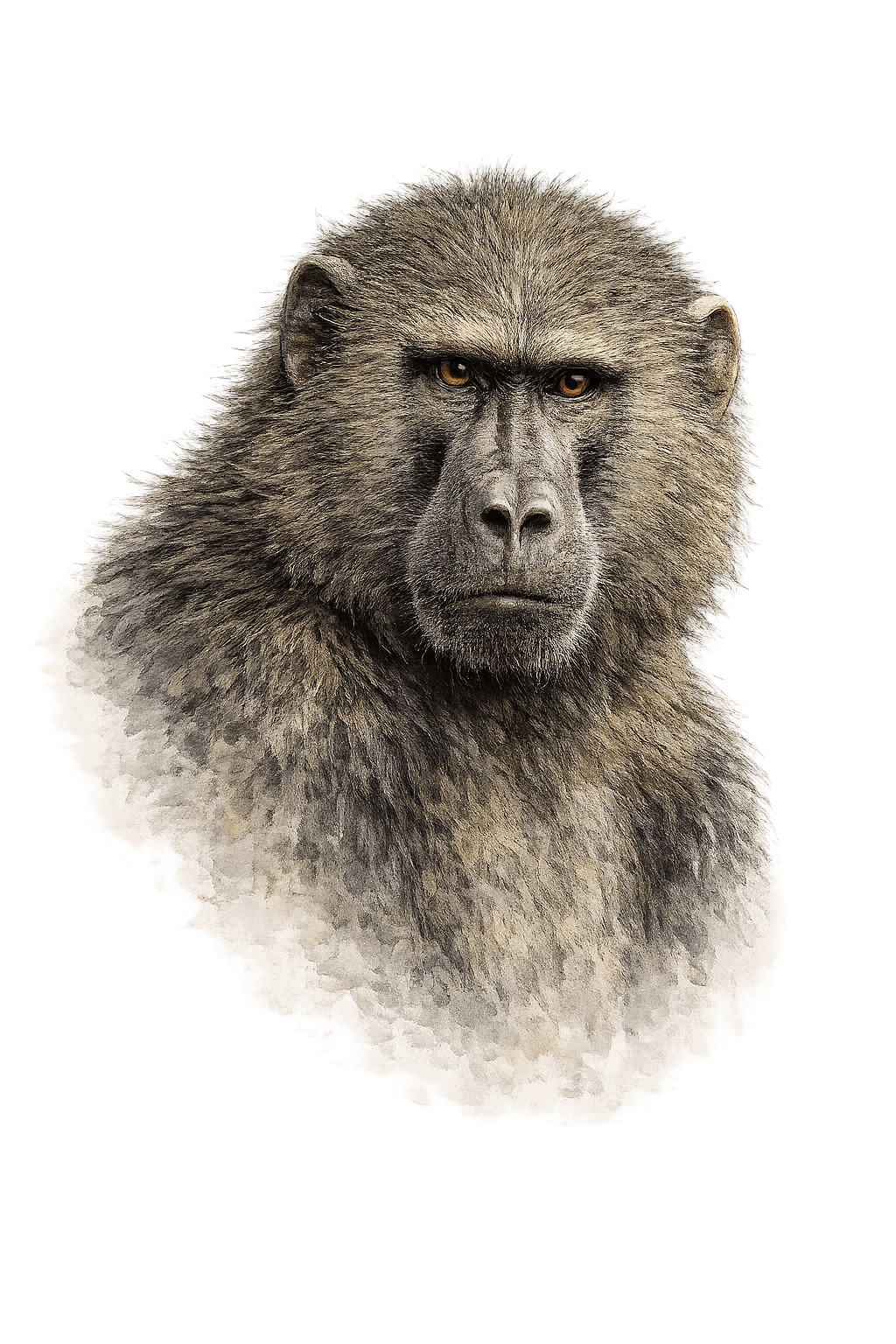
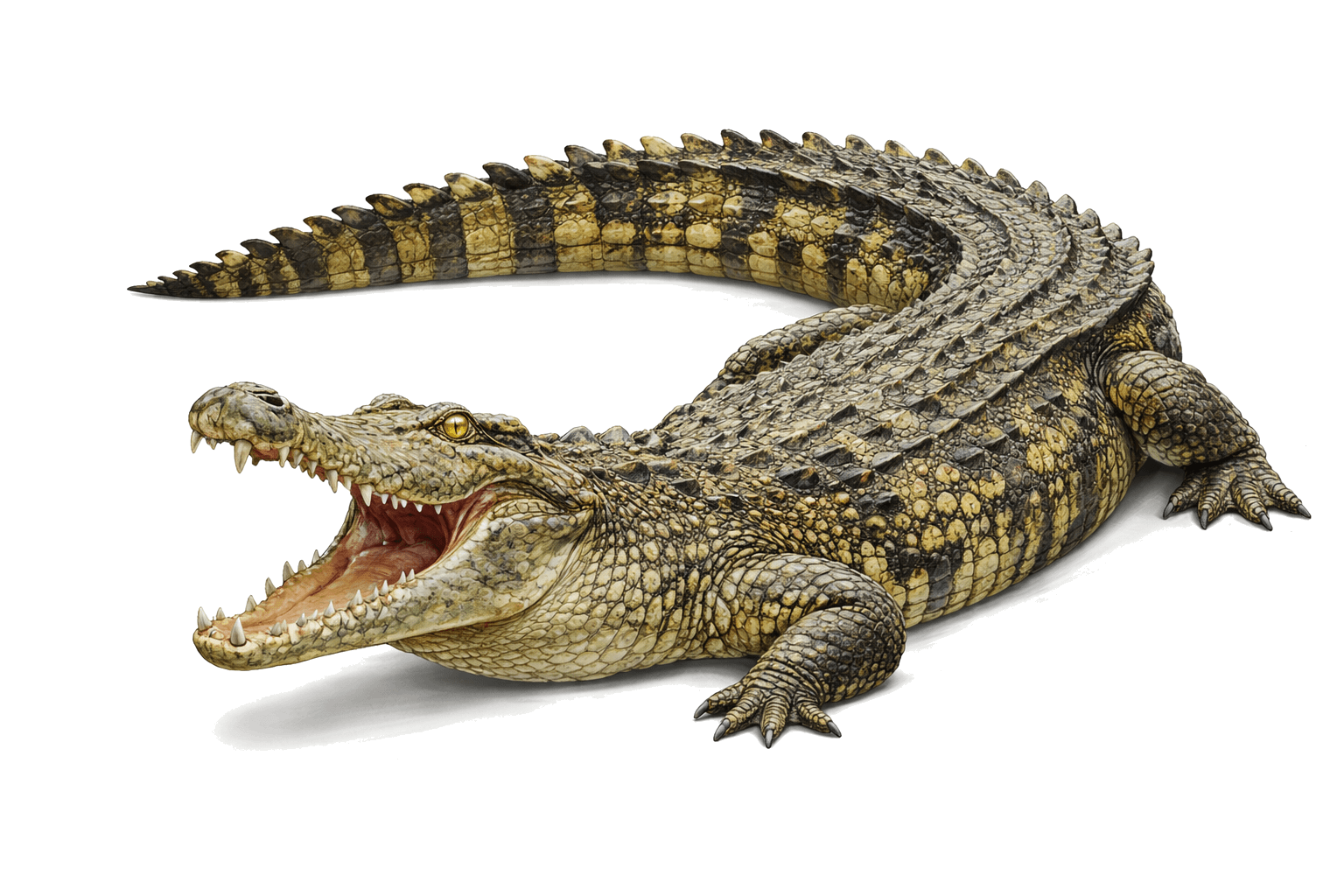
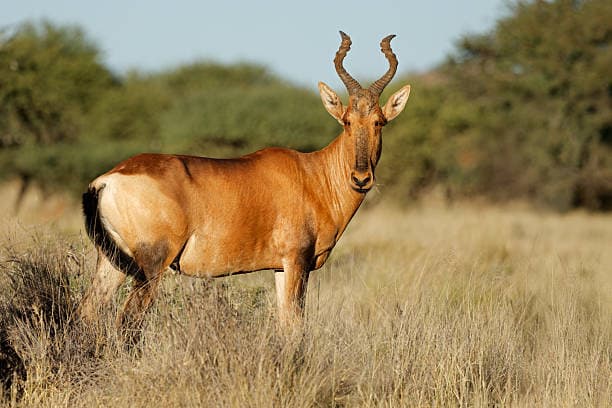
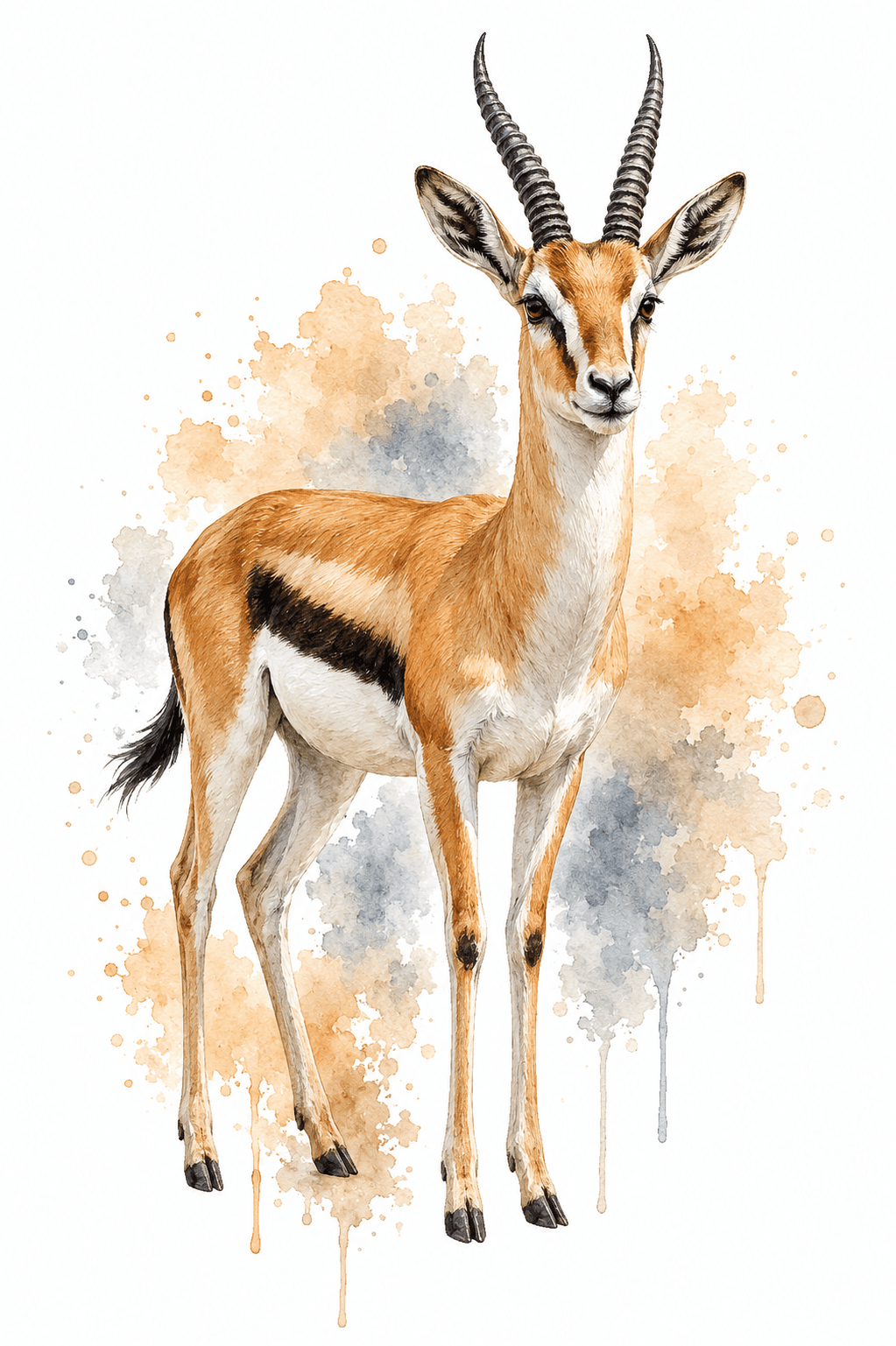
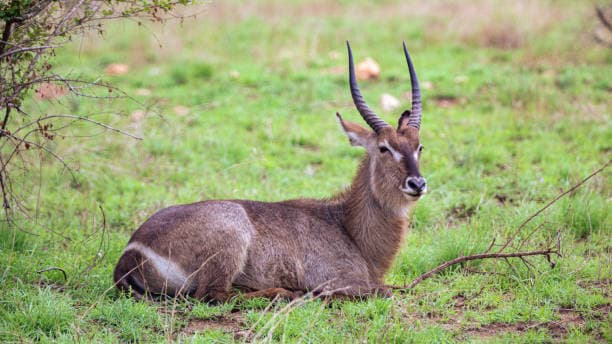
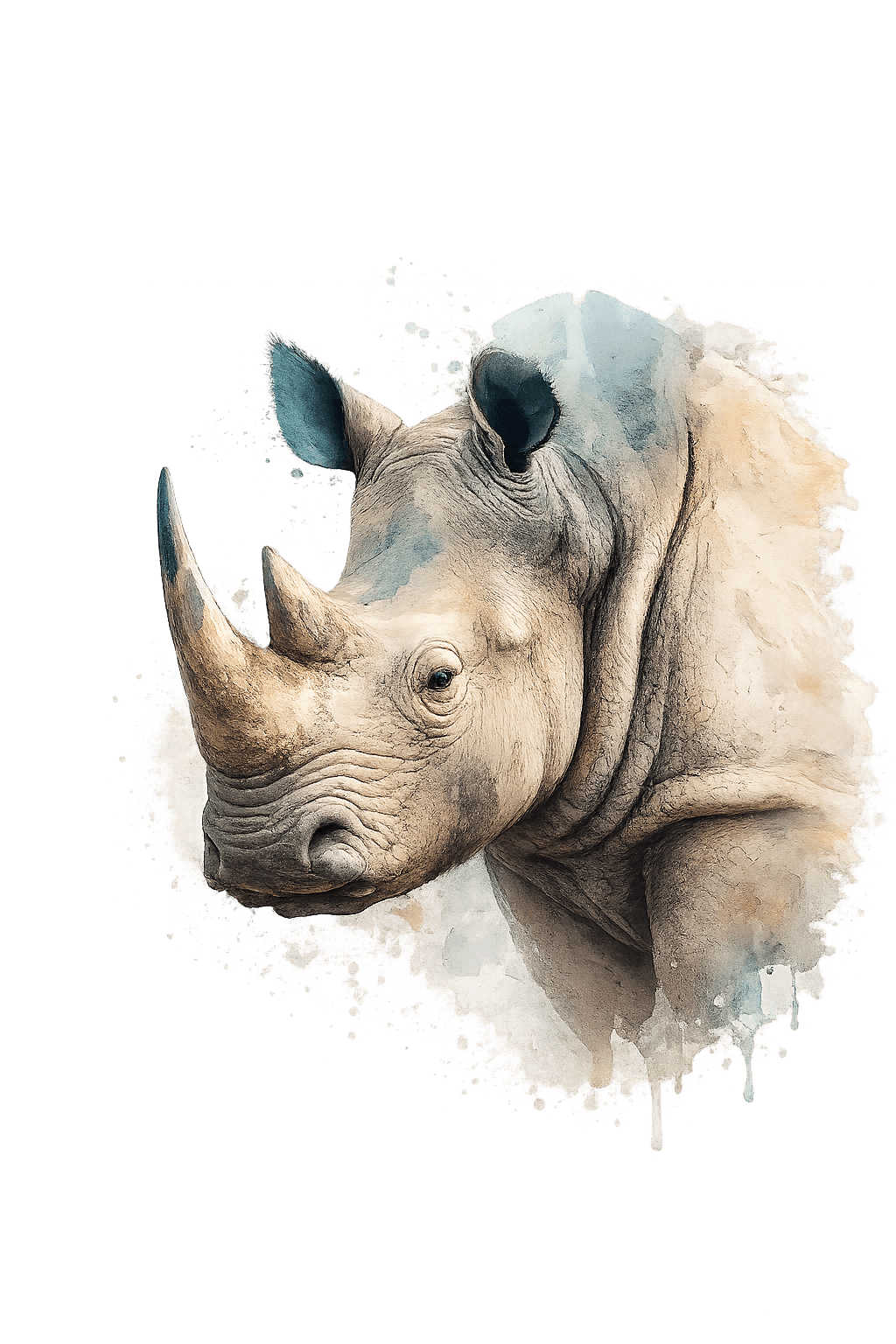
The park is one of Kenya's most important sanctuaries for the endangered black rhinoceros, holding one of the country's most successful breeding populations. Alongside rhinos, visitors regularly encounter lions, buffaloes, Masai giraffes, plains zebras, elands, hartebeests, hippos and crocodiles along the Athi River, plus baboons and abundant plains game. Cheetahs and leopards are present but more elusive.
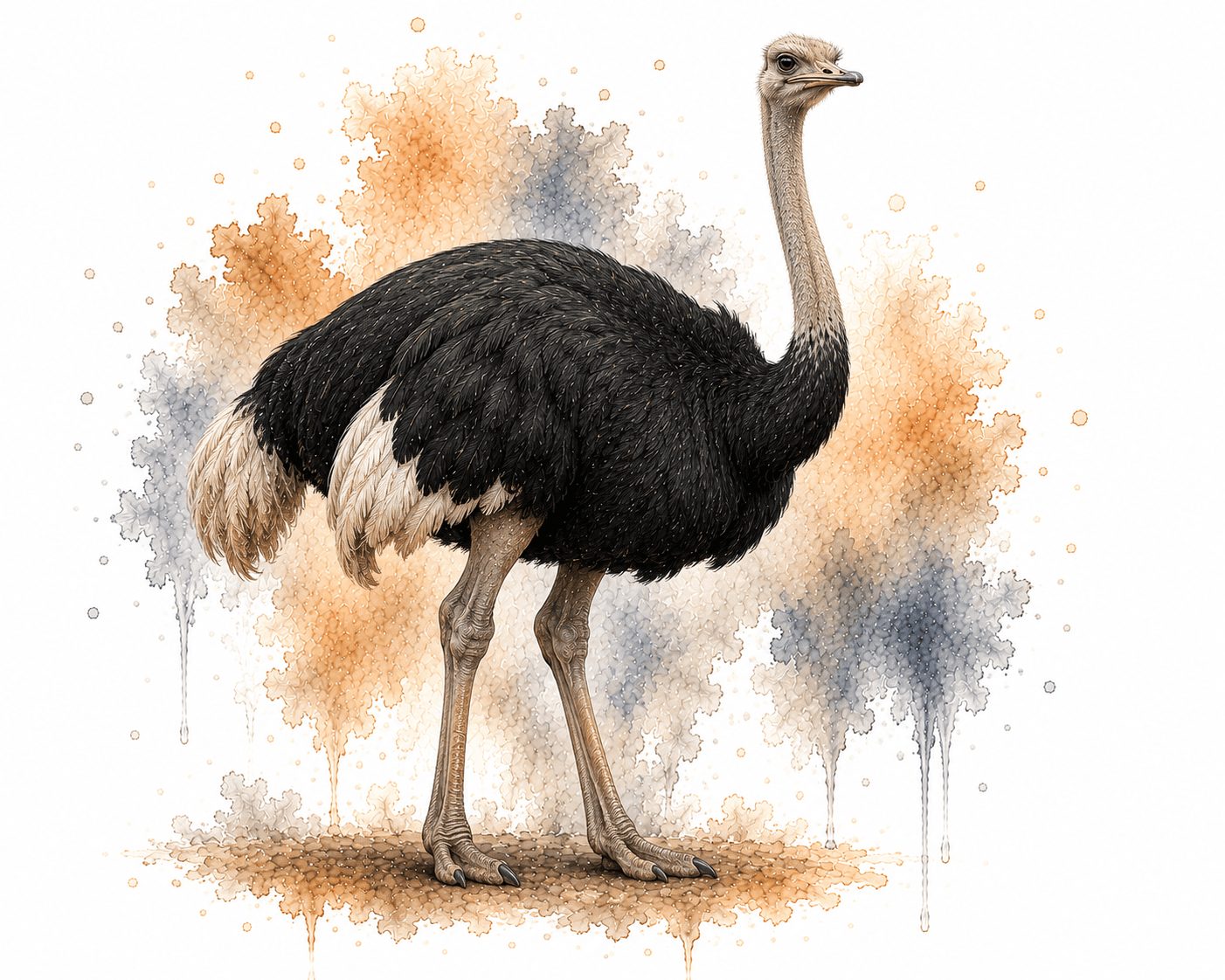
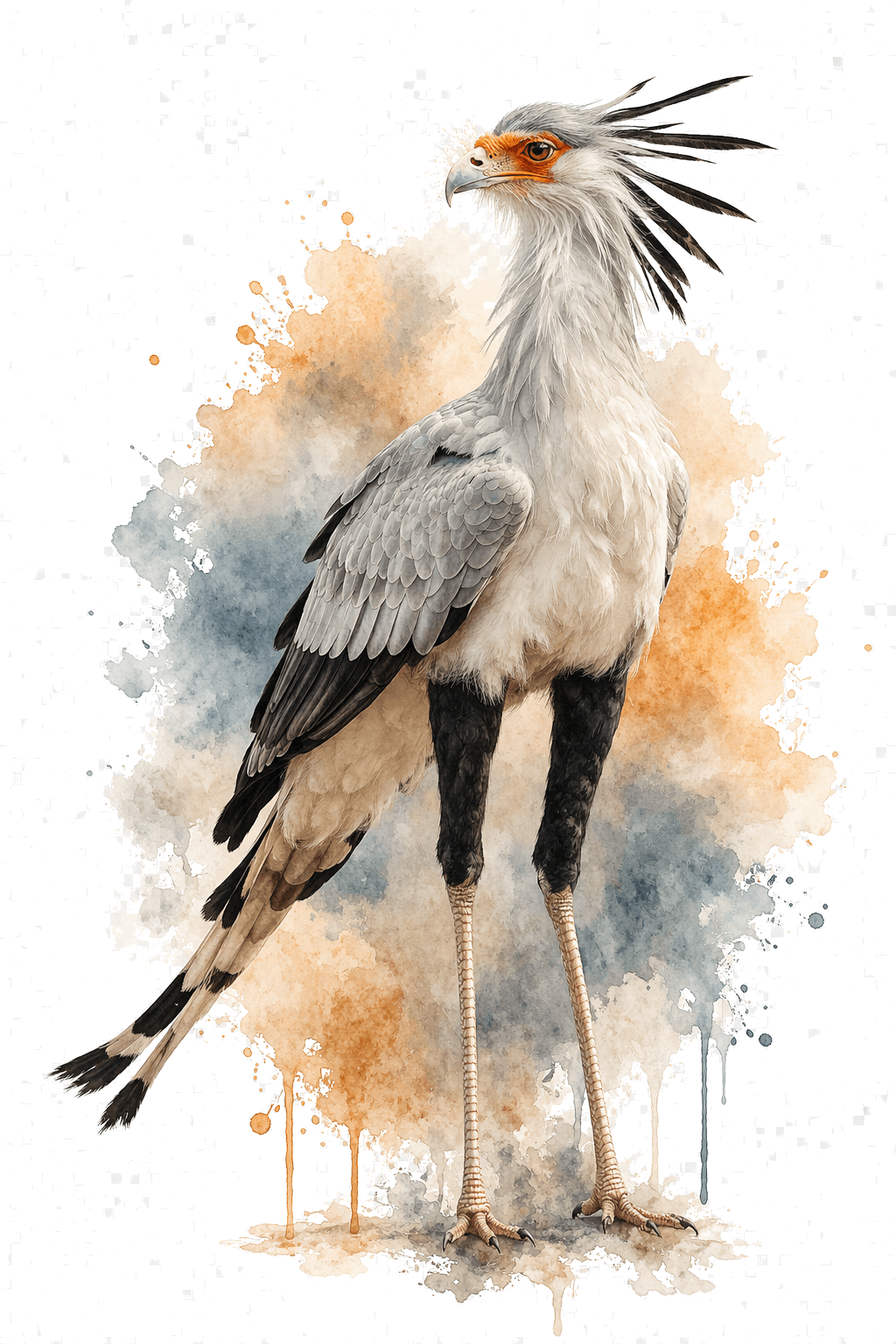
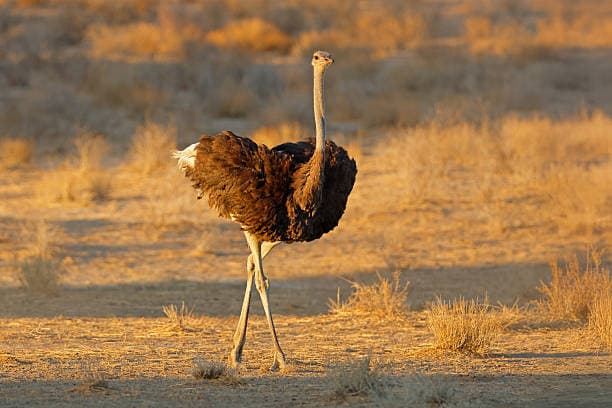
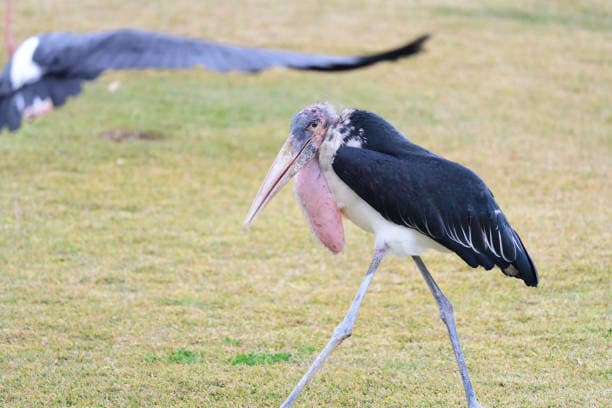
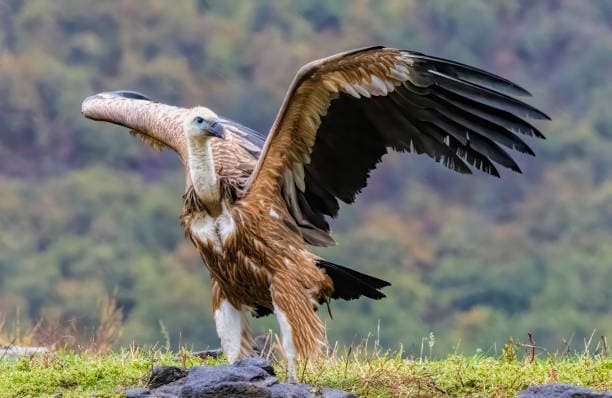
Birdlife is exceptional for a park of this size, with over 400 recorded species ranging from ostriches striding across the grasslands to crowned cranes, secretary birds and seasonal migrants. The Ivory Burning Site Monument, where Kenya famously burned stockpiled ivory in 1989, adds a powerful conservation story to any game drive.
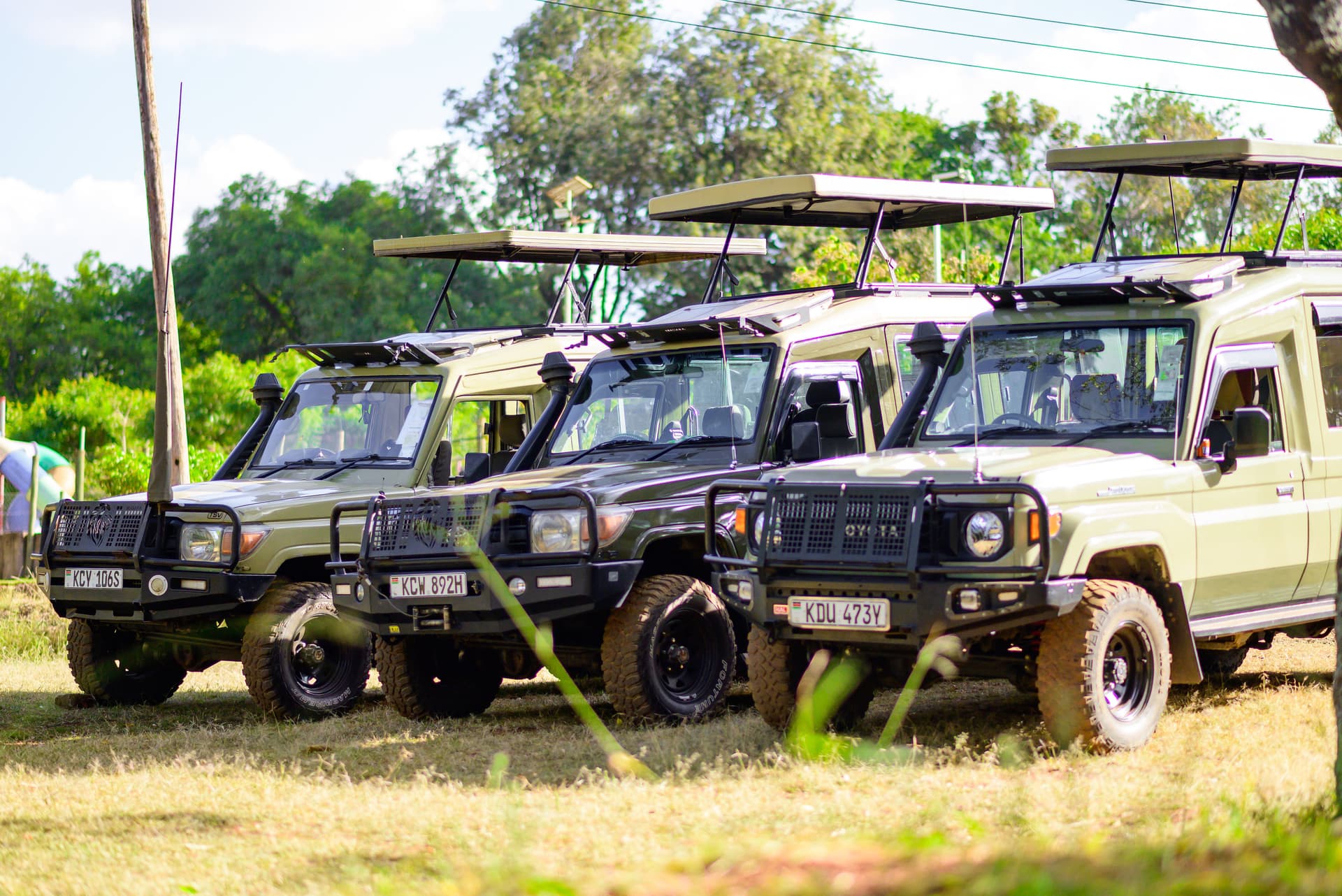
Because the park sits so close to hotels and the airport, it is ideal for first-time safari-goers, business travellers with a free morning, and anyone starting or ending a longer Kenyan itinerary. Morning and afternoon game drives, photography safaris and visits to the adjacent David Sheldrick elephant orphanage are easily combined in a single day.
Game drives follow an all-weather road network looping through the park's main habitats, from the forested western highlands down to the open plains and the hippo pools on the Athi River in the south-east, where short guided walks are permitted. Picnic sites make half-day visits easy to structure, and early mornings offer the coolest temperatures, the most active wildlife and the best photographic light. For photographers, few places on Earth offer a rhino or lion in the foreground and skyscrapers behind.
The park also plays an outsized role in Kenya's conservation story. Gazetted in 1946 as the country's first national park, it protects an ecosystem under constant pressure from the growing city — which makes every visit a direct contribution to keeping this improbable wilderness intact.
What Is Nairobi National Park Known For?
- The only major wildlife park bordering a capital city anywhere in the world
- A key sanctuary for endangered black rhinos
- Lions, giraffes and zebras photographed against the city skyline
- Over 400 bird species, from ostriches to crowned cranes
- The historic Ivory Burning Site Monument
- Safari access within half an hour of central Nairobi
When Is the Best Time to Visit Nairobi National Park?
The park rewards visitors year-round, with the dry months of June to October and January to March offering the most reliable game viewing as animals concentrate near water. Early morning drives are best in any season, when predators are active and the light is ideal for photography.
How Do You Get to Nairobi National Park?
The main gate lies about 7 km from Nairobi's Central Business District and roughly 15 km from Jomo Kenyatta International Airport, making this one of the most accessible national parks in Africa. Most visitors arrive by road transfer or guided safari vehicle in under half an hour from the city centre.
How Many Days Do You Need?
A half-day or full-day visit is enough to explore the park's main circuits and see a remarkable range of wildlife. It works perfectly as a first or final day of a longer Kenya safari, especially around international flights.
Many travellers begin longer itineraries here before heading south and west — the 8-Day Kenya Safari: Nairobi, Amboseli, Lake Naivasha, Lake Nakuru & Masai Mara and the 8-Day Kenya Fly-In Safari both open with game viewing in Nairobi National Park.