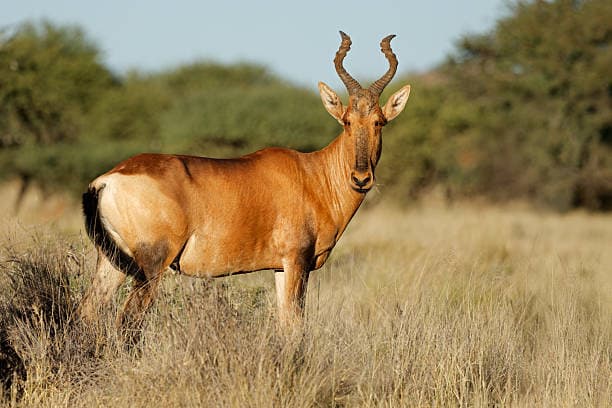
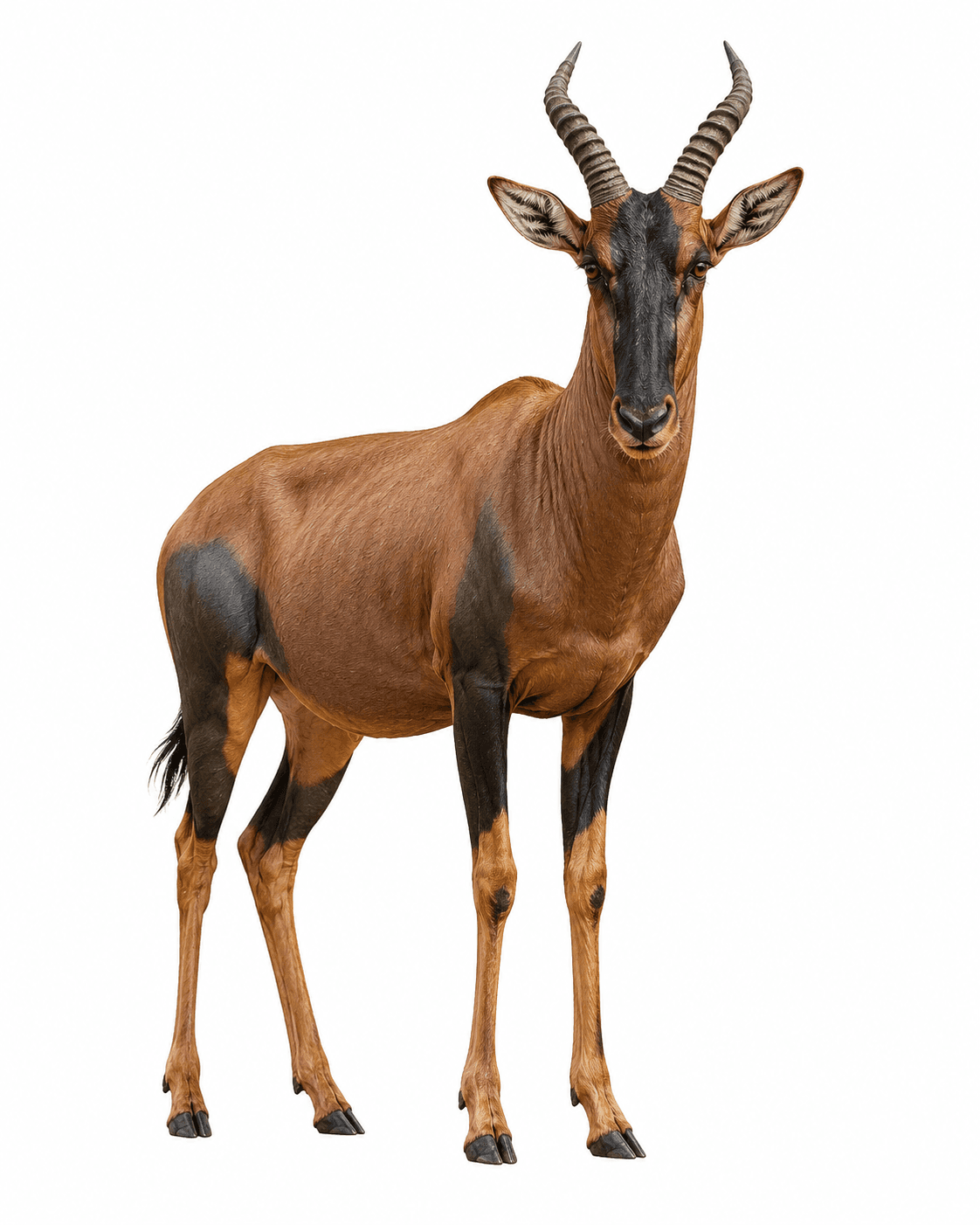
The Hartebeest (Alcelaphus buselaphus) is one of Africa's most recognizable antelope species, instantly identifiable by its elongated head, steeply sloping back, and uniquely curved horns. Despite its unusual appearance, the hartebeest is one of the continent's most successful grazers and is highly adapted to life in open grassland ecosystems.
Hartebeests are built for endurance rather than speed alone. Their long legs and streamlined bodies allow them to travel vast distances across the savannah while searching for fresh grazing areas. They are capable of maintaining high speeds for extended periods, making them difficult prey for predators.
These antelopes are highly social and typically live in herds ranging from a few individuals to dozens of animals. Dominant males establish territories and compete for breeding opportunities, while females and young often form larger groups.
Hartebeests are primarily grazers and prefer medium-height grasses. Their specialized feeding habits help maintain healthy grassland ecosystems and support biodiversity within their habitats.
They are commonly preyed upon by lions, cheetahs, leopards, hyenas, and African wild dogs. To counter these threats, hartebeests rely on keen eyesight, herd vigilance, and impressive endurance.
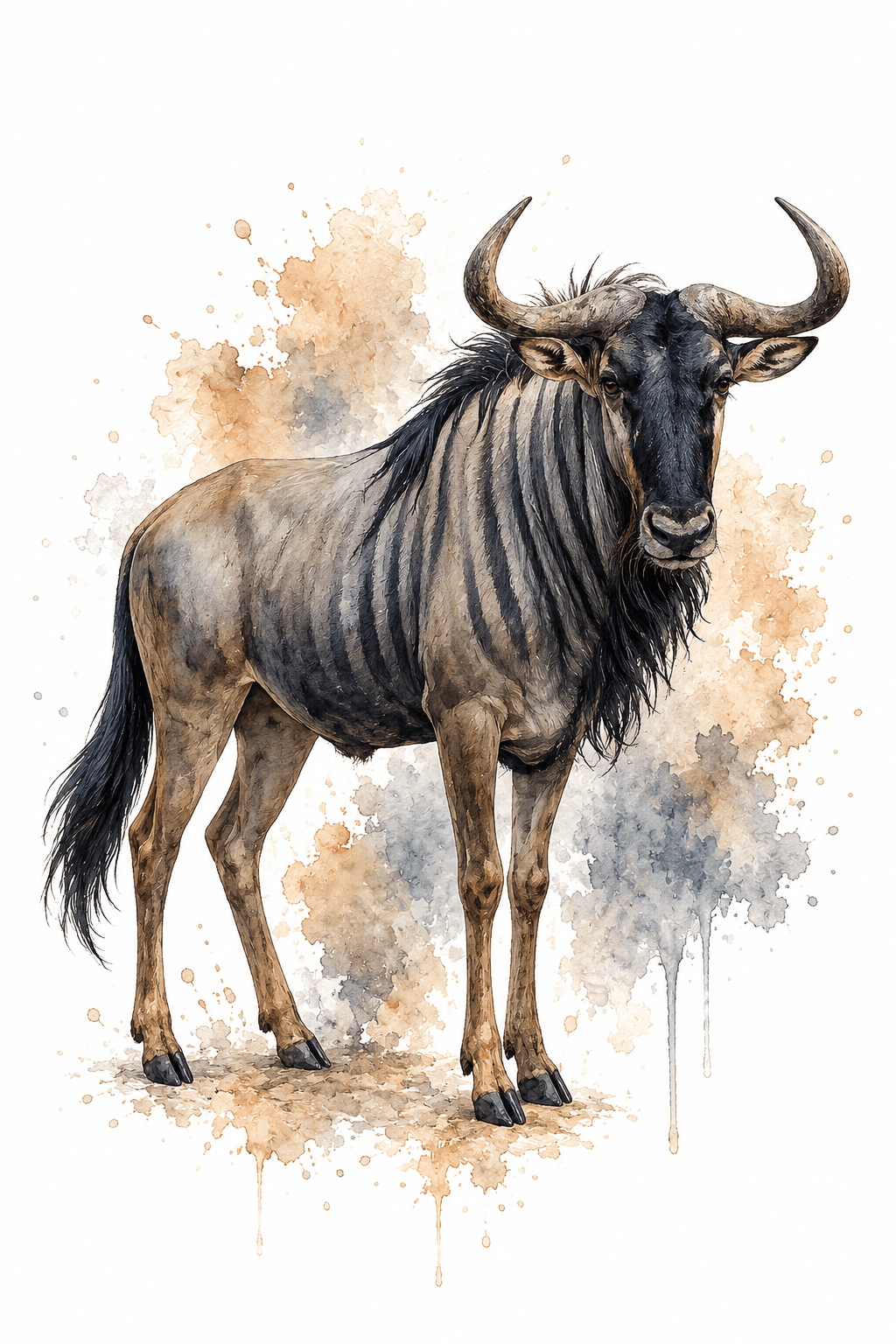
For safari travelers, hartebeests are often seen grazing alongside zebras, wildebeests, and gazelles, contributing to the rich wildlife spectacles that make African safaris unforgettable.
Where Can You See Hartebeest on Safari?
The hartebeest favours open grassland, and Nairobi National Park is a convenient and dependable place to see it grazing the plains just outside the capital. The species also ranges across other East African savannas, where its long face and sloping back make it easy to recognise.
When Is the Best Time to See Them?
Hartebeest are resident and can be seen at any time of year. The dry seasons of June to October and January to March make viewing easiest as the animals gather on short grass near water, while the rains bring greener grazing and more dispersed herds.