

Imara Africa Safaris
Tanzania

Ngorongoro Crater Park

Explore the Crater’s richness where wildlife thrives in Africa’s most stunning caldera

Explore the magnificent Ngorongoro Crater, one of Africa's most extraordinary natural wonders and Tanzania's premier wildlife destination. Often referred to as the "Eighth Wonder of the World," this UNESCO World Heritage Site boasts one of the highest concentrations of wildlife in Africa within the world's largest intact volcanic caldera. Visitors can enjoy exceptional Big Five sightings, breathtaking landscapes, rich Maasai culture, and unforgettable safari experiences while exploring one of the most spectacular and wildlife-rich ecosystems on the continent.

1 Safaris9 Wildlife2 Stays3 Highlights
Ngorongoro Crater Park
Featured Destination

About Ngorongoro Crater Park

Tanzania · Safari Destination

Ngorongoro Crater Park protects the world's largest intact, unfilled volcanic caldera — a 260-square-kilometre natural amphitheatre whose walls rise more than 600 metres above the crater floor. Part of Tanzania's Ngorongoro Conservation Area and a UNESCO World Heritage Site, it holds one of the densest concentrations of wildlife in Africa.

The caldera formed approximately two to three million years ago, when a giant volcano erupted and collapsed inward. What remains is a self-contained ecosystem: permanent springs, fertile grazing and enclosing walls that keep game resident year-round, giving visitors an excellent chance of seeing the Big Five in a single day.

What Is Ngorongoro Crater Park Known For?

  • Big Five viewing within one game drive, including the critically endangered black rhino
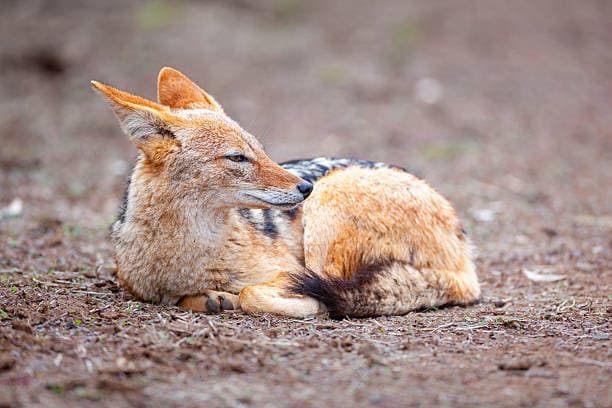
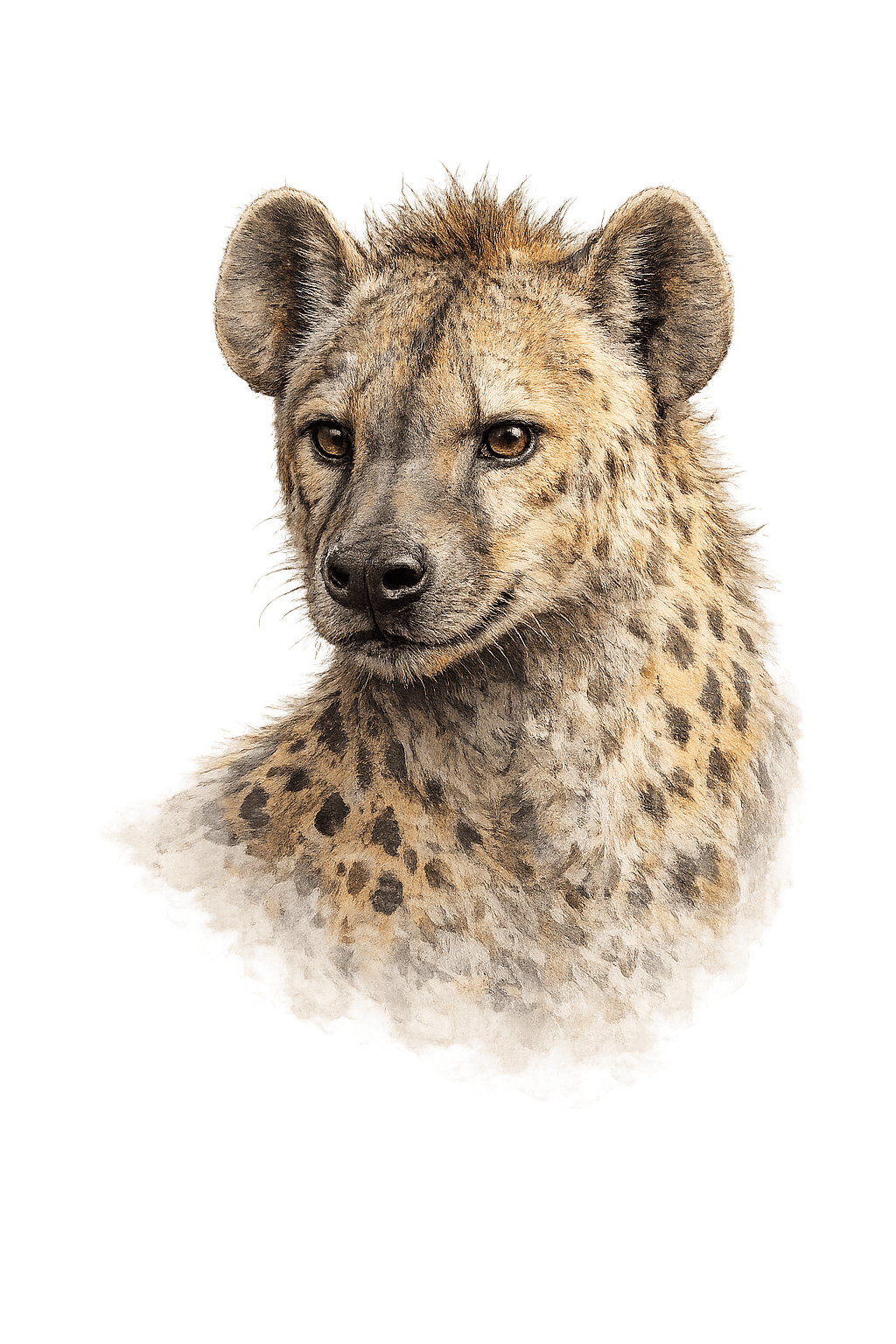
  • Dense predator populations — lions, spotted hyenas and jackals thriving on abundant prey
  • Old bull elephants carrying some of Tanzania's largest tusks
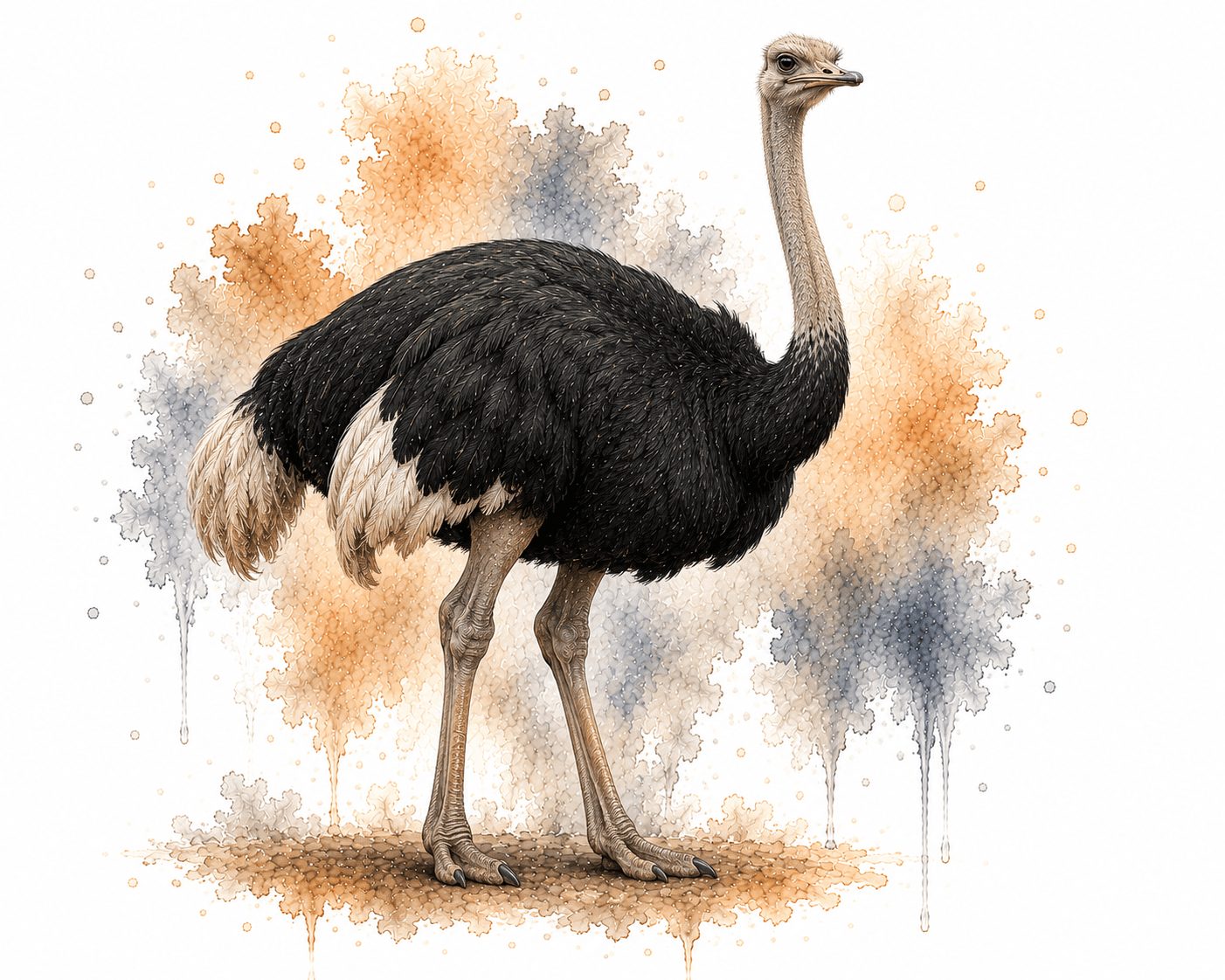
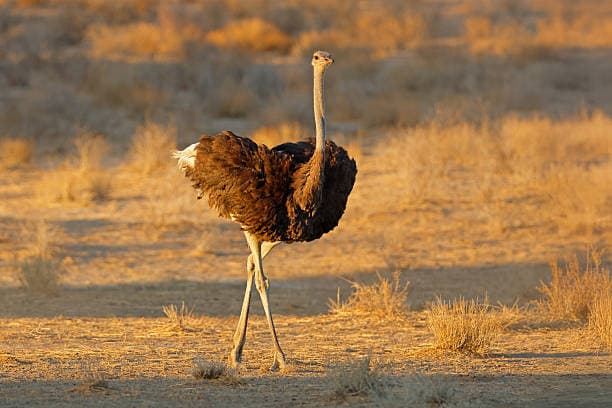
  • Flamingos on the alkaline Lake Magadi, plus ostriches, crowned cranes and secretary birds
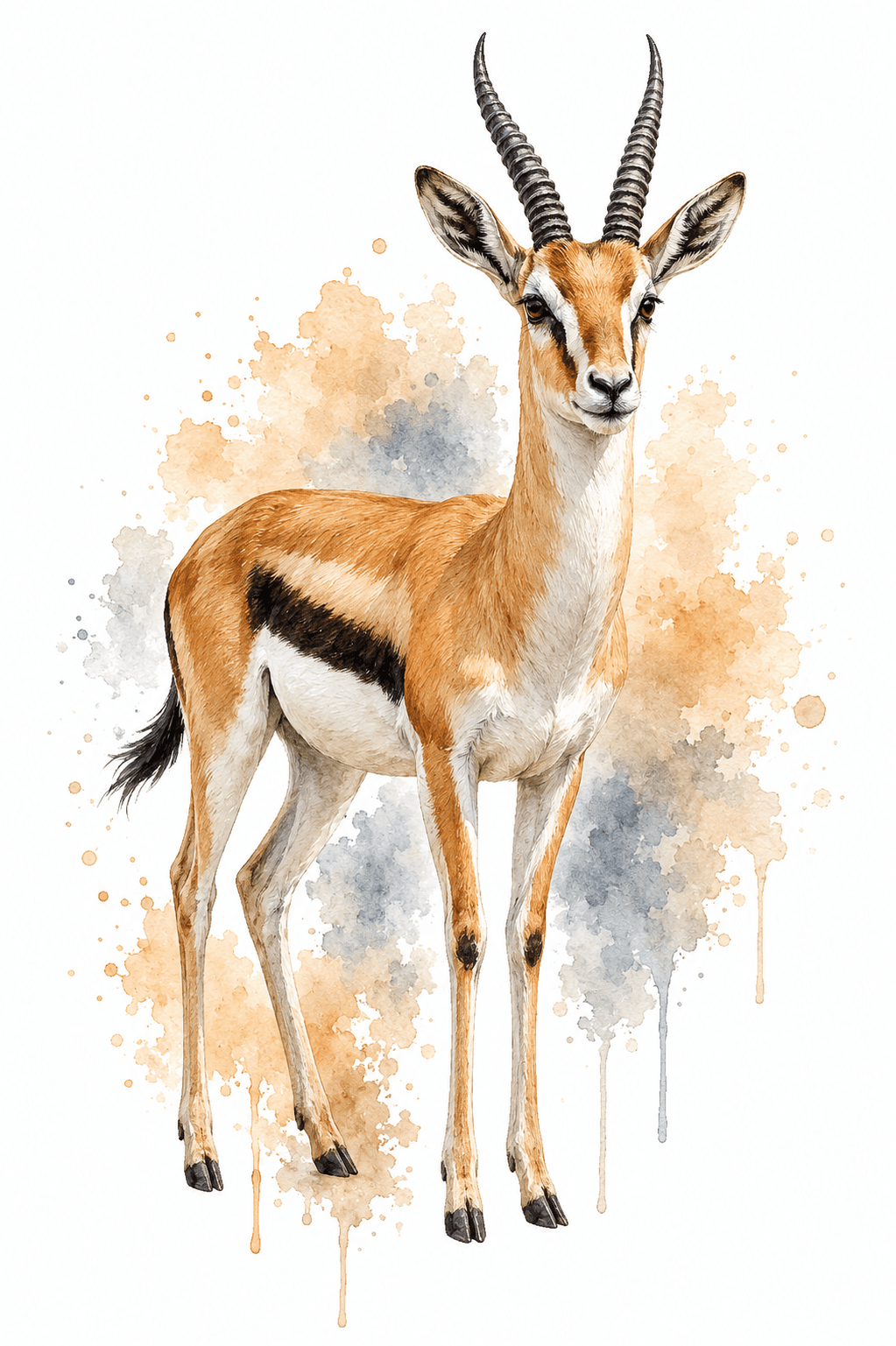
  • Herds of zebra, wildebeest and Grant's gazelles grazing the crater grasslands
  • Maasai communities living and herding within the wider conservation area

The crater floor concentrates a remarkable spread of habitats — open grassland, freshwater springs, acacia woodland, swamps, forest and the soda lake — into a space a game drive can cover in a day. Buffalo, hippos, warthogs and servals fill out the sightings list, and because prey never leaves the caldera, predator encounters are more frequent here than in almost any other African reserve.

The conservation area surrounding the crater is equally distinctive: this is a multiple-use landscape where the Maasai graze cattle alongside wildlife as they have for generations, and cultural visits to their bomas add depth to the safari. On the rim, at approximately 2,286 metres, mornings are cool and misty before the descent into the warmer caldera below.

The crater is only the most famous corner of a conservation area spanning more than 8,000 square kilometres of highlands and plains, an expanse that stretches west until it meets the Serengeti. Within it lie forested volcano slopes, high grasslands grazed by Maasai cattle, and archaeological sites that trace the human story back millions of years. Game drives on the crater floor typically run from early morning to mid-afternoon, pausing at picnic sites beside hippo pools where black kites patrol for unguarded sandwiches; the ascent road then climbs back through montane forest where elephants and buffalo browse in the mist. Lodges and camps string along the crater rim and the nearby farming town of Karatu, the former offering dawn views into the caldera and the latter better value and warmer nights. Vehicle numbers on the crater floor are managed and visit durations limited, measures that keep the caldera's wildlife undisturbed and the experience closer to what early visitors described a century ago than the crowds elsewhere might suggest is still possible.

When Is the Best Time to Visit Ngorongoro Crater Park?

Resident wildlife makes this a true year-round destination. June to October brings the driest conditions and sharpest game viewing, while January to March offers green landscapes and thinner crowds; even in the rains, animals remain on the crater floor.

How Do You Get to Ngorongoro Crater Park?

The crater lies about 180 kilometres west of Arusha, reached in roughly 3 to 4 hours by road along the Northern Safari Circuit. Most itineraries slot it between Lake Manyara or Tarangire and the Serengeti, with the rim-top descent road providing a spectacular arrival.

How Many Days Do You Need?

One to two nights on or near the rim is the standard: a single full day on the crater floor covers the headline wildlife, while a second morning descent catches predators at their most active.

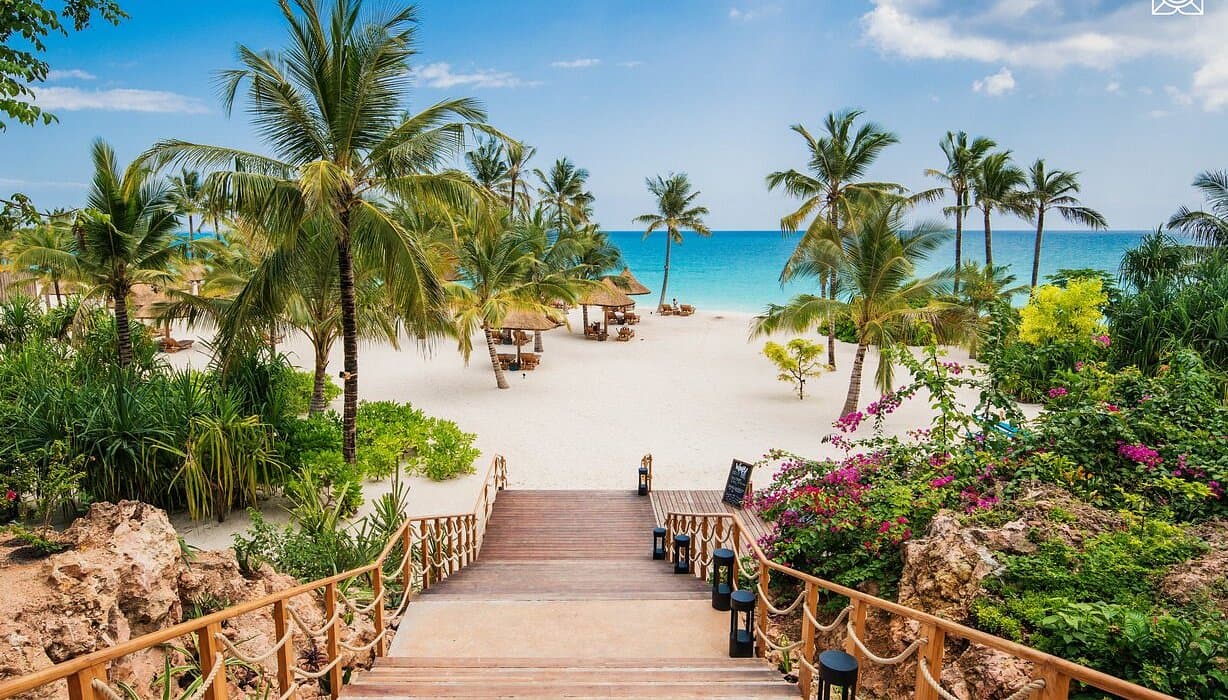
The crater is a centrepiece of the 8-Day Ultra-Luxury Tanzania Safari and Zanzibar Beach Escape, which pairs the Northern Circuit with an Indian Ocean finale — the caldera's dawn game drive standing as the emotional high point of the whole journey for most travellers.
Things to Do

4 activities & experiences

Game drivesGuided nature walksPhotography safarisBird watching

Highlights

01Big Five game viewing
02Birdwatching paradise
03Predator sightings

At a Glance

Wildlife: 9 species
Safaris: 1 available
Stays: 2 places
Photos: 4
Safari Planning

Best Time to Visit Ngorongoro Crater Park

Month-by-month guide with live weather, crowd levels, and seasonal highlights for Ngorongoro Crater Park, Tanzania.

Dry SeasonMixed / Short RainsGreen Season (Rains)Current Month

August

Peak dry season offers optimal wildlife viewing as animals gather around Lake Magadi and the Lerai Forest on the crater floor.

Dry Season 8–19 °CPeak Season Peak Pricing

Best For

Big Five safarisPredator tracking

Monthly Rainfall

Bone dry — perfect conditions

Live Weather · Ngorongoro Crater Park

Live
16°C

few clouds · Feels 15°C

Humidity

63%

Wind

9 km/h

Feels

15°C

Live weather via OpenWeather — updated every 5 min.

When to Visit

Recommended travel months

Ngorongoro Crater is a year-round safari destination due to its resident wildlife population. The dry season from June to October provides the best weather and excellent wildlife viewing, while January to March offers lush landscapes and fewer visitors. Wildlife remains abundant throughout the year, making every season rewarding.

Climate & Weather

Year-round weather patterns

Ngorongoro Crater enjoys a mild and pleasant highland climate due to its elevation of approximately 2,286 meters above sea level. Temperatures remain comfortable throughout the year, with cool mornings and evenings.

Location & Getting There

Ngorongoro Crater Park, Tanzania

Ngorongoro Crater Park

Tanzania

Coordinates

-3.06537°, 35.38176°

Open in Google Maps

Getting There

Routes, transfers & access information

Ngorongoro Crater is located approximately 180 kilometers west of Arusha and can be reached in about 3 to 4 hours by road. It forms a central part of Tanzania's Northern Safari Circuit and is commonly visited alongside Serengeti National Park, Tarangire National Park, and Lake Manyara National Park.

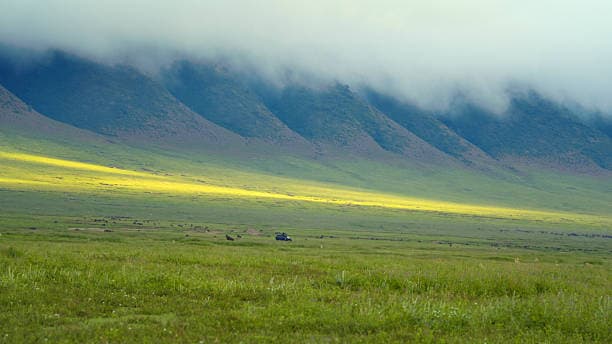
The terrain consists of crater highlands, volcanic slopes, forests, swamps, open plains, freshwater springs, and the expansive crater floor. Visitors descend from the crater rim into the wildlife-rich caldera, enjoying some of the most spectacular safari scenery in Africa.

Safaris in Ngorongoro Crater Park

1 safari available

Where to Stay

2 stays in Ngorongoro Crater Park

The Manor at Ngorongoro
Honeymoon Favorite
01
Boutique Hotel

The Manor at Ngorongoro

Arusha Tanzania

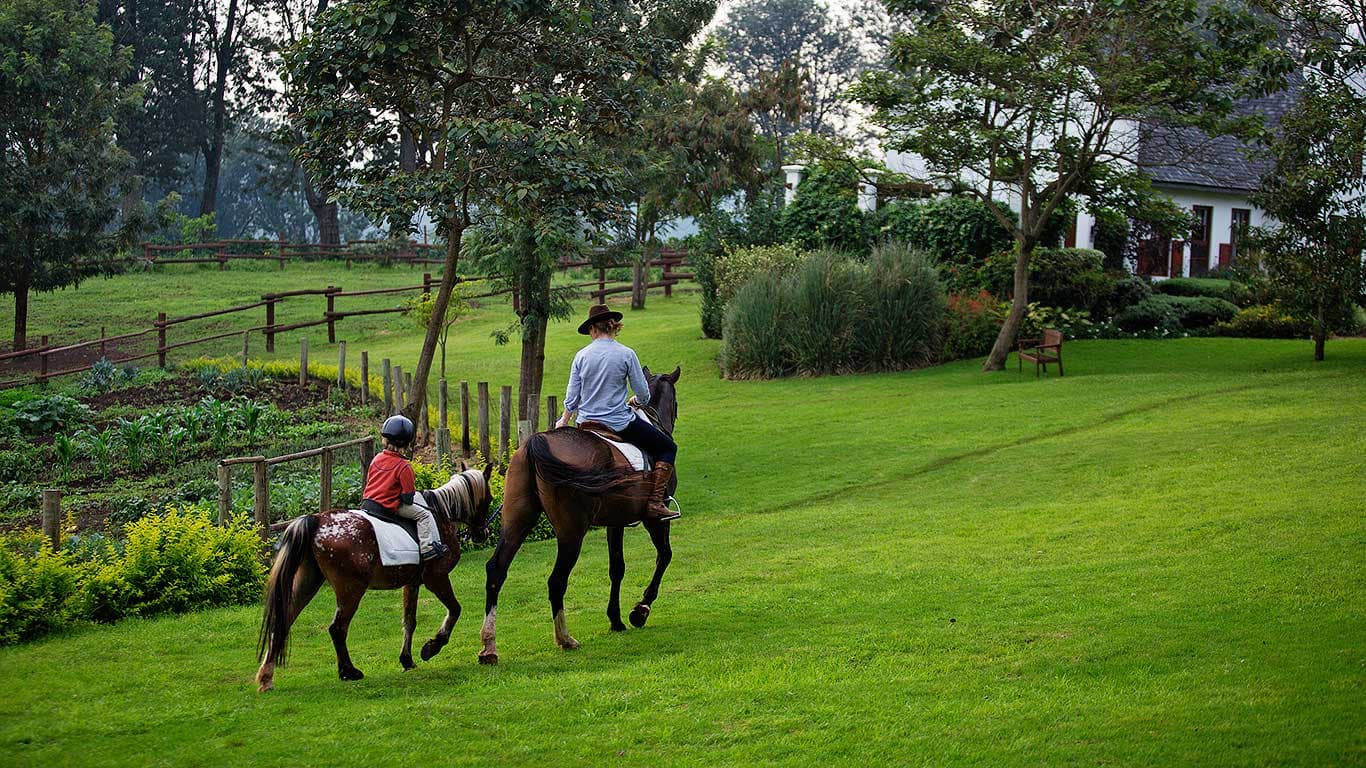
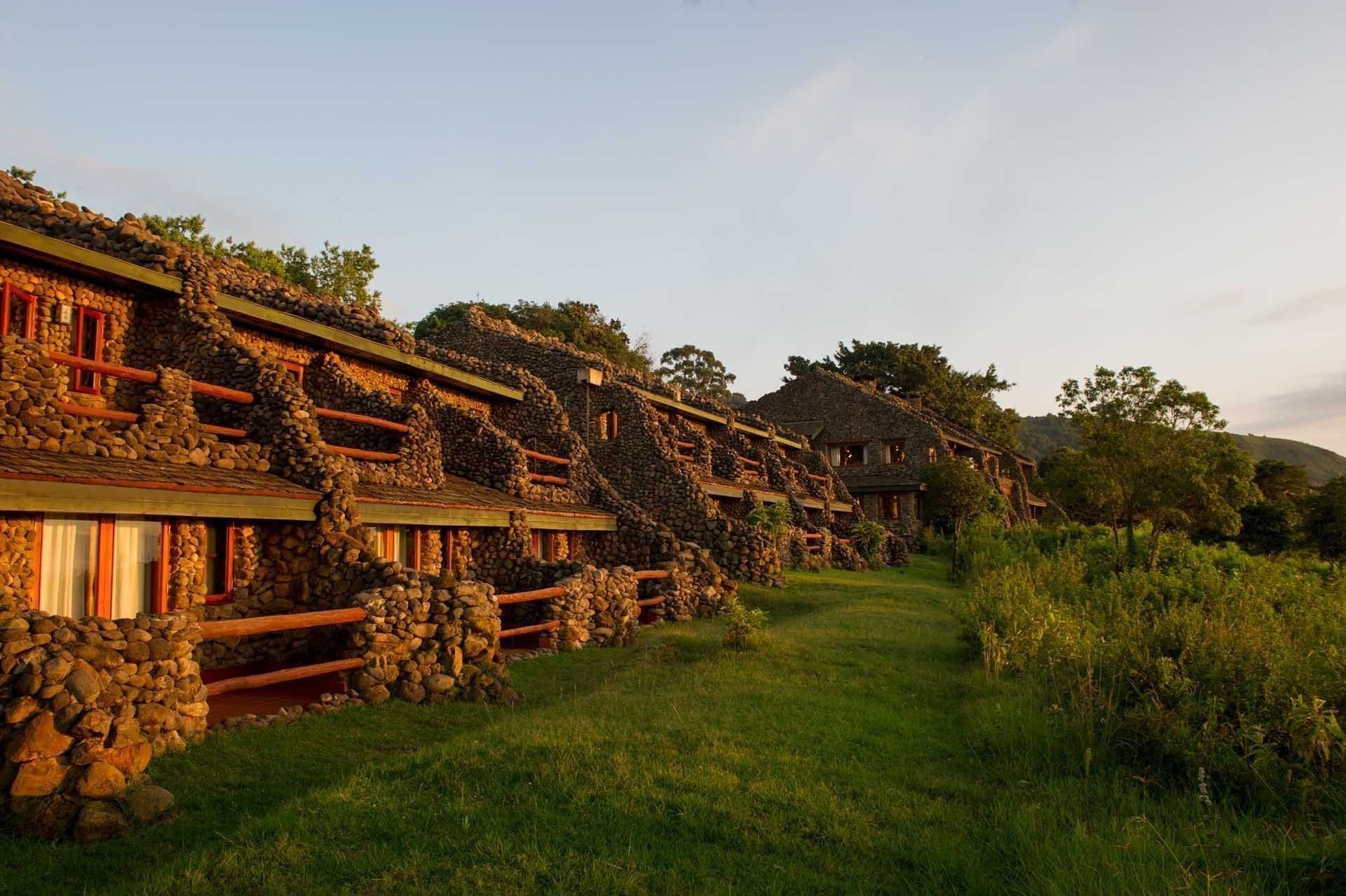
The Manor at Ngorongoro offers luxury cottage suites set on a coffee estate near the Ngorongoro Conservation Area, with elegant décor, private sun terraces, refined dining, and easy access to crater and Lake Manyara safaris.

Restaurant & BarPrivate Sun TerracesWi‑Fi+18
8 highlights8 activities12 dining21 rooms
Ngorongoro Serena
02
Lodge

Ngorongoro Serena

Arusha Tanzania

Ngorongoro Serena Safari Lodge offers luxurious rooms with private balconies and panoramic views over the Ngorongoro Crater. Enjoy exceptional service, spa facilities, restaurant and authentic safari experiences on the crater rim.

WI-FISwimming poolPrivate Balcony with Panoramic Crater Views+14
8 highlights8 activities10 dining75 rooms

Safari Vehicles for Ngorongoro Crater Park

2 purpose-built vehicles— fully insured & maintained

Terrain

Savannah Grasslands

Accessibility

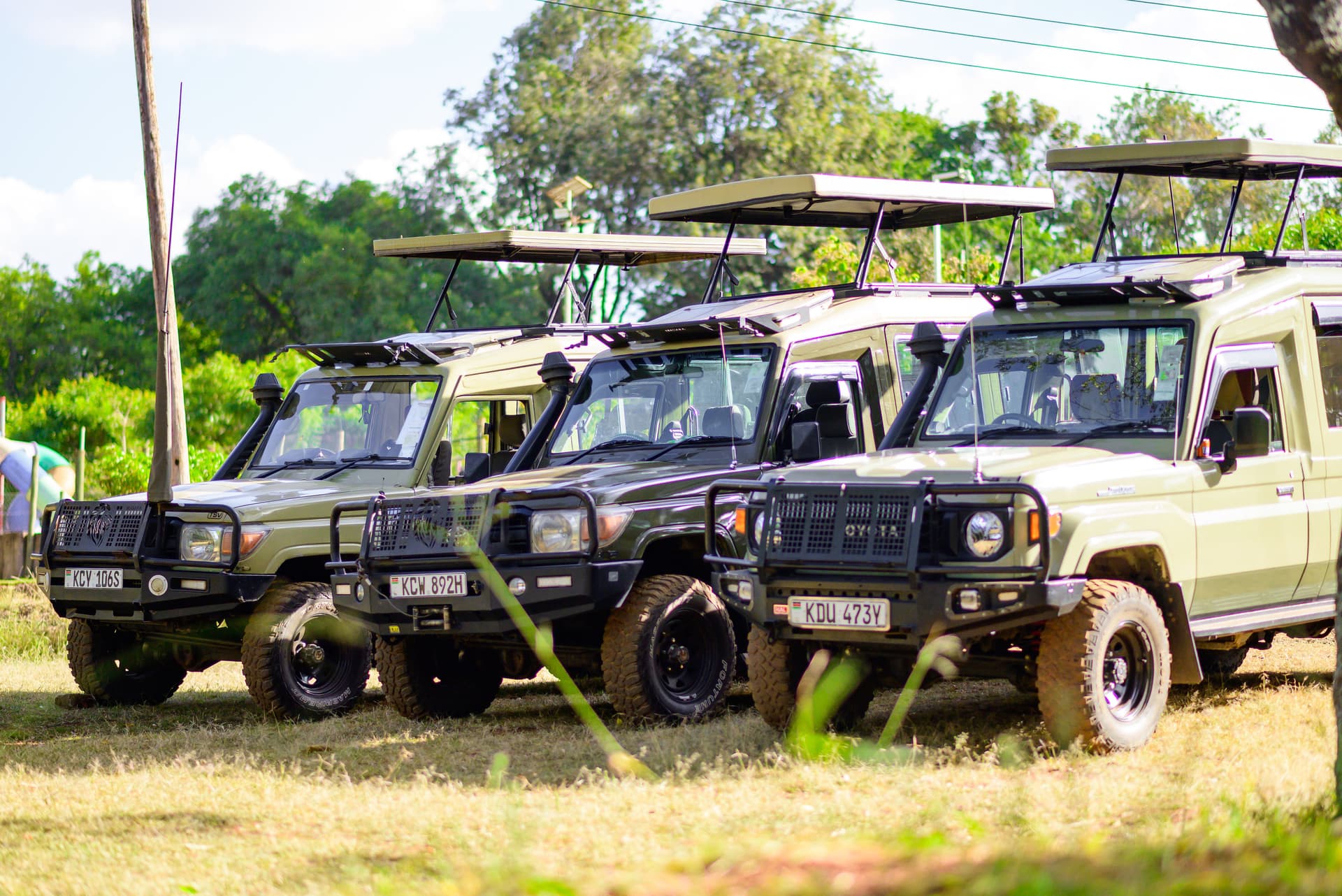
Ngorongoro Crater is best explored using specialized 4x4 safari vehicles due to the steep access roads leading into and out of the crater. Most safari operators utilize customized Toyota Land Cruisers with pop-up roofs, offering exceptional visibility for wildlife viewing and photography.

The crater roads are well-maintained but can become slippery during rainy seasons, making 4x4 vehicles essential for safe and comfortable exploration. Visitors typically spend a full day on the crater floor, accessing wildlife-rich areas through designated game-viewing routes.

Fly-in safari options are available through nearby airstrips serving the Northern Safari Circuit, followed by road transfers to the Ngorongoro Conservation Area.

4×4 Safari Land Cruiser
01

4×4 Safari Land Cruiser

Toyota 78 Series — Game Drive Specialist

7 - 8 guests 4x4 Safari Land Cruiser
View Details Insured
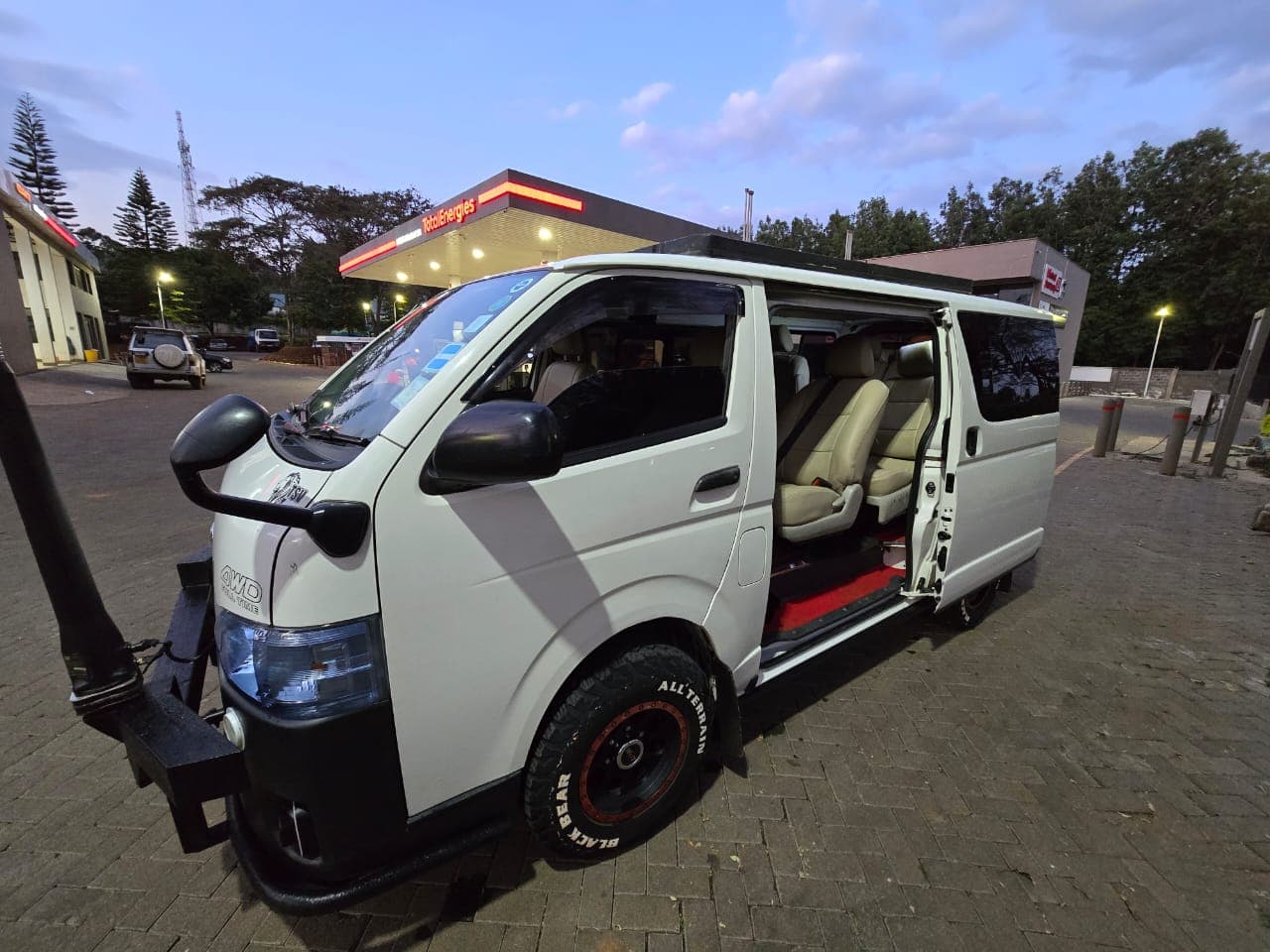
4×4 Safari Van
02

4×4 Safari Van

Toyota HiAce Custom — Budget-Friendly Explorer

6–7 guests 4x4 Safari Van
View Details Insured

Written and reviewed by Imara Africa Safaris’ Nairobi-based safari specialists, who plan and guide trips to Ngorongoro Crater Park throughout the year. Park fees, seasonal conditions and access details are checked against official park and tourism-board sources. .

Ngorongoro Crater ParkFrequently Asked Questions

“Imara” means strongin Swahili. We build every safari with that same strength — expert knowledge, honest pricing, and relentless attention to detail.

Imara Africa Safaris

Ready for the trip of a lifetime?

Tell us what you're looking for and we'll build a custom itinerary — free, no obligation, within 24 hours.

Start Planning

No spam, ever. Unsubscribe anytime.

Safari AI Expert Live

Instant safari advice — 24/7

Ask me anything about safaris, destinations, wildlife or planning your trip.

Open Safari AI Expert

Chat with us

Online now

Our safari experts are ready to help you plan the perfect African adventure.