

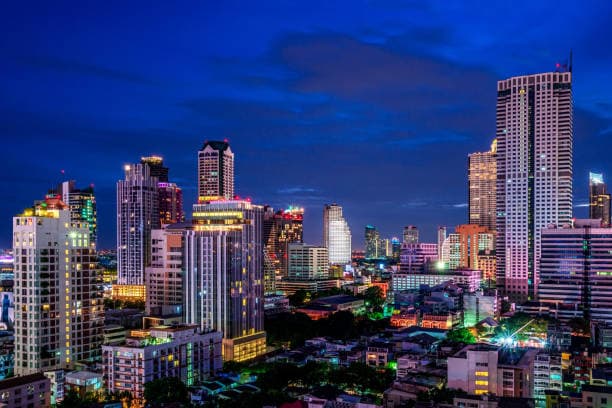
Nairobi is the capital and largest city of Kenya and the safari gateway to East Africa, sitting at approximately 1,795 metres above sea level. Founded in 1899 as a railway depot on the Uganda Railway, it is the only capital in the world with a national park — Nairobi National Park — inside its boundaries.
Often called the "Green City in the Sun", Nairobi has grown into one of Africa's most vibrant and cosmopolitan cities, and the economic, political and cultural heart of the region. For travellers, it serves two roles at once: a staging post for safaris to the Maasai Mara, Amboseli, Samburu, Tsavo, Ol Pejeta and Mount Kenya, and a destination with genuinely distinctive attractions of its own.
What Is Nairobi Known For?
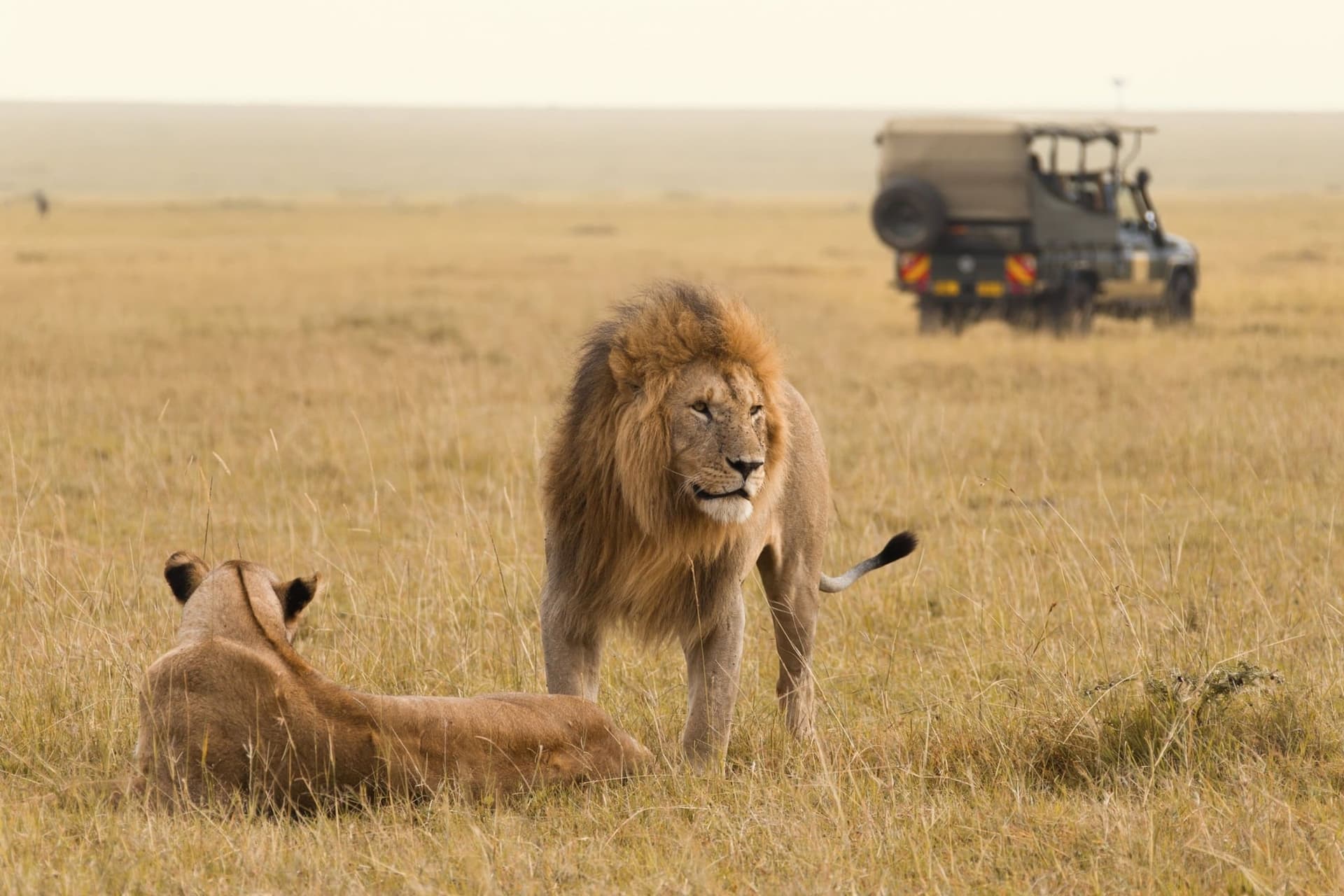
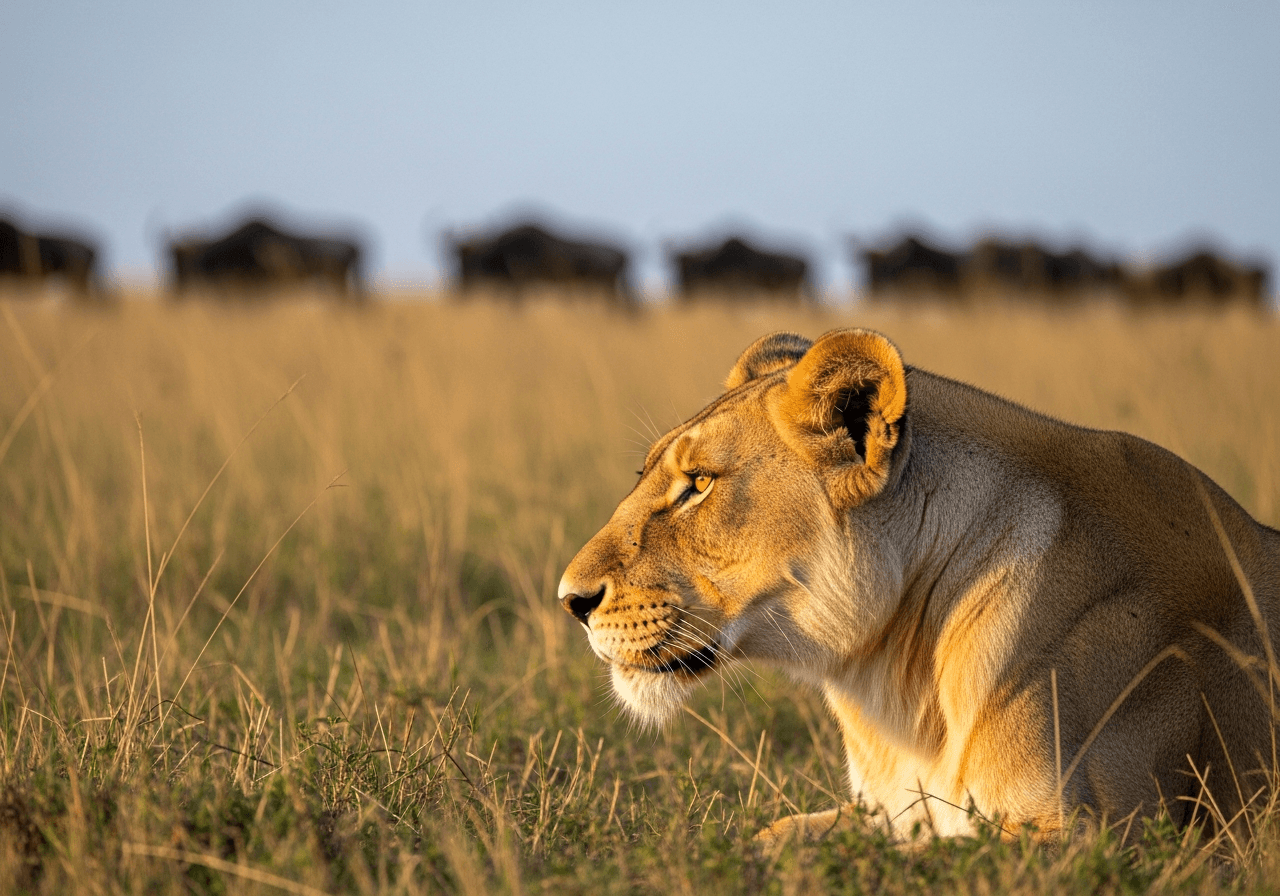
- Nairobi National Park — lions, rhinos and giraffes photographed against a city skyline
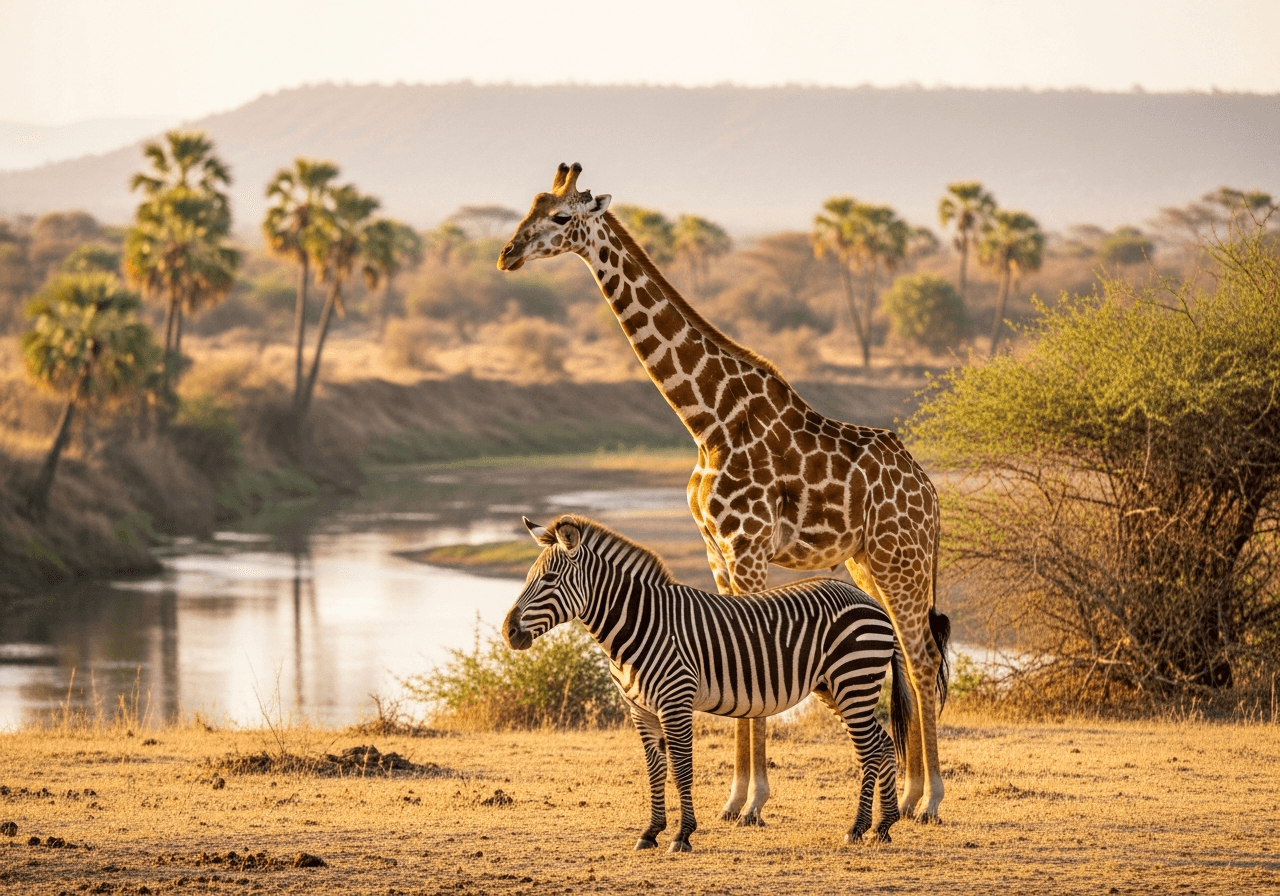
- The Giraffe Centre, where visitors meet endangered Rothschild's giraffes at eye level
- The David Sheldrick Wildlife Trust, famous for its orphaned elephant nursery
- The Karen Blixen Museum, former home of the author of Out of Africa
- Cultural showcases at the Bomas of Kenya and the Nairobi National Museum
- A celebrated dining and nightlife scene spanning Kenyan, Indian, Middle Eastern and international cuisine
A single well-planned day covers the classic circuit: an early game drive in Nairobi National Park, the elephant orphanage's public hour, lunch in Karen, then the Giraffe Centre and Karen Blixen Museum in the afternoon. Culture-minded visitors can add craft markets, art galleries and the National Museum, while the city's rooftop lounges and restaurants fill the evenings. Business travellers know Nairobi equally well for its conference facilities, luxury hotels and shopping malls — this is East Africa's commercial capital as much as its safari hub.
The city's history is woven through these sights: from railway origins barely 125 years ago to a metropolis surrounded by savannah, Nairobi remains the one world capital where wild lions live within sight of skyscrapers.
The city's highland setting shapes its appeal: at nearly 1,800 metres, Nairobi enjoys warm days and cool evenings that make walking, café terraces and open-air markets comfortable in every season. Green spaces soften the urban sprawl — Karura Forest offers waterfalls and cycling trails minutes from the business district, and the arboretum and city parks fill with birdlife at dawn. Shoppers head for the rotating Maasai markets for beadwork and carvings, or to the Kazuri bead workshops and craft cooperatives in Karen, where purchases directly support local employment. The dining scene ranges from nyama choma grills to some of Africa's most acclaimed fine-dining rooms, and Kenyan coffee — long exported and hard to find well-made locally — now fuels a flourishing café culture across the city. Practical travellers should note the rhythm of the roads: traffic peaks sharply on weekday mornings and evenings, so attraction-hopping is best planned by neighbourhood — Karen's sights cluster together, as do those near the centre.
When Is the Best Time to Visit Nairobi?
Nairobi is pleasant year-round thanks to its highland elevation. June to October and January to March are the driest, sunniest windows — ideal for sightseeing and conveniently matching peak safari season in the surrounding parks.
How Do You Get to Nairobi?
Jomo Kenyatta International Airport (JKIA), East Africa's busiest hub, handles international arrivals, while Wilson Airport operates the domestic safari flights that fan out to the Mara, Samburu and the coast. Most safari itineraries route through one or both airports.
How Many Days Do You Need?
One to two days is right for a city stopover: one full day covers the Karen attractions and Nairobi National Park, while a second adds museums and markets. Most travellers anchor these days to their international arrival or departure.
Nairobi is the launch pad for itineraries such as the 4-Day Masai Mara, Lake Nakuru & Lake Naivasha Safari and the 10-Day Kenya Safari and Diani Beach Holiday, both departing from the capital after a first night that doubles as the perfect jet-lag buffer.