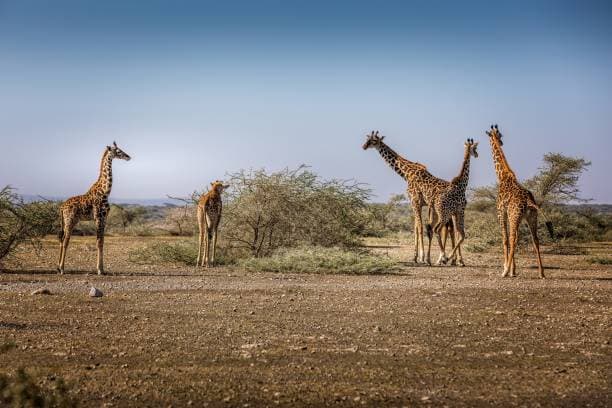
Central Serengeti, also known as the Seronera region, is the beating heart of Serengeti National Park in northern Tanzania and the park's most reliable game-viewing area. Watered year-round by the Seronera River, it supports one of the highest concentrations of predators in Africa and hosts the Great Migration twice each year.
Where much of the Serengeti's drama is seasonal, Seronera's is permanent. The river's unfailing water holds resident wildlife through every month, which is why most first-time visitors — and most of the park's classic photography — are anchored here, among open plains, river valleys and granite kopjes where lions survey their territory.
What Is Central Serengeti Known For?
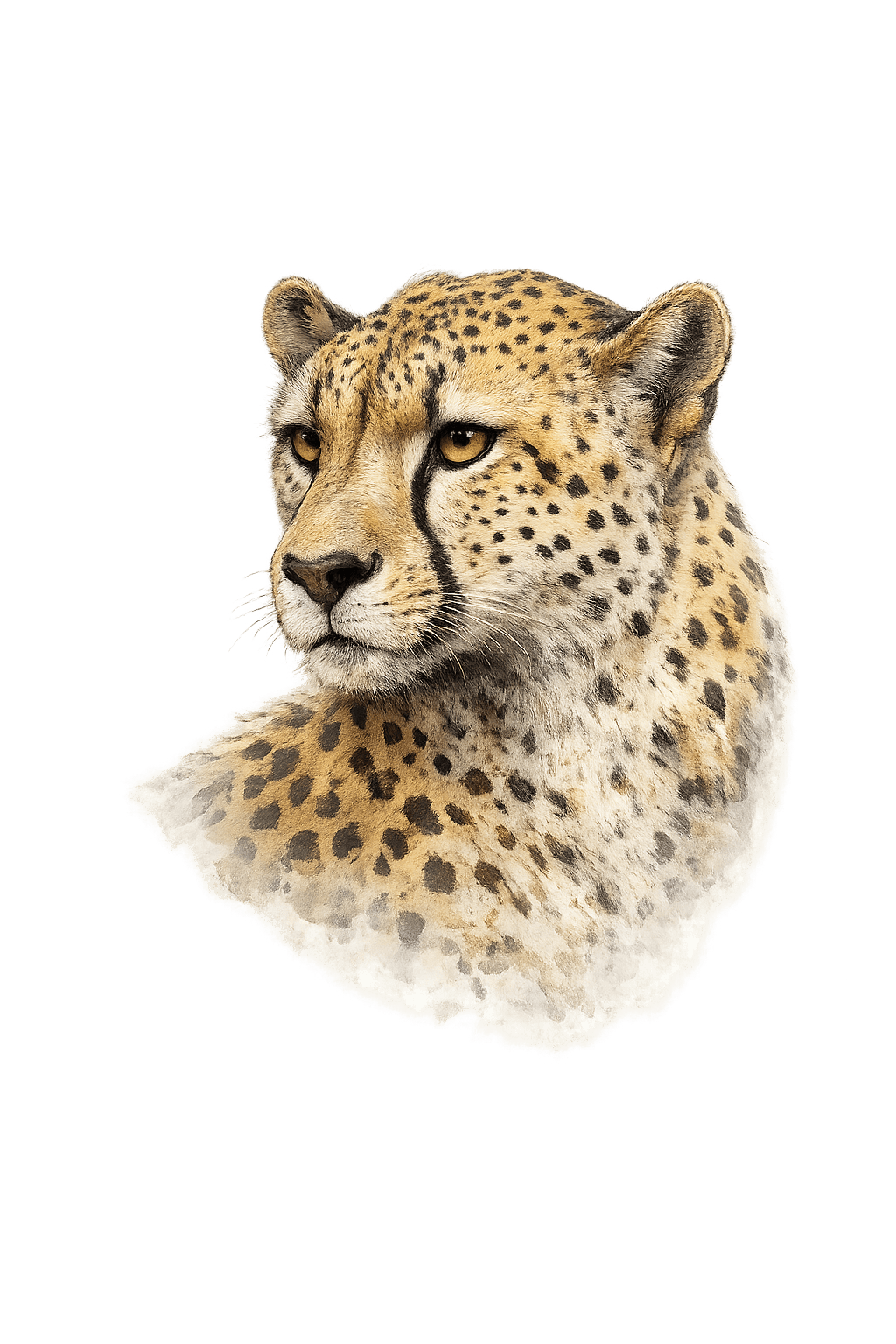
- Exceptional big cat viewing: lions, leopards draped in sausage trees along the river, and cheetahs on the open plains
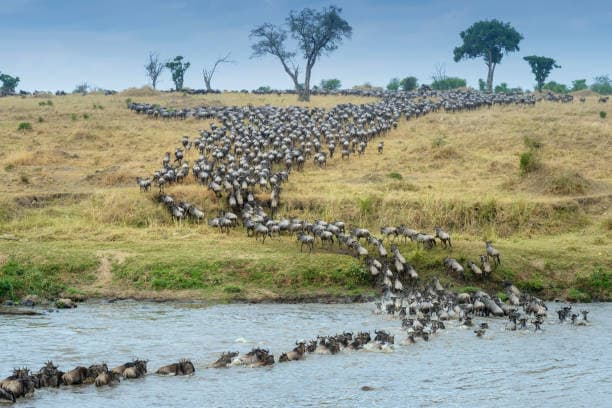
- The Great Migration passing through between April and June, and again from October to November
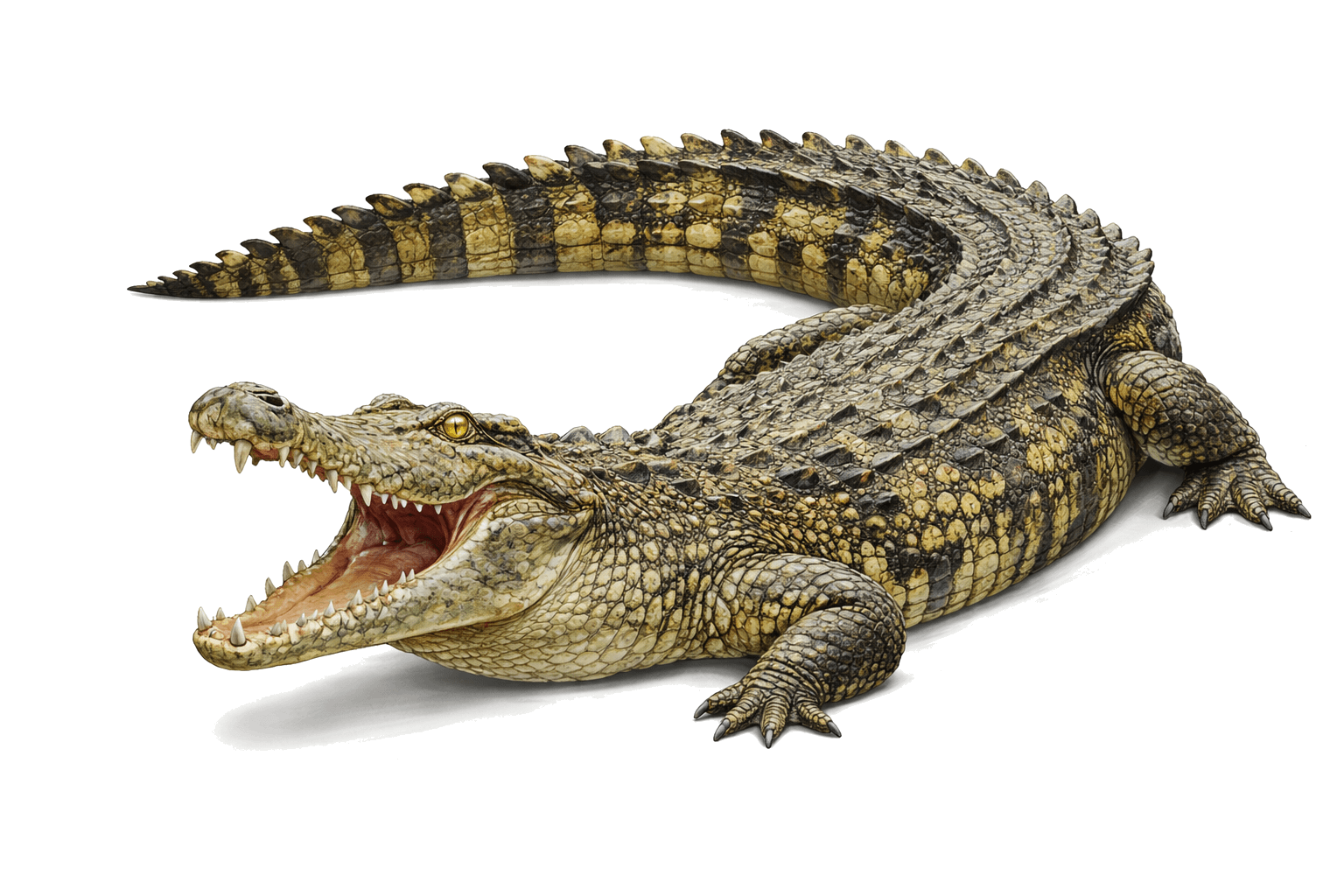
- Resident elephants, buffalo, giraffes, hippos and crocodiles in the river pools
- Iconic granite kopjes rising from golden grassland
- Hot air balloon safaris at dawn over the Seronera Valley
- Year-round game viewing independent of the migration's timetable
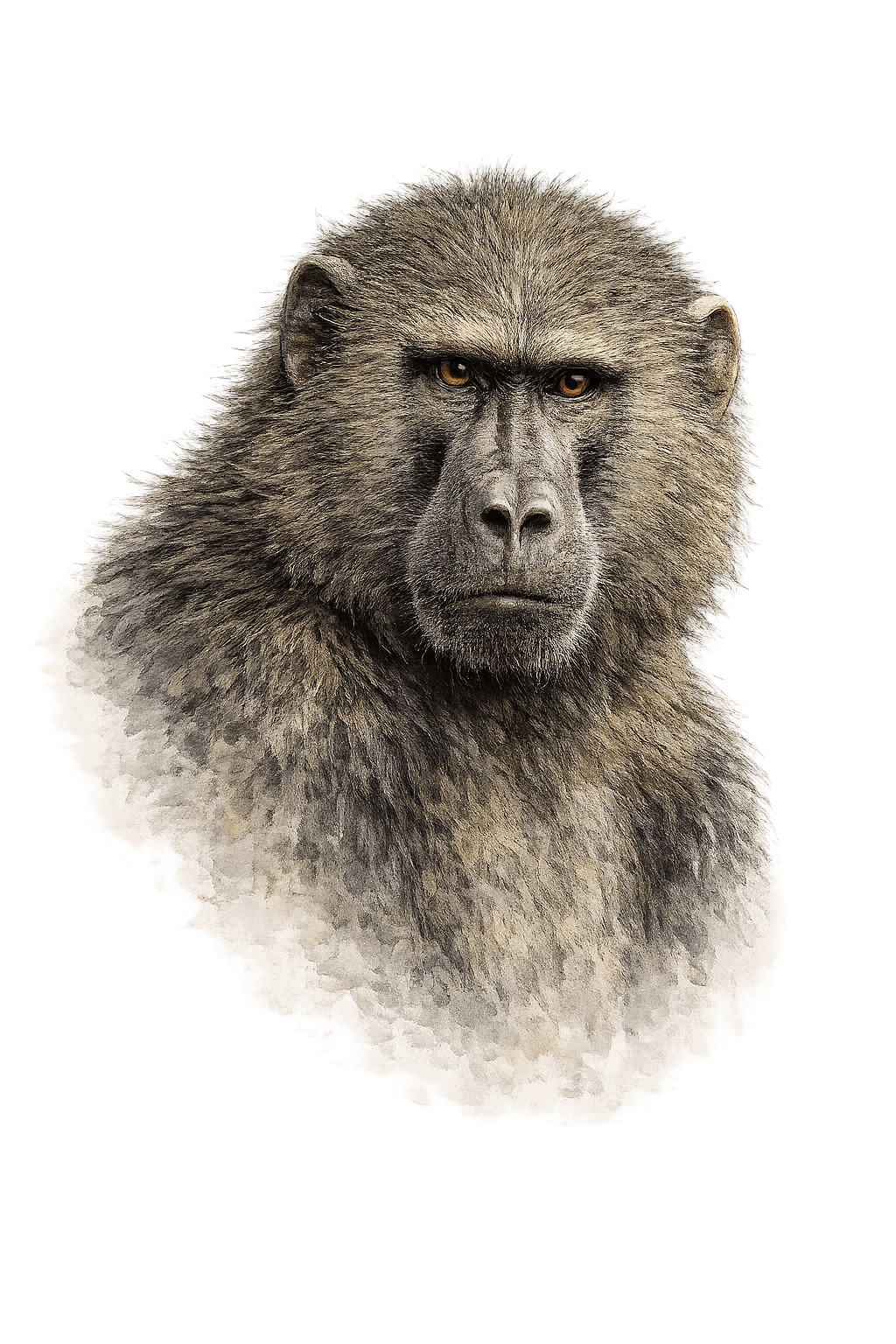
The Seronera River corridor is arguably the best leopard territory in Tanzania, while resident lion prides, hyena clans and baboon troops keep game drives busy even outside migration months. When the herds do pass through — hundreds of thousands of wildebeest and zebra moving north from April to June, then returning south from October to November — the region delivers the Serengeti at its most spectacular. Photographers value the region's variety: river valleys, plains and kopjes offer changing backdrops within a single drive.
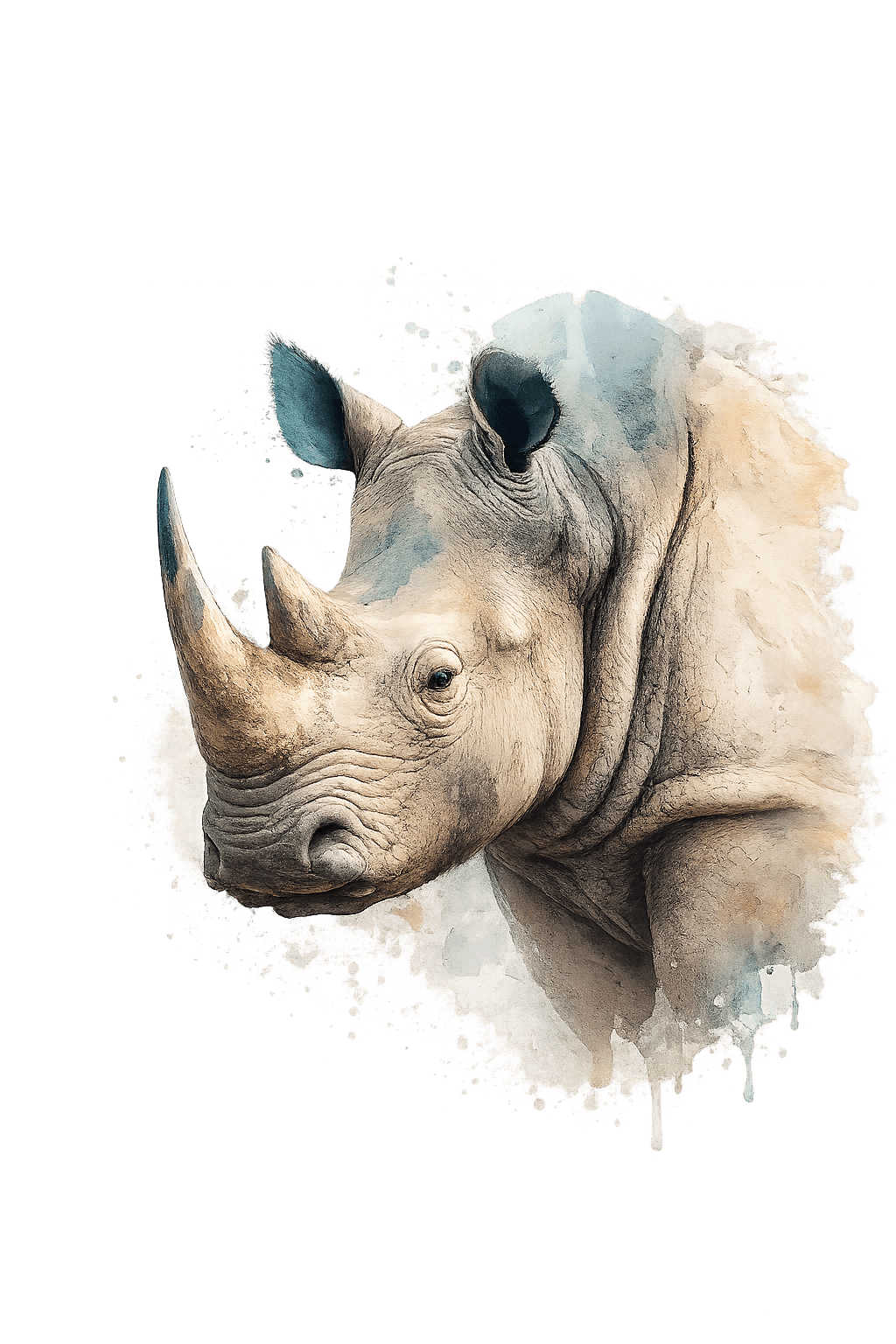
Infrastructure is another practical advantage. Seronera hosts the park's main airstrip and its broadest choice of lodges and tented camps, from classic safari lodges to luxury camps, making it the natural base for exploring the wider park. To the south-west, the Moru Kopjes shelter the park's small, closely guarded population of black rhinoceros — the hardest of the Big Five to find in the Serengeti and a genuine prize for patient visitors. The Seronera area has also hosted decades of continuous lion and predator research, which is partly why the region's prides are so well habituated to vehicles: cats behave naturally at close range, giving photographers working distances most reserves cannot offer.
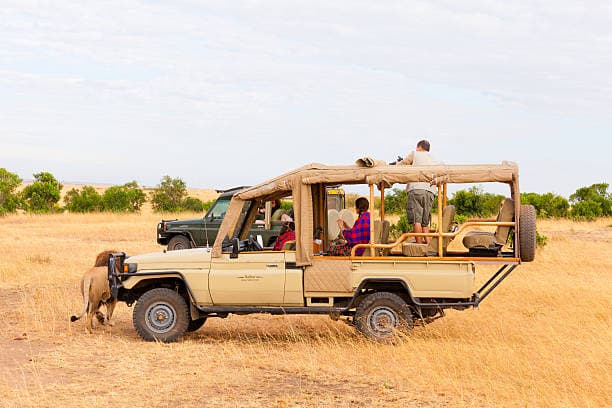
A typical Seronera day starts before sunrise, when balloon passengers lift off over the waking plains and game-drive vehicles fan out along the river circuits; mid-mornings bring the best leopard searching along the watercourses, and late afternoons favour cheetahs hunting in the cooling light. Hippo pools, kopje circuits and the visitor centre's short walking trail fill the middle hours, and lodges brief guests nightly on where the migration herds and big cat activity were last reported — intelligence that shapes the next morning's route.
When Is the Best Time to Visit Central Serengeti?
June to October is peak season, with dry weather and dense concentrations of game. The migration transits the region from April to June and again in October–November, while January to March offers strong resident wildlife and predator activity as calving unfolds on the plains to the south.
How Do You Get to Central Serengeti?
By road, Seronera is approximately 7 to 8 hours from Arusha via the Ngorongoro Conservation Area, usually broken by stops along the Northern Safari Circuit. Daily scheduled flights from Arusha, Kilimanjaro International Airport, Zanzibar and Manyara land at Seronera Airstrip in the heart of the region.
How Many Days Do You Need?
Two to three nights is the realistic minimum for this core section of a major park — enough for unhurried river drives, kopje circuits and a balloon flight. Migration-focused travellers often add nights in the north or south depending on season.
Central Serengeti anchors the 7-Day Great Migration River Crossing Safari in Tanzania, which follows the herds from Seronera to the northern crossing points, using the region's reliable resident game as the foundation of the trip.