
Samburu National Reserve Animals: Complete Guide
This guide to samburu national reserve animals explains the Special Five, elephants, big cats, birds and the best seasons and habitats for sightings.
26 min read60viewsUpdated Sep 29, 2026
“Imara” means strong in Swahili. We build every safari with that same strength — expert knowledge, honest pricing, and relentless attention to detail.
Tell us what you're looking for — we reply within minutes and send a free, no-obligation custom itinerary within 24 hours.
Start PlanningNo spam, ever. Unsubscribe anytime.
Protected by Cloudflare Turnstile & Google reCAPTCHA. Privacy & Terms apply.
Safari deals, travel tips & destination guides — straight to your inbox.
No spam, ever. Unsubscribe anytime.
Protected by Cloudflare Turnstile & Google reCAPTCHA. Privacy & Terms apply.
This guide to samburu national reserve animals explains the Special Five, elephants, big cats, birds and the best seasons and habitats for sightings.
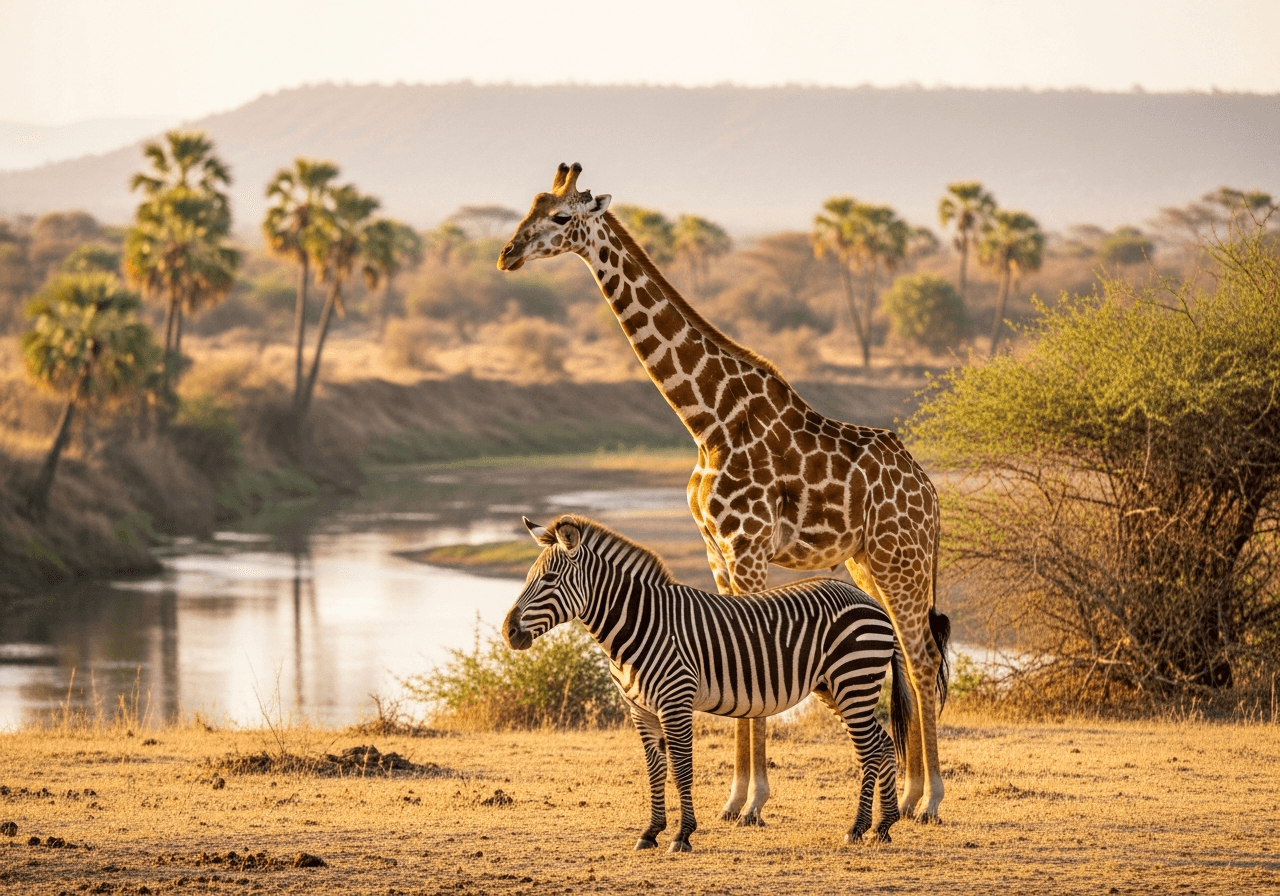
The best-known samburu national reserve animals are the Samburu Special Five: Grevy’s zebra, reticulated giraffe, gerenuk, Beisa oryx and Somali ostrich. Travellers can also see elephants, lions, leopards, cheetahs, buffalo, hippos, Nile crocodiles, dik-diks and more than 450 bird species, especially around the Ewaso Ng’iro River in northern Kenya.
Samburu National Reserve covers about 165 sq km on the north bank of the Ewaso Ng’iro River. Its wildlife list is unusually rich for a semi-arid reserve: arid-country specialists, large elephant herds, big cats, plains game, river animals and a strong bird list share a compact area that can be explored well in two or three nights.
For travellers asking what animals are in Samburu National Reserve, the answer starts with the northern species. Grevy’s zebra, reticulated giraffe, gerenuk, Beisa oryx and Somali ostrich are the signature sightings, often called the Samburu Special Five by guides because they are much easier to see here than in Kenya’s southern parks.
Elephants use the Ewaso Ng’iro River as a moving corridor, lions rest in shade near prey routes, leopards slip through riverine woodland, and cheetahs work the more open scrub. Buffalo, waterbuck, Grant’s gazelle, impala, warthog, dik-dik, lesser kudu, olive baboon and vervet monkey fill out daily game drives.
Sightings vary by season, water levels, guiding quality and time of day. A patient guide who knows fresh tracks, shaded resting areas and the river loops will usually reveal more samburu national reserve animals than a fast drive from one famous name to the next. For route ideas and practical logistics, Imara’s Samburu safari guide is a useful next step.
The Ewaso Ng’iro River cuts a green line through Samburu’s heat, with doum palms, acacias and tamarinds marking the most productive wildlife corridor in the reserve. Away from the river, the land opens into stony plains, thorn scrub, dry luggas and low hills that suit animals built for northern Kenya’s drier conditions.
Samburu, Buffalo Springs and Shaba together protect roughly 535 sq km of semi-arid northern Kenya habitat. The three reserves form a linked ecosystem rather than three isolated wildlife pockets, and animals move across boundaries depending on grazing, water, breeding pressure and disturbance.
Arid-adapted species thrive because they can feed efficiently, cope with heat and travel further between water sources. Gerenuk browse leaves that many antelopes cannot reach. Beisa oryx conserve moisture and tolerate dry grasslands. Grevy’s zebra have larger bodies and narrower stripes than plains zebra, and they often use drier country where other grazers thin out.
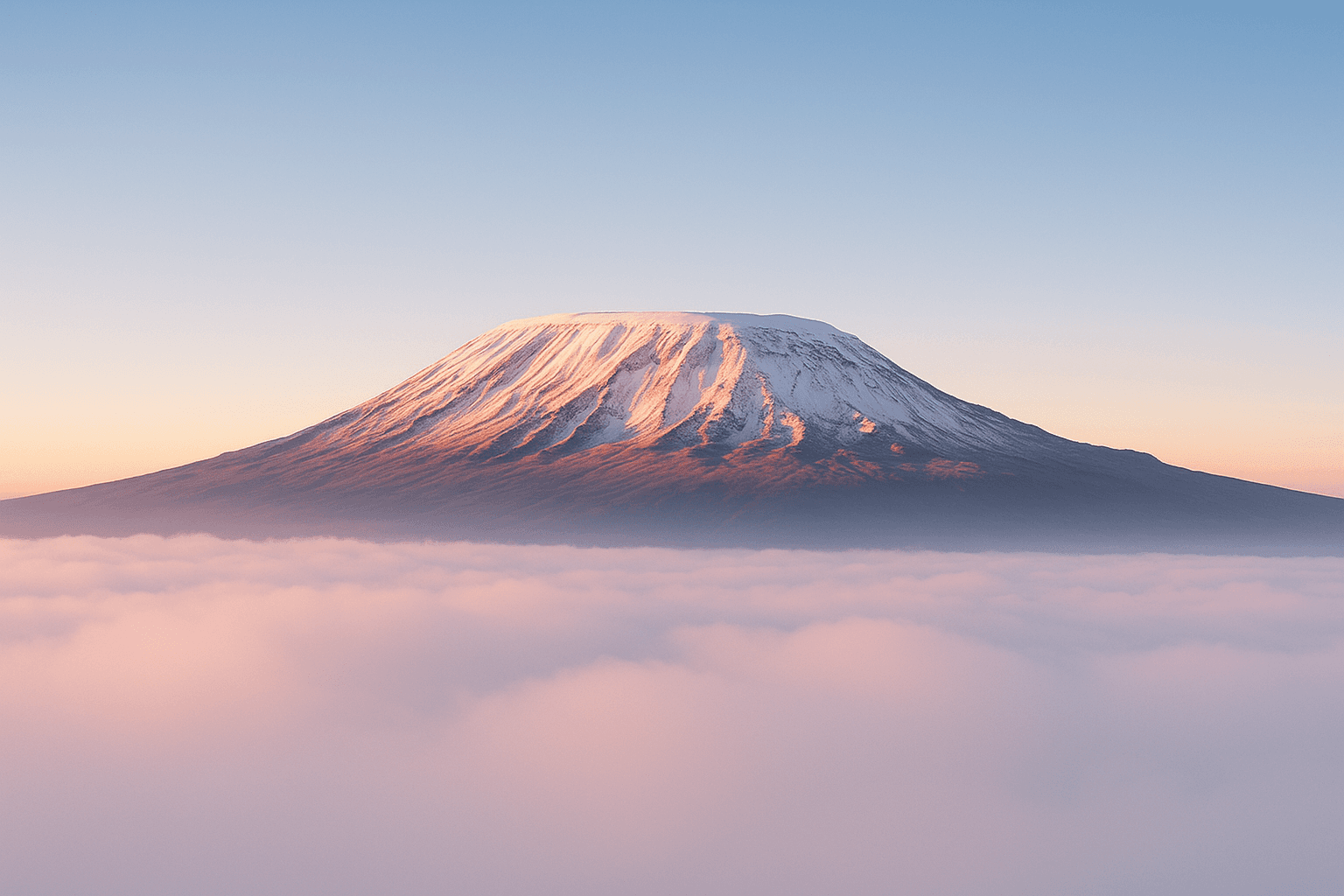
This is why Samburu wildlife feels different from the Masai Mara or Amboseli. The Mara is known for predator density, big grassland herds and the migration season. Amboseli is famous for open marshes and elephants under Kilimanjaro. Samburu offers northern specialists, river drama and a wilder-feeling pace with fewer vehicles in many areas, especially outside peak holiday dates.
The Samburu Special Five are Grevy’s zebra, reticulated giraffe, gerenuk, Beisa oryx and Somali ostrich. Guides use the phrase because these five northern species give Samburu a clear identity: they are not impossible elsewhere, but Samburu National Reserve and the surrounding ecosystem offer some of Kenya’s most reliable sightings.
Grevy’s zebra is the largest wild zebra, with a white belly, rounded ears and fine black stripes that look much narrower than those of the plains zebra. Grevy’s zebra Samburu sightings are often in open scrub or dry grassland, sometimes in small groups rather than the larger herds visitors associate with southern Kenya.
Reticulated giraffe in Samburu are easy to recognise by their clean, net-like chestnut patches divided by bright white lines. They browse acacia, move with a high, deliberate gait and often stand beautifully against the dry country light. For a deeper look at markings, diet and range, read Imara’s reticulated giraffe profile.
Gerenuk means “giraffe-necked” in Somali, and the name fits. This slim antelope has a long neck, small head and large eyes. The behaviour to watch for is the upright feeding stance: a gerenuk may rise onto its hind legs, brace itself, and pick leaves beyond the reach of impala and Grant’s gazelle.
““In Samburu, do not scan only the ground. Look halfway up the thorn bushes — that is where a feeding gerenuk or a leopard’s tail can change the whole drive.””
Beisa oryx carry long, straight horns and bold black facial markings. Their pale coats reflect heat, and they are often seen walking with measured confidence through open country. Oryx can survive in dry habitat by drawing moisture from food and reducing water loss, one reason they suit Samburu’s climate so well.
Somali ostrich males have blue-grey skin on the neck and thighs, rather than the pinkish tones of the common ostrich. Males are striking in breeding condition, with dark body feathers and pale wing plumes, while females are browner. They often feed in open areas where they can spot danger early.
June afternoons on the Ewaso Ng’iro River often bring a low rumble before the elephants appear: a matriarch leading, calves bunched close, older females testing the bank before the herd steps down to drink. The river is central to Samburu’s elephant movements because it provides water, shade and safe travel routes during the hotter parts of the day.
Wildlife concentrations are usually strongest in the dry months from June to October and again from December to March. During these periods, elephants spend more time near dependable water, which makes river loops especially productive. Mud-bathing, dusting, trunk-spraying and careful calf crossings are common highlights, particularly when herds arrive after a hot morning feed.
Long-running research by Save the Elephants in the Samburu ecosystem has helped identify individual animals, family relationships and movement patterns. That work also underlines why respectful viewing matters: vehicles should give herds room to choose their path, avoid blocking access to water and pay close attention to ear-spreading, head-shaking or protective behaviour around calves.
Elephants are among the most rewarding samburu safari animals because behaviour is often visible even to first-time travellers. A quiet vehicle may watch greeting ceremonies, allomothering by young females, bulls testing scent, or calves learning how to use their trunks. Imara’s guide to African elephant behaviour explains many of these field signs in more detail.
At first light in Samburu, lions may still be on the move through open scrub before the heat pushes them into shade. The best guides read the landscape around prey routes: fresh tracks in sand, impala alarm calls, vultures lifting from a tree, or a line of guinea fowl giving sharp calls near thicker cover.
Lions in Samburu are often found near areas where zebra, oryx, buffalo or antelope pass between grazing and water. During hot hours they can be flat under acacia shade, so a sighting may begin with a tawny ear, a tail flick or the curve of a belly behind dry grass. Evening drives can be productive as prides become more alert.
Leopards favour riverine cover, where doum palms, tamarinds and thick bush give them shade and stalking cover. They are best searched for early, late or with guide knowledge built over several days. Tracks near sandy luggas, nervous vervet monkeys and repeated antelope alarm calls all help. Travellers keen on leopard safari sightings should build in enough time rather than expecting a rushed drive to deliver.
Cheetahs need more open ground. In Samburu they may use low termite mounds, bare patches or slight rises to scan for dik-dik, young gazelle and other small prey. Good cheetah viewing rewards patience: a cat may rest for an hour before hunting, and vehicles should keep distance so the animal can move, watch and chase without pressure.
A sandy track near Samburu Sopa Lodge can produce dik-dik, impala, warthog and Grant’s gazelle before breakfast, with reticulated giraffe feeding beyond the roadside acacias. These “supporting” mammals are central to the reserve’s ecology, and they often lead guides towards predators through tracks, alarm calls and changes in behaviour.
Elegant, shy antelope that often keep to thicker bush and shaded edges.
Tiny antelope usually seen in pairs, often pausing briefly before slipping back into cover.
A common open-country antelope and important prey species for cheetah and other predators.
Frequently seen near riverine woodland, where troops forage, groom and move between shade trees.
Present in the reserve, usually around water and heavier cover rather than the driest open plains.
Regular antelope and grazers include Grant’s gazelle, impala, waterbuck, dik-dik, lesser kudu and warthog. Grant’s gazelles prefer more open spaces, while dik-diks stay close to cover and often move in pairs. Lesser kudu can be shy, so slow driving through bushy country gives better chances than racing between major sightings.
Buffalo occur in the reserve, especially near water and thicker feeding areas. Spotted hyena patrol widely and may be seen early or late, sometimes at old kill sites or following lion activity. Black-backed jackal, olive baboon and vervet monkey add constant movement, while mongooses, ground squirrels and nocturnal species may appear around quieter tracks and lodge grounds.
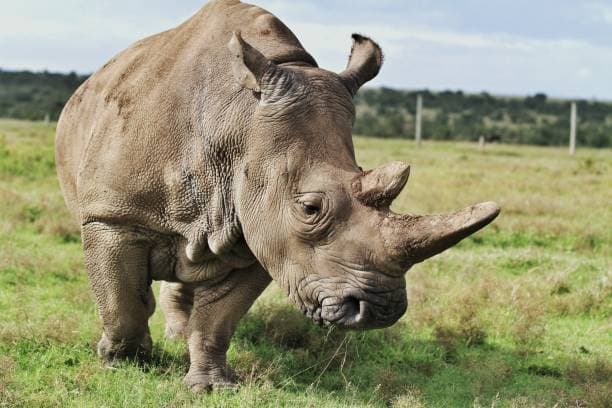
Rhino expectations need care. Samburu is not the right place to rely on rhino sightings, and it should not be sold as a classic Big Five reserve. Travellers who want rhino in the same northern Kenya safari should consider adding nearby conservancy country, especially for well-managed Lewa Conservancy rhinos, or include Ol Pejeta in a broader itinerary.
More than 450 bird species are recorded in the Samburu-Buffalo Springs ecosystem, including Somali ostrich and vulturine guineafowl. That number makes Samburu National Reserve birds a major reason to visit, even for travellers who do not normally plan safaris around birding.
Dry-country birding is rewarding because many species are colourful, active and easy to see in open habitat. Vulturine guineafowl move in electric-blue flocks across stony ground. Golden-breasted starlings flash yellow and metallic green in acacia country. Pygmy falcons perch neatly on exposed branches, and white-headed mousebirds often feed in small groups near lodges and riverine trees.
Raptors benefit from thermals and open hunting country. Martial eagle, bateleur, tawny eagle, secretary bird and various vultures may appear during a good stay, while smaller kestrels and hawks work the scrub. Along the Ewaso Ng’iro River, kingfishers, herons, bee-eaters and sandpipers bring extra variety, especially when water levels leave exposed banks.
Binoculars change the experience. A non-birder with even a compact pair can identify hornbill bills, roller colours, ostrich skin tones and the difference between distant raptors. For photographers, the best light for Samburu National Reserve birds is often the same as for mammals: early morning and late afternoon, when colours hold detail and heat haze drops.
On warm riverbanks of the Ewaso Ng’iro, Nile crocodiles may lie almost motionless with open mouths, regulating body temperature while watching the water. Suitable stretches of the river can also hold hippos, though sightings depend on water depth, season and the animals’ movements within the wider system.
Reptiles add texture to a Samburu game drive. Agamas bask on rocks and lodge walls, their colours bright in the sun. Tortoises may appear after showers or near thicker vegetation. Snakes are present but seldom seen well, and guides usually keep guests at a safe distance if one crosses the track.
Smaller safari moments often reveal how the reserve works. Dung beetles roll fresh elephant dung from the road. Antlion pits dot sandy soil. Tracks in dry luggas show night traffic: hyena pads, mongoose prints, dik-dik slots, or the round marks of elephants moving to water. Children and first-time safari travellers often enjoy these signs as much as a distant big cat.
A slower drive usually reveals more than a fast search for headline samburu national reserve animals. Stopping to listen can expose alarm calls. Waiting by shade can show who uses it next. Pausing at a water point may turn a quiet ten minutes into elephants, doves, baboons, impala and a circling raptor in the same frame.
The river loops along the Ewaso Ng’iro are the first place many Samburu guides check after sunrise, especially in the dry season. Water, shade and soft sand concentrate tracks and movement, so these loops can produce elephants, leopard signs, baboons, waterbuck, crocodiles and birds within a short distance.
The reserve’s most dependable wildlife corridor, especially for elephants, baboons, water-dependent antelope, crocodiles and river birds.
A good place to scan for leopard, monkeys, birds and shade-seeking animals during warmer parts of the day.
Productive for Grevy’s zebra, Beisa oryx, reticulated giraffe, cheetah and plains species.
Sandy seasonal watercourses can hold tracks and sometimes guide the search for predators moving through cover.
In the heat, lions, leopards and antelope often settle where shrubs and trees create broken shade.
Buffalo Springs, Shaba and Kalama Conservancy can broaden the same northern Kenya wildlife theme when added to an itinerary.
Shade lines matter throughout the day. By mid-morning, lions and leopards often reduce movement, while elephants may drift towards water or palms. A good guide reads shade by direction and temperature, not just by tree cover, and will often stop short of a likely resting area rather than driving straight into it.
Open acacia scrub is the right habitat for cheetah, Beisa oryx, Grevy’s zebra and reticulated giraffe Samburu sightings. Low, broken country gives cheetahs room to hunt and lets oryx and zebra detect danger. Giraffes move between browsing patches, often feeding calmly while smaller antelope stay alert nearby.
Nearby reserves and conservancies can broaden the experience. Buffalo Springs National Reserve, across the river to the south, shares many of Samburu’s species and adds different landscapes. Shaba National Reserve has a more rugged feel with lava flows, springs and open space. Kalama Conservancy, north of Samburu, can add community conservancy context, walking options where permitted, and quieter wildlife areas depending on the itinerary.
Wildlife concentrations are usually strongest in the dry months from June to October and again from December to March. As grass dries and smaller water sources shrink, elephants, plains game and predators spend more time near the Ewaso Ng’iro River and other dependable water points.
The best time to visit Samburu also depends on daily rhythm. This is a hot semi-arid reserve, so early morning and late afternoon drives are important. Predators move more in cooler hours, elephants drink more comfortably, birds are active, and photographers avoid the harshest light and heat shimmer.
Families often do well with two shorter drives rather than one exhausting day in the vehicle. Photographers should plan for low-angle light along riverbanks, dust trails behind elephants and open-country silhouettes of giraffe or oryx. First-time travellers should avoid overloading the day; Samburu rewards time spent watching behaviour rather than constant movement.
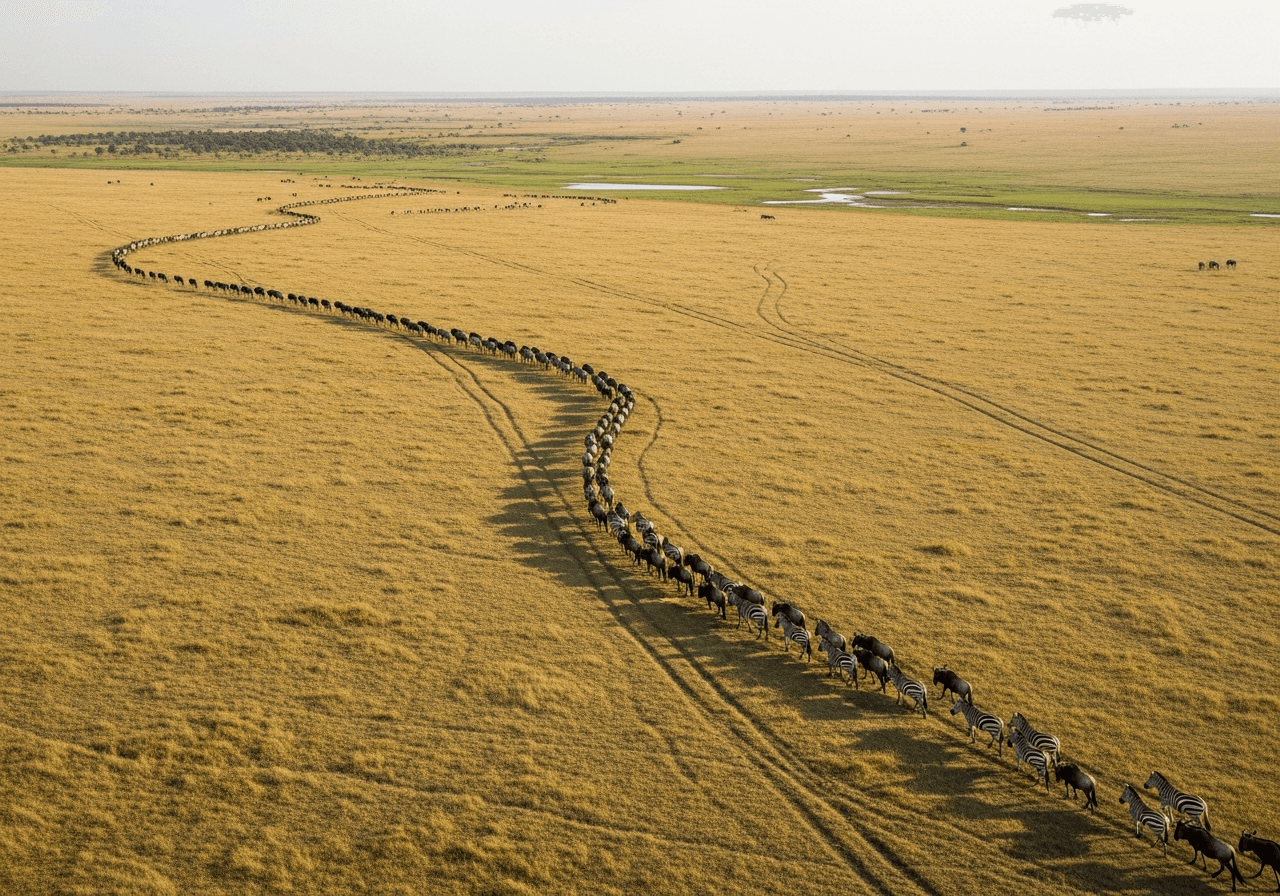
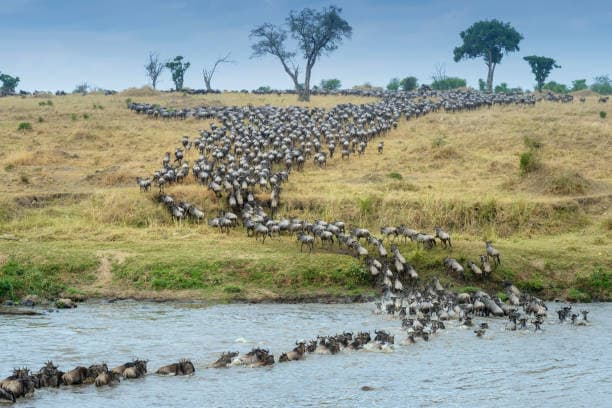
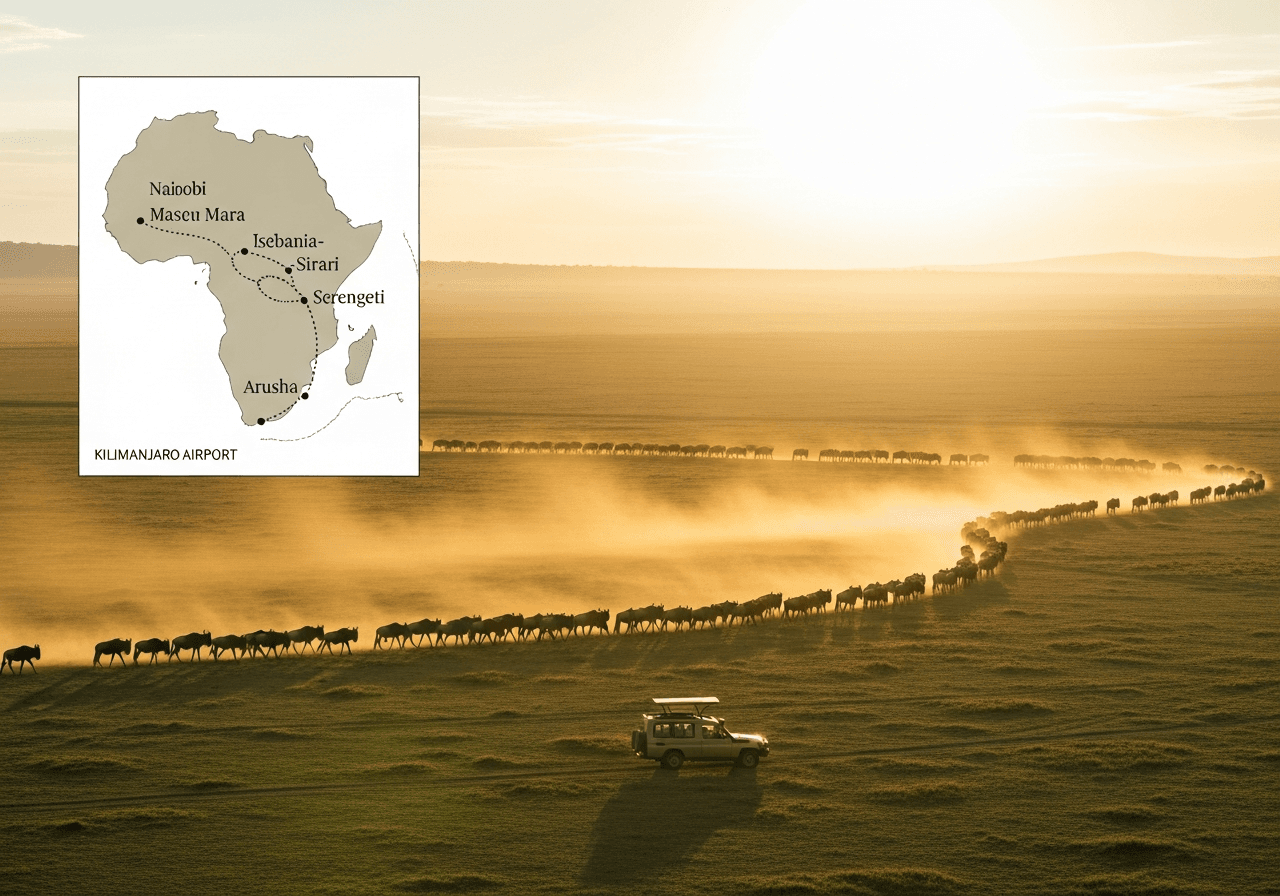
Samburu’s northern species set it apart from the Masai Mara within the first game drive. The Mara has high predator density, large grasslands and the famous wildebeest migration months; Samburu has Grevy’s zebra, reticulated giraffe, gerenuk, Beisa oryx and Somali ostrich, plus river-based elephant viewing in a drier northern landscape.
How Kenya’s major wildlife areas differ for animal sightings

 KE
KEThe Masai Mara National Reserve in southwestern Kenya is a premier 1,510-square-kilometre wildlife sanctuary. Renowned for the annual Great Wildebeest Migration from July to October, it offers exceptional year-round Big Five viewing across open savannahs. The reserve is contiguous with Tanzania's Serengeti, forming a critical, biodiverse transboundary ecosystem.
 KE
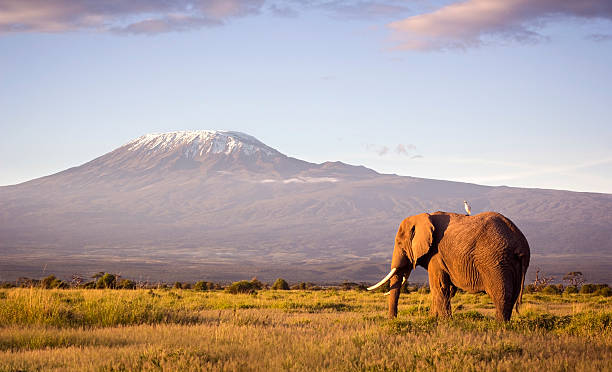
KEAmboseli National Park is one of Kenya's most celebrated wildlife destinations, renowned for its impressive elephant populations and unrivaled views of Mount Kilimanjaro. Covering approximately 392 square kilometers in southern Kenya, the park offers exceptional game viewing, diverse ecosystems, and rich cultural experiences. Visitors can spot elephants, lions, cheetahs, buffaloes, giraffes, zebras, wildebeests, and over 400 bird species throughout the year. The park's swamps, grasslands, acacia woodlands, and seasonal lakes create ideal wildlife habitats and stunning photographic opportunities. Amboseli National Park delivers unforgettable safari adventures, breathtaking scenery, and authentic African wildlife experiences.
Amboseli offers wide marshes, open elephant photography and Kilimanjaro on clear mornings. Samburu’s elephant viewing is more intimate along the Ewaso Ng’iro River, with palms, sandy banks and tighter crossings. The atmosphere differs too: Amboseli can feel open and graphic, while Samburu often feels more textured, with animals appearing through scrub, river shade and dusty tracks.
A strong Kenya itinerary might combine Samburu with the Masai Mara for contrast, with Amboseli for elephant variety, or with Lewa and Ol Pejeta for rhino and conservancy experiences. Samburu also works well after a night in Nairobi or as part of a northern circuit that keeps driving distances sensible.
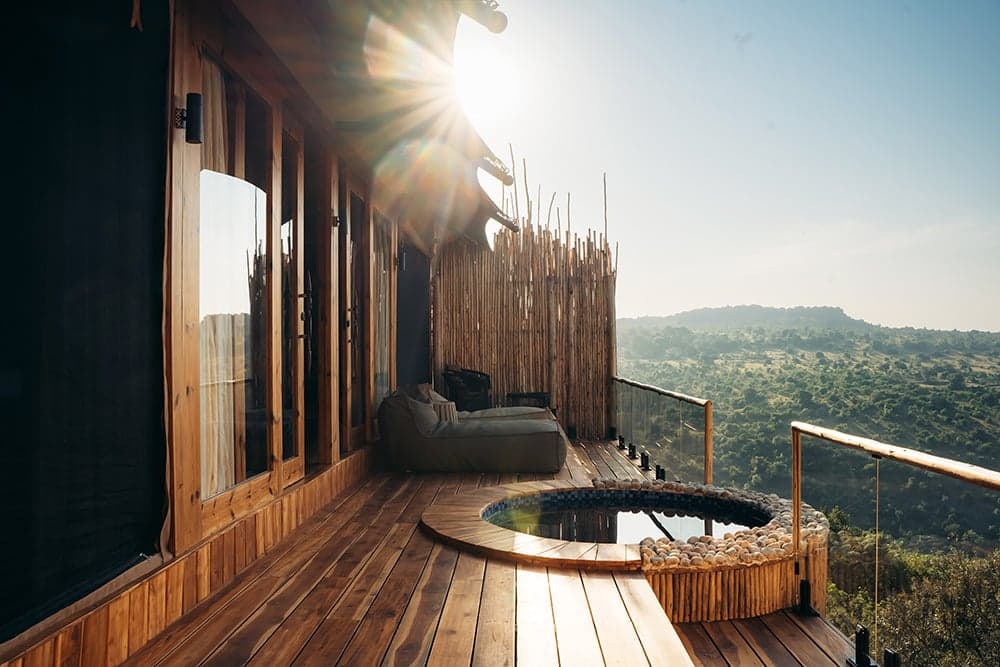
Samburu Sopa Lodge sits inside the reserve, making it a practical base for early starts, lunch breaks and relaxed returns after evening drives. Staying inside or close to the reserve helps guests reach productive tracks before heat builds and reduces time lost at gates or on access roads.
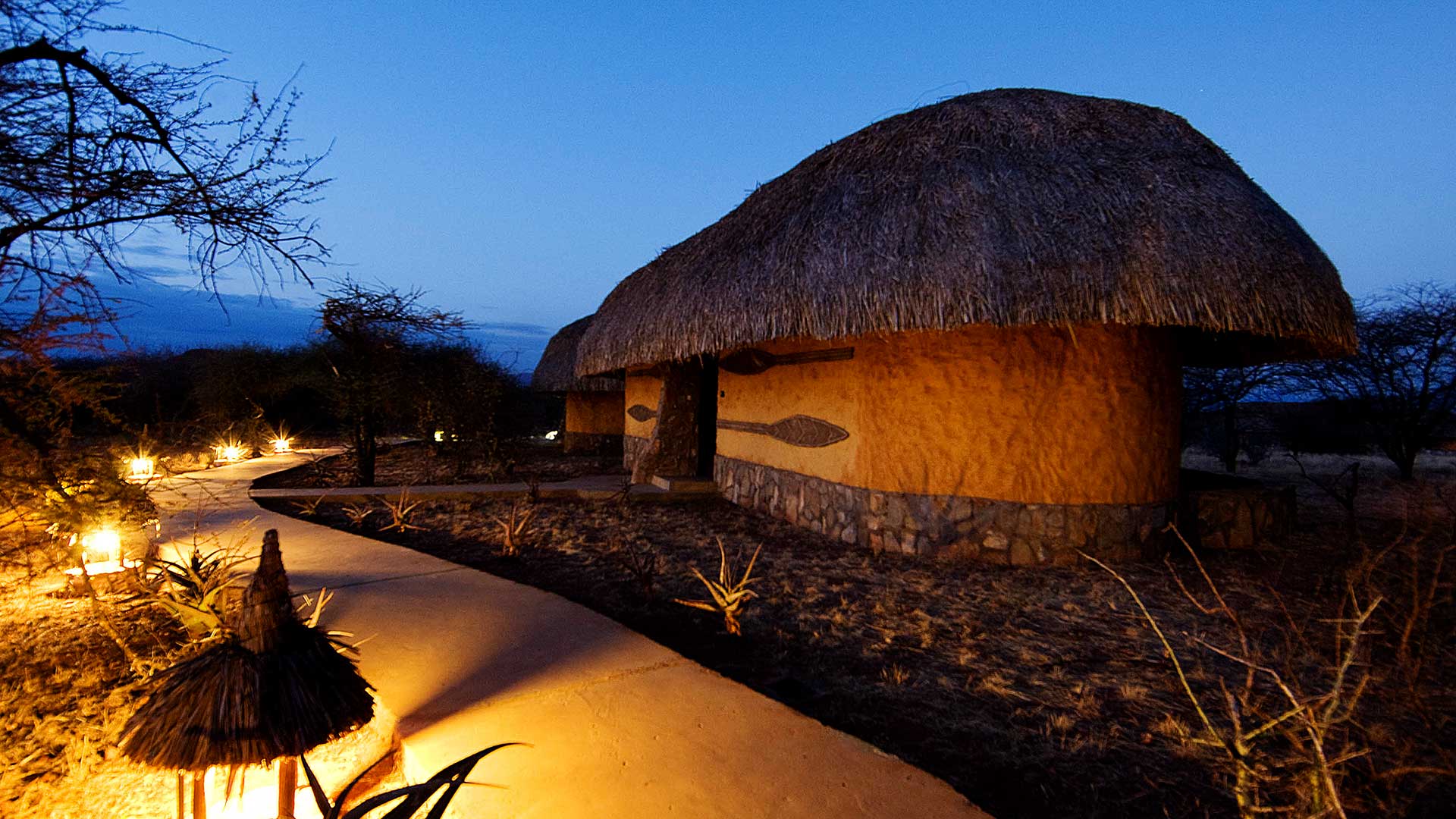 KE
KEAn Authentic Safari Escape Amidst Spectacular Landscapes
samburu national reserve
Best Views
River-facing camps offer a different atmosphere. Guests may watch elephants crossing, baboons moving through palms, kingfishers hunting, or crocodiles resting on exposed banks between drives. These camps can cost more than larger lodges, but they often give a stronger sense of place because the Ewaso Ng’iro remains part of the day even outside vehicle hours.
Accommodation should be chosen by guiding quality, location, comfort level and itinerary flow. A beautifully designed camp is less useful if it adds awkward transfer time or weakens early wildlife access. A practical lodge with strong guiding can outperform a more expensive option if the aim is to maximise samburu national reserve animals in a short stay.
The reserve lies roughly 350 km north of Nairobi; the road journey usually takes about 5.5–6.5 hours depending on traffic and road conditions. Scheduled light-aircraft flights from Nairobi Wilson to Samburu airstrips typically take about 1–1.5 hours. The right choice depends on budget, comfort, available time and how Samburu fits with the rest of the safari.
Imara Africa Safaris can shape the route, season, lodge style and pacing around northern Kenya wildlife, from Grevy’s zebra to elephants along the Ewaso Ng’iro.
Decide whether the trip is built around the Special Five, elephants, big cats, birding, photography or a wider Kenya safari checklist.
Use the dry months for concentrated game viewing, or the greener months for softer light, fewer vehicles and a different pace.
Plan at least two nights in Samburu, with three nights ideal for a deeper search across river, scrub and open country.
Road access works well in a broader Kenya circuit, while flying saves time and suits premium itineraries with limited days.
Add Lewa or Ol Pejeta for rhino, the Masai Mara for predator density, or Amboseli for elephants with Kilimanjaro views.
Two to three nights is the right length for a focused Samburu stay. Two nights can work well with fly-in access or a tight Kenya itinerary. Three nights gives better odds for leopard, more relaxed elephant viewing, time for birds and smaller sightings, and flexibility if one drive is quiet or weather affects movement.
Longer stays make sense when adding Buffalo Springs National Reserve, Shaba National Reserve or Kalama Conservancy, or when combining Samburu with Lewa, Ol Pejeta, the Masai Mara or Amboseli. The goal is not to collect parks by name, but to build a route where each stop adds a different wildlife story without too much time on the road.
As a planning guide, a private three-day Samburu road safari in comfortable mid-range accommodation often starts from $1,150 pp, while fly-in versions with higher-end camps can start from $1,850 pp, depending on season, lodge choice, vehicle arrangements and group size. Exact pricing should be tailored because park fees, room categories and flight availability affect the final quote.
Imara Africa Safaris builds Samburu itineraries around season, pace and priority species: Grevy’s zebra for a northern Kenya first-timer, elephants for families, leopards for patient photographers, or Samburu National Reserve birds for guests who want the quieter details. A tailor-made plan can combine the right lodge, guide, transfer style and onward route into a safari that uses each day well.
Animals concentrate around the Ewaso Ng’iro River and other dependable water sources. Visibility is usually good, with thinner vegetation and productive morning and afternoon drives.
Rain can freshen the landscape quickly. Wildlife may disperse from the river after showers, but light, colour and bird activity can be excellent.
A strong period for game viewing before the long rains, with river-based sightings, clear mornings and good chances of seeing arid-adapted species.
The reserve becomes quieter and greener. Some tracks may be affected by rain, but photographers can enjoy softer scenery and fewer vehicles.
At a glance
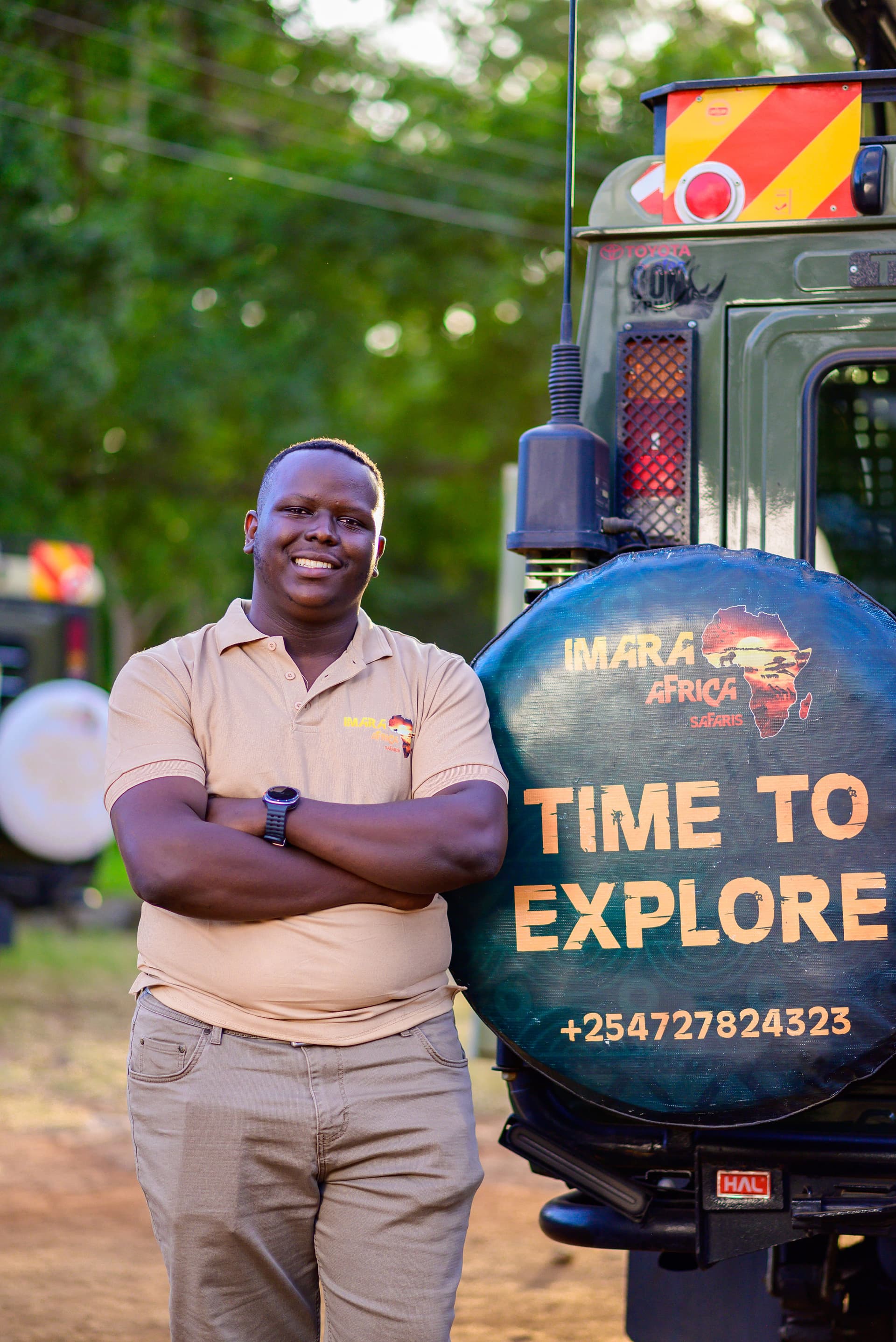
Lewis Munuhe
Founder & Director
<p>Lewis Munuhe is the Director and Owner of Imara Africa Safaris, a trusted safari company dedicated to creating tailor-made African safari experiences across Kenya, Tanzania, Uganda, and Rwanda. With a strong passion for African travel, wildlife, culture, and conservation, Lewis leads the company’s vision of delivering personalized, seamless, and unforgettable safari journeys for travelers from around the world.</p><p>Through Imara Africa Safaris, Lewis helps guests discover East Africa’s most iconic destinations, from the Masai Mara and Serengeti to Uganda and Rwanda’s gorilla trekking regions. His approach focuses on understanding each traveler’s interests, comfort level, budget, and expectations, then transforming those details into carefully curated safari itineraries that feel personal, meaningful, and well-planned.</p><p>As Director and Owner, Lewis is committed to maintaining high standards in safari planning, guest care, destination expertise, and responsible tourism. Whether arranging a luxury wildlife safari, honeymoon escape, family adventure, cultural journey, gorilla trekking safari, or multi-country East African itinerary, he ensures every experience reflects the quality, authenticity, and attention to detail that define Imara Africa Safaris.</p><p>Under his leadership, Imara Africa Safaris continues to help travelers experience the beauty of Africa through expertly planned safaris that celebrate wildlife, landscapes, local cultures, conservation, and unforgettable adventure.</p>
Lewis Munuhe
Founder & Director
<p>Lewis Munuhe is the Director and Owner of Imara Africa Safaris, a trusted safari company dedicated to creating tailor-made African safari experiences across Kenya, Tanzania, Uganda, and Rwanda. With a strong passion for African travel, wildlife, culture, and conservation, Lewis leads the company’s vision of delivering personalized, seamless, and unforgettable safari journeys for travelers from around the world.</p><p>Through Imara Africa Safaris, Lewis helps guests discover East Africa’s most iconic destinations, from the Masai Mara and Serengeti to Uganda and Rwanda’s gorilla trekking regions. His approach focuses on understanding each traveler’s interests, comfort level, budget, and expectations, then transforming those details into carefully curated safari itineraries that feel personal, meaningful, and well-planned.</p><p>As Director and Owner, Lewis is committed to maintaining high standards in safari planning, guest care, destination expertise, and responsible tourism. Whether arranging a luxury wildlife safari, honeymoon escape, family adventure, cultural journey, gorilla trekking safari, or multi-country East African itinerary, he ensures every experience reflects the quality, authenticity, and attention to detail that define Imara Africa Safaris.</p><p>Under his leadership, Imara Africa Safaris continues to help travelers experience the beauty of Africa through expertly planned safaris that celebrate wildlife, landscapes, local cultures, conservation, and unforgettable adventure.</p>
Lewis Munuhe
Founder & Director
<p>Lewis Munuhe is the Director and Owner of Imara Africa Safaris, a trusted safari company dedicated to creating tailor-made African safari experiences across Kenya, Tanzania, Uganda, and Rwanda. With a strong passion for African travel, wildlife, culture, and conservation, Lewis leads the company’s vision of delivering personalized, seamless, and unforgettable safari journeys for travelers from around the world.</p><p>Through Imara Africa Safaris, Lewis helps guests discover East Africa’s most iconic destinations, from the Masai Mara and Serengeti to Uganda and Rwanda’s gorilla trekking regions. His approach focuses on understanding each traveler’s interests, comfort level, budget, and expectations, then transforming those details into carefully curated safari itineraries that feel personal, meaningful, and well-planned.</p><p>As Director and Owner, Lewis is committed to maintaining high standards in safari planning, guest care, destination expertise, and responsible tourism. Whether arranging a luxury wildlife safari, honeymoon escape, family adventure, cultural journey, gorilla trekking safari, or multi-country East African itinerary, he ensures every experience reflects the quality, authenticity, and attention to detail that define Imara Africa Safaris.</p><p>Under his leadership, Imara Africa Safaris continues to help travelers experience the beauty of Africa through expertly planned safaris that celebrate wildlife, landscapes, local cultures, conservation, and unforgettable adventure.</p>
Our trips
 10d
10d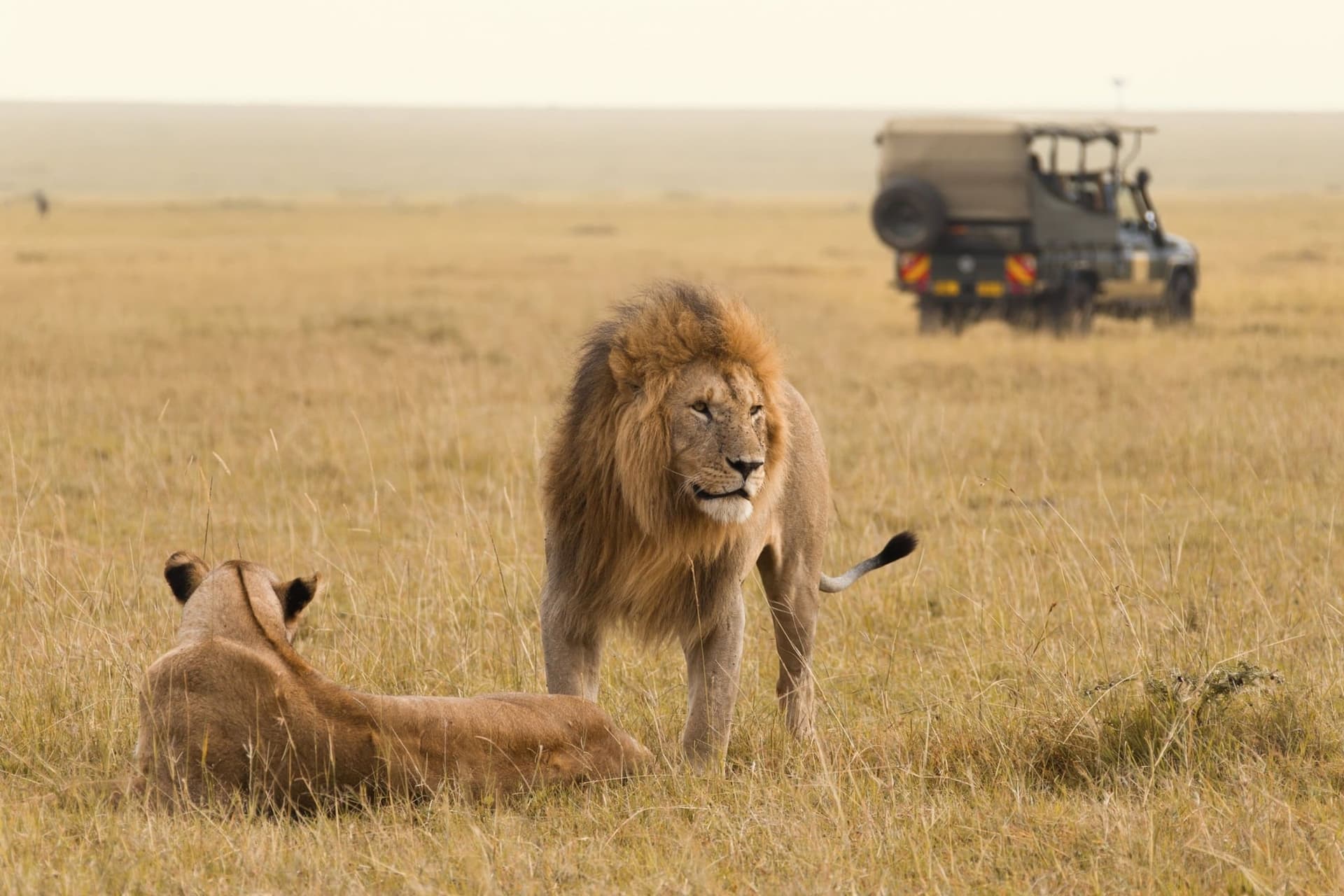 10d
10d 4d
4dStories, sightings & itineraries from the field.
19°C
overcast clouds
Feels like 18° · 59% humidity
🦁Right now in the bush: Quiet hours — a good time for lodge rest before dawn.


Comments
Loading…