
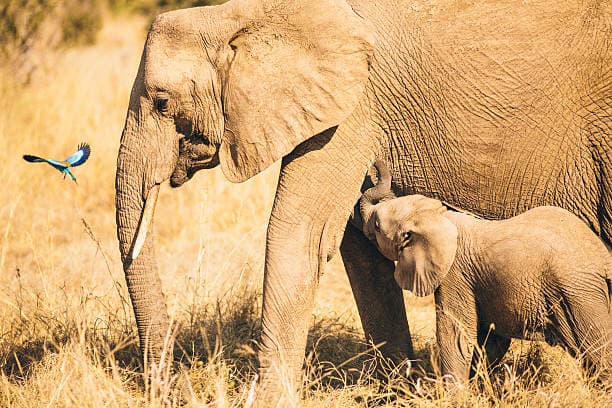
Ruaha National Park is Tanzania's largest national park, covering approximately 20,226 km² of wild, baobab-studded country in the heart of southern Tanzania. Its greatest draw is scale and solitude: one of Africa's largest lion populations, huge elephant herds and superb dry-season game viewing along the Great Ruaha River, shared with remarkably few visitors.
The park forms part of the vast Rungwa-Kizigo-Muhesi ecosystem, one of the largest protected wildlife landscapes in East Africa. Unlike the busier parks of Tanzania's north, Ruaha delivers an exclusive safari experience across open savannah, miombo woodland, rocky hills, river valleys and plains studded with ancient baobabs.
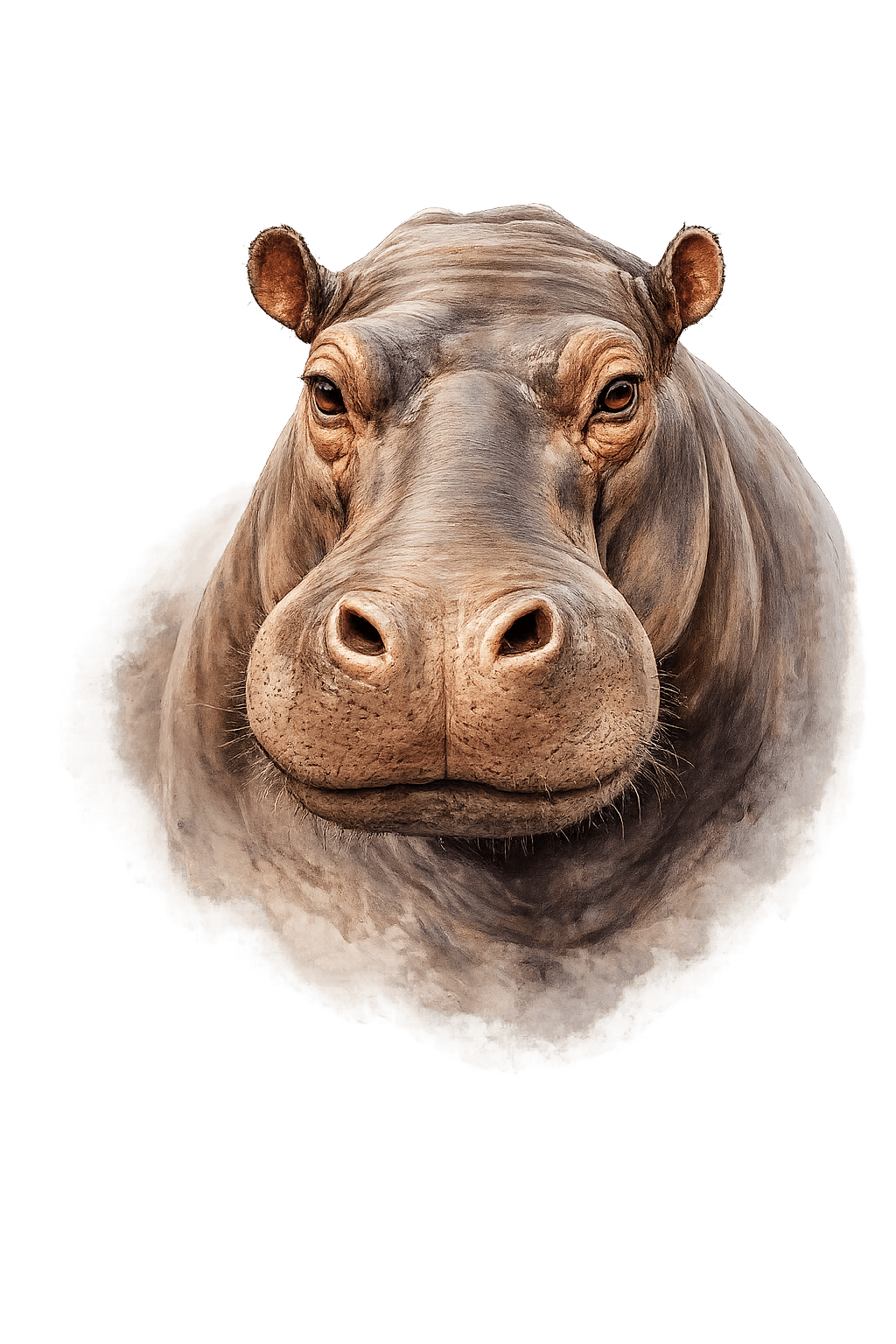
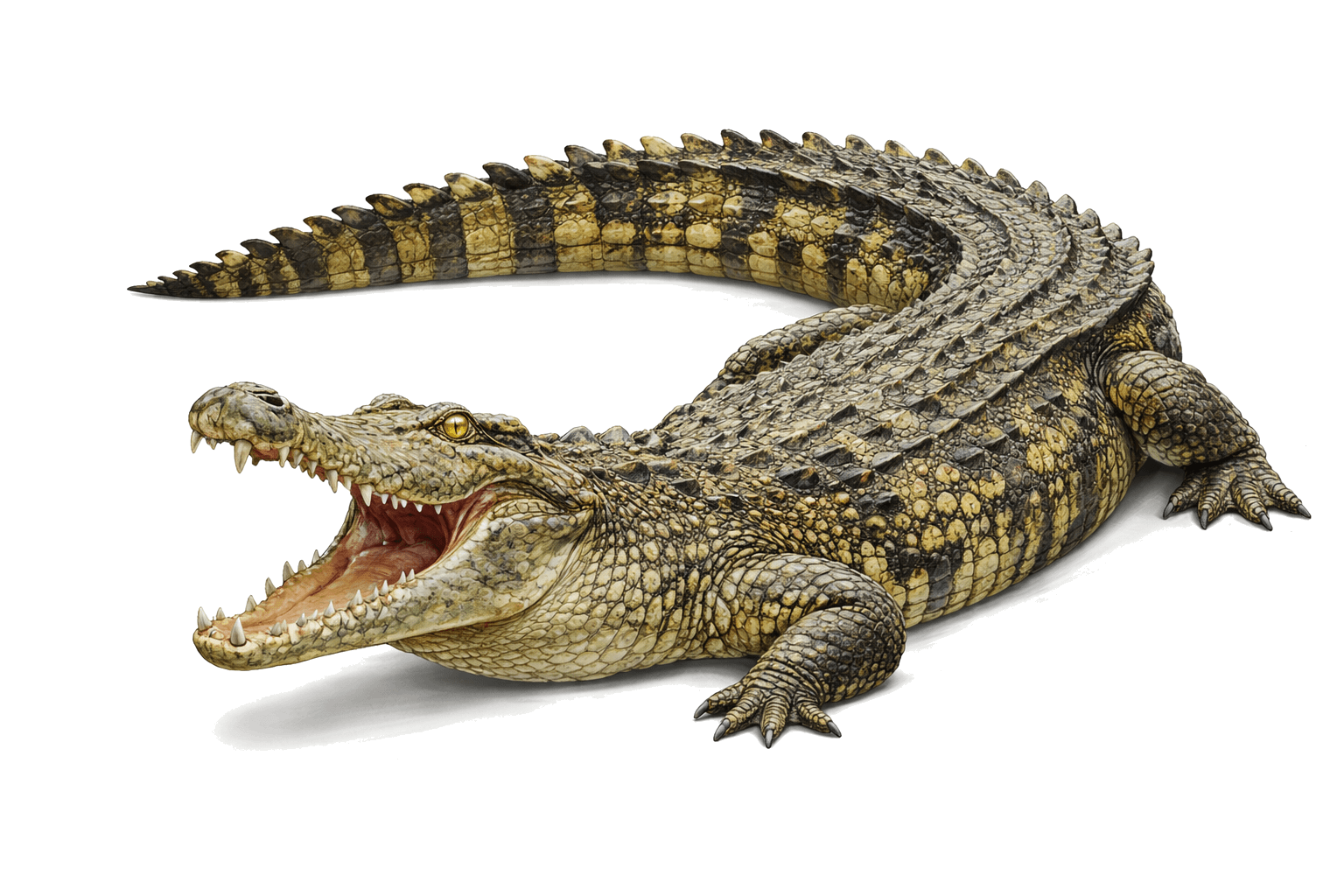
The Great Ruaha River is the park's lifeline. As seasonal water sources dry up, wildlife concentrates along its banks, creating exceptional game viewing and photography between June and October. Elephant herds — among the largest remaining in East Africa — move between the river and the woodlands, while crocodiles and hippos hold the deeper pools.
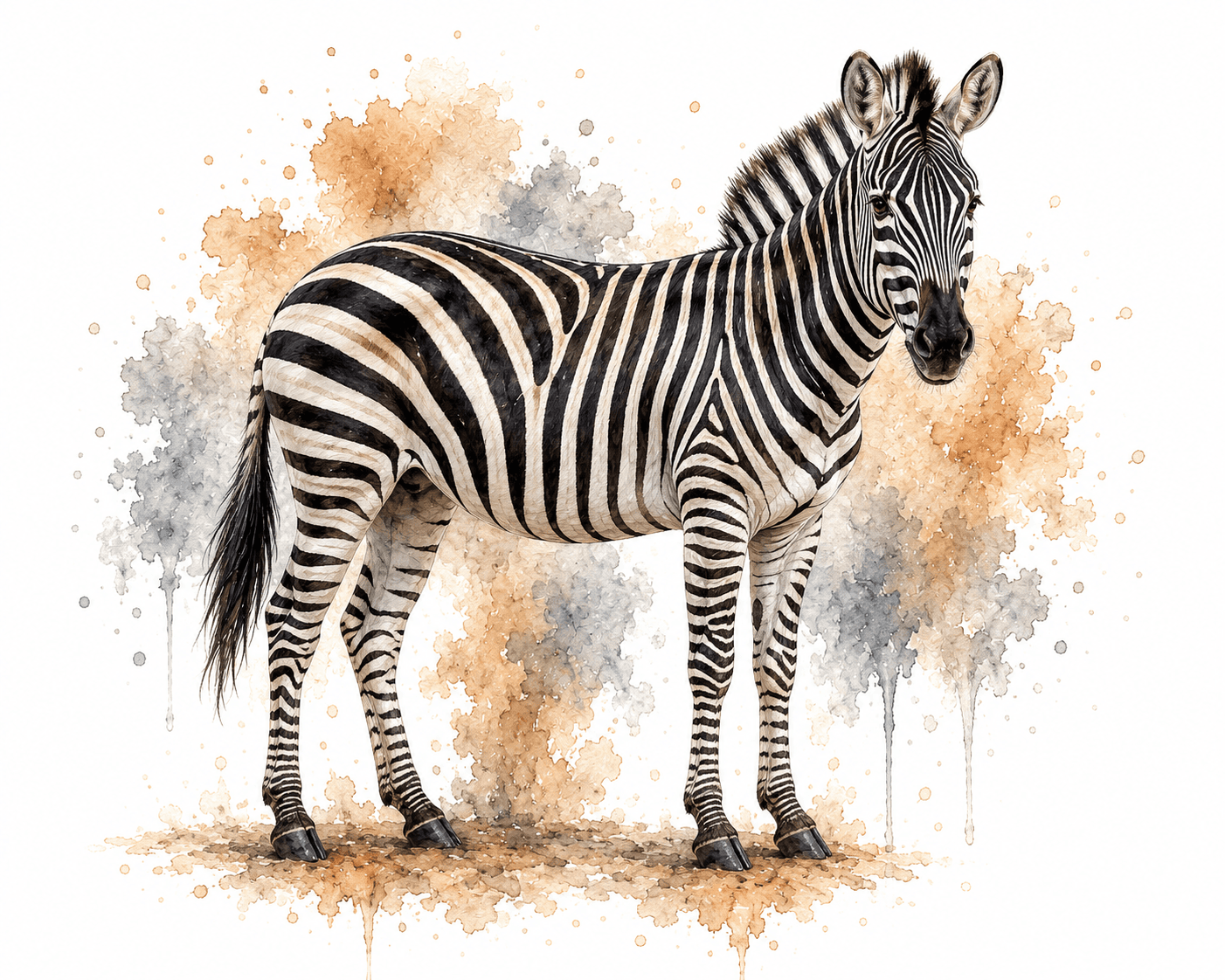
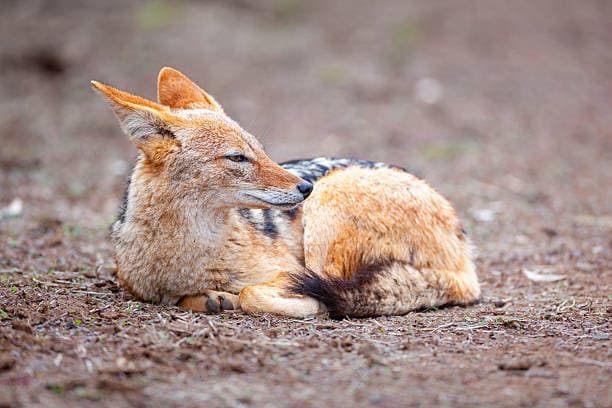
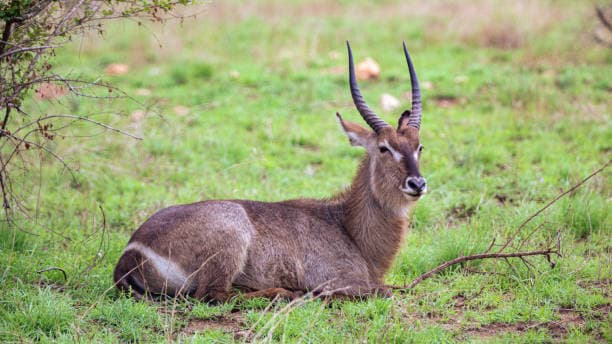
Predators are a Ruaha speciality. The park supports one of Africa's largest lion populations, along with leopards, cheetahs, spotted hyenas, jackals and one of Tanzania's most important populations of endangered African wild dogs. Prey is correspondingly rich: buffaloes, giraffes, zebras, greater kudus, sable and roan antelopes, elands, impalas, waterbucks and warthogs all occur, with Ruaha notable for hosting both eastern and southern African species at the meeting point of their ranges.
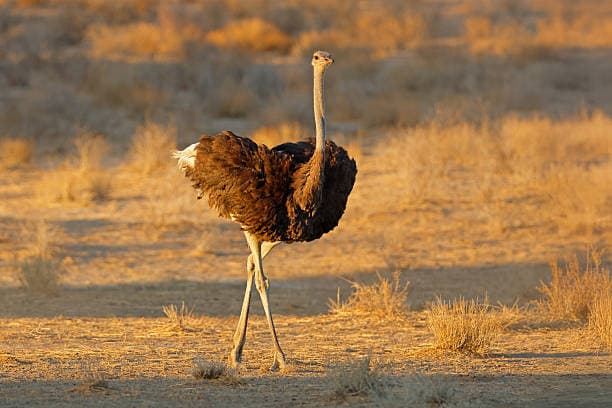
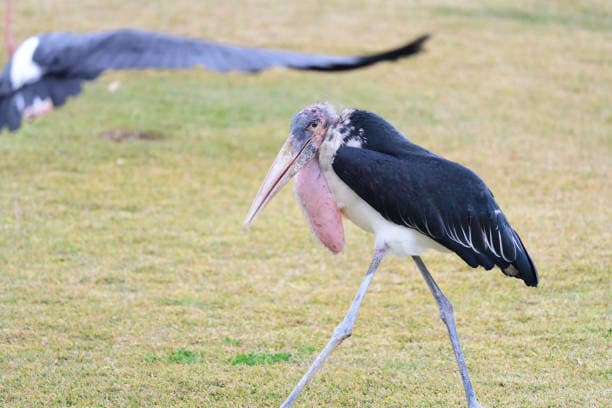
Birdlife is outstanding, with more than 570 recorded species — raptors, hornbills, kingfishers, bee-eaters, ostriches and seasonal migrants — placing Ruaha among Tanzania's premier birding destinations. Game drives, walking safaris, birdwatching and sundowners in the wilderness round out the experience.
The safari style here is immersive and unhurried. With a small number of lodges and tented camps spread across an enormous area, vehicles rarely share sightings, and many camps offer guided walking safaris that bring the ecosystem to life at ground level — tracks, termite mounds and the small dramas a vehicle passes by. Sundowners overlooking the river escarpments are a Ruaha institution, and night skies far from any town are exceptional.
Ruaha also carries real conservation weight. Its lion prides are among the most studied in Africa, and the park anchors one of the continent's most important strongholds for large carnivores, so tourism here directly supports protection work across the wider Rungwa-Kizigo-Muhesi landscape.
What Is Ruaha National Park Known For?
- Tanzania's largest national park at roughly 20,226 km²
- One of Africa's largest lion populations
- Huge elephant herds among ancient baobab trees
- Endangered African wild dogs and superb predator viewing
- More than 570 bird species across savannah and miombo woodland
- Remote, uncrowded safaris along the Great Ruaha River
When Is the Best Time to Visit Ruaha?
The dry season from June to October is prime time, when wildlife gathers along the Great Ruaha River and game viewing is at its peak. The green season from November to February brings lush scenery, superb birdwatching and even fewer visitors, at the cost of more dispersed wildlife.
How Do You Get to Ruaha National Park?
Ruaha lies approximately 625 km west of Dar es Salaam and is most commonly reached by domestic flight from Dar es Salaam, Arusha, Zanzibar or the Serengeti. Road access runs through Iringa, the gateway town to the park, though most safari itineraries fly in to maximise time in the bush.
How Many Days Do You Need?
Given the flight logistics and the park's scale, three nights is a sensible minimum; four or more allow you to explore beyond the river circuits into Ruaha's remoter corners. It pairs naturally with Nyerere (Selous) on a southern Tanzania circuit, and the two parks together deliver a fortnight of game viewing in which meeting another vehicle at a sighting remains the exception rather than the rule — the essence of what draws connoisseurs south.
For travellers seeking a genuinely wild, authentic African safari far from the crowds, Ruaha National Park stands among the finest destinations not just in Tanzania but on the continent.