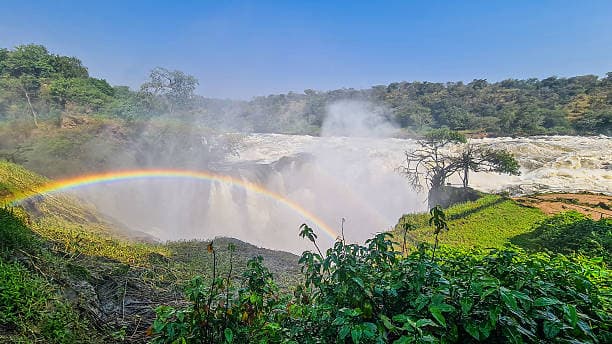
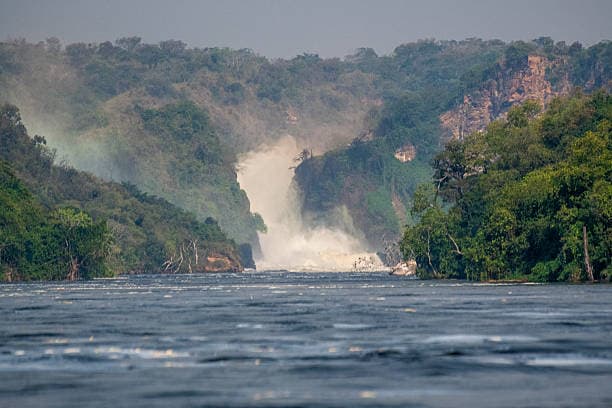
Murchison Falls National Park is Uganda's largest national park, covering approximately 3,893 square kilometres of savannah, riverine forest and wetland in the country's north-west. Its namesake and centrepiece is the world's most powerful waterfall, where the Nile forces itself through a gorge just 7 metres wide and plunges 43 metres into the Devil's Cauldron.
The park anchors the greater Murchison Falls Conservation Area, which includes the Bugungu and Karuma Wildlife Reserves, and the Nile divides it into two distinct halves: game-rich open grasslands north of the river and forested country to the south, where the falls themselves thunder.
What Is Murchison Falls Known For?
- The falls themselves — the Nile compressed through a 7-metre gorge, viewable from boat level and from the clifftop above
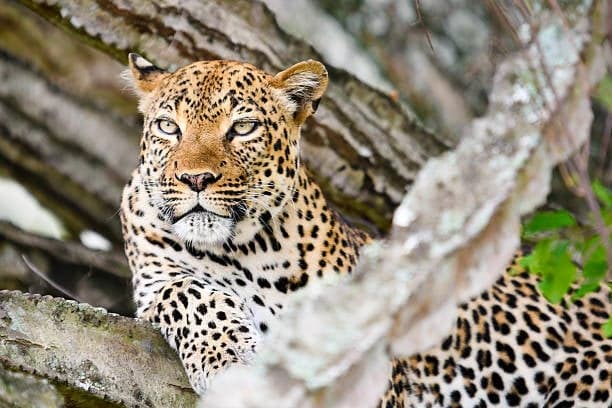
- Four of the Big Five: lions, leopards, elephants and buffalo on the northern bank
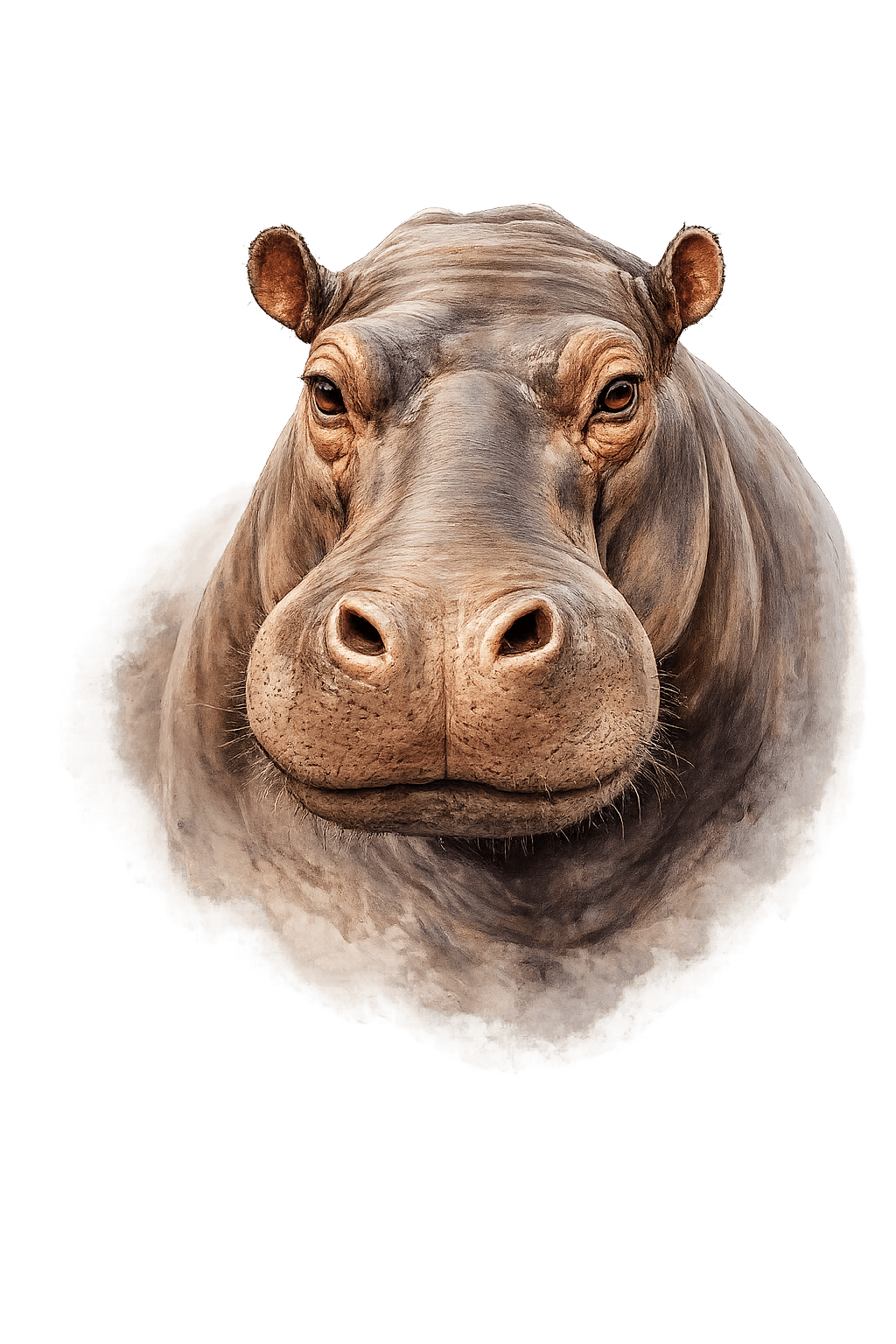
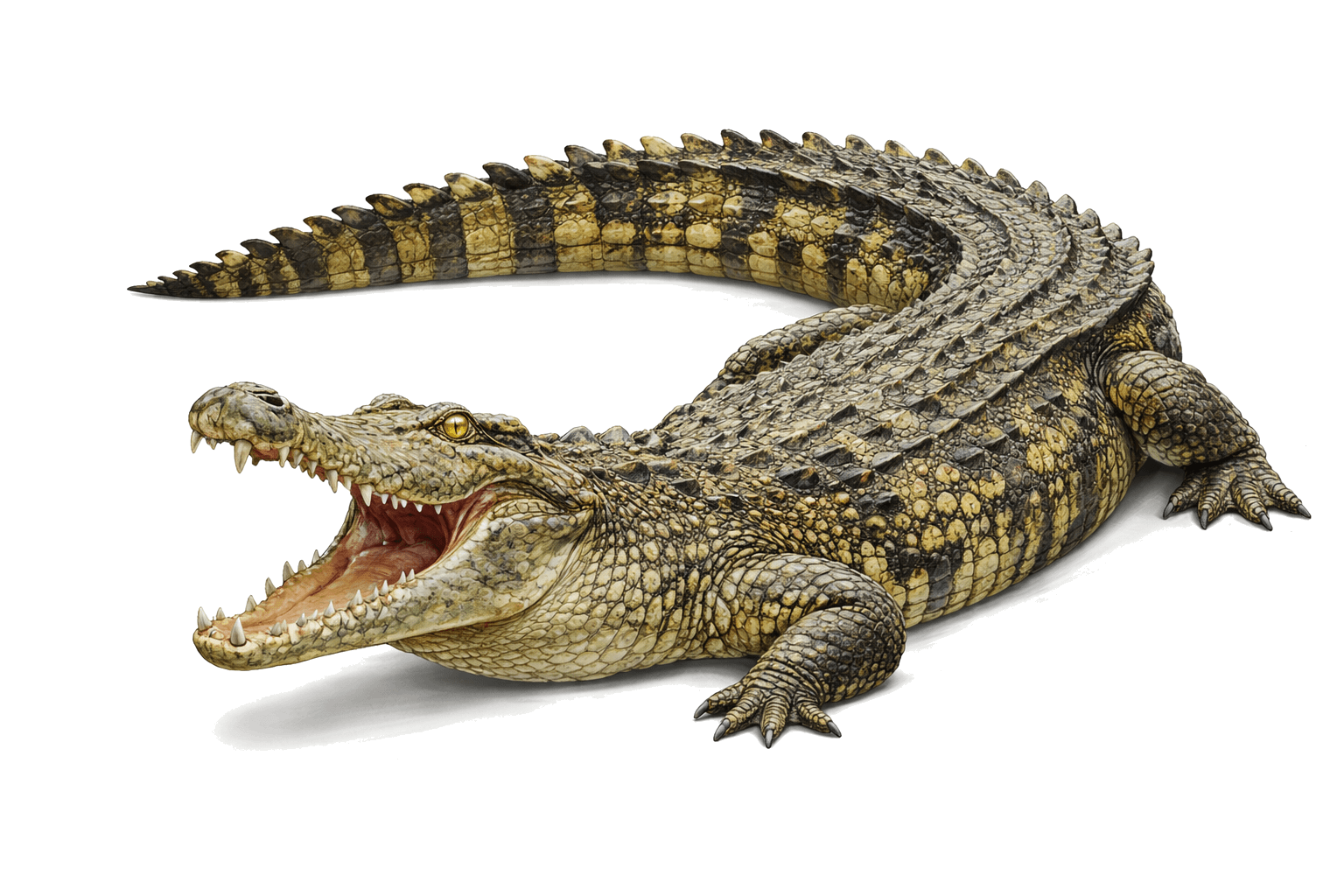
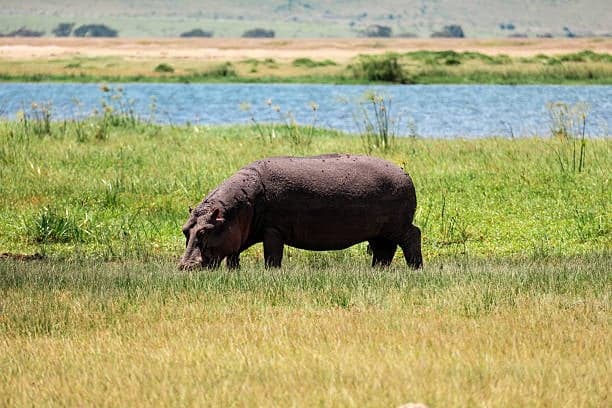
- Nile boat safaris past pods of hippos and huge Nile crocodiles
- Rothschild's giraffes and herds of Uganda kob on the Buligi grasslands
- More than 450 bird species, including the rare shoebill stork
- Chimpanzee tracking in the neighbouring Budongo Forest Reserve
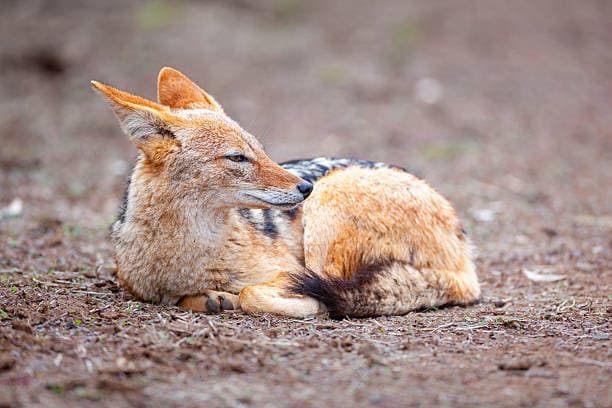
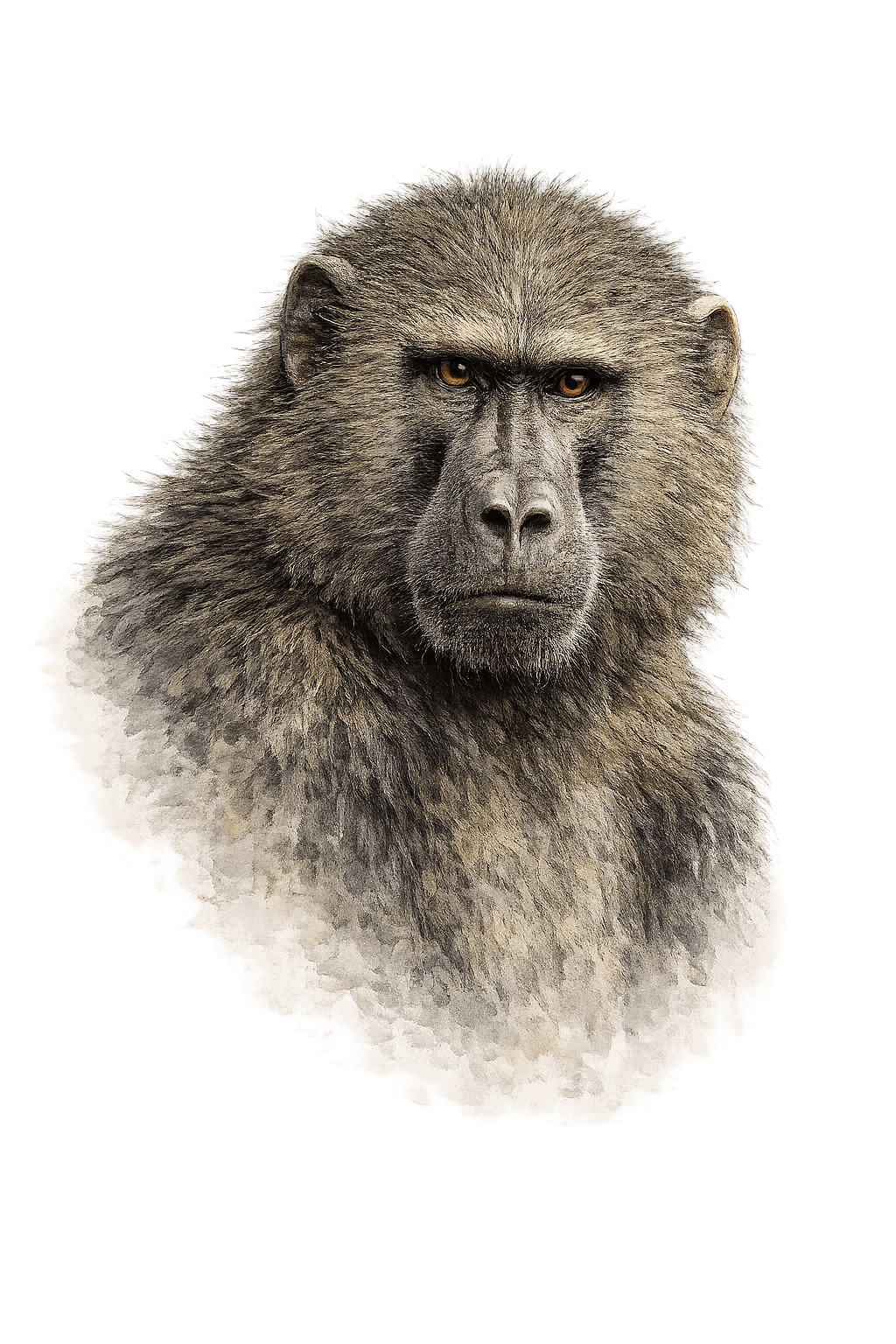
The classic Murchison day combines a morning game drive on the northern bank — lions, hartebeests, jackals, warthogs, baboons and oribi among the Borassus palms — with an afternoon boat cruise upriver to the base of the falls, where wildlife crowds the banks and the spray comes into view around the final bend. Energetic visitors then hike the Top of the Falls trail to watch the entire Nile funnel through the gorge at their feet, one of East Africa's most visceral natural spectacles.
Birdlife is a park signature, from bee-eaters and kingfishers along the river to the shoebill in the delta's papyrus, and the Budongo Forest on the park's southern edge adds habituated chimpanzees to the itinerary — a rare chance to combine a classic savannah safari with primate tracking in a single park visit.
The park's history reaches back to the dawn of African exploration: Samuel and Florence Baker reached the falls in 1864 and named them after Roderick Murchison, then president of the Royal Geographical Society, and the site has drawn travellers ever since — Ernest Hemingway survived a plane crash near the falls in 1954. Modern visitors add sport fishing for Nile perch below the falls, hot-air balloon flights over the northern grasslands and visits to the Nile delta, where the river broadens into papyrus channels that hold the park's most reliable shoebill territory. The sheer scale of the Nile here changes the character of a safari: game viewing happens from the water as much as from a vehicle, and the sound of the falls carries far across the surrounding bush. Giraffe conservation has become a modern signature too: the park holds one of the world's most important populations of the Rothschild's giraffe, and translocations from its northern bank have re-established the subspecies elsewhere in Uganda.
When Is the Best Time to Visit Murchison Falls?
The dry seasons from December to February and June to September offer the best game viewing, with wildlife concentrated near the Nile. The rains green the landscape and sharpen the birdwatching while keeping visitor numbers low.
How Do You Get to Murchison Falls?
The park lies approximately 305 kilometres from Kampala, a drive of about 5 to 6 hours usually broken at Ziwa Rhino Sanctuary en route. Domestic flights from Entebbe International Airport serve the Pakuba, Bugungu and Chobe airstrips for those short on time.
How Many Days Do You Need?
Two to three nights is right for Uganda's largest park: one day for the northern-bank game drive and falls boat cruise, a second for the Top of the Falls hike, the delta or Budongo's chimpanzees.
The park stars in the 3-Day Mid-Range Uganda Safari to Murchison Falls & Ziwa Rhino Ranch and the 3-Day Luxury Uganda Safari to Murchison Falls and Ziwa, both departing Entebbe. Each pairs the park with a rhino trek at Ziwa en route, completing Uganda's Big Five in a single compact itinerary.