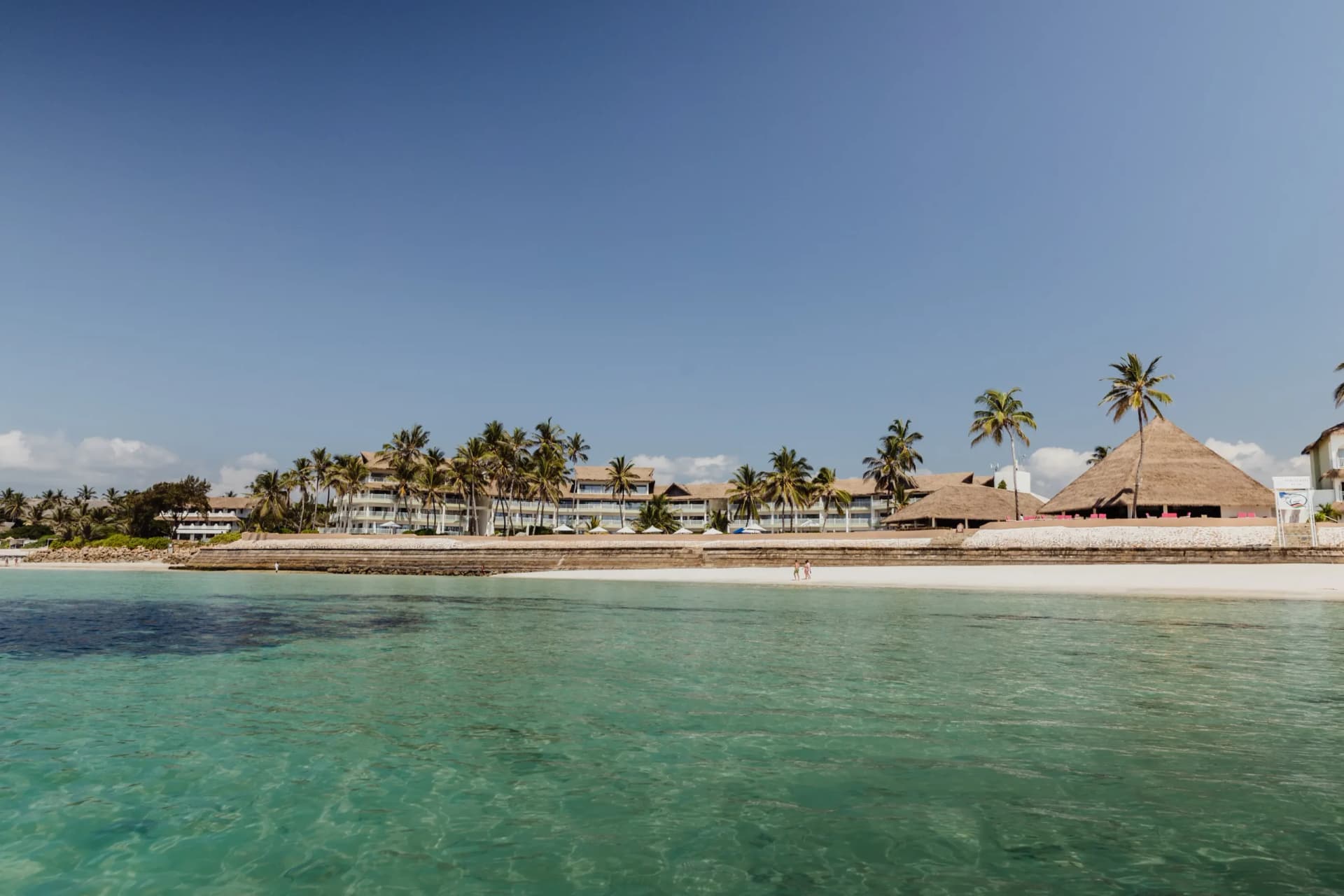

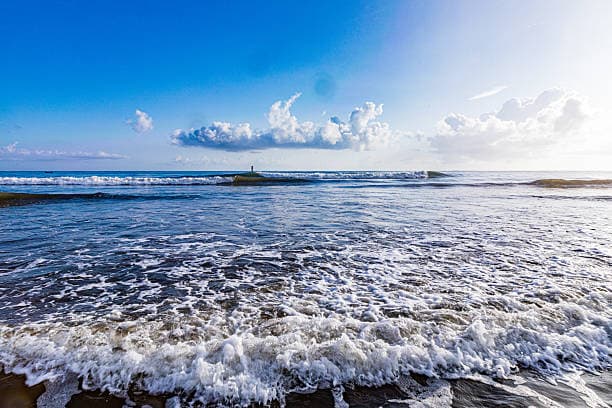
Watamu is a small coastal town on Kenya's north coast, about 105 km north of Mombasa and 25 km south of Malindi. Its defining feature is Watamu Marine National Park and Reserve — established in 1968 as one of East Africa's first marine protected areas — which fronts the town's white-sand beaches with coral gardens, sea turtles and dolphins.
The marine park protects spectacular coral reefs, seagrass beds and mangrove ecosystems supporting hundreds of fish species alongside turtles, dolphins and rich invertebrate life. Its age and protection have kept the reefs among the healthiest on the Kenyan coast, making Watamu a first-choice destination for snorkelling and scuba diving.
The coastline itself is postcard material: powder-soft white sand, clear turquoise water and palm-fringed bays. Watamu Beach, Turtle Bay, Garoda Beach and Blue Lagoon each offer their own character, from sheltered family swimming to long, quiet stretches ideal for walking at low tide.
Marine activities dominate the visitor experience. Beyond reef snorkelling and diving, dolphin-watching excursions run through much of the year, and seasonal whale shark sightings draw marine enthusiasts from around the world. Watamu is also one of Africa's premier deep-sea fishing bases, with marlin, sailfish, tuna, dorado and kingfish in the offshore waters.
Away from the ocean, Mida Creek — a vast tidal inlet lined with mangrove forest — offers kayaking, paddleboarding, birdwatching and boardwalk sunset views, and serves as an important stopover for migratory shorebirds. Sea turtle conservation is woven into local life: green, hawksbill and olive ridley turtles nest on these beaches, protected by long-running community conservation programmes.
Watamu's character sets it apart from Kenya's larger resort areas: a compact village of boutique hotels, owner-run lodges and beach houses rather than sprawling complexes, interwoven with a strong marine-science and conservation community. The nearby Gede Ruins — the remains of a medieval Swahili town abandoned centuries ago and now embraced by forest — add a memorable historical excursion, and Arabuko-Sokoke Forest, one of coastal East Africa's most important remaining forests, lies just inland with its own rare birds and elephant shrews.
Tides shape each day on this coast. Low tide exposes sandbars, rock pools and long walking flats, while high tide brings the best swimming and reef access — a rhythm that quickly becomes part of the holiday. Most hotels and dive centres schedule marine park trips around the tide tables for exactly this reason.
What Is Watamu Known For?
- Watamu Marine National Park, protected since 1968
- Snorkelling and diving on healthy coral gardens
- Nesting green, hawksbill and olive ridley sea turtles
- Dolphin watching and seasonal whale shark encounters
- World-class deep-sea fishing for marlin and sailfish
- Mida Creek's mangroves, birdlife and sunset boardwalk
When Is the Best Time to Visit Watamu?
Watamu is a year-round destination. The best conditions run from June to October and January to March, when sunny weather, calm seas and excellent underwater visibility favour snorkelling, diving and fishing. The long rains around April and May are the quietest period.
How Do You Get to Watamu?
The town is easily reached by road and air: Malindi Airport lies approximately 25 km away with daily domestic flights connecting to Nairobi, Diani and Lamu, while Mombasa is about 120 km to the south along the coastal highway.
How Many Days Do You Need?
Three to four nights suit most visitors, allowing time for the marine park, a Mida Creek excursion and unhurried beach days. Watamu also works beautifully as a week-long base after a Kenyan safari.
Whether the goal is diving, fishing, turtle conservation or simple barefoot relaxation, Watamu offers one of the most rewarding and unspoilt coastal experiences in East Africa. Quieter than Diani and more intimate than Mombasa's resort strips, it suits travellers who want their beach time to come with reefs, ruins and mangrove creeks rather than crowds — and its conservation ethos means visiting genuinely helps protect what makes it special.