
 Safari Country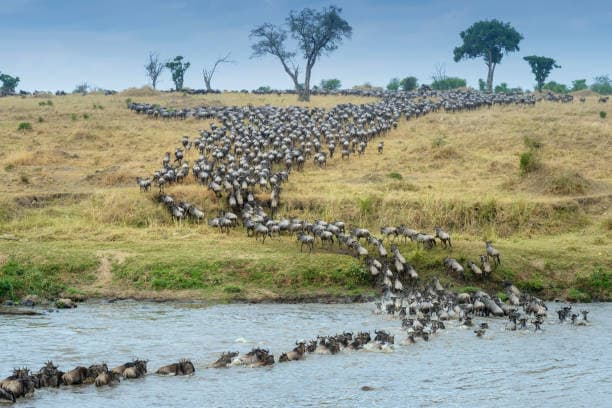
Tanzania — Africa's Ultimate Safari Frontier
A Tanzania safari centres on the Serengeti and the Ngorongoro Crater — the wildebeest calving season runs December–March and dramatic river crossings peak June–October. Most travellers spend 7–10 days, often ending on Zanzibar's beaches, with packages from $2,140 for a 7-day Great Migration safari to $11,897 for a 10-day ultra-luxury flying safari. It suits wildlife purists, honeymooners and photographers.
Tanzania Safari at a Glance
- Best for: the Great Migration, big-cat photography, honeymoon bush-and-beach trips, Kilimanjaro trekkers
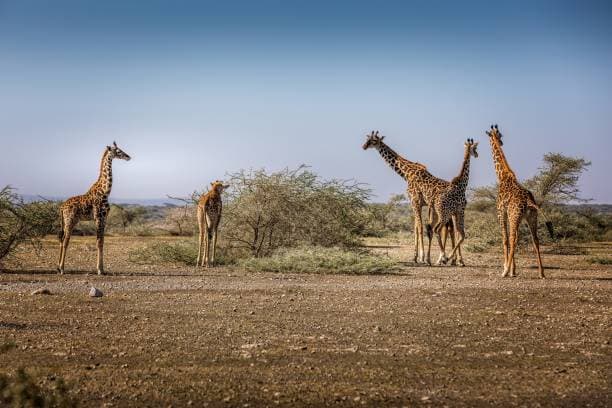
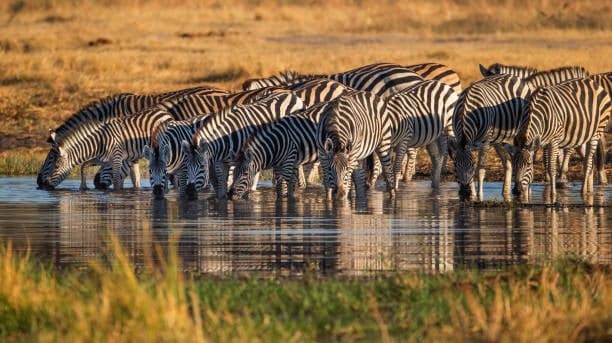
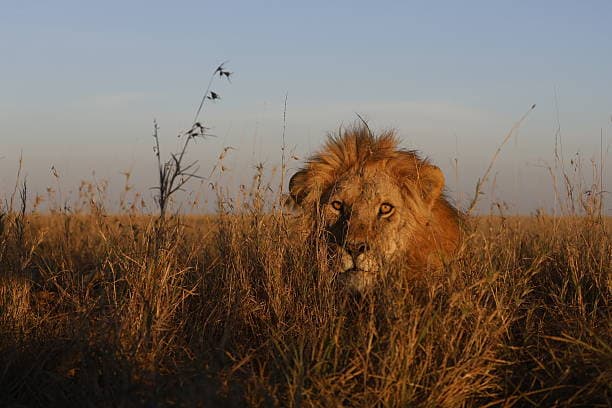
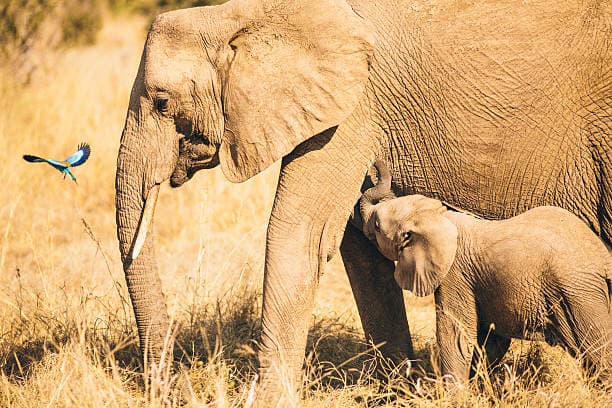
- Signature wildlife: two million migrating wildebeest and zebra, the highest lion density in Africa (Ngorongoro), black rhino, Tarangire's elephant herds
- Best months: June–October (dry season, river crossings); December–March (calving season in the southern Serengeti)
- Typical trip length: 7–10 days; most guests add 3–4 nights on Zanzibar
- Cost: from $2,140 (7 days, migration season) to $11,897 (10 days, ultra-luxury flying)
- Getting there: Kilimanjaro International Airport (JRO) for the northern circuit; Julius Nyerere (DAR) for the south and Zanzibar
The Serengeti — Endless Plains
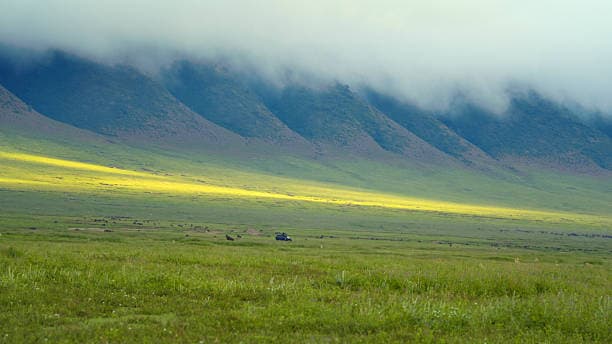
The Serengeti National Park is one of the most famous wildlife areas in the world. It hosts the southern leg of the Great Wildebeest Migration (December–March) when over 500,000 calves are born on the southern plains. The park's resident population of lion, leopard, and cheetah makes it exceptional for predator sightings year-round — our 7-day Great Migration river-crossing safari is timed for the northern Serengeti crossings.
Ngorongoro Crater
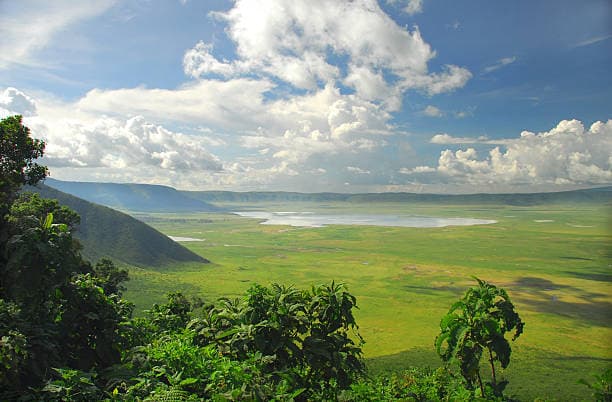
The Ngorongoro Crater is the world's largest intact volcanic caldera and a UNESCO World Heritage Site. This natural amphitheatre supports approximately 25,000 large animals, including one of the highest densities of lions in Africa and the critically endangered black rhino.
Which Parks Should You Visit in Tanzania?
- Serengeti National Park — the migration, big cats, and classic endless-plains scenery
- Ngorongoro Crater — Big Five in a single caldera; the best half-day game viewing in Africa
- Tarangire National Park — ancient baobab trees and huge elephant herds during the dry season
- Lake Manyara — tree-climbing lions, flamingos, and a stunning Rift Valley setting
- Ruaha National Park — Tanzania's largest park, wild and remote with excellent game viewing
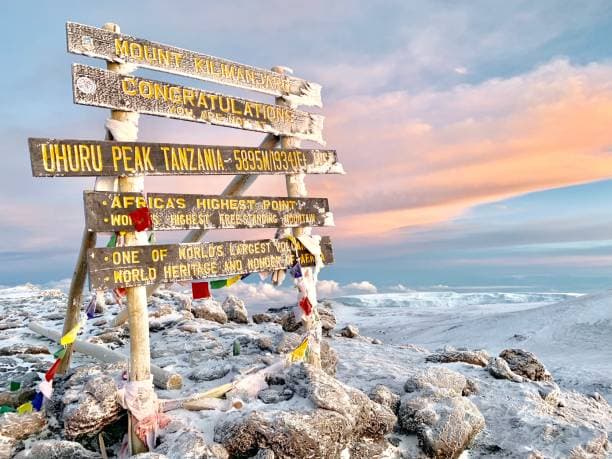
- Mount Kilimanjaro — Africa's highest peak at 5,895 m, with routes for all fitness levels
- Zanzibar — the classic post-safari beach escape and UNESCO-listed Stone Town
How Much Does a Tanzania Safari Cost?
Based on our current published Tanzania itineraries, per person sharing:
| Band | Typical price (per person) | Example itinerary |
|---|---|---|
| Midrange | $2,140 – $3,000 | 8-day midrange safari + Zanzibar — $3,000 |
| Luxury | $2,647 – $5,900 | 8-day luxury safari + Zanzibar — $3,500 |
| Ultra-luxury | $6,500 – $11,897 | 8-day ultra-luxury safari & Zanzibar escape — $6,500 |
Tanzania's park fees are among the highest in Africa, which is reflected in trip prices; in return, visitor numbers stay lower than comparable parks elsewhere.
Mount Kilimanjaro
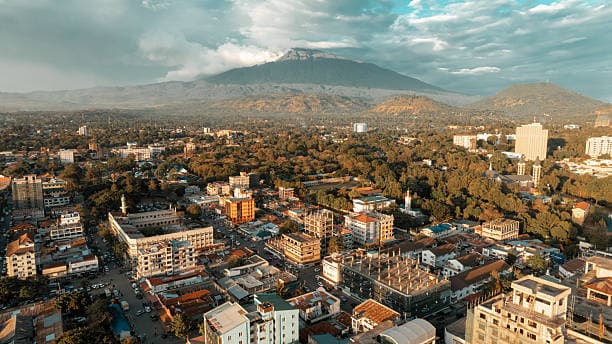
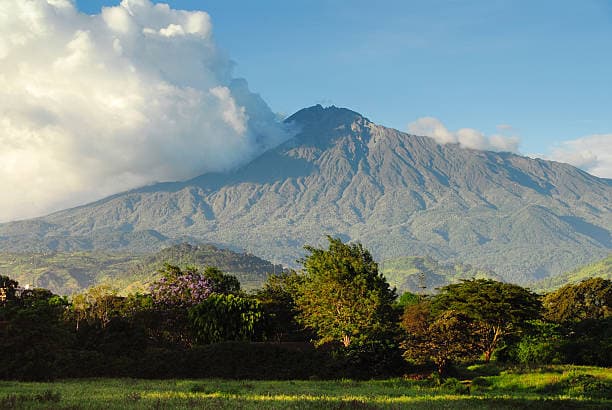
At 5,895 m, Mount Kilimanjaro is Africa's highest peak and the world's tallest freestanding mountain. Multiple trekking routes offer options for all fitness levels, from the popular Marangu Route to the scenic Lemosho Route.
Curious how Kilimanjaro compares with the continent's other giants? Our ranked guide to the tallest mountains in Africa covers all ten highest peaks and how to pair a climb with a safari.
Zanzibar & the Spice Islands
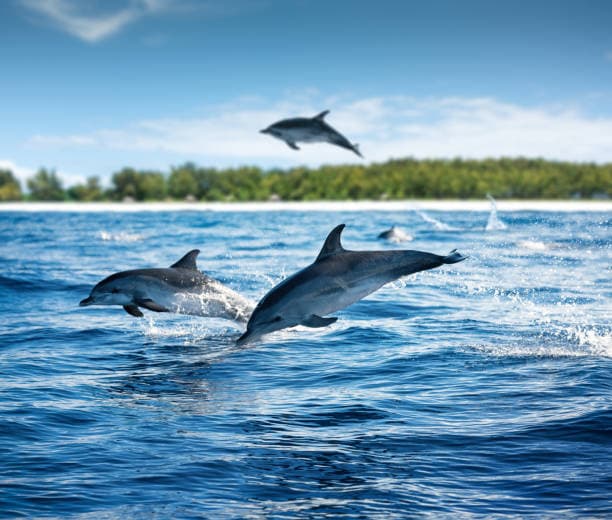
The Zanzibar Archipelago offers the perfect post-safari beach escape. Stone Town is a UNESCO World Heritage Site with centuries of Swahili, Arab, and European influence. The island's turquoise waters, coral reefs, and spice plantations create an unforgettable experience — see our 9-day Tanzania safari & Zanzibar beach holiday.
When Is the Best Time to Visit Tanzania?
The northern circuit (Serengeti, Ngorongoro) is best visited during the dry season (June–October). The calving season in the southern Serengeti runs December–March. Kilimanjaro climbs are best in January–March and June–October. Zanzibar is sunny year-round.
Visa & Entry Requirements
Most nationalities need a Tanzania e-visa (apply online before travel) or a visa on arrival; the standard single-entry tourist visa is US$50 (US$100 for US citizens). Note that Tanzania is not covered by the East Africa Tourist Visa. A yellow fever certificate is required if arriving from an endemic country — including short transits through Nairobi in some cases — so carry it if you are combining Kenya and Tanzania.
Is Tanzania Safe for a Safari?
Yes — the northern safari circuit (Arusha, Serengeti, Ngorongoro, Tarangire) is a mature, well-policed tourism corridor with professional guides and lodges. Zanzibar is a relaxed island destination; use normal precautions in Stone Town at night. All our Tanzania departures are run with vetted partner camps and experienced driver-guides.
Is Tanzania Good for Families?
Tanzania works well for families with children old enough to enjoy longer driving days — the northern circuit's distances are bigger than Kenya's. The Ngorongoro Crater delivers guaranteed dense wildlife in a single morning, which is ideal for younger attention spans, and Zanzibar's calm beaches make a perfect wind-down. Ask us to pace the itinerary with pool days and shorter drives.
Recommended Tanzania Itineraries
- 7-day Great Migration river-crossing safari — $2,140 · timed for the crossings
- 8-day midrange safari + Zanzibar — $3,000 · best-value bush & beach
- 8-day luxury safari + Zanzibar — $3,500 · lodges with character
- 8-day ultra-luxury safari & Zanzibar escape — $6,500 · flagship camps
- 10-day Kenya & Tanzania two-nation safari — $5,900 · Mara + Serengeti combined
Getting There
Julius Nyerere International Airport (DAR) in Dar es Salaam and Kilimanjaro International Airport (JRO) near Arusha are Tanzania's main gateways. Charter flights connect all major parks.
