
Masai Mara Serengeti Safari: Can You Combine Both?
A Masai Mara Serengeti safari is possible and often superb, but the route, border crossing, flights and migration month shape the right plan.
34 min read71viewsUpdated Sep 30, 2026
“Imara” means strong in Swahili. We build every safari with that same strength — expert knowledge, honest pricing, and relentless attention to detail.
Tell us what you're looking for — we reply within minutes and send a free, no-obligation custom itinerary within 24 hours.
Start PlanningNo spam, ever. Unsubscribe anytime.
Protected by Cloudflare Turnstile & Google reCAPTCHA. Privacy & Terms apply.
Safari deals, travel tips & destination guides — straight to your inbox.
No spam, ever. Unsubscribe anytime.
Protected by Cloudflare Turnstile & Google reCAPTCHA. Privacy & Terms apply.
A Masai Mara Serengeti safari is possible and often superb, but the route, border crossing, flights and migration month shape the right plan.
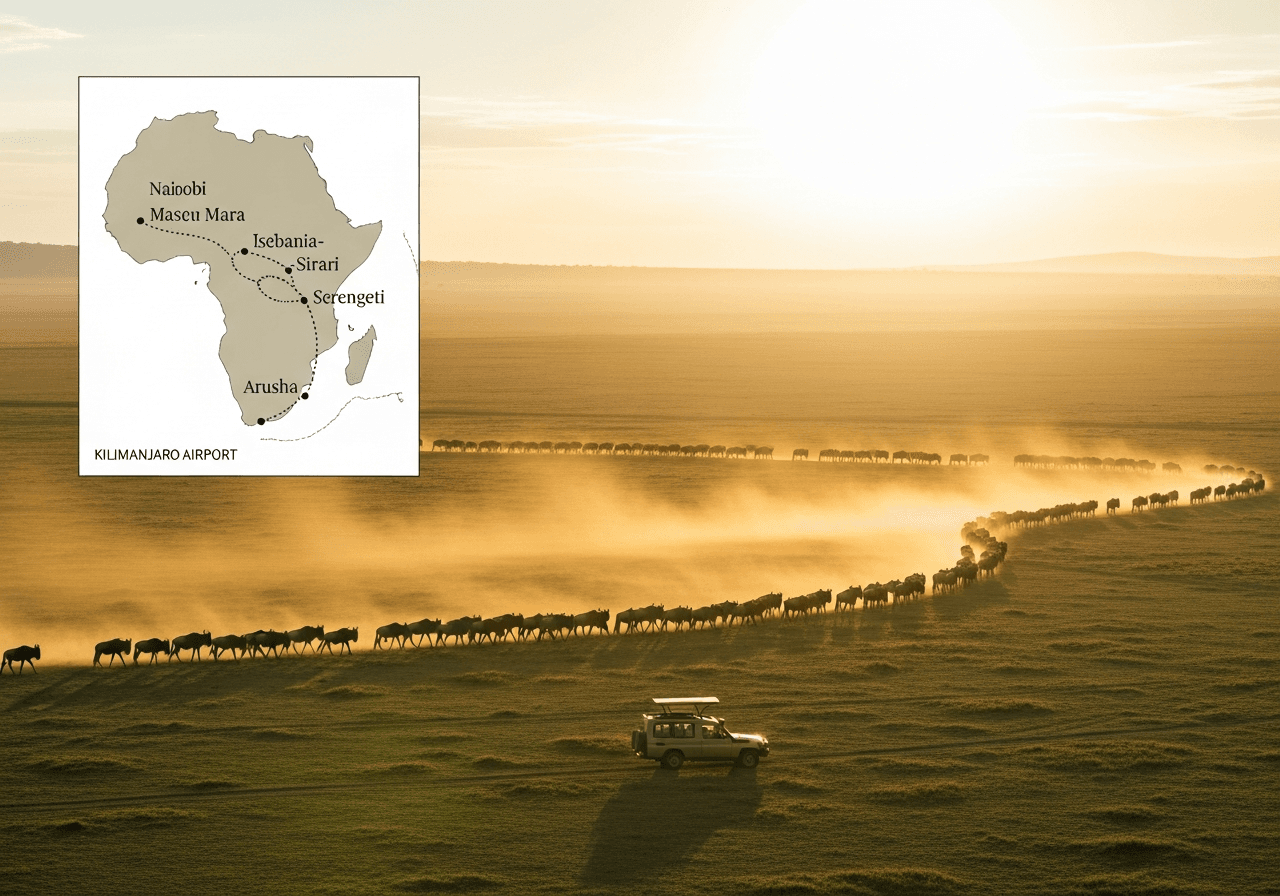
Masai Mara National Reserve and Serengeti National Park can sit beautifully inside one safari, but the route must be designed properly. Travellers do not drive straight across the unfenced wilderness boundary as if it were one continuous public road; the Kenya–Tanzania border, park rules, vehicle licensing and immigration procedures shape the journey.
Three routes work in practice. The fastest is a fly-in safari, using Nairobi Wilson Airport for the Mara and Tanzania airstrips such as Seronera Airstrip or Kogatende Airstrip for the Serengeti. The most traditional overland route uses the Isebania–Sirari border between south-west Kenya and northern Tanzania. A hybrid route combines road transfers with scheduled flights through Nairobi, Arusha or Kilimanjaro International Airport.
Three nights in the Masai Mara and three nights in the Serengeti should be treated as the working minimum. Anything shorter risks turning a two country East Africa safari into a sequence of transfers, border stops and packing days. Four nights in each main wildlife area gives more margin for weather, animal movement and slower photographic mornings.
The best plan depends on the month, budget, comfort level and appetite for long travel days. July to October suits northern Serengeti and the Mara, January to March favours southern Serengeti calving, and April to May rewards flexible travellers who accept rain and possible camp closures in return for greener plains and fewer vehicles.
The Serengeti–Mara ecosystem is one grassland system divided by an international border rather than by wildlife behaviour. Serengeti National Park covers about 14,763 km², while the wider Serengeti–Mara ecosystem extends across roughly 30,000 km². Masai Mara National Reserve covers about 1,510 km² in south-west Kenya.

 KE
KEThe Masai Mara National Reserve in southwestern Kenya is a premier 1,510-square-kilometre wildlife sanctuary. Renowned for the annual Great Wildebeest Migration from July to October, it offers exceptional year-round Big Five viewing across open savannahs. The reserve is contiguous with Tanzania's Serengeti, forming a critical, biodiverse transboundary ecosystem.
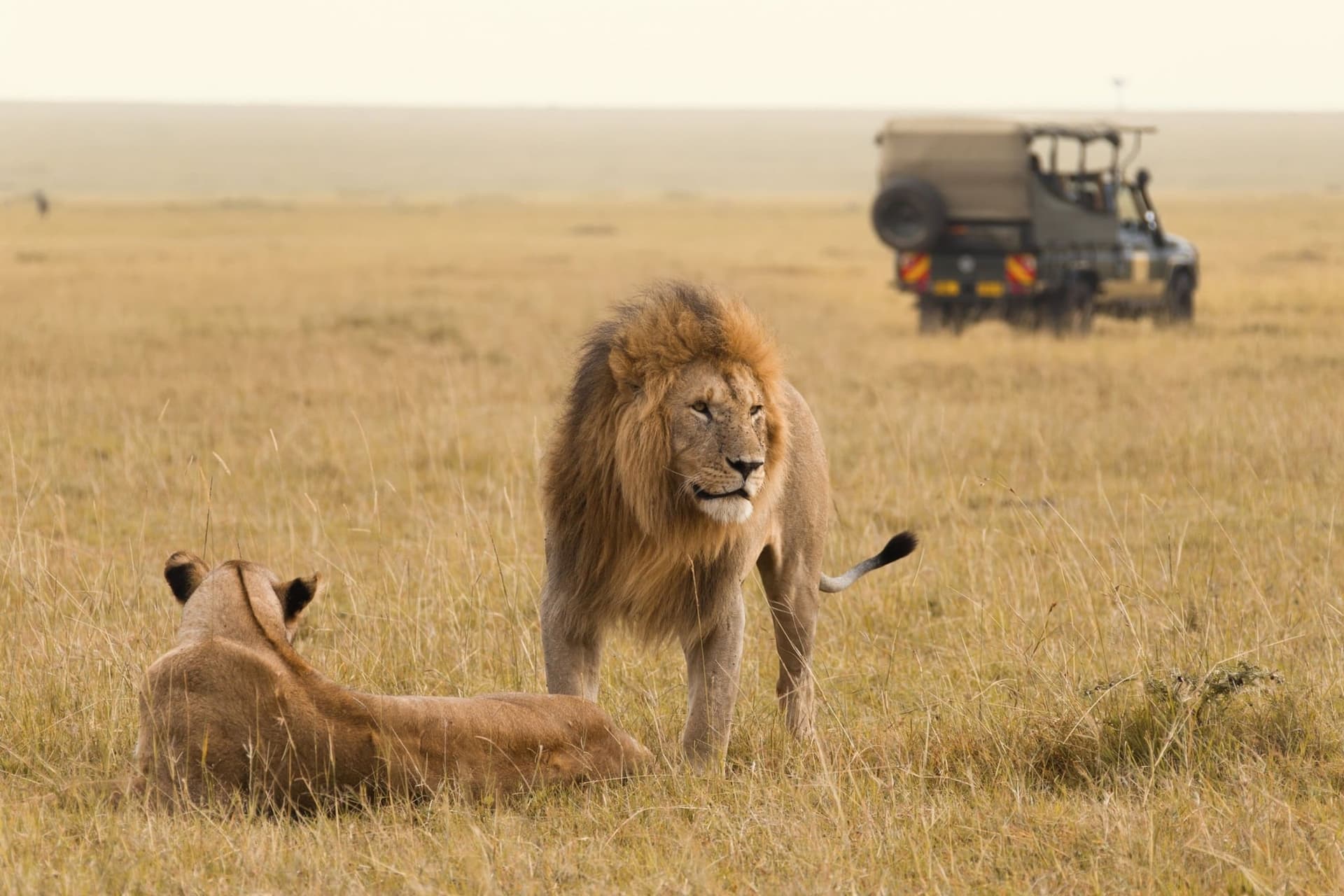
The Masai Mara is compact, predator-rich and productive throughout the year. Lion prides patrol the short-grass plains around Paradise Plain, Topi Plain and the Talek River; leopards favour riverine woodland along the Mara and Talek; cheetah often hunt on open ground where they can use speed without tree cover breaking their line.
The Serengeti works on a larger seasonal scale. Central Seronera is known for year-round cats and kopjes, the northern Serengeti offers broken woodland and Mara River drama in the dry season, and the southern plains around Ndutu and Kusini draw calving herds after the short rains. A good Serengeti safari planning conversation starts with the month of travel, because distance matters here.
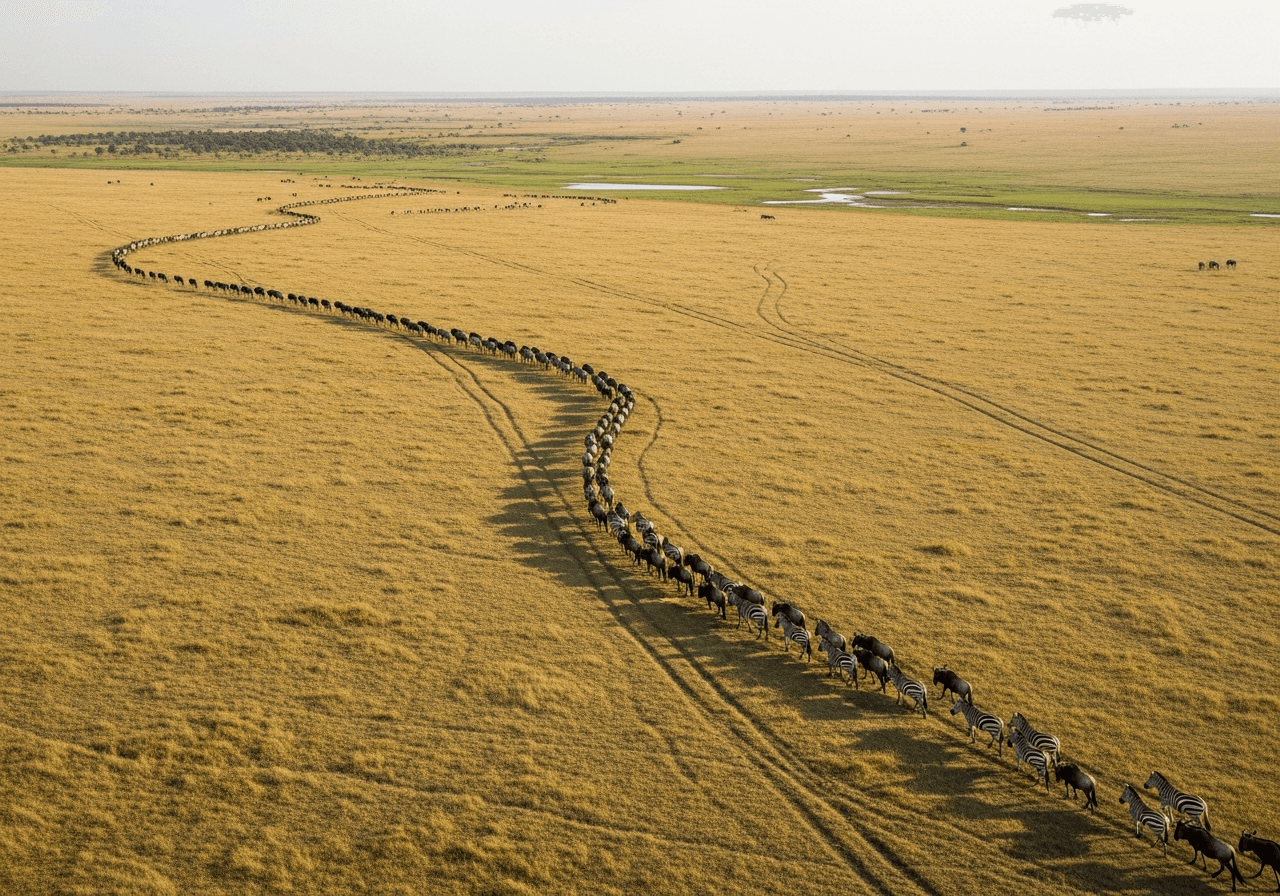
The Great Migration involves around 1.5 million wildebeest plus hundreds of thousands of zebra and gazelle moving through the ecosystem. Blue wildebeest drive the spectacle, but zebra often graze ahead of or alongside them, trimming coarse grass and helping open fresh feeding for the herds that follow.
Resident wildlife is the reason a masai mara serengeti safari remains strong outside peak migration. Elephant browse along river lines, buffalo gather around dependable water, giraffe move through acacia country, and spotted hyena patrol at dawn. For first-time safari travellers, the combination delivers the headline East Africa experience. For photographers, it creates different light, backgrounds and animal behaviour in one journey. Honeymooners often like the contrast between intimate Mara conservancy camps and wide Serengeti plains, while returning travellers use the pairing to follow a specific season.
Isebania–Sirari is the usual road border for travellers moving between the Masai Mara and the Serengeti. On the Kenya side, the route runs south-west from the Mara through towns and agricultural land to Isebania. On the Tanzania side, travellers enter at Sirari and continue towards the western or central Serengeti, depending on the final lodge.
At a glance
Safari vehicles and guides often change at the border because operators are licensed by country. A Kenyan guide may take guests as far as Isebania, help with the handover, and a Tanzanian guide then continues from Sirari into Serengeti National Park. The same applies in reverse for Arusha to Serengeti to Mara to Nairobi itineraries.
Two directions are common. A Kenya-first route usually runs Nairobi to Masai Mara to Serengeti to Ngorongoro Crater or Arusha. A Tanzania-first version begins at Kilimanjaro International Airport or Arusha, continues to the Serengeti, crosses to the Mara, and finishes in Nairobi. International flight times often decide which direction feels smoother.
Immigration, customs, park gates and airstrip schedules must be built into the day. Border formalities can be quick on a quiet morning and slower when buses, commercial vehicles or system delays coincide. Park entrance timing also matters, especially if a lodge sits deep inside the reserve or a camp vehicle must meet a scheduled flight at a fixed time.
A road transfer between the Mara and Serengeti via Isebania–Sirari commonly takes 8–10+ hours, depending on lodge location, border formalities and road conditions. That estimate can stretch if the starting camp is in a northern Mara conservancy or the Serengeti camp is beyond central Seronera.
Nairobi to the Masai Mara by scheduled light aircraft is usually about 45–60 minutes; Arusha to central Serengeti airstrips is often around 1–2 hours. Those flight times explain why a fly-in masai mara serengeti safari suits travellers who want more hours on game drives and fewer hours on rough roads.
The right choice depends on time, comfort, budget and how much of the safari should be spent on game drives.
 TZ+1
TZ+1Tanzania · Masai Mara National Reserve
Experience a well-planned 10-day Kenya and Tanzania safari with Imara Africa Safaris, covering Lake Nakuru, Masai Mara, Serengeti, Ngorongoro Crater, Tarangire, and Amboseli. This two-nation safari combines big cats, rhinos, elephants, scenic landscapes, cultural experiences, and some of East Africa’s most iconic wildlife destinations.
Light aircraft transfers often use Nairobi Wilson Airport for the Kenya domestic sector, then connect onwards through Nairobi, Kilimanjaro International Airport or Arusha for Tanzania. In the Serengeti, Seronera Airstrip works well for central camps, while Kogatende Airstrip is the key northern Serengeti airstrip during the Mara River season.
Flying is worth the premium on an 8-day itinerary, for a honeymoon, or when the traveller cares about soft dawn and late-afternoon light. A photographer who lands at Kogatende in time for an evening drive has a better chance of using golden light than one who reaches camp tired after a full border day.
Driving can work well on a 10–12-day route, especially for travellers who like seeing rural Kenya and northern Tanzania between reserves. It also makes sense when the itinerary includes Lake Naivasha, Lake Nakuru, Ngorongoro Crater or Arusha, because the road sections become part of a wider progression rather than a single forced transfer.
Soft-sided luggage is essential on most light aircraft sectors, with strict weight limits that vary by carrier and routing. Hard suitcases may be refused or require repacking. A sensible itinerary also includes a buffer around international flights, especially after a bush airstrip sector where weather, aircraft rotation and park transfers can affect timing.
Travellers who prefer a high-comfort example of the air route can compare a flying two-nation safari, while those weighing a classic cross-border plan may find a sample Kenya Tanzania safari useful for pacing and route logic.
July to October is the classic dry-season window for combining the northern Serengeti, the Mara River and the Masai Mara. Grass is shorter, water is more concentrated, roads are generally firmer, and predator sightings can be sharp as herbivores gather around grazing and river systems.
The main Mara River crossing season is usually July to October, although exact timing shifts with rainfall and grazing conditions. Crossings may happen in the northern Serengeti, in the Masai Mara, or back and forth across the river as herds respond to pressure, grass and water. No guide can book a crossing, but the right camp location increases the time spent in the right area.
January to March shifts attention to southern Serengeti and the Ndutu area, where calving can bring dense herds and intense predator activity. The Masai Mara remains strong at this time for resident lion, leopard, cheetah, elephant and plains game, so a Tanzania-first route often works well: southern Serengeti, Ngorongoro Crater, then the Mara.
April and May bring long rains in many areas. The plains can be lush, birdlife is excellent, and vehicle numbers drop. Some seasonal camps close, black-cotton soil can become difficult, and certain tracks may be slow after heavy rain. For flexible travellers, this can still be a rewarding and better-value season.
November and early December often bring short rains. Fresh grass pulls wildlife into open areas, skies can be dramatic, and rates may soften between peak periods. Christmas and New Year then bring higher demand again, particularly for family-friendly lodges with limited rooms.
The Great Migration is circular, not a northbound parade with fixed dates. Rainfall, grass quality and local pressure decide where the herds move, and the pattern can shift by weeks from one season to the next. A good Great Migration safari plans around probabilities, not promises.
Where to find the herds, month by month
The Great Migration is a continuous, year-round clockwise loop of over 1.5 million wildebeest and hundreds of thousands of zebra, driven by rainfall and fresh grazing across the Serengeti–Mara ecosystem. Use the live calendar below to see where the herds are right now — and plan your trip around calving or the famous river crossings.
Calving season begins on the southern Serengeti's short-grass plains around Ndutu. Roughly 8,000 wildebeest are born each day, drawing lion, cheetah and hyena.
Southern Serengeti
Ndutu & southern plains
The short-grass plains around Ndutu host the calving season — the densest concentration of newborns and predators in the entire cycle. Around 8,000 calves are born each day at the peak, drawing lion, cheetah and hyena onto the open plains.
Grumeti River
The herds push through the western corridor, where the Grumeti River and its giant crocodiles provide the season's first dramatic crossings, alongside the wildebeest rut. Exclusive reserves mean far fewer vehicles.
Kogatende & Mara River (TZ)
The Mara River runs through the northern Serengeti, making it the prime crossing zone from July to October — often with fewer vehicles than the Kenyan side, plus big resident lion prides.
Masai Mara, Kenya
The northern stage of the loop. From August to October the herds spill across the Mara River into Kenya for heart-stopping crossings, with superb resident big cats and balloon safaris all year.
 TZ
TZDiscover the magic of Serengeti National Park, one of Africa’s most celebrated wildlife destinations and home to the spectacular Great Wildebeest Migration. Stretching across the heart of northern Tanzania, the Serengeti offers exceptional game viewing, breathtaking savannah landscapes, and unforgettable encounters with the Big Five. From luxury safari lodges and hot air balloon adventures to year-round wildlife experiences, the park provides the perfect setting for nature lovers, photographers, and safari enthusiasts seeking an authentic and unforgettable African wilderness adventure.
From January to March, large numbers of Blue wildebeest usually gather on the southern Serengeti and Ndutu plains to calve. Many calves are born within a short period, which gives predators a concentrated opportunity. Lion, cheetah and spotted hyena become active around the edges of the herds, and jackals watch for afterbirth and weaker young.
From April into June, herds tend to move through the central and western Serengeti as rain and grazing patterns change. Some groups pass through Seronera, others push towards the Western Corridor. By July, many travellers focus on the northern Serengeti and the Mara River, although the exact timing depends on conditions.
River crossings are the most photographed migration behaviour, but they are also the least predictable. Herds may gather at the Mara River for hours, turn away, cross in a sudden rush, or choose a different crossing point beyond reach. Crocodiles, steep banks and crowd pressure all influence the scene.
““Choose the right area for the month, then give the herds time. A single crossing is luck; three or four patient days in northern Serengeti or the Mara is safari planning.””
Outside the peak migration months, both parks still reward patient game drives. Lion prides defend territories, leopards use riverine shade during the day and hunt at dusk, cheetah scan from termite mounds, elephants follow water and browse, buffalo form hard-edged herds, and giraffe feed across acacia woodland. The migration adds scale; resident wildlife gives the safari depth.
Eight days is a possible but tight minimum for a masai mara serengeti safari. It works best with flights, disciplined routing and no heavy list of add-ons. The usual shape is one arrival or positioning night, three nights in the Mara, three nights in the Serengeti and one final transit or departure day.
Ten to twelve days is the best range for most travellers. That length allows three or four nights in each ecosystem, smoother cross-border logistics, and space for Ngorongoro Crater, Lake Naivasha or a rest night near Arusha. It also gives guides time to follow tracks, return to promising areas and adapt to weather.
Families should avoid consecutive long transfer days. Children may enjoy game drives and camp life, but back-to-back packing, border queues and rough roads can drain the safari. A family-friendly plan may use private vehicles, shorter drives, lodges with pools and two-night minimums in any stop that involves a major transfer.
Photographers need time more than distance. A rushed itinerary might tick off both names while missing the best light. Three mornings in the Mara and three in the Serengeti create better chances for hunting behaviour, dramatic skies, clean backgrounds and relaxed subjects.
Add-ons change the ideal length. Ngorongoro Crater adds one or two nights. Lake Naivasha adds a gentle Kenya break with boat trips and walking options nearby. Amboseli needs at least two nights for elephants under Kilimanjaro views, weather permitting. Zanzibar works best with three or more nights after safari, especially after early starts and dusty drives.
An 8-day fly-in version keeps the route lean. It suits travellers short on time who want the core wildlife areas without a long border road day. The exact air routing depends on airline schedules, camp airstrips and the season, but the principle stays the same: fly close to the wildlife and avoid unnecessary backtracking.
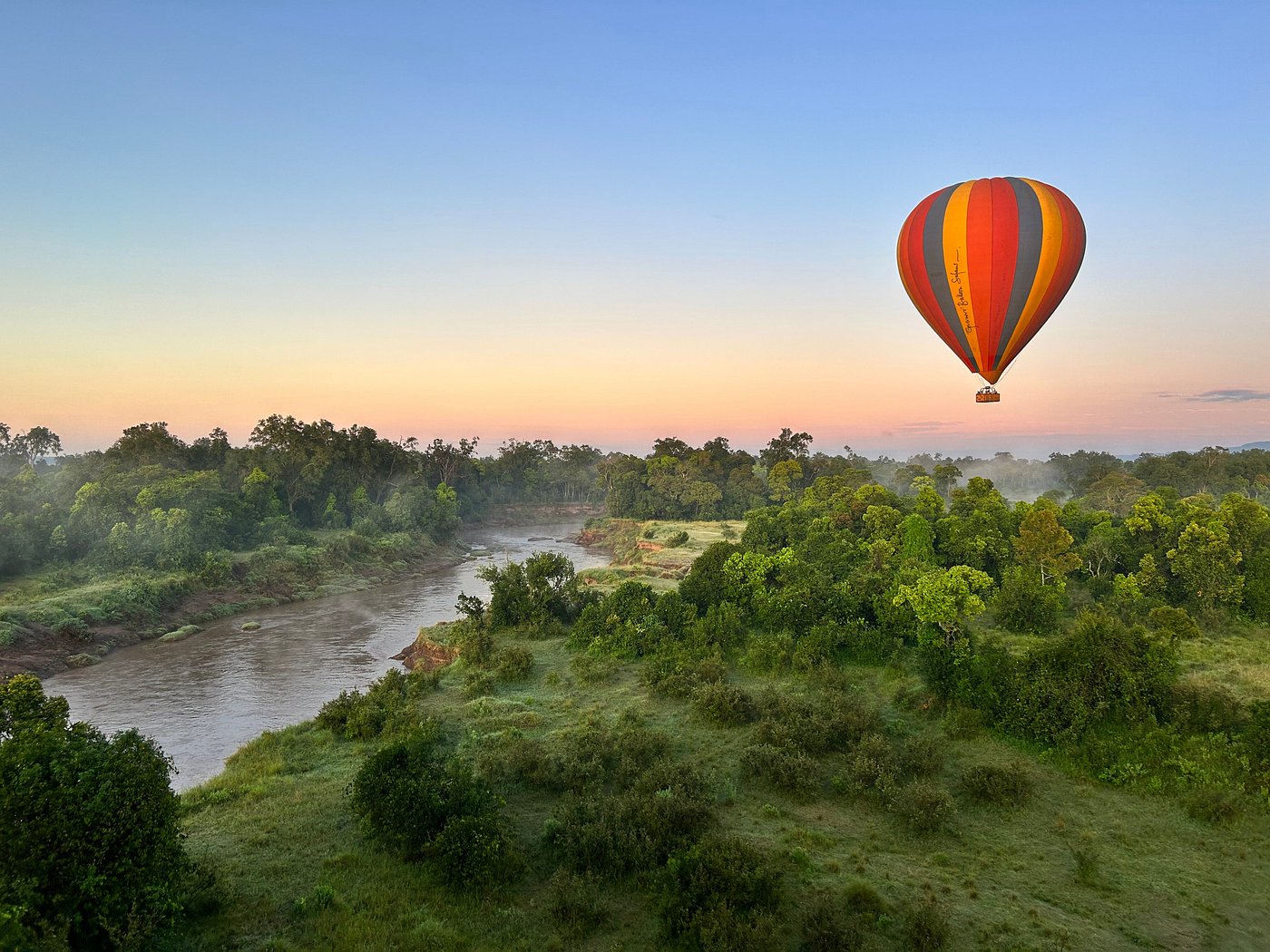 TZ+1
TZ+1Tanzania · Masai Mara National Reserve
Experience a well-planned 10-day Kenya and Tanzania safari with Imara Africa Safaris, covering Lake Nakuru, Masai Mara, Serengeti, Ngorongoro Crater, Tarangire, and Amboseli. This two-nation safari combines big cats, rhinos, elephants, scenic landscapes, cultural experiences, and some of East Africa’s most iconic wildlife destinations.
The 10-day classic route is often the sweet spot. A Nairobi arrival night helps with jet lag, three nights in the Mara gives enough game-drive time, the border day moves the safari into Tanzania, three nights in the Serengeti anchor the second half, and Ngorongoro Crater adds a different habitat before Arusha.
A 12-day migration-focused plan should place extra nights where the herds are most likely to be. In July to October, that may mean northern Serengeti near Kogatende plus either the Mara Triangle or a private conservancy bordering the reserve. In January to March, extra time belongs in southern Serengeti or Ndutu, with the Mara included for predators and variety.
A Tanzania-first version works well for calving season because travellers can land at Kilimanjaro International Airport, overnight near Arusha, then move towards Ngorongoro and the southern Serengeti. A Kenya-first version suits travellers whose international flights land in Nairobi or whose priority is time in the Mara before moving south.
Central Masai Mara camps give quick access to the reserve’s classic game-viewing areas, including the Talek, Ol Kiombo and Musiara sectors. This base works well for first-timers who want strong predator country and relatively short drives to varied habitats. During peak months, vehicle density can be noticeable around major sightings.
Good access to the main reserve’s plains, big-cat territories and classic game-drive circuits.
A strong choice for river access, open views and a slightly more contained reserve experience.
Offer lower vehicle density, night drives in some areas and excellent predator viewing outside the reserve boundary.
Best for July to October migration routes, Mara River access and remote-feeling camps.
Reliable year-round wildlife, strong leopard habitat and useful airstrip access for many itineraries.
Best from January to March for calving season, predator action and wide short-grass plains.
 KE
KELuxury Safari Lodge in the Heart of Masai Mara
Masai Mara, Kenya
Best Location
The Mara Triangle, west of the Mara River, offers efficient access to river crossings, open plains and escarpment views. Its location is useful in July to October, especially for travellers focused on migration movement. Availability is limited in the best-positioned camps, so early planning matters.
Private conservancies bordering the Masai Mara, such as Mara North, Olare Motorogi and Naboisho, add low vehicle density, off-road driving where permitted, night drives and guided walks in some camps. They pair well with time inside the national reserve, particularly for honeymooners, photographers and families who want a calmer camp rhythm. A detailed Masai Mara safari guide helps clarify which side of the ecosystem suits the month and travel style.
In the Serengeti, location is seasonal. Central Seronera is the dependable year-round choice for big cats and varied habitat. Northern Serengeti around Kogatende or Lamai is prime for the Mara River period from July to October. Southern Serengeti and Ndutu are strongest from January to March, when the calving herds spread across short-grass plains.
Lodge location matters more than brochure luxury during migration months. A beautiful camp three hours from the active herds may deliver less wildlife time than a simpler seasonal camp placed near current movement. Mobile camps often follow broad seasonal patterns, while permanent lodges offer more infrastructure and predictability.
Private conservancy camps in Kenya can add exclusivity and flexible activities, while Tanzanian camps inside or near the Serengeti are governed by park and concession rules. Permanent lodges suit travellers wanting pools, larger rooms and stable facilities. Seasonal mobile camps suit those who accept lighter infrastructure in exchange for proximity to wildlife movement.
A two-country safari usually costs more than a single-country safari because the logistics are more complex. Flights, border transfers, private vehicles, guide handovers, park fees, concession fees, conservation levies and multi-country operational planning all affect the final quote.
Park and concession fees can form a significant share of the daily cost, especially in the Masai Mara, Serengeti National Park and private conservancies. Luxury camps also price by season, with July to October and festive dates carrying higher rates. Limited airstrip seats in peak migration months add pressure, so early booking protects both routing and camp choice.
As a broad guide, a comfortable 10-day overland Kenya–Tanzania safari may start from around US$5,900 pp in shared or efficient private arrangements, while a luxury fly-in itinerary can start from around US$7,800 pp and climb sharply during peak river-crossing months. Ultra-luxury camps, private vehicles and premium air routing can push the price well above that.
Value should be measured by wildlife time and route efficiency, not only by nightly lodge rate. Saving money on a poorly located camp can cost two hours each way on game drives. Paying for a flight may save a full road day and turn that time into an evening drive with lions already moving.
First-time safari travellers who want the headline East Africa experience often suit a combined route. The Masai Mara brings density and drama; the Serengeti brings scale and seasonal movement. Together, they show why this ecosystem has shaped so much of the world’s idea of African wildlife.
Photographers benefit from the contrast. The Mara can offer close predator work, open plains and conservancy flexibility. The Serengeti offers kopjes, huge skies, dust trails, massed herds and seasonal river or calving behaviour. A private vehicle is worth considering for camera gear, patient positioning and flexible stops.
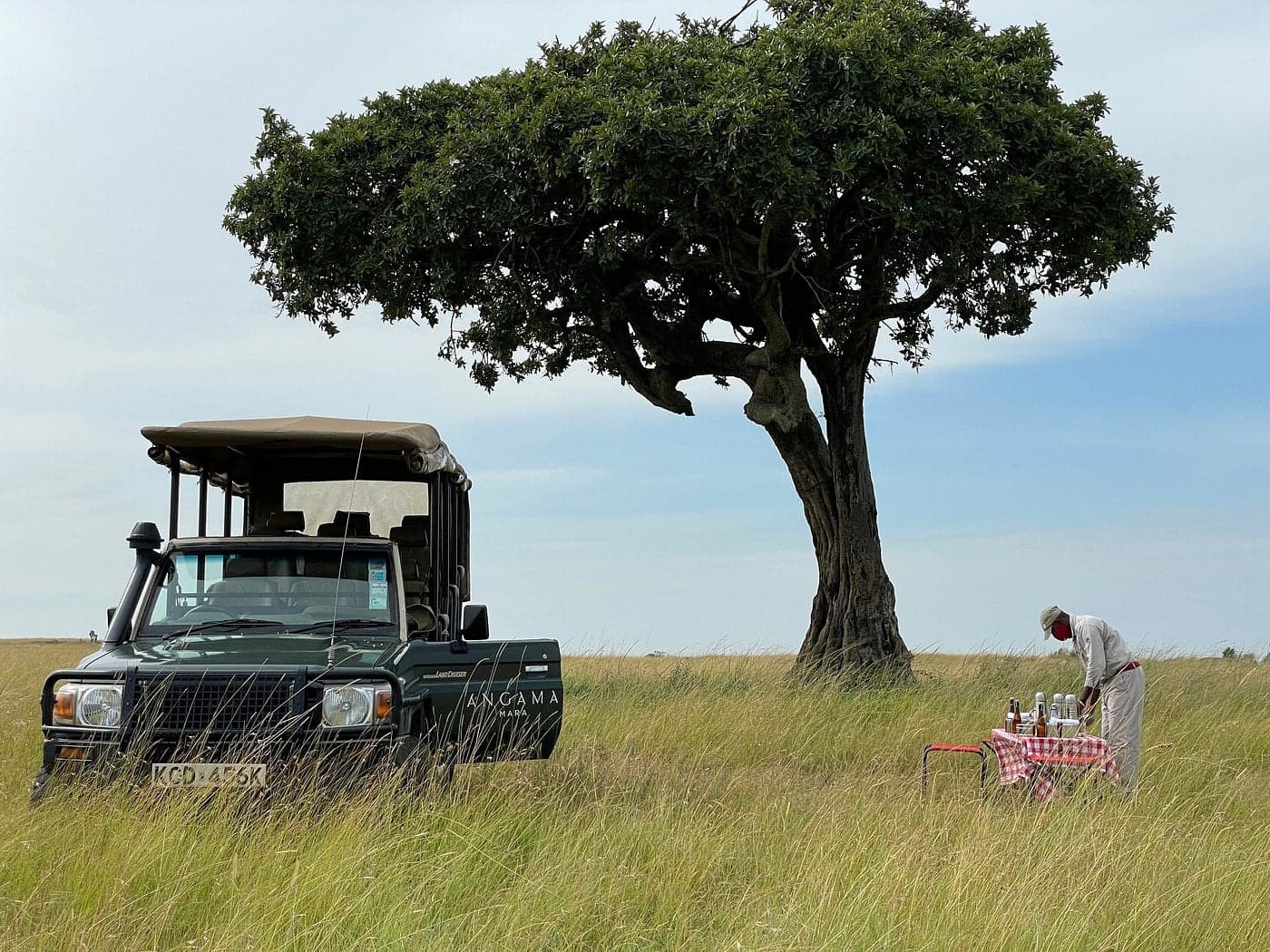
Couples and honeymooners often prefer the fly-in version because it reduces hard travel days. A camp-to-camp air route can keep the mood calm: morning game drive, bush breakfast, short flight, afternoon in a different ecosystem. Lodges with private decks, outdoor dining and strong guiding matter more than ornate room design.
Families can combine both parks if the pace is gentle and lodges are chosen carefully. Interconnecting rooms, child-friendly guides, shorter drives, swimming pools and medical access all matter. A private vehicle gives parents control over snack stops, return times and how long to stay at sightings.
Travellers with only 4–5 days should usually choose either the Mara or the Serengeti, not both. Four nights in the Masai Mara from Nairobi can be superb. Four or five nights in northern or central Serengeti from Arusha can also be excellent. Splitting that time across two countries creates more movement than wildlife.
Ngorongoro Crater is the most natural Tanzania add-on after the Serengeti. The crater floor gives a compact wildlife experience with black rhino, buffalo, lion, hyena, hippo pools and open grassland inside a collapsed volcanic caldera. Many Serengeti-to-Arusha routes pass close enough to make a Ngorongoro Crater add-on logical rather than forced.
Lake Naivasha works well before the Mara for travellers who want a softer start after an international flight into Nairobi. Boat trips pass hippo pods and fish eagles, while nearby Crescent Island or Hell’s Gate can add walking or cycling in a landscape that feels different from big-cat country.
Lake Nakuru can add rhino and flamingo interest when water levels and bird movement allow, though wildlife patterns around the lake have changed over time. Amboseli is stronger for travellers who want elephants and possible Kilimanjaro views before or after the Mara, usually with at least two nights to allow for cloud and changing light.
Zanzibar works well as a beach finish after dust, early starts and long game drives. Three to five nights on the coast gives time to slow down, sleep later, swim and sort photographs. The cleanest routing usually runs from Arusha or Kilimanjaro International Airport to Zanzibar, then home via Dar es Salaam, Doha, Istanbul, Addis Ababa or another connecting hub.
Uganda or Rwanda gorilla trekking belongs on longer, higher-budget East Africa journeys. Adding Bwindi Impenetrable Forest or Volcanoes National Park after a Mara–Serengeti safari is possible, but it needs careful flight planning and enough days to avoid fatigue. Gorilla permits, lodge availability and regional flight schedules should be secured early.
Kenya and Tanzania use separate entry systems, so travellers should check requirements for their nationality before paying final balances. Visa rules, electronic travel authorisations, passport validity and health documentation can change, and the airline may verify documents before boarding.
Passports should have adequate validity beyond the travel dates and enough blank pages for immigration stamps. Families travelling with children should also check any consent or birth certificate requirements that may apply to their nationality or airline routing.
Yellow fever certificate requirements can apply when arriving from or transiting through risk countries. This is especially important for multi-country Africa trips, long airport transits and routes that include Uganda or Rwanda. A travel clinic can advise on timing, exemptions and personal medical suitability.
Soft-sided luggage is the safest choice for light aircraft sectors between Nairobi Wilson Airport, the Masai Mara and Serengeti airstrips. Most bush flights restrict both weight and bag shape. A small daypack helps keep passports, medication, camera batteries, chargers and a warm layer close during transfers.
Layered clothing works best. Mara and Serengeti mornings can be cold in an open vehicle, especially from June to August, while midday sun is strong. Pack neutral colours, a fleece or light down layer, a brimmed hat, sunglasses, high-factor sun cream, insect repellent, comfortable closed shoes and enough memory cards for long drives.
Binoculars change the safari for every traveller, not only birders. A guide may spot a cheetah on a termite mound or a leopard tail hanging from a croton bush; binoculars let each guest read the behaviour rather than wait for the vehicle to approach.
Start with the wildlife priority. Migration river crossings, calving season, big cats, photography, family comfort and lodge style all point to different routes. A July photographer may need northern Serengeti and the Mara Triangle. A February wildlife enthusiast may need Ndutu, southern Serengeti and a shorter Mara stay for predator variety.
Imara Africa Safaris can tailor the route around your month of travel, preferred lodge style and international flights.
Decide whether the trip is mainly about migration, predators, photography, family comfort, luxury lodges or a first safari overview.
Use northern Serengeti and the Mara in peak migration months, southern Serengeti for calving season, and central bases for year-round reliability.
Nairobi, Kilimanjaro and Arusha can each work, but the best choice depends on international flights and the direction of the safari.
Use light aircraft for the longest sectors if the budget allows, especially when the itinerary is under 10 days.
Avoid building a plan that moves lodges every night; most areas reward two or three full game-drive cycles.
Migration-season camps near river routes, premium conservancies and limited airstrip seats can fill well ahead of travel.
Choose the direction of travel around international flights, seasonal wildlife and logistics. Nairobi arrivals often suit a Kenya-first route into the Masai Mara, then across to Tanzania. Kilimanjaro International Airport arrivals suit Arusha, Ngorongoro and Serengeti first, then a flight or border route into the Mara.
Build enough nights into the plan. Three nights in each main wildlife area is the floor; four is better in peak migration or for photography. Avoid placing a border day directly after an international arrival or directly before a long-haul departure unless flight times leave a safe buffer.
Match lodge location to the month before choosing the room category. In July to October, northern Serengeti and Mara access matter. In January to March, southern Serengeti and Ndutu matter. In quieter months, central Serengeti and predator-rich Mara areas can give consistent wildlife without chasing herds.
A tailor-made specialist can align the route with season, budget and pace. Imara Africa Safaris plans these cross-border safaris from Nairobi with current air schedules, lodge availability, border timings and guide handovers in mind, so the finished itinerary feels like one coherent journey rather than two safaris joined by a difficult transfer.
Related: private, tailor-made plan.
Related: Kenya–Tanzania itinerary.
Related: 8-day trip.
Wildebeest gather on the short-grass plains around southern Serengeti and Ndutu, attracting lion, cheetah and hyena. The Masai Mara remains excellent for resident predators but is not the migration centre.
Rain brings lush scenery, dramatic skies and lower visitor numbers. Some camps close and road conditions can be slower, so routing needs extra care.
The migration often moves through the western corridor and towards the northern Serengeti. It is a good month for travellers who want strong wildlife without the busiest peak-season crowds.
This is the classic period for northern Serengeti and Masai Mara migration drama, including possible Mara River crossings. Crossings are never scheduled and can require patience.
The herds begin spreading south again when fresh grazing returns. Resident wildlife in the Mara and central Serengeti keeps game viewing strong even when migration locations are shifting.
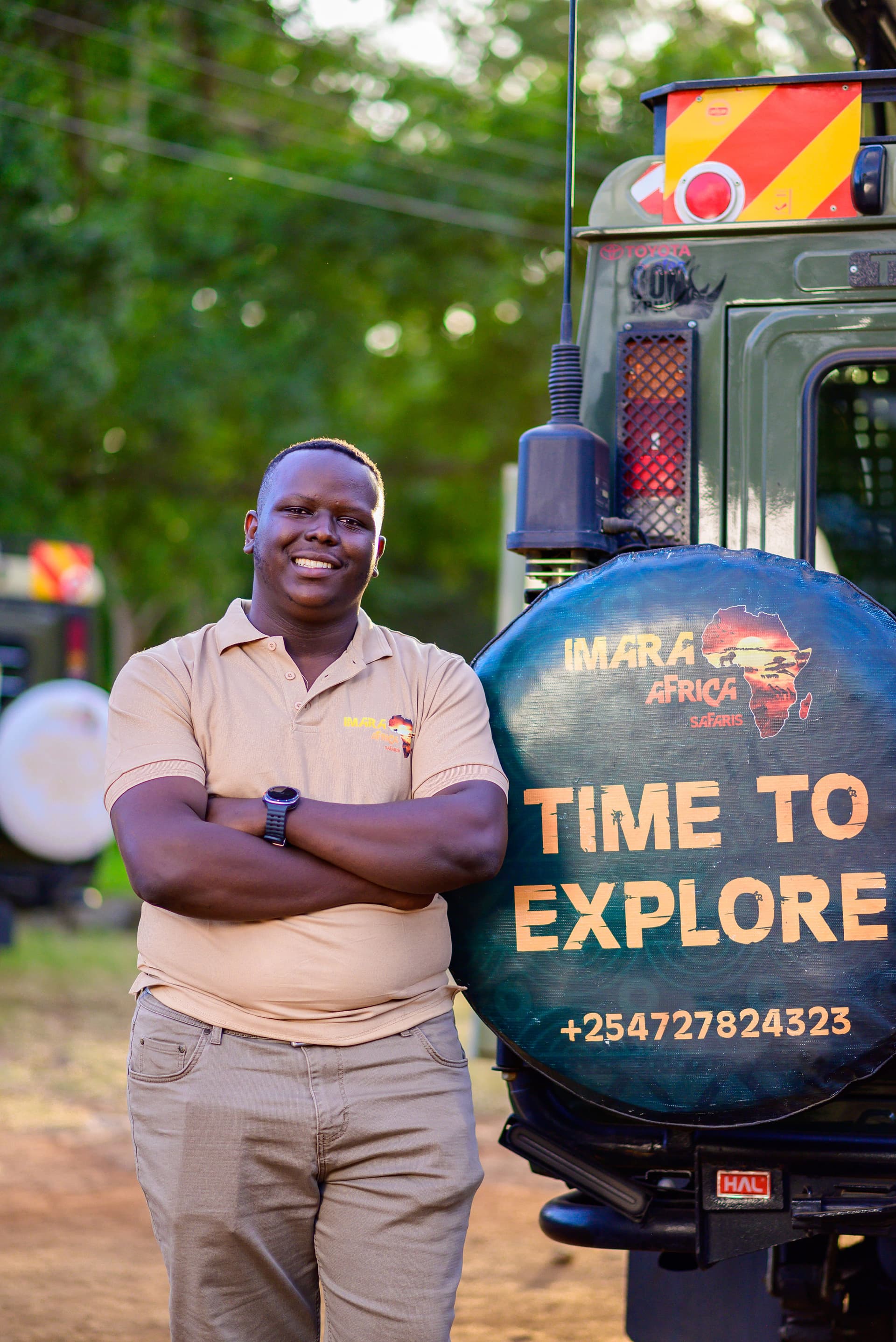
Lewis Munuhe
Founder & Director
<p>Lewis Munuhe is the Director and Owner of Imara Africa Safaris, a trusted safari company dedicated to creating tailor-made African safari experiences across Kenya, Tanzania, Uganda, and Rwanda. With a strong passion for African travel, wildlife, culture, and conservation, Lewis leads the company’s vision of delivering personalized, seamless, and unforgettable safari journeys for travelers from around the world.</p><p>Through Imara Africa Safaris, Lewis helps guests discover East Africa’s most iconic destinations, from the Masai Mara and Serengeti to Uganda and Rwanda’s gorilla trekking regions. His approach focuses on understanding each traveler’s interests, comfort level, budget, and expectations, then transforming those details into carefully curated safari itineraries that feel personal, meaningful, and well-planned.</p><p>As Director and Owner, Lewis is committed to maintaining high standards in safari planning, guest care, destination expertise, and responsible tourism. Whether arranging a luxury wildlife safari, honeymoon escape, family adventure, cultural journey, gorilla trekking safari, or multi-country East African itinerary, he ensures every experience reflects the quality, authenticity, and attention to detail that define Imara Africa Safaris.</p><p>Under his leadership, Imara Africa Safaris continues to help travelers experience the beauty of Africa through expertly planned safaris that celebrate wildlife, landscapes, local cultures, conservation, and unforgettable adventure.</p>
Lewis Munuhe
Founder & Director
<p>Lewis Munuhe is the Director and Owner of Imara Africa Safaris, a trusted safari company dedicated to creating tailor-made African safari experiences across Kenya, Tanzania, Uganda, and Rwanda. With a strong passion for African travel, wildlife, culture, and conservation, Lewis leads the company’s vision of delivering personalized, seamless, and unforgettable safari journeys for travelers from around the world.</p><p>Through Imara Africa Safaris, Lewis helps guests discover East Africa’s most iconic destinations, from the Masai Mara and Serengeti to Uganda and Rwanda’s gorilla trekking regions. His approach focuses on understanding each traveler’s interests, comfort level, budget, and expectations, then transforming those details into carefully curated safari itineraries that feel personal, meaningful, and well-planned.</p><p>As Director and Owner, Lewis is committed to maintaining high standards in safari planning, guest care, destination expertise, and responsible tourism. Whether arranging a luxury wildlife safari, honeymoon escape, family adventure, cultural journey, gorilla trekking safari, or multi-country East African itinerary, he ensures every experience reflects the quality, authenticity, and attention to detail that define Imara Africa Safaris.</p><p>Under his leadership, Imara Africa Safaris continues to help travelers experience the beauty of Africa through expertly planned safaris that celebrate wildlife, landscapes, local cultures, conservation, and unforgettable adventure.</p>
Lewis Munuhe
Founder & Director
<p>Lewis Munuhe is the Director and Owner of Imara Africa Safaris, a trusted safari company dedicated to creating tailor-made African safari experiences across Kenya, Tanzania, Uganda, and Rwanda. With a strong passion for African travel, wildlife, culture, and conservation, Lewis leads the company’s vision of delivering personalized, seamless, and unforgettable safari journeys for travelers from around the world.</p><p>Through Imara Africa Safaris, Lewis helps guests discover East Africa’s most iconic destinations, from the Masai Mara and Serengeti to Uganda and Rwanda’s gorilla trekking regions. His approach focuses on understanding each traveler’s interests, comfort level, budget, and expectations, then transforming those details into carefully curated safari itineraries that feel personal, meaningful, and well-planned.</p><p>As Director and Owner, Lewis is committed to maintaining high standards in safari planning, guest care, destination expertise, and responsible tourism. Whether arranging a luxury wildlife safari, honeymoon escape, family adventure, cultural journey, gorilla trekking safari, or multi-country East African itinerary, he ensures every experience reflects the quality, authenticity, and attention to detail that define Imara Africa Safaris.</p><p>Under his leadership, Imara Africa Safaris continues to help travelers experience the beauty of Africa through expertly planned safaris that celebrate wildlife, landscapes, local cultures, conservation, and unforgettable adventure.</p>
Our trips
 Safari PlanningEl Niño East Africa Safaris: 2026 - 2027 Planning GuideBy Lewis Munuhe·25m read·99 views
 Safari PlanningMasai Mara vs Serengeti: Which Safari Is Better in 2026/27?By Lewis Munuhe·30m read·67 views
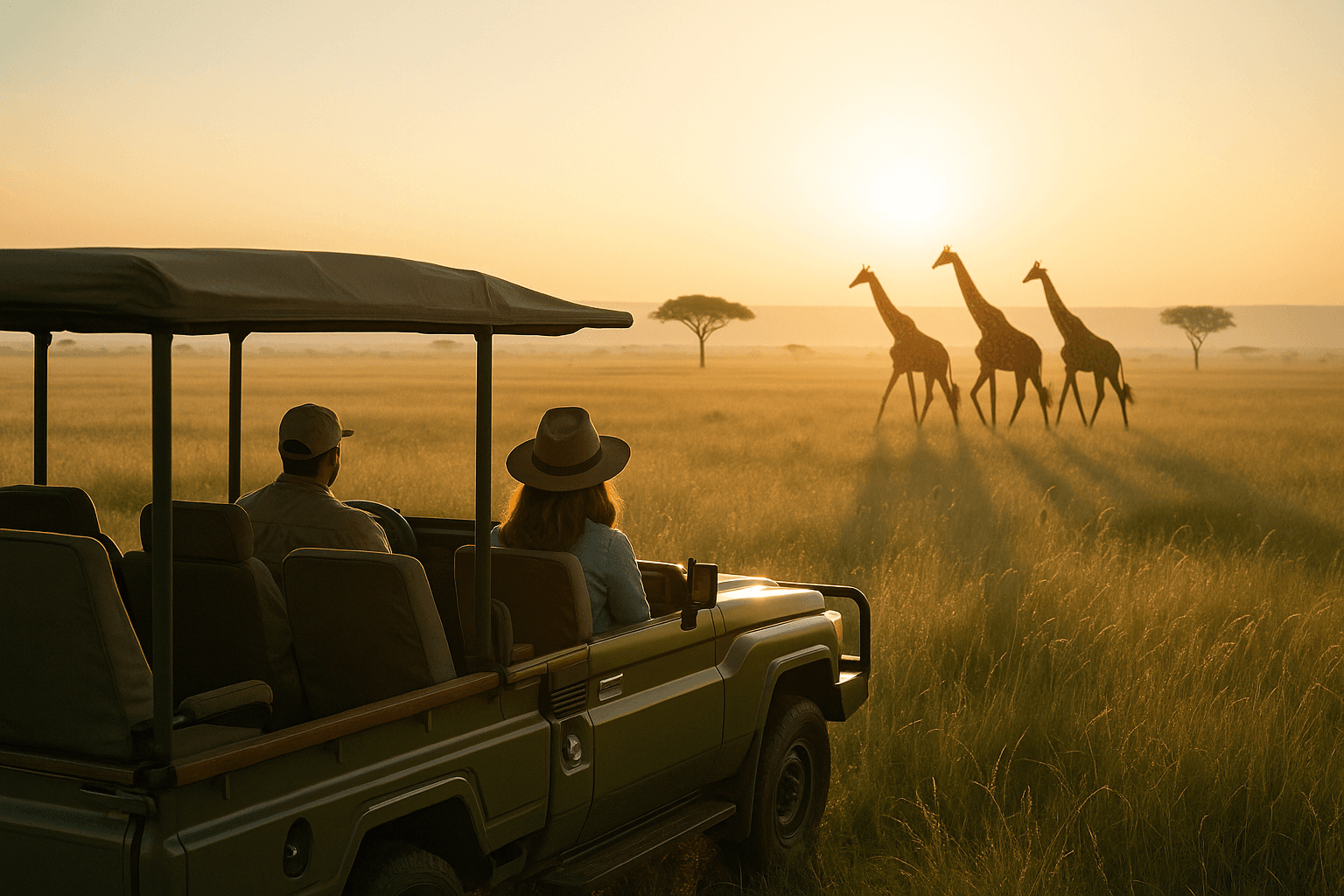 Safari PlanningWhat to Pack for an African Safari: The Complete 2026/27 ChecklistBy Lewis Munuhe·10m read·103 views
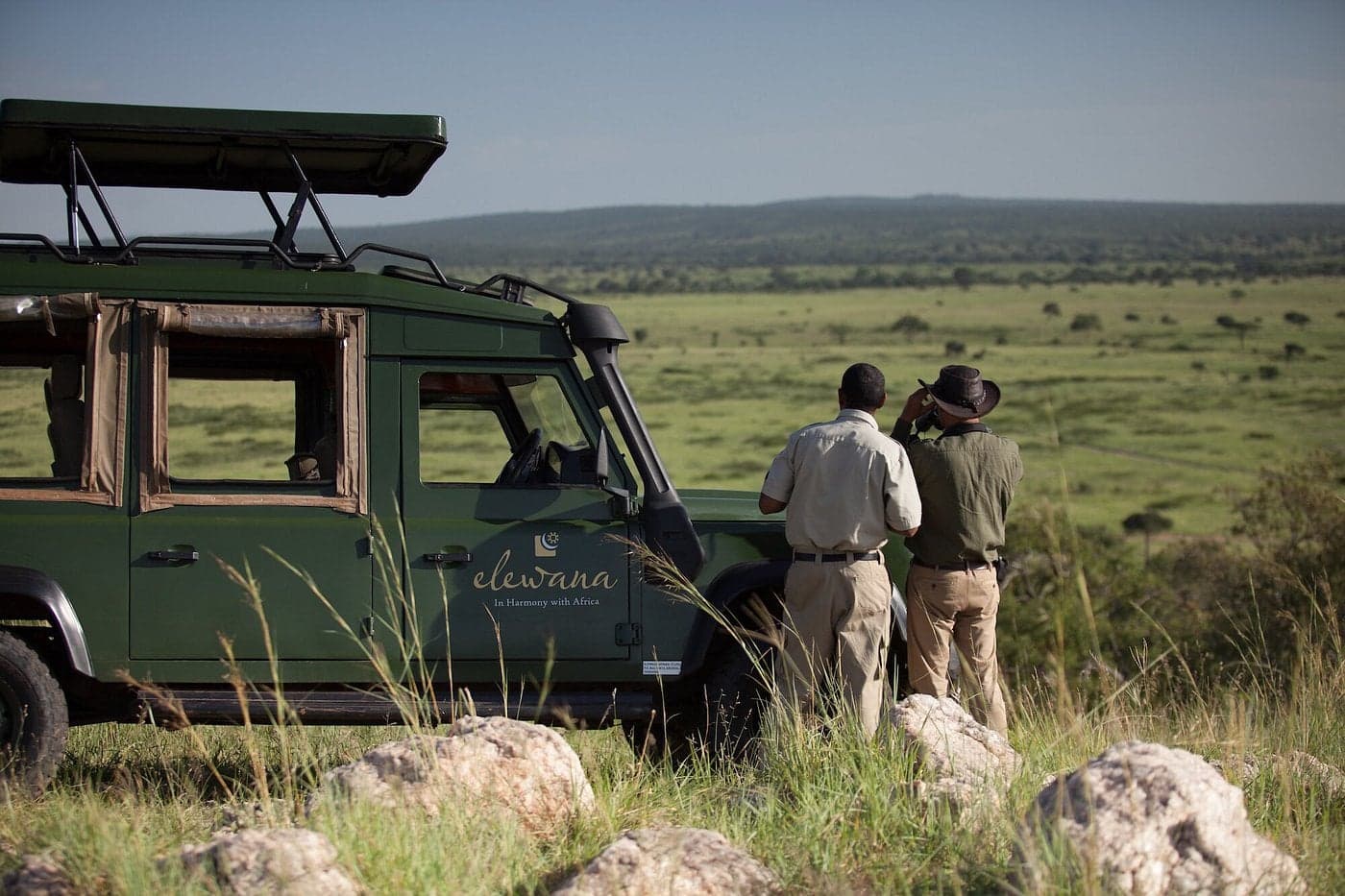 Safari PlanningAfrica Safaris: Everything to Know Before You GoBy Lewis Munuhe·34m read·61 views
15°C
broken clouds
Feels like 15° · 88% humidity
🦁Right now in the bush: Prime game-drive window — lions are most active.


Comments
Loading…