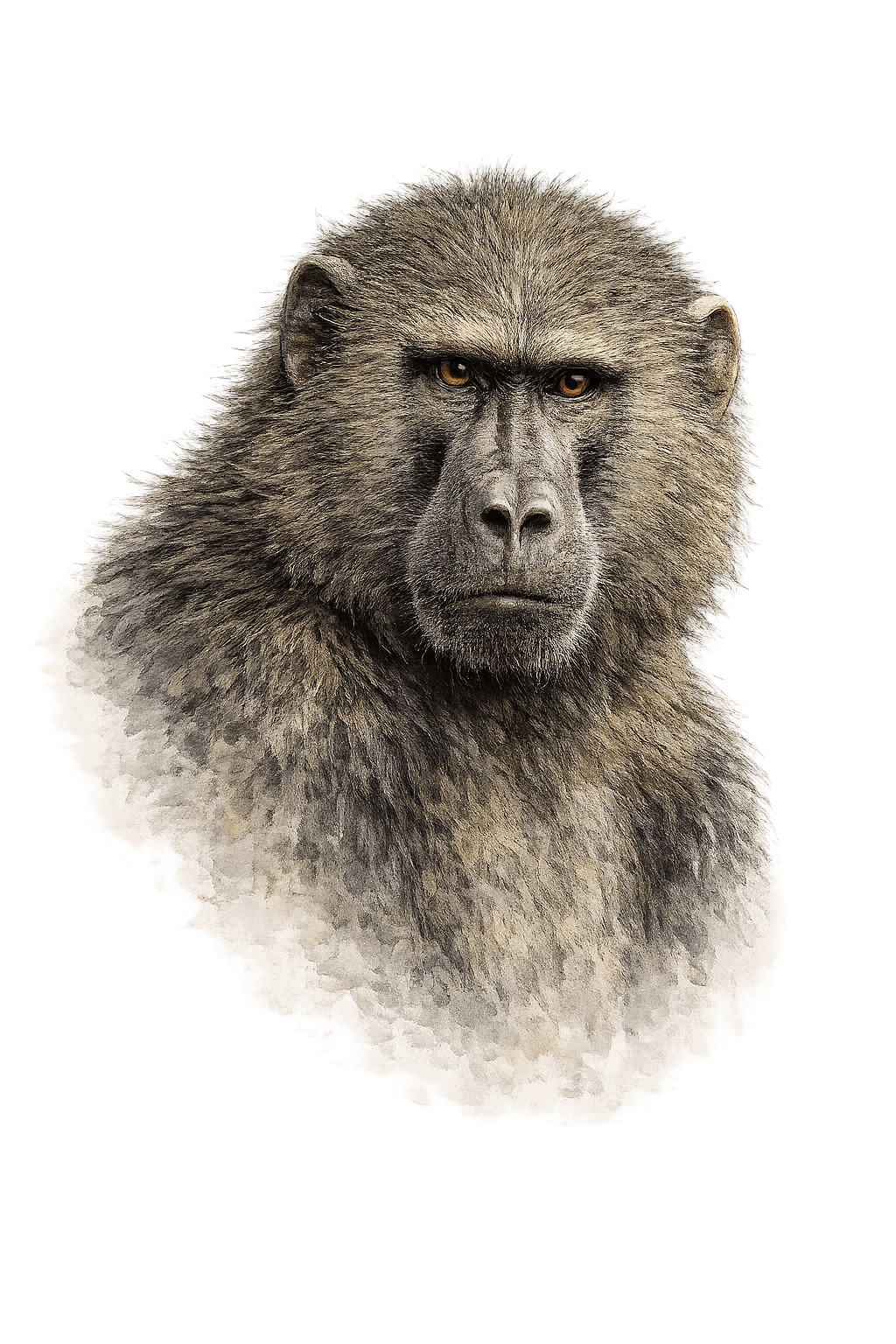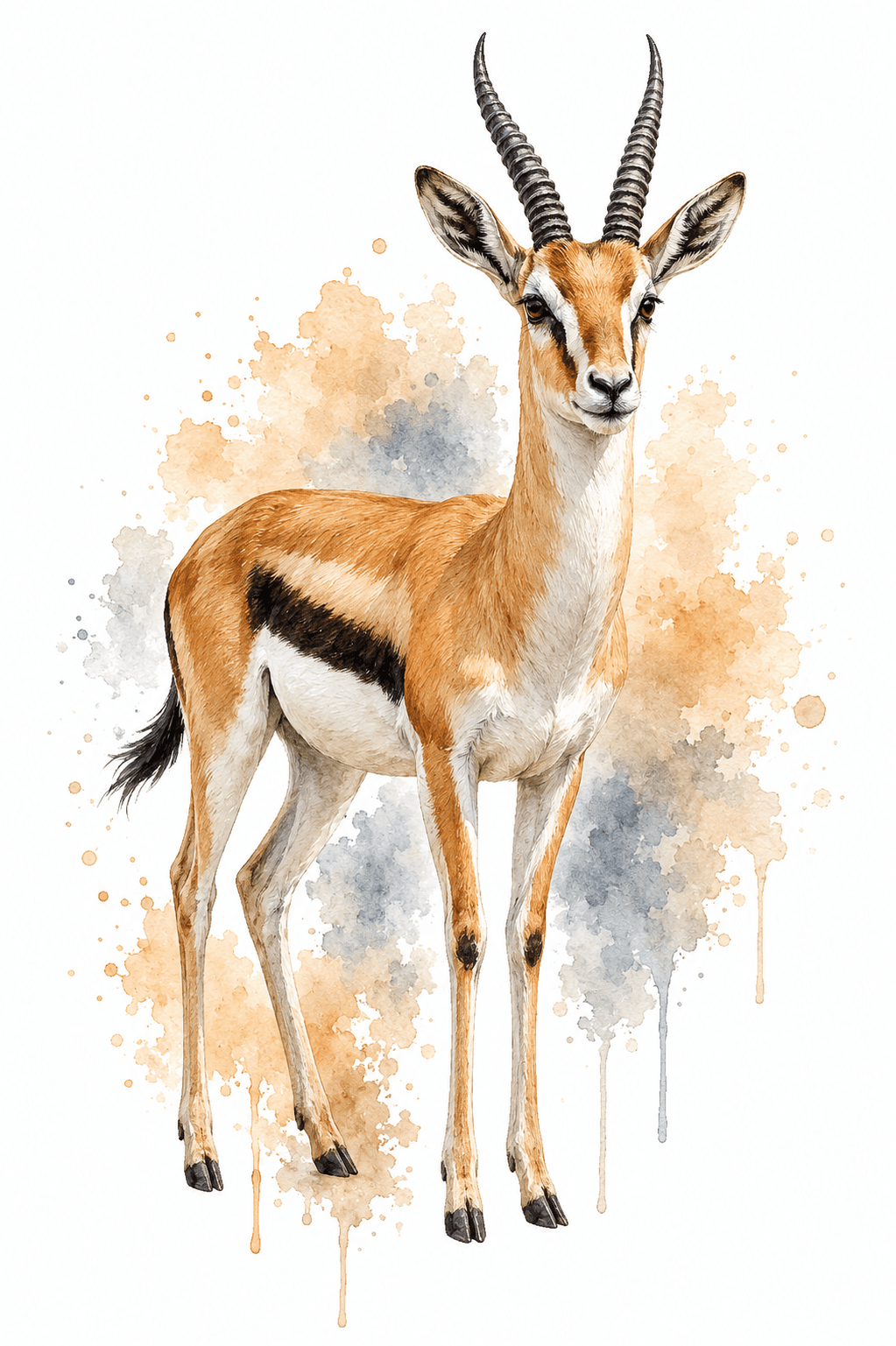
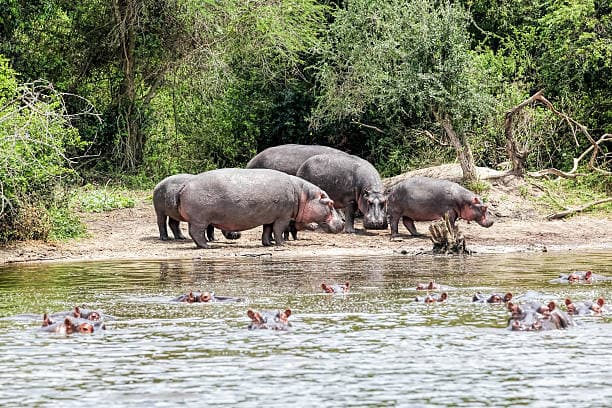
Lake Mburo National Park is Uganda's smallest savannah park at around 370 km², located in the west of the country approximately 240 km from Kampala. Its biggest draw is intimacy: large herds of zebras and impalas — rare elsewhere in Uganda — explored on foot, by bicycle, on horseback or by boat as well as by vehicle.
The park is centred on Lake Mburo itself, the largest of five lakes within the protected area. Together with surrounding wetlands, rolling hills, acacia woodland, open grassland and rocky ridges, the lakes create a rich mosaic of habitats supporting diverse wildlife and outstanding birdlife in a compact, accessible area.
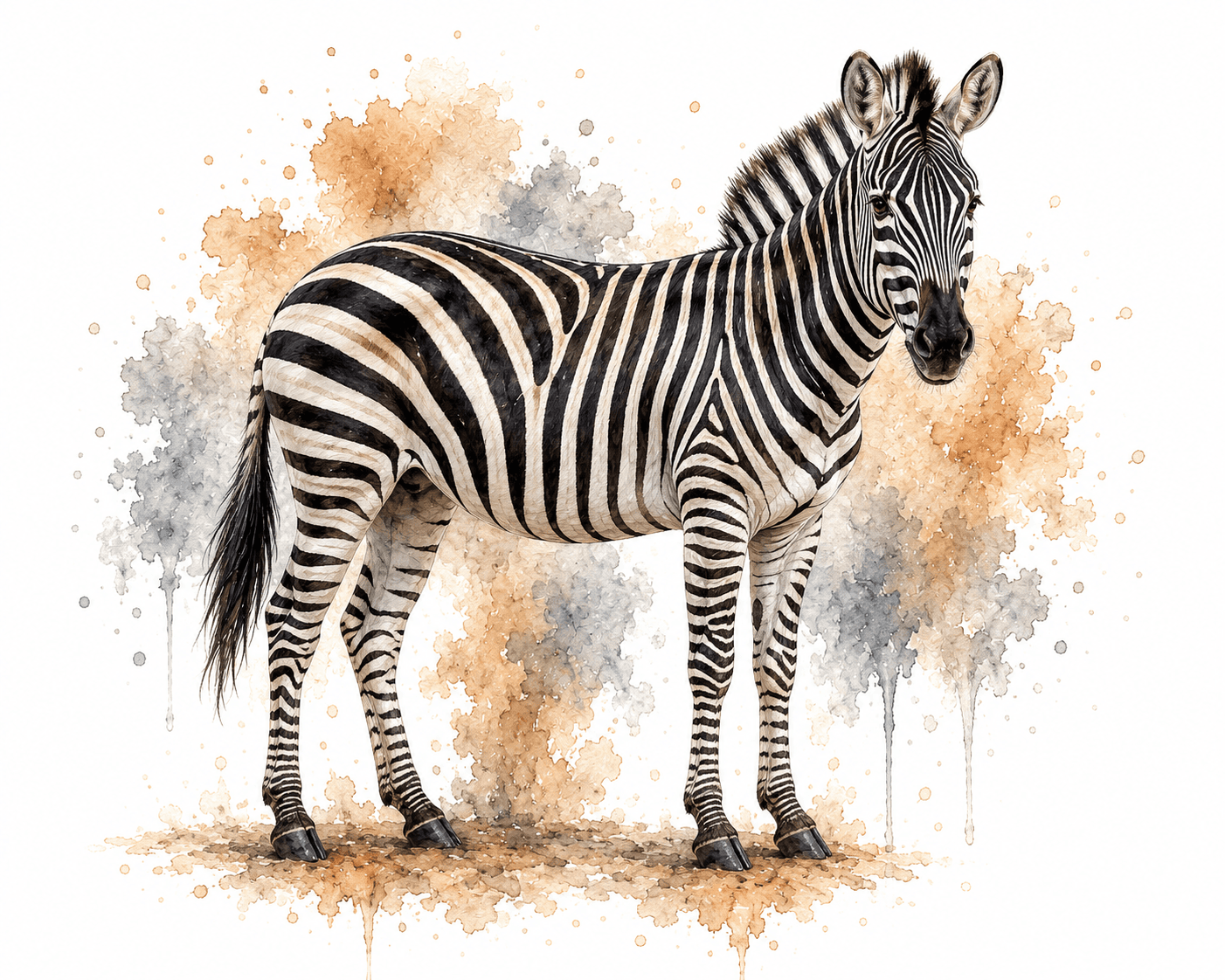
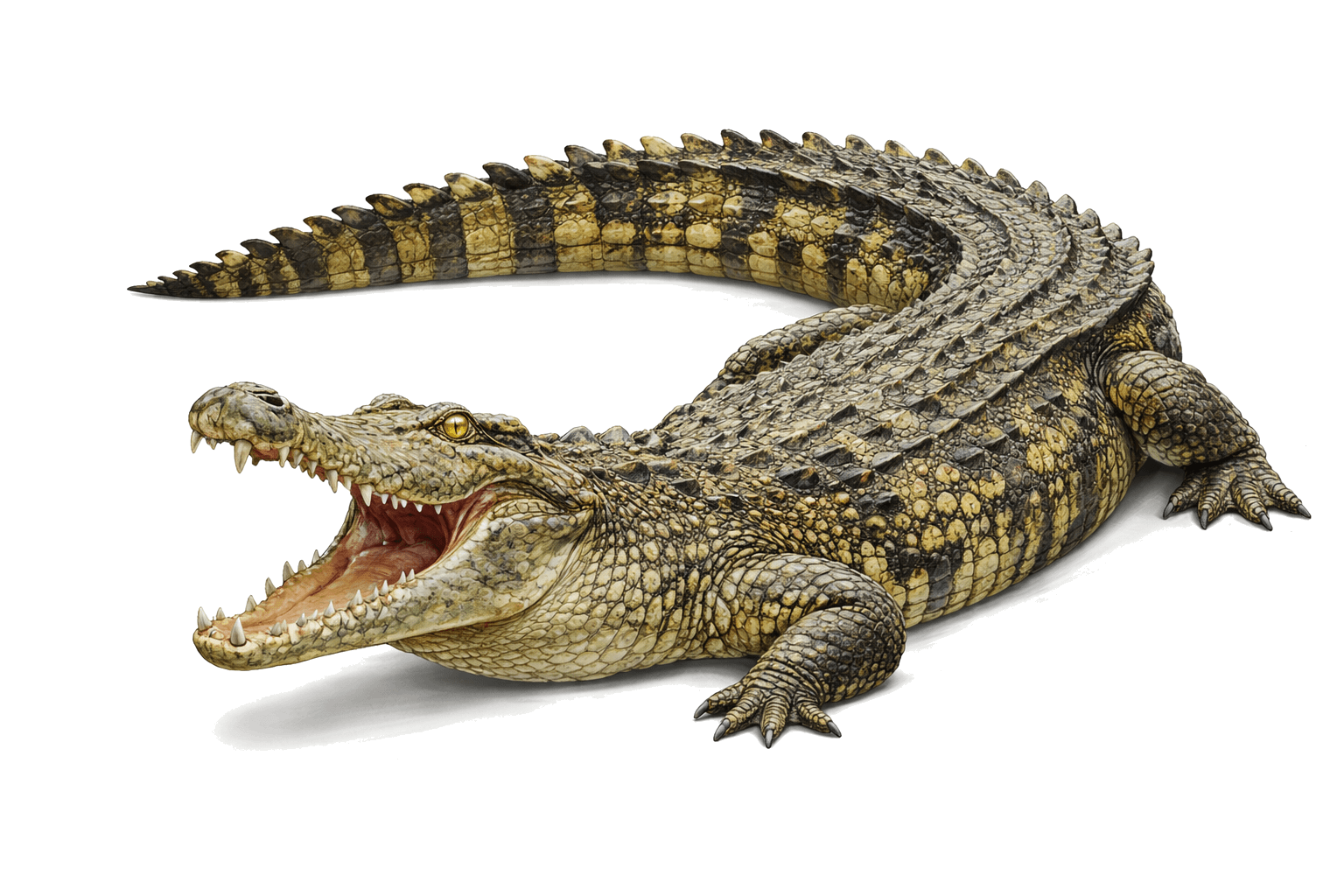
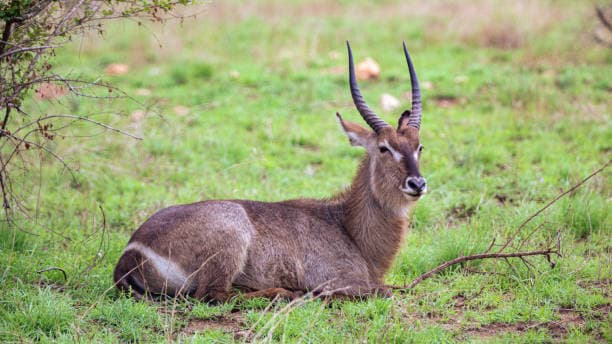
Lake Mburo is famous for its plains zebras and impalas, both scarce in Uganda's other parks. Giraffes, buffaloes, elands, topis, waterbucks, warthogs, bushbucks, hippos and crocodiles are all regularly seen, while leopards are present and occasionally spotted, particularly on night game drives.
What truly sets the park apart is how it can be explored. Walking safaris with experienced ranger guides bring visitors onto the ground among the wildlife; horseback safaris allow a quiet, engine-free approach to grazing herds; and cycling safaris make Lake Mburo one of very few African parks where game viewing by bicycle is possible. Boat cruises on the lake add hippos, crocodiles, African fish eagles, kingfishers and herons at close range.
Birdwatchers have recorded more than 350 species here, including the elusive African finfoot, papyrus gonolek, saddle-billed stork and a long list of acacia and wetland specialists — remarkable diversity for a park of this size.
The park's compact size works in its favour. Game-viewing circuits, the lakeshore, walking trails and the boat jetty all lie within easy reach of the lodges, so a short stay packs in a remarkable variety of activities without long transfer times. Night game drives — offered with ranger guides — add a nocturnal dimension rare in Uganda, with chances of bushbabies, genets and hunting leopards.
Lake Mburo also tells a conservation story worth hearing. The park sits within a landscape long shared with Ankole pastoralists and their magnificent long-horned cattle, and community partnerships around the boundaries — from craft cooperatives to guiding work — mean tourism revenue reaches the people who live alongside the wildlife. Cultural visits to nearby homesteads can be arranged through the lodges.
What Is Lake Mburo National Park Known For?
- Uganda's best herds of zebras and impalas
- Walking, cycling and horseback safaris among the wildlife
- Boat cruises on Lake Mburo, the largest of the park's five lakes
- Night game drives with a chance of leopard sightings
- More than 350 bird species, including the African finfoot
- A convenient stopover between Kampala and Bwindi
When Is the Best Time to Visit Lake Mburo?
The park is a year-round destination. The dry seasons — June to August and December to February — offer the best wildlife viewing as animals concentrate near the lakes, while the rains bring green scenery and excellent birdwatching.
How Do You Get to Lake Mburo National Park?
Lake Mburo lies approximately 240 km west of Kampala, a drive of about 4 to 5 hours on good roads. Its position on the main route towards Bwindi Impenetrable Forest and Queen Elizabeth National Park makes it a natural first or last stop on a western Uganda safari circuit.
How Many Days Do You Need?
One to two nights is ideal. A single night breaks the journey to or from Bwindi with an afternoon boat cruise and a morning game drive; a second night adds a walking, cycling or horseback safari at a relaxed pace.
Whether visited in its own right or woven into a gorilla trekking itinerary, Lake Mburo National Park delivers one of Uganda's most charming and varied safari experiences. Few parks anywhere let a traveller track zebras on foot in the morning, drift past hippos by boat in the afternoon and search for leopards by spotlight after dark — all within a protected area small enough to know well in a couple of days.