

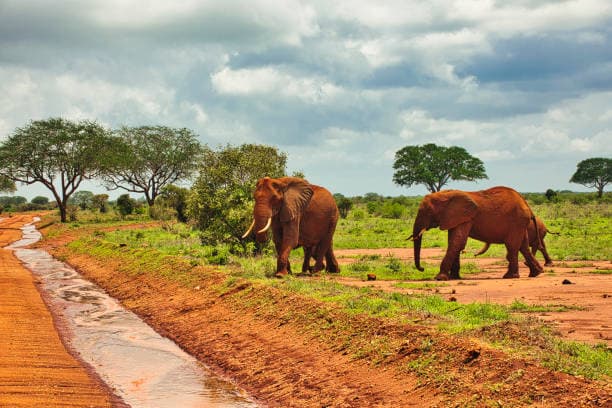
Tsavo East National Park is one of Kenya's largest and oldest national parks, covering approximately 13,747 square kilometres of semi-arid wilderness in the country's south-east, between Nairobi and Mombasa. It is famous above all for its "red elephants", which dust-bathe in the park's iron-rich volcanic soil.
Together with Tsavo West National Park, it forms the greater Tsavo Conservation Area, one of the largest protected wilderness blocks in Africa. Open grasslands, acacia woodland, seasonal rivers and striking geological features create a rawer, emptier safari landscape than Kenya's busier parks — the sense of scale here is unmatched.
What Is Tsavo East Known For?
- The red elephants of Tsavo — one of Kenya's largest populations of African elephants, tinted by red volcanic dust
- Lugard Falls, where the Galana River carves rapids through ancient volcanic rock
- Mudanda Rock, a 1.5-kilometre inselberg whose natural water catchment draws wildlife below
- Aruba Dam, a magnet for game and birds in the dry months
- The legend of the "Man-Eaters of Tsavo", lions that stalked railway builders in the late 19th century
- More than 500 recorded bird species across the park's vast habitats
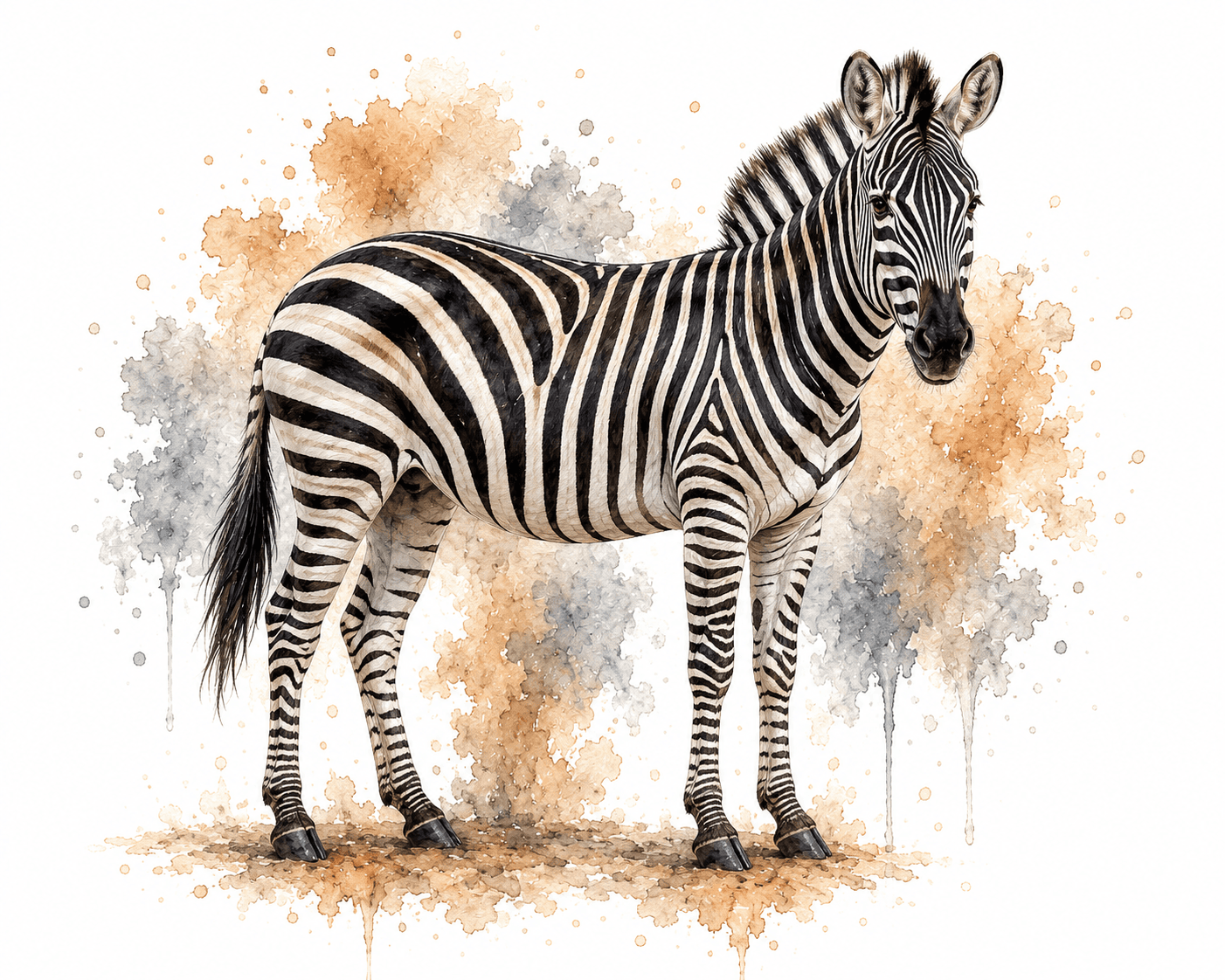
Wildlife viewing centres on the water: the Galana River and Aruba Dam concentrate animals through the year, and game drives along their margins produce lions, leopards, cheetahs, buffalo, giraffes, plains zebra, hartebeests, waterbucks, impalas, lesser kudus, dik-diks and hyenas. Because Tsavo East receives far fewer visitors than the Maasai Mara or Amboseli, sightings often come without another vehicle in sight — a genuine wilderness experience increasingly rare in East Africa.
The park's history adds depth to any visit. The Kenya–Uganda Railway pushed through Tsavo in the 1890s, and the story of the man-eating lions that halted its construction remains one of Africa's most retold wildlife tales. Another geological signature runs along the park's northern boundary: the Yatta Plateau, one of the world's longest lava flows at roughly 290 kilometres, parallels the Athi-Galana river system and shapes the movement of game across the landscape.
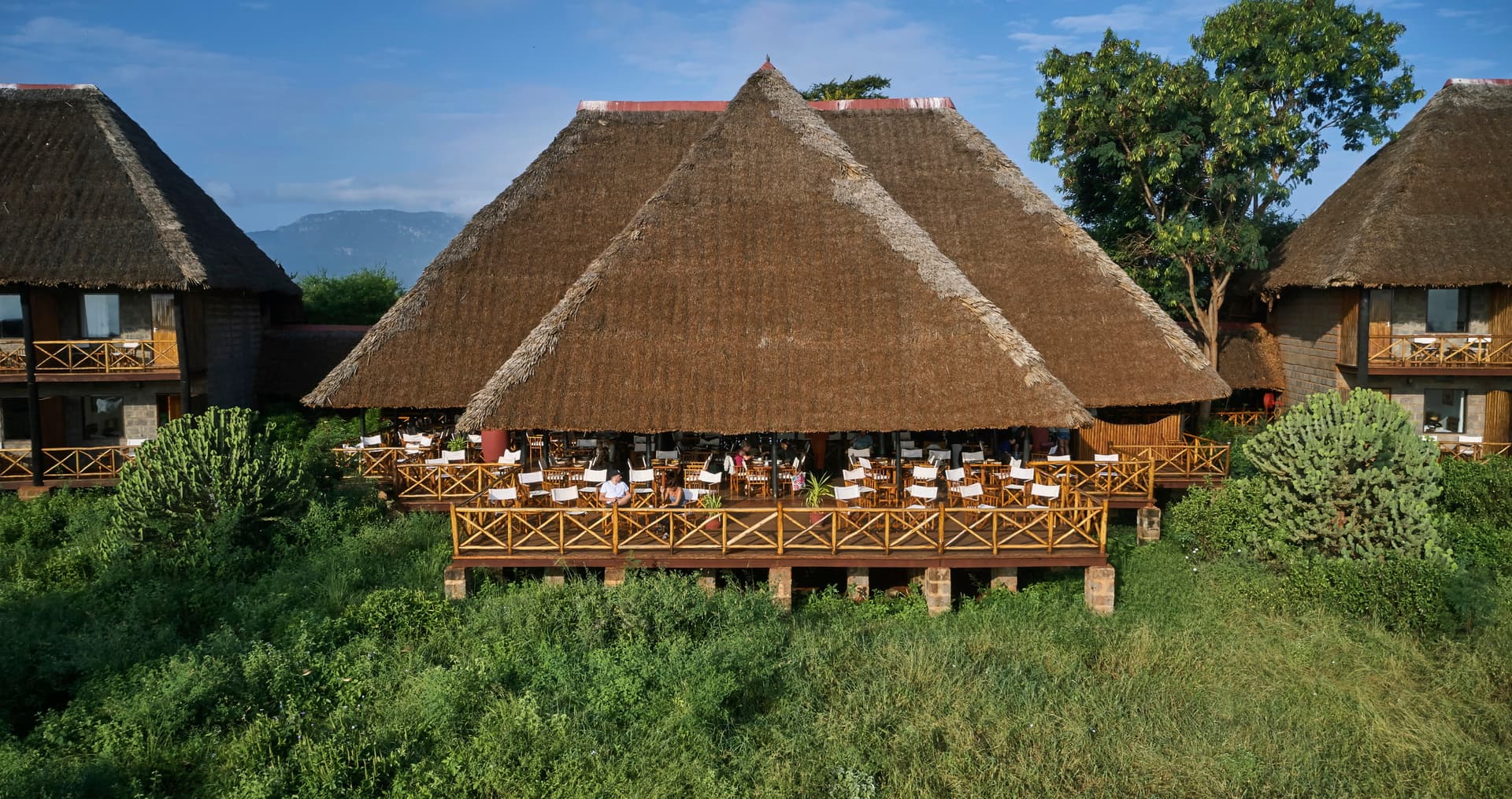
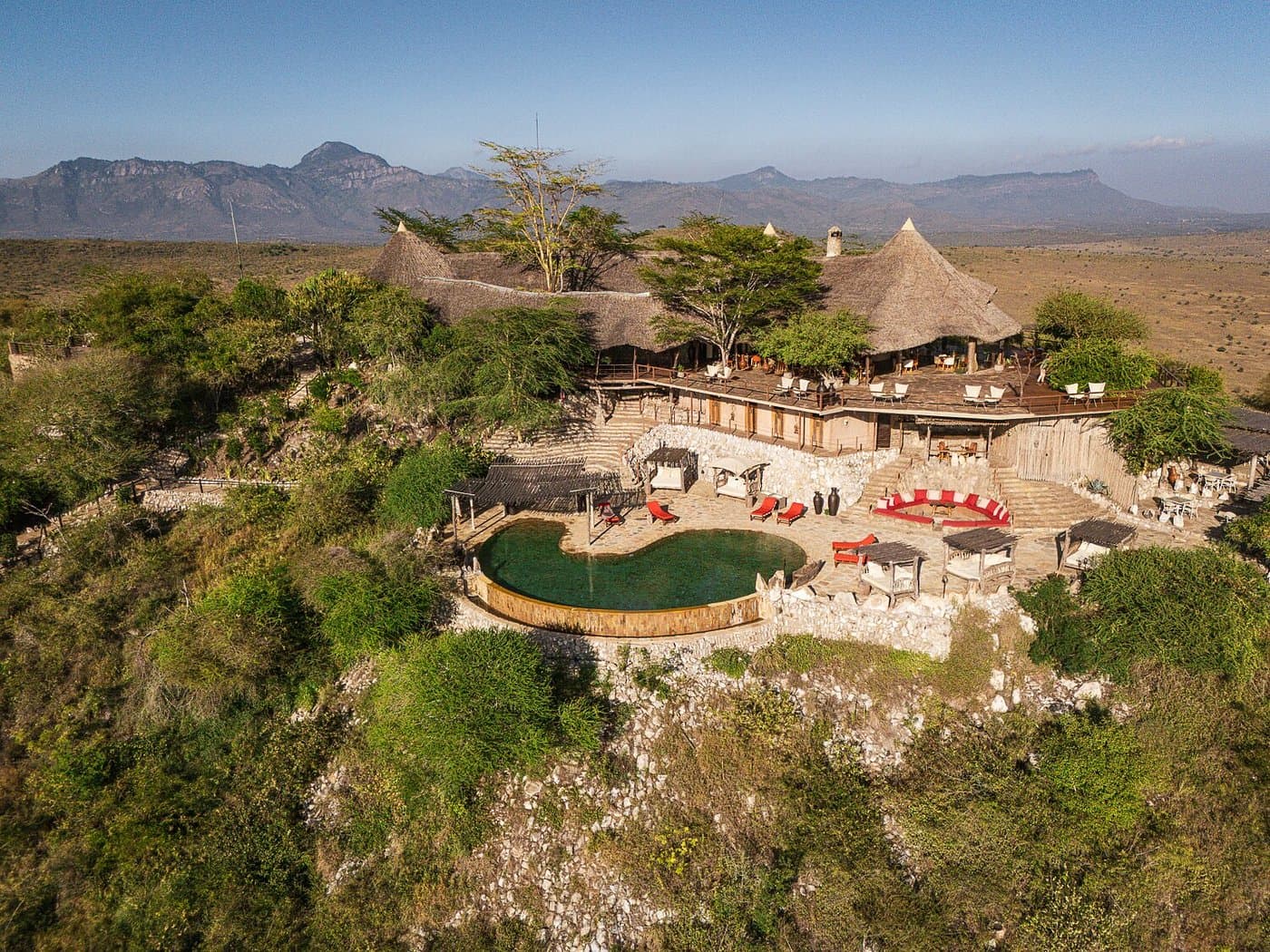
Tsavo East suits travellers who value space and self-reliance over ticking boxes. Distances between sightings can be long, but the rewards are correspondingly big: oryx and gerenuk in the drier country, huge elephant herds staining the waterholes red, and raptors riding thermals above the plains. The park's low tourist density also makes it one of Kenya's best-value safari options, with lodges and camps spread along the Galana River and around Voi. Photographers prize the light here — dust, space and long sightlines produce the classic images of red elephants crossing open country that have made Tsavo famous. Together with Tsavo West, the conservation area covers roughly four per cent of Kenya's entire land surface — a scale that explains both the park's wild character and why repeat visitors keep discovering new corners of it.
When Is the Best Time to Visit Tsavo East?
The dry months of June to October and January to February are best, when wildlife congregates at waterholes and thinning bush improves visibility. The rains bring green scenery and excellent birding but disperse the game.
How Do You Get to Tsavo East?
The park sits approximately 325 kilometres from Nairobi and about 200 kilometres from Mombasa, straddling the highway between the two cities. Road access is through several gates — Voi, Manyani, Buchuma and Sala — making Tsavo East the most convenient big-game park for travellers based on the Kenyan coast.
How Many Days Do You Need?
Two to three nights suit a park of this size, allowing game drives along the Galana River, Aruba Dam and Mudanda Rock without long repositioning drives. Coast-based visitors can manage an overnight safari, though a single day only scratches the surface.
Tsavo East slots naturally into bush-and-beach itineraries, breaking the journey between Nairobi's safari circuit and the beaches of Diani and Mombasa. A two-night Tsavo stop turns a coast-bound transfer into a full safari chapter, and the park's proximity to the highway means no time is wasted on rough access roads.