El Niño Safaris en África Oriental: Guía de Planificación 2026 - 2027
Los safaris de El Niño en África Oriental aún pueden ofrecer una excelente observación de la fauna. Esta guía explica pronósticos para la temporada de lluvias, planificación de carreteras, amortiguadores de vuelo y embalaje.
25 min read126views
Updated Oct 17, 2026
Blue Wildebeest
126views
Share
Listen~25 min
In this articleTap to view 13 sectionsTap a section to jump
El Niño raises the probability of unusual weather; it does not mean continuous rain in every safari area.
Seasonal outlooks describe rainfall across several months and cannot predict the weather on a particular game drive.
Wetter conditions may make some tracks difficult, so private vehicles, longer stays and alternative routes add useful flexibility.
Green landscapes, dramatic skies, young animals, migrant birds and fewer safari vehicles can make wetter travel highly rewarding.
Travellers should protect flight connections with buffer time and carry comprehensive insurance covering weather disruption.
Official forecasts from ICPAC, KMD and TMA should be checked again shortly before departure.
El Niño East Africa safaris can still deliver excellent wildlife viewing because El Niño raises rainfall odds; it does not guarantee daily rain. Flexible routes, well-drained camps and prepared 4x4s reduce disruption. Travellers may also find greener plains, fewer vehicles, dramatic skies and clear light between showers.
Imara Africa Safaris highlights a first-time Kenya safari route linking Nairobi, Lake Naivasha, Maasai Mara and Amboseli.
How should travellers interpret El Niño East Africa safaris forecasts?
El Niño is a large-scale climate pattern in the tropical Pacific Ocean. It is not a rainstorm moving towards Kenya or Tanzania. Its effects reach East Africa through changes in atmospheric circulation, ocean temperatures and regional wind patterns.
NOAA's established El Niño threshold uses a Niño 3.4 sea-surface temperature anomaly of at least +0.5°C for five consecutive overlapping three-month seasons, together with consistent atmospheric conditions.
The WMO and NOAA Climate Prediction Center assess the wider El Niño–Southern Oscillation system. Regional agencies then study how that signal may affect East Africa. These forecasts change probabilities rather than predict individual safari days.
The Indian Ocean Dipole also matters. Warmer western Indian Ocean waters can support heavier East African short rains. A weak or opposite-phase dipole may reduce, delay or redistribute that effect.
Local geography adds another layer. The Mau Escarpment, Mount Kenya, Kilimanjaro and the Indian Ocean shape rainfall. Two camps less than 50 kilometres apart can record different totals during the same week.
Product
What it explains
Best planning use
ENSO status
Whether Pacific Ocean and atmospheric conditions meet El Niño criteria
Understanding the broad climate signal
Seasonal outlook
Chances of below-normal, near-normal or above-normal seasonal rain
Choosing regions and building backup plans
Monthly forecast
Expected rainfall and temperature patterns over several weeks
Reviewing transfers and camp access
Short-range forecast
Likely storms, cloud and wind over the next few days
Setting daily drive times and flight plans
A seasonal map cannot say that rain will fall at 15:00 on a planned game-drive day. That detail only becomes clearer through short-range reports and local observations.
What do latest forecasts indicate for El Niño East Africa safaris?
The latest verified position must separate confirmed ENSO status from regional rainfall probabilities. NOAA and the WMO assess El Niño. They do not issue camp-level forecasts for the Maasai Mara, Serengeti or Amboseli.
The IGAD Climate Prediction and Applications Centre, known as ICPAC, produces seasonal outlooks for the Greater Horn of Africa. The Kenya Meteorological Department then provides national, county and monthly detail. The Tanzania Meteorological Authority issues forecasts for Tanzania's rainfall zones.
These agencies do not provide one fixed probability covering every destination from October through January. Their maps use different issue dates, geographical zones and forecast periods. This guide therefore does not turn changing outlooks into an invented regional percentage.
Kenya's short-rains season normally runs from October to December, although timing and totals vary considerably between regions. January can bring a drier interval in some areas, but this is not guaranteed.
Northern Tanzania also has a broadly bimodal rainfall pattern. Its short rains, known as vuli, usually affect the northern circuit during the final months of the year. Rainfall can still differ between the Serengeti, Ngorongoro highlands, Tarangire and Lake Manyara.
Southern Kenya: A wetter outlook may mean softer Mara tracks, fuller Amboseli marsh margins and slower road transfers.
Northern Tanzania: Fresh grass may spread wildlife across wider parts of the Serengeti and Ngorongoro ecosystem.
Cross-border itineraries: Border roads, airstrip conditions and flight timings need separate checks in each country.
An October to January East Africa safari crosses several forecast windows. Travellers should review current bulletins when booking, before final payment and again near departure. Official outlooks can strengthen, weaken or shift as the season approaches.
Imara can compare flexible Kenya safari options with suitable Tanzania safari routes. The final plan should follow current regional information rather than an old El Niño headline.
Does El Niño mean it will rain every day?
Most El Niño East Africa safaris will not experience continuous rain throughout the trip. Tropical showers often arrive in bursts. A dark afternoon storm may be followed by a clear evening and a bright morning.
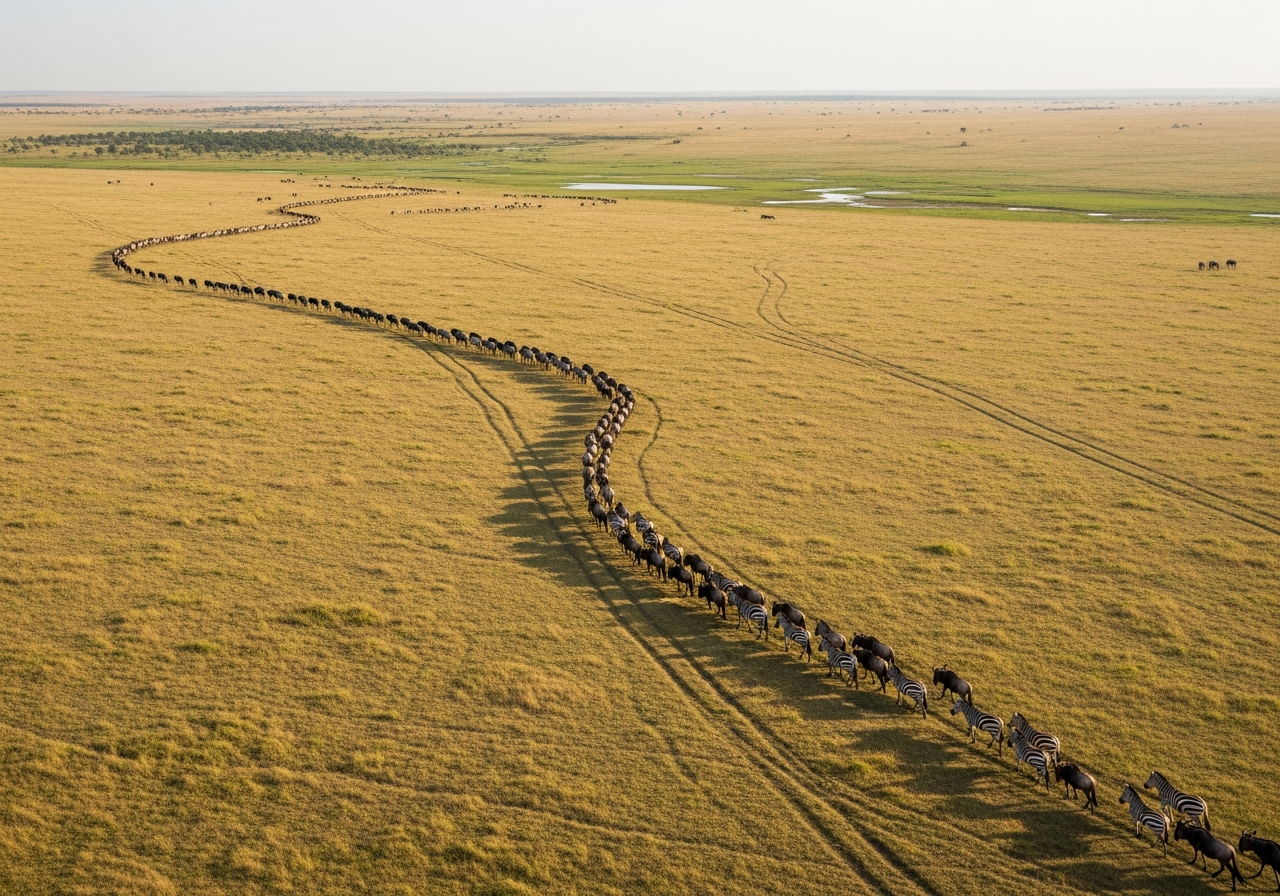
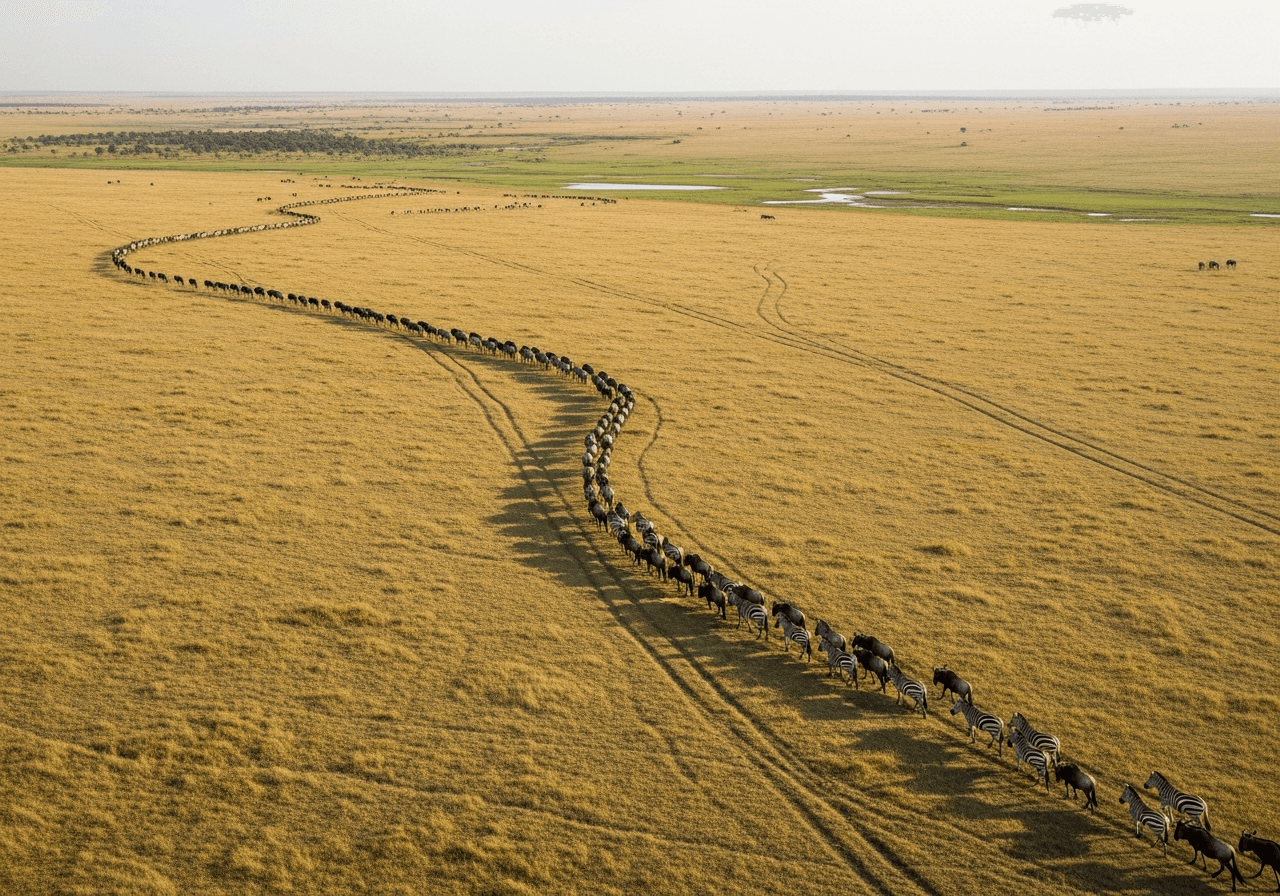
A vast herd of blue wildebeest streams across open savannah grassland under a bright, cloud-dappled sky.
Longer spells of rain remain possible, especially when several weather systems overlap. They should form part of the contingency plan, but they are not inevitable.
Different landscapes create distinct microclimates:
Highlands: Ngorongoro, the Mau Escarpment and central Kenya can be cool, misty and wet.
Savannah: The Mara and Serengeti often receive local showers with dry areas nearby.
Semi-arid country: Samburu and northern Laikipia may stay dry, then receive intense local storms.
Coast: Warm sea air brings higher humidity, short showers and changing marine conditions.
A city-based weather app rarely captures these differences. Its nearest reporting station may sit at an airport or town many kilometres from camp. It may also show a rain icon for one brief shower during an otherwise usable day.
Guides use more immediate evidence. They watch cloud build-up, river levels, tyre marks and reports from other vehicles. Camp teams also know which crossings and tracks have drained overnight.
What wetter weather may mean in the Maasai Mara and Serengeti
Masai Mara National Reserve covers approximately 1,510 km², allowing rainfall and track conditions to differ across the ecosystem. A storm over the Musiara Marsh may leave the Mara Triangle or eastern plains dry.
A safari vehicle is surrounded by grazing zebras and wildebeests during a game drive in the Masai Mara National Reserve, Kenya.
1,510 km²
Approximate area of Masai Mara National Reserve
14,763 km²
Area of Serengeti National Park
392 km²
Approximate area of Amboseli National Park
KE
Featured
Kenya
Masai Mara National Reserve
The Masai Mara National Reserve in southwestern Kenya is a premier 1,510-square-kilometre wildlife sanctuary. Renowned for the annual Great Wildebeest Migration from July to October, it offers exceptional year-round Big Five viewing across open savannahs. The reserve is contiguous with Tanzania's Serengeti, forming a critical, biodiverse transboundary ecosystem.
Experience the heart of the Serengeti in Central Serengeti (Seronera), Tanzania's most famous wildlife destination! Renowned for year-round game viewing, the Big Five, abundant predators, and endless golden plains, Central Serengeti offers unforgettable safari adventures in one of Africa's greatest national parks. Discover breathtaking landscapes and exceptional wildlife with Imara Africa Safaris!
Some Mara tracks cross black-cotton soil. This clay becomes slick after sustained rain and can hold deep standing water. Low ground near streams and marshes is usually affected before higher routes.
An experienced guide will avoid cutting new ruts through saturated soil. Instead, the guide may use ridges, recognised all-weather tracks or a different reserve gate. The Maasai Mara guide gives further context on the reserve's habitats and access areas.
Serengeti National Park covers 14,763 km², so one rainfall report rarely represents conditions across the whole park. The wooded north, central Seronera Valley and southern short-grass plains follow different local patterns.
Rain encourages fresh grass and fills temporary pools. Zebra, wildebeest and gazelles may leave permanent water and spread across a wider area. Lions, cheetahs and hyenas then adjust their hunting grounds.
The annual migration follows rain, grazing, water and instinct. River crossings remain natural events, not scheduled performances. A wetter forecast cannot guarantee or rule out a crossing on a particular day.
Longer stays help guides respond to these movements. Two or three nights in one area offer more useful search time than a rushed overnight stop. The regional guide to Serengeti National Park helps explain these large distances.
Amboseli, Samburu, Laikipia and the Kenyan coast
Amboseli National Park covers approximately 392 km² and includes permanent marshes as well as seasonally affected tracks. Rain can soften routes near low ground while leaving firmer areas usable.
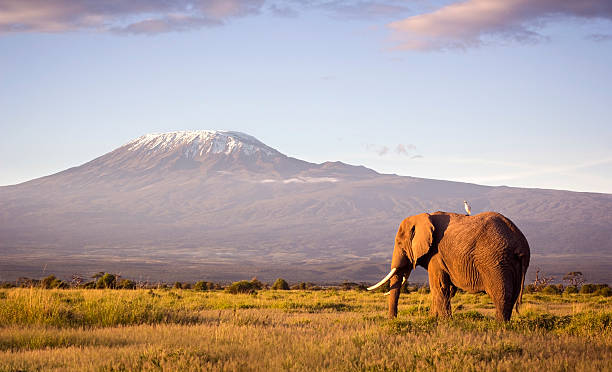
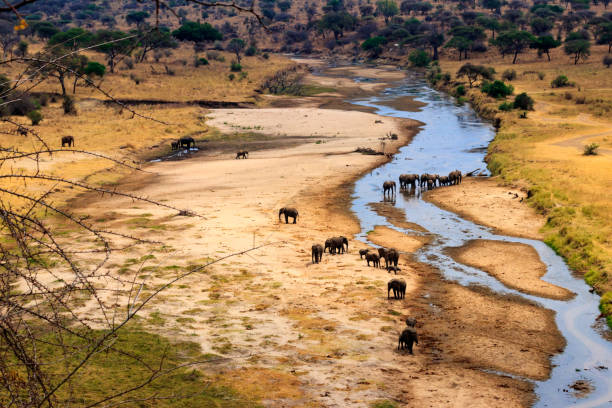
A majestic herd of African elephants traverses the plains of Amboseli National Park, Kenya, set against the iconic backdrop of Mount Kilimanjaro.
Area
Possible wetter-season effect
Practical response
Maasai Mara
Black-cotton tracks can become slippery, particularly in low-lying areas.
Use a capable 4x4, stay longer in one area and let the guide choose the safest route.
Serengeti
Rain is spatially uneven and can draw grazing animals towards fresh grass.
Choose the camp location by season and avoid assuming that one park sector represents the whole ecosystem.
Amboseli
Marshes remain productive while some seasonal tracks may become soft.
Build game drives around current access reports and allow for changing cloud around Kilimanjaro.
Samburu and Laikipia
Short, intense storms can create local flash floods in otherwise dry country.
Check river crossings, bridges and conservancy roads before each transfer.
Kenyan coast
Heavy showers, humidity and rougher sea conditions can interrupt outdoor plans.
Keep beach activities flexible and protect time around road, rail or flight connections.
Patterns vary from one weather system to another, so local reports should always take priority.
KE
Featured
Kenya
Amboseli National Park
Amboseli National Park is one of Kenya's most celebrated wildlife destinations, renowned for its impressive elephant populations and unrivaled views of Mount Kilimanjaro. Covering approximately 392 square kilometers in southern Kenya, the park offers exceptional game viewing, diverse ecosystems, and rich cultural experiences. Visitors can spot elephants, lions, cheetahs, buffaloes, giraffes, zebras, wildebeests, and over 400 bird species throughout the year. The park's swamps, grasslands, acacia woodlands, and seasonal lakes create ideal wildlife habitats and stunning photographic opportunities. Amboseli National Park delivers unforgettable safari adventures, breathtaking scenery, and authentic African wildlife experiences.
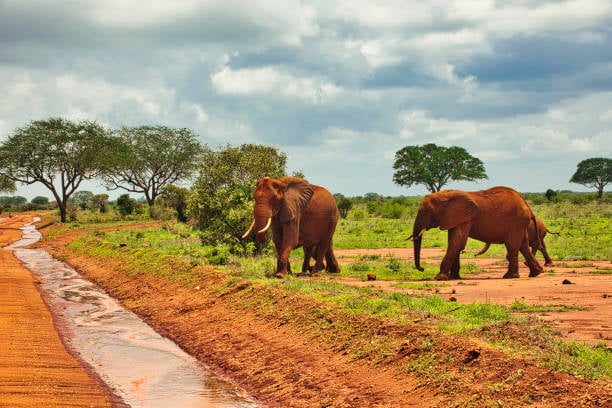
Discover Tsavo East National Park, one of Kenya's largest and oldest national parks, renowned for its vast open landscapes, iconic red elephants, and exceptional wildlife viewing. Located in southeastern Kenya, Tsavo East offers an authentic safari experience with endless savannah plains, dramatic river systems, and abundant wildlife including lions, leopards, buffaloes, giraffes, and zebras. From the famous Lugard Falls to the scenic Galana River, Tsavo East National Park promises unforgettable adventures, breathtaking scenery, and a true connection with Africa's wild beauty.
Discover Shimba Hills National Reserve, one of Kenya's most scenic coastal wildlife destinations, located just inland from Diani Beach and the Indian Ocean. Renowned for its lush forests, rolling hills, spectacular viewpoints, and rare sable antelopes, the reserve offers a unique safari experience unlike any other in Kenya. Visitors can enjoy wildlife viewing, nature walks, birdwatching, waterfall excursions, and breathtaking landscapes while exploring one of East Africa's largest coastal forests and a biodiversity hotspot rich in wildlife and natural beauty.
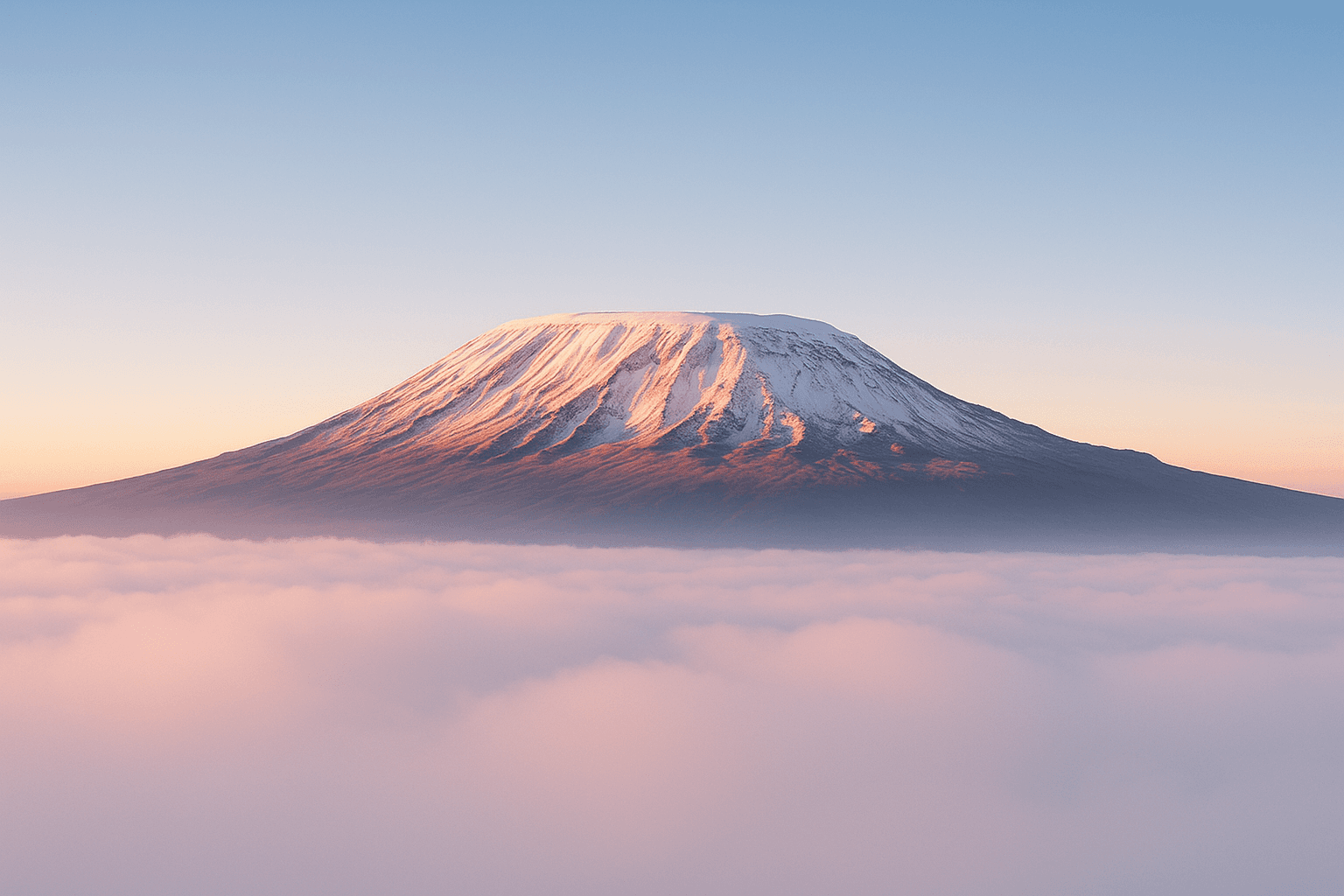
Elephants often continue feeding around the Enkongo Narok and Ol Tukai marsh systems. Storm cloud may hide Kilimanjaro for hours. Yet clear air after rain can reveal sharp mountain views at dawn.
The Amboseli safari guide covers the park's habitats, wildlife and seasonal character. It is useful when combining Amboseli with Nairobi or the Mara.
Samburu National Reserve is much drier, but intense rain can create rapid local flooding. Dry channels may carry water with little warning. The Ewaso Ng'iro River and smaller crossings need close monitoring.
Laikipia has varied elevation, soil and drainage. A conservancy road may remain open while a nearby public road becomes difficult. Current reports from rangers and camps matter more than regional rain symbols.
Lewa Conservancy can fit a well-paced northern route with Samburu or Nairobi. Travellers should allow time for changed road transfers if local rivers rise.
At the coast, showers may be brief but heavy. Humidity rises, and wind can affect boat trips or snorkelling. Road transfers also slow where urban drainage is poor.
A beach extension at Diani Beach remains practical after an El Niño Kenya safari. The plan should leave a sensible buffer between the airstrip, ferry routes and international flights.
How can rain affect roads, airstrips and domestic flights?
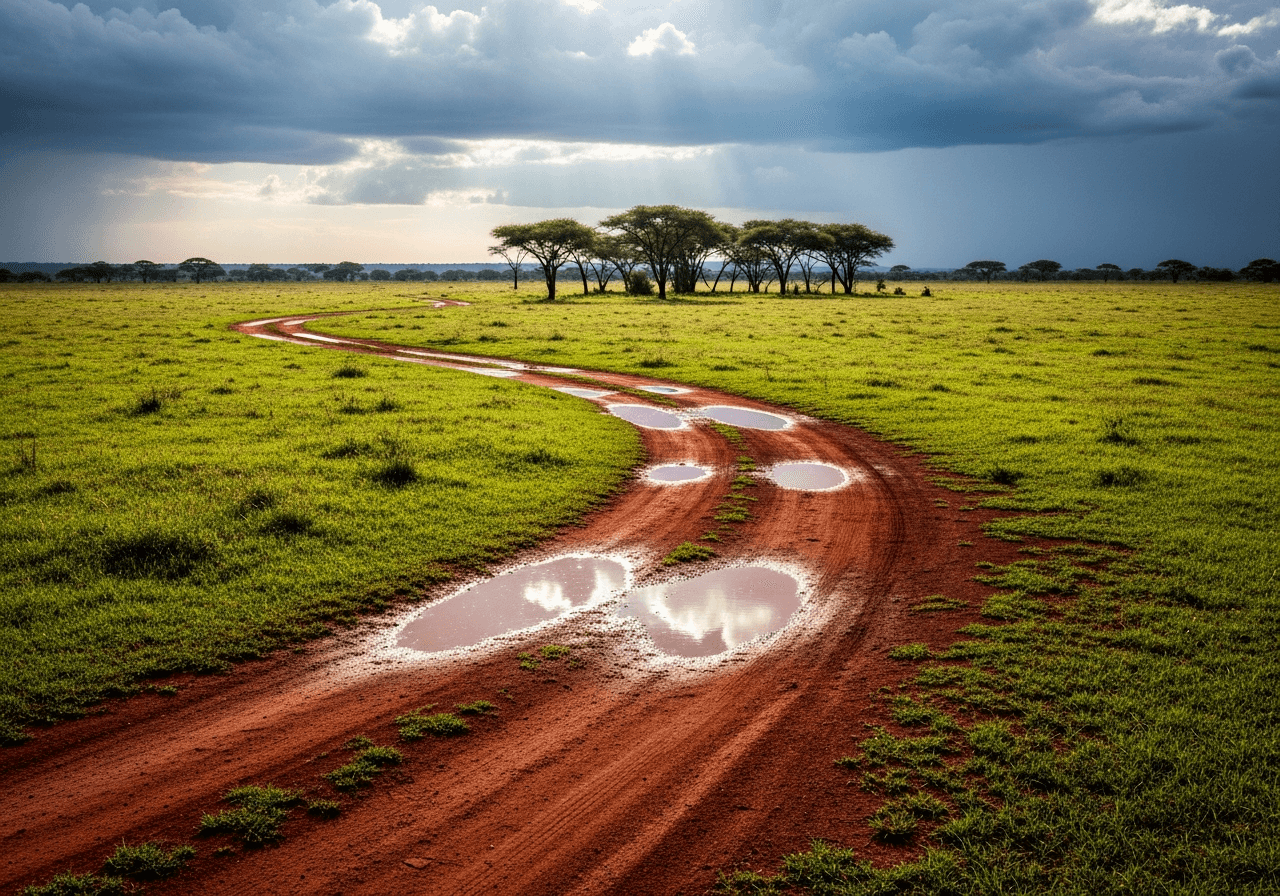
Unsealed roads respond differently to rain. Sandy soil drains quickly, while clay holds water. Poor drainage, heavy traffic and repeated braking can turn one soft section into a difficult obstacle.
A light safari aircraft is prepared for departure on a remote Masai Mara airstrip with luxury luggage and open plains beyond.
Shield
Capable safari vehicles
A well-maintained 4x4, sound tyres, working wipers and suitable recovery equipment are more important than rushing a difficult track.
MapPin
Alternative access
Experienced guides consider different gates, bridges and camp approaches when a normal route becomes unsuitable.
Clock
Flight buffers
A final night in Nairobi or Arusha protects the international connection if a bush flight is delayed.
Check
Daily confirmation
Departure times, airstrip status and road conditions should be reconfirmed close to each movement.
A capable 4x4 reduces risk but does not make every flooded track safe. Guides must judge water depth, current, soil and the chance of damaging the road. Waiting or turning back can be the correct decision.
Bush aircraft can operate in light rain. More serious safari flight delays usually involve low cloud, poor visibility, strong winds or a waterlogged airstrip. An airline may delay departure, change the landing order or use another airstrip.
Option
Main advantage
Weather limitation
Bush flight
Saves long hours on inter-park roads
Airstrip or visibility problems may delay departure
Private 4x4
Allows stops, route changes and direct guide support
Flooded bridges or soft roads can force a detour
Mixed itinerary
Balances time savings with road flexibility
Needs coordinated flight and vehicle backup
Wilson Airport handles many scheduled safari flights from Nairobi. Travellers should not pair a weather-sensitive bush arrival with a tight international departure from Jomo Kenyatta International Airport.
A final night in Nairobi or Arusha protects the homeward flight. It also absorbs road delays, aircraft changes or a late departure from camp.
“
“A guide's wet-season rule is simple: arrive later by a safe road rather than early through water that has not been checked.”
How does wildlife viewing change in wetter conditions?
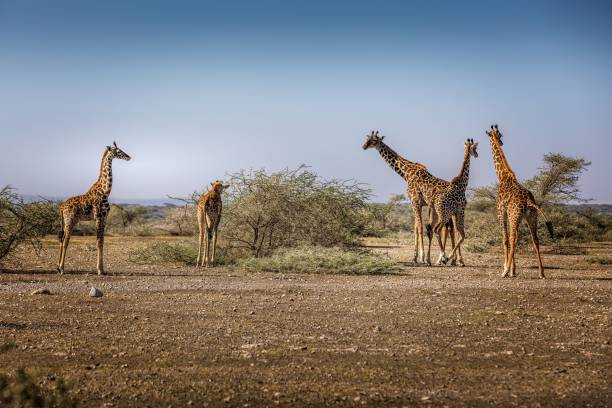
Wider access to grass and surface water can disperse wildlife. Large herds may no longer gather around permanent rivers or waterholes. Guides therefore search a broader range of plains, ridges and woodland edges.
A lioness yawns while five cubs lounge and explore on a dirt mound in lush green savanna.
Experienced guides read fresh tracks, alarm calls and circling vultures. They also exchange recent sightings with other professional drivers. This local network becomes especially useful during El Niño East Africa safaris.
Fresh vegetation supports young herbivores, but no itinerary should promise a birth. Some gazelles and antelope time births around useful grazing. Southern Serengeti wildebeest calving usually builds from late January into February.
Predators may use longer grass for cover. Lions often remain active after cool rain, while cheetahs favour open ground with good visibility. Leopards may rest in trees or dense riverine cover between hunting periods.
Migrant birds from Europe and Asia add colour from around October. Bee-eaters, rollers, storks and raptors join resident species. Rain can also trigger termite flights, frog calls and bursts of insect activity.
Photography often improves after a shower. Clean air gives stronger colour, while pools create reflections. Rain shafts and dark cloud add scale to wide landscapes.
Keep a lens cloth in a dry pocket.
Use a fast shutter speed for moving wildlife in low light.
Protect the camera during heavy rain, but keep it ready.
Reduce exposure slightly when bright animals sit against dark cloud.
Ask the guide to position the vehicle away from wind-driven rain.
Why choose an East Africa green season safari?
A green season safari shows the plains at their most productive. New grass can appear within days of useful rain. Dust settles, seasonal pools fill and acacia leaves regain colour.
Green-season safari: rewards and compromises
Pros
Fresh green landscapes and striking storm light
Potentially fewer vehicles in some reserves and conservancies
Young herbivores, migrant birds and lively predator-prey interactions
Clearer air and strong colour for landscape photography
Cons
Some unsealed tracks can become slow or temporarily impassable
Wildlife may disperse when food and water are widely available
Bush flights and road transfers may require extra time
Humidity, insects and brief heavy showers require practical packing
Visitor numbers often fall outside the peak migration months. That can mean fewer vehicles at sightings, though popular cats may still attract several cars. Some camps also offer lower seasonal rates or longer-stay offers.
Birding is a major benefit. Palearctic migrants join resident birds, and breeding plumage becomes more noticeable. Landscape photographers gain textured skies and clean light after showers.
There are trade-offs. Roads can become muddy, insects increase and plans may change. Guests who accept that rhythm often gain quieter sightings and a broader view of the ecosystem.
Best for: Patient travellers, birders, photographers and guests who prefer fewer vehicles.
Less suitable for: Travellers with rigid transfers or no tolerance for itinerary changes.
Important expectation: Green does not mean rain all day, and low season does not mean empty parks.
Which camps and itinerary styles work best in wetter conditions?
Camp access matters more than the number of chandeliers in the lounge. Good drainage, reliable communications and an experienced resident team provide more value during unsettled weather.
Day 1Nairobi
Arrive and rest in Nairobi
Avoid connecting directly from a long-haul arrival to a distant safari camp, especially when weather could affect schedules.
Days 2–3Amboseli ecosystem
Stay two nights in Amboseli
Use one base and let the guide adjust game-drive timing around showers, track reports and Kilimanjaro visibility.
Day 4Lake Naivasha
Break the journey at Lake Naivasha
A measured transfer avoids an unnecessarily long single-day drive and creates room for local adjustments.
Days 5–7Maasai Mara ecosystem
Spend three nights in the Maasai Mara
Several game-drive windows give the guide time to respond to weather, wildlife movement and changing access.
Day 8Nairobi
Return to Nairobi
Travel back one day before the international departure rather than relying on a tight same-day connection.
Day 9Nairobi
Take the international flight
The protected final night reduces the risk that a delayed road transfer or bush flight disrupts the journey home.
Location also changes risk. A ridge-based property such as Mara Serena Safari Lodge faces different access questions from a mobile camp on low plains. Angama Mara's escarpment setting is different again.
In Tanzania, a central base such as Four Seasons Safari Lodge Serengeti may reduce daily moves. A seasonal mobile camp can offer closer access to shifting herds, but its roads and airstrip need current checks.
No camp is weatherproof. El Niño East Africa safaris work best when each property has dependable vehicle access, clear emergency procedures and alternative transfer arrangements.
Style
Useful features
Points to check
Private road safari
Guide stays with the guests and can adjust routes daily
Road distances, bridge conditions and recovery equipment
Fly-in safari
Reduces long drives between distant parks
Airstrip drainage, baggage limits and flight buffers
Two or three longer bases
Fewer transfers and more time to follow local sightings
Range of habitats available from each camp
Fast multi-park circuit
Covers more destinations on paper
Greater exposure to delayed flights and difficult roads
A private vehicle gives the guide freedom to leave later, wait for a storm to pass or change the drive area. Longer stays also allow a quiet morning without sacrificing the only game drive at a destination.
What should travellers pack for wetter safari weather?
Wet season safari packing should focus on light protection rather than bulky rain gear. Temperatures can still be warm, and heavy waterproof clothing quickly becomes uncomfortable inside a vehicle.
A refined safari planning scene pairs a Kenya itinerary with premium travel tools and soft lodge light.
Breathable waterproof shell: Choose a light jacket with a hood and sealed seams.
Quick-drying layers: Pack shirts and trousers that dry overnight.
Closed shoes: Use footwear with useful grip for muddy paths and airstrips.
Light fleece: Mara, Ngorongoro and highland mornings can feel cold after rain.
Dry bags: Keep passports, medicine and electronics protected during transfers.
Camera protection: Carry a rain cover, lens cloths and spare silica-gel sachets.
Insect repellent: Use an effective product and follow current health advice.
Sun protection: Cloud does not remove ultraviolet exposure.
Compact umbrella: Useful around camp, but awkward during wildlife viewing.
Fly-in travellers should confirm soft-bag dimensions and baggage limits with the operating airline. Limits often include hand luggage and camera equipment. Small aircraft may also restrict hard cases and wheeled bags.
The full safari packing checklist covers clothing, documents, health items and camera equipment beyond these wet-weather essentials.
Why do flexible itineraries and local operators matter?
One-night stops create pressure during wet weather. A delayed transfer can remove most of the next destination's viewing time. Three nights in one area provide space to adjust without losing the safari's main purpose.
Ultra Luxury
TZ+1
Safari
Tanzania · Masai Mara National Reserve
10Days
10 Days Two Nations Safari Kenya&Tanzania Flying (Ultra-Luxury)
Masai Mara National ReserveSerengeti National ParkNgorongoro Crater+1
Experience a well-planned 10-day Kenya and Tanzania safari with Imara Africa Safaris, covering Lake Nakuru, Masai Mara, Serengeti, Ngorongoro Crater, Tarangire, and Amboseli. This two-nation safari combines big cats, rhinos, elephants, scenic landscapes, cultural experiences, and some of East Africa’s most iconic wildlife destinations.
10 Days Two Nations Safari Kenya&Tanzania (luxury)
Masai Mara National ReserveSerengeti National ParkNgorongoro Crater+1
Experience a well-planned 10-day Kenya and Tanzania safari with Imara Africa Safaris, covering Lake Nakuru, Masai Mara, Serengeti, Ngorongoro Crater, Tarangire, and Amboseli. This two-nation safari combines big cats, rhinos, elephants, scenic landscapes, cultural experiences, and some of East Africa’s most iconic wildlife destinations.
Masai Mara National ReserveSerengeti National ParkNgorongoro Crater+1
Experience a well-planned 10-day Kenya and Tanzania safari with Imara Africa Safaris, covering Lake Nakuru, Masai Mara, Serengeti, Ngorongoro Crater, Tarangire, and Amboseli. This two-nation safari combines big cats, rhinos, elephants, scenic landscapes, cultural experiences, and some of East Africa’s most iconic wildlife destinations.
Local operators receive current information from guides, camps, park teams and domestic airlines. This can cover a damaged bridge, a temporary gate closure or an airstrip inspection that has not reached public weather apps.
Guests should agree acceptable alternatives before departure. These might include another park gate, a different airstrip, an extra road transfer or a replacement overnight stop.
Comprehensive safari travel insurance should cover medical care, interruption, missed connections and weather disruption. Travellers must read exclusions and claim requirements before paying deposits.
Supplier terms matter as well. Rain alone may not qualify for a refund if a camp remains open and services continue. Written cancellation and amendment rules prevent confusion during El Niño East Africa safaris.
How Imara prepares El Niño East Africa safaris
Imara's vehicle checks cover tyres, brakes, wipers, lights and fluid levels before departure. Guides also inspect recovery equipment, first-aid supplies and communication tools.
Appropriate equipment may include tow straps, a shovel, traction aids, a working jack and a tyre compressor. The exact kit depends on the vehicle and route. It never replaces cautious driving.
Before each transfer, guides review recent track conditions with camps, park teams and other professional drivers. They check river crossings, bridges, gates and likely drainage points.
Backup planning may involve another reserve gate, an alternative road or a different airstrip. An unscheduled overnight stop can also be considered if continuing would create unnecessary risk.
Guests receive clear daily briefings. A guide explains what has changed, what remains possible and why a route has been adjusted. Decisions follow real local conditions rather than pressure to preserve an outdated timetable.
A practical wet-season booking checklist
Planning an October-to-January safari?
Imara Africa Safaris can design a flexible private Kenya or Tanzania itinerary with carefully selected camps, experienced guides and reliable backup arrangements.
Choose two or three well-connected bases. Avoid adding parks only to create a longer destination list.
2
Stay for at least two or three nights. This gives guides time to adjust drives around showers.
3
Use a private vehicle where possible. Shared schedules allow less freedom to change routes or departure times.
4
Protect the international flight. Spend the final night in Nairobi or Arusha.
5
Check camp access. Ask about drainage, airstrip alternatives and recent road history.
6
Confirm baggage rules. Bush airlines may apply strict soft-bag and total-weight limits.
7
Read insurance and supplier terms. Check weather disruption, missed connections and cancellation cover.
8
Save emergency contacts. Keep the operator, insurer and airline details offline.
9
Agree backup options. Record acceptable route, camp and transport changes before travel.
First-time guests can use the first safari planning guide to compare travel pace, park combinations and accommodation styles.
Planning a Kenya or Tanzania safari between October 2026 and January 2027? Imara Africa Safaris can design a flexible private itinerary with carefully selected camps, experienced guides and reliable backup arrangements.
No. El Niño changes rainfall probabilities but does not predict each safari day; a flexible route, suitable camps and sensible transfer buffers can preserve excellent viewing.
No. Showers are often intermittent and highly local, with bright or dry periods between weather systems. Longer wet spells can occur but are not automatic.
Yes. Wildlife may spread out as water and grazing increase, so guides adjust search areas using tracks, calls and recent sightings.
Light rain does not always stop a flight. Low visibility, strong winds or a waterlogged airstrip can cause delays, diversions or occasional cancellations.
Neither option is universally better. Flights save time, while a private 4x4 offers more route flexibility; a mixed itinerary often provides the best balance.
Yes. Coastal showers and humidity are possible, so travellers should allow transfer buffers and check sea conditions before boat or snorkelling trips.
1
Review the route
The team checks recent information on roads, bridges, gates, airstrips and camp access before major transfers.
2
Inspect the vehicle
Tyres, brakes, wipers, lights, communications, recovery equipment and the serviceable spare tyre are checked before departure.
3
Reconfirm with local partners
Guides communicate with camps, park teams, other drivers and airlines to understand current conditions.
4
Prepare realistic alternatives
Possible backup roads, gates, activities, airstrips or overnight stops are considered before they are needed.
5
Brief travellers clearly
Guests receive calm explanations of any change, including why it is safer and how the revised plan protects the safari experience.
At a glance
Forecast sources worth checking
Regional outlook
ICPAC and the Greater Horn of Africa Climate Outlook Forum
Kenya outlook
Kenya Meteorological Department seasonal and monthly advisories
Tanzania outlook
Tanzania Meteorological Authority seasonal and monthly advisories
Local conditions
Current reports from guides, camps, park teams and domestic airlines
El Niño outlook versus safari weather forecast
Each product answers a different travel-planning question.
ENSO outlook
Climate signal
Typical timescale
Several months
What it indicates
Probability of El Niño, neutral or La Niña conditions
What it cannot predict
Rainfall at a specific lodge
Best safari use
Early risk awareness
Seasonal rainfall outlook
Regional planning
Typical timescale
About three months
What it indicates
Chance of below-, near- or above-normal seasonal rain
What it cannot predict
Weather on a particular game drive
Best safari use
Circuit and itinerary design
Short-range forecast
Daily operations
Typical timescale
Hours to roughly 10 days
What it indicates
Likely timing of rain, storms, wind and visibility
What it cannot predict
Conditions months ahead
Best safari use
Road, flight and activity decisions
Compare
Climate signal
ENSO outlook
Regional planning
Seasonal rainfall outlook
Daily operations
Short-range forecast
Typical timescale
Several months
About three months
Hours to roughly 10 days
What it indicates
Probability of El Niño, neutral or La Niña conditions
Chance of below-, near- or above-normal seasonal rain
Likely timing of rain, storms, wind and visibility
What it cannot predict
Rainfall at a specific lodge
Weather on a particular game drive
Conditions months ahead
Best safari use
Early risk awareness
Circuit and itinerary design
Road, flight and activity decisions
Travellers should use these products together rather than treating an El Niño headline as a daily weather forecast.
126views
Share
About the author
Lewis Munuhe
Founder & Director
<p>Lewis Munuhe is the Director and Owner of Imara Africa Safaris, a trusted safari company dedicated to creating tailor-made African safari experiences across Kenya, Tanzania, Uganda, and Rwanda. With a strong passion for African travel, wildlife, culture, and conservation, Lewis leads the company’s vision of delivering personalized, seamless, and unforgettable safari journeys for travelers from around the world.</p><p>Through Imara Africa Safaris, Lewis helps guests discover East Africa’s most iconic destinations, from the Masai Mara and Serengeti to Uganda and Rwanda’s gorilla trekking regions. His approach focuses on understanding each traveler’s interests, comfort level, budget, and expectations, then transforming those details into carefully curated safari itineraries that feel personal, meaningful, and well-planned.</p><p>As Director and Owner, Lewis is committed to maintaining high standards in safari planning, guest care, destination expertise, and responsible tourism. Whether arranging a luxury wildlife safari, honeymoon escape, family adventure, cultural journey, gorilla trekking safari, or multi-country East African itinerary, he ensures every experience reflects the quality, authenticity, and attention to detail that define Imara Africa Safaris.</p><p>Under his leadership, Imara Africa Safaris continues to help travelers experience the beauty of Africa through expertly planned safaris that celebrate wildlife, landscapes, local cultures, conservation, and unforgettable adventure.</p>
<p>Lewis Munuhe is the Director and Owner of Imara Africa Safaris, a trusted safari company dedicated to creating tailor-made African safari experiences across Kenya, Tanzania, Uganda, and Rwanda. With a strong passion for African travel, wildlife, culture, and conservation, Lewis leads the company’s vision of delivering personalized, seamless, and unforgettable safari journeys for travelers from around the world.</p><p>Through Imara Africa Safaris, Lewis helps guests discover East Africa’s most iconic destinations, from the Masai Mara and Serengeti to Uganda and Rwanda’s gorilla trekking regions. His approach focuses on understanding each traveler’s interests, comfort level, budget, and expectations, then transforming those details into carefully curated safari itineraries that feel personal, meaningful, and well-planned.</p><p>As Director and Owner, Lewis is committed to maintaining high standards in safari planning, guest care, destination expertise, and responsible tourism. Whether arranging a luxury wildlife safari, honeymoon escape, family adventure, cultural journey, gorilla trekking safari, or multi-country East African itinerary, he ensures every experience reflects the quality, authenticity, and attention to detail that define Imara Africa Safaris.</p><p>Under his leadership, Imara Africa Safaris continues to help travelers experience the beauty of Africa through expertly planned safaris that celebrate wildlife, landscapes, local cultures, conservation, and unforgettable adventure.</p>
<p>Lewis Munuhe is the Director and Owner of Imara Africa Safaris, a trusted safari company dedicated to creating tailor-made African safari experiences across Kenya, Tanzania, Uganda, and Rwanda. With a strong passion for African travel, wildlife, culture, and conservation, Lewis leads the company’s vision of delivering personalized, seamless, and unforgettable safari journeys for travelers from around the world.</p><p>Through Imara Africa Safaris, Lewis helps guests discover East Africa’s most iconic destinations, from the Masai Mara and Serengeti to Uganda and Rwanda’s gorilla trekking regions. His approach focuses on understanding each traveler’s interests, comfort level, budget, and expectations, then transforming those details into carefully curated safari itineraries that feel personal, meaningful, and well-planned.</p><p>As Director and Owner, Lewis is committed to maintaining high standards in safari planning, guest care, destination expertise, and responsible tourism. Whether arranging a luxury wildlife safari, honeymoon escape, family adventure, cultural journey, gorilla trekking safari, or multi-country East African itinerary, he ensures every experience reflects the quality, authenticity, and attention to detail that define Imara Africa Safaris.</p><p>Under his leadership, Imara Africa Safaris continues to help travelers experience the beauty of Africa through expertly planned safaris that celebrate wildlife, landscapes, local cultures, conservation, and unforgettable adventure.</p>








Comments
Loading…