
Africa Safaris: Everything to Know Before You Go
Africa Safaris are easier with the right plan. Compare East Africa’s best destinations, seasons, costs, wildlife, lodges and first-timer tips.
34 min read63viewsUpdated Oct 5, 2026
“Imara” means strong in Swahili. We build every safari with that same strength — expert knowledge, honest pricing, and relentless attention to detail.
Tell us what you're looking for and we'll build a custom itinerary — free, no obligation, within 24 hours.
Start PlanningNo spam, ever. Unsubscribe anytime.
Protected by Cloudflare Turnstile & Google reCAPTCHA. Privacy & Terms apply.
Safari deals, travel tips & destination guides — straight to your inbox.
No spam, ever. Unsubscribe anytime.
Protected by Cloudflare Turnstile & Google reCAPTCHA. Privacy & Terms apply.
Africa Safaris are easier with the right plan. Compare East Africa’s best destinations, seasons, costs, wildlife, lodges and first-timer tips.
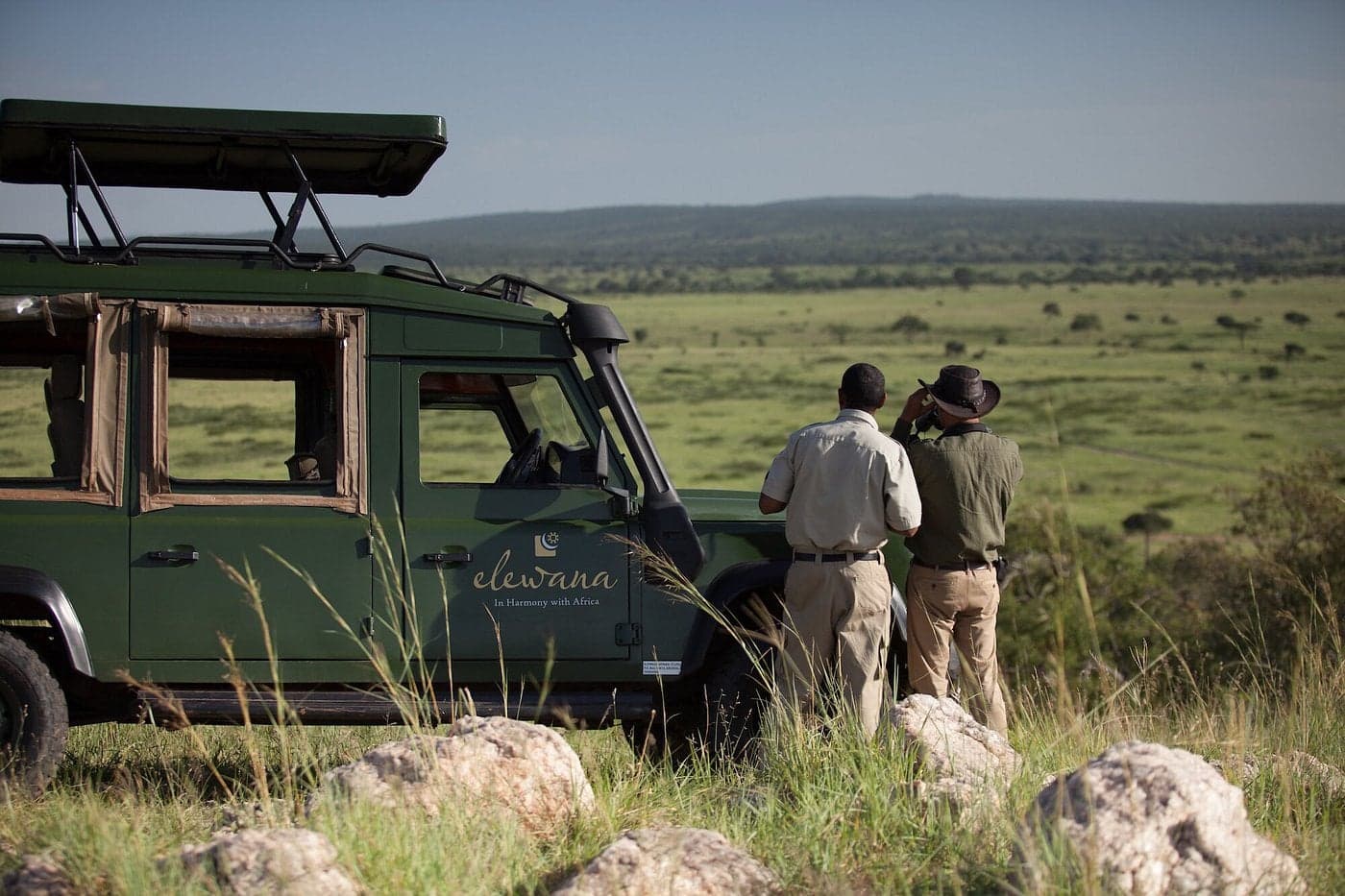
The best africa safaris match each traveller’s time, budget and wildlife priorities to the right region. Kenya and Tanzania suit classic big-cat and Great Migration safaris, Uganda and Rwanda excel for Mountain Gorilla trekking, and most first-timers need 6–10 days, clear packing, realistic costs and a trusted local operator.
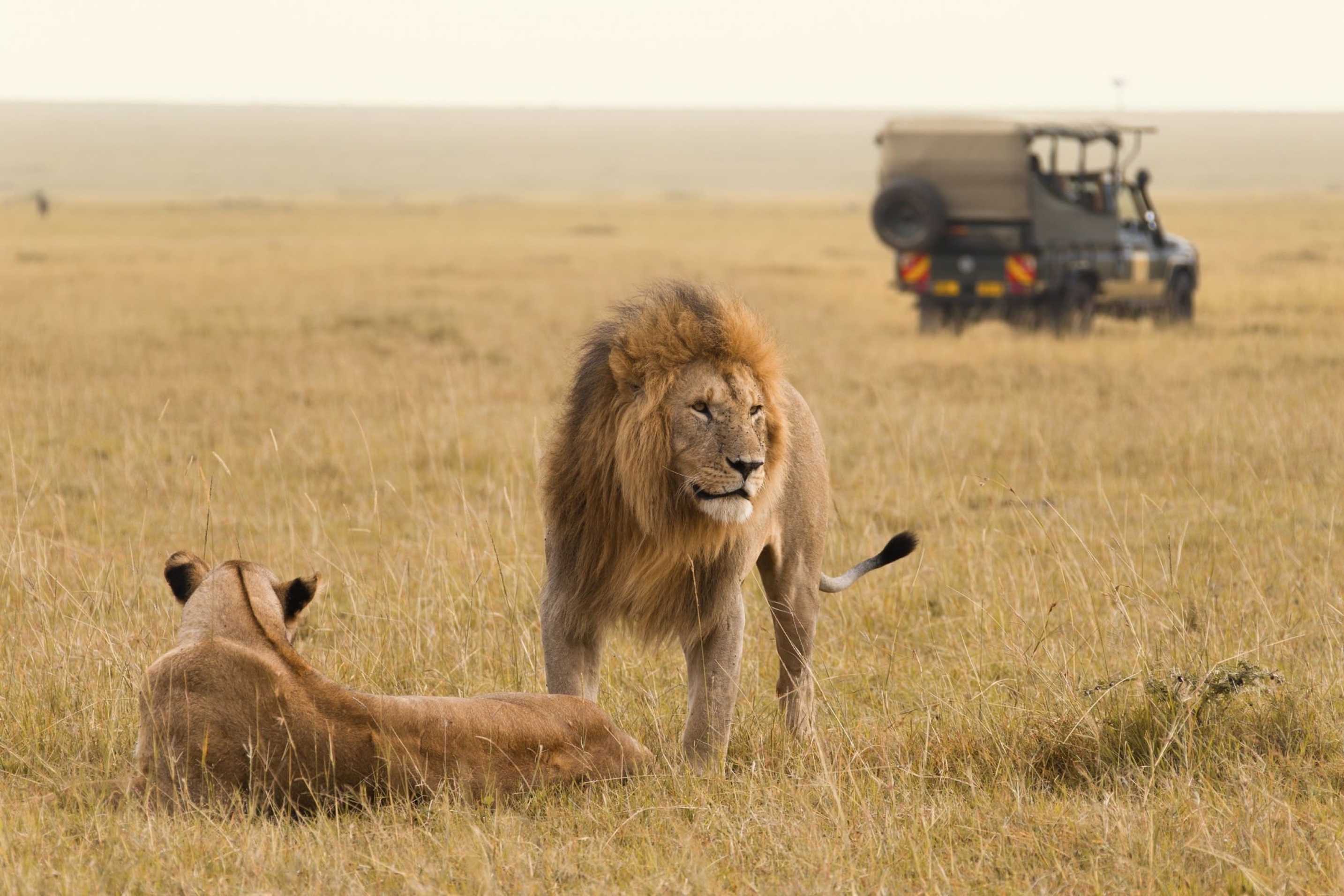
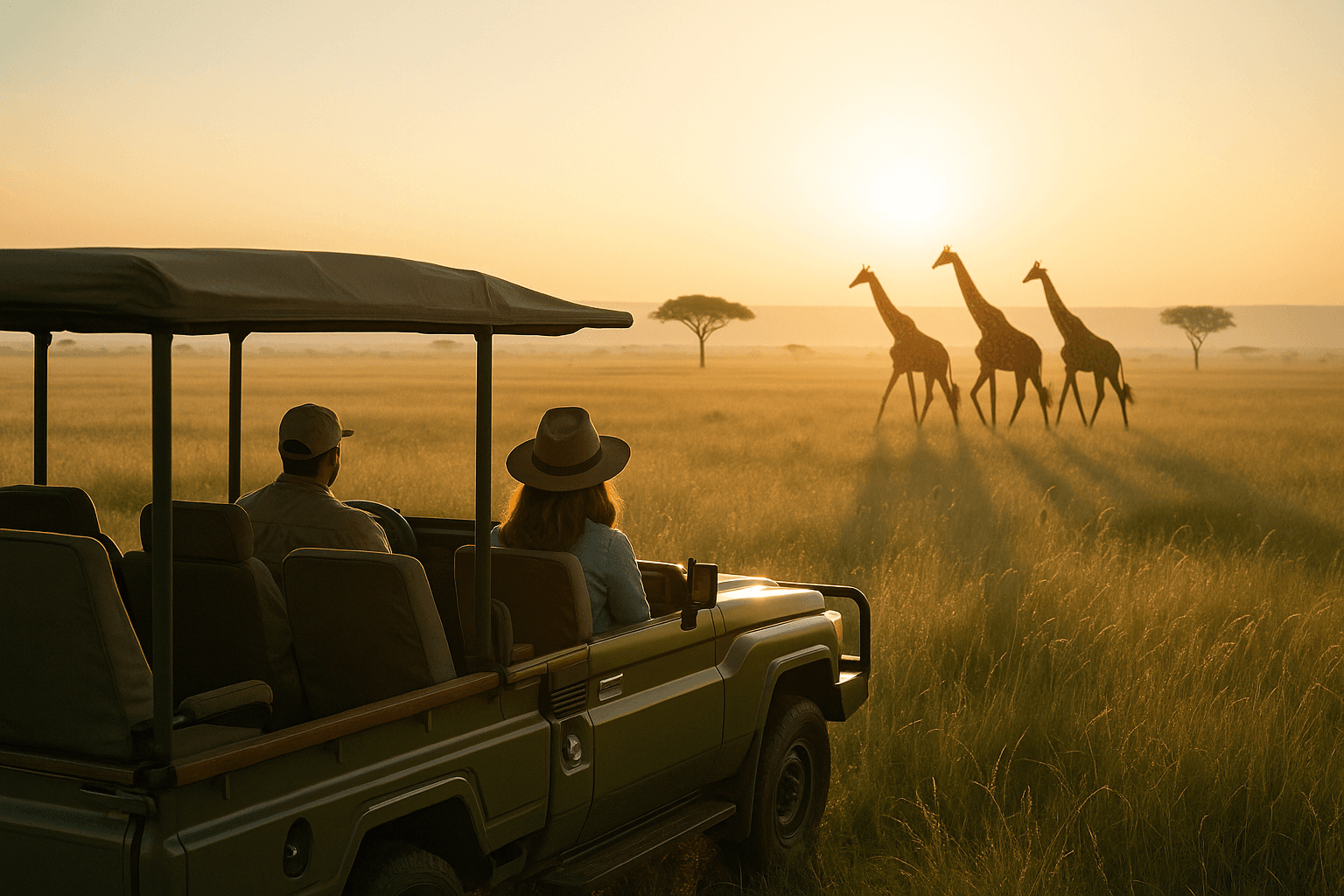
At 6.20am in Masai Mara National Reserve, a guide may stop for one fresh lion track in red dust. That pause explains the heart of an Africa safari. It is a guided wildlife journey through national parks, reserves, private conservancies and community-owned wilderness areas.
Most travellers picture game drives, but africa safaris cover several styles of travel. A good route may use open plains, forest trails, lake shores, river channels and coastal downtime.
A tailor-made safari means the route, lodge style, guide set-up, transfer type and pace match the traveller. Imara Africa Safaris may adjust one trip for a photographer who wants private dawn drives. The next may suit a family that needs shorter transfer days and a pool at camp.
Travellers comparing real trip lengths and routes can start with sample safari itineraries. The right plan should explain where the time goes, not just list park names.
Serengeti National Park covers 14,763 sq km, while Masai Mara National Reserve covers about 1,510 sq km. That scale matters. Tanzania often feels vast and open, while Kenya can offer tighter, efficient circuits from Nairobi.
A practical first-timer comparison across Imara Africa Safaris’ core destinations.
 KE
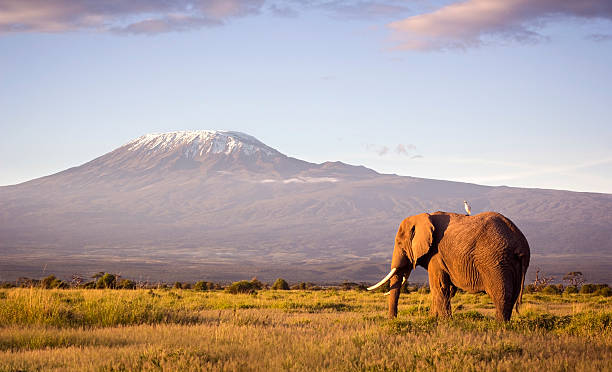
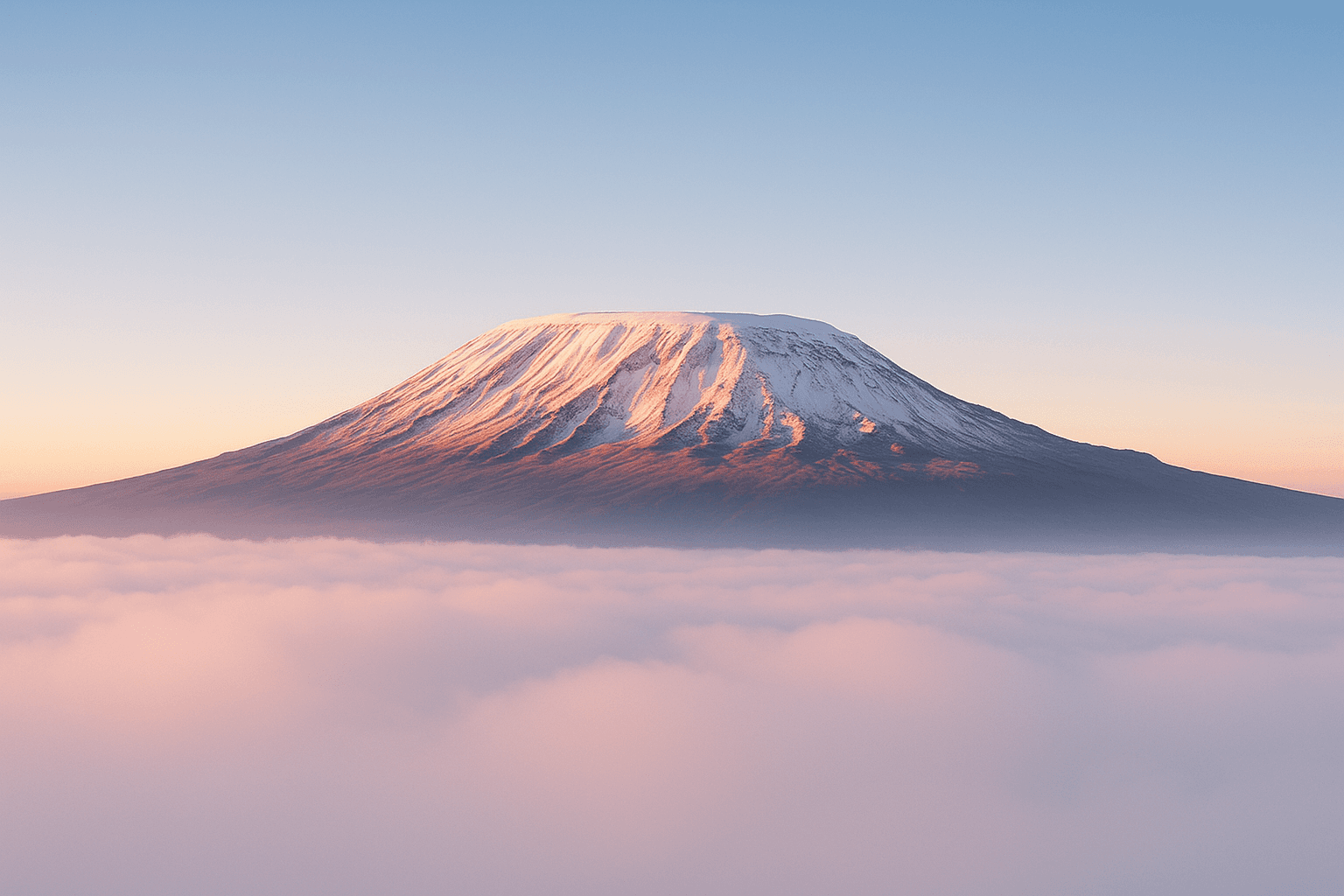
KEAmboseli National Park is one of Kenya's most celebrated wildlife destinations, renowned for its impressive elephant populations and unrivaled views of Mount Kilimanjaro. Covering approximately 392 square kilometers in southern Kenya, the park offers exceptional game viewing, diverse ecosystems, and rich cultural experiences. Visitors can spot elephants, lions, cheetahs, buffaloes, giraffes, zebras, wildebeests, and over 400 bird species throughout the year. The park's swamps, grasslands, acacia woodlands, and seasonal lakes create ideal wildlife habitats and stunning photographic opportunities. Amboseli National Park delivers unforgettable safari adventures, breathtaking scenery, and authentic African wildlife experiences.

 TZ
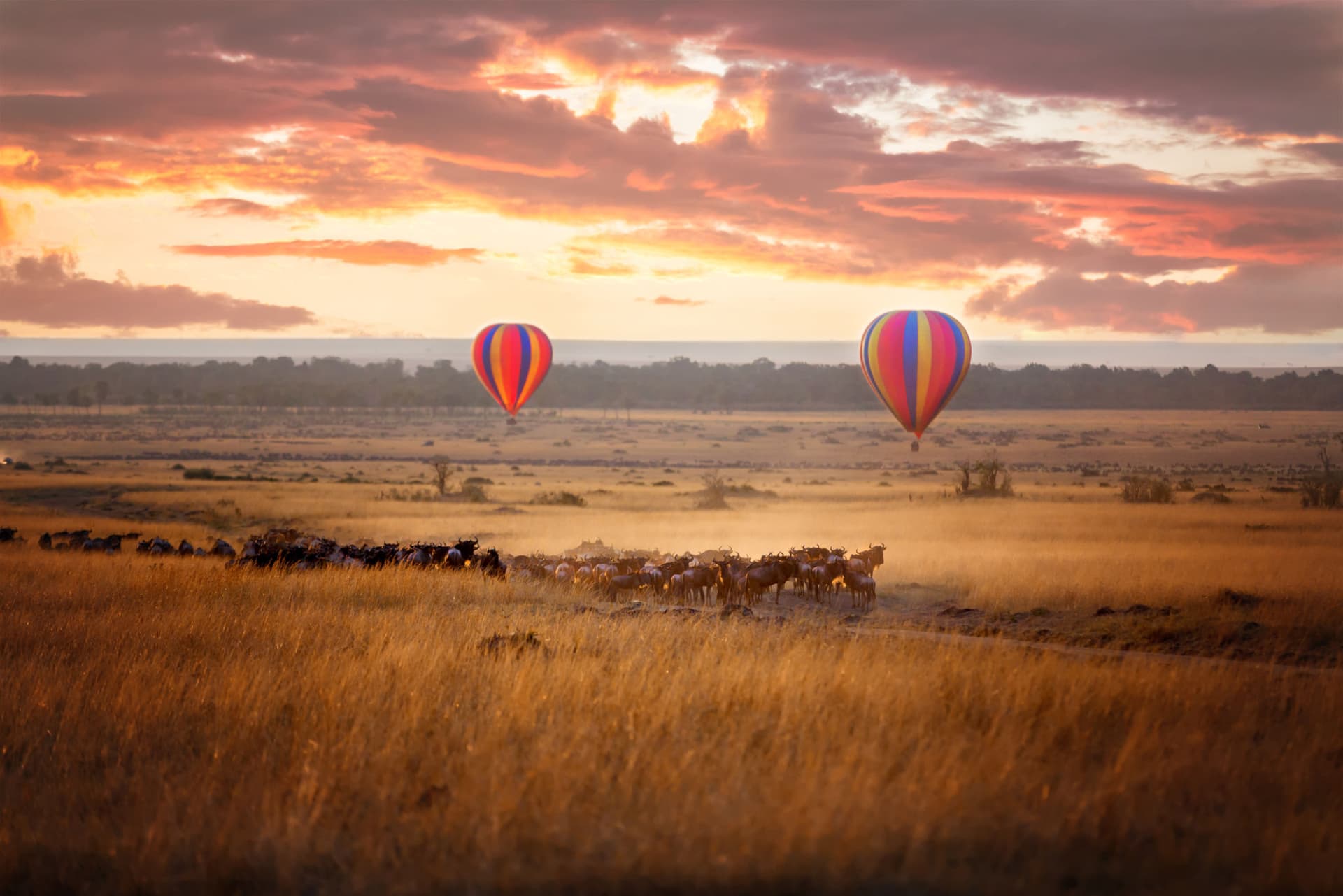
TZDiscover the magic of Serengeti National Park, one of Africa’s most celebrated wildlife destinations and home to the spectacular Great Wildebeest Migration. Stretching across the heart of northern Tanzania, the Serengeti offers exceptional game viewing, breathtaking savannah landscapes, and unforgettable encounters with the Big Five. From luxury safari lodges and hot air balloon adventures to year-round wildlife experiences, the park provides the perfect setting for nature lovers, photographers, and safari enthusiasts seeking an authentic and unforgettable African wilderness adventure.
 TZ
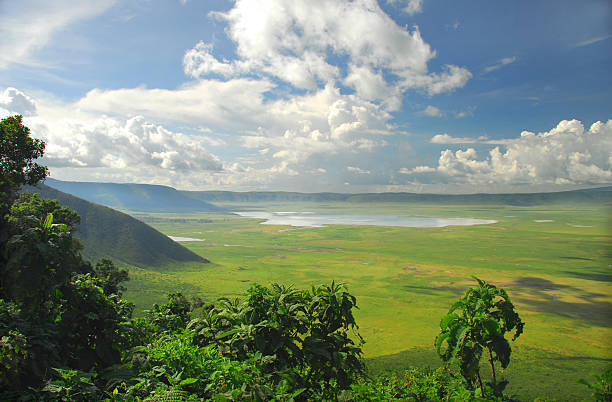
TZExplore the breathtaking Ngorongoro Crater, one of Africa's most extraordinary safari destinations and the world's largest intact volcanic caldera. Located in northern Tanzania, this UNESCO World Heritage Site offers incredible wildlife encounters, spectacular landscapes, and one of the highest concentrations of animals in Africa. Visitors can witness the Big Five, endangered black rhinos, large lion prides, elephants, and thousands of other animals within a stunning natural amphitheater, creating an unforgettable safari experience unlike anywhere else on Earth.
The best Africa safari destinations depend on the main wildlife goal. Big cats, elephants, rhinos, gorillas and migration herds all need different routes. A quick look at the main safari countries helps narrow the choice.
Kenya suits travellers who want high wildlife density without complex logistics. The Masai Mara is the classic draw, but Amboseli gives clear Kilimanjaro views with elephant herds. Lake Nakuru and Ol Pejeta add strong rhino options.
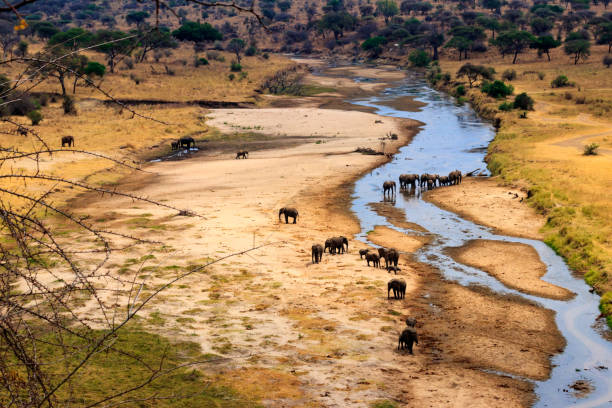
Tanzania suits travellers who want space, scale and the Serengeti. Ngorongoro Crater adds a dramatic one-day wildlife bowl, while Tarangire is superb for elephants in the dry season. Arusha also links smoothly to Zanzibar.
Uganda and Rwanda suit primate-focused travellers. Bwindi Impenetrable Forest and Volcanoes National Park are the headline gorilla areas. Chimpanzee tracking adds another layer in Uganda, especially around Kibale.
For deeper reading, the Masai Mara guide helps compare Kenya’s key reserve areas. The Serengeti guide is useful for migration timing, regions and camp choices.
June to October brings dry-season visibility across much of Kenya and Tanzania. Grass sits lower, water sources shrink, and animals visit rivers, marshes and permanent springs. It is also peak demand, so the best camps sell early.
The best time for Africa safari travel is not one single month. It depends on the route. The Masai Mara feels different in August from Amboseli in January, and gorilla trails feel different after rain.
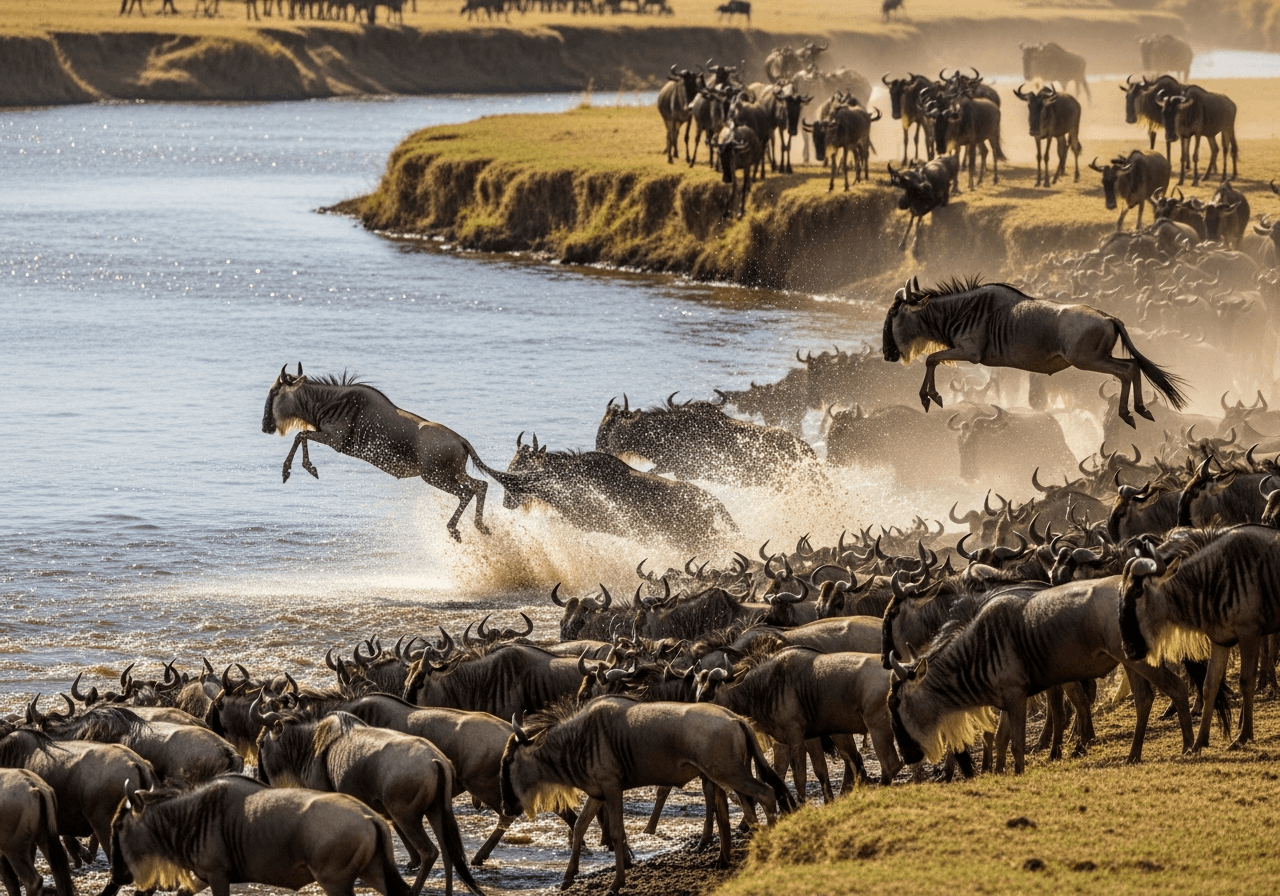
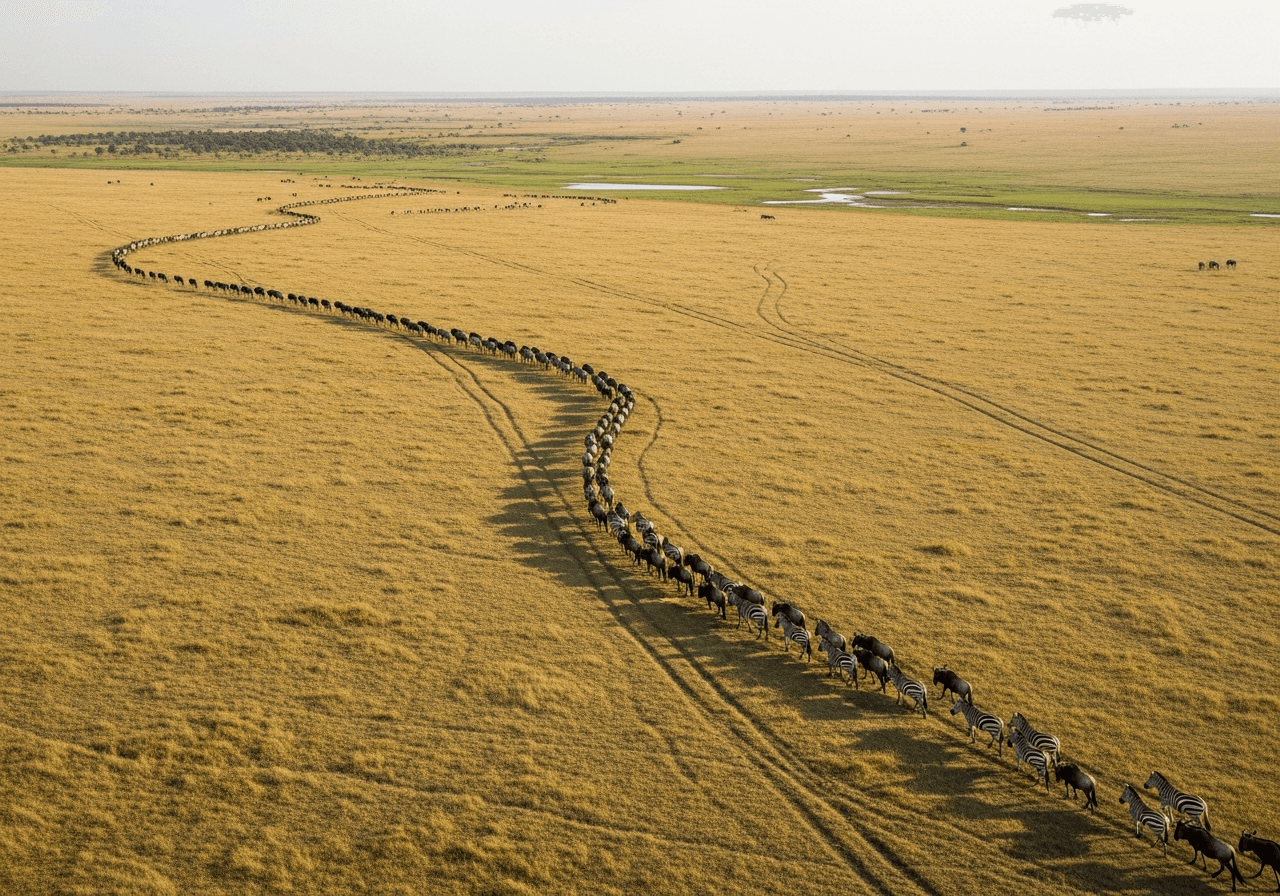
The Great Migration is a year-round movement, not one fixed event. River crossings in the Serengeti and Masai Mara usually draw the most attention from July to October. Calving in the southern Serengeti is strongest from January to March.
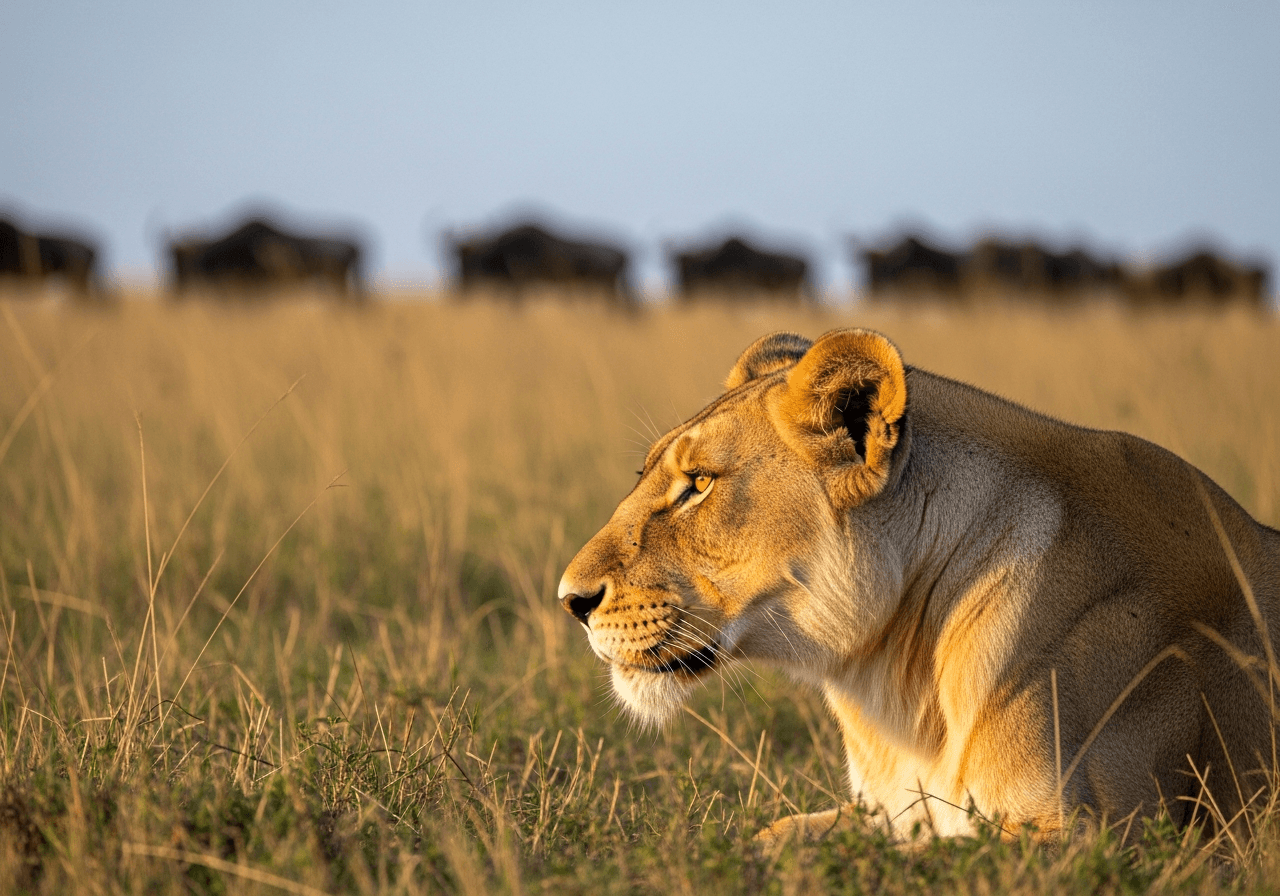
The Serengeti–Mara migration involves about 1.2 million wildebeest, plus hundreds of thousands of zebra and gazelles. Predators follow the herds, but sightings still depend on weather, grass, river levels and patience.
Gorilla trekking operates in every month. Drier trails from June to September and December to February are more comfortable for most guests. Wet months can still offer good treks, but paths may be slick and steep.
A six-night private Kenya circuit often costs more than many first-timers expect, because park fees, fuel, guide time and remote lodge logistics are built in. Africa safari cost depends less on distance and more on season, lodge level and access.
Mid-range private safari
Luxury safari
Ultra-luxury or fly-in
Private mid-range East African safaris often start around US$350–US$600 per person per day; luxury safaris commonly start around US$700–US$1,200+. Ultra-luxury camps, private charter flights and exclusive-use villas can rise well above that.
Most private africa safaris include accommodation, meals, park fees, a driver-guide, a safari vehicle, drinking water and planned internal transfers. Some luxury camps also include laundry, local drinks and scheduled activities.
International flights are usually separate. Tips, visas, premium drinks, travel insurance and some city meals may also sit outside the package. A clear quote should state each inclusion before deposit.
Primate permits can change the final cost fast. Rwanda’s gorilla trekking permit is US$1,500 per person, while Uganda’s foreign non-resident gorilla permit is US$800 per person. Chimpanzee permits add further costs.
Two six-day safaris can be priced very differently. One may use a road circuit and solid mid-range lodges. Another may use fly-in transfers, private conservancy fees, high-season dates and camps with only a few tents.
Three nights in the Masai Mara can work if time is tight. It gives two full days for dawn and afternoon drives. That is enough for a focused wildlife break, but it is not enough for a wider East Africa safari.
Land in Nairobi, meet the local team, rest after the international flight and confirm the next morning’s departure.
Travel to Amboseli, settle into camp and take an afternoon game drive with Kilimanjaro views if the sky is clear.
Use dawn and late afternoon for elephant herds, lions, hyenas, wetland birds and wide open plains.
Continue to Lake Naivasha for boat trips, hippos, birdlife and a softer break between bigger game-drive days.
Explore Lake Nakuru National Park for rhino, buffalo, Rothschild’s giraffe and seasonal flamingo activity.
Drive or fly to the Masai Mara and spend the afternoon looking for big cats on the open grasslands.
A full Mara day gives guides time to follow lion prides, cheetah movements, river crossings in season and quieter corners.
Fly or drive back to Nairobi, or continue to Tanzania, Uganda, Rwanda, Zanzibar or the Kenya coast.
 KE
KEKenya · Masai Mara National Reserve
 KE
KEKenya · Masai Mara National Reserve
 TZ+1
TZ+1Tanzania · Masai Mara National Reserve
Experience a well-planned 10-day Kenya and Tanzania safari with Imara Africa Safaris, covering Lake Nakuru, Masai Mara, Serengeti, Ngorongoro Crater, Tarangire, and Amboseli. This two-nation safari combines big cats, rhinos, elephants, scenic landscapes, cultural experiences, and some of East Africa’s most iconic wildlife destinations.
 KE
KEKenya · Masai Mara National Reserve
 KE
KEKenya · Masai Mara National Reserve
 KE
KEKenya · Masai Mara National Reserve
 KE
KEKenya · Masai Mara National Reserve
 KE
KEKenya · Masai Mara National Reserve
Three to four days suits one main area. Good examples include the Masai Mara, Amboseli National Park, or a short gorilla extension through Kigali. It works best when flights are direct and transfers are short.
Six to eight days is the sweet spot for most first-timers. A Kenya route might link Masai Mara, Lake Nakuru, Lake Naivasha and Amboseli. A northern Tanzania route might cover Tarangire, Ngorongoro Crater and Serengeti National Park.
Ten or more days allows more generous pacing. Travellers can add fly-in sectors, a second country, gorilla trekking, or a beach finish in Zanzibar or Diani. It also reduces the need to rush between parks.
Overloaded itineraries often look strong on paper and weak on the ground. Four parks in five nights can mean more road time than wildlife time. For a deeper breakdown, Imara’s guide to first safari length helps match days to routes.
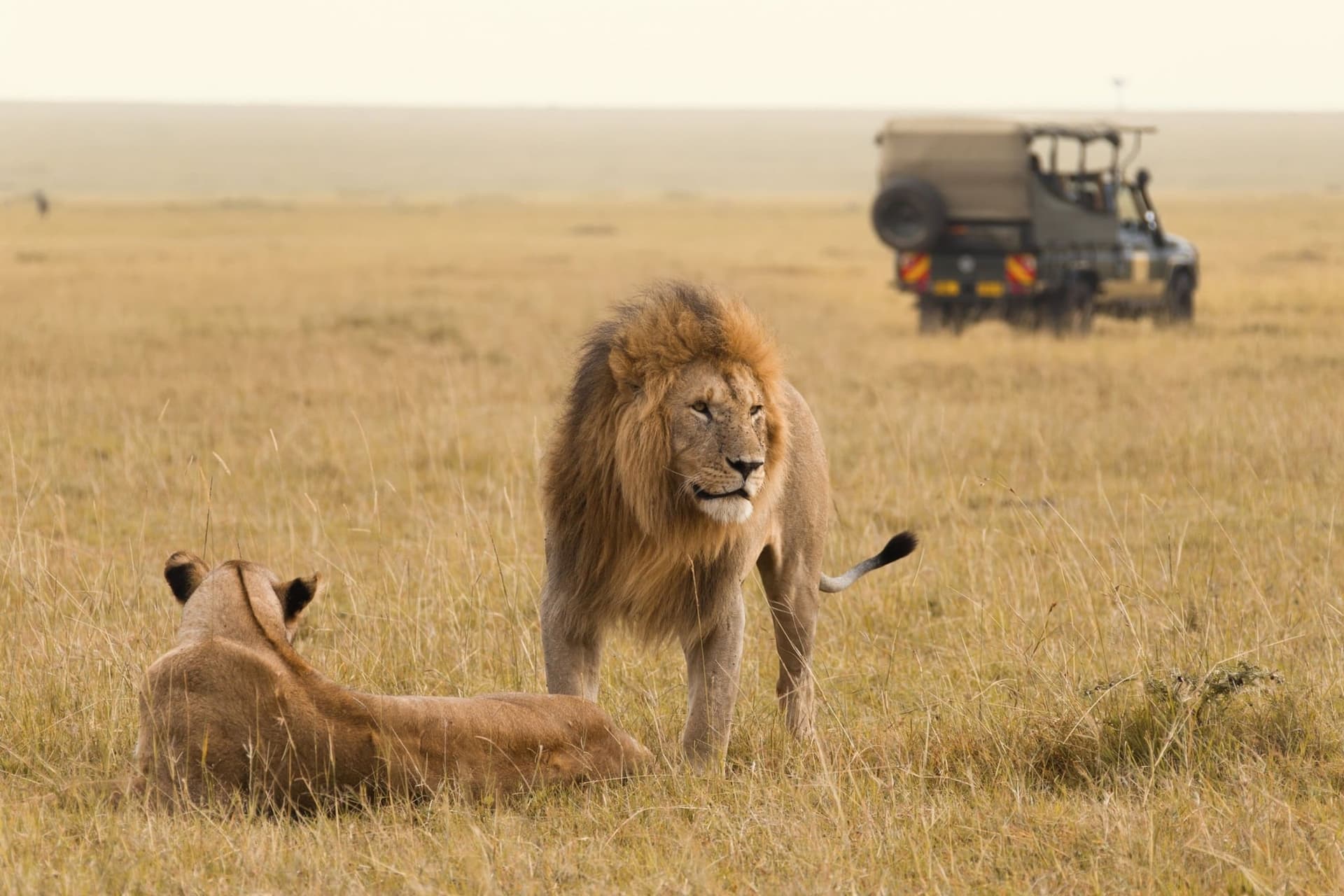
At dawn in Central Serengeti, an African Lion may lie flat beside a track while hyenas wait beyond the grass. Big cats are most active around dawn, dusk and cooler weather. Sightings depend on territory, prey movement and guide skill.
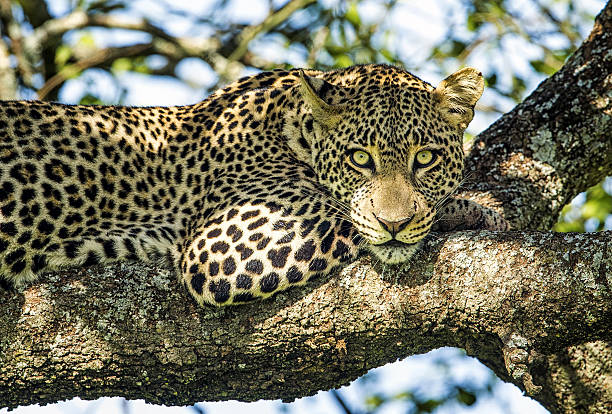
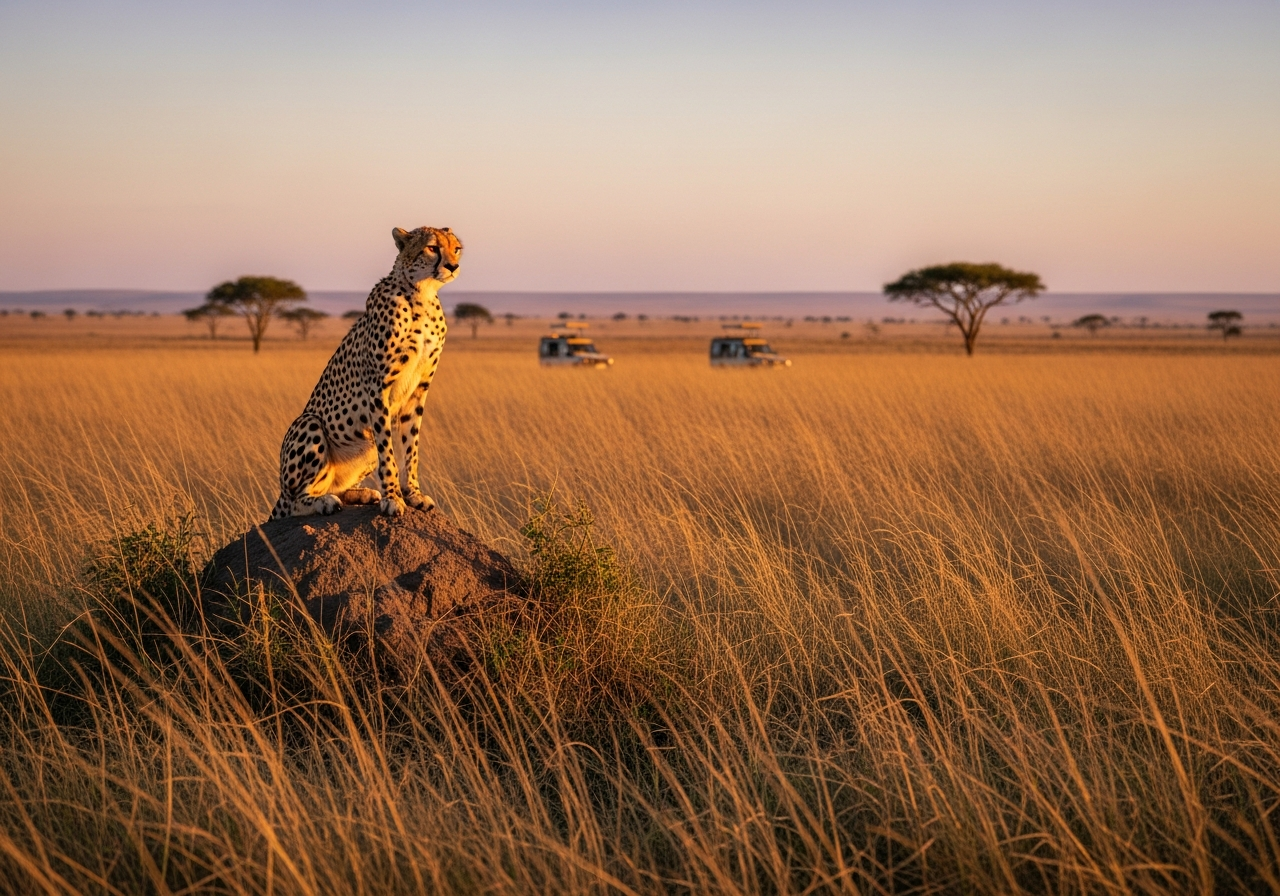
Lion sightings are strong in the Masai Mara, Serengeti and Ngorongoro Crater. Leopards need more patience and often favour riverine trees or rocky cover. Cheetahs prefer open plains where they can see and run.
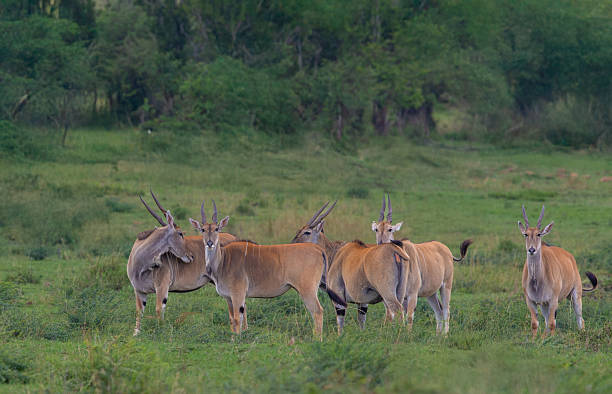
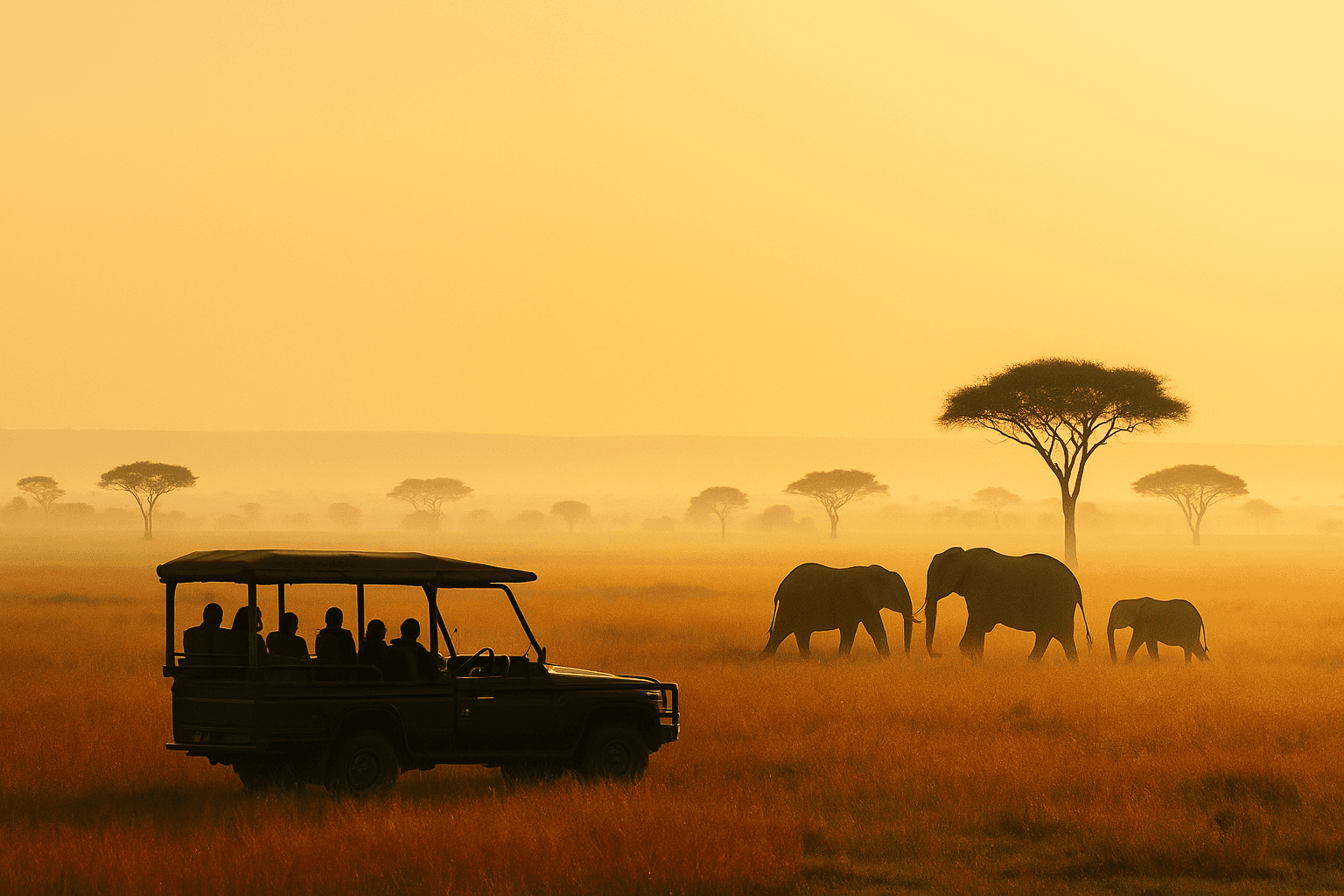
Elephants, buffalo, giraffe, zebra, hippo, antelope and rich birdlife form the daily rhythm of East African safaris. Some days are quiet, then a single hour changes everything. That is normal field behaviour, not poor guiding.
Rhino sightings are strongest in protected and managed areas. Good choices include Lake Nakuru, Lewa Conservancy, Ol Pejeta and Ziwa Rhino and Wildlife Ranch in Uganda. Black rhinos remain more elusive than white rhinos.
Mountain gorillas and chimpanzees need specialist forest trekking, not standard savannah game drives. The global mountain gorilla population is estimated at just over 1,060 individuals. Every trek follows strict time, distance and health rules.
Travellers who want to study species before booking can use Imara’s wildlife guide. It helps set realistic hopes for lions, leopards, elephants, rhinos, gorillas and smaller species.
At 5.30am in Amboseli, camp staff may bring tea to the tent while Kilimanjaro clears in cold blue light. Most safari days start early because predators, elephants and plains game move before the heat builds.
The best light and animal activity often come early, so many camps begin with tea, coffee and a pre-sunrise departure.
A good guide reads tracks, scent, birds, alarm calls and predator territories instead of simply chasing radio reports.
Some of the finest sightings come from patience at a river bend, kopje, waterhole or known hunting route.
Heat builds and animals rest, so travellers usually return to camp for brunch, showers, siesta or pool time.
The light softens again as predators stretch, elephants move to water and grazers become more active.
Dinner, fireside conversation, night sounds and escorted walks to the tent are part of the safari memory.
A common rhythm is simple. Wake before sunrise, take coffee or tea, leave on a dawn game drive, return for a late breakfast, then rest through midday heat. The afternoon drive runs into golden light.
Guides do far more than drive from one sighting to another. They read tracks, alarm calls, wind, clouds, prey behaviour and radio updates. Good guiding often means waiting in the right place before anything happens.
“A patient guide would rather spend 40 quiet minutes with fresh tracks than race past the clue that leads to a leopard.”
Travellers should expect bumpy tracks, dust, changing light and long quiet spells. Those gaps matter. They help reveal the landscape, the bird calls, the smell of wild sage and the small signs that shape each drive.
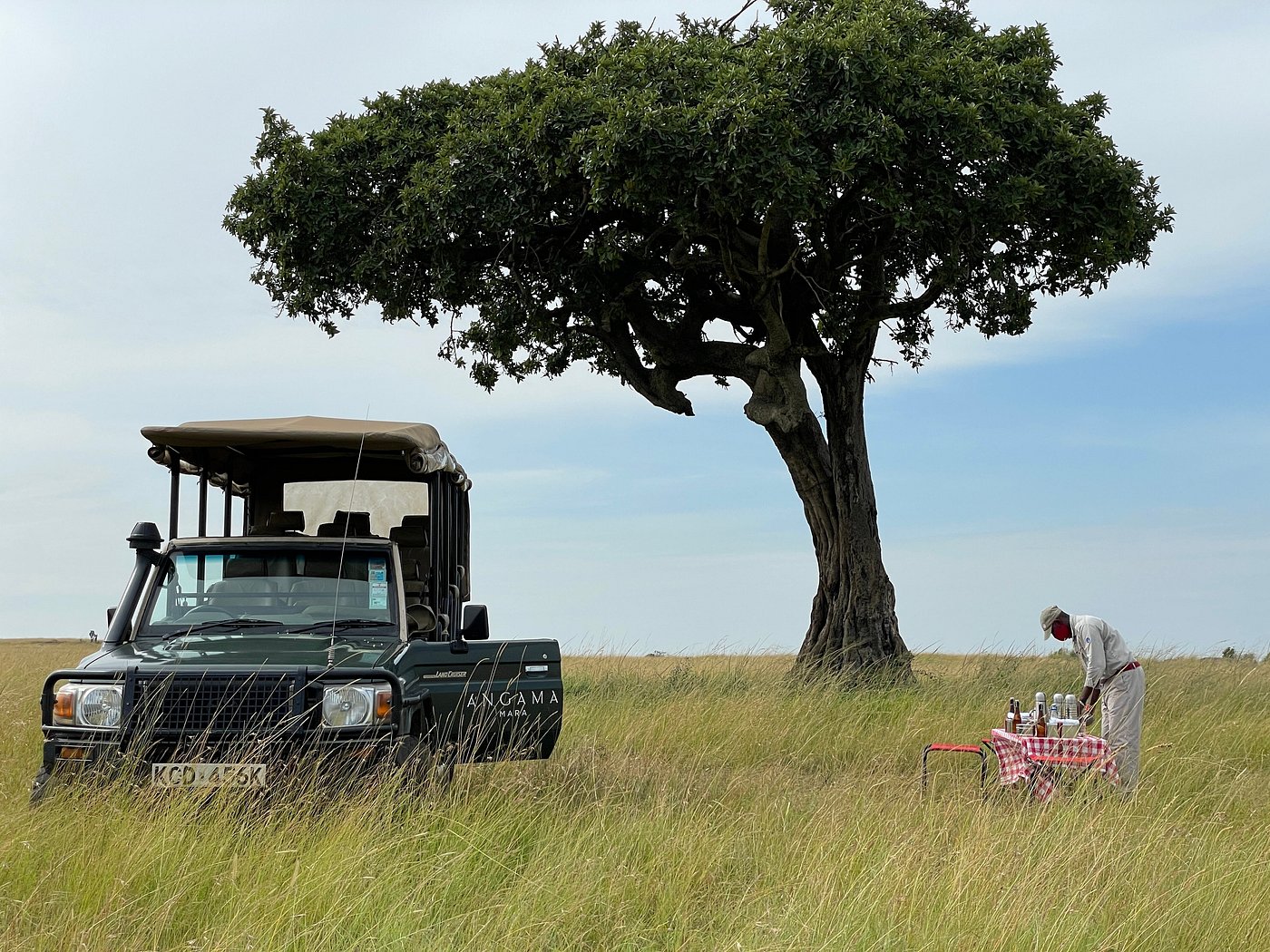
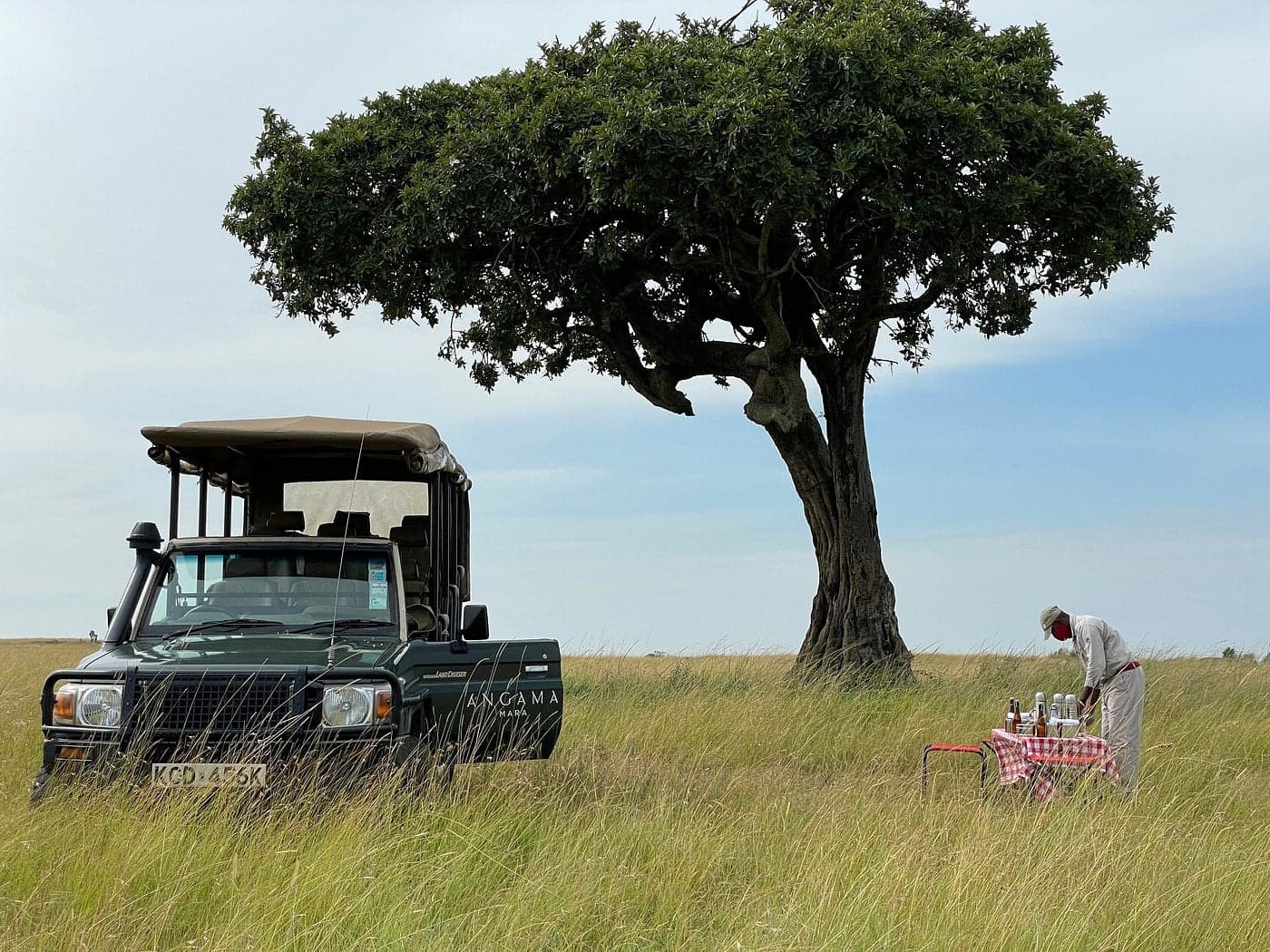
Sundowners, bush breakfasts and night sounds at camp are part of the safari experience. A distant lion call after dinner can be as memorable as a close sighting. Do not rush the hours between drives.
Mara Serena Safari Lodge sits on a ridge with wide reserve views, while mobile migration camps follow seasonal wildlife corridors in the Serengeti. Accommodation choice shapes the whole trip, from drive times to sleep quality.
Useful in Nairobi, Arusha, Entebbe or Kigali before or after international flights; choose for rest, not wildlife.
Permanent rooms, restaurants, pools and wider facilities make lodges practical for families and first-timers.
Canvas rooms with proper beds and en-suite bathrooms give a closer bush atmosphere without basic camping.
Seasonal camps follow wildlife movement in places such as the Serengeti and are excellent for migration-focused trips.
Private or community conservancies may allow night drives, walking and lower vehicle density, depending on local rules.
Zanzibar, Diani, Watamu and Mombasa work well after safari, when slower mornings and sea air are welcome.
 KE
KELuxury Safari Lodge in the Heart of Masai Mara
Masai Mara, Kenya
Best Location
 TZ
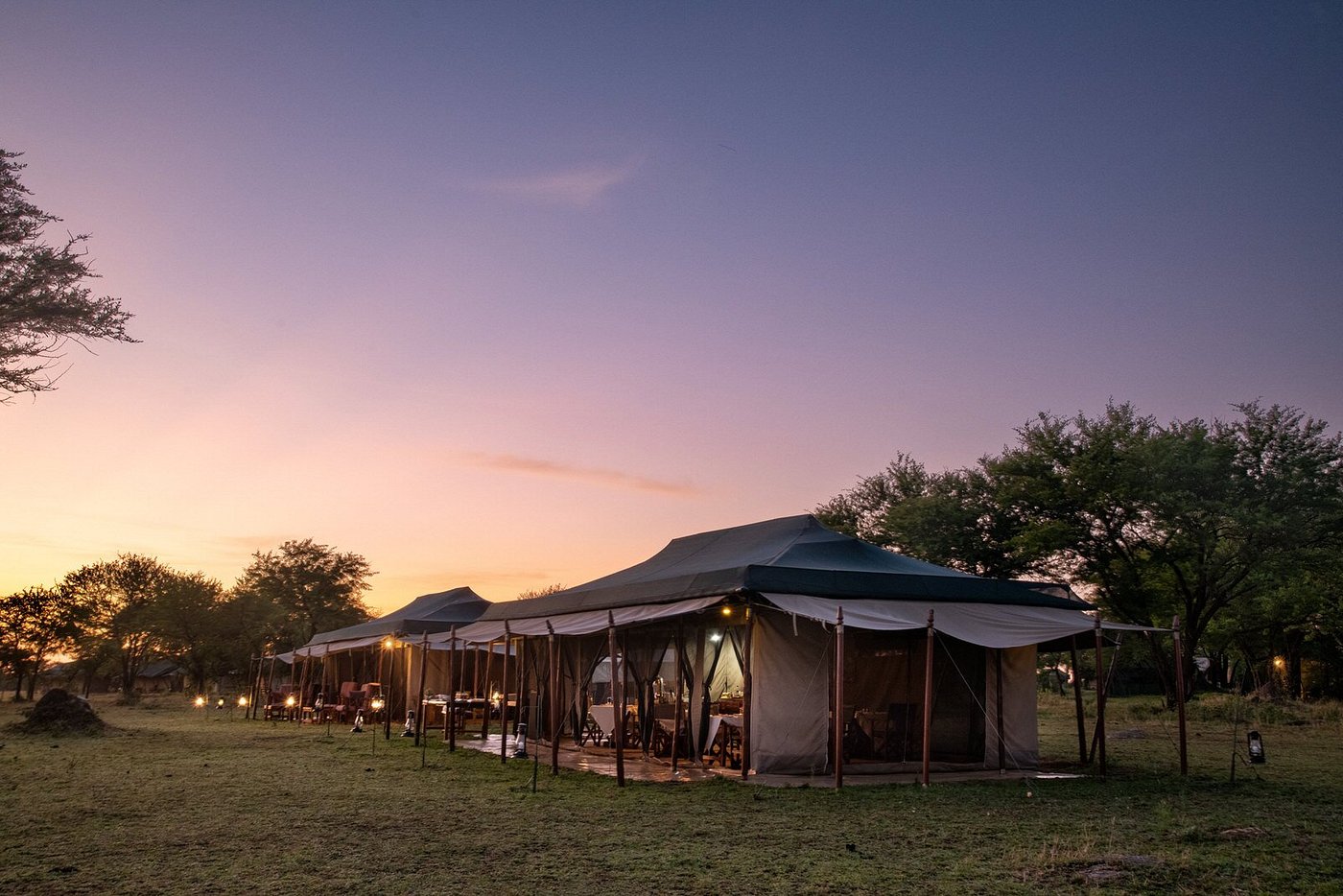
TZA Luxurious Mobile Tented Safari Moving in the Footsteps of the Great Migration
Serengeti, Tanzania
Best Value
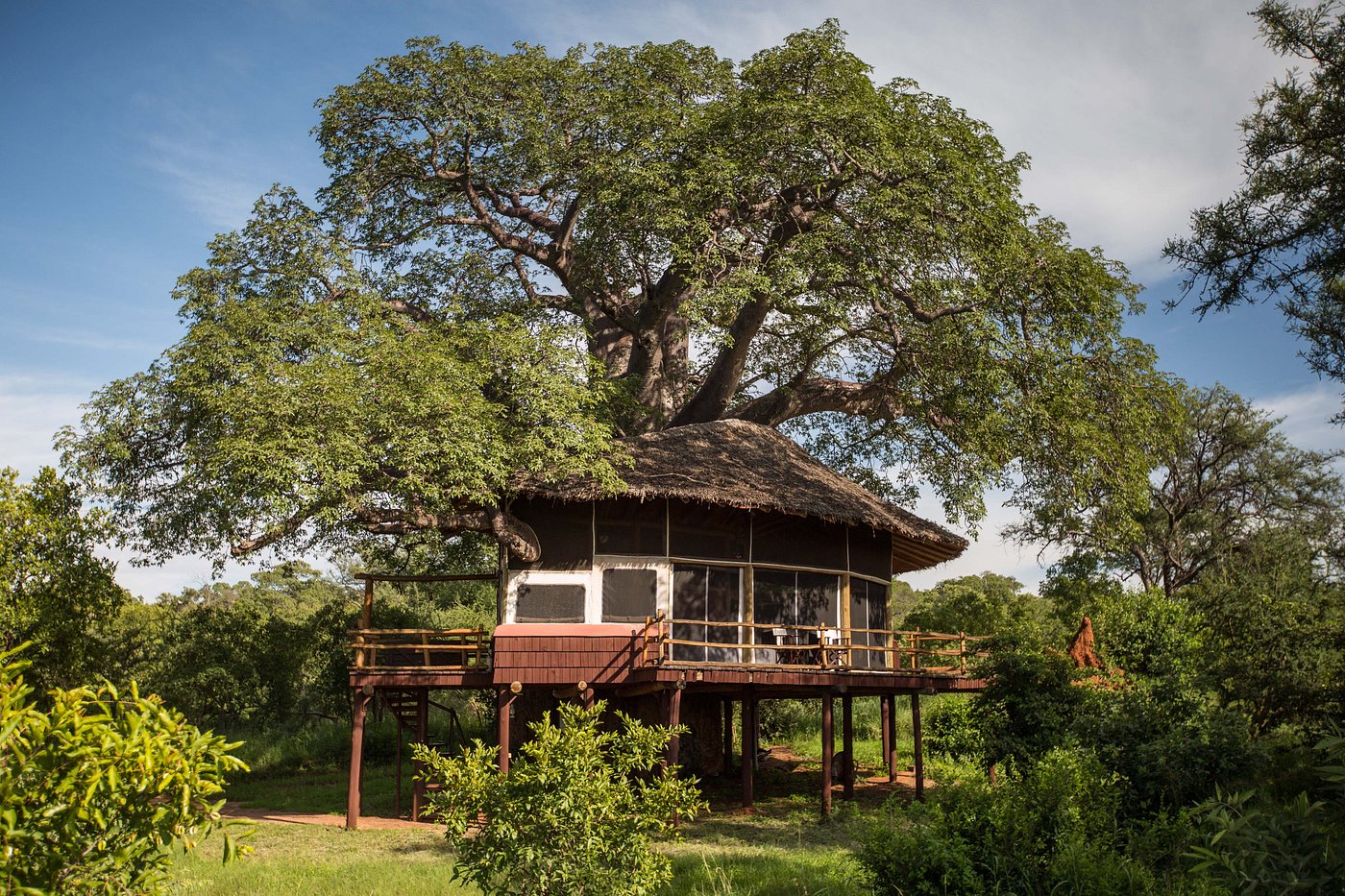 TZ
TZA Nostalgic Luxury Safari Lodge in the Sky
Tarangire National Park / Randilen WMA
Award Winning
 KE
KEWhere Wildlife, Comfort, and Adventure Meet
Masai Mara, Kenya
Best Location
 KE
KEDiscover Authentic African Luxury in the Maasai Mara
Masai Mara, Kenya
Zebra Plains Mara Camp offers a selection of luxury tents that combine comfort with the raw beauty of the Masai Mara. Each tent is spacious and elegantly furnished, with a blend of African-inspired décor and modern amenities. The camp’s tented accommodations include:
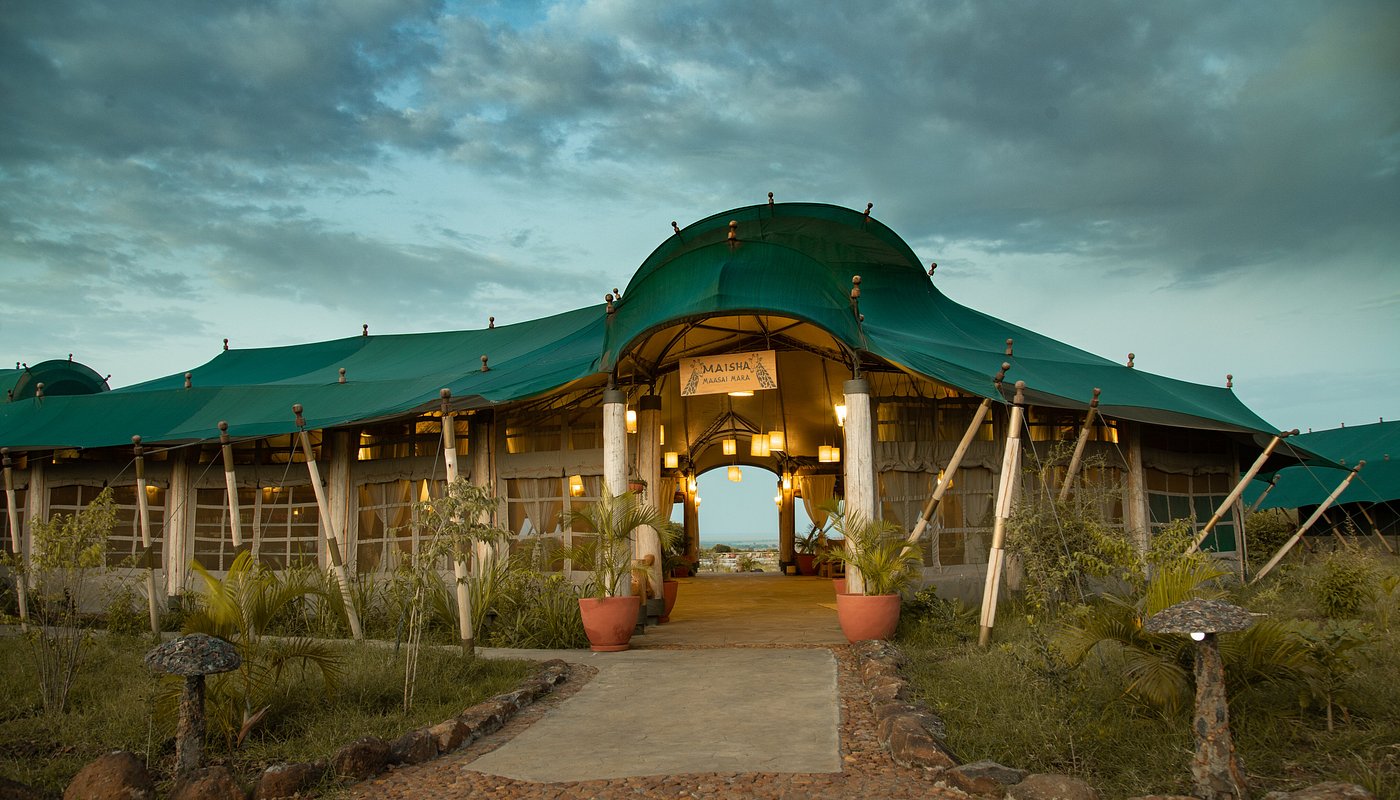 KE
KELuxury Tented Safari Camp Near Talek Gate in the Maasai Mara
Masai Mara, Kenya
Best for Families
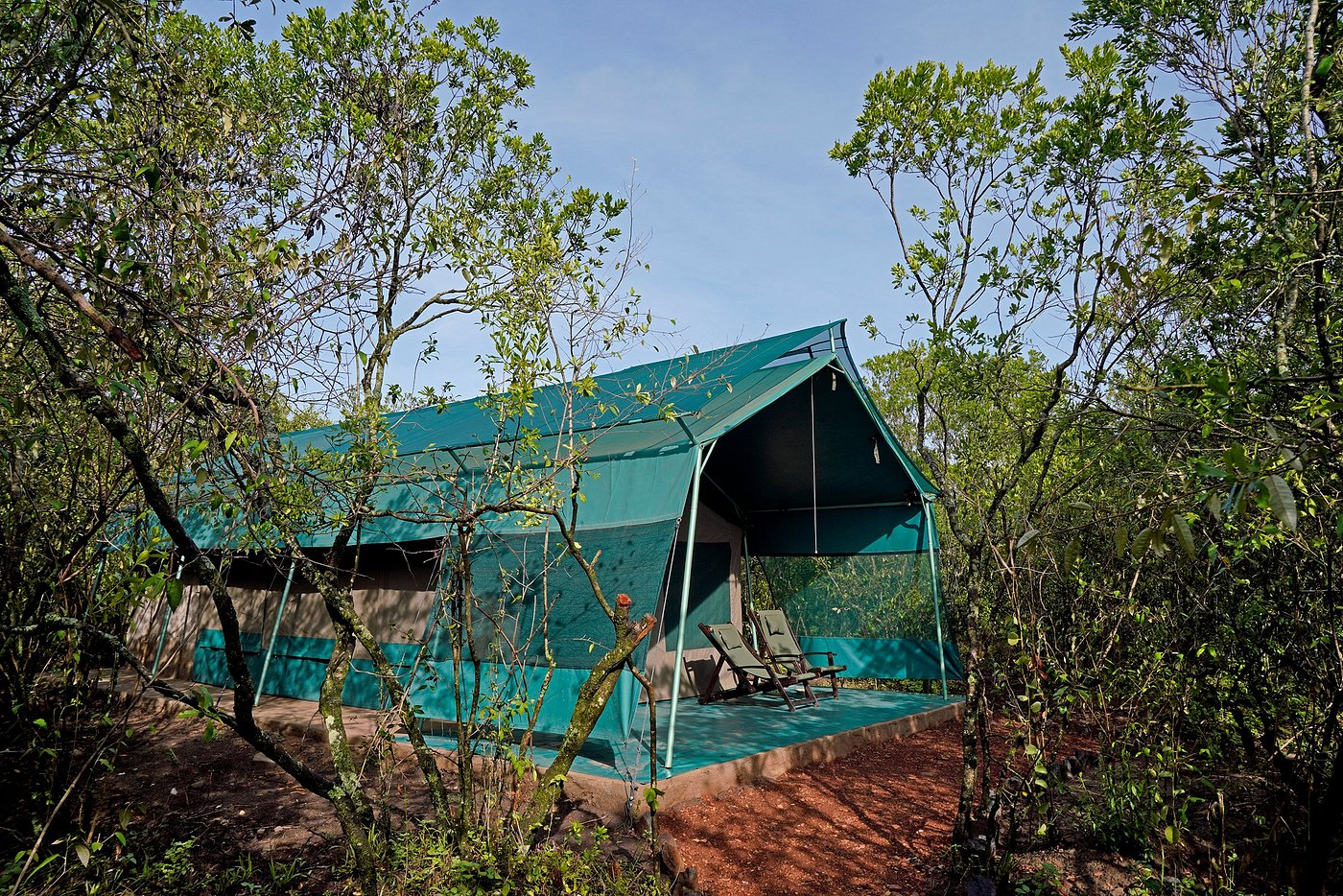 KE
KESubtitle: An Award-Winning Eco-Luxury Tented Sanctuary Hidden Inside Ol Kinyei Conservancy
Masai Mara, Kenya
Olkinyei Mara Tented Camp is a welcoming safari camp located just outside the Talek Gate of the Masai Mara National Reserve, offering an authentic and relaxed safari experience in a scenic setting near the Talek River.
 TZ
TZImmersive Wildlife Experiences in Africa's Most Iconic Wilderness
Serengeti National Park
Best Value
The main safari options are city hotels, safari lodges, permanent tented camps, mobile camps, conservancy camps and beach resorts. Each has a different feel. A tented camp can be comfortable without feeling like a hotel.
Inside-park locations can reduce transfer time and place guests closer to early morning sightings. Private conservancies may allow off-road driving, night drives or lower vehicle density. Rules vary by area and country.
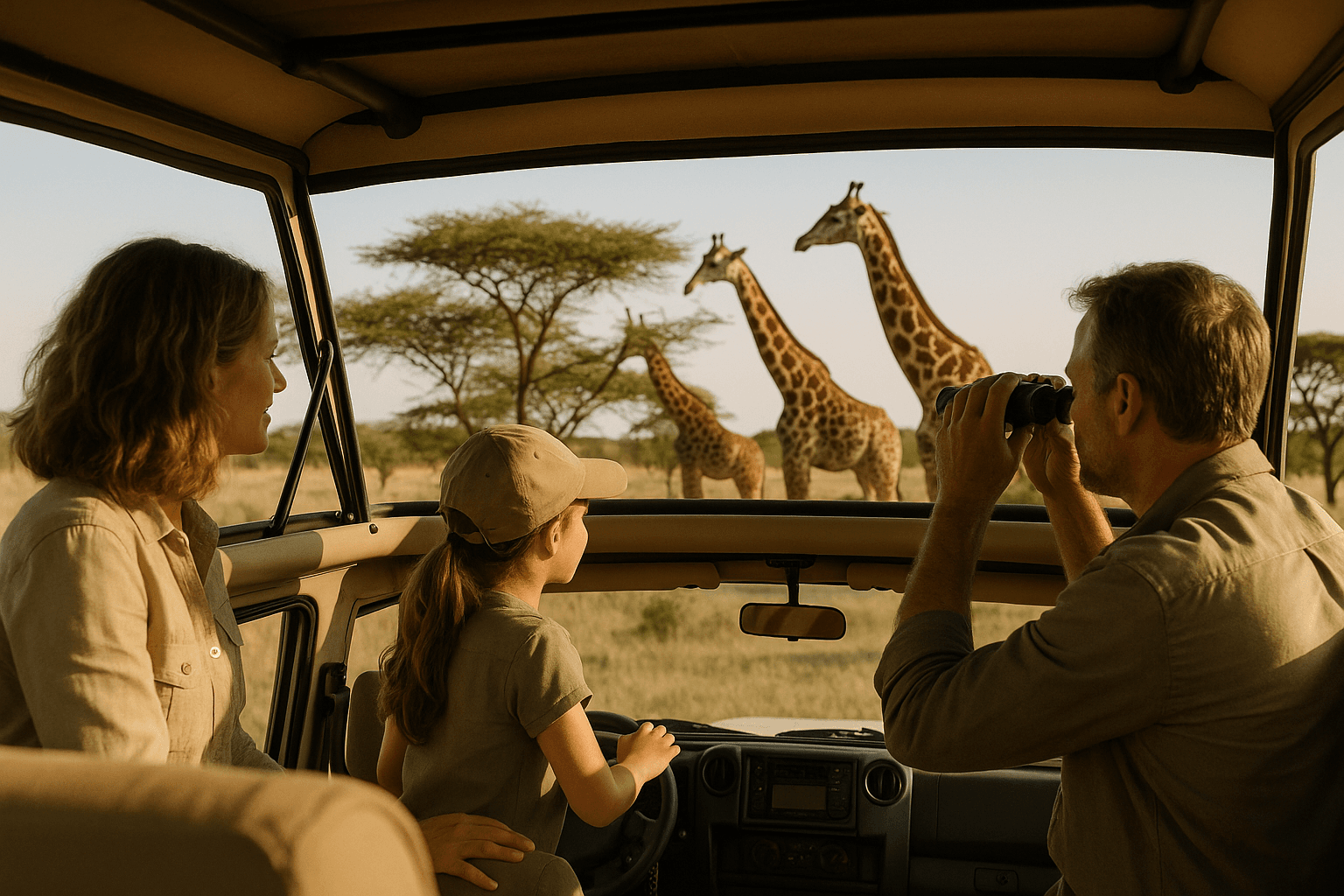
Families may need interconnecting rooms, fenced grounds or shorter walks after dark. Honeymooners often prefer smaller camps and private decks. Photographers may need open-sided vehicles, charging points and guides who understand light.
Examples across East Africa include Mara Serena Safari Lodge, Serengeti Under Canvas, Elewana Tarangire Treetops, Melia Arusha and Zanzibar Beach Resort. Travellers comparing comfort levels can review different safari lodges before fixing a route.
Nairobi to the Masai Mara is roughly 5–6 hours by road or about 45–60 minutes by light aircraft. That single choice changes the pace, cost and comfort of many Kenya africa safaris.
The best answer depends on budget, time, distance and the traveller’s tolerance for long transfers.
Road safaris are usually better value. They show more of the countryside, from Rift Valley viewpoints to market towns and roadside farms. The trade-off is time, dust and some rough sections near park gates.
Fly-in safaris save time and suit tight schedules, luxury trips, honeymooners and travellers linking distant regions. They also reduce fatigue for older guests or families with younger children. Costs rise, especially in peak season.
Mixed itineraries often work best. Travellers might drive through the northern Tanzania circuit, then fly from Serengeti to Zanzibar. In Kenya, a road safari can end with a light aircraft flight back from the Mara.
Light-aircraft luggage limits usually require soft-sided bags and disciplined packing. Many bush flights allow around 15 kg including hand luggage. Hard suitcases can cause problems in small aircraft holds.
At an unfenced Serengeti camp, a staff escort after dinner is not theatre. It is a normal safety rule. Wildlife may move through camp at night, so guests should listen to guides and camp teams.
Guides know animal distance, vehicle positioning, wind direction and when a situation is changing.
Standing suddenly, leaning out or making sharp movements can disturb wildlife and spoil the sighting for everyone.
Cooler hours are more productive for wildlife and more comfortable for travellers than the heat of midday.
In unfenced camps, staff escorts after dark are normal because animals may move quietly through camp.
Travellers should seek professional health advice for malaria prevention, vaccines, prescriptions and insurance before departure.
Wildlife safety is straightforward when travellers follow instructions. Stay inside the vehicle unless the guide says otherwise. Keep voices low near animals. Never walk alone after dark in unfenced camps.
Health preparation should happen before departure. Travellers should arrange travel insurance, discuss malaria prevention, check routine vaccines and seek destination-specific medical advice. Gorilla trekking also requires guests to avoid trekking when ill.
Comfort varies by route and season. Expect early mornings, sun exposure, dust, uneven tracks, insects at certain times and limited laundry in remote camps. Luxury does not remove the bush from a bush trip.
Good operators match pace and comfort to the guest. Families may need shorter drives and child-friendly guides. Solo travellers may want hosted meals. Older guests may prefer fewer lodge changes and rooms near the main area.
A July dawn in Ngorongoro Crater can feel cold enough for gloves, while midday on the crater floor may need a sun hat. Layers matter more than formal clothes on africa safaris.
Confirm passport validity, entry requirements, e-visas where needed and any gorilla or chimpanzee permits before paying final balances.
Choose cover that includes medical evacuation, safari activities, delays, cancellation and any trekking or light-aircraft sectors.
Use a soft-sided duffel for bush flights, keep valuables in hand luggage and avoid hard suitcases on small aircraft.
Pack khaki, olive, beige or muted tones, plus a fleece for cold mornings, sun protection and a light waterproof shell.
Binoculars often matter more than a large camera; if using camera gear, bring spare batteries, memory cards and dust protection.
Dietary needs, mobility concerns, room preferences, anniversaries and medical notes are easier to handle before the itinerary is finalised.
Neutral lightweight clothing works best. Choose khaki, olive, beige or soft grey rather than bright white or dark navy. A warm fleece, waterproof jacket, sunglasses and a brimmed hat cover most conditions.
Many light aircraft apply strict weight limits, often around 15 kg including hand luggage. Soft bags pack better into aircraft holds and safari vehicles. Laundry may be available, but not always for underwear.
Important documents should be checked well before travel. Passports, visas, travel insurance, primate permits, dietary notes and medical details all affect logistics. Gorilla permits should match the traveller’s passport details.
A Nairobi-based team hears about a flooded track, a gate delay or a late bush flight before most overseas desks wake up. That local timing can save a safari day when plans need quick adjustment.
A good local operator handles route design, vehicle logistics, lodge matching, permits, domestic flights and daily pacing. The value is not only booking rooms. It is knowing which route works on the ground.
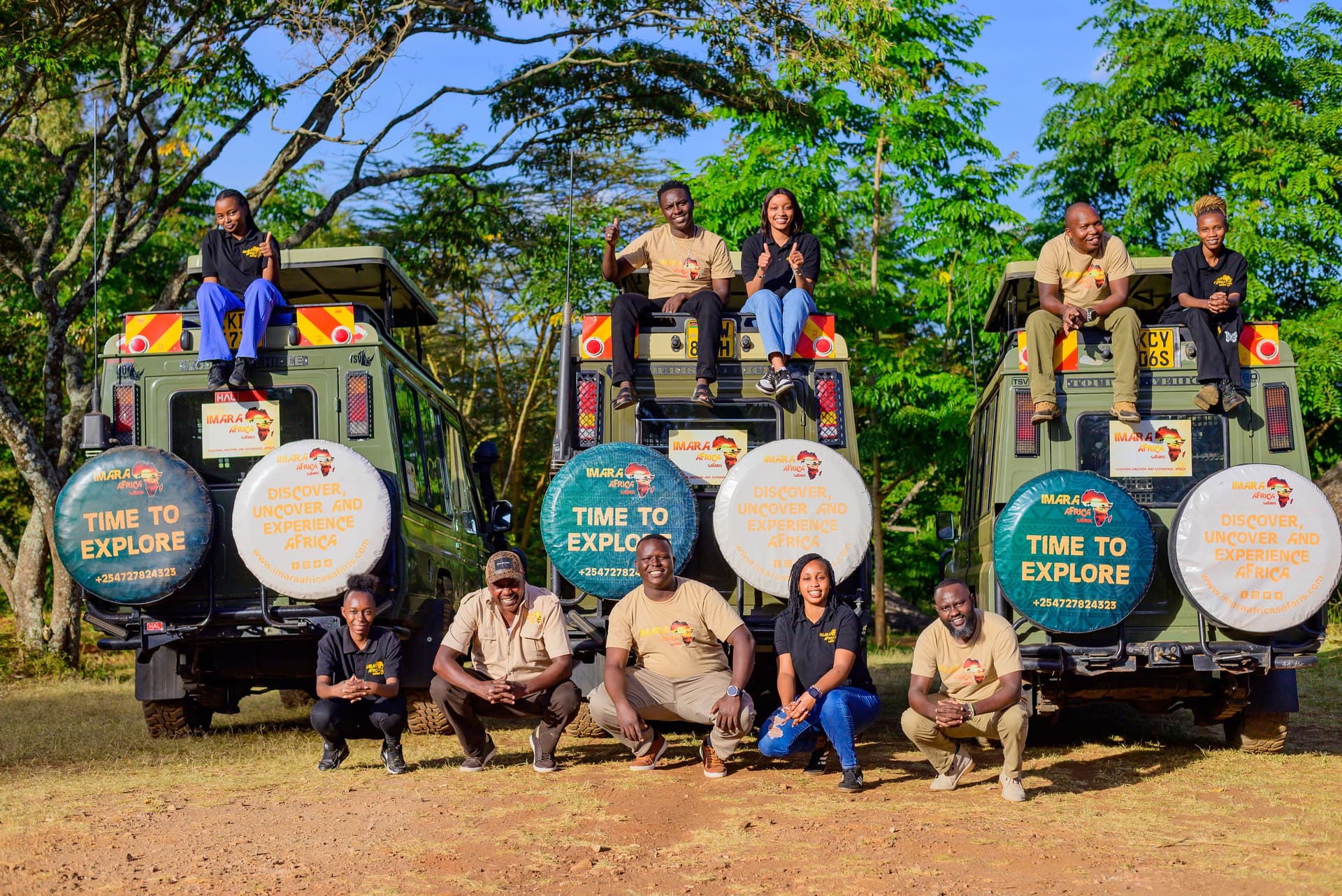
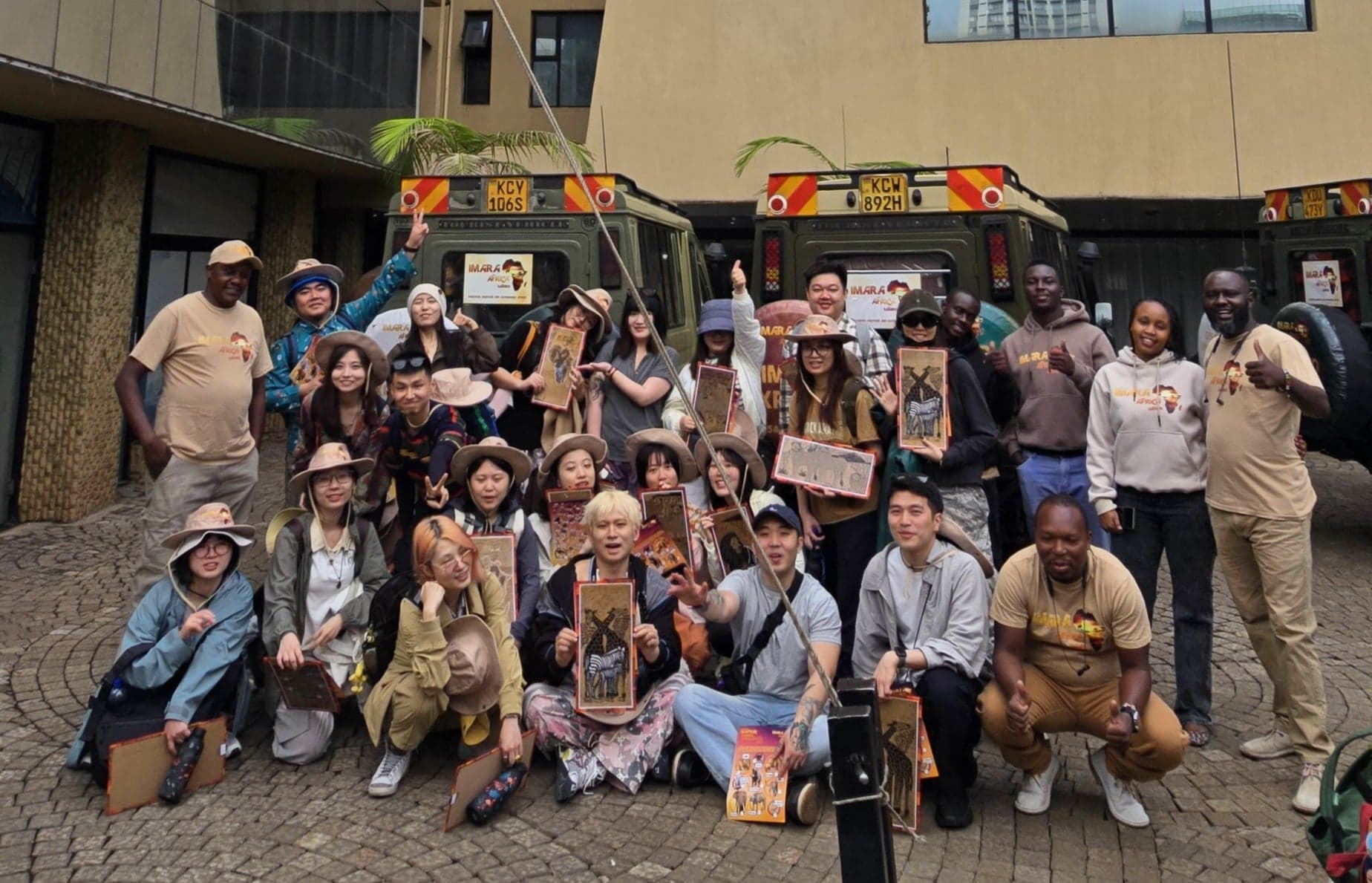
Imara Africa Safaris is a locally owned operator based in Nairobi. The team builds tailor-made trips across Kenya, Tanzania, Uganda and Rwanda, with routes shaped around wildlife goals, comfort level, season and budget.
Local knowledge helps with road conditions, park gates, seasonal wildlife movement, trusted guides and realistic transfer times. It also helps when travellers need a last-minute room change, medical support or a flight adjustment.
First-timers who want tailored help can ask Imara to plan a safari around their dates, budget and main wildlife priorities. A good brief should be honest about pace, comfort and must-see species.
Before booking any operator, travellers should ask clear questions:
After four dusty days in Tarangire and Serengeti, the flight down to Zanzibar changes the tempo fast. Spice farms, coral sand and warm water make a natural finish after a northern Tanzania safari.
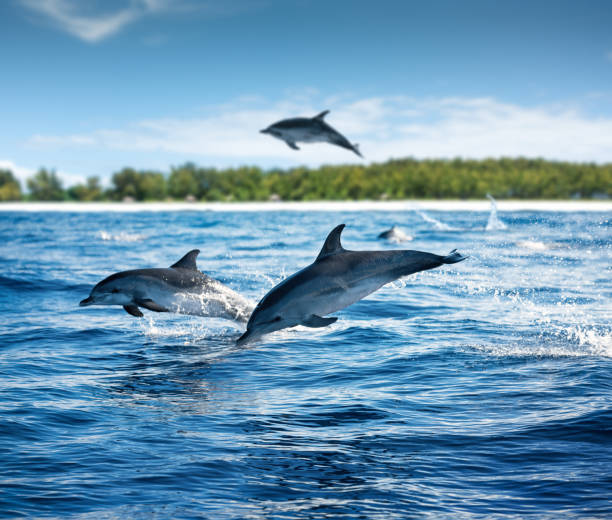 TZ
TZEscape to Zanzibar, Tanzania's breathtaking island paradise renowned for its pristine white-sand beaches, turquoise waters, rich cultural heritage, and unforgettable tropical experiences. Located in the Indian Ocean, Zanzibar offers the perfect blend of relaxation, adventure, and history. From exploring the UNESCO-listed Stone Town and spice plantations to snorkeling, diving, sailing, and luxury beachfront resorts, the island caters to every type of traveler. Whether you're planning a romantic honeymoon, family holiday, or beach escape after a safari, Zanzibar promises memories that last a lifetime.
 KE
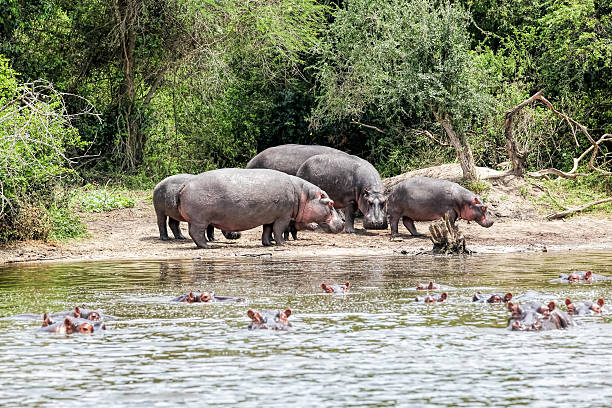
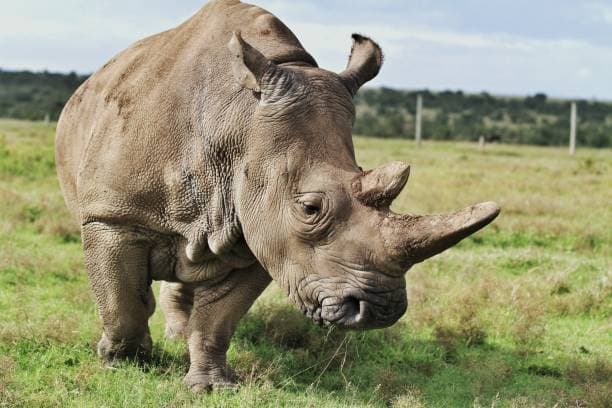
KEDiscover Lewa Wildlife Conservancy, one of Africa's most successful conservation areas and a globally recognized sanctuary for endangered wildlife. Located on the foothills of Mount Kenya, Lewa is famous for its thriving black and white rhino populations, Grevy's zebras, luxury safari experiences, and exceptional wildlife conservation efforts. Visitors can enjoy exclusive game drives, walking safaris, horseback riding, camel trekking, and cultural encounters while exploring breathtaking landscapes teeming with wildlife. Lewa Wildlife Conservancy offers a unique combination of conservation, luxury, and adventure in one of Kenya's most prestigious safari destinations.
 UG
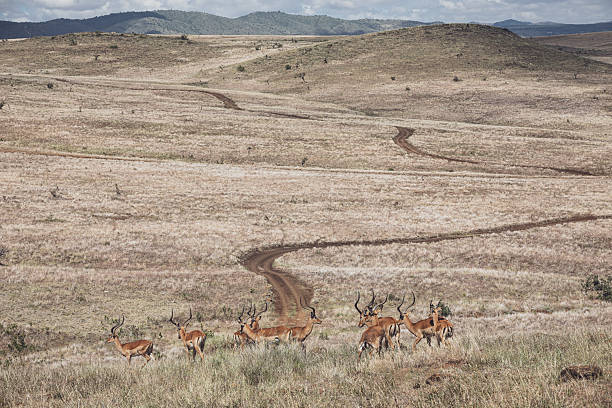
UGDiscover Lake Mburo National Park, Uganda's most accessible safari destination and a hidden gem known for its beautiful landscapes, abundant wildlife, and unique walking safaris. Located between Kampala and Bwindi Impenetrable Forest, the park is home to zebras, giraffes, buffaloes, hippos, impalas, elands, and over 350 bird species. Visitors can enjoy game drives, boat cruises, horseback safaris, cycling tours, and guided nature walks while exploring rolling hills, acacia woodlands, wetlands, and lakes that create one of Uganda's most picturesque wildlife destinations.
Zanzibar, Diani Beach, Watamu and Mombasa work well after Kenya or Tanzania’s main safari circuits. Zanzibar pairs smoothly with Serengeti or Ngorongoro routes. Diani works well after the Masai Mara or Amboseli.
Uganda and Rwanda add a different kind of depth. Gorilla trekking in Bwindi Impenetrable Forest or Volcanoes National Park can follow a savannah safari in Kenya or Tanzania. Chimpanzee tracking adds another forest layer.
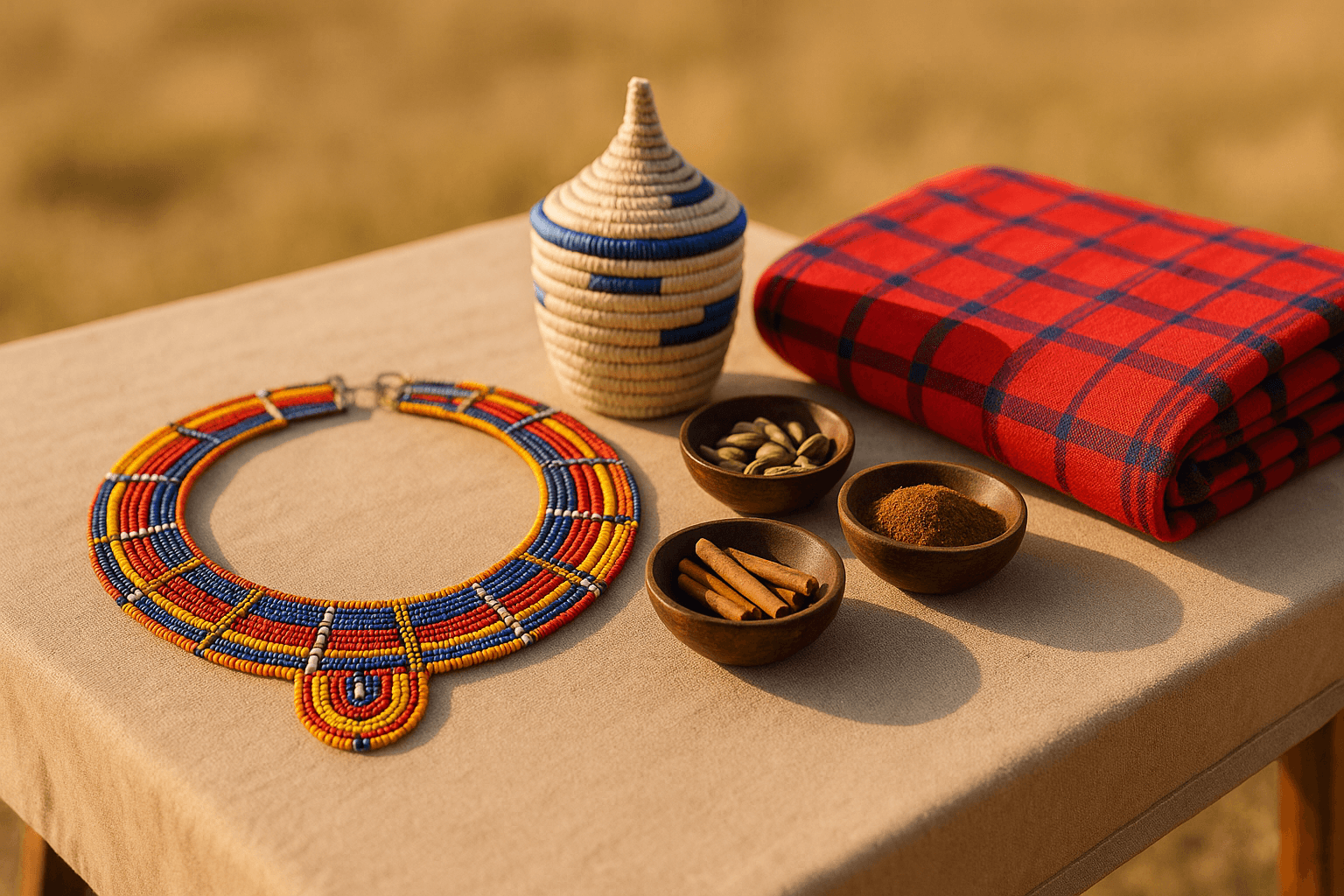
Cultural encounters work best when arranged with care. Community conservancies, vetted local partners and long-term lodge relationships usually offer better context than roadside performances. Travellers should ask where fees go and who hosts the visit.
Slower scenic extensions can also enrich africa safaris. Lake Naivasha offers boat rides and easy birding. Murchison Falls brings powerful Nile scenery. Mount Kenya, Kilimanjaro views and the Rwenzori Mountains suit travellers who want landscapes as well as wildlife.
Six months before peak-season travel, the best small camps in the Masai Mara, Serengeti and Volcanoes National Park may already have limited space. Early planning gives better lodge choice and smoother routing.
Imara Africa Safaris designs tailor-made journeys across Kenya, Tanzania, Uganda and Rwanda, matching route, lodges, guides and pacing to the traveller.
Start with the main wildlife goal. Big cats, elephants, migration herds, rhinos, gorillas, birds, landscapes and beach time all point to different routes. One clear priority makes every later choice easier.
park fees, meals, transfers, drinks, laundry, permits and domestic flights.
The strongest africa safaris do not chase every famous park in one trip. They give each area enough time. Wildlife rarely follows a timetable, and the best sightings often reward the traveller who stays still.
Related: safari itineraries.
Related: best safari season.
Related: Entebbe.
Related: crocodile.
Related: shorter trips.
Related: Masai Mara and Serengeti.
Related: Bwindi gorillas.
Related: sample safari itineraries.
Related: shorter trips.
Related: Amboseli National Park.
Related: Diani Beach.
Related: safari itineraries.
Related: 6–10 days.
Related: sample safari itineraries.
Related: shorter trips.
Lewis Munuhe
Founder & Director
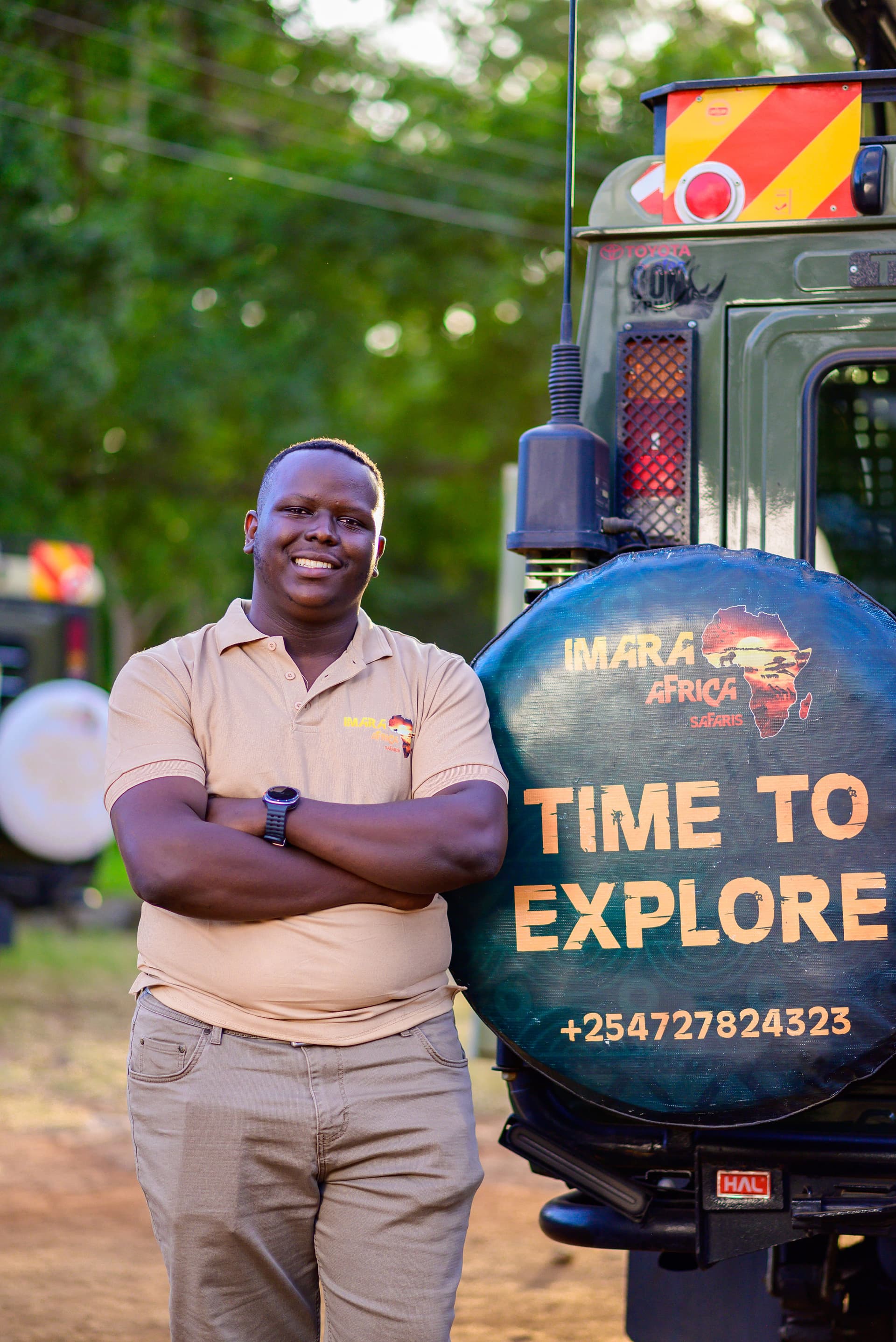
<p>Lewis Munuhe is the Director and Owner of Imara Africa Safaris, a trusted safari company dedicated to creating tailor-made African safari experiences across Kenya, Tanzania, Uganda, and Rwanda. With a strong passion for African travel, wildlife, culture, and conservation, Lewis leads the company’s vision of delivering personalized, seamless, and unforgettable safari journeys for travelers from around the world.</p><p>Through Imara Africa Safaris, Lewis helps guests discover East Africa’s most iconic destinations, from the Masai Mara and Serengeti to Uganda and Rwanda’s gorilla trekking regions. His approach focuses on understanding each traveler’s interests, comfort level, budget, and expectations, then transforming those details into carefully curated safari itineraries that feel personal, meaningful, and well-planned.</p><p>As Director and Owner, Lewis is committed to maintaining high standards in safari planning, guest care, destination expertise, and responsible tourism. Whether arranging a luxury wildlife safari, honeymoon escape, family adventure, cultural journey, gorilla trekking safari, or multi-country East African itinerary, he ensures every experience reflects the quality, authenticity, and attention to detail that define Imara Africa Safaris.</p><p>Under his leadership, Imara Africa Safaris continues to help travelers experience the beauty of Africa through expertly planned safaris that celebrate wildlife, landscapes, local cultures, conservation, and unforgettable adventure.</p>
Lewis Munuhe
Founder & Director
<p>Lewis Munuhe is the Director and Owner of Imara Africa Safaris, a trusted safari company dedicated to creating tailor-made African safari experiences across Kenya, Tanzania, Uganda, and Rwanda. With a strong passion for African travel, wildlife, culture, and conservation, Lewis leads the company’s vision of delivering personalized, seamless, and unforgettable safari journeys for travelers from around the world.</p><p>Through Imara Africa Safaris, Lewis helps guests discover East Africa’s most iconic destinations, from the Masai Mara and Serengeti to Uganda and Rwanda’s gorilla trekking regions. His approach focuses on understanding each traveler’s interests, comfort level, budget, and expectations, then transforming those details into carefully curated safari itineraries that feel personal, meaningful, and well-planned.</p><p>As Director and Owner, Lewis is committed to maintaining high standards in safari planning, guest care, destination expertise, and responsible tourism. Whether arranging a luxury wildlife safari, honeymoon escape, family adventure, cultural journey, gorilla trekking safari, or multi-country East African itinerary, he ensures every experience reflects the quality, authenticity, and attention to detail that define Imara Africa Safaris.</p><p>Under his leadership, Imara Africa Safaris continues to help travelers experience the beauty of Africa through expertly planned safaris that celebrate wildlife, landscapes, local cultures, conservation, and unforgettable adventure.</p>
Lewis Munuhe
Founder & Director
<p>Lewis Munuhe is the Director and Owner of Imara Africa Safaris, a trusted safari company dedicated to creating tailor-made African safari experiences across Kenya, Tanzania, Uganda, and Rwanda. With a strong passion for African travel, wildlife, culture, and conservation, Lewis leads the company’s vision of delivering personalized, seamless, and unforgettable safari journeys for travelers from around the world.</p><p>Through Imara Africa Safaris, Lewis helps guests discover East Africa’s most iconic destinations, from the Masai Mara and Serengeti to Uganda and Rwanda’s gorilla trekking regions. His approach focuses on understanding each traveler’s interests, comfort level, budget, and expectations, then transforming those details into carefully curated safari itineraries that feel personal, meaningful, and well-planned.</p><p>As Director and Owner, Lewis is committed to maintaining high standards in safari planning, guest care, destination expertise, and responsible tourism. Whether arranging a luxury wildlife safari, honeymoon escape, family adventure, cultural journey, gorilla trekking safari, or multi-country East African itinerary, he ensures every experience reflects the quality, authenticity, and attention to detail that define Imara Africa Safaris.</p><p>Under his leadership, Imara Africa Safaris continues to help travelers experience the beauty of Africa through expertly planned safaris that celebrate wildlife, landscapes, local cultures, conservation, and unforgettable adventure.</p>
Our trips
17°C
overcast clouds
Feels like 17° · 82% humidity
🦁Right now in the bush: Quiet hours — a good time for lodge rest before dawn.


Comments
Loading…