Обязательное туристическое страхование в Кении: что делать сейчас
В этом обновлении обязательного страхования путешествий в Кении объясняется право на получение, чеки eTA, наблюдаемые расходы и документы, которые должны иметь при себе первопроходящие сафари.
18 min read64viewsUpdated Nov 27, 2026
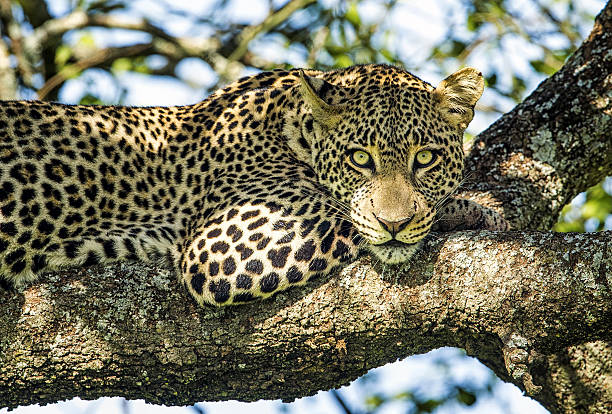
African Leopard
64views
Share
Listen~18 min
In this articleTap to view 11 sectionsTap a section to jump
Kenya’s statutory health-insurance obligation and the reported introduction of eTA purchase checks are separate developments.
US tourist passport holders should arrange recognised Kenyan cover before departure rather than assume their overseas policy will pass the current purchase workflow. (etakenya.go.ke)
Imara reports an adult invoice of US$48; independent tests recorded US$52. Neither observation establishes a universal all-inclusive tariff. (arpafrica.com)
An existing approved eTA does not require a fresh application solely to purchase insurance separately. (arpafrica.com)
Cover must span the entire Kenyan stay, but conflicting validity descriptions make checking the purchased policy’s dates essential.
Entry-compliant health cover is not a substitute for checking cancellation, baggage, remote evacuation and activity protection under a separate comprehensive policy.
What changed in kenya mandatory travel insurance checks?
6 October marks the reported change in the application process, not the creation of the legal duty. New applications reportedly check recognised insurance before payment. This update reflects the position reviewed on 12 October; travellers should recheck instructions before departure.
Kenya Gazette Notice No. 11492 was signed on 29 July and published on 30 July. It sets minimum benefits and requires licensed insurers. It does not prescribe a traveller premium or an October rollout date. The Kenya Ministry of Health framework and the operational purchase process must be read separately.
7 October court reporting says the High Court of Kenya dismissed the challenge behind August’s suspension and upheld the notice. The full judgment was not located during this review, nor was a subsequent reinstated stay. A separate insurer-selection dispute remains unresolved. This is not a permanent “final” ruling.
Question
Current position
Traveller action
Is there a legal requirement?
Yes, for non-Kenyans intending to enter and remain for less than twelve months.
Check nationality and immigration status separately.
What changed operationally?
New eTA applications reportedly check insurance before payment.
Arrange recognised cover before departure.
What does it cost?
Imara observed US$48 per adult; independent tests observed US$52.
Read the final checkout total.
What is US$50,000?
The minimum cumulative benefit limit, not the purchase price.
Inspect individual benefits and exclusions.
How long does cover last?
Published and reported durations differ.
Check the purchased schedule and every Kenyan stay.
Are exemptions settled?
The public insurance page is not a complete exemption schedule.
Confirm children, residency, nationality and transit individually.
The legal scope, reported application checks and official insurance service support these distinctions. Observed prices are not guaranteed tariffs.
Who needs Kenyan cover, and who may be exempt?
Twelve months is the statutory dividing point: the requirement concerns non-Kenyans intending to enter and remain for less than that period. Nationality, immigration status and eTA eligibility are separate questions.
eCitizen describes inbound travel health insurance linked to eTA for non-African travellers. That wording does not provide a complete statutory exemption list. The Directorate of Immigration Services lists eTA exemptions for specified nationalities, residents, permit holders and qualifying airport transit passengers. US tourist passport holders are not nationality-exempt.
Imara reports a child purchase of US$22, plus US$4 in gateway and related charges: US$26 total. That is an observed transaction, not a published family tariff. Parents should confirm age bands, infant treatment and any exemptions before budgeting.
For kenya mandatory travel insurance, an eTA exemption should never be treated as automatic proof of an insurance exemption. Travellers with residence permits or unusual transit arrangements should seek case-specific confirmation.
How much does Kenya travel insurance cost?
US$48 was Imara’s reported adult invoice total: US$44 insurance plus US$4 in government gateway and related charges. Independent purchase tests recorded US$52, including access and payment charges. Neither observation guarantees the next traveller’s checkout amount.
US$44
Insurance premium on Imara’s reported adult invoice
US$48
Imara’s reported adult total, including US$4 in charges
US$50,000
Prescribed minimum cumulative benefits, not the purchase price. ([clydeco.com](https://www.clydeco.com/en/insights/2026/08/mandatory-inbound-travel-health-insurance-cover?utm_source=openai))
Item
Amount
What it means
Imara’s adult insurance premium
US$44
The insurance component of its reported purchase.
Imara’s additional charges
US$4
Government gateway and related charges.
Imara’s adult invoice total
US$48
An observed total, not a universal tariff.
Independent checkout total
US$52
A separate purchase observation.
Standard single-entry eTA
US$30
A separate authorisation charge.
Five-year multiple-entry eTA for American nationals
US$185
A separate authorisation option.
The official eligibility page lists both eTA amounts separately from insurance. Confirm payment charges at checkout. The US$50,000 coverage threshold is not a fee, and purchasing insurance does not promise free treatment.
How do travellers purchase cover and complete their eTA?
eCitizen provides a separate inbound insurance service. Reported purchase routes are through a new eTA application or through that service independently. Buying insurance alone does not submit an eTA application. Existing approved eTA holders can arrange cover separately.
1
Establish the correct traveller category
Check passport nationality and immigration status against official instructions; assess eTA and insurance separately. ([etakenya.go.ke](https://etakenya.go.ke/general-information))
2
Use the recognised purchase route
Follow the insurance step in a new eTA application, or use the separate official eCitizen insurance service. ([insurance.ecitizen.go.ke](https://insurance.ecitizen.go.ke/))
3
Check identity, dates and price
Match passport details exactly, inspect the policy schedule and exclusions, and review the total before paying.
4
Confirm insurance recognition
Retain the reference and available status evidence; seek support if the purchase is not recognised.
5
Complete the eTA separately
If an eTA is required, submit its application separately; insurance purchase alone does not create one. ([visasnews.com](https://visasnews.com/kenya-lassurance-voyage-peut-etre-souscrite-separement-de-leta-la-justice-valide-lobligation/?utm_source=openai))
Matching passport details matter in both systems. Prepare nationality, passport information, a photo or selfie, contact details, travel dates and trip purpose. Follow the live portal’s instructions rather than payment links received from unofficial intermediaries.
Use a passport with at least six months’ validity and one blank page.
Check names, passport numbers and dates before submitting.
These are core documents in the official eTA preparation checklist. Additional documents can depend on the purpose of travel.
Regulation 70 permits point-of-entry insurance purchase. But that provision does not establish that airport purchase can bypass current pre-departure eTA checks. The practical approach to kenya mandatory travel insurance is to complete preparation before flying.
Imara’s US client case: an approved eTA and an invoice
US$48 and an invoice were the concrete results of Imara’s recent assistance for a US client. The client already held an approved eTA. Imara helped arrange a separate eCitizen purchase using matching passport details.
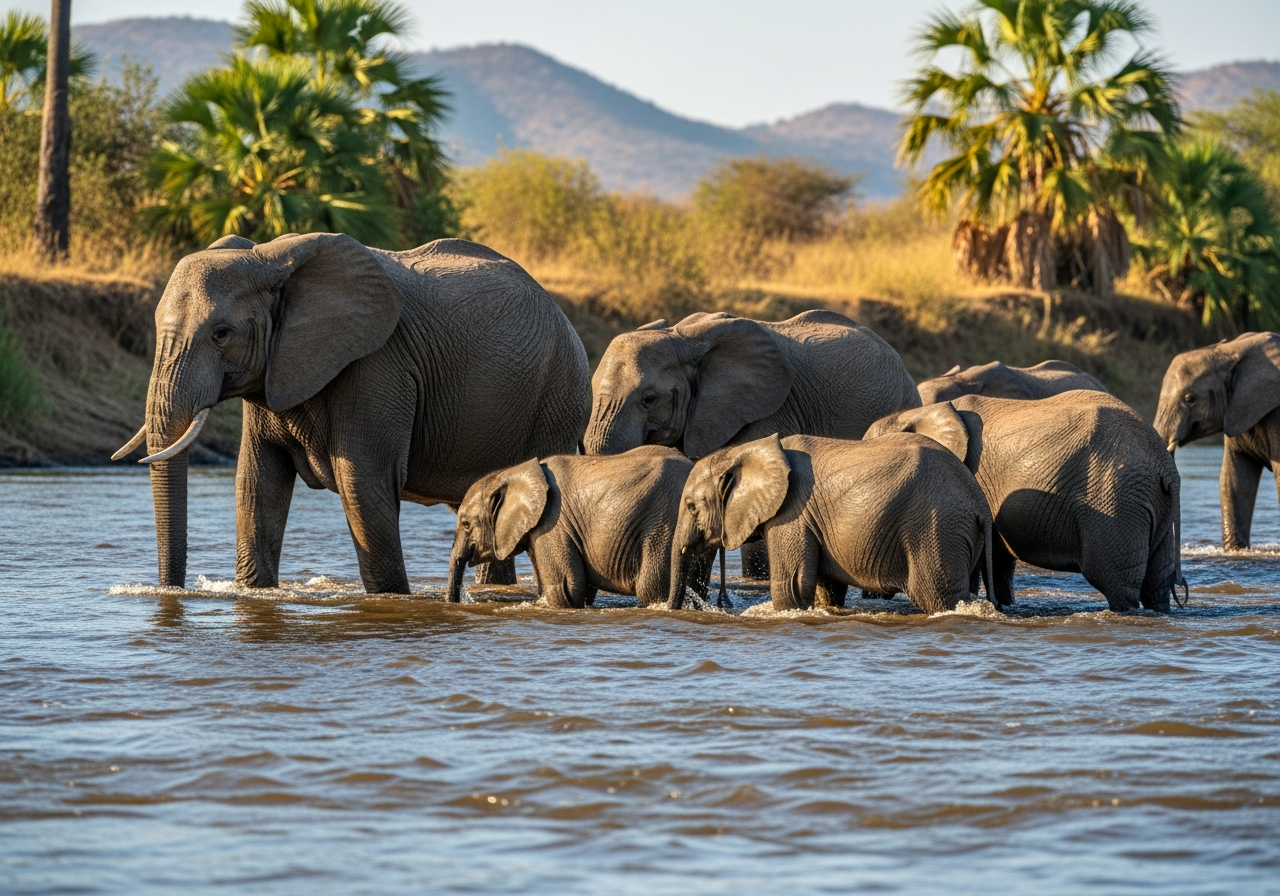
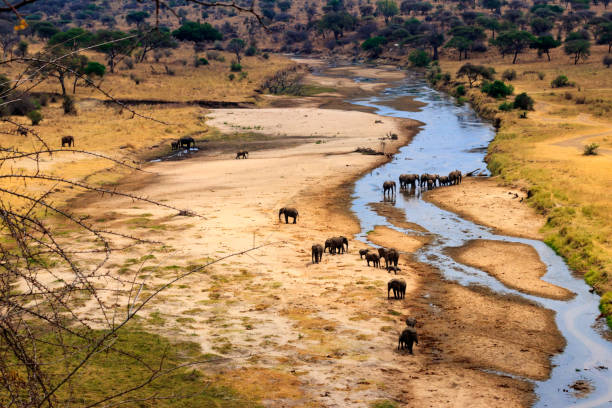
An elephant herd with young calves moves through green savanna beside a dirt track beneath a striking hill in Samburu, Kenya.
No separate insurance certificate arrived in that case. Imara then checked the insurance section on the eTA website to verify that the purchase had linked. The useful lesson is to check recognition, not just payment.
Other operational reports describe different document delivery, including references, status evidence and policy documents. Travellers should retain whatever the system supplies, then request missing policy wording. An invoice alone does not establish benefits or re-entry terms.
Save the invoice and purchase reference.
Keep offline evidence of the insurance status.
Download any policy schedule, certificate or welcome pack supplied.
Retain the approved eTA separately.
Can an existing US or credit-card policy satisfy the requirement?
US$100,000 in medical cover does not, by itself, prove recognition by Kenya’s system. Imara repeatedly encounters clients who assume strong US insurance or credit-card benefits establish exemption. Coverage limits and official acceptance are different tests.
Entry-compliant health cover versus comprehensive trip protection
Recognised Kenyan inbound policy
Entry preparation
Primary purpose
Meet the applicable Kenyan inbound requirement
Medical protection
Defined medical benefits, subject to terms
Remote evacuation
Evacuation benefit does not guarantee every remote transfer
Cancellation and interruption
Do not assume included
Baggage and delays
Do not assume included
Separate comprehensive policy
Wider trip protection
Primary purpose
Protect against the risks named in the purchased policy
Medical protection
Check medical limits, exclusions and territorial scope
Remote evacuation
Confirm remote locations, authorisation and payment arrangements
Cancellation and interruption
Check covered reasons, limits and exclusions
Baggage and delays
Check whether protection is included and at what limits
Compare
Entry preparation
Recognised Kenyan inbound policy
Wider trip protection
Separate comprehensive policy
Primary purpose
Meet the applicable Kenyan inbound requirement
Protect against the risks named in the purchased policy
Medical protection
Defined medical benefits, subject to terms
Check medical limits, exclusions and territorial scope
Remote evacuation
Evacuation benefit does not guarantee every remote transfer
Confirm remote locations, authorisation and payment arrangements
Cancellation and interruption
Do not assume included
Check covered reasons, limits and exclusions
Baggage and delays
Do not assume included
Check whether protection is included and at what limits
The Ministry’s framework describes medical and evacuation benefits; wider protection must be assessed separately against policy wording. ([health.go.ke](https://health.go.ke/sites/default/files/2025-12/APPROVED_ADMINISTRATIVE%20FRAMEWORK%20FOR%20IMPLEMENTATION%20OF%20THE%20MANDATORY%20INBOUND%20TRAVEL%20HEALTH%20INSURANCE%20PROGRAM_1.pdf?utm_source=openai))
Earlier statements described acceptance of qualifying foreign cover. But reported application tests could not upload ordinary overseas policies. Travellers should not rely on substitution without individual official confirmation that their exact policy is accepted.
Imara recommends a two-policy approach to kenya mandatory travel insurance: recognised inbound health cover for entry preparation, plus wider protection for the safari investment. Its guide to comprehensive safari travel insurance explains that distinction.
A US$15,000 safari deposit needs its own cancellation check. A high medical limit says nothing about cancellation, baggage or delay benefits. Named insurers and credit cards should be assessed against their actual wording, not their reputation.
What does kenya mandatory travel insurance include?
Regulation 70 lists personal accident causing death or permanent total disability, emergency medical expenses, evacuation, repatriation of remains, hospital benefits and prescription medicines. Those benefit categories are separate from the purchase procedure.
The prescribed cumulative benefit limit is at least US$50,000: a coverage threshold, not the traveller’s purchase price. The prescribed schedule includes US$20,000 for medical expenses and US$25,000 for emergency medical transportation. Other prescribed benefits appear below.
Benefit
Prescribed amount
Cumulative policy benefit limit
At least US$50,000
Medical expenses
US$20,000
Emergency medical transportation
US$25,000
Prescribed medicines
US$300
Mental illness
US$1,000
Repatriation of remains
US$5,000
These amounts should not be added together to create a guaranteed payout. Policy terms, exclusions, authorisation procedures and individual limits still apply.
Pre-existing and chronic conditions are described in operational guidance as covered in emergencies only. Check the issued wording before relying on that description. Vaccination and medical preparation remain separate tasks; the Kenya safari health preparation guide addresses those questions.
How long is cover valid, and can it be reused?
Regulation 70 requires cover for the entire Kenyan stay. It does not establish one universal product duration. The start date, expiry date and return-entry conditions must come from the purchased schedule.
Older administrative guidance describes 30 days and top-ups to 60; operational reports describe three months or one year. These conflicting descriptions make the purchased policy schedule, rather than a headline duration, essential. ([health.go.ke](https://health.go.ke/sites/default/files/2025-12/APPROVED_ADMINISTRATIVE%20FRAMEWORK%20FOR%20IMPLEMENTATION%20OF%20THE%20MANDATORY%20INBOUND%20TRAVEL%20HEALTH%20INSURANCE%20PROGRAM_1.pdf?utm_source=openai))
No. Ask the insurer to confirm repeat-entry terms in writing for the actual itinerary, and check travel-authorisation conditions separately.
An invoice records a purchase but may not explain exclusions, benefits or repeat-entry terms. Obtain the policy schedule and wording, while retaining any available reference and status evidence.
Thirty days, three months and one year all appear in different descriptions. Older administrative guidance describes 30 days, with top-ups to 60. Purchase reporting describes three months; Imara reports one year or less than twelve months. Another operational alert describes one-year repeat-trip cover.
Imara’s expectation of re-entry validity comes from its invoice-based experience. That invoice does not independently prove multiple-entry eligibility. For kenya mandatory travel insurance, obtain written confirmation covering the actual exit and return dates.
Insurance validity and eTA re-entry permission need separate checks. A five-year eTA does not establish five-year insurance cover. Neither document proves the other’s conditions.
Safari protection for the Maasai Mara, Amboseli and Laikipia
Elewana Loisaba Tented Camp in Laikipia provides a useful planning example for remote-location questions. Imara’s priority is air evacuation and the receiving hospital. The phrase “medical evacuation included” is not enough without details about authorisation and payment.
Sunset glows over a tented safari lodge and reflecting pool, likely at Elewana Loisaba Tented Camp overlooking open plains.
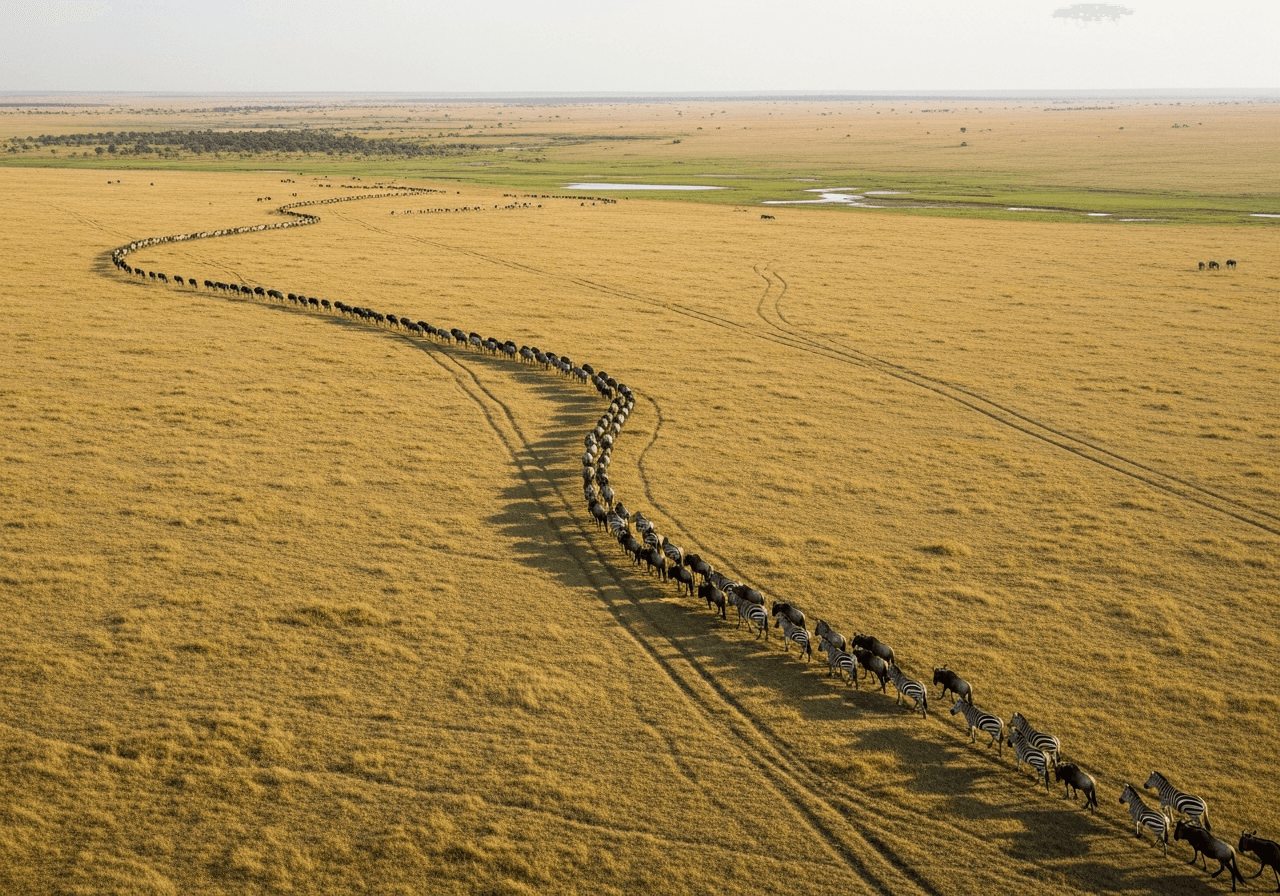
The Masai Mara National Reserve in southwestern Kenya is a premier 1,510-square-kilometre wildlife sanctuary. Renowned for the annual Great Wildebeest Migration from July to October, it offers exceptional year-round Big Five viewing across open savannahs. The reserve is contiguous with Tanzania's Serengeti, forming a critical, biodiverse transboundary ecosystem.
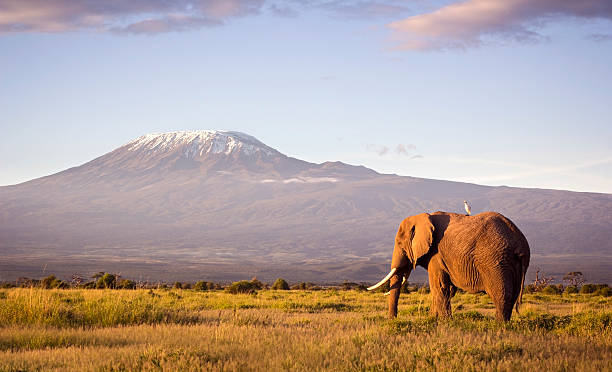
Amboseli National Park is one of Kenya's most celebrated wildlife destinations, renowned for its impressive elephant populations and unrivaled views of Mount Kilimanjaro. Covering approximately 392 square kilometers in southern Kenya, the park offers exceptional game viewing, diverse ecosystems, and rich cultural experiences. Visitors can spot elephants, lions, cheetahs, buffaloes, giraffes, zebras, wildebeests, and over 400 bird species throughout the year. The park's swamps, grasslands, acacia woodlands, and seasonal lakes create ideal wildlife habitats and stunning photographic opportunities. Amboseli National Park delivers unforgettable safari adventures, breathtaking scenery, and authentic African wildlife experiences.
Request written confirmation of remote-location air evacuation.
Ask which hospital would receive the patient.
Confirm who authorises and arranges transport.
Check direct payment versus reimbursement.
Record evacuation limits, exclusions and a 24-hour assistance number.
Ask separately about repatriation home.
Mara Serena Safari Lodge and Ol Tukai Lodge are itinerary examples, not insurance endorsements. Check cancellation and baggage cover against the booking value. Assess any planned ballooning, walking or riding against the traveller’s policy.
Transporting a living patient home is different from repatriating mortal remains. Kenya mandatory travel insurance should not be treated as proof that both are covered on the required terms.
The pre-departure checklist for first-time safari travellers
Two weeks before travel is the official recommended eTA application lead time. Typical processing is three working days, but some applications take longer. Neither figure promises an approval deadline.
Featured Mid Range
KE
Safari
Kenya · Masai Mara National Reserve
5Days
5-Day Midrange Kenya Safari
Masai Mara National ReserveNairobi CityAmboseli National Park+1
Establish eligibility. Check passport nationality, immigration status and any claimed exemption.
2
Match passport information. Use identical details for insurance and eTA records.
3
Check policy dates. Include every Kenyan stay and any planned return.
4
Read exclusions. Review medical conditions, activities and authorisation procedures.
5
Confirm the final amount. Separate premium, gateway charges and eTA fees.
6
Purchase recognised cover. Follow the official application or eCitizen process.
7
Complete the eTA separately. Insurance payment is not travel authorisation.
8
Save offline proof. Keep approval, invoice, reference, status evidence and supplied policy documents.
9
Recheck before departure. Review live instructions and unresolved questions.
A missing document or failed recognition should trigger a support request before another payment. Retain the purchase reference and screenshots so official support can investigate. Duplicate purchases can complicate an already unclear record.
Kenya–Tanzania combinations: check each border separately
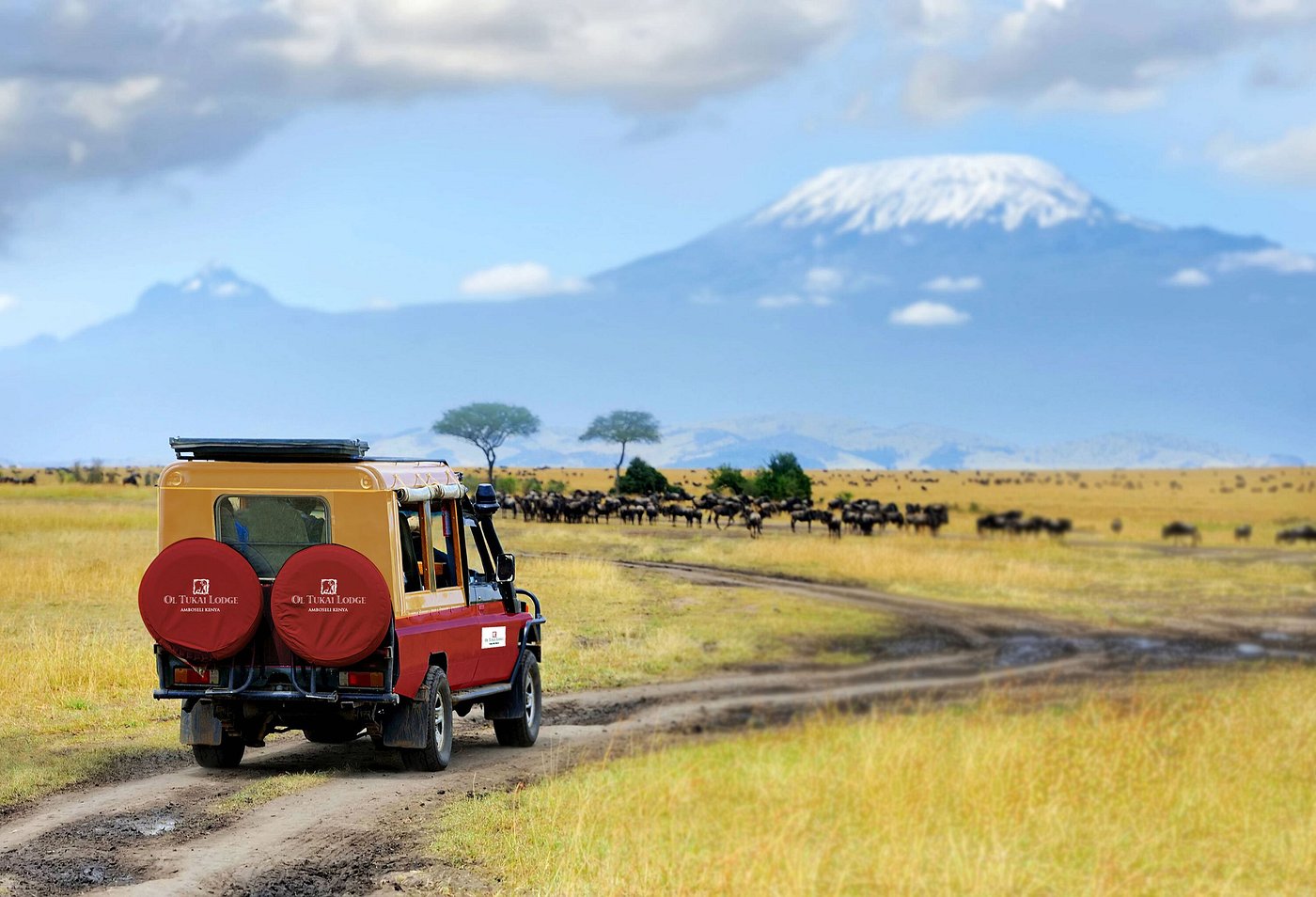
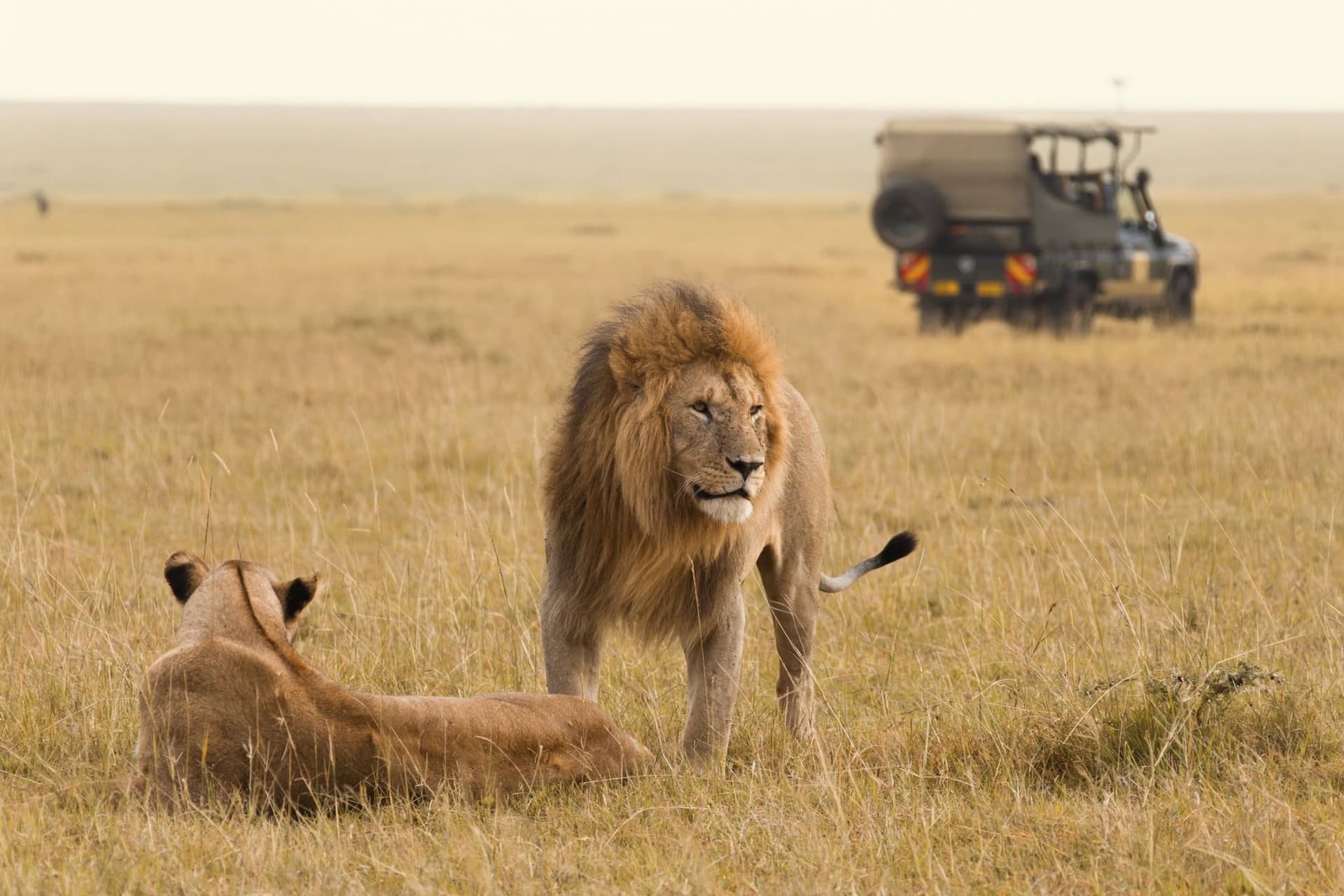
A safari vehicle is surrounded by grazing zebras and wildebeests during a game drive in the Masai Mara National Reserve, Kenya.
Featured Luxury
TZ+1
Safari
Tanzania · Masai Mara National Reserve
10Days
10 Days Two Nations Safari Kenya&Tanzania (luxury)
Masai Mara National ReserveSerengeti National ParkNgorongoro Crater+1
Experience a well-planned 10-day Kenya and Tanzania safari with Imara Africa Safaris, covering Lake Nakuru, Masai Mara, Serengeti, Ngorongoro Crater, Tarangire, and Amboseli. This two-nation safari combines big cats, rhinos, elephants, scenic landscapes, cultural experiences, and some of East Africa’s most iconic wildlife destinations.
10 Days Two Nations Safari Kenya&Tanzania Flying (Ultra-Luxury)
Masai Mara National ReserveSerengeti National ParkNgorongoro Crater+1
Experience a well-planned 10-day Kenya and Tanzania safari with Imara Africa Safaris, covering Lake Nakuru, Masai Mara, Serengeti, Ngorongoro Crater, Tarangire, and Amboseli. This two-nation safari combines big cats, rhinos, elephants, scenic landscapes, cultural experiences, and some of East Africa’s most iconic wildlife destinations.
Imara reports a US$44 Tanzania insurance charge, but that observation is not a universal tariff. Mainland Tanzania and Zanzibar procedures should not be treated as interchangeable. Use Tanzania insurance preparation as a separate starting point, then verify destination-specific official instructions.
A Kenya-only route could combine the Mara, Amboseli and Laikipia. A two-country route could connect the Mara with the Serengeti through Arusha. Insurance compliance does not depend on buying either itinerary from a particular operator.
Imara Africa Safaris can help travellers discuss itinerary-specific preparation, including document checks, policy questions and border planning. Insurers confirm benefits; immigration authorities decide admission. Imara cannot approve insurance or conclusively interpret a court judgment.
Reported application tests did not allow ordinary overseas policies to be uploaded, despite earlier statements allowing qualifying foreign cover. Obtain individual official confirmation before relying on a substitute.
Purchase recognised insurance separately through the official eCitizen service and check that it links to the passport record. Imara’s client received an invoice, then verified recognition in the eTA website’s insurance section.
Families should confirm each child’s and infant’s insurance position, age band and any exemption. Imara observed US$22 plus US$4 in charges for a child, but this is not a guaranteed family tariff.
Qualifying passengers who remain within airport precincts are eTA-exempt. That does not automatically settle insurance eligibility, so confirm the exact transit arrangement with official support and the airline.
Do not assume reuse from an invoice alone: obtain written confirmation for the actual Kenyan exit and return dates. Check eTA re-entry permission separately from insurance validity.
No: evacuation benefits remain subject to policy terms, limits and authorisation. Confirm remote transfers in writing and check cancellation, baggage and wider trip protection under the traveller’s comprehensive policy.
At a glance
Prescribed benefit limits, subject to policy terms
US$5,000; distinct from repatriating a living patient. ([beta.nation.co.ke](https://beta.nation.co.ke/kenya/news/why-court-cleared-sh6-4m-foreign-visitors-insurance-scheme-after-legal-battle--5622976))
Item
Practical position
Evidence status
Statutory obligation
Non-Kenyans entering and remaining for less than twelve months require prescribed travel health insurance.
Check passport nationality, immigration status and eTA eligibility separately.
The official insurance service’s non-African wording is not a complete exemption schedule. ([insurance.ecitizen.go.ke](https://insurance.ecitizen.go.ke/))
Cost
Imara reports US$48 for an adult; independent tests recorded US$52.
Observed transactions, not guaranteed tariffs. ([arpafrica.com](https://arpafrica.com/news/kenya-introduces-mandatory-travel-insurance/))
Coverage minimum
At least US$50,000 in cumulative benefits, subject to policy terms.
Prescribed coverage threshold, not purchase price. ([clydeco.com](https://www.clydeco.com/en/insights/2026/08/mandatory-inbound-travel-health-insurance-cover?utm_source=openai))
Policy dates
Check that the purchased cover spans every Kenyan travel date.
Entire-stay coverage is required; product-duration descriptions conflict. ([new.kenyalaw.org](https://new.kenyalaw.org/akn/ke/act/ln/2024/49/eng%402024-03-08/source.pdf?utm_source=openai))
Exemptions
Do not infer an insurance exemption from an eTA exemption.
Individual confirmation needed where insurance instructions are incomplete. ([etakenya.go.ke](https://etakenya.go.ke/general-information))
Kenya inbound insurance: what is established and what still needs checking
64views
Share
About the author
Lewis Munuhe
Founder & Director
<p>Lewis Munuhe is the Director and Owner of Imara Africa Safaris, a trusted safari company dedicated to creating tailor-made African safari experiences across Kenya, Tanzania, Uganda, and Rwanda. With a strong passion for African travel, wildlife, culture, and conservation, Lewis leads the company’s vision of delivering personalized, seamless, and unforgettable safari journeys for travelers from around the world.</p><p>Through Imara Africa Safaris, Lewis helps guests discover East Africa’s most iconic destinations, from the Masai Mara and Serengeti to Uganda and Rwanda’s gorilla trekking regions. His approach focuses on understanding each traveler’s interests, comfort level, budget, and expectations, then transforming those details into carefully curated safari itineraries that feel personal, meaningful, and well-planned.</p><p>As Director and Owner, Lewis is committed to maintaining high standards in safari planning, guest care, destination expertise, and responsible tourism. Whether arranging a luxury wildlife safari, honeymoon escape, family adventure, cultural journey, gorilla trekking safari, or multi-country East African itinerary, he ensures every experience reflects the quality, authenticity, and attention to detail that define Imara Africa Safaris.</p><p>Under his leadership, Imara Africa Safaris continues to help travelers experience the beauty of Africa through expertly planned safaris that celebrate wildlife, landscapes, local cultures, conservation, and unforgettable adventure.</p>
<p>Lewis Munuhe is the Director and Owner of Imara Africa Safaris, a trusted safari company dedicated to creating tailor-made African safari experiences across Kenya, Tanzania, Uganda, and Rwanda. With a strong passion for African travel, wildlife, culture, and conservation, Lewis leads the company’s vision of delivering personalized, seamless, and unforgettable safari journeys for travelers from around the world.</p><p>Through Imara Africa Safaris, Lewis helps guests discover East Africa’s most iconic destinations, from the Masai Mara and Serengeti to Uganda and Rwanda’s gorilla trekking regions. His approach focuses on understanding each traveler’s interests, comfort level, budget, and expectations, then transforming those details into carefully curated safari itineraries that feel personal, meaningful, and well-planned.</p><p>As Director and Owner, Lewis is committed to maintaining high standards in safari planning, guest care, destination expertise, and responsible tourism. Whether arranging a luxury wildlife safari, honeymoon escape, family adventure, cultural journey, gorilla trekking safari, or multi-country East African itinerary, he ensures every experience reflects the quality, authenticity, and attention to detail that define Imara Africa Safaris.</p><p>Under his leadership, Imara Africa Safaris continues to help travelers experience the beauty of Africa through expertly planned safaris that celebrate wildlife, landscapes, local cultures, conservation, and unforgettable adventure.</p>
<p>Lewis Munuhe is the Director and Owner of Imara Africa Safaris, a trusted safari company dedicated to creating tailor-made African safari experiences across Kenya, Tanzania, Uganda, and Rwanda. With a strong passion for African travel, wildlife, culture, and conservation, Lewis leads the company’s vision of delivering personalized, seamless, and unforgettable safari journeys for travelers from around the world.</p><p>Through Imara Africa Safaris, Lewis helps guests discover East Africa’s most iconic destinations, from the Masai Mara and Serengeti to Uganda and Rwanda’s gorilla trekking regions. His approach focuses on understanding each traveler’s interests, comfort level, budget, and expectations, then transforming those details into carefully curated safari itineraries that feel personal, meaningful, and well-planned.</p><p>As Director and Owner, Lewis is committed to maintaining high standards in safari planning, guest care, destination expertise, and responsible tourism. Whether arranging a luxury wildlife safari, honeymoon escape, family adventure, cultural journey, gorilla trekking safari, or multi-country East African itinerary, he ensures every experience reflects the quality, authenticity, and attention to detail that define Imara Africa Safaris.</p><p>Under his leadership, Imara Africa Safaris continues to help travelers experience the beauty of Africa through expertly planned safaris that celebrate wildlife, landscapes, local cultures, conservation, and unforgettable adventure.</p>
















Comments
Loading…