
Hell's Gate National Park is a compact 68 km² park in Kenya's Great Rift Valley, roughly 90 km northwest of Nairobi near Lake Naivasha. It is the only Kenyan national park where visitors can walk and cycle freely among the wildlife, pedalling past zebras and giraffes beneath towering volcanic cliffs.
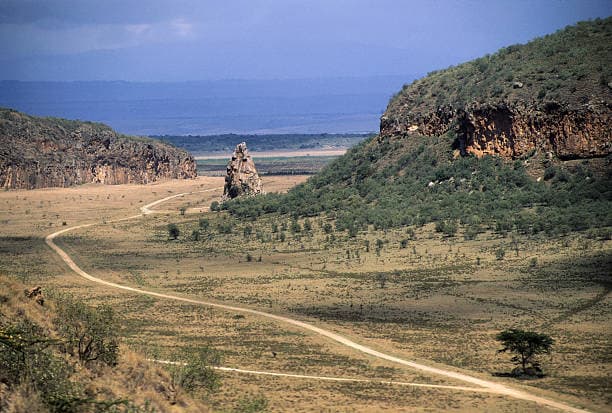
The park takes its name from a narrow break in the cliffs that once formed the outlet of a prehistoric lake. Its landscape is among the most dramatic in Kenya: volcanic cliffs, deep gorges, geothermal steam vents, rock towers and open grassland framed by the walls of the Rift Valley.
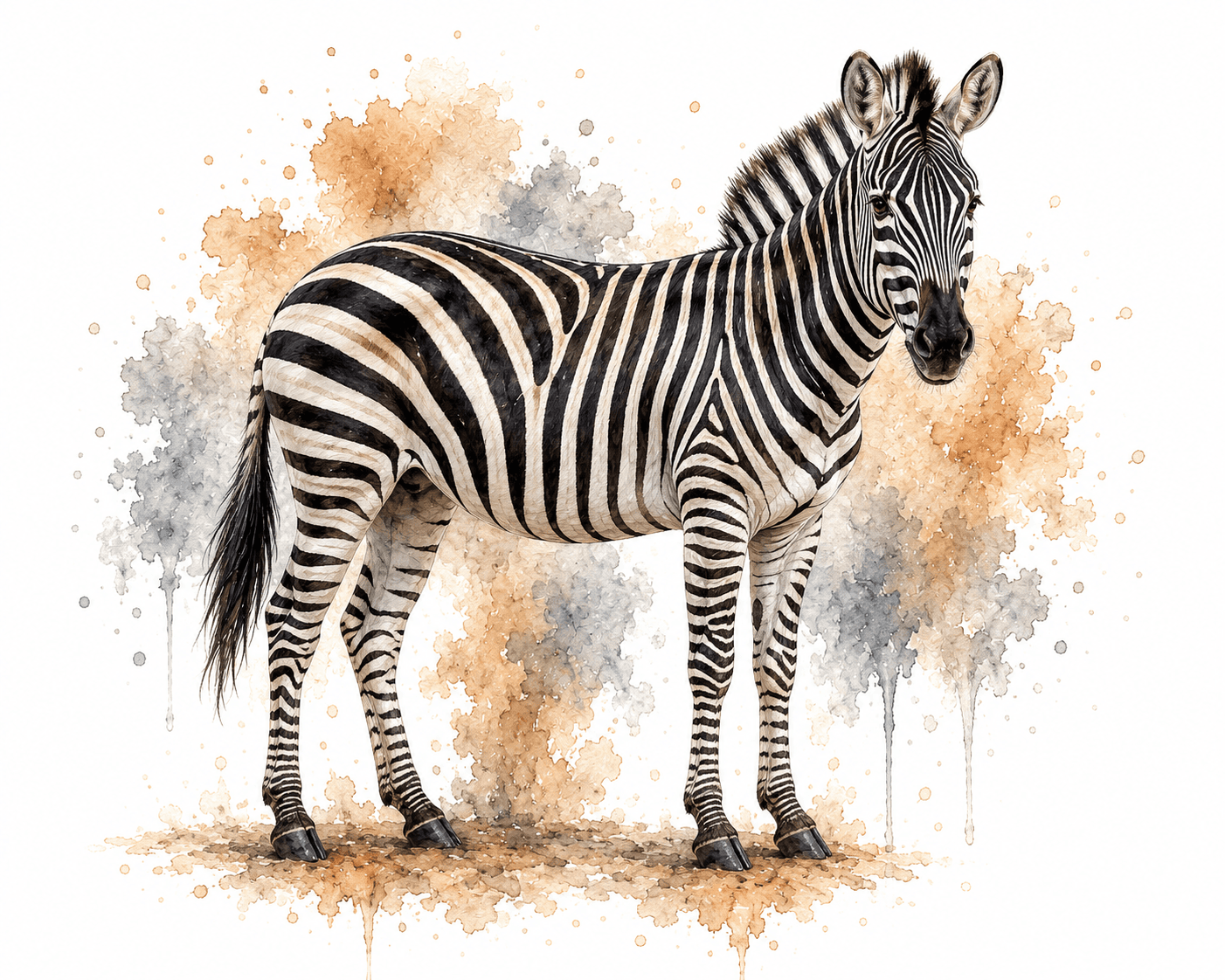
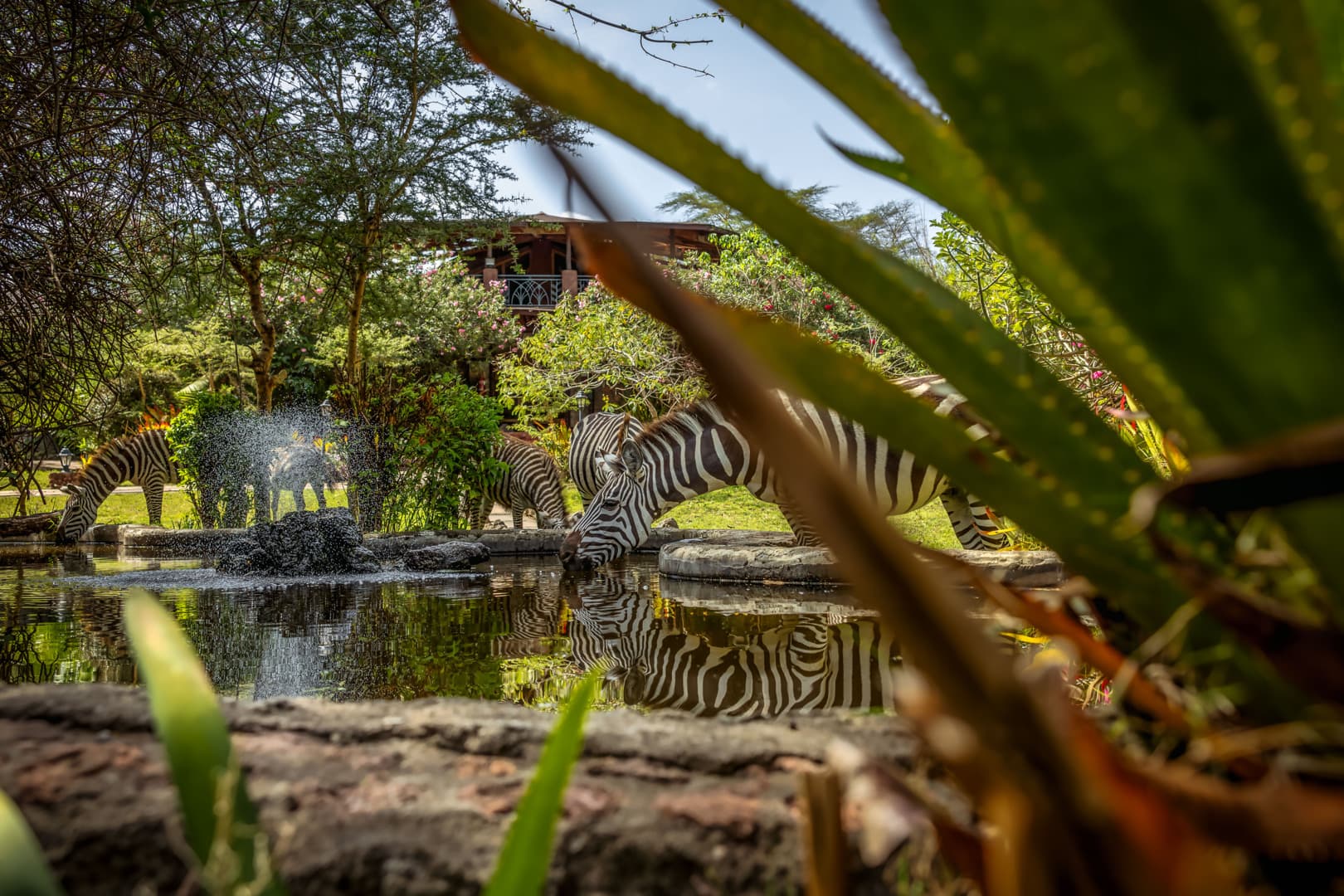
Because Hell's Gate has no resident elephant population and few large predators, exploring on foot or by bicycle is permitted — and has become the park's signature experience. Cyclists share the main track with plains zebras, giraffes, gazelles, buffaloes, elands and warthogs, an immersion in the landscape no vehicle safari can match.
Two volcanic landmarks dominate the scenery. Fischer's Tower, a 25 m volcanic plug near the main gate, is popular with rock climbers, while the Central Tower marks the entrance to the dramatic Ol Njorowa Gorge, where guided walks descend between sculpted rock walls. Geothermal activity is everywhere: steam vents and hot springs betray the volcanic forces beneath the Rift, and the nearby Olkaria complex is one of Africa's largest geothermal power projects.
Birdlife is a further draw, with more than 100 recorded species including Verreaux's eagles, augur buzzards, vultures and swifts nesting on the cliff faces. The park's scenery famously helped inspire the landscapes of Disney's The Lion King, and it remains a favourite with filmmakers and photographers.
The gorge walk is the day's highlight for many visitors: a guided descent into Ol Njorowa's narrow channels, where water-sculpted walls rise overhead and hot springs seep from the rock. Local Maasai guides explain the geology and point out obsidian deposits along the way. Flash floods can occur after heavy rain, so walks run with guides and are subject to weather — a reminder that this landscape is still being carved.
Hell's Gate also holds cultural significance for the Maasai community, whose history in the Rift Valley is woven through the area's place names and legends, including the story attached to Fischer's Tower. Combined with rock climbing on the tower, picnic sites beneath the cliffs and the ever-present backdrop of steam rising from the Olkaria fields, the park packs an unusual amount of variety into its modest area.
What Is Hell's Gate National Park Known For?
- Kenya's only national park for unguided walking and cycling safaris
- Fischer's Tower, a 25 m volcanic plug popular with climbers
- The sculpted walls of Ol Njorowa Gorge
- Geothermal steam vents and hot springs in the Rift Valley
- Cycling among zebras, giraffes and buffaloes
- Cliff-nesting raptors, including Verreaux's eagles
When Is the Best Time to Visit Hell's Gate?
The park can be visited year-round, with June to October and January to March offering the most reliable weather for cycling, hiking and photography. Early morning starts beat both the heat and the day-trip crowds.
How Do You Get to Hell's Gate National Park?
Hell's Gate lies approximately 90 km from Nairobi, a drive of about 1.5 to 2 hours, just south of Lake Naivasha. Its proximity to the capital and to the Naivasha lodges makes it one of Kenya's easiest parks to reach — bicycles can be hired near the Elsa Gate.
How Many Days Do You Need?
A single day is sufficient: most visitors cycle the main valley, walk the gorge and picnic beneath the cliffs before returning to Naivasha or Nairobi. Combining Hell's Gate with a Lake Naivasha boat trip fills a perfect Rift Valley day.
For active travellers who want to swap the safari vehicle for pedals and boots, Hell's Gate National Park offers one of Kenya's most exhilarating and accessible adventures.