
肯尼亚野生动物园:你会看到哪些动物?
肯尼亚野生动物的种类从五大捕食者和大象群到火烈鸟、河马、长颈鹿以及桑布鲁罕见的北方物种,视路线和季节而定。
29 min read82viewsUpdated Oct 10, 2026
“Imara” means strong in Swahili. We build every safari with that same strength — expert knowledge, honest pricing, and relentless attention to detail.
Tell us what you're looking for and we'll build a custom itinerary — free, no obligation, within 24 hours.
Start PlanningNo spam, ever. Unsubscribe anytime.
Protected by Cloudflare Turnstile & Google reCAPTCHA. Privacy & Terms apply.
Safari deals, travel tips & destination guides — straight to your inbox.
No spam, ever. Unsubscribe anytime.
Protected by Cloudflare Turnstile & Google reCAPTCHA. Privacy & Terms apply.
肯尼亚野生动物的种类从五大捕食者和大象群到火烈鸟、河马、长颈鹿以及桑布鲁罕见的北方物种,视路线和季节而定。
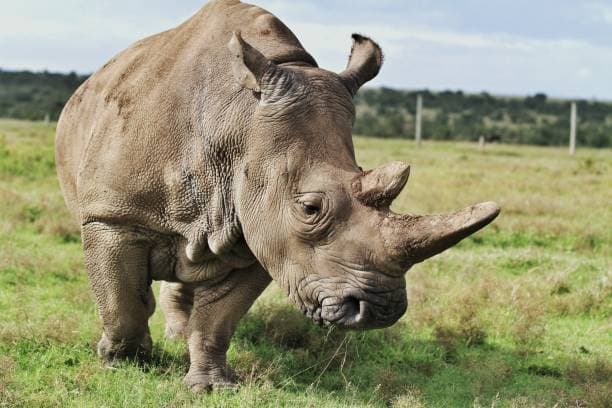
肯尼亚野生动物包括狮子、大象、水牛、长颈鹿、斑马、河马、鳄鱼、羚羊及丰富的鸟类,在特定区域可能出现犀牛、豹和 猎豹 。 马赛马拉河对大型猫科动物和迁徙最为繁盛,安博塞利河对大象最为活跃,桑布鲁在罕见北方物种,纳库鲁湖则有犀牛和火烈鸟。
马赛马拉国家保护区覆盖了约1510平方公里的 更大马拉-塞伦盖蒂生态系统,这一规模解释了为何肯尼亚野生动物最好以地区为单位理解,而非单一公园名称。开阔的平原适合食草动物和大型猫科动物;湿地吸引河马、水鸟和水牛;北部干旱地区拥有南部未见的物种。
规划良好的 路线 常见鸟类包括 非洲象、非洲狮、 开普水牛、平原斑马、 马赛长颈鹿、汤姆森瞪羚、格兰特瞪羚、黑斑羚、疣猪、 橄榄狒狒、斑点鬣狗、河马和许多猛禽。可能的目击对象包括豹、猎豹、 黑犀牛、白犀牛、塞瓦尔犬、土狼和大型蟒蛇。 罕见 的目击包括非洲野犬、穿山甲、猕猴和条纹鬣狗。
路线选择比追逐清单更重要。从内罗毕到安博塞利国家公园、纳库鲁湖国家公园或奈瓦沙湖,再到马赛马拉的六天环线,让初次游客拥有比在同一地点待更广的野生动物资源。再加上桑布鲁国家保护区或莱基皮亚,狩猎体验再次变化,带来干燥地区的物种和更丰富的保护体验。
6月至10月通常更容易观赏,因为草较短,动物会进入可靠的水源。11月至5月带来绿草、新生羚羊、壮丽的天空和优美的鸟类。运气依然重要。导游技巧、耐心、安静的车辆布置和野外时间往往决定了客人早餐前所见。
马赛马拉是肯尼亚五大狩猎区中最强大的狮子和豹子狩猎区,而安博塞利和察沃以大象闻名,裂谷和莱基皮亚则提供了最可靠的犀牛机会。水牛广泛分布于马拉、安博塞利、察沃、纳库鲁湖及许多保护区。
目击情况因季节、栖息地和野外时间而异,但这些地区提供了最强的概率。
五大猎犬分别是狮子、豹子、大象、水牛和犀牛。这个词源自古老的狩猎语言,当时这些动物被认为难以徒步狩猎。如今,这不应被视为衡量狩猎质量的唯一标准。在马拉平原狩猎猎猎,一群大象穿越安博塞利的尘土,或一只鱼鹰在奈瓦沙湖上空鸣叫,都可能和五种动物名单一样重要。
狮子最常见于马赛马拉,尤其是常驻群岛控制河流线、短草平原和排水区的地方。豹偏好遮蔽:河岸林地、岩石区和灌木丛,即使在强势领地中也需更多照顾。大象在安博塞利、 察沃东国家公园 和察沃西部表现出色,家庭群体在沼泽、林地和季节性水域间迁徙。
犀牛通常需要一个受保护的据点。纳库鲁湖犀牛通常是经典公路狩猎的理想选择,而奥尔佩耶塔保护区和勒瓦野生动物保护区则更适合想在莱基皮亚以保护为主导的犀牛观赏的旅行者。没有运营商应承诺能完整看到五大犀牛;正确的路线使得目标更真实,而非保证。
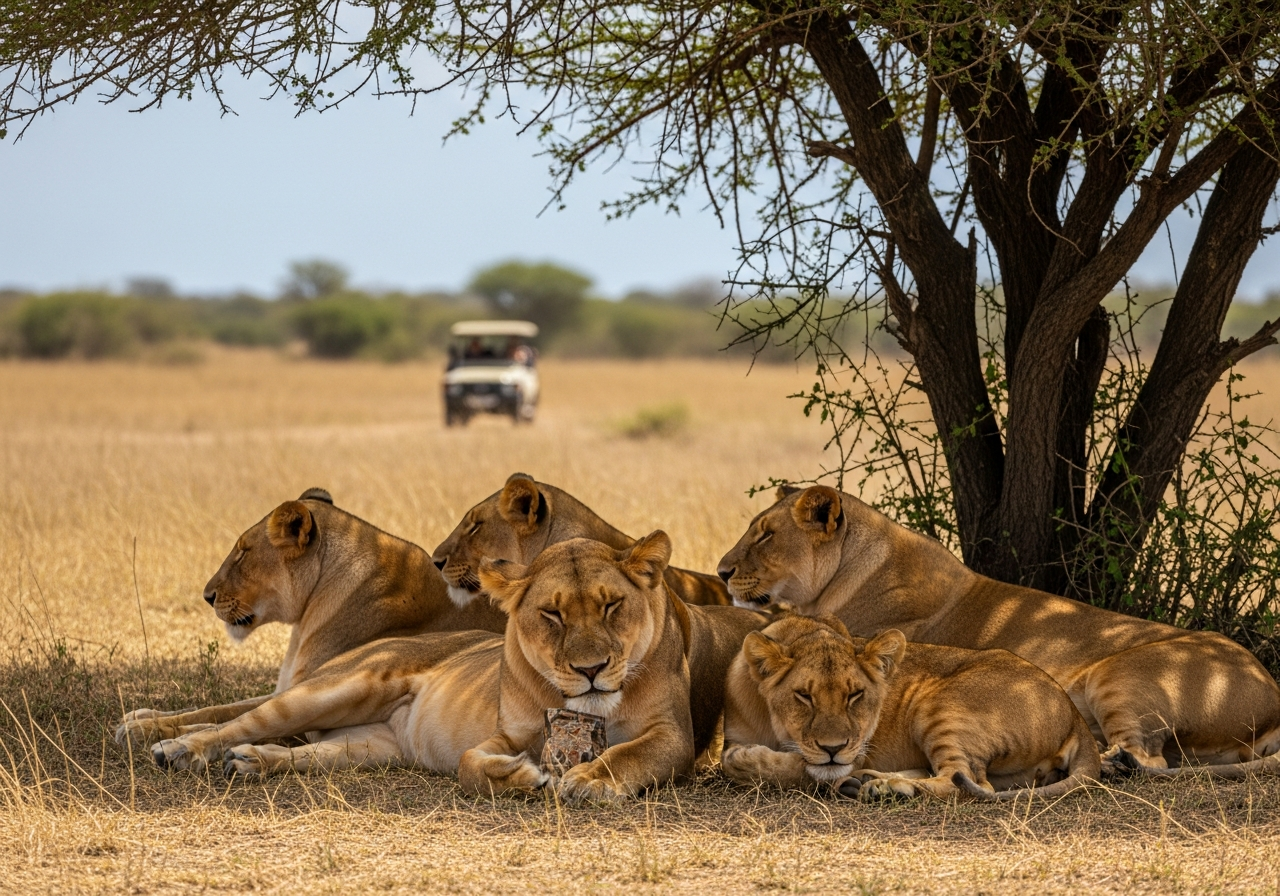
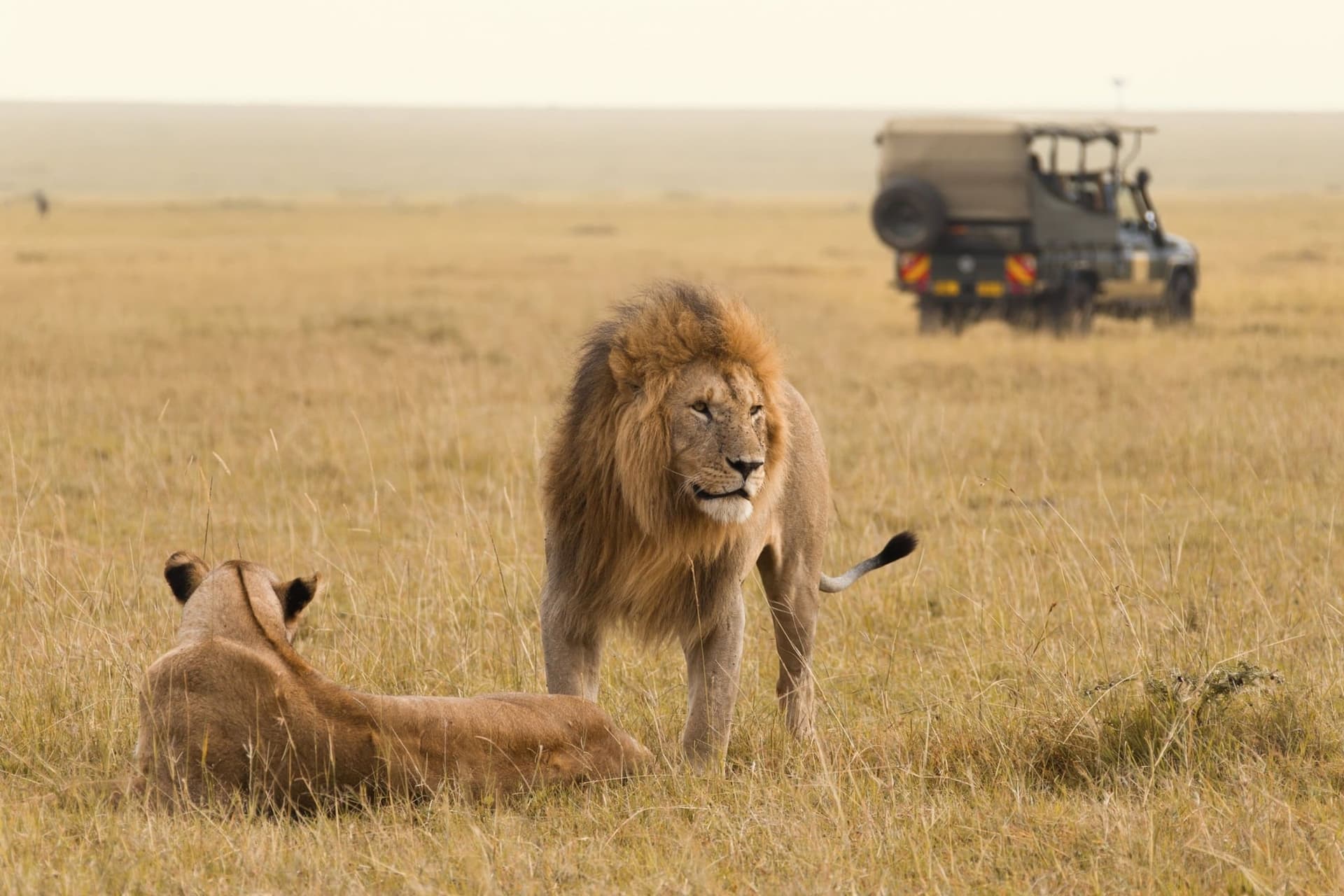
在凉爽的马拉清晨,非洲狮群常在日出前移动,雌狮会检查足迹、气味痕迹和风向。狮子在夜间和白天较凉的边缘最为活跃,随后在炎热时段躲在巴拉尼石、黄石灌木或小相思树丛下。幼狮可能在灌木丛附近玩耍,成狮则平躺在阴凉处。
在马赛马拉和保护区最为明显,尤其是在黎明时分,群岛会移动后在阴凉处休息。
白天常见于开阔平原,利用白蚁丘或小山丘扫描羚羊。
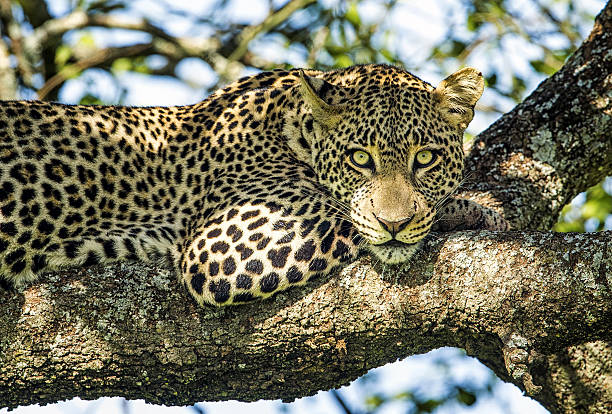
它们是大型猫科动物中最难以捉摸的,喜欢河岸林地、浓密的遮蔽和岩石地带,在那里可以藏匿猎物。
猎豹喜欢开阔的平原,那里速度有发挥空间。在马赛马拉,它们常从白蚁丘、低矮山脊或车辙扫描,观察汤姆森瞪羚和幼年黑斑羚。与狮子和豹不同,猎豹能在白天活动,因为它们避开体型较大的夜行竞争者。耐心观察很重要:猎豹可能坐一小时,几秒钟内便有目的地移动。
豹子向导员要求更多。它们利用塔莱克河、马拉河和沙河流域的河流林地、岩石科普耶、浓密的沟壑和阴凉的排水线。悬挂的黑斑羚尸体、紧张的绿猴或珍珠鸡的警报鸣叫,往往揭示的不仅仅是直接搜寻。
熟练的导游层层阅读灌木:尘土中新鲜的爪痕、低空盘旋的秃鹫、兴趣盎然的小跑豺狼、盯着一个方向的斑马,或黎明时分吃饱的鬣狗。如果想详细规划大型猫科动物、开阔平原群体和季节性迁徙的目的地,伊马拉的 马赛马拉野生动物 指南是自然的下一步。
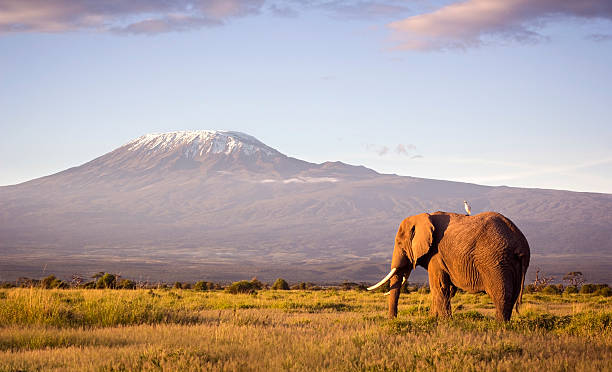
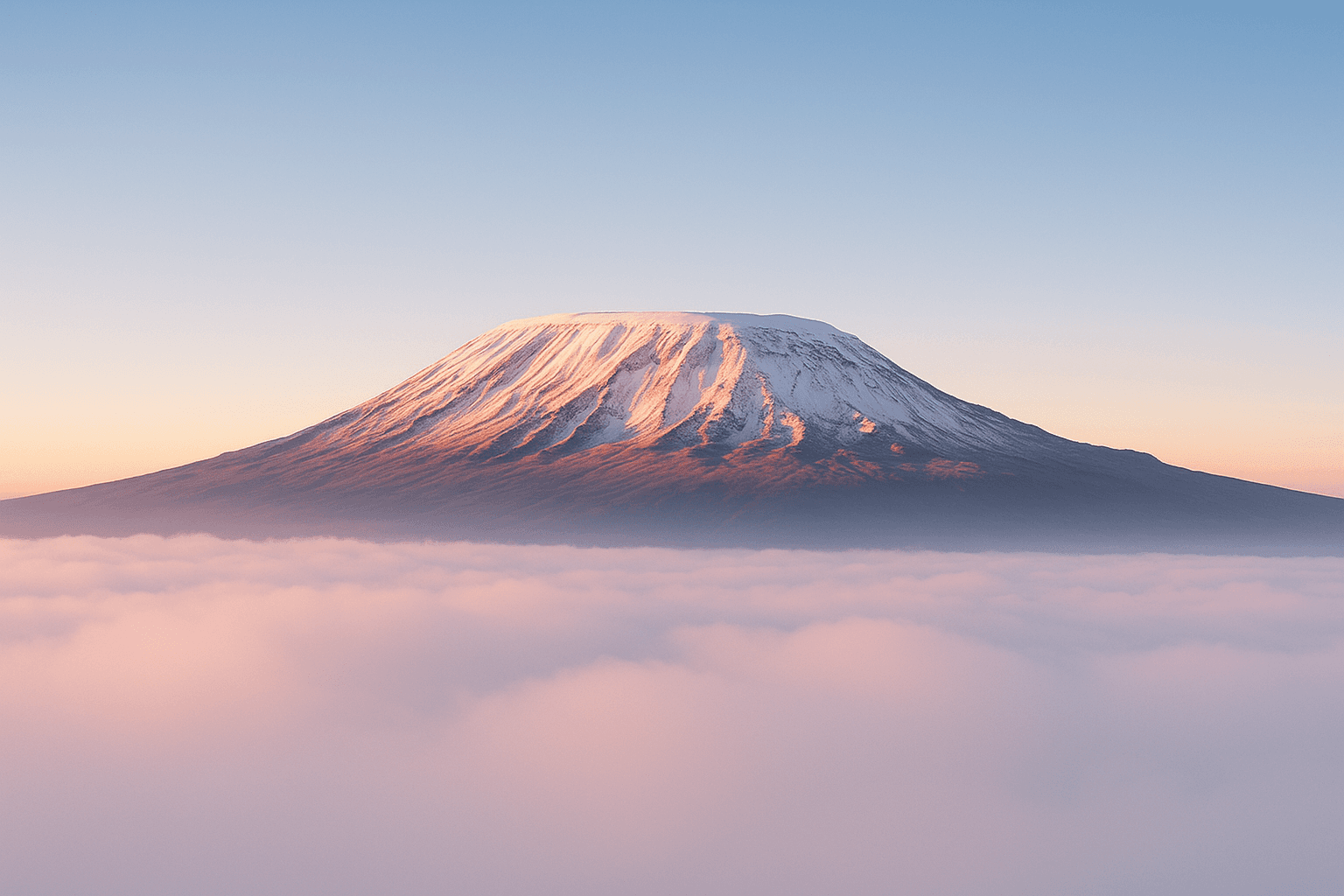
安博塞利国家公园占地392平方公里,以大型且研究详尽的大象家族闻名。其开阔的沼泽地使大象行为易于辨认:母象牵领幼象穿越水中,幼年公象相互试探,整个家庭在乞力马扎罗山下方的傍晚阳光下擦拭着灰尘,当云层散去。
安博塞利以平静、多代同堂的大象家庭在沼泽和开阔平原之间迁徙而闻名。
马赛长颈鹿在肯尼亚南部很常见,网纹长颈鹿在北部占主导地位,罗斯柴尔德长颈鹿则分布在部分保护区。
它们常出现在混合放牧群体中,警觉的行为能发现附近的捕食者。
黑斑羚、格兰特瞪羚、汤姆森瞪羚、大羚羊、角马和水羚在平原上制造了许多日常戏剧性。
河马分布在河流和湖泊中,而尼罗河鳄则多与较大的河流系统如马拉河相关联。
 KE
KEAmboseli National Park is one of Kenya's most celebrated wildlife destinations, renowned for its impressive elephant populations and unrivaled views of Mount Kilimanjaro. Covering approximately 392 square kilometers in southern Kenya, the park offers exceptional game viewing, diverse ecosystems, and rich cultural experiences. Visitors can spot elephants, lions, cheetahs, buffaloes, giraffes, zebras, wildebeests, and over 400 bird species throughout the year. The park's swamps, grasslands, acacia woodlands, and seasonal lakes create ideal wildlife habitats and stunning photographic opportunities. Amboseli National Park delivers unforgettable safari adventures, breathtaking scenery, and authentic African wildlife experiences.
慢看比追逐过境更能获得效果。在安博塞利大象家庭旁静静待十分钟,可能会看到问候的低吼、摸象鼻、小象纪律以及维系群体的社会秩序。想要这种狩猎风格的旅行者应多花时间体验 安博塞利大象的栖息地 ,而不是把它当作一夜停留。
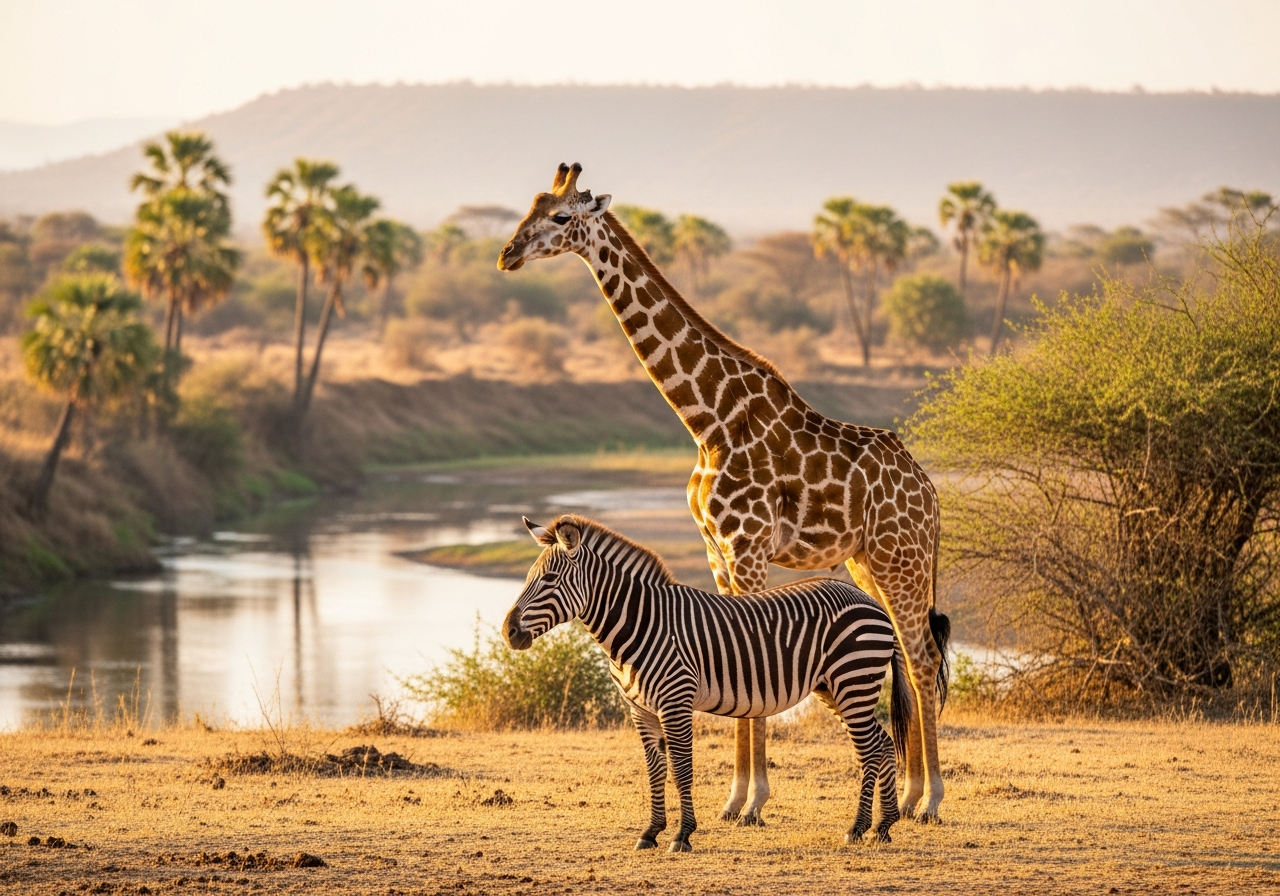
长颈鹿因地区而异。马赛长颈鹿在马赛马拉和安博塞利地区常见,带有锯齿状的藤叶斑块。网 纹长颈鹿在浓郁栗色斑块之间有干净的白色线条,是桑布鲁及北部的标志性特征。罗斯柴尔德长颈鹿分布于纳库鲁湖及部分保护区,包括更广泛的裂谷保护景观。
斑马、角马、瞪羚、大羚羊、可口角马、托皮羚和黑斑羚构成了肯尼亚野生动物的活体引擎。它们在当地吃草、觅食、产犊、迁徙、发出警报并喂食捕食者。在河流、湖泊和永久水域,河马白天聚集在水池中,鳄鱼则在过河点、湖边和泥泞岸边等待。
纳库鲁湖国家公园、奥尔佩杰塔保护区和勒瓦野生动物保护区是肯尼亚大多数行程中最强的犀牛选择。犀牛观赏在日常保护系统中包含安全、栖息地管理和兽医监测时效果最佳。
At a glance
黑犀牛和白犀牛的行为不同。黑犀牛通常更孤独,嘴唇呈钩状,且更依赖于敃食灌木和较厚的覆盖。白犀牛体型较大,嘴唇方正,常出现在开阔草地,有时成小群体出现。这些名称令人困惑;它们无法用任何有用的野外色彩描述。
奥尔佩耶塔保护区保护着世界上最后的两只北方白犀牛。该保护区还为南方白犀牛和黑犀牛提供了很好的机会,使得 奥尔佩杰塔犀牛的目击 成为关注保护和摄影同等重视的旅行者的严肃选择。
导游和护林员会仔细处理犀牛的具体位置。负责任的观察意味着保持距离,限制噪音,绝不阻挡犀牛的行进路径,并接受安全规则可能影响车辆通行方向。一头犀牛半遮挡地站在发病树中仍是一种特权;靠近会给已经受到严重威胁的动物施加压力。
肯尼亚有超过1100种记录的鸟类,使鸟类生活成为几乎所有狩猎活动的重要组成部分。 肯尼亚的观鸟狩猎可以是专业且以清单为主导的,但普通旅行者也能很快注意到鸟类,因为许多鸟类色彩鲜艳、声音大且从车内易于辨认。
 KE
KEExperience the beauty of Lake Nakuru National Park, one of Kenya's most celebrated wildlife destinations, famous for its thriving rhino populations, diverse birdlife, and breathtaking Great Rift Valley landscapes. Nestled around the scenic Lake Nakuru, the park offers exceptional wildlife viewing, including lions, leopards, Rothschild's giraffes, buffaloes, and hundreds of bird species. Whether you're seeking a rewarding safari, birdwatching adventure, or stunning photography opportunities, Lake Nakuru National Park provides an unforgettable wildlife experience in the heart of Kenya.
淡紫色胸鹬常停在足迹旁,飞行时闪烁着绿松石色和紫色的光芒。非洲鱼鹰在奈瓦沙湖和马拉河上空鸣叫。秘书鸟在草地上大步穿梭,捕食昆虫、爬行动物和小型哺乳动物。灰冠鹤在湿润的草地和耕作边缘觅食,金色的头羽捕捉着晨光。
纳库鲁湖及其他裂谷湖泊的火烈鸟数量会随水位、盐度和食物供应而变化。有些季节会在浅水区留下鲜艳的粉色线条;有时鸟类会分散到博戈里亚湖、埃门塔伊塔湖、纳特龙湖或马加迪湖等湖泊。一个好的行程安排将火烈鸟视为季节性可能,而非固定的展示。
奈瓦沙湖为长途驾驶间的缓和休息。这里的船只狩猎活动可近距离观赏河马、非洲鱼鹰、鸬鹚、翠鸟、苍鹭和纸莎草边缘的鸟类。新月岛及附近的保护区在条件和当地规则允许时,还可与长颈鹿、斑马和羚羊共度散步。
桑布鲁国家保护区几乎在公路进入肯尼亚较干燥北部后立即改变了野生动物的多样性。埃瓦索尼罗河将大象、豹子、狮子、鳄鱼和鸟类引入狭窄的绿色走廊,而周围的灌木丛则栖息着许多南部路线错过的动物。
桑布鲁特别五只包括格雷维斑马、网纹长颈鹿、贝萨羚羊、杰雷努克和 索马里鸵鸟。格雷维斑马体型更大,条纹更细,腹部为白色,耳朵圆润。格雷努克用后腿站立觅食,为摄影师带来了东非最具特色的羚羊行为之一。关注 桑布鲁北方物种 的旅行者应至少停留两晚,最好三晚。
察沃东国家公园面积达13,747平方公里,是肯尼亚最大的保护区之一。这里的红尘大象、干燥的平原、杜姆棕榈和广阔的地平线,比较小的保护区更具野性和较少的压迫感。野生动物分布更广,但空间感是收获的一部分。在加拉纳河沿岸寻找大象、水牛、长颈鹿、狮子、小库杜羚、杰雷努克以及依赖水资源的野生动物。
莱基皮亚保护区,包括Lewa和Ol Pejeta,适合以保护为重点的狩猎活动。它们可以结合犀牛、格雷维斑马、网纹长颈鹿、大象,幸运的话还能养到非洲野犬。社区保护区还展示了野生动物、牲畜和当地生计如何在国家公园外共享土地。
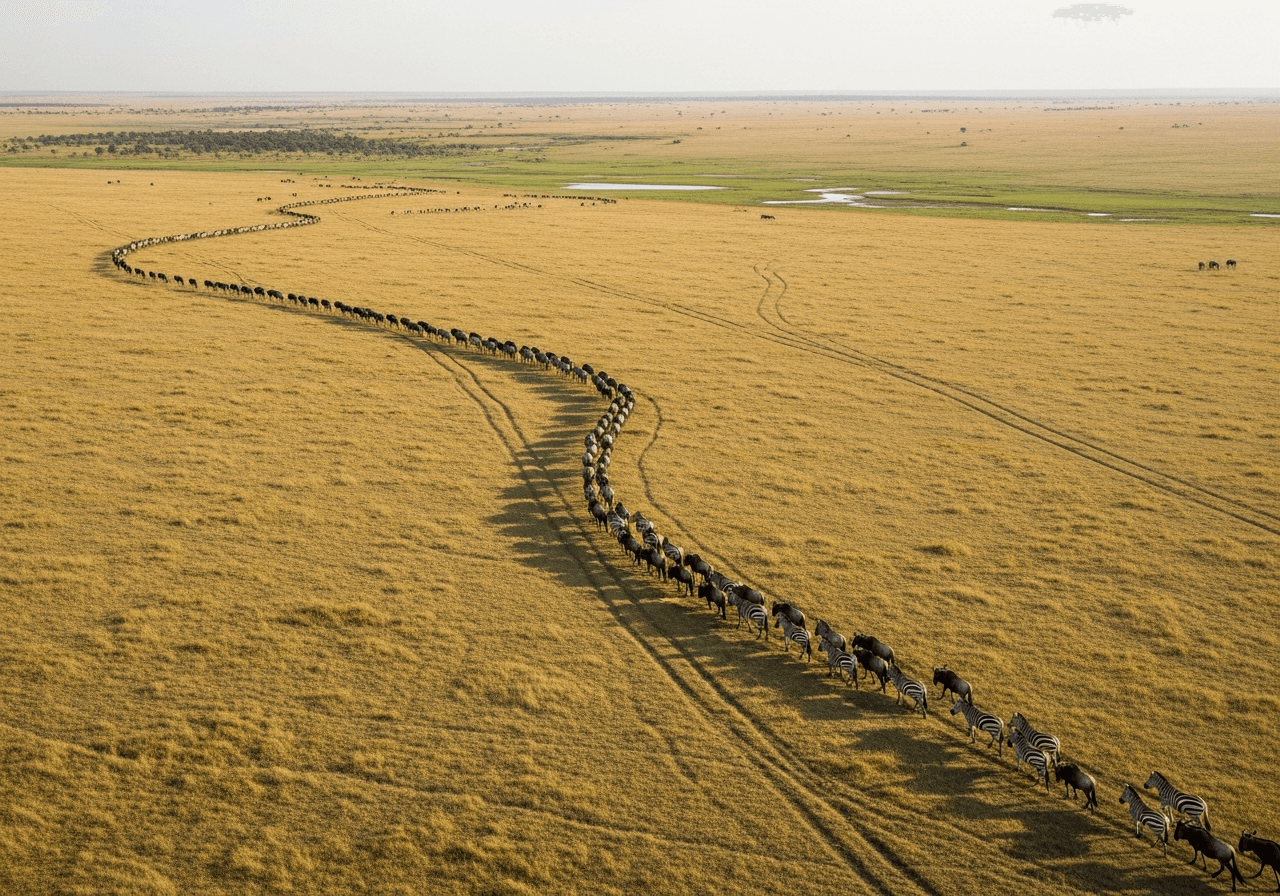
七月至十月通常是肯尼亚大迁徙狩猎的高峰期,但迁徙是一个不断变化的生态系统,而非固定的日常事件。降雨量、放牧压力、河流水位和畜群决策决定了当天发生的事情。
 KE
KEThe Masai Mara National Reserve in southwestern Kenya is a premier 1,510-square-kilometre wildlife sanctuary. Renowned for the annual Great Wildebeest Migration from July to October, it offers exceptional year-round Big Five viewing across open savannahs. The reserve is contiguous with Tanzania's Serengeti, forming a critical, biodiverse transboundary ecosystem.
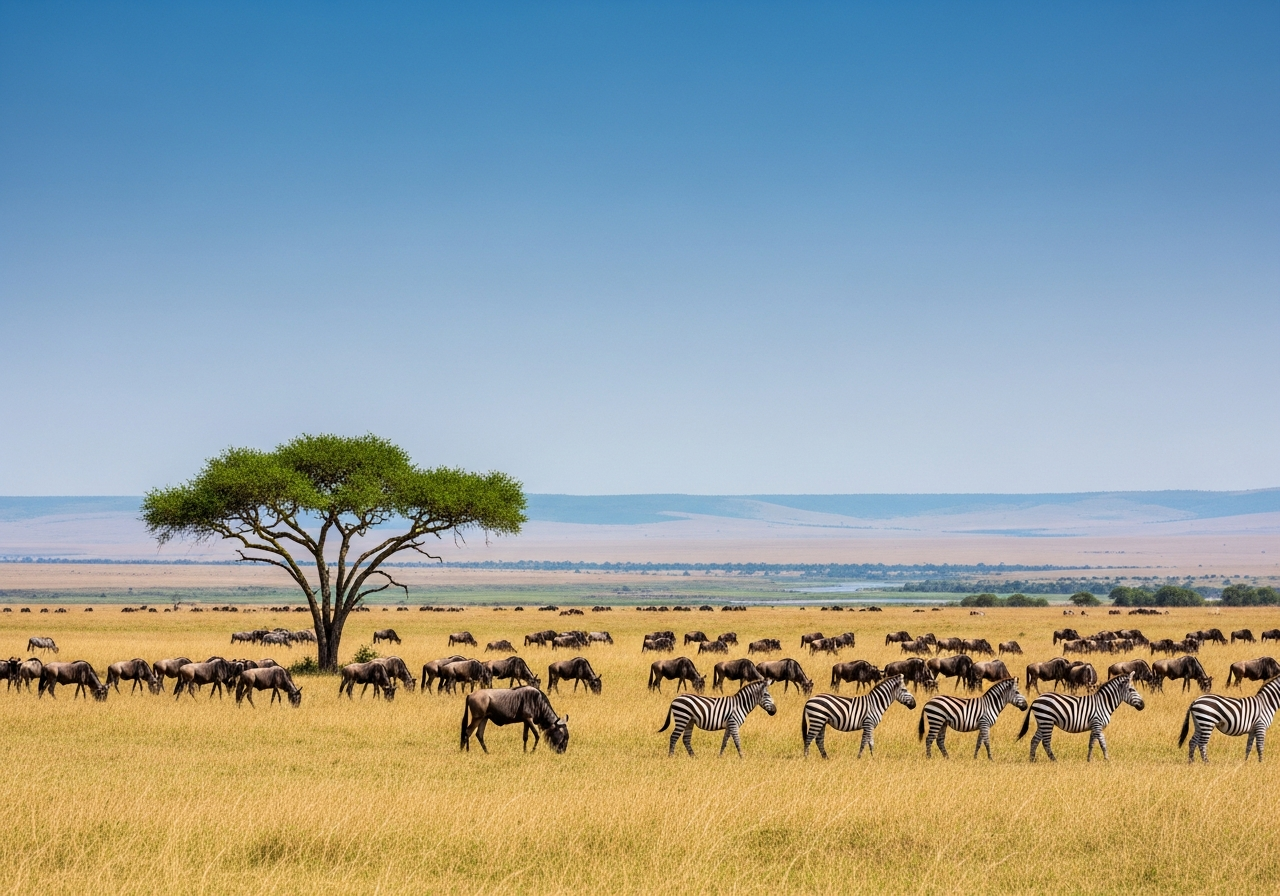
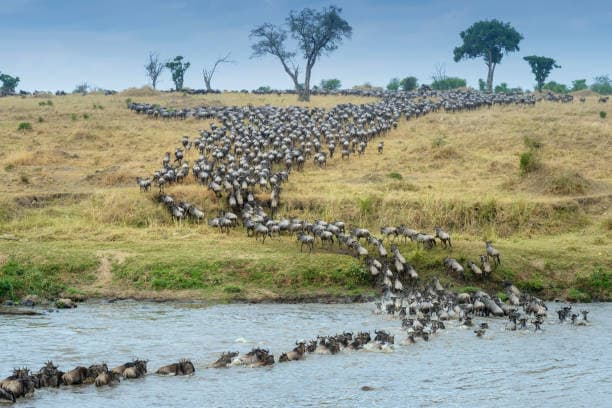
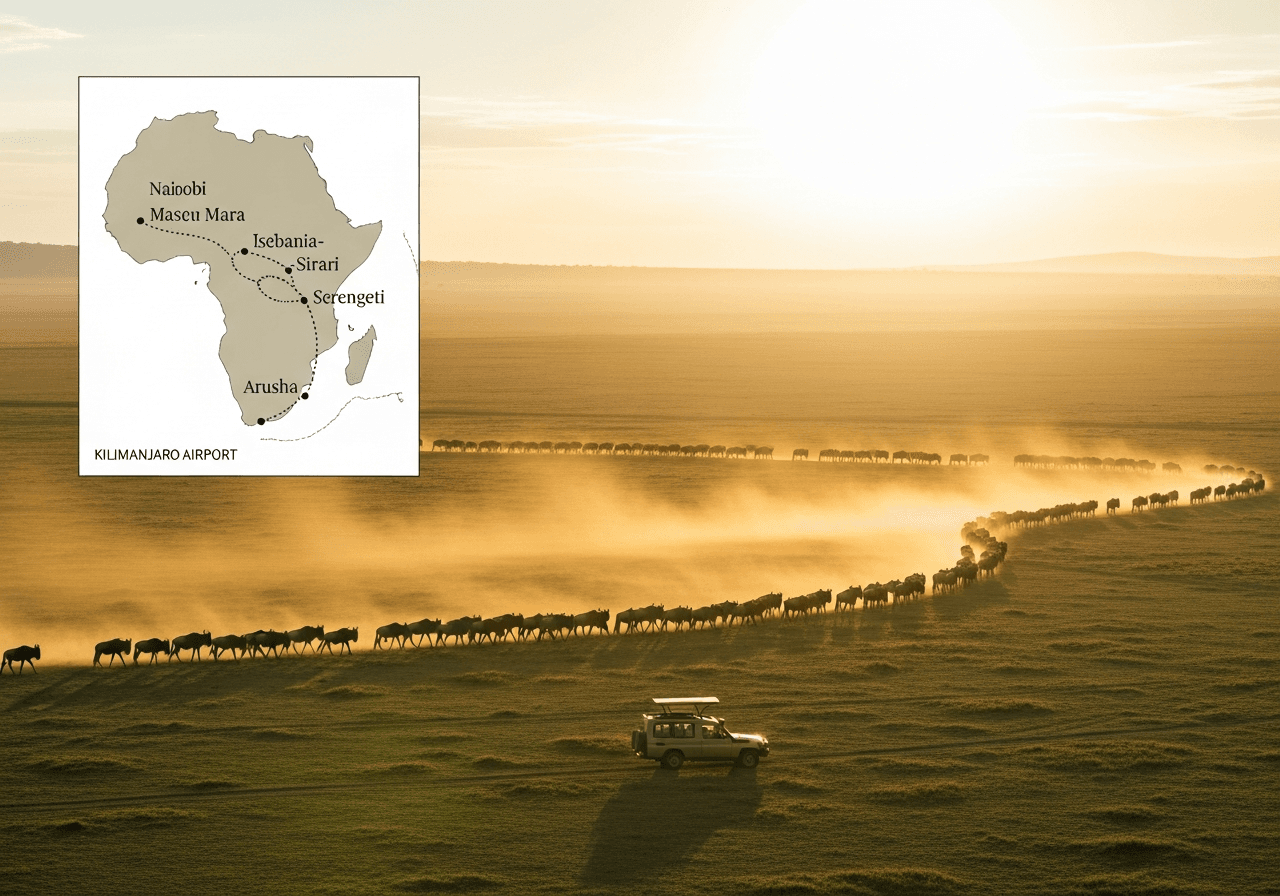
大迁徙周期中,大约有150万头角马在塞伦盖蒂-马拉生态系统中迁移。斑马和瞪羚随之迁徙,在不同的草地高度觅食,为捕食者和食腐动物创造了持续不断的机会。在马拉,狮子、鬣狗、猎豹、豹、豺、鳄鱼、秃鹫和马拉布鹳都会对这种季节性丰盛做出反应。
马拉河的过河之所以吸引注意,是因为鳄鱼会在深水道中等待,而成群结队往往会聚集数小时,直到一只动物行动。渡河无法安排。群体可以接近河岸、转身、下游五公里渡河,或等到黄昏。优秀的导游会观察风向、群体压力、噪音水平和车辆密度,然后再决定位置。
马赛马拉的野生动物在迁徙月份之外依然强劲。狮子、大象、长颈鹿、水牛、河马、鳄鱼、鬣狗、猎豹和常驻羚羊都不会离开保护区。对许多摄影师来说,宁静的绿季马拉岛和车辆较少,比拥挤的渡口更具生产力。
肯尼亚实用的野生动物探险路线从游客最想看的动物开始,然后围绕这些机会建造公园。最好的首次狩猎很少会收集地图上所有著名名字;它以合理的顺序连接栖息地,并留出足够的时间在每个区域。
私人保护区可以增加夜间驾车、导览徒步、允许的越野观赏、丛林餐和降低车辆密度。各保护区的规定不同,因此行程必须谨慎规划。想要更全面的公园、季节和物流规划,伊马拉的 肯尼亚狩猎路线 页面是最佳平台。
6月至10月通常是肯尼亚野生动物观赏最为便捷的季节。草地较稀疏,水质更为可预测,未铺装道路通常更容易管理。大象会访问沼泽和河流,食草者聚集在开阔平原,捕食者常在猎物聚集地附近休息。
一月至三月也非常适合大型猫科动物和清晰的拍摄。光线通常很干净,草坪不像长雨后那么高,许多常驻动物仍靠近已知领地。安博塞利在大象在沼泽和林间穿梭的这段时间非常出色。
四月、五月和十一月部分时间则是绿色的气候。雨水会使部分足迹变慢,但车辆较少,天空壮观,许多地区有活跃的鸟类和新生羚羊。候鸟促进湿地和草原的生长,使这段时间成为肯尼亚观鸟狩猎的丰盛时期。
优秀的常驻野生动物全年在合适的区域存在。问题不仅是“哪个月份最好?”,而是“哪条路线能为最重要的物种提供最强的生存机会?”
在马拉地区,早上6点15分,湿润尘土中的足迹仍能记录夜晚的故事:狮子垫、鬣狗足迹、沿着排水边缘整齐划出的豹纹。清晨和傍晚的驾车通常最有成效,因为气温较低,动物活动更多。
捕食者、大象和平原野味通常在白天变热前最为活跃。
优秀的导游会观察足迹、警报声、盘旋的秃鹫、紧张的羚羊和草丛中的新鲜活动。
一次安静的十分钟停车,可能会暴露出匆忙车辆容易察觉的行为,尤其是在猫在掩护下时。
船游探险适合奈瓦沙湖,夜间驾车通常限于保护区,徒步探险则取决于当地规则。
道德间距能让野生动物保持放松,通常也能促进游客和摄影师的自然行为。
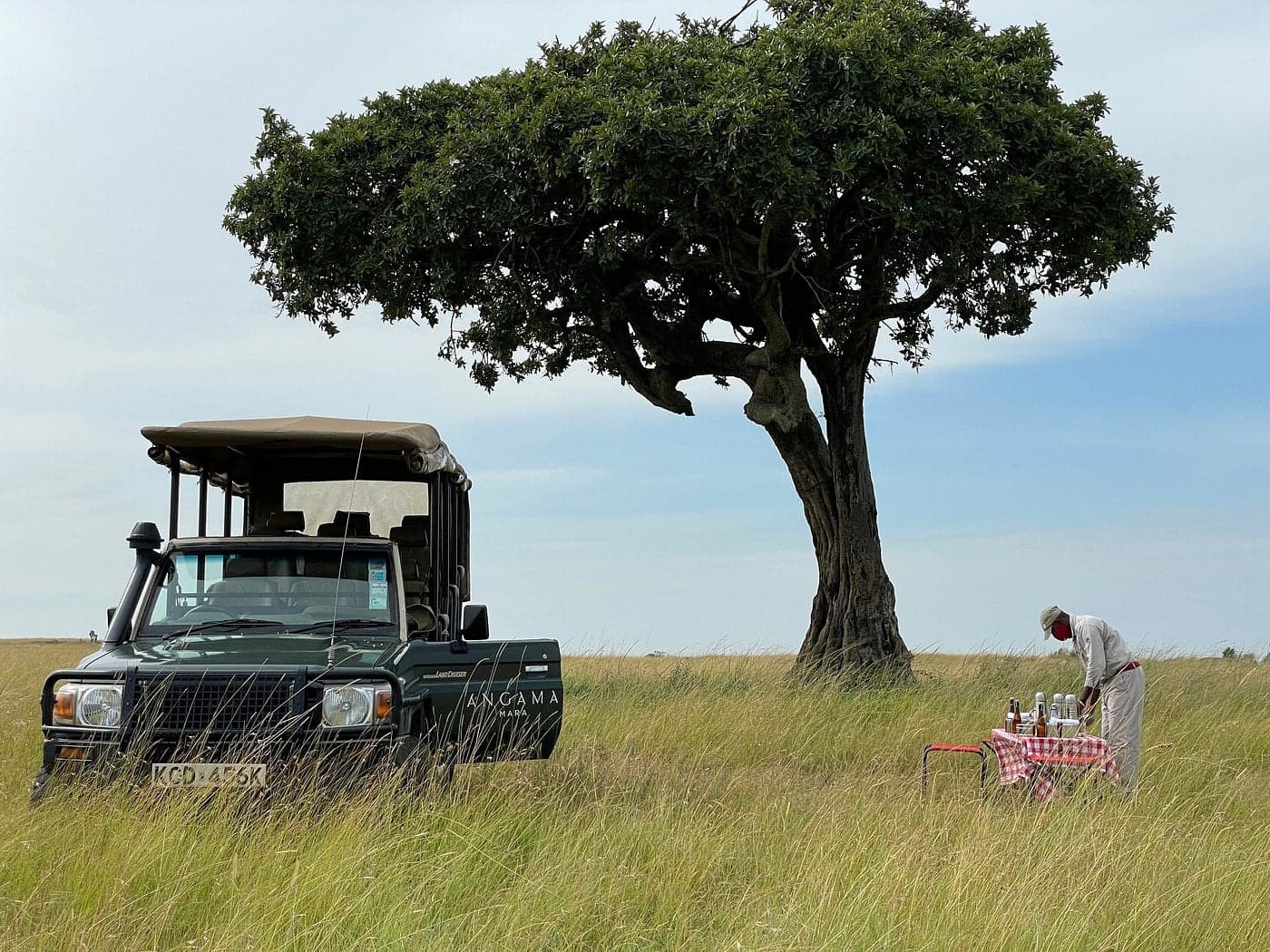
私人车辆能最大程度地控制速度、拍摄角度和目击地点停留时间。共享车辆适合社交旅行者和预算紧张的旅客,但游客可能需要在等待时间上妥协,尤其是面对熟睡的豹子或接近的大象群。飞行式狩猎减少了公路接送,保护了野外时间,并与偏远保护区配合得很好。
在奈瓦沙湖及部分河流或湖泊环境中,可以进行船只狩猎。徒步狩猎和夜间驾车通常在国家公园内受限,但在受过培训的导游和当地规定下,私人保护区可提供。夜间驾车可在允许的情况下发现黑鹩、灌木宝宝、跳兔、豪猪、猫头鹰和狩猎捕食者。
导游质量会改变整个狩猎体验。有道德的导游会避免拥挤,保持尊重距离,站位时考虑逃生路线,并在靠近前观察行为。
““最好的目击并不总是离得最近的;而是动物不断做它该做的事。””
内罗毕到安博塞利的公路距离约215公里,内罗毕到马赛马拉塞克纳尼一侧约260公里,尽管驾车时间取决于交通、路况和最终营地位置。良好的野生动物规划应尊重这些转移,而不是在短时间内挤压过多内容。
 KE
KEKenya · Masai Mara National Reserve
 KE
KEKenya · Masai Mara National Reserve
 KE
KEKenya · Masai Mara National Reserve
 KE
KEKenya · Nairobi City
Enjoy a short and rewarding 3-day Amboseli safari from Nairobi with Imara Africa Safaris. Spend 2 nights in Amboseli National Park, with an evening game drive, a full-day safari, a morning game drive, large elephant sightings, and beautiful views of Mount Kilimanjaro
 KE
KEKenya · Masai Mara National Reserve
KEKenya · Masai Mara National Reserve
 KE
KEKenya · Masai Mara National Reserve
 KE
KEKenya · Masai Mara National Reserve
价格因季节、车辆专属、航班、旅馆类别、公园费用和家庭房而异。私人中档公路狩猎通常起价约为每日350美元,而豪华飞行狩猎通常起价约为750美元。节奏与头条费用同等重要。
在桑布鲁的干涸的卢加河上,在纳库鲁湖吃草的犀牛,或在马拉河黄昏时分鸣叫的母狮,都是自然的邂逅,而非表演。肯尼亚野生动物遵循食物、水源、天气、繁殖周期、其他动物的压力和本能。
负责任的观察始于距离。车辆不应阻挡动物的路径,禁止包围捕食者,不应分开母鸟与幼崽,不应用噪音激发移动,或在禁止的越野道路上使用。诱饵行为不可接受。在敏感时刻闪耀、喊叫和站起来可能会改变行为,并危及所有人的目击风险。
优秀的导游还能管理客人的期望。熟睡的狮子依然是节能的野生狮子。猎豹因车辆拥挤而放弃茎秆,失去了一顿食物。一头犀牛反复抬头,可能已经感到不适。安静观察往往比匆忙的照片更能揭示更多。
清单可以帮助规划路线,但行为赋予狩猎的深度:大象的问候、牛群鸟在水牛背上作业、豺狼试探秃鹫争夺,或黑斑羚在警报声后聚集在一起。这些时刻教会游客生态系统的运作方式。
一个强有力的肯尼亚野生动物探险行程从明确的愿望清单开始:狮子、大象、犀牛、猎豹、鸟类、稀有北方物种、迁徙群体、摄影、徒步、家庭步调或保护。伊玛拉非洲狩猎中心围绕最可能的栖息地和季节规划路线,而非围绕泛泛的公园顺序。
从内罗毕出发,规划可以平衡安博塞利的大象家庭、纳库鲁湖或奥尔佩杰塔适合犀牛、奈瓦沙湖适合船只野生动物、桑布鲁湖(北方物种)、察沃(太空和红象)、马赛马拉(大型猫科动物和开阔平原的惊险)。旅馆选择也很重要:地理位置是否位于或靠近优质栖息地、导游质量、车辆标准、家庭活动室、摄像头充电电源以及参与私人保护区活动,都塑造了体验。
伊玛拉团队还考虑游客在不同地区之间的交通方式。公路狩猎适合想看国家风光并管理预算的旅行者。飞行式狩猎在短途或豪华航线上保护时间和舒适度。许多优秀的肯尼亚探险项目融合了这两者。
为了在内罗毕量身定制的规划,宾客可以分享他们的野生动物优先事项、旅行月份、偏好的舒适度和团体组成。伊玛拉非洲狩猎队随后会根据季节、公园、保护区和旅馆与最重要的景点进行匹配。
相关内容: 乞力马扎罗山的观点。
相关内容: 羚羊物种。
相关内容: 纳库鲁湖国家公园或奈瓦沙湖。
相关内容: 旱季。
在马拉、安博塞利、桑布鲁和莱基皮亚地区,能见度良好,天气温暖,常驻野生动物观察力强。
郁郁葱葱的自然景观,较少的车辆,观鸟极佳,还有一些新生的平原野物,尽管道路和能见度可能较为不稳定。
动物聚集在水边,草坪较短,马赛马拉在旺季可接收迁徙群体。
新鲜的牧草、壮观的光线、候鸟和良好的常驻野生动物,偶尔有阵雨,而非全天降雨。
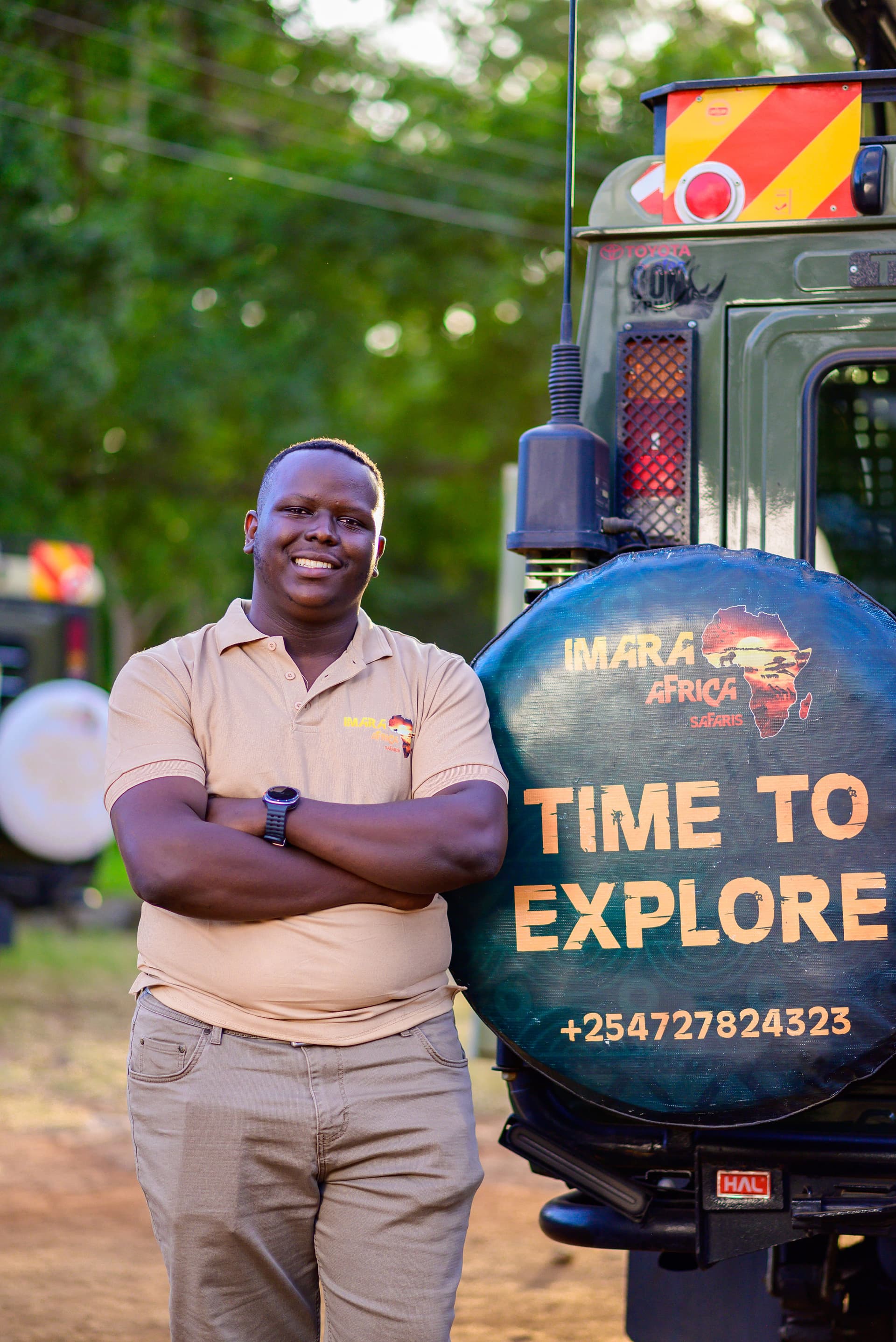
Lewis Munuhe
Founder & Director
<p>Lewis Munuhe is the Director and Owner of Imara Africa Safaris, a trusted safari company dedicated to creating tailor-made African safari experiences across Kenya, Tanzania, Uganda, and Rwanda. With a strong passion for African travel, wildlife, culture, and conservation, Lewis leads the company’s vision of delivering personalized, seamless, and unforgettable safari journeys for travelers from around the world.</p><p>Through Imara Africa Safaris, Lewis helps guests discover East Africa’s most iconic destinations, from the Masai Mara and Serengeti to Uganda and Rwanda’s gorilla trekking regions. His approach focuses on understanding each traveler’s interests, comfort level, budget, and expectations, then transforming those details into carefully curated safari itineraries that feel personal, meaningful, and well-planned.</p><p>As Director and Owner, Lewis is committed to maintaining high standards in safari planning, guest care, destination expertise, and responsible tourism. Whether arranging a luxury wildlife safari, honeymoon escape, family adventure, cultural journey, gorilla trekking safari, or multi-country East African itinerary, he ensures every experience reflects the quality, authenticity, and attention to detail that define Imara Africa Safaris.</p><p>Under his leadership, Imara Africa Safaris continues to help travelers experience the beauty of Africa through expertly planned safaris that celebrate wildlife, landscapes, local cultures, conservation, and unforgettable adventure.</p>
Lewis Munuhe
Founder & Director
<p>Lewis Munuhe is the Director and Owner of Imara Africa Safaris, a trusted safari company dedicated to creating tailor-made African safari experiences across Kenya, Tanzania, Uganda, and Rwanda. With a strong passion for African travel, wildlife, culture, and conservation, Lewis leads the company’s vision of delivering personalized, seamless, and unforgettable safari journeys for travelers from around the world.</p><p>Through Imara Africa Safaris, Lewis helps guests discover East Africa’s most iconic destinations, from the Masai Mara and Serengeti to Uganda and Rwanda’s gorilla trekking regions. His approach focuses on understanding each traveler’s interests, comfort level, budget, and expectations, then transforming those details into carefully curated safari itineraries that feel personal, meaningful, and well-planned.</p><p>As Director and Owner, Lewis is committed to maintaining high standards in safari planning, guest care, destination expertise, and responsible tourism. Whether arranging a luxury wildlife safari, honeymoon escape, family adventure, cultural journey, gorilla trekking safari, or multi-country East African itinerary, he ensures every experience reflects the quality, authenticity, and attention to detail that define Imara Africa Safaris.</p><p>Under his leadership, Imara Africa Safaris continues to help travelers experience the beauty of Africa through expertly planned safaris that celebrate wildlife, landscapes, local cultures, conservation, and unforgettable adventure.</p>
Lewis Munuhe
Founder & Director
<p>Lewis Munuhe is the Director and Owner of Imara Africa Safaris, a trusted safari company dedicated to creating tailor-made African safari experiences across Kenya, Tanzania, Uganda, and Rwanda. With a strong passion for African travel, wildlife, culture, and conservation, Lewis leads the company’s vision of delivering personalized, seamless, and unforgettable safari journeys for travelers from around the world.</p><p>Through Imara Africa Safaris, Lewis helps guests discover East Africa’s most iconic destinations, from the Masai Mara and Serengeti to Uganda and Rwanda’s gorilla trekking regions. His approach focuses on understanding each traveler’s interests, comfort level, budget, and expectations, then transforming those details into carefully curated safari itineraries that feel personal, meaningful, and well-planned.</p><p>As Director and Owner, Lewis is committed to maintaining high standards in safari planning, guest care, destination expertise, and responsible tourism. Whether arranging a luxury wildlife safari, honeymoon escape, family adventure, cultural journey, gorilla trekking safari, or multi-country East African itinerary, he ensures every experience reflects the quality, authenticity, and attention to detail that define Imara Africa Safaris.</p><p>Under his leadership, Imara Africa Safaris continues to help travelers experience the beauty of Africa through expertly planned safaris that celebrate wildlife, landscapes, local cultures, conservation, and unforgettable adventure.</p>
Our trips
Stories, sightings & itineraries from the field.
21°C
overcast clouds
Feels like 20° · 60% humidity
🦁Right now in the bush: Night drive hour — hyenas, bushbabies, leopards.


Comments
Loading…