
Kenya Mandatory Travel Insurance: What to do now
This kenya mandatory travel insurance update explains eligibility, eTA purchase checks, observed costs and the documents first-time safari travellers should retain.
18 min read2views
“Imara” means strong in Swahili. We build every safari with that same strength — expert knowledge, honest pricing, and relentless attention to detail.
Tell us what you're looking for and we'll build a custom itinerary — free, no obligation, within 24 hours.
Start PlanningNo spam, ever. Unsubscribe anytime.
Protected by Cloudflare Turnstile & Google reCAPTCHA. Privacy & Terms apply.
Safari deals, travel tips & destination guides — straight to your inbox.
No spam, ever. Unsubscribe anytime.
Protected by Cloudflare Turnstile & Google reCAPTCHA. Privacy & Terms apply.
This kenya mandatory travel insurance update explains eligibility, eTA purchase checks, observed costs and the documents first-time safari travellers should retain.

6 October marks the reported change in the application process, not the creation of the legal duty. New applications reportedly check recognised insurance before payment. This update reflects the position reviewed on 12 October; travellers should recheck instructions before departure.
Kenya Gazette Notice No. 11492 was signed on 29 July and published on 30 July. It sets minimum benefits and requires licensed insurers. It does not prescribe a traveller premium or an October rollout date. The Kenya Ministry of Health framework and the operational purchase process must be read separately.
7 October court reporting says the High Court of Kenya dismissed the challenge behind August’s suspension and upheld the notice. The full judgment was not located during this review, nor was a subsequent reinstated stay. A separate insurer-selection dispute remains unresolved. This is not a permanent “final” ruling.
The legal scope, reported application checks and official insurance service support these distinctions. Observed prices are not guaranteed tariffs.
Twelve months is the statutory dividing point: the requirement concerns non-Kenyans intending to enter and remain for less than that period. Nationality, immigration status and eTA eligibility are separate questions.
eCitizen describes inbound travel health insurance linked to eTA for non-African travellers. That wording does not provide a complete statutory exemption list. The Directorate of Immigration Services lists eTA exemptions for specified nationalities, residents, permit holders and qualifying airport transit passengers. US tourist passport holders are not nationality-exempt.
Imara reports a child purchase of US$22, plus US$4 in gateway and related charges: US$26 total. That is an observed transaction, not a published family tariff. Parents should confirm age bands, infant treatment and any exemptions before budgeting.
For kenya mandatory travel insurance, an eTA exemption should never be treated as automatic proof of an insurance exemption. Travellers with residence permits or unusual transit arrangements should seek case-specific confirmation.
US$48 was Imara’s reported adult invoice total: US$44 insurance plus US$4 in government gateway and related charges. Independent purchase tests recorded US$52, including access and payment charges. Neither observation guarantees the next traveller’s checkout amount.
The official eligibility page lists both eTA amounts separately from insurance. Confirm payment charges at checkout. The US$50,000 coverage threshold is not a fee, and purchasing insurance does not promise free treatment.
eCitizen provides a separate inbound insurance service. Reported purchase routes are through a new eTA application or through that service independently. Buying insurance alone does not submit an eTA application. Existing approved eTA holders can arrange cover separately.
Check passport nationality and immigration status against official instructions; assess eTA and insurance separately. ([etakenya.go.ke](https://etakenya.go.ke/general-information))
Follow the insurance step in a new eTA application, or use the separate official eCitizen insurance service. ([insurance.ecitizen.go.ke](https://insurance.ecitizen.go.ke/))
Match passport details exactly, inspect the policy schedule and exclusions, and review the total before paying.
Retain the reference and available status evidence; seek support if the purchase is not recognised.
If an eTA is required, submit its application separately; insurance purchase alone does not create one. ([visasnews.com](https://visasnews.com/kenya-lassurance-voyage-peut-etre-souscrite-separement-de-leta-la-justice-valide-lobligation/?utm_source=openai))
Matching passport details matter in both systems. Prepare nationality, passport information, a photo or selfie, contact details, travel dates and trip purpose. Follow the live portal’s instructions rather than payment links received from unofficial intermediaries.
These are core documents in the official eTA preparation checklist. Additional documents can depend on the purpose of travel.
Regulation 70 permits point-of-entry insurance purchase. But that provision does not establish that airport purchase can bypass current pre-departure eTA checks. The practical approach to kenya mandatory travel insurance is to complete preparation before flying.
US$48 and an invoice were the concrete results of Imara’s recent assistance for a US client. The client already held an approved eTA. Imara helped arrange a separate eCitizen purchase using matching passport details.
No separate insurance certificate arrived in that case. Imara then checked the insurance section on the eTA website to verify that the purchase had linked. The useful lesson is to check recognition, not just payment.
Other operational reports describe different document delivery, including references, status evidence and policy documents. Travellers should retain whatever the system supplies, then request missing policy wording. An invoice alone does not establish benefits or re-entry terms.
US$100,000 in medical cover does not, by itself, prove recognition by Kenya’s system. Imara repeatedly encounters clients who assume strong US insurance or credit-card benefits establish exemption. Coverage limits and official acceptance are different tests.
Earlier statements described acceptance of qualifying foreign cover. But reported application tests could not upload ordinary overseas policies. Travellers should not rely on substitution without individual official confirmation that their exact policy is accepted.
Imara recommends a two-policy approach to kenya mandatory travel insurance: recognised inbound health cover for entry preparation, plus wider protection for the safari investment. Its guide to comprehensive safari travel insurance explains that distinction.
A US$15,000 safari deposit needs its own cancellation check. A high medical limit says nothing about cancellation, baggage or delay benefits. Named insurers and credit cards should be assessed against their actual wording, not their reputation.
Regulation 70 lists personal accident causing death or permanent total disability, emergency medical expenses, evacuation, repatriation of remains, hospital benefits and prescription medicines. Those benefit categories are separate from the purchase procedure.
The prescribed cumulative benefit limit is at least US$50,000: a coverage threshold, not the traveller’s purchase price. The prescribed schedule includes US$20,000 for medical expenses and US$25,000 for emergency medical transportation. Other prescribed benefits appear below.
These amounts should not be added together to create a guaranteed payout. Policy terms, exclusions, authorisation procedures and individual limits still apply.
Pre-existing and chronic conditions are described in operational guidance as covered in emergencies only. Check the issued wording before relying on that description. Vaccination and medical preparation remain separate tasks; the Kenya safari health preparation guide addresses those questions.
Regulation 70 requires cover for the entire Kenyan stay. It does not establish one universal product duration. The start date, expiry date and return-entry conditions must come from the purchased schedule.
Thirty days, three months and one year all appear in different descriptions. Older administrative guidance describes 30 days, with top-ups to 60. Purchase reporting describes three months; Imara reports one year or less than twelve months. Another operational alert describes one-year repeat-trip cover.
Imara’s expectation of re-entry validity comes from its invoice-based experience. That invoice does not independently prove multiple-entry eligibility. For kenya mandatory travel insurance, obtain written confirmation covering the actual exit and return dates.
Insurance validity and eTA re-entry permission need separate checks. A five-year eTA does not establish five-year insurance cover. Neither document proves the other’s conditions.
Elewana Loisaba Tented Camp in Laikipia provides a useful planning example for remote-location questions. Imara’s priority is air evacuation and the receiving hospital. The phrase “medical evacuation included” is not enough without details about authorisation and payment.

 KE
KELuxury Safari Lodge in the Heart of Masai Mara
Masai Mara, Kenya
Best Location
 KE
KEAn Eco-Luxury Safari Oasis Situated Directly Inside Amboseli’s Elephant Heartlands
Amboseli National Park
Best Location
 KE
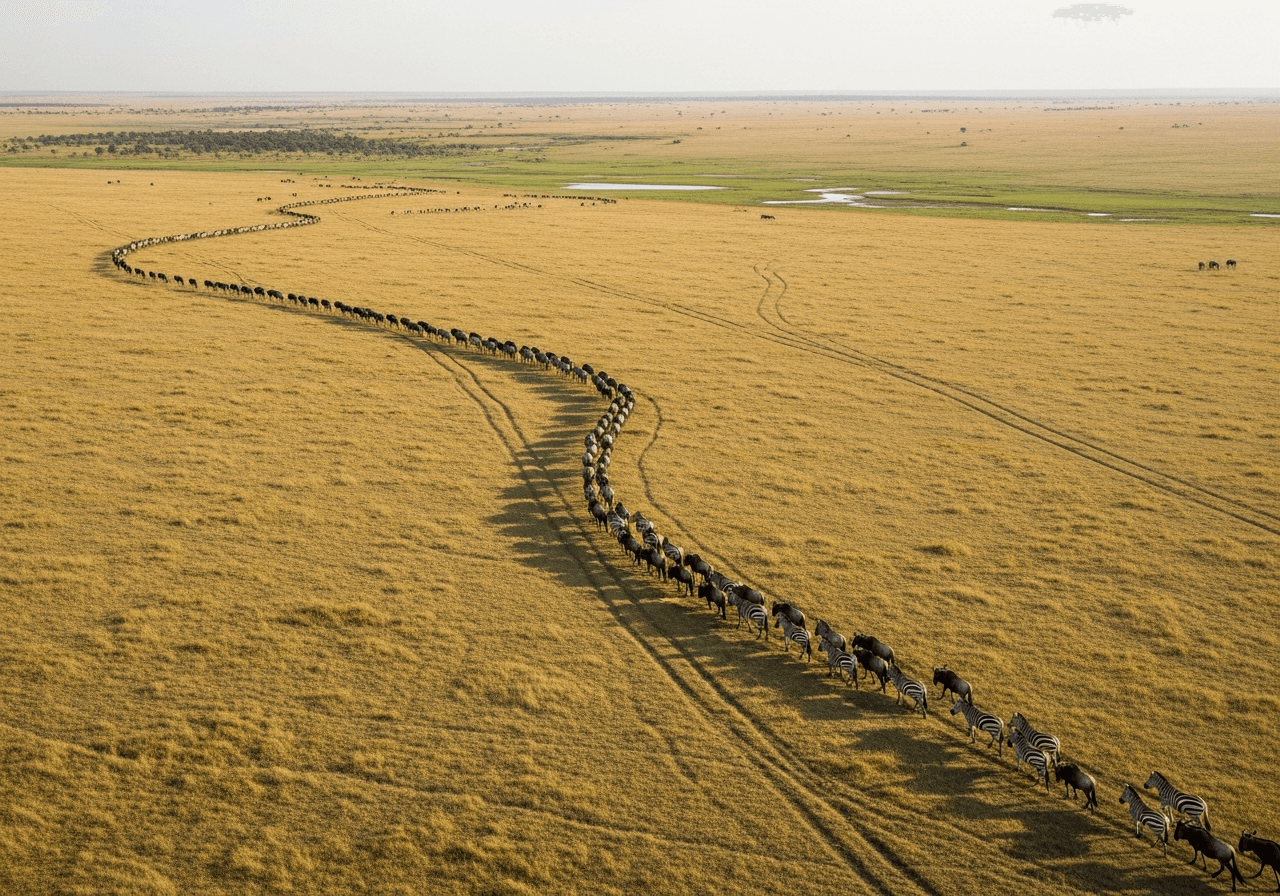
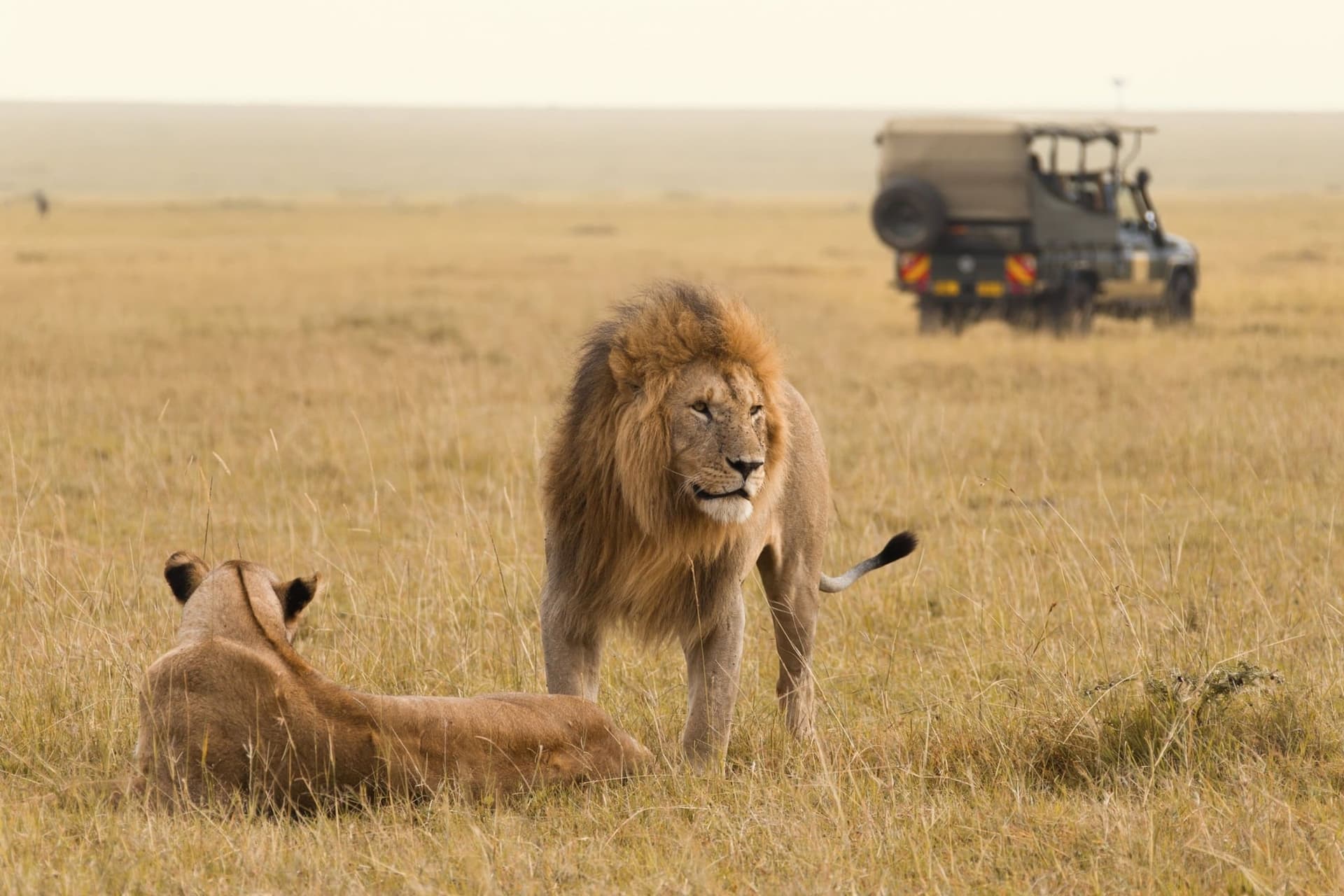
KEThe Masai Mara National Reserve in southwestern Kenya is a premier 1,510-square-kilometre wildlife sanctuary. Renowned for the annual Great Wildebeest Migration from July to October, it offers exceptional year-round Big Five viewing across open savannahs. The reserve is contiguous with Tanzania's Serengeti, forming a critical, biodiverse transboundary ecosystem.
 KE
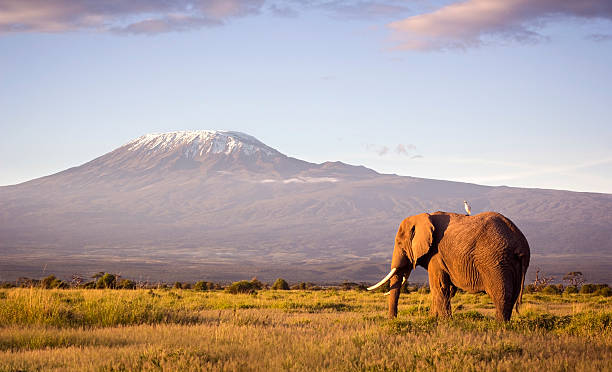
KEAmboseli National Park is one of Kenya's most celebrated wildlife destinations, renowned for its impressive elephant populations and unrivaled views of Mount Kilimanjaro. Covering approximately 392 square kilometers in southern Kenya, the park offers exceptional game viewing, diverse ecosystems, and rich cultural experiences. Visitors can spot elephants, lions, cheetahs, buffaloes, giraffes, zebras, wildebeests, and over 400 bird species throughout the year. The park's swamps, grasslands, acacia woodlands, and seasonal lakes create ideal wildlife habitats and stunning photographic opportunities. Amboseli National Park delivers unforgettable safari adventures, breathtaking scenery, and authentic African wildlife experiences.
“For a remote Laikipia lodge, confirm who authorises the evacuation, who arranges the flight and who pays the operator.”
Maasai Mara National Reserve game drives and Amboseli National Park stays need the same careful checks. No park or camp guarantees a covered transfer. Use the actual itinerary when discussing tailor-made Maasai Mara safaris, Amboseli safari planning and Laikipia conservation safari options.
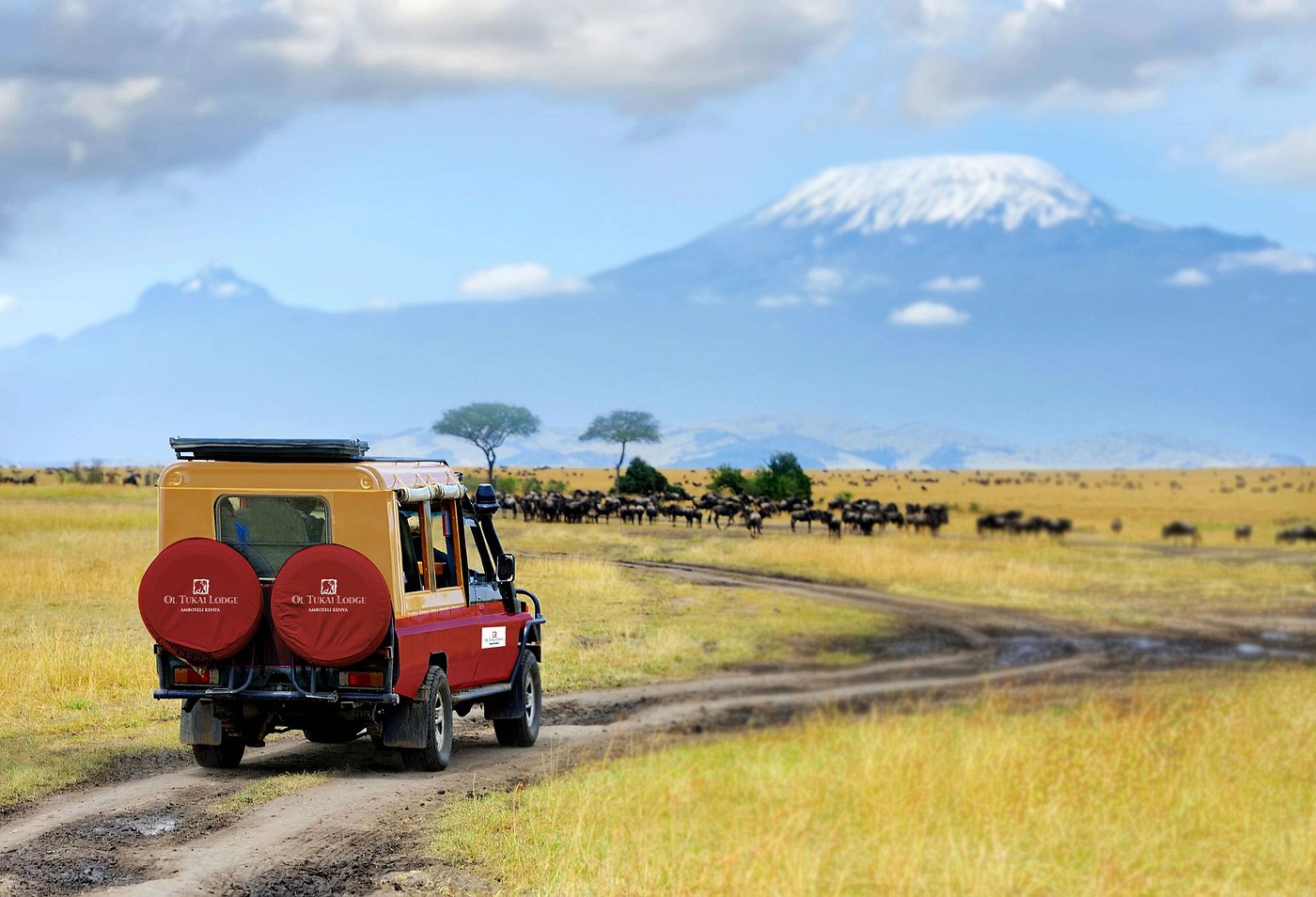
Mara Serena Safari Lodge and Ol Tukai Lodge are itinerary examples, not insurance endorsements. Check cancellation and baggage cover against the booking value. Assess any planned ballooning, walking or riding against the traveller’s policy.
Transporting a living patient home is different from repatriating mortal remains. Kenya mandatory travel insurance should not be treated as proof that both are covered on the required terms.
Two weeks before travel is the official recommended eTA application lead time. Typical processing is three working days, but some applications take longer. Neither figure promises an approval deadline.
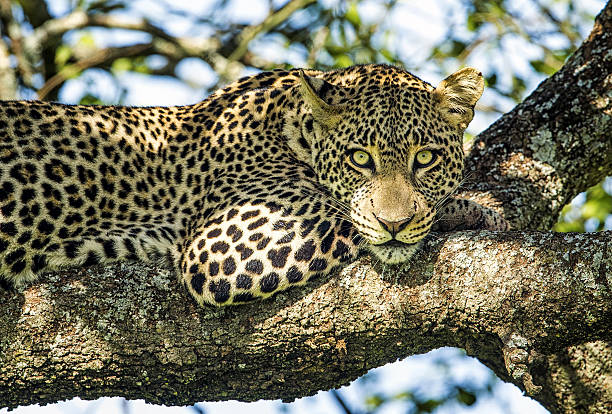 KE
KEKenya · Masai Mara National Reserve
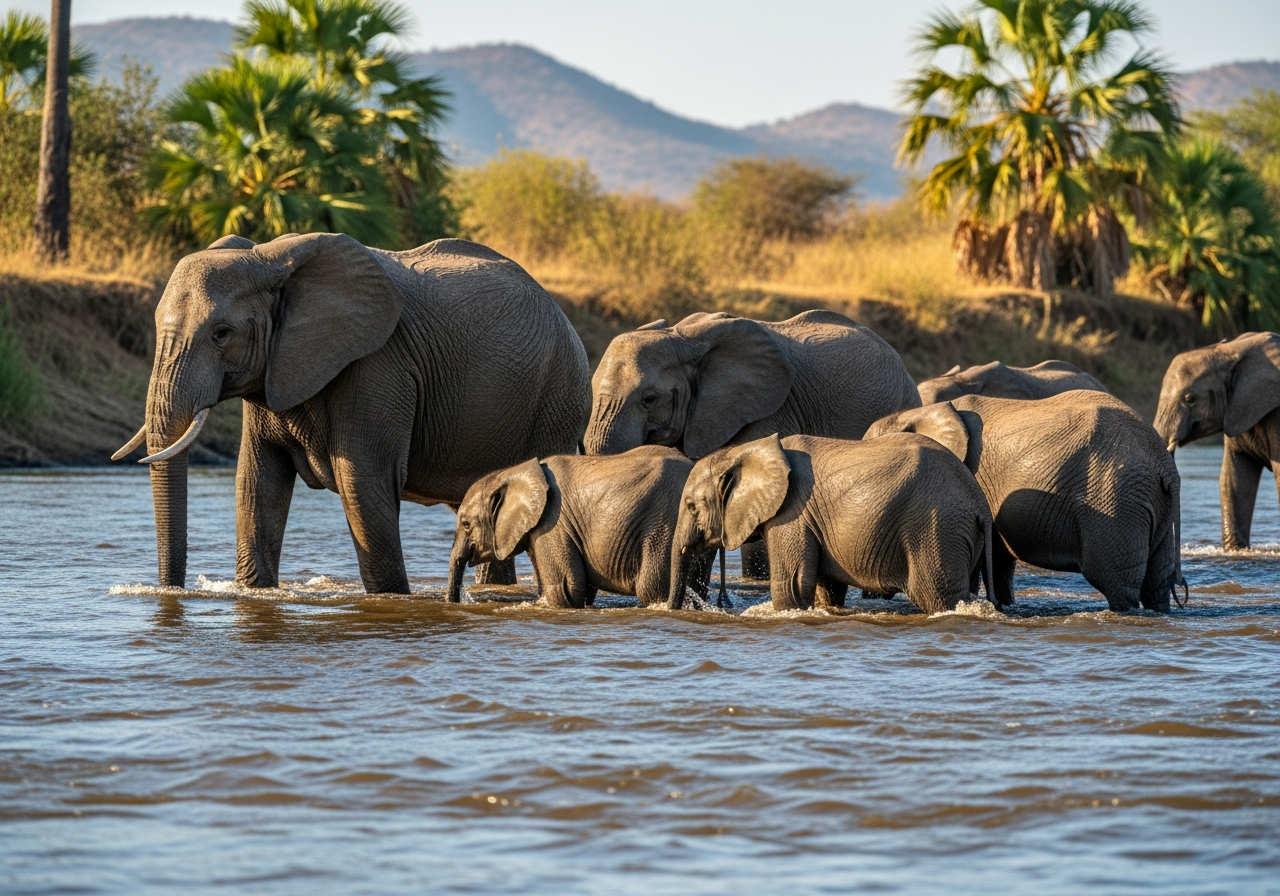 KE
KEKenya · Masai Mara National Reserve
A missing document or failed recognition should trigger a support request before another payment. Retain the purchase reference and screenshots so official support can investigate. Duplicate purchases can complicate an already unclear record.
A Maasai Mara–Serengeti National Park itinerary adds exit and return questions. Travellers combining the Mara and Serengeti should confirm Kenyan insurance reuse and eTA conditions against the precise route.
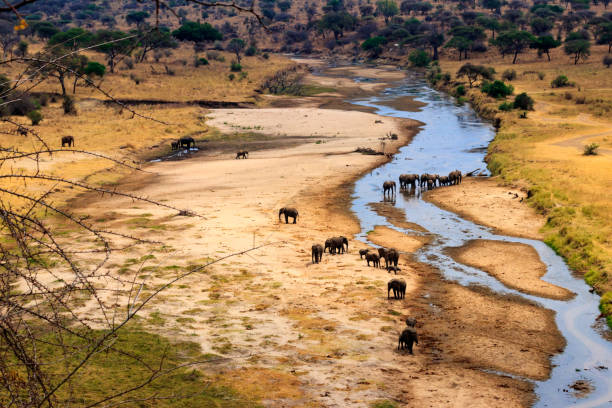
 TZ+1
TZ+1Tanzania · Masai Mara National Reserve
Experience a well-planned 10-day Kenya and Tanzania safari with Imara Africa Safaris, covering Lake Nakuru, Masai Mara, Serengeti, Ngorongoro Crater, Tarangire, and Amboseli. This two-nation safari combines big cats, rhinos, elephants, scenic landscapes, cultural experiences, and some of East Africa’s most iconic wildlife destinations.
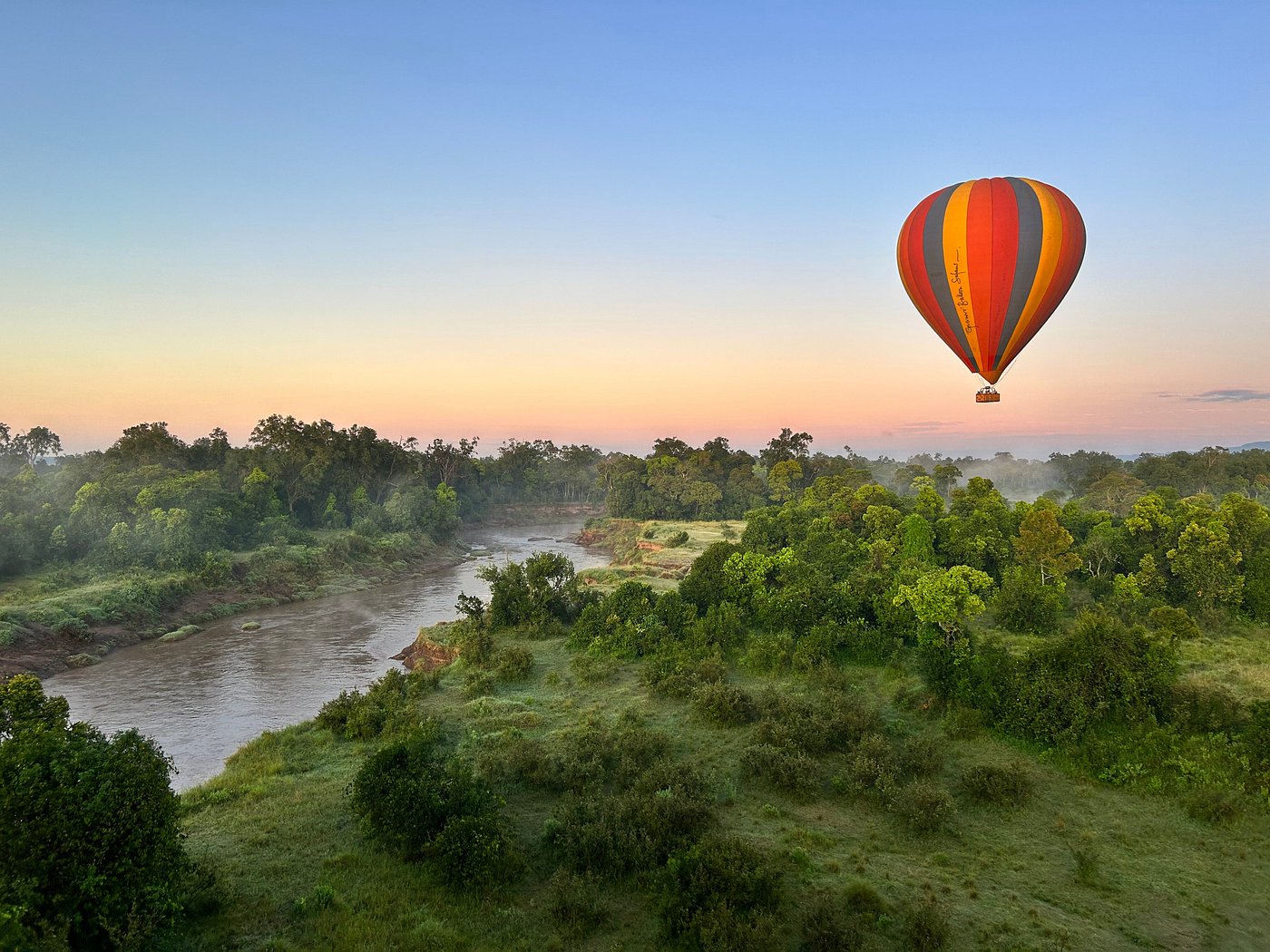 TZ+1
TZ+1Tanzania · Masai Mara National Reserve
Experience a well-planned 10-day Kenya and Tanzania safari with Imara Africa Safaris, covering Lake Nakuru, Masai Mara, Serengeti, Ngorongoro Crater, Tarangire, and Amboseli. This two-nation safari combines big cats, rhinos, elephants, scenic landscapes, cultural experiences, and some of East Africa’s most iconic wildlife destinations.
Imara reports a US$44 Tanzania insurance charge, but that observation is not a universal tariff. Mainland Tanzania and Zanzibar procedures should not be treated as interchangeable. Use Tanzania insurance preparation as a separate starting point, then verify destination-specific official instructions.
A Kenya-only route could combine the Mara, Amboseli and Laikipia. A two-country route could connect the Mara with the Serengeti through Arusha. Insurance compliance does not depend on buying either itinerary from a particular operator.
Imara Africa Safaris can help travellers discuss itinerary-specific preparation, including document checks, policy questions and border planning. Insurers confirm benefits; immigration authorities decide admission. Imara cannot approve insurance or conclusively interpret a court judgment.
Related: separate comprehensive policy.
At a glance

Lewis Munuhe
Founder & Director
<p>Lewis Munuhe is the Director and Owner of Imara Africa Safaris, a trusted safari company dedicated to creating tailor-made African safari experiences across Kenya, Tanzania, Uganda, and Rwanda. With a strong passion for African travel, wildlife, culture, and conservation, Lewis leads the company’s vision of delivering personalized, seamless, and unforgettable safari journeys for travelers from around the world.</p><p>Through Imara Africa Safaris, Lewis helps guests discover East Africa’s most iconic destinations, from the Masai Mara and Serengeti to Uganda and Rwanda’s gorilla trekking regions. His approach focuses on understanding each traveler’s interests, comfort level, budget, and expectations, then transforming those details into carefully curated safari itineraries that feel personal, meaningful, and well-planned.</p><p>As Director and Owner, Lewis is committed to maintaining high standards in safari planning, guest care, destination expertise, and responsible tourism. Whether arranging a luxury wildlife safari, honeymoon escape, family adventure, cultural journey, gorilla trekking safari, or multi-country East African itinerary, he ensures every experience reflects the quality, authenticity, and attention to detail that define Imara Africa Safaris.</p><p>Under his leadership, Imara Africa Safaris continues to help travelers experience the beauty of Africa through expertly planned safaris that celebrate wildlife, landscapes, local cultures, conservation, and unforgettable adventure.</p>
Lewis Munuhe
Founder & Director
<p>Lewis Munuhe is the Director and Owner of Imara Africa Safaris, a trusted safari company dedicated to creating tailor-made African safari experiences across Kenya, Tanzania, Uganda, and Rwanda. With a strong passion for African travel, wildlife, culture, and conservation, Lewis leads the company’s vision of delivering personalized, seamless, and unforgettable safari journeys for travelers from around the world.</p><p>Through Imara Africa Safaris, Lewis helps guests discover East Africa’s most iconic destinations, from the Masai Mara and Serengeti to Uganda and Rwanda’s gorilla trekking regions. His approach focuses on understanding each traveler’s interests, comfort level, budget, and expectations, then transforming those details into carefully curated safari itineraries that feel personal, meaningful, and well-planned.</p><p>As Director and Owner, Lewis is committed to maintaining high standards in safari planning, guest care, destination expertise, and responsible tourism. Whether arranging a luxury wildlife safari, honeymoon escape, family adventure, cultural journey, gorilla trekking safari, or multi-country East African itinerary, he ensures every experience reflects the quality, authenticity, and attention to detail that define Imara Africa Safaris.</p><p>Under his leadership, Imara Africa Safaris continues to help travelers experience the beauty of Africa through expertly planned safaris that celebrate wildlife, landscapes, local cultures, conservation, and unforgettable adventure.</p>
Lewis Munuhe
Founder & Director
<p>Lewis Munuhe is the Director and Owner of Imara Africa Safaris, a trusted safari company dedicated to creating tailor-made African safari experiences across Kenya, Tanzania, Uganda, and Rwanda. With a strong passion for African travel, wildlife, culture, and conservation, Lewis leads the company’s vision of delivering personalized, seamless, and unforgettable safari journeys for travelers from around the world.</p><p>Through Imara Africa Safaris, Lewis helps guests discover East Africa’s most iconic destinations, from the Masai Mara and Serengeti to Uganda and Rwanda’s gorilla trekking regions. His approach focuses on understanding each traveler’s interests, comfort level, budget, and expectations, then transforming those details into carefully curated safari itineraries that feel personal, meaningful, and well-planned.</p><p>As Director and Owner, Lewis is committed to maintaining high standards in safari planning, guest care, destination expertise, and responsible tourism. Whether arranging a luxury wildlife safari, honeymoon escape, family adventure, cultural journey, gorilla trekking safari, or multi-country East African itinerary, he ensures every experience reflects the quality, authenticity, and attention to detail that define Imara Africa Safaris.</p><p>Under his leadership, Imara Africa Safaris continues to help travelers experience the beauty of Africa through expertly planned safaris that celebrate wildlife, landscapes, local cultures, conservation, and unforgettable adventure.</p>
Our trips
Stories, sightings & itineraries from the field.
15°C
scattered clouds
Feels like 14° · 72% humidity
🦁Right now in the bush: Quiet hours — a good time for lodge rest before dawn.





Comments
Loading…