
How to book kenya safari online: wildlife guide
Learn how to book kenya safari online, from choosing Masai Mara or Amboseli to checking operators, payments, guiding, park fees and travel documents.
27 min read50viewsUpdated Oct 3, 2026
“Imara” means strong in Swahili. We build every safari with that same strength — expert knowledge, honest pricing, and relentless attention to detail.
Tell us what you're looking for and we'll build a custom itinerary — free, no obligation, within 24 hours.
Start PlanningNo spam, ever. Unsubscribe anytime.
Protected by Cloudflare Turnstile & Google reCAPTCHA. Privacy & Terms apply.
Safari deals, travel tips & destination guides — straight to your inbox.
No spam, ever. Unsubscribe anytime.
Protected by Cloudflare Turnstile & Google reCAPTCHA. Privacy & Terms apply.
Learn how to book kenya safari online, from choosing Masai Mara or Amboseli to checking operators, payments, guiding, park fees and travel documents.
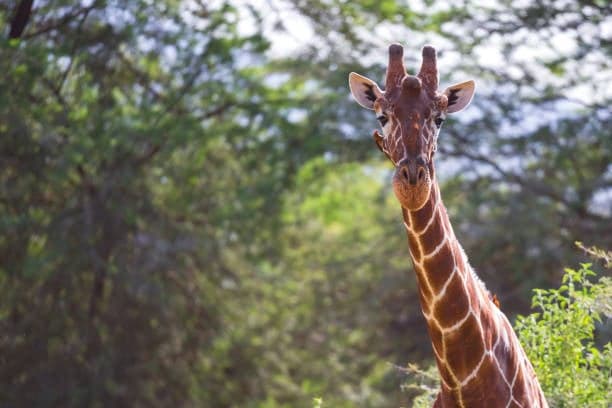
A six-day Masai Mara, Lake Nakuru, Lake Naivasha and Amboseli route can be booked online in five practical steps: decide the route, ask for a written Kenya safari quote, review inclusions, secure provisional space, then pay through a traceable method after receiving terms.
Decide whether the trip should be short and focused, such as the Masai Mara only, or a broader circuit including Amboseli, Lake Naivasha and Lake Nakuru.
Name the species and experiences that matter most: big cats, elephants, rhino, migration herds, birding, scenery, culture or beach time.
Ask for day-by-day routing, drive times, lodge names, meal plans, park fees, vehicle type and guide arrangements.
Check local presence, reviews, payment details, cancellation policy, insurance requirements and whether accommodations are confirmed or on request.
Use a traceable card link or official bank details, include the booking reference and keep receipts and written confirmation.
Arrange eTA, insurance, health advice, light-aircraft luggage planning and final arrival details before departure.
“Guided” in Kenya has a specific meaning. It should not mean only a driver who moves guests between lodges. A strong guide reads lion tracks on the Mara’s black-cotton soil, knows where Amboseli elephant families cross from the swamps, and understands why leopard sightings around riverine woodland need patience rather than radio-chasing.
Tailor-made Kenya wildlife safari packages differ from fixed departures. A tailor-made safari adjusts the pace, camp level, vehicle use and route to the travellers. A fixed departure or budget group tour follows set dates, set lodges and shared logistics, which can reduce cost but limits flexibility.
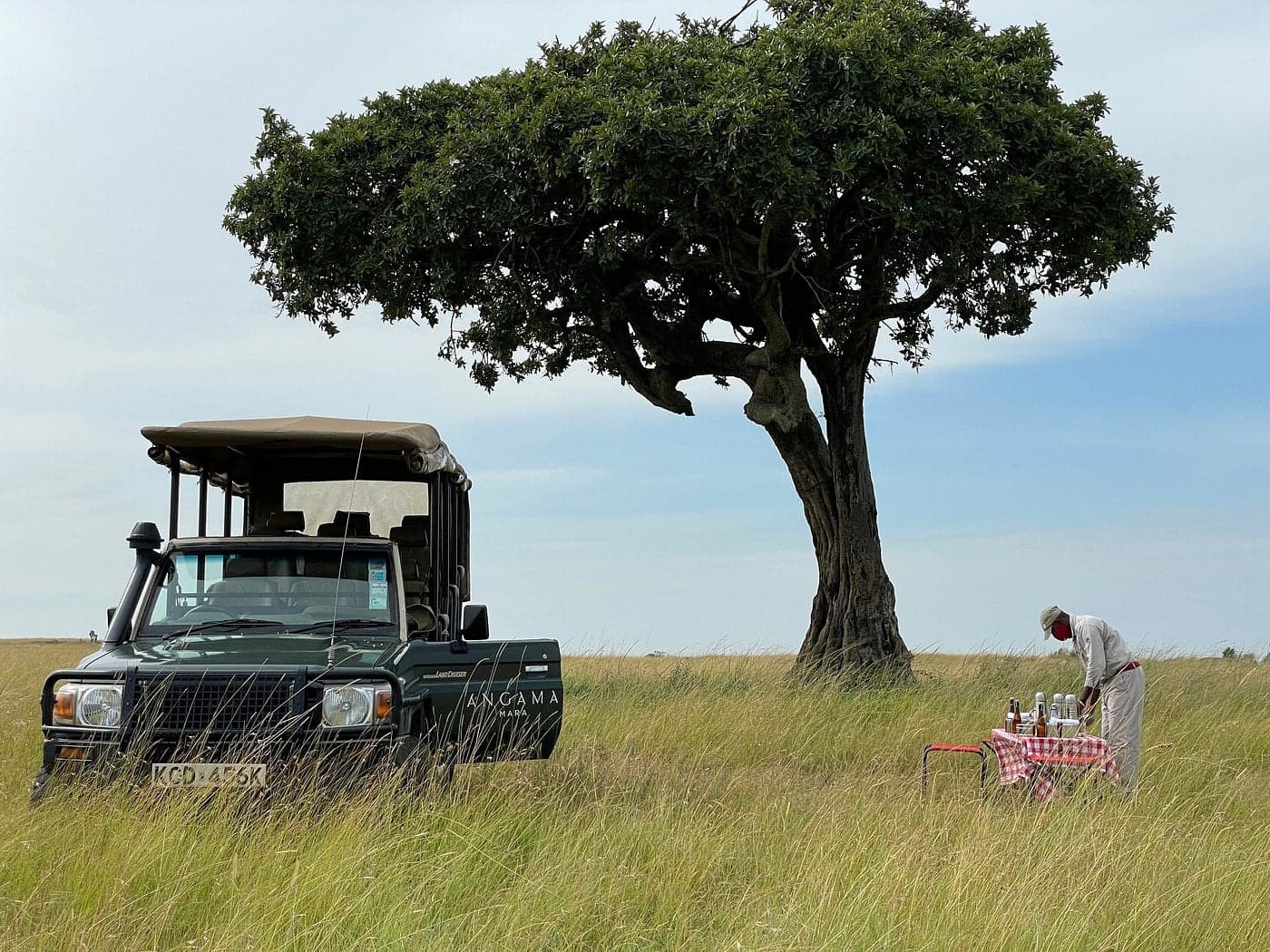
A private 4x4 Land Cruiser with a pop-up roof gives first-time safari guests control over stops, photography pace and early starts. That same route will cost more than a shared minibus tour because the guide, vehicle, fuel and road time are spread across fewer people.
Best for travellers who want flexible pacing, their own guide and reliable access to multiple parks by road.
Best for shorter holidays, luxury camps and guests who would rather spend daylight hours on game drives than transfers.
Needs child-friendly lodges, sensible drive lengths, private vehicles and room configurations confirmed early.
Works best with fewer guests per vehicle, patient guiding, early starts and good positioning for predators and light.
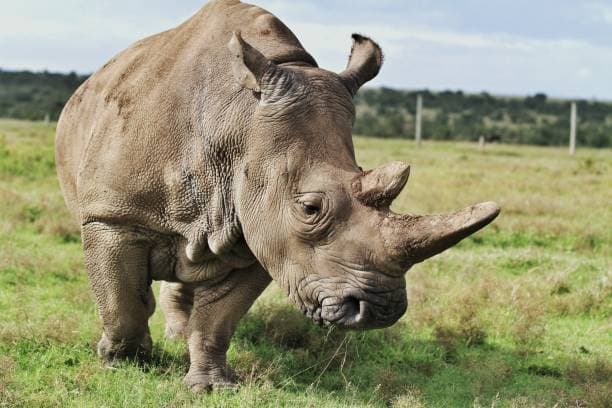
Can include Ol Pejeta, Lewa or Mara conservancies, where rhino protection, habitat work and community leases are part of the story.
Pairs Kenya wildlife areas with Diani, Watamu or Zanzibar, adding flight planning and extra luggage considerations.
 KE
KEKenya · Masai Mara National Reserve
Group size changes the price faster than many travellers expect. Four guests sharing one private safari Kenya vehicle often pay less per person than two guests in the same lodges, because vehicle and guide costs are shared. A solo traveller pays for the full vehicle unless joining a scheduled group.
Accommodation level also affects the experience, not only the bed. Midrange camps may sit outside park gates and offer set meal times. Luxury camps often have stronger guiding, better locations and fewer rooms. Ultra-luxury camps add private conservancy access, premium service, plunge pools, specialist guides and smoother air logistics.
As a planning guide, private midrange Kenya wildlife safari packages can start from about $1,900 pp for five to six days, luxury six-day trips from about $3,200 pp, and ultra-luxury fly-in safaris from about $6,500 pp. Final prices depend on season, room type, park fees and available lodges.
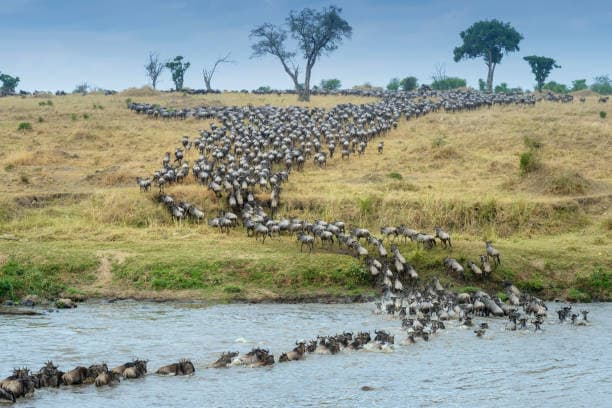
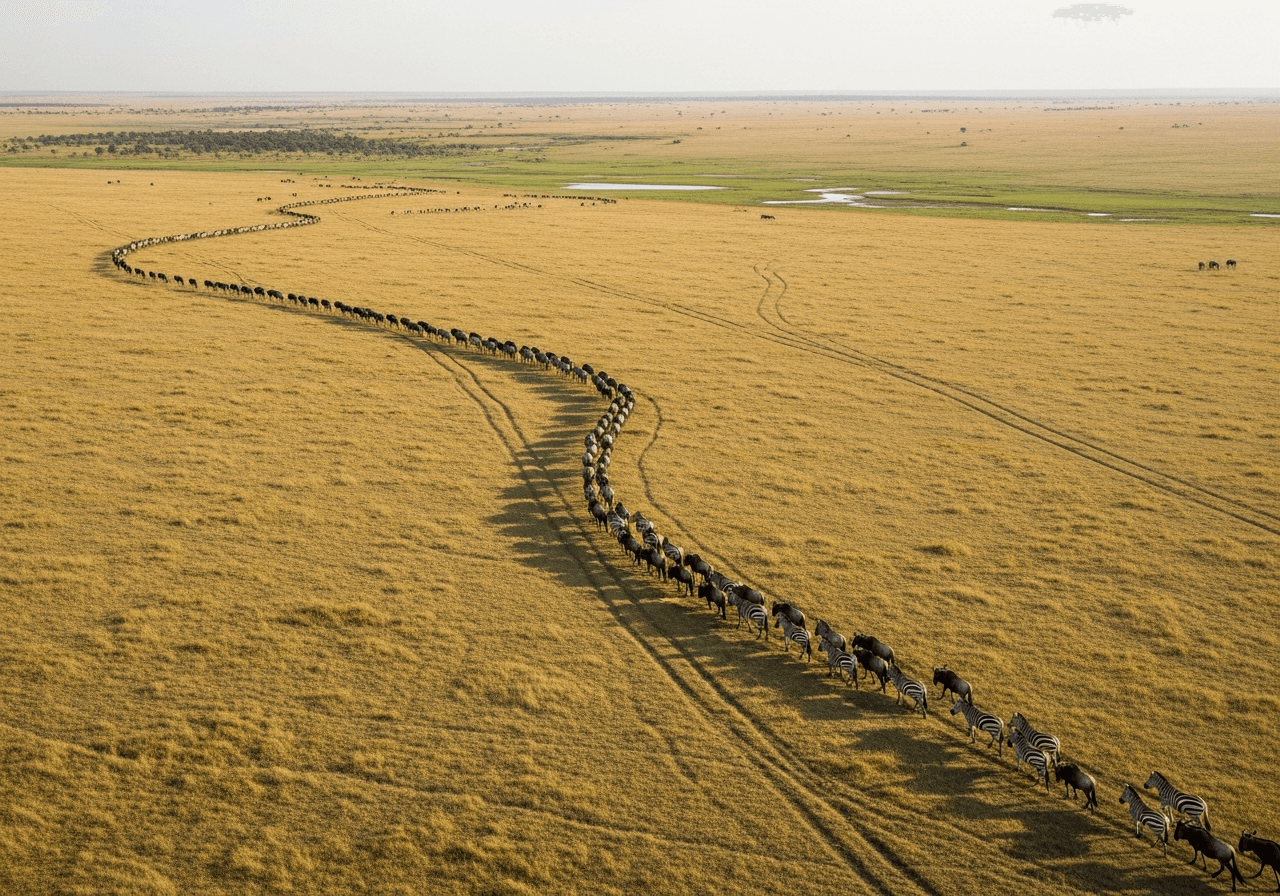
Masai Mara National Reserve covers about 1,510 km² in south-west Kenya. It is Kenya’s best-known big-cat area and the main focus for travellers comparing Masai Mara safaris, especially from July to October when migration herds may move through the Greater Mara ecosystem.
A practical wildlife-area comparison for guided safari enquiries.
 KE
KEThe Masai Mara National Reserve in southwestern Kenya is a premier 1,510-square-kilometre wildlife sanctuary. Renowned for the annual Great Wildebeest Migration from July to October, it offers exceptional year-round Big Five viewing across open savannahs. The reserve is contiguous with Tanzania's Serengeti, forming a critical, biodiverse transboundary ecosystem.
Route design should start with wildlife priorities rather than a long list of park names. Big cats, elephant herds, rhino, flamingo, dry-country species and birding all point towards different regions. A balanced set of Kenya safari routes gives each area enough time for proper game viewing.
Kenya has more than 1,100 recorded bird species, with especially rich diversity around Rift Valley lakes and varied habitats. Birders should not rush Lake Nakuru, Lake Naivasha, Samburu or the Mara riverine belts, because quick one-night stays reduce the chance of seeing habitat specialists.
Seven parks in seven days looks exciting on paper and tiring on the ground. A better Kenya safari booking plan gives two or three nights in major wildlife areas, avoids repeated one-night stops, and leaves time for early morning drives when predators are active.
A Nairobi-based safari team can check Jomo Kenyatta International Airport arrival times, Nairobi Wilson Airport flight schedules, current road conditions and lodge availability on the same working day. That local presence matters during rain, park-fee updates or flight changes.
At a glance
Kenya park and reserve fees can change by authority and season. Kenya Wildlife Service manages many national parks, while Masai Mara National Reserve fees involve Narok County Government. A good Kenya safari operator tracks these changes and updates quotes before guests commit.
Pressure tactics are a warning sign. Be cautious if someone demands instant payment, refuses to name lodges, sends vague personal bank details, or offers a quote far below the market without explaining what has been removed. Cheap quotes often exclude park fees, private vehicle costs, airstrip transfers or peak-season supplements.
A proper six-night Kenya safari quote should read like a working trip plan, not a one-line price. It should show where guests sleep each night, which meals are included, who meets them at the airport, how game drives operate and what fees are already covered.
 KE
KELuxury Safari Lodge in the Heart of Masai Mara
Masai Mara, Kenya
Best Location
Lodge status needs careful reading. “Confirmed” means rooms are held after deposit or full supplier confirmation. “On request” means the operator is waiting for the lodge to respond. “Similar accommodation” can be acceptable only if the category, location and standard are clearly defined.
Travellers comparing a ready-made example can use a 6-day luxury Kenya safari to understand routing, lodge level and pacing before asking for a tailored version. The final proposal should still reflect travel month, group size and room preferences.
A typical Imara Africa Safaris booking moves from enquiry to revised itinerary, then provisional availability, deposit, written confirmation, pre-travel documents and final balance. Each step should leave a clear paper trail that guests can check later.
Travellers share dates, budget range, interests, arrival airport and preferred safari style.
The operator sends a route, lodge suggestions, inclusions, exclusions and price from $X pp or a firm quote if dates are fixed.
Guests adjust the Kenya safari itinerary for pace, camp level, family needs or beach extensions.
The operator confirms lodge space, room types, domestic flights and guide availability.
Guests pay through a secure card link or bank transfer with an invoice reference.
Written confirmation lists confirmed lodges, services, payment received and the balance due date.
The remaining amount is paid by the agreed deadline under the written terms.
Secure card links should use recognised payment processors and show the correct company details. Bank transfers should include the invoice number and traveller name. Screenshots alone are not proof of safe booking; the operator should issue a receipt and updated statement.
Cancellation terms vary by season and supplier. Peak-season Mara camps may require earlier deposits and stricter cancellation windows than green-season lodges. Domestic flights often have separate amendment rules. Written terms protect both sides if dates, room types or traveller numbers change.
July to October is the high-demand period in the Masai Mara, especially for camps near migration movement areas and private conservancies with limited beds. Guests planning a Masai Mara safari online for peak months should secure space early, then confirm international flights once camp availability is held.
Dry months help in Amboseli, Samburu, Tsavo and the Mara because animals concentrate around permanent water and vegetation thins. Amboseli’s elephant families often move between marshes and open plains during the day, while Samburu wildlife gathers along the Ewaso Nyiro River.
Green-season safaris suit travellers who value birding, young animals, dramatic skies and quieter sightings. The Mara remains a strong predator area outside the migration months, and Lake Nakuru or Lake Naivasha can be rewarding for waterbirds when conditions are right.
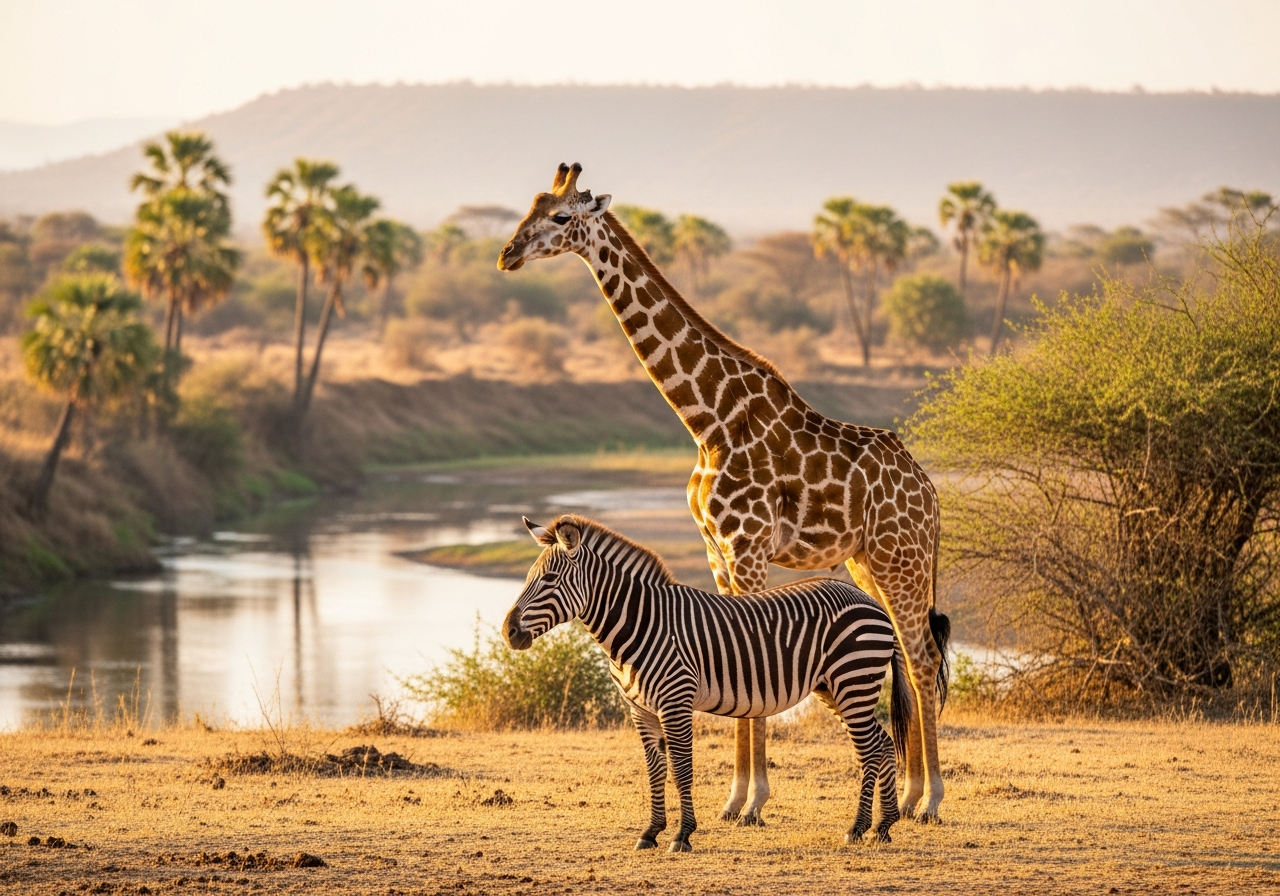
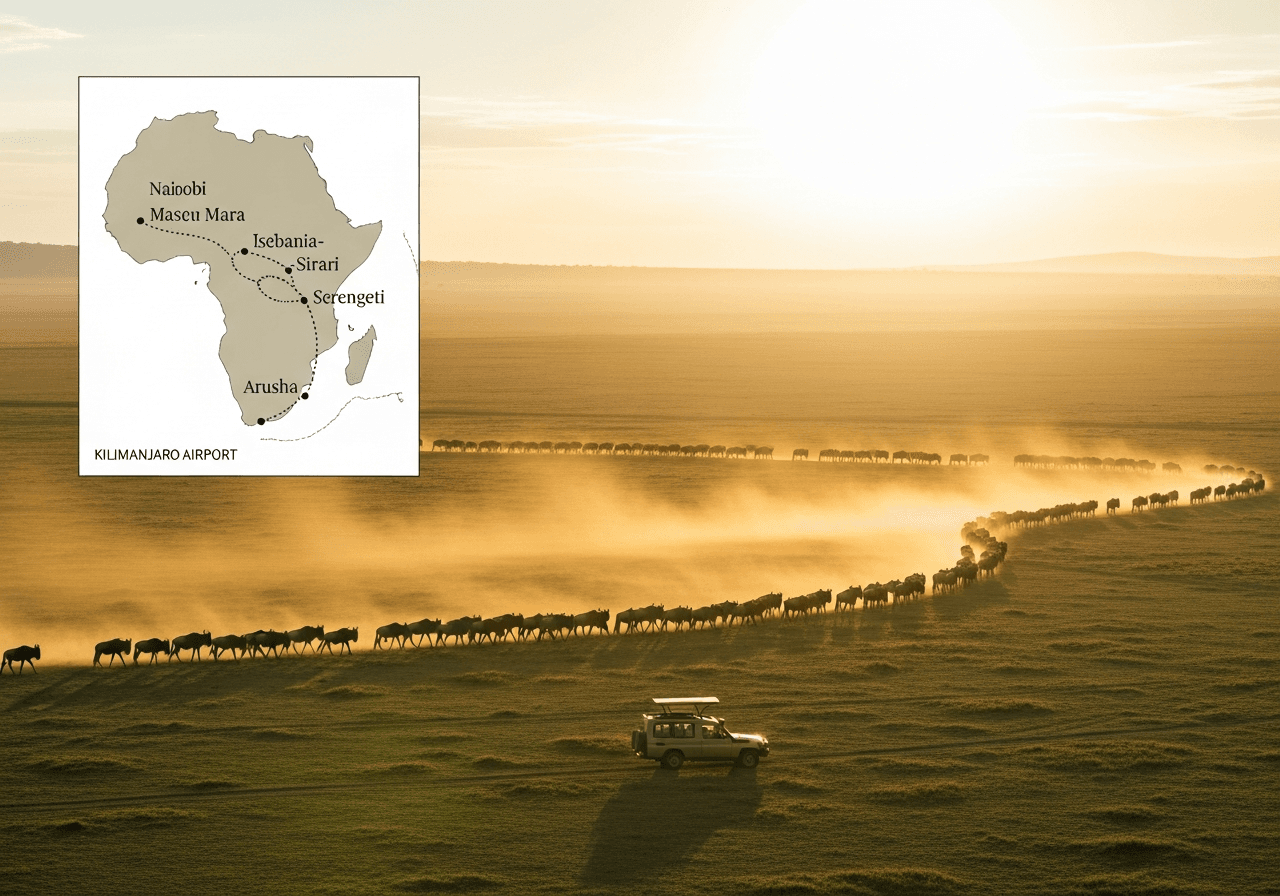
The Nairobi to Masai Mara road journey is roughly 225–270 km depending on the gate or camp, and commonly takes 5–6 hours. Scheduled light-aircraft flights from Nairobi Wilson Airport to Masai Mara airstrips usually take about 45–60 minutes.
The right answer depends on time, budget and tolerance for long transfers.
 KE
KEKenya · Masai Mara National Reserve
A road safari suits first-timers who want to see the Rift Valley, understand distances and keep the same private guide throughout. A fly-in safari is worth the upgrade for short trips, honeymoons, guests staying deep in private conservancies, or travellers who dislike long road sections.
Hybrid itineraries work well for six to ten days. Guests can drive from Nairobi to Amboseli, continue through Lake Naivasha or Lake Nakuru, reach the Masai Mara by road, then fly back to Nairobi Wilson Airport for an international connection from Jomo Kenyatta International Airport later that night or the next day.
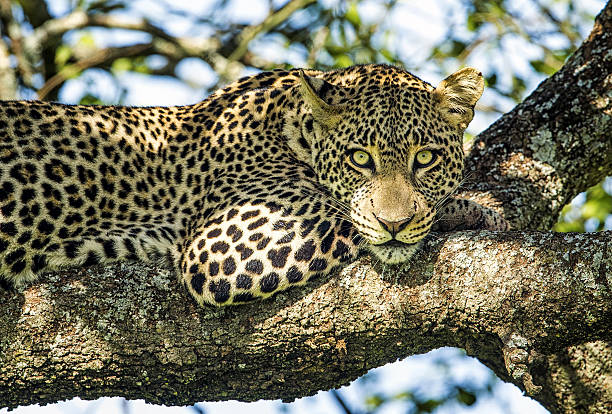
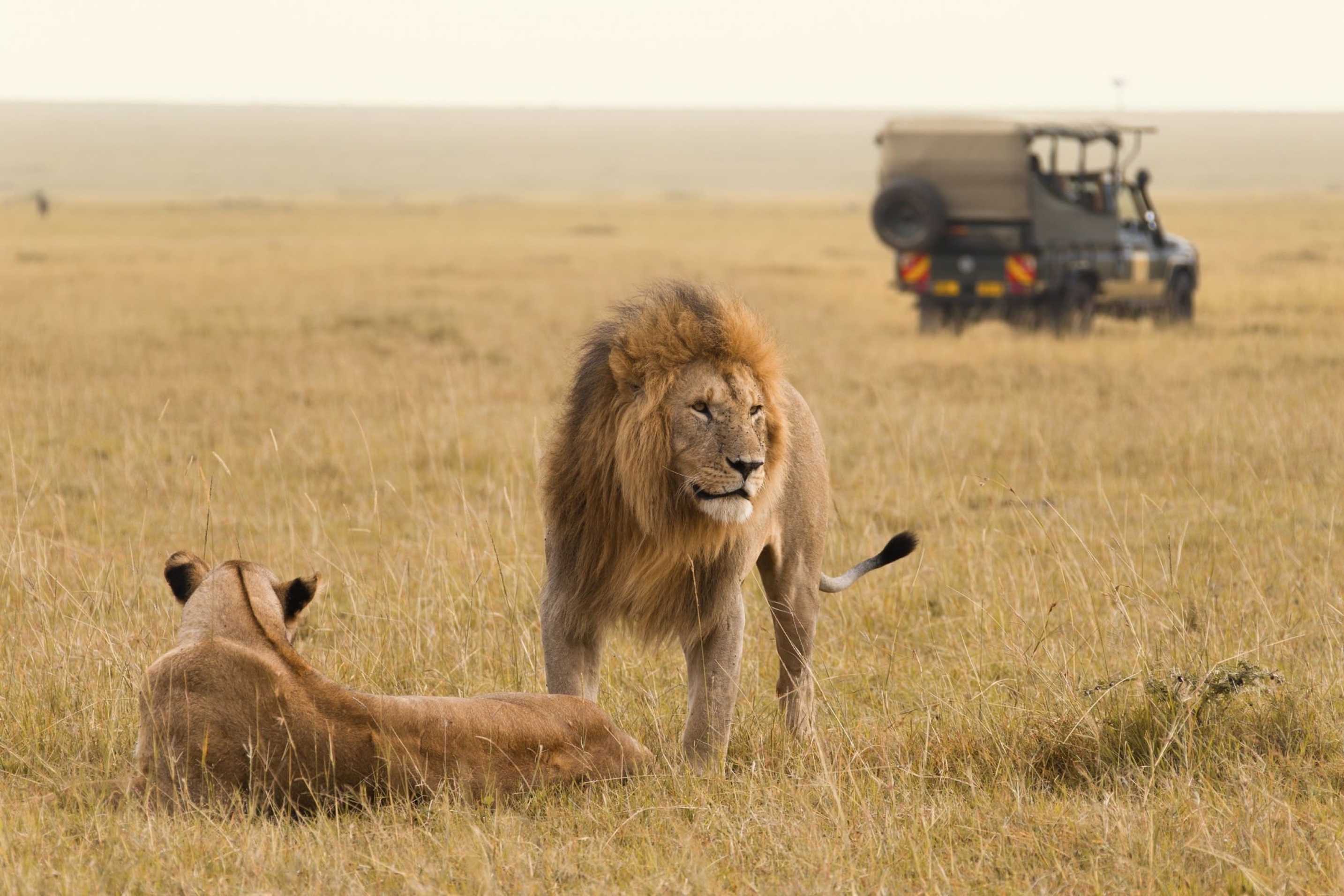
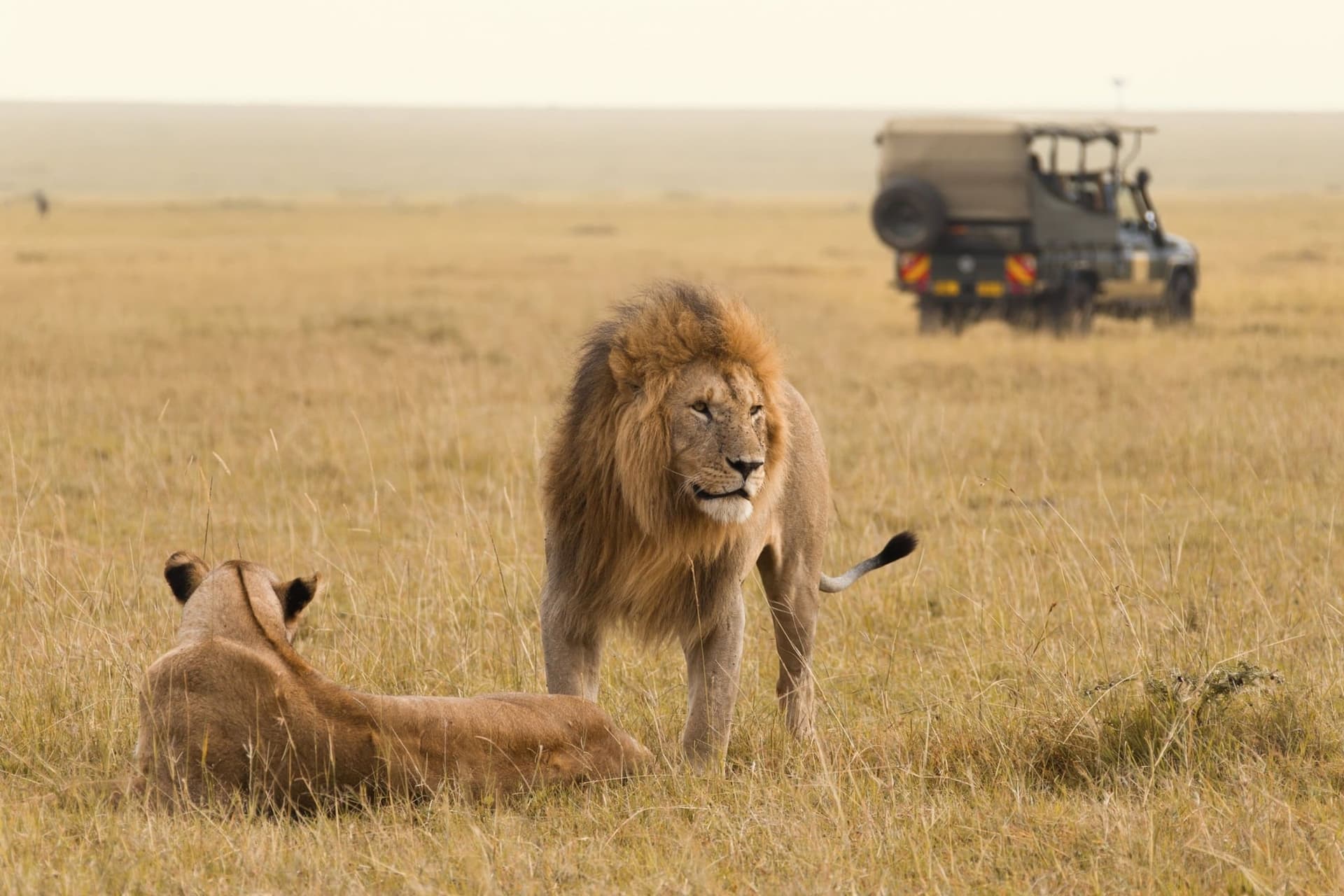
At 6.15am in the Mara, a good guide looks for fresh tracks, alarm calls and hyena movement before deciding where to drive. Vehicle quality matters, but guide judgement often decides how long guests spend with lion, leopard, cheetah, elephant and rare birds.
A good driver-guide reads tracks, bird alarm calls, light, wind and animal behaviour rather than simply driving between sightings.
Guides should position the vehicle respectfully, keeping distance from wildlife and allowing strong photographic angles without crowding animals.
Early mornings and late afternoons usually bring more active predators, cooler temperatures and better light.
Guests should confirm whether the vehicle is private throughout or shared with other travellers at lodges and camps.
Responsible guiding avoids off-road damage where prohibited, blocks no animal’s escape route and respects park and conservancy rules.
“In the Mara, the best sighting is not always the one with the most vehicles; it is often the quiet cheetah on a termite mound at first light, before the radios start talking.”
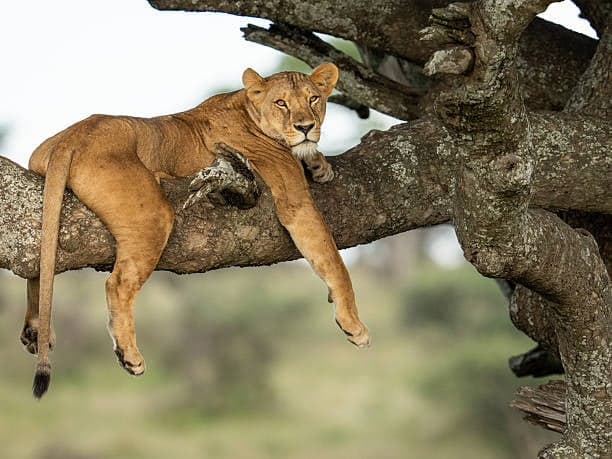
Kenya’s wildlife follows daily rhythms. Lions may move before the heat builds, cheetahs often hunt in cooler light, elephants feed and drink through the day, and leopards can appear near riverine shade late in the afternoon. A good safari day usually combines an early drive, a midday rest and a late-afternoon drive.
Private vehicles help families, photographers and guests with specific interests. Shared camp vehicles can work well in high-end conservancies with strict vehicle limits and skilled guides, but travellers should know the seating policy before paying.
Jomo Kenyatta International Airport is the main international gateway for most Kenya safaris, while Nairobi Wilson Airport handles many domestic safari flights. Travellers should complete the Kenya Electronic Travel Authorisation, known as eTA, before travel if required for their nationality.
At a glance
Pre-departure documents should include the final itinerary, emergency contacts, lodge list, domestic flight details, payment receipt, insurance policy, passport copies and eTA confirmation. Families should also check child documentation rules and airline requirements before departure.
A cheap three-day Mara quote can look attractive until guests notice the lodge sits far from the reserve gate, park fees are missing, and game drives are limited to transfers. Comparing only headline price is the most common Kenya safari booking mistake.
Ask direct questions before payment: Is the vehicle private? Are all park entries included? Which lodges are confirmed? What happens if a camp is unavailable? Who meets the guests at the airport? A reliable operator answers in writing without rushing the deposit.
A September honeymoon in the Masai Mara should be planned earlier than a flexible May road safari, because peak-season camps, private vehicles and special rooms go first. The safest way to book kenya safari online is to match the timeline to the traveller type.
Imara Africa Safaris can shape the route around travel month, wildlife priorities, lodge style, pace and budget, then send a clear written proposal.
 KE
KEKenya · Masai Mara National Reserve
International flights should usually be held after the safari route and camp availability are checked, unless fare rules allow flexible changes. Domestic safari flights need earlier coordination during peak months because airstrip seats are limited and luggage rules affect packing.
Travellers ready to book kenya safari online should share dates, group size, budget range, wildlife priorities and preferred pace with Imara Africa Safaris. A tailored proposal can then compare road, fly-in and hybrid options, with lodge names, inclusions and a written Kenya safari quote.
A strong period for Amboseli, Laikipia and the Mara’s resident wildlife, with fewer crowds than peak migration months.
Some camps close or reduce operations, but landscapes are fresh, birding is excellent and flexible travellers may find better value.
Wildlife viewing improves as grasses shorten, and early booking becomes important for July to October Mara stays.
Migration-focused travel, river-area camps and private conservancies should be secured early, especially for families and luxury travellers.
Weather can be mixed, but wildlife viewing remains rewarding and the bush begins to turn green again.
Families should book early because lodge rooms, private vehicles and domestic flights are in high demand.
Lewis Munuhe
Founder & Director
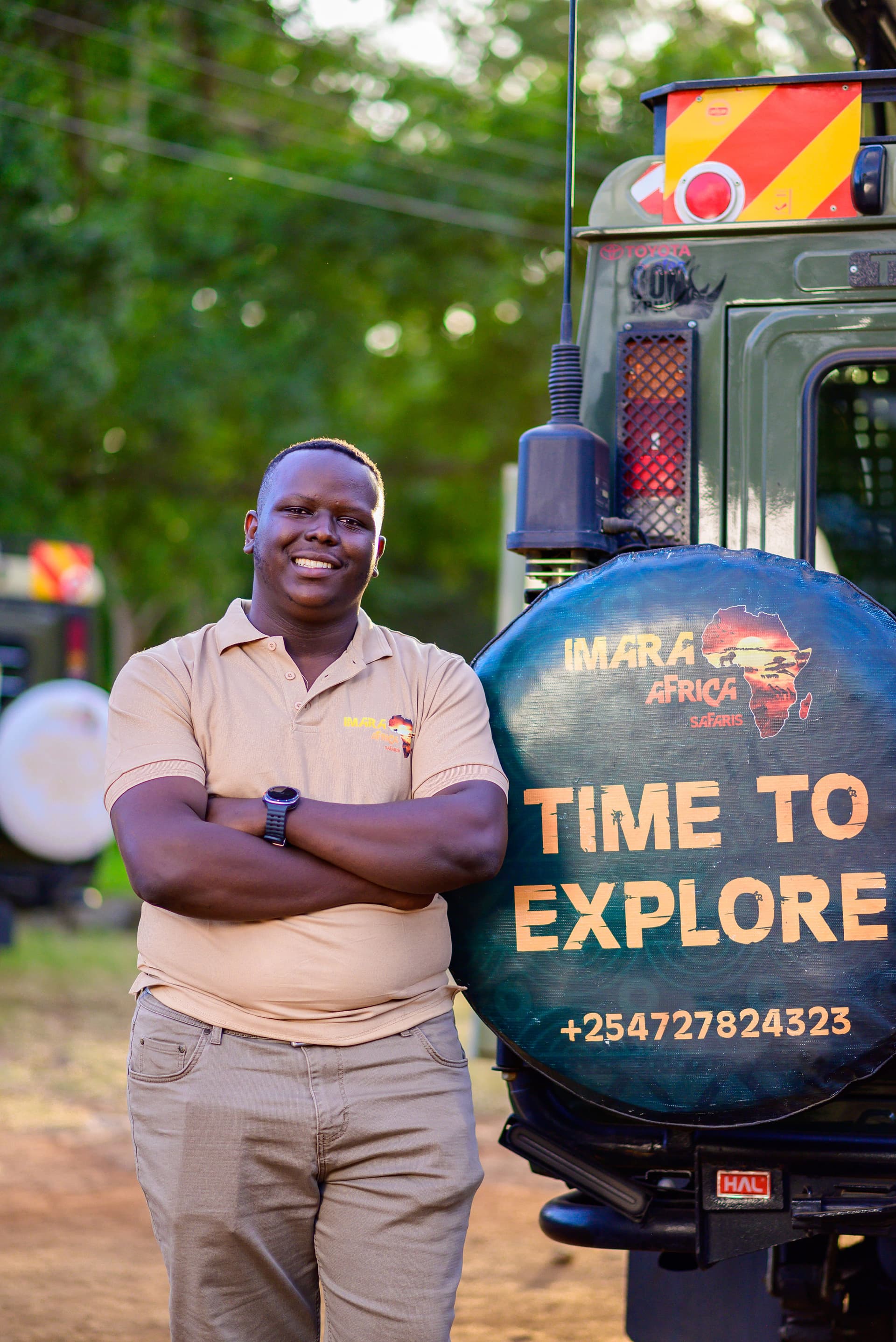
<p>Lewis Munuhe is the Director and Owner of Imara Africa Safaris, a trusted safari company dedicated to creating tailor-made African safari experiences across Kenya, Tanzania, Uganda, and Rwanda. With a strong passion for African travel, wildlife, culture, and conservation, Lewis leads the company’s vision of delivering personalized, seamless, and unforgettable safari journeys for travelers from around the world.</p><p>Through Imara Africa Safaris, Lewis helps guests discover East Africa’s most iconic destinations, from the Masai Mara and Serengeti to Uganda and Rwanda’s gorilla trekking regions. His approach focuses on understanding each traveler’s interests, comfort level, budget, and expectations, then transforming those details into carefully curated safari itineraries that feel personal, meaningful, and well-planned.</p><p>As Director and Owner, Lewis is committed to maintaining high standards in safari planning, guest care, destination expertise, and responsible tourism. Whether arranging a luxury wildlife safari, honeymoon escape, family adventure, cultural journey, gorilla trekking safari, or multi-country East African itinerary, he ensures every experience reflects the quality, authenticity, and attention to detail that define Imara Africa Safaris.</p><p>Under his leadership, Imara Africa Safaris continues to help travelers experience the beauty of Africa through expertly planned safaris that celebrate wildlife, landscapes, local cultures, conservation, and unforgettable adventure.</p>
Lewis Munuhe
Founder & Director
<p>Lewis Munuhe is the Director and Owner of Imara Africa Safaris, a trusted safari company dedicated to creating tailor-made African safari experiences across Kenya, Tanzania, Uganda, and Rwanda. With a strong passion for African travel, wildlife, culture, and conservation, Lewis leads the company’s vision of delivering personalized, seamless, and unforgettable safari journeys for travelers from around the world.</p><p>Through Imara Africa Safaris, Lewis helps guests discover East Africa’s most iconic destinations, from the Masai Mara and Serengeti to Uganda and Rwanda’s gorilla trekking regions. His approach focuses on understanding each traveler’s interests, comfort level, budget, and expectations, then transforming those details into carefully curated safari itineraries that feel personal, meaningful, and well-planned.</p><p>As Director and Owner, Lewis is committed to maintaining high standards in safari planning, guest care, destination expertise, and responsible tourism. Whether arranging a luxury wildlife safari, honeymoon escape, family adventure, cultural journey, gorilla trekking safari, or multi-country East African itinerary, he ensures every experience reflects the quality, authenticity, and attention to detail that define Imara Africa Safaris.</p><p>Under his leadership, Imara Africa Safaris continues to help travelers experience the beauty of Africa through expertly planned safaris that celebrate wildlife, landscapes, local cultures, conservation, and unforgettable adventure.</p>
Lewis Munuhe
Founder & Director
<p>Lewis Munuhe is the Director and Owner of Imara Africa Safaris, a trusted safari company dedicated to creating tailor-made African safari experiences across Kenya, Tanzania, Uganda, and Rwanda. With a strong passion for African travel, wildlife, culture, and conservation, Lewis leads the company’s vision of delivering personalized, seamless, and unforgettable safari journeys for travelers from around the world.</p><p>Through Imara Africa Safaris, Lewis helps guests discover East Africa’s most iconic destinations, from the Masai Mara and Serengeti to Uganda and Rwanda’s gorilla trekking regions. His approach focuses on understanding each traveler’s interests, comfort level, budget, and expectations, then transforming those details into carefully curated safari itineraries that feel personal, meaningful, and well-planned.</p><p>As Director and Owner, Lewis is committed to maintaining high standards in safari planning, guest care, destination expertise, and responsible tourism. Whether arranging a luxury wildlife safari, honeymoon escape, family adventure, cultural journey, gorilla trekking safari, or multi-country East African itinerary, he ensures every experience reflects the quality, authenticity, and attention to detail that define Imara Africa Safaris.</p><p>Under his leadership, Imara Africa Safaris continues to help travelers experience the beauty of Africa through expertly planned safaris that celebrate wildlife, landscapes, local cultures, conservation, and unforgettable adventure.</p>
Our trips
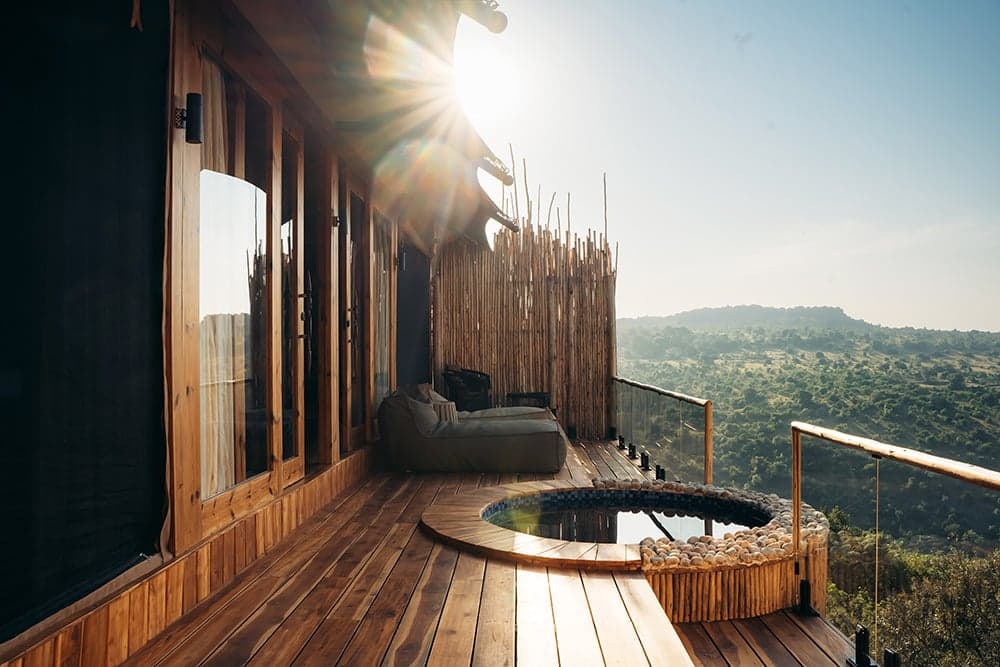 Kenya SafarisBest luxury safari lodges masai mara: 12 top staysBy Lewis Munuhe·23m read·138 views
 Kenya SafarisMasai Mara Safari: A Complete Migration GuideBy Lewis Munuhe·28m read·43 views
 Kenya SafarisKenya Safari Wildlife: What Animals Will You See?By Lewis Munuhe·29m read·79 views
 Kenya SafarisHow Much Does a Masai Mara Safari Cost in 2026/27?By Lewis Munuhe·10m read·83 views
19°C
broken clouds
Feels like 18° · 63% humidity
🦁Right now in the bush: Quiet hours — a good time for lodge rest before dawn.



Comments
Loading…