Safari familiar en África Oriental: Mejores destinos
Una guía práctica para planificar un safari familiar en África Oriental, comparando los parques más seguros, rutas más fáciles, mejores fauna y escapadas a la playa para todas las edades.
32 min read66viewsUpdated Oct 7, 2026
Blue Wildebeest
66views
Share
Listen~32 min
In this articleTap to view 14 sectionsTap a section to jump
Kenya is usually the easiest first family safari choice because routes between Amboseli, Lake Naivasha, Lake Nakuru and the Masai Mara are flexible.
Tanzania suits families who want dramatic wildlife, especially Tarangire elephants, Ngorongoro Crater game viewing and Serengeti migration routes.
Uganda and Rwanda are excellent for active families with older teens, but gorilla trekking is restricted to travellers aged 15 and over.
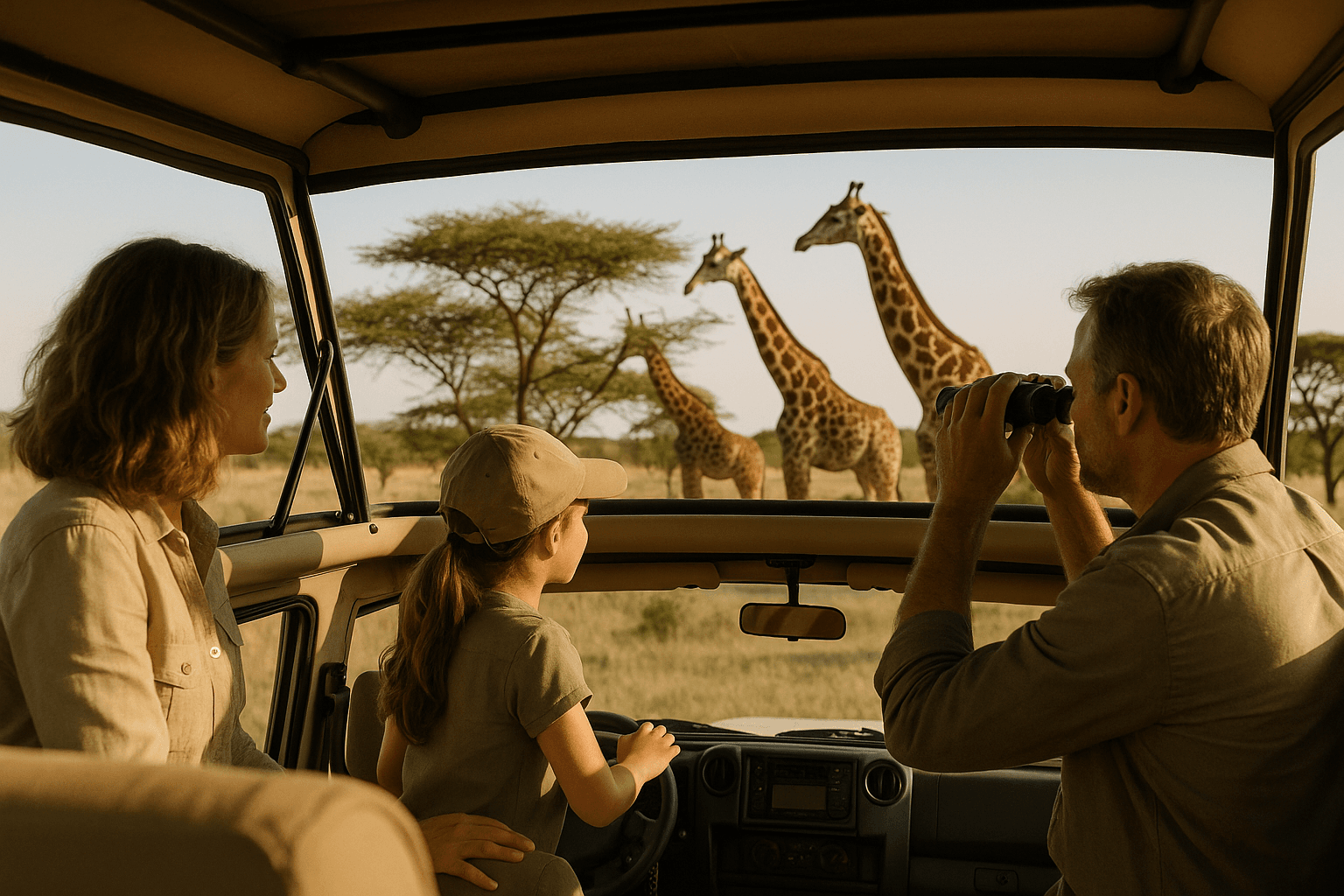
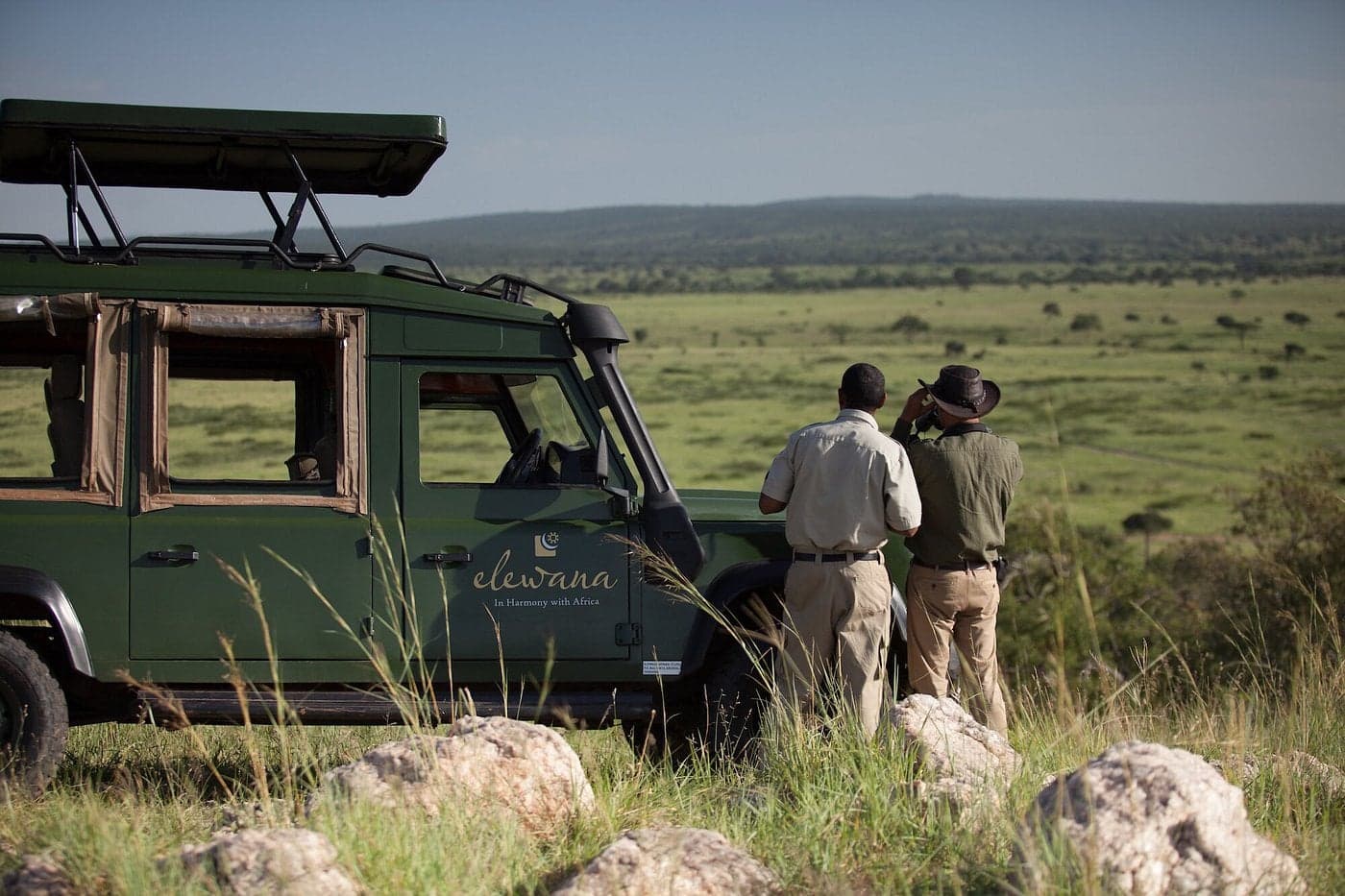
A private vehicle is one of the best family safari upgrades, allowing shorter drives, rest breaks and guide-led pacing around children.
Beach time in Zanzibar, Diani or the Kenya coast helps families recover after early starts and dusty game drives.
The dry season from June to October gives the simplest wildlife viewing, while the green season can suit families who prefer quieter lodges.
Quick answer: best destinations for a family safari in East Africa
Kenya is the easiest first choice for a first family safari in East Africa because the routes are flexible, wildlife viewing is consistent and Nairobi gives families good international flight access. Tanzania suits families who want larger landscapes and migration drama. Uganda and Rwanda fit older teenagers. The coast gives everyone time to sleep, swim and reset.
Family priority
Best destinations
Why it works
First safari with younger children
Masai Mara, Amboseli, Lake Naivasha, Lake Nakuru
Reliable wildlife, varied days and manageable Kenya safari routes
Big wildlife drama
Tarangire, Ngorongoro Crater, Serengeti
Elephants, predator country, crater viewing and migration routes
Active teenagers
Bwindi Impenetrable Forest, Volcanoes National Park
Gorilla trekking, forest walking and conservation-led guiding
Post-safari rest
Zanzibar, Diani, Mombasa, Lake Naivasha
Beach time, boat rides, lighter meals and fewer early starts
A six-year-old who loves animals but tires by lunchtime needs a different safari from a 15-year-old who can sit quietly at a leopard sighting for an hour. Age, attention span and preferred pace shape the best safari destinations for families more than any map. Private vehicles, two-night stays and flexible lodges usually matter more than adding another park to the itinerary.
Families comparing Kenya safari routes should look first at drive times, room layouts and how much wildlife can be seen without moving lodge every morning. A slower route gives children time to notice tracks, dung beetles, hornbills and the small details that turn a game drive into a lesson they remember.
What makes a safari destination family-friendly?
Lake Naivasha works well for children because a one-hour boat ride among hippos and fish eagles breaks the rhythm of long vehicle days. Family-friendly safari planning depends on short transfers, predictable sightings and varied activities that stop children feeling trapped in a 4x4 for too long.
At a glance
Family safari quick facts
Best all-rounder
Kenya: Masai Mara, Amboseli, Lake Naivasha and Lake Nakuru link easily by road or short flights.
Best age range
Classic game drives are easiest from about 6+, while teens cope better with long drives and primate trekking.
Official teen rule
Gorilla trekking in Uganda and Rwanda is restricted to travellers aged 15 and over.
Best months
June to October gives dry-season wildlife visibility; January to March is warm and good for calving in Tanzania.
Best comfort upgrade
A private vehicle lets families shorten drives, return for naps and follow children’s interests.
Shorter transfers: Families cope better with two to four-hour road sectors than full-day drives across rough roads.
Predictable wildlife: Parks with regular elephant, giraffe, zebra, hippo and lion sightings keep children engaged.
Safe lodge layouts: Fenced properties or camps with clear escort rules after dark reduce stress for parents.
Family rooms: Interconnecting rooms, family tents and triples are easier than separate units far apart.
Flexible meals: Early dinners, packed breakfasts and simple child-friendly food help on early-start days.
Useful facilities: Pools, shaded decks, laundry and reliable Wi-Fi in public areas can change the mood of a long trip.
Nairobi, Arusha, Nakuru City and other safari gateways also matter. Reliable airstrips, known road timings and access to medical support reassure parents, especially on a safari with children in East Africa. The best routes alternate game drives with boat rides, safe walks, cultural visits and rest time.
Best overall family safari destinations by age and interest
A four-year-old in Amboseli often remembers the elephants before anything else: the dust, the flapping ears and the calves walking under their mothers. Toddlers and younger children generally do best on gentler Kenya routes with shorter drive days and lodges close to wildlife areas.
Family safari destination comparison
A practical way to match East African regions to ages, interests and travel style.
Kenya
Best all-rounder
Best family fit
First safari, mixed ages and flexible routing
Travel pace
Moderate, with road or fly-in options
Wildlife style
Big cats, elephants, rhino, lakes and savannah
Age notes
Works well from younger school age
Best pairing
Diani, Lake Naivasha or a Mara conservancy
Tanzania
Big wildlife drama
Best family fit
Families with more time and wildlife-focused children
Travel pace
Can be longer, especially for Serengeti sectors
Wildlife style
Elephants, crater wildlife, migration and vast plains
Age notes
Best when children can handle longer drives
Best pairing
Arusha, Ngorongoro and Zanzibar
Uganda & Rwanda
Best for teens
Best family fit
Active families with older teens
Travel pace
Usually active and itinerary-specific
Wildlife style
Gorillas, forest wildlife, boat safaris and scenery
Age notes
Gorilla trekking is 15+
Best pairing
Kenya or Tanzania savannah safari first
Zanzibar & Coast
Rest days
Best family fit
Families needing recovery after safari
Travel pace
Slow and restorative
Wildlife style
Marine life, beaches, spice farms and culture
Age notes
Suitable for all ages with supervision
Best pairing
Kenya or Tanzania safari before the beach
Compare
Best all-rounder
Kenya
Big wildlife drama
Tanzania
Best for teens
Uganda & Rwanda
Rest days
Zanzibar & Coast
Best family fit
First safari, mixed ages and flexible routing
Families with more time and wildlife-focused children
Active families with older teens
Families needing recovery after safari
Travel pace
Moderate, with road or fly-in options
Can be longer, especially for Serengeti sectors
Usually active and itinerary-specific
Slow and restorative
Wildlife style
Big cats, elephants, rhino, lakes and savannah
Elephants, crater wildlife, migration and vast plains
Gorillas, forest wildlife, boat safaris and scenery
Marine life, beaches, spice farms and culture
Age notes
Works well from younger school age
Best when children can handle longer drives
Gorilla trekking is 15+
Suitable for all ages with supervision
Best pairing
Diani, Lake Naivasha or a Mara conservancy
Arusha, Ngorongoro and Zanzibar
Kenya or Tanzania savannah safari first
Kenya or Tanzania safari before the beach
Exact suitability depends on lodge rules, season, budget and the youngest child’s stamina.
Age group
Best fit
Good destination choices
Under 6
Short drives, pools, flexible meals, minimal moving
Masai Mara, Tarangire, Ngorongoro Crater, Ol Pejeta
13 to 14
Longer game drives, conservation visits, quieter conservancies
Serengeti, Lewa, Samburu, private Mara conservancies
15 and over
More active days, primate trekking, deeper guiding
Bwindi Impenetrable Forest, Volcanoes National Park, Serengeti
Primary-school children often love the Masai Mara, Tarangire, Amboseli, Lake Nakuru and Ngorongoro Crater because the animals are large, visible and easy to identify. Teenagers can handle longer Serengeti routes, conservation-focused conservancies and a more ambitious safari with teens in Africa. Families who need downtime should add Zanzibar, Diani or a lake stop rather than stretching every day into another dawn game drive.
Best overall family safari destinations in Kenya
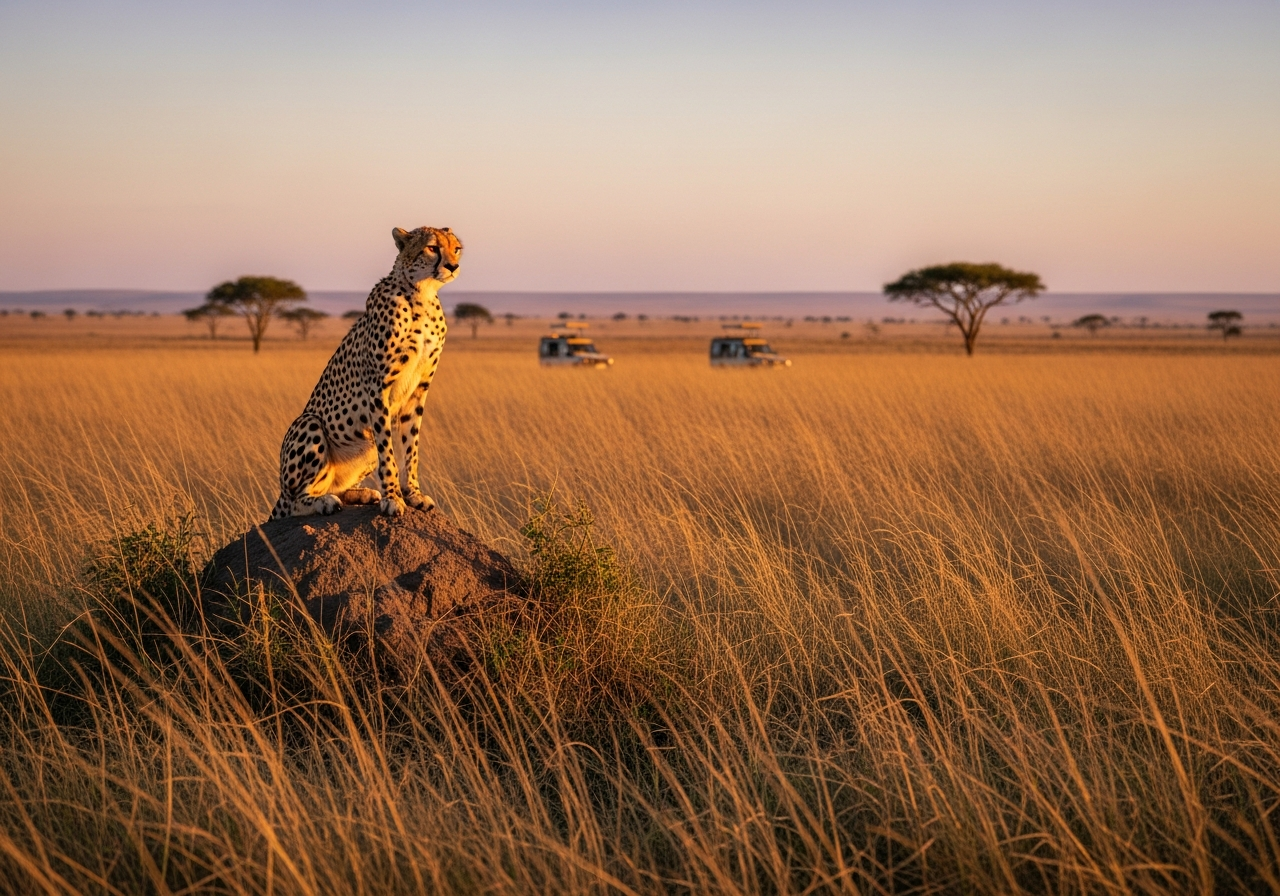
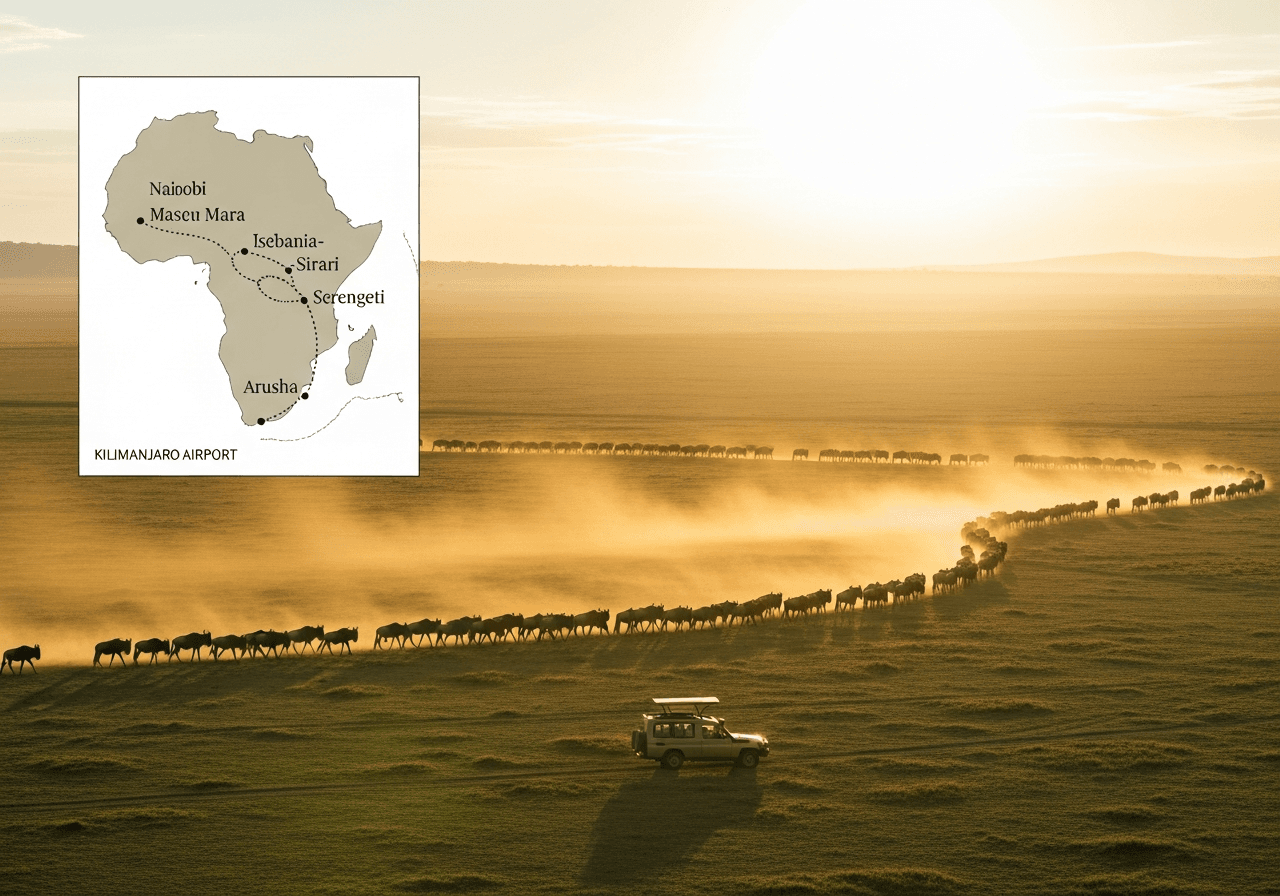
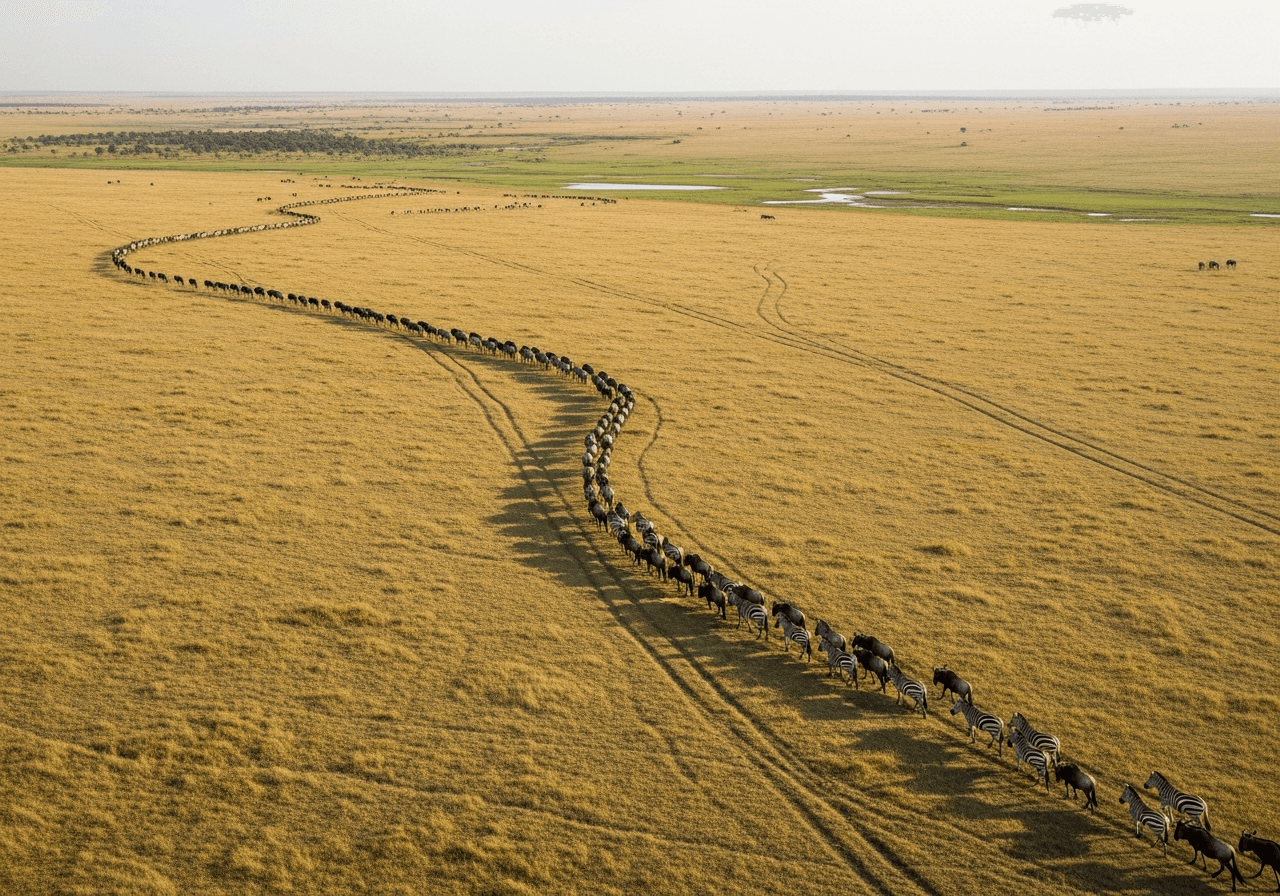
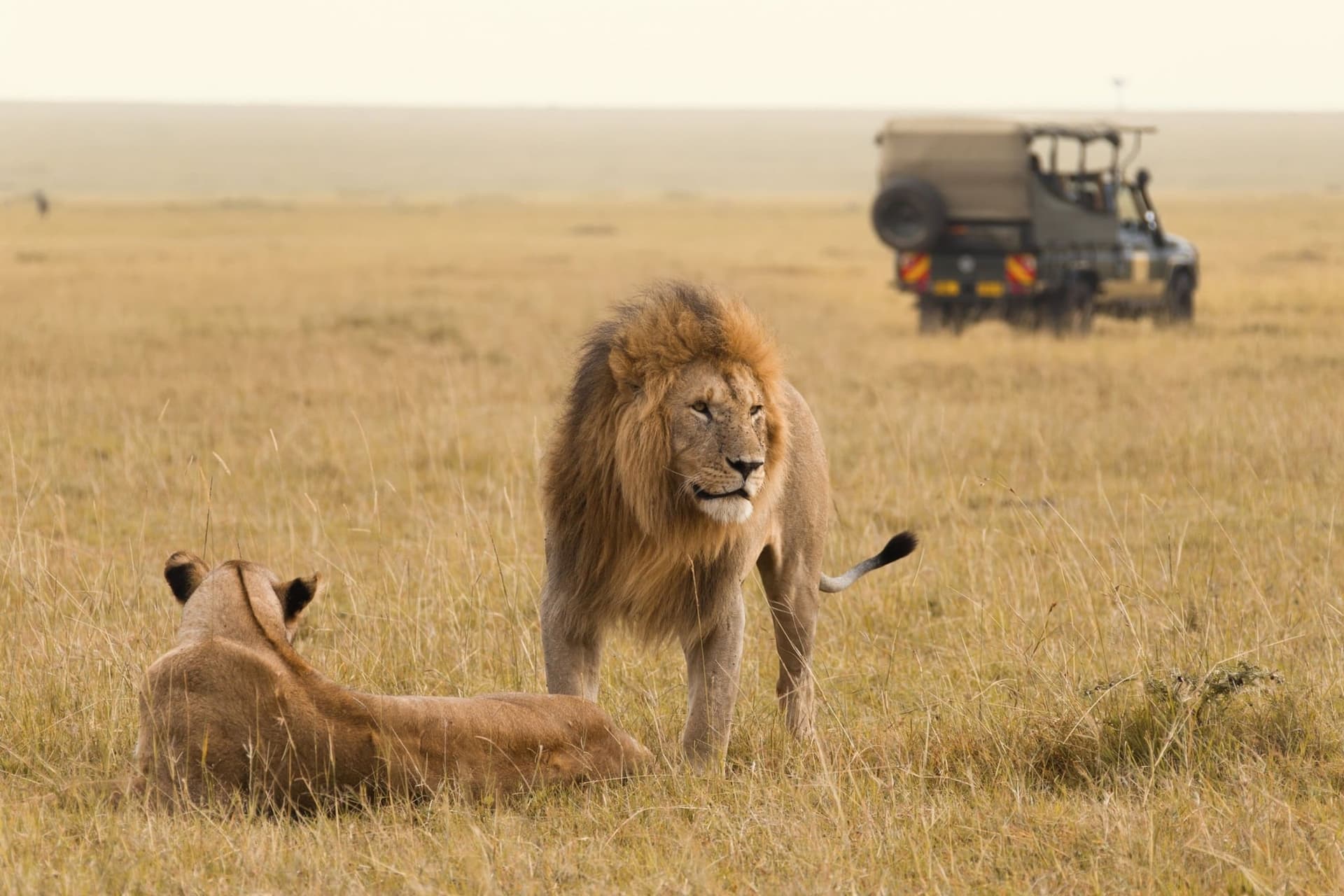
Masai Mara National Reserve gives children the classic open-plains safari: lions on termite mounds, hyenas trotting along tracks at first light and wildebeest moving in dark lines across the grass. Masai Mara National Reserve covers about 1,510 km², making it wildlife-rich but still manageable for a short family safari.
Destination
Why families like it
Best-fit family
Planning note
Masai Mara National Reserve
Reliable big-cat sightings, open landscapes and classic safari scenery.
First-timers, wildlife-mad children and multi-generation families.
Consider flying in or allowing enough time for the road journey.
Amboseli National Park
Large elephant herds, flat horizons and Kilimanjaro views on clear mornings.
Families wanting strong wildlife without an overly complex route.
Good as a two-night start or finish from Nairobi.
Lake Naivasha
Boat rides, hippos, birds and a gentler change of pace between parks.
Families who need variety beyond vehicle-based game drives.
Best used as a soft stop between Amboseli, Nakuru and the Mara.
Lake Nakuru National Park
Rhino, buffalo, Rothschild’s giraffe and seasonal flamingo viewing in a compact park.
Families who prefer shorter drives and high wildlife density.
Pairs naturally with Lake Naivasha on a Kenya road safari.
Ol Pejeta Conservancy
Rhino conservation, predator viewing and educational conservation stories.
Curious older children and teens interested in wildlife protection.
Ask about activity age limits before confirming the itinerary.
Kenya family safari destination shortlist
Scheduled flights from Nairobi Wilson Airport to Masai Mara airstrips typically take about 45–60 minutes, compared with a much longer road transfer. That flight can protect younger children from a tiring road day, while a private vehicle in the Mara gives families control over bathroom stops, snack breaks and how long to stay at a sighting. Sarova Mara Game Camp is one example of a well-known Mara property with a family-friendly layout, a pool and easy access to productive game-viewing areas.
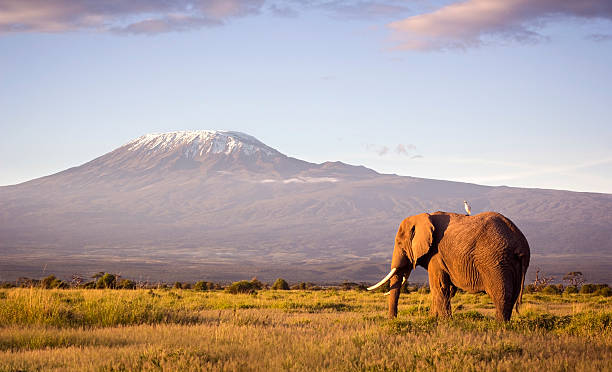
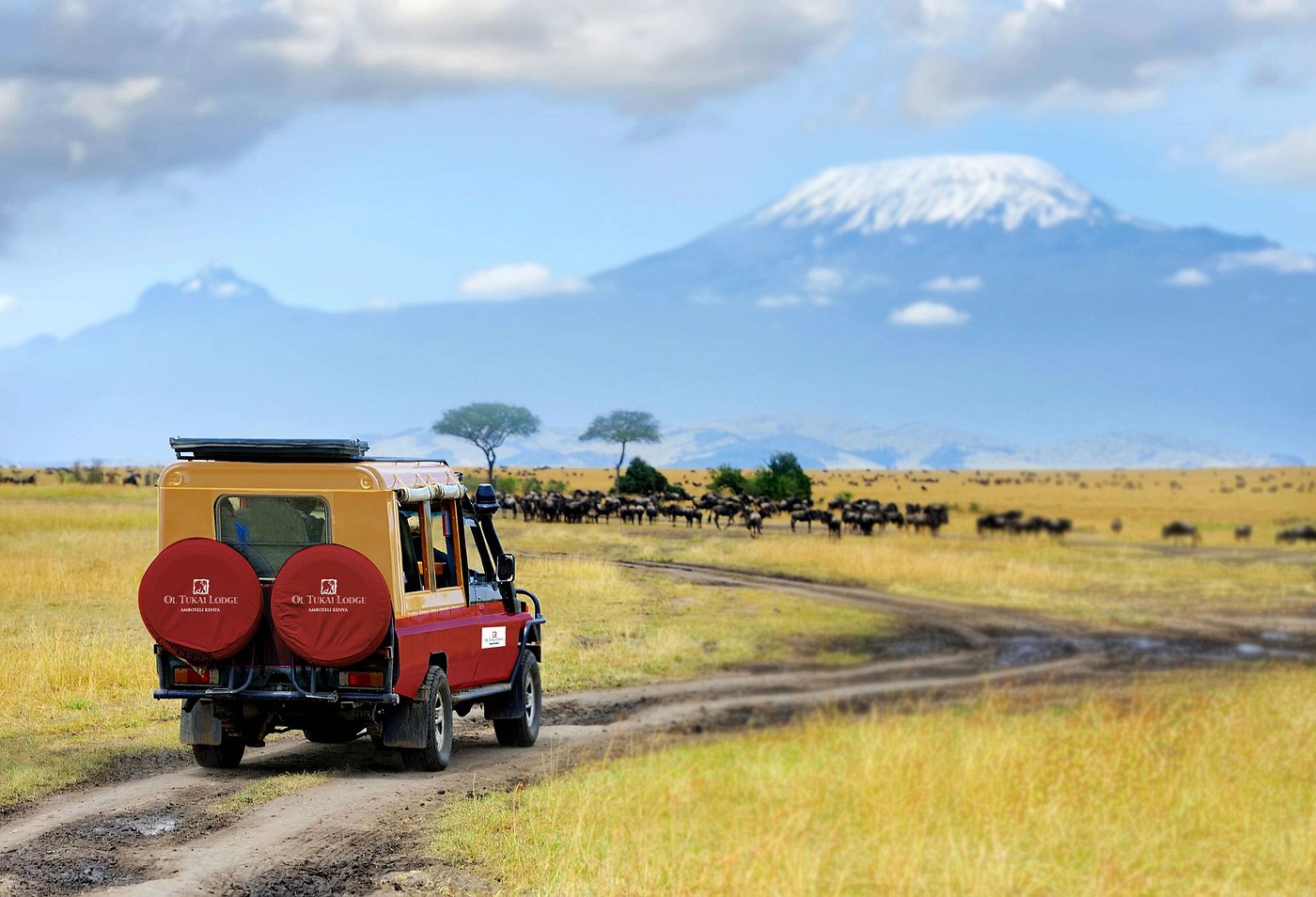
Amboseli National Park covers about 392 km² and lies roughly 230–240 km south-east of Nairobi, making it practical for a short Kenya safari. Its elephant herds are the main draw, and clear mornings can bring Mount Kilimanjaro into view behind the marshes. Families considering Amboseli with children should plan for early game drives, relaxed afternoons and time at the lodge pool during the hotter hours.
Lake Naivasha and Lake Nakuru National Park work as natural breathing spaces on a Kenya family safari. Naivasha adds boat rides, giraffes around the lakeshore and easy lodge time. Nakuru brings rhino viewing, flamingos in favourable conditions and a compact park layout that suits children who want visible wildlife without long gaps between sightings.
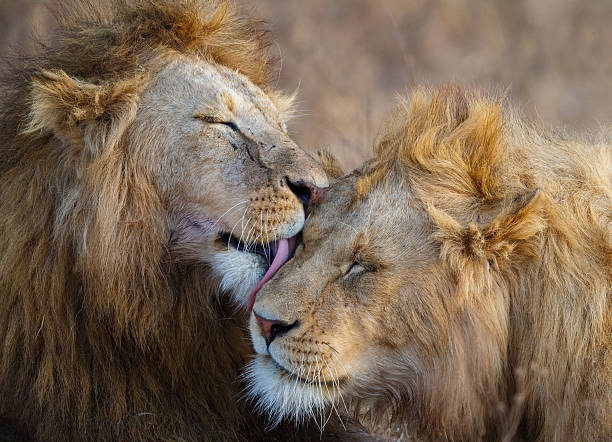
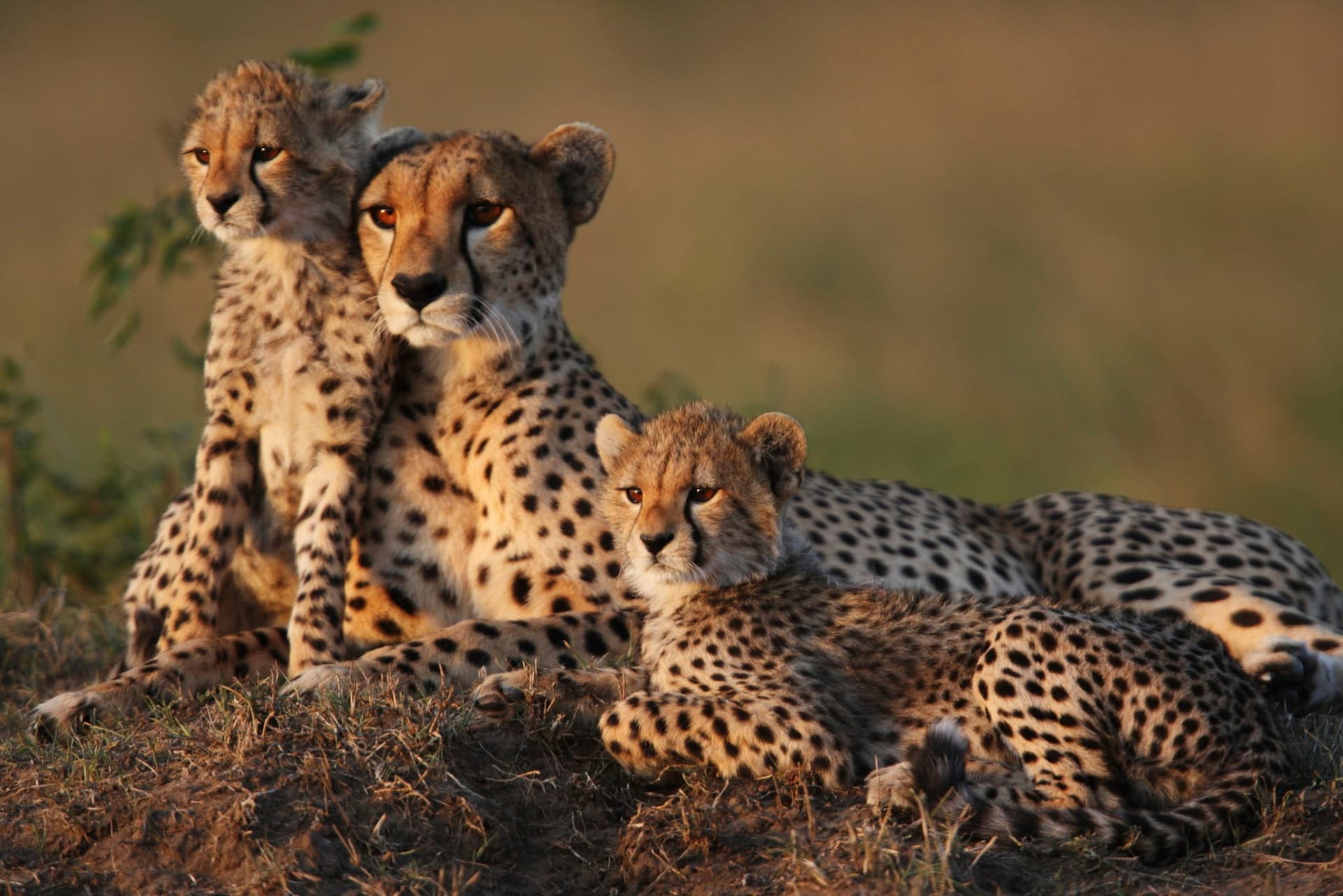
Ol Pejeta Conservancy, Lewa and Samburu suit curious children who ask questions about rhino protection, endangered species and why some animals live only in northern Kenya. Ol Pejeta is strong for rhino conservation and predator tracking. Samburu adds gerenuk, Grevy’s zebra, reticulated giraffe and dry-country scenery that feels different from the Mara grasslands.
Best family safari destinations in Tanzania
Tarangire National Park feels different from the first hour: baobab trunks, red dust, dry riverbeds and elephant families moving towards water in the dry season. For a Tanzania family safari, Tarangire is often the gentlest start because it sits within reach of Arusha and delivers strong wildlife without immediately committing the family to long Serengeti distances.
Tanzania with children: strengths and trade-offs
Pros
Tarangire, Ngorongoro and Serengeti deliver some of East Africa’s strongest wildlife viewing.
Ngorongoro Crater is compact enough to feel rewarding in a single main game-drive day.
Zanzibar is a natural beach extension after northern Tanzania.
The southern Serengeti calving season can be exceptional for families interested in predator-prey behaviour.
Cons
Serengeti distances are long, so poor pacing can exhaust younger children.
Migration-focused itineraries may require moving camps or flying between sectors.
Popular crater viewpoints and picnic sites can feel busy in peak months.
Remote tented camps may have stricter child policies than larger lodges.
KE
Featured
Kenya
Masai Mara National Reserve
The Masai Mara National Reserve in southwestern Kenya is a premier 1,510-square-kilometre wildlife sanctuary. Renowned for the annual Great Wildebeest Migration from July to October, it offers exceptional year-round Big Five viewing across open savannahs. The reserve is contiguous with Tanzania's Serengeti, forming a critical, biodiverse transboundary ecosystem.
Discover Lake Naivasha, one of Kenya's most beautiful freshwater lakes and a popular destination in the Great Rift Valley. Surrounded by lush landscapes, acacia forests, and abundant wildlife, Lake Naivasha offers unique experiences including boat safaris, walking safaris, birdwatching, and close encounters with hippos and giraffes. Whether exploring Crescent Island, enjoying a scenic boat ride, or relaxing at a lakeside lodge, Lake Naivasha provides the perfect blend of nature, adventure, and tranquility for travelers seeking unforgettable experiences in Kenya.
Amboseli National Park is one of Kenya's most celebrated wildlife destinations, renowned for its impressive elephant populations and unrivaled views of Mount Kilimanjaro. Covering approximately 392 square kilometers in southern Kenya, the park offers exceptional game viewing, diverse ecosystems, and rich cultural experiences. Visitors can spot elephants, lions, cheetahs, buffaloes, giraffes, zebras, wildebeests, and over 400 bird species throughout the year. The park's swamps, grasslands, acacia woodlands, and seasonal lakes create ideal wildlife habitats and stunning photographic opportunities. Amboseli National Park delivers unforgettable safari adventures, breathtaking scenery, and authentic African wildlife experiences.
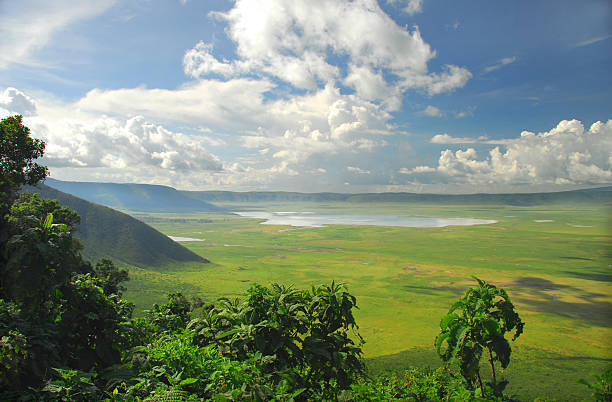
Explore the breathtaking Ngorongoro Crater, one of Africa's most extraordinary safari destinations and the world's largest intact volcanic caldera. Located in northern Tanzania, this UNESCO World Heritage Site offers incredible wildlife encounters, spectacular landscapes, and one of the highest concentrations of animals in Africa. Visitors can witness the Big Five, endangered black rhinos, large lion prides, elephants, and thousands of other animals within a stunning natural amphitheater, creating an unforgettable safari experience unlike anywhere else on Earth.
Nairobi National Park offers a rare safari experience just minutes from the city, where wildlife roams freely against an urban backdrop. It’s perfect for a quick yet authentic introduction to Kenya’s wildlife.
Discover Nairobi, the dynamic capital city of Kenya and the gateway to East Africa's most incredible safari experiences. Known as the "Green City in the Sun," Nairobi combines modern skyscrapers, rich cultural heritage, world-class restaurants, thriving nightlife, and unique wildlife attractions. Visitors can enjoy Nairobi National Park, the Giraffe Centre, David Sheldrick Wildlife Trust, museums, shopping centers, and vibrant local markets. Whether you're beginning a safari adventure, exploring Kenya's culture, or enjoying a city break, Nairobi offers unforgettable experiences for every traveler.
Families comparing Tanzania safari options usually weigh three northern highlights: Tarangire for elephants, Ngorongoro for density and Serengeti for scale. Tarangire is superb from June to October, when wildlife gathers around the Tarangire River. It also offers varied habitats, so children see how woodland, swamp and open plains support different animals.
Ngorongoro Crater is about 610 m deep, and its floor is roughly 260 km², allowing concentrated wildlife viewing in a compact day trip. That compactness helps families with limited time. A single crater descent can include buffalo, zebra, lions, hyenas, flamingos, hippos and, with luck, black rhino at a distance.
Serengeti National Park covers 14,763 km², so families usually benefit from fly-in logistics or spending at least three nights in one sector. The Serengeti rewards patience, but it needs careful pacing because camps may be remote and transfer days can feel long. Central Serengeti works well for families who want year-round predator viewing, while the southern plains from January to March are strong for calving season.
Arusha City gives families a soft landing before the main safari, especially after a long-haul flight. A night near Arusha, or a short visit to a coffee estate or local market, helps children adjust before early safari starts. Zanzibar then pairs naturally after northern Tanzania for sea, sand and slower mornings.
Uganda and Rwanda for families with older children and teens
Bwindi Impenetrable Forest is best saved for teenagers who can manage steep, muddy trails, quiet forest time and strict gorilla-viewing rules. Mountain gorilla trekking in Uganda and Rwanda has a minimum age of 15 years, set for visitor safety and gorilla protection.
Families researching Bwindi for teens should treat gorilla trekking as a specialist extension, not an add-on for young children. The forest can be wet, the walking can be strenuous, and the reward depends on patience. For wildlife-obsessed older teens, the hour with a gorilla family can become the most discussed part of the trip.
Volcanoes National Park in Rwanda offers a more compact primate experience, with shorter road transfers from Kigali than many Uganda routes. Rwanda works well for families who value clean logistics, tidy travel days and a high level of guiding. The country also combines well with Kenya or Tanzania for families who want savannah wildlife first and gorillas second.
Queen Elizabeth National Park and Murchison Falls National Park add strong family options in Uganda without relying only on gorillas. Boat safaris on the Kazinga Channel bring hippos, crocodiles, elephants and abundant birdlife close to the water. Murchison Falls adds the Nile, big landscapes and a dramatic waterfall that gives teenagers something physical and geographic to connect with.
Beach, rest days and easy extensions for families
Zanzibar works well after Tarangire, Ngorongoro and Serengeti because the flight connections are practical and the pace changes at once: warm shallows, spice-farm scents, coconut palms and late breakfasts instead of 5.30 am wake-up calls. A Zanzibar beach extension is one of the cleanest ways to turn a safari into a family safari and beach holiday.
Diani, Mombasa and the Kenya coast work well after a Kenya safari, especially for families flying home via Nairobi. Diani suits families who want a proper beach resort feel, white sand, reef-protected water and easy domestic flights from Nairobi or the Mara via connecting airports. Mombasa can suit families who prefer larger hotels and a shorter hop from Nairobi.
Lake Naivasha and Arusha are useful non-beach rest stops. Naivasha offers boat rides, cycling in safe areas nearby and relaxed lakeshore lodges. Arusha gives families a night to repack, swim, visit a cultural centre or recover before flying to Zanzibar or heading home.
A beach extension should be treated as recovery time, not another packed itinerary. One spice-farm visit, one snorkelling trip and plenty of free time usually work better than filling every day with excursions.
When to travel with children
June mornings in the Masai Mara and Tarangire are cool enough for fleece layers, and the dry season from June to October is the easiest window for wildlife visibility, fewer muddy roads and more predictable game drives. This period also overlaps with school holidays, so family suites and private vehicles need early planning.
Current safari hub weather
Live
Season
Typical conditions
Family advantage
Planning note
June to October
Dry season in many major safari areas, with cooler mornings and thinner vegetation.
Easier wildlife visibility and generally more reliable road conditions.
Peak demand for family rooms, especially during school holidays.
January to March
Warm, often clear weather; strong for southern Serengeti calving.
Good for families interested in young animals and predator activity.
Build in shade, pool time and early starts to avoid midday heat.
April to May
Long rains in many areas, with lush scenery and lower visitor numbers.
Better value and quieter lodges for flexible families.
Not ideal if children dislike wet drives or disrupted road travel.
November to early December
Short rains in many areas, often mixed with bright breaks.
Green landscapes, fewer vehicles and good birding.
Pack light rain layers and keep the itinerary flexible.
Book early for school holidays, family rooms and private vehicles
January to March
Warm weather, clearer skies, strong southern Serengeti calving season
Good for Tanzania families who want young animals and predator action
April and May
Greener scenery, fewer vehicles, lower lodge rates in some areas
Long rains can disrupt roads and make plans less predictable for children
November and early December
Fresh grass, fewer travellers than peak months, good value in places
Short rains vary by region; flexible families benefit most
For a family safari in East Africa, the best month is the one that matches children’s stamina and school dates as much as wildlife patterns. Calving season in the southern Serengeti can be superb for older children who understand predator-prey behaviour. Younger children may gain more from a dry-season Kenya route with easier sightings and shorter gaps between animals.
Where families should stay on safari
Sarova Mara Game Camp in the Masai Mara is the sort of property many families ask about because it combines a known location, a pool, family-friendly facilities and relatively easy game-drive access. The right lodge can make a larger difference than an extra park on the map.
Heart
Family rooms or interconnecting tents
Confirm the actual bed setup, not just whether a property describes itself as family-friendly.
Shield
Clear camp safety rules
Ask whether the lodge is fenced, how night escorts work and whether children can move around independently.
Clock
Flexible meal times
Early dinners, picnic breakfasts and simple child-friendly meals make early game drives easier.
Camera
Wildlife close to camp
A waterhole, open plain or resident birdlife gives children something to enjoy between drives.
Check
Private vehicle access
Private guiding lets families shorten drives, pause for snacks and return early without affecting other guests.
MapPin
Sensible location
A beautiful remote camp may still be a poor family fit if it adds hours of rough transfers.
Lodge Top
KE
Ol Tukai Lodge
An Eco-Luxury Safari Oasis Situated Directly Inside Amboseli’s Elephant Heartlands
Discover Authentic African Luxury in the Maasai Mara
Masai Mara, Kenya
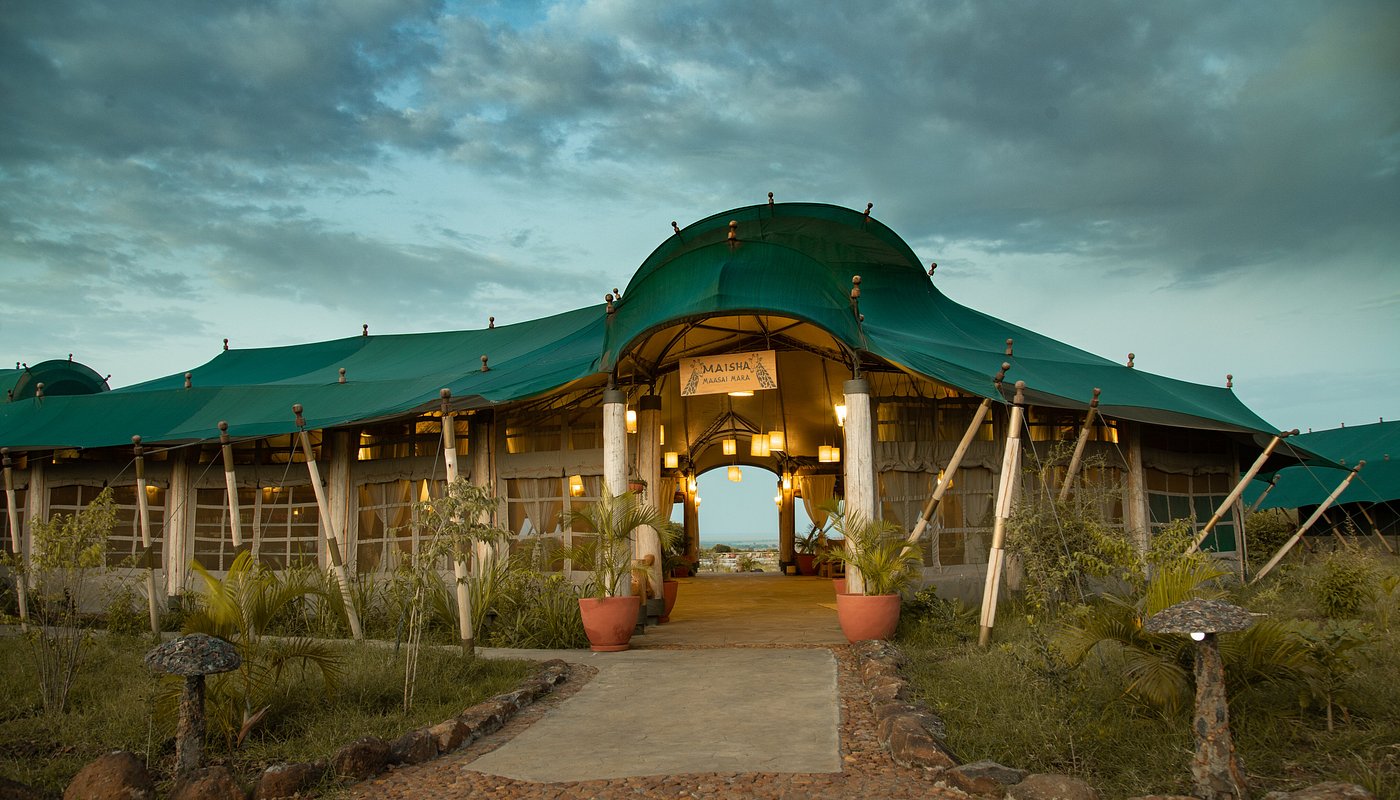
Zebra Plains Mara Camp offers a selection of luxury tents that combine comfort with the raw beauty of the Masai Mara. Each tent is spacious and elegantly furnished, with a blend of African-inspired décor and modern amenities. The camp’s tented accommodations include:
Child friendly safari lodges should offer interconnecting rooms, family tents or triple rooms rather than placing children in a separate unit across camp. Parents should ask whether the property is fenced, whether escorts are required after dark, and what minimum ages apply for game drives, walks or bush meals.
For younger children: choose lodges close to park gates, airstrips or productive wildlife areas to reduce time spent transferring.
For primary-school children: look for pools, lawns, nature activities, early dinners and guides who enjoy explaining tracks, birds and behaviour.
For teenagers: consider smaller camps, conservancies, photographic hides, conservation visits and longer game drives.
For parents: laundry, shaded decks, reliable charging points and clear room layouts matter on longer safaris.
Remote camps can be excellent for older children, but they may not suit families who need quick returns to the lodge, simple food or an afternoon swim. A well-paced East Africa family safari uses lodge comfort as part of the wildlife plan, not as an afterthought.
Wildlife experiences children usually love
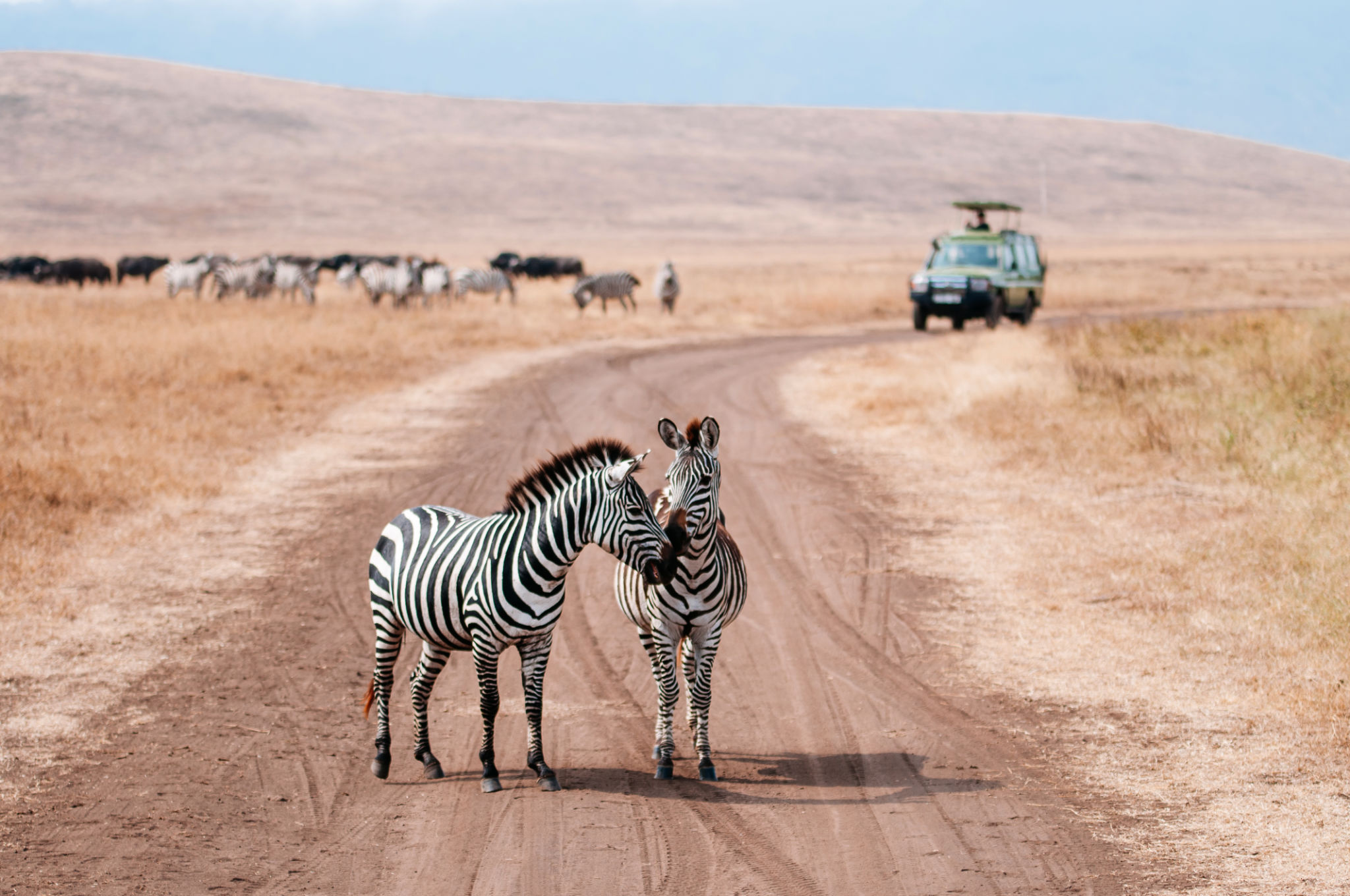
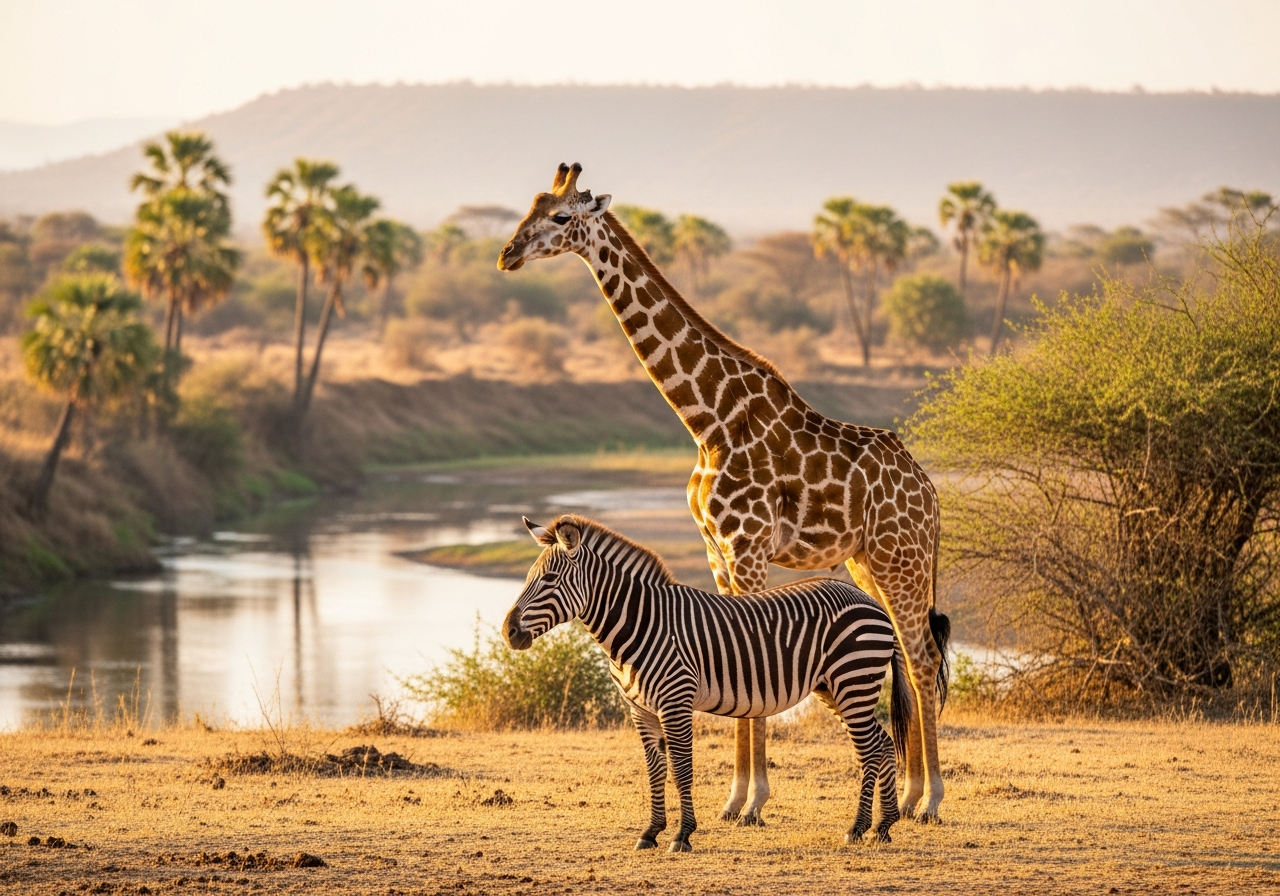
A herd of elephants crossing Amboseli’s pale dust often holds children’s attention longer than a distant leopard in a tree. Large animals with clear shapes and behaviours are easiest for children to identify: elephants feeding, giraffes walking, zebras sparring, hippos yawning and lions resting in shade.
15
minimum age for gorilla trekking in Uganda and Rwanda
45–60 min
typical scheduled flight time from Nairobi Wilson to Masai Mara airstrips
1,510 km²
approximate size of Masai Mara National Reserve
260 km²
approximate size of the Ngorongoro Crater floor
“
““For children, the best sighting is often the one that lasts ten minutes: elephants feeding, hippos grunting, or a giraffe walking close enough to count its steps.””
Boat safaris add movement and variety beyond vehicle-based game drives. Lake Naivasha is gentle and easy to fit into a Kenya route. The Kazinga Channel in Queen Elizabeth National Park brings dense hippo pods and waterbirds. The Nile at Murchison Falls gives families a wider sense of landscape, current, crocodiles and river life.
Rhino conservation visits at Ol Pejeta Conservancy can make wildlife protection tangible for older children. Guides can explain why horn trimming, anti-poaching patrols and secure conservancy management exist. Cultural visits also work well if they are short, respectful and well guided. Children learn more from a focused hour with a knowledgeable host than from a long staged stop after a tiring drive.
Health, safety and comfort considerations
Dust on the Narok road, heat in Tarangire and early starts in Ngorongoro affect children faster than adults expect. Families should consult a travel-health professional about vaccinations, malaria prevention and age-appropriate medication before departure.
Many families cope best with no more than one major transfer day in a row and at least two nights in each main safari area. A private vehicle helps because the guide can stop when children need a break.
No. Some camps have minimum ages, especially for unfenced bush camps, walking activities and shared game drives. Families should confirm the policy before paying deposits.
Malaria risk exists in many East African safari regions. Families should speak with a qualified travel-health professional about prevention, repellents and child-appropriate medication.
Sometimes, but age limits vary by country, conservancy and lodge. Walking safaris in particular often have stricter minimum ages for safety reasons.
Malaria planning: many East African safari areas require professional advice on prevention, especially for younger children.
Hydration: carry water in the vehicle and encourage small drinks throughout the day.
Sun and dust: pack hats, sunglasses, high-factor sun cream, lip balm and light scarves or buffs.
Food and snacks: familiar snacks help during long sightings, delayed lunches or early breakfasts.
Insurance: comprehensive travel insurance, including medical evacuation cover, is strongly recommended.
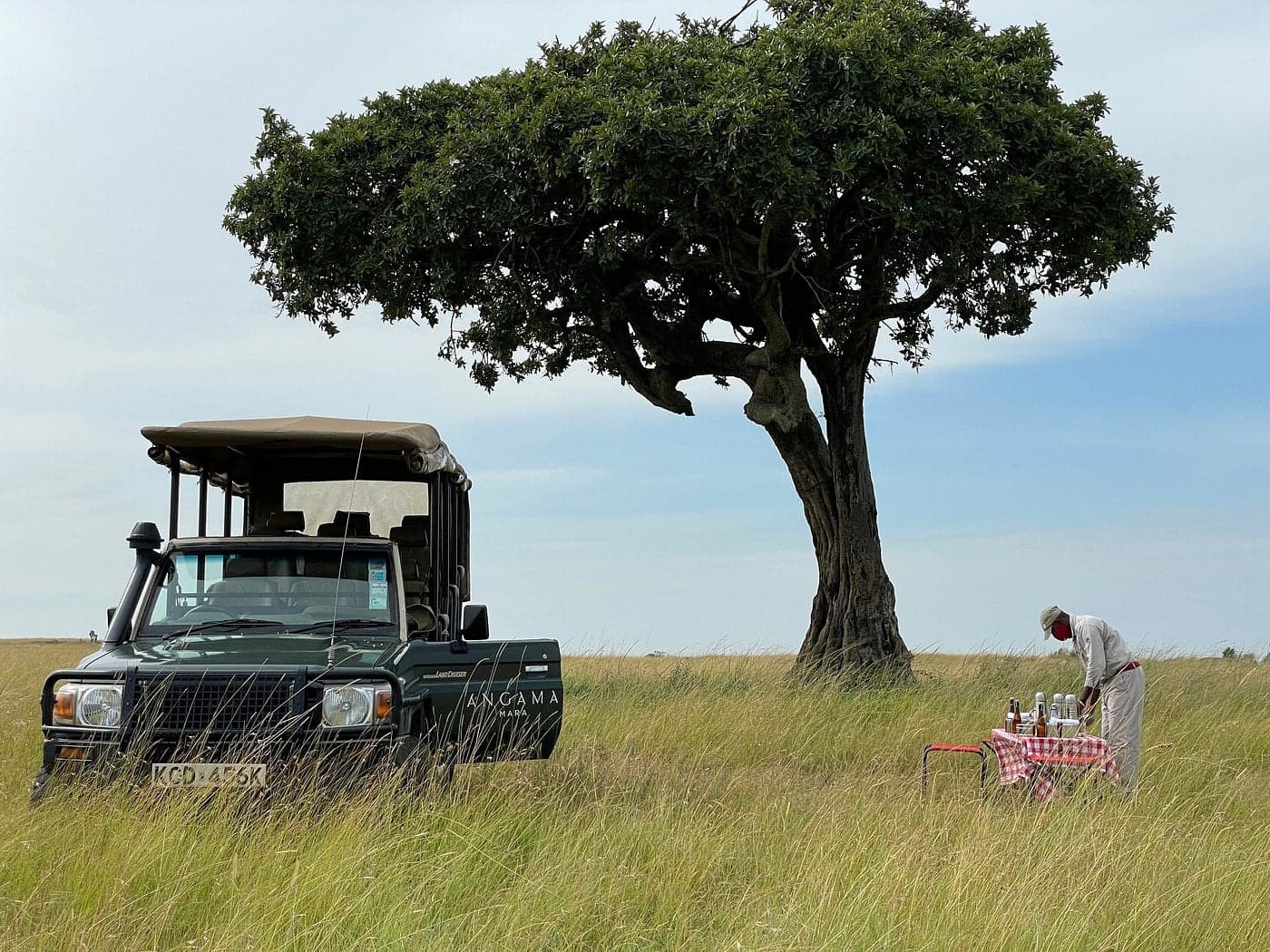
A private vehicle is one of the strongest safety and comfort tools on a safari with children East Africa. It allows parents to control seat comfort, bathroom stops, snack breaks and lodge returns. It also gives the guide freedom to choose quieter tracks, avoid crowded sightings and shorten a drive if children become tired.
Sample family safari routes that work well
A six-day Kenya route can combine Amboseli, Lake Naivasha, Lake Nakuru and the Masai Mara without becoming too rushed if the family accepts a crisp pace and uses sensible lodge choices. An eight- to ten-day route gives more breathing room and reduces the pressure of moving every morning.
Day 1Nairobi
Arrive and recover in Nairobi
Keep the first day light after international flights, with an early night and no major transfer.
Days 2–3Amboseli National Park
Elephants and Kilimanjaro views
Start with Amboseli for high-impact elephant viewing and manageable morning and afternoon drives.
Day 4Lake Naivasha
Break the journey at the lake
Use Lake Naivasha for a gentler change of pace, with a boat ride and time to rest.
Day 5Lake Nakuru National Park
Compact rhino viewing
Add Lake Nakuru for rhino, buffalo, giraffe and birdlife in a smaller park setting.
Days 6–7Masai Mara National Reserve
Classic big-cat safari
Finish in the Masai Mara, where open plains and strong predator viewing suit families who want the classic safari finale.
Day 8Nairobi or coast
Return home or continue to the coast
Fly or drive back to Nairobi, or extend to Diani, Mombasa or Zanzibar for beach time.
Featured Luxury
KE
Safari
Kenya · Masai Mara National Reserve
6Days
6-Day Luxury Kenya Safari | Amboseli, Naivasha, Nakuru & Masai Mara
Masai Mara National ReserveNairobi CityAmboseli National Park+1
Amboseli, Naivasha, Nakuru or Ol Pejeta, Masai Mara
from $3,850 pp
7- to 9-day Tanzania family safari
Elephants, crater wildlife and Serengeti predators
Arusha, Tarangire, Ngorongoro, central Serengeti
from $4,250 pp
10-day safari and coast
Families needing rest after game drives
Kenya or Tanzania safari followed by Diani or Zanzibar
from $3,950 pp
Teen safari with gorillas
Families with children aged 15 and over
Masai Mara or Serengeti plus Bwindi or Volcanoes
from $6,500 pp
Guide prices vary by season, room category, family size, child ages, flying versus driving and lodge level. A fly-in Mara safari costs more than a road safari, but it can save a full day of travel fatigue. A midrange Kenya route by road can work well for older children; a luxury route with flights suits families who want shorter transfers and more lodge time.
How to choose the right family safari in East Africa destination
For a five-year-old, a two-hour drive, a swimming pool and visible elephants may be better than a famous remote camp reached after a long transfer. Start with the youngest child’s stamina, then build the family safari in East Africa around that limit.
1
Set the pace first
decide how many moving days the family can handle and aim for at least two nights in key locations.
2
Choose road, fly-in or blended logistics: road safaris cost less and show more countryside; flights reduce fatigue and protect holiday time.
3
Prioritise wildlife goals
elephants point towards Amboseli or Tarangire; big cats point towards the Mara or Serengeti; rhino conservation points towards Ol Pejeta or Lake Nakuru.
4
Match lodges to ages
confirm child policies, room setups, fencing, pool safety and activity age limits before booking.
5
Protect downtime
add Lake Naivasha, Arusha, Diani or Zanzibar if the itinerary feels too game-drive heavy.
6
Spend where it changes the trip
a private vehicle and well-located lodge often add more value than another destination.
The right destination is not always the one with the most famous name. The best family safari in East Africa balances wildlife ambition with comfort, budget, sleep and the children’s ability to enjoy what they are seeing.
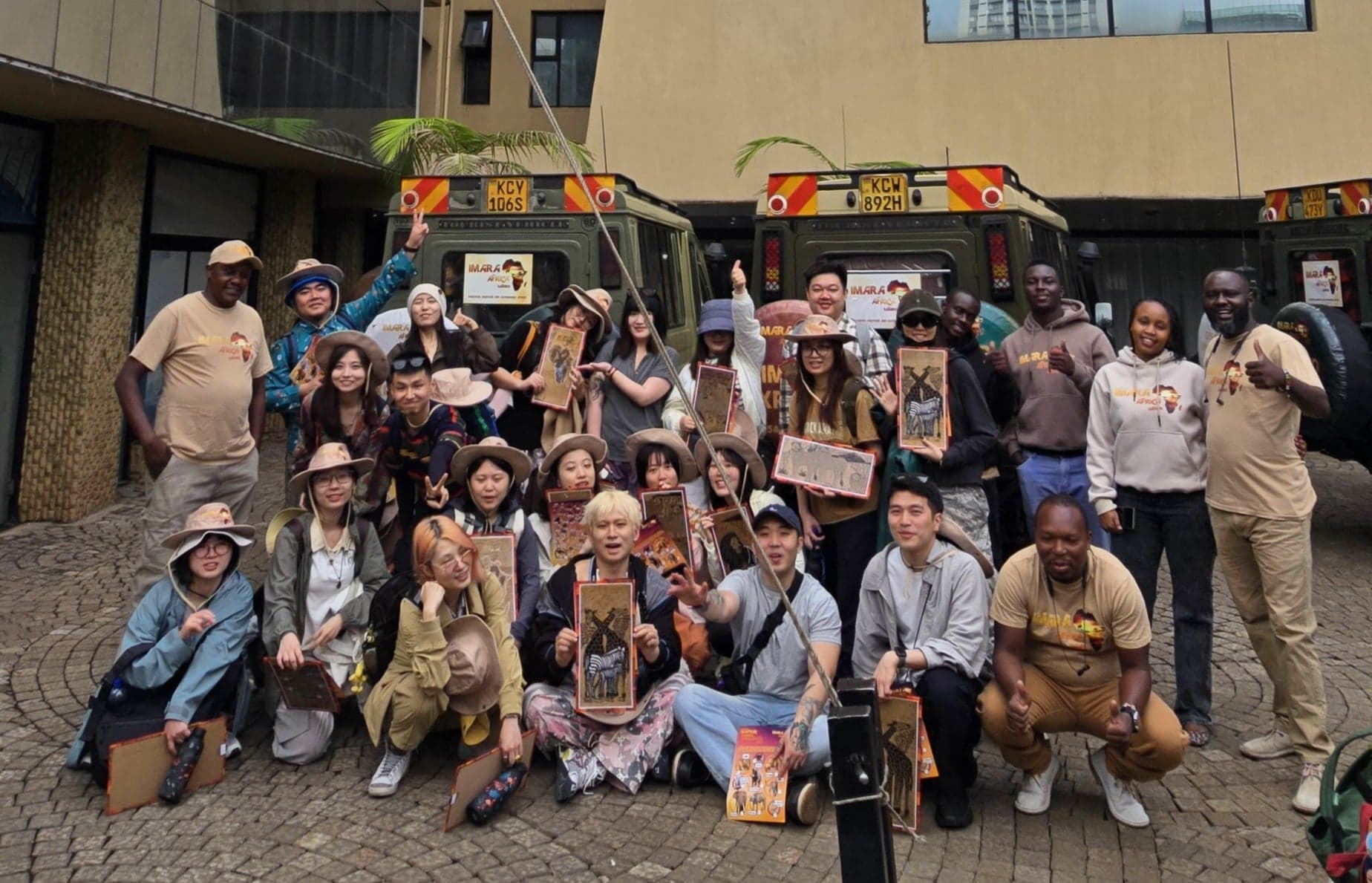
How Imara Africa Safaris designs a family safari in East Africa
From Nairobi, Imara Africa Safaris works with real road timings, airstrip choices and lodge layouts across Kenya before extending routes into Tanzania, Uganda and Rwanda. That local knowledge helps families avoid overlong transfers, poor room arrangements and camps that sound appealing online but do not fit the children’s ages.
Tailor-made planning is especially useful for families because small details shape the whole trip. Imara checks whether a lodge accepts young children, whether family tents are close together, how early dinner can be served, how long a transfer takes in practice and where a private vehicle is worth the extra cost.
Cross-border planning matters when families want a wider East African safari. A Kenya family safari can pair with Zanzibar or Diani. A Tanzania family safari can add Rwanda for older teens. Uganda’s Bwindi can follow the Masai Mara for families who want both savannah wildlife and primates, provided all trekkers meet the age rules.
Families can plan a private safari around school dates, children’s ages, wildlife priorities and preferred comfort level. The most successful routes are rarely the busiest on paper; they are the ones where every child has enough time, space and energy to enjoy the animals in front of them.
Kenya is usually easier for a first family safari because routes such as Amboseli, Lake Naivasha, Lake Nakuru and the Masai Mara are flexible and manageable. Tanzania is excellent for families who can handle longer distances or prefer a route built around Tarangire, Ngorongoro and Serengeti.
Children aged six and over usually get the most from a classic safari because they can manage early starts and longer wildlife viewing. Teenagers can handle more remote camps, longer drives and gorilla trekking if they are at least 15.
Yes, the Serengeti suits children when the route is paced carefully, usually with fly-in logistics or at least three nights in one sector. Its size makes rushed itineraries tiring for younger families.
Yes, a private vehicle is strongly recommended for families because it allows flexible stops, shorter drives when children tire and better control over seating and snacks. It also helps the guide shape the day around the children’s interests.
Yes, Zanzibar pairs naturally with northern Tanzania, while Diani and Mombasa work well after a Kenya safari. Beach time is best planned as recovery, with free mornings rather than a packed schedule.
Uganda and Rwanda are excellent for families with older children and teenagers, especially those interested in primates and active days. Gorilla trekking is not suitable for young children because the minimum age is 15.
Plan a private family safari that fits your children
Imara Africa Safaris can tailor Kenya, Tanzania, Uganda and Rwanda routes around ages, school dates, wildlife priorities and the right lodge style.
Plan around the child with the shortest attention span or lowest tolerance for heat, early mornings and long drives.
2
Choose two or three anchor destinations
A focused route with longer stays is usually better than a rushed itinerary across many parks.
3
Decide road, fly-in or hybrid
Road safaris offer scenery and value, while fly-in safaris reduce fatigue on routes such as Nairobi to the Masai Mara or Arusha to the Serengeti.
4
Check lodge child policies
Confirm minimum ages, room layouts, activity restrictions, meal flexibility and whether the property is fenced.
5
Build in non-safari time
Lake stops, pool afternoons and beach days help children process the safari rather than simply endure it.
6
Match wildlife goals to season
Dry-season viewing is easiest, but calving, birding and green-season photography may suit some families better.
66views
Share
About the author
Lewis Munuhe
Founder & Director
<p>Lewis Munuhe is the Director and Owner of Imara Africa Safaris, a trusted safari company dedicated to creating tailor-made African safari experiences across Kenya, Tanzania, Uganda, and Rwanda. With a strong passion for African travel, wildlife, culture, and conservation, Lewis leads the company’s vision of delivering personalized, seamless, and unforgettable safari journeys for travelers from around the world.</p><p>Through Imara Africa Safaris, Lewis helps guests discover East Africa’s most iconic destinations, from the Masai Mara and Serengeti to Uganda and Rwanda’s gorilla trekking regions. His approach focuses on understanding each traveler’s interests, comfort level, budget, and expectations, then transforming those details into carefully curated safari itineraries that feel personal, meaningful, and well-planned.</p><p>As Director and Owner, Lewis is committed to maintaining high standards in safari planning, guest care, destination expertise, and responsible tourism. Whether arranging a luxury wildlife safari, honeymoon escape, family adventure, cultural journey, gorilla trekking safari, or multi-country East African itinerary, he ensures every experience reflects the quality, authenticity, and attention to detail that define Imara Africa Safaris.</p><p>Under his leadership, Imara Africa Safaris continues to help travelers experience the beauty of Africa through expertly planned safaris that celebrate wildlife, landscapes, local cultures, conservation, and unforgettable adventure.</p>
<p>Lewis Munuhe is the Director and Owner of Imara Africa Safaris, a trusted safari company dedicated to creating tailor-made African safari experiences across Kenya, Tanzania, Uganda, and Rwanda. With a strong passion for African travel, wildlife, culture, and conservation, Lewis leads the company’s vision of delivering personalized, seamless, and unforgettable safari journeys for travelers from around the world.</p><p>Through Imara Africa Safaris, Lewis helps guests discover East Africa’s most iconic destinations, from the Masai Mara and Serengeti to Uganda and Rwanda’s gorilla trekking regions. His approach focuses on understanding each traveler’s interests, comfort level, budget, and expectations, then transforming those details into carefully curated safari itineraries that feel personal, meaningful, and well-planned.</p><p>As Director and Owner, Lewis is committed to maintaining high standards in safari planning, guest care, destination expertise, and responsible tourism. Whether arranging a luxury wildlife safari, honeymoon escape, family adventure, cultural journey, gorilla trekking safari, or multi-country East African itinerary, he ensures every experience reflects the quality, authenticity, and attention to detail that define Imara Africa Safaris.</p><p>Under his leadership, Imara Africa Safaris continues to help travelers experience the beauty of Africa through expertly planned safaris that celebrate wildlife, landscapes, local cultures, conservation, and unforgettable adventure.</p>
<p>Lewis Munuhe is the Director and Owner of Imara Africa Safaris, a trusted safari company dedicated to creating tailor-made African safari experiences across Kenya, Tanzania, Uganda, and Rwanda. With a strong passion for African travel, wildlife, culture, and conservation, Lewis leads the company’s vision of delivering personalized, seamless, and unforgettable safari journeys for travelers from around the world.</p><p>Through Imara Africa Safaris, Lewis helps guests discover East Africa’s most iconic destinations, from the Masai Mara and Serengeti to Uganda and Rwanda’s gorilla trekking regions. His approach focuses on understanding each traveler’s interests, comfort level, budget, and expectations, then transforming those details into carefully curated safari itineraries that feel personal, meaningful, and well-planned.</p><p>As Director and Owner, Lewis is committed to maintaining high standards in safari planning, guest care, destination expertise, and responsible tourism. Whether arranging a luxury wildlife safari, honeymoon escape, family adventure, cultural journey, gorilla trekking safari, or multi-country East African itinerary, he ensures every experience reflects the quality, authenticity, and attention to detail that define Imara Africa Safaris.</p><p>Under his leadership, Imara Africa Safaris continues to help travelers experience the beauty of Africa through expertly planned safaris that celebrate wildlife, landscapes, local cultures, conservation, and unforgettable adventure.</p>











Comments
Loading…