“Imara” means strongin Swahili. We build every safari with that same strength — expert knowledge, honest pricing, and relentless attention to detail.
Tell us what you're looking for and we'll build a custom itinerary — free, no obligation, within 24 hours.
Start PlanningNo spam, ever. Unsubscribe anytime.
Protected by Cloudflare Turnstile & Google reCAPTCHA. Privacy & Terms apply.
Safari deals, travel tips & destination guides — straight to your inbox.
No spam, ever. Unsubscribe anytime.
Protected by Cloudflare Turnstile & Google reCAPTCHA. Privacy & Terms apply.

Safari AI Expert Live
Instant safari advice — 24/7
Ask me anything about safaris, destinations, wildlife or planning your trip.
Chat with us
Online now
Our safari experts are ready to help you plan the perfect African adventure.
Loxodonta africana
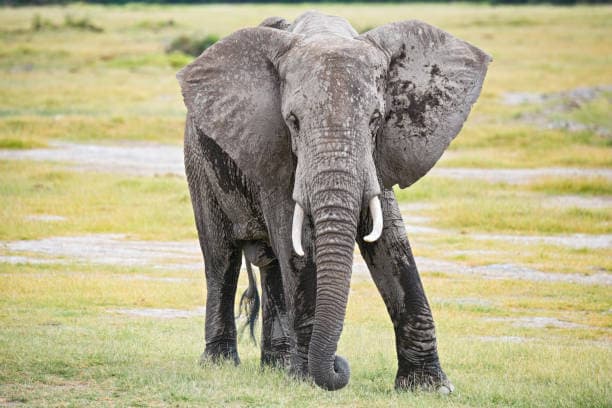
Discover the African Elephant, the largest land animal on Earth and one of Africa's most iconic wildlife species. Known for their intelligence, strong family bonds, remarkable memory, and impressive size, African elephants roam the savannahs, forests, wetlands, and national parks across the continent. These gentle giants play a vital role in maintaining ecosystems by shaping landscapes and dispersing seeds. Encountering African elephants in their natural habitat is one of the most unforgettable highlights of any African safari experience.

Loxodonta africana
The African Elephant (Loxodonta africana) is the largest land mammal on Earth and one of Africa's most recognizable wildlife species. Revered for its intelligence, strength, and social nature, the African elephant has become a symbol of conservation and one of the most sought-after animals to see on safari.
There are two recognized species of African elephants: the African Savannah Elephant and the African Forest Elephant. The savannah elephant is the larger of the two and is commonly found in open grasslands and national parks throughout East and Southern Africa.
Adult males, known as bulls, can stand up to 4 meters tall at the shoulder and weigh more than 6 tons. Females are generally smaller but remain among the largest mammals on the continent. African elephants are distinguished by their large fan-shaped ears, powerful trunks, and curved ivory tusks.
The elephant's trunk is one of the most versatile appendages in the animal kingdom, containing over 40,000 muscles. It is used for feeding, drinking, communication, lifting objects, and social interaction. Elephants are highly intelligent creatures capable of problem-solving, cooperation, emotional expression, and long-term memory.
African elephants live in close-knit family groups led by an experienced matriarch. These family units often consist of mothers, daughters, sisters, and calves, while adult males tend to live independently or form smaller bachelor groups.
As ecosystem engineers, elephants play a critical role in maintaining biodiversity. They create pathways through vegetation, dig waterholes, disperse seeds, and help shape habitats that support countless other species.
African elephants inhabit a variety of ecosystems, including savannahs, forests, wetlands, deserts, and mountain regions. Despite their adaptability, elephant populations face threats from habitat loss, human-wildlife conflict, and poaching for ivory. Conservation efforts across Africa continue to protect these magnificent animals and their habitats.
For safari travelers, observing a herd of elephants crossing a savannah, bathing in a river, or interacting with their young is one of the most memorable wildlife experiences Africa has to offer.
Kenya’s Masai Mara National Reserve supports a healthy resident elephant population, with breeding herds regularly seen along the Mara River forests and around Musiara Marsh. Many travellers pair the Mara with Amboseli’s famous tuskers on an 8-day Kenya safari that covers both.
16 destinations where african elephant can be spotted
4 safaris to see african elephant
Written and reviewed by Imara Africa Safaris’ Nairobi-based guides and safari specialists, drawing on year-round game drives across East Africa. Conservation statuses follow IUCN Red List assessments. .