
马赛马拉 vs 塞伦盖蒂:2026/27赛季哪个狩猎更好?
我们的马赛马拉塞伦盖蒂狩猎对比介绍了野生动物、迁徙季节、公园进入、费用和实用行程,让首次旅行者能够自信地选择。
30 min read48viewsUpdated Sep 17, 2026
“Imara” means strong in Swahili. We build every safari with that same strength — expert knowledge, honest pricing, and relentless attention to detail.
Tell us what you're looking for and we'll build a custom itinerary — free, no obligation, within 24 hours.
Start PlanningNo spam, ever. Unsubscribe anytime.
Protected by Cloudflare Turnstile & Google reCAPTCHA. Privacy & Terms apply.
Safari deals, travel tips & destination guides — straight to your inbox.
No spam, ever. Unsubscribe anytime.
Protected by Cloudflare Turnstile & Google reCAPTCHA. Privacy & Terms apply.
我们的马赛马拉塞伦盖蒂狩猎对比介绍了野生动物、迁徙季节、公园进入、费用和实用行程,让首次旅行者能够自信地选择。
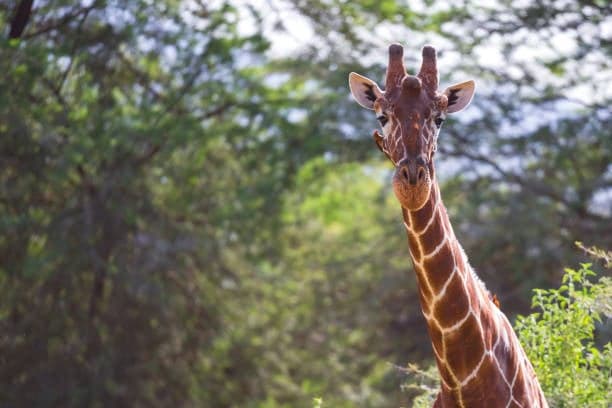
马赛马拉塞伦盖蒂的狩猎适合大多数首次旅行者,适合想要集中野生动物的游客,而塞伦盖蒂则适合广阔的自然景观、较长的行程以及肯尼亚以外的迁徙。结合两者在时间和预算允许时能获得最完整的视野,导游会根据季节、野生动物优先级和舒适度调整路线。
马赛马拉最适合短暂、专注的狩猎。这里的草原紧凑,野生动物通常靠近营地,三到五晚的停留可以在无需长时间日常转移的情况下,提供极佳的观赏。肯 尼亚的狩猎路线 还可以加入 纳库鲁湖、 安博塞利 湖或 奈瓦沙湖。

 KE
KEThe Masai Mara National Reserve in southwestern Kenya is a premier 1,510-square-kilometre wildlife sanctuary. Renowned for the annual Great Wildebeest Migration from July to October, it offers exceptional year-round Big Five viewing across open savannahs. The reserve is contiguous with Tanzania's Serengeti, forming a critical, biodiverse transboundary ecosystem.

 TZ
TZDiscover the magic of Serengeti National Park, one of Africa’s most celebrated wildlife destinations and home to the spectacular Great Wildebeest Migration. Stretching across the heart of northern Tanzania, the Serengeti offers exceptional game viewing, breathtaking savannah landscapes, and unforgettable encounters with the Big Five. From luxury safari lodges and hot air balloon adventures to year-round wildlife experiences, the park provides the perfect setting for nature lovers, photographers, and safari enthusiasts seeking an authentic and unforgettable African wilderness adventure.
 TZ
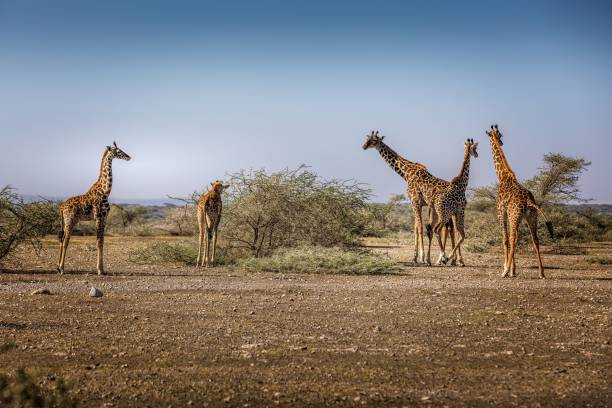
TZExperience the heart of the Serengeti in Central Serengeti (Seronera), Tanzania's most famous wildlife destination! Renowned for year-round game viewing, the Big Five, abundant predators, and endless golden plains, Central Serengeti offers unforgettable safari adventures in one of Africa's greatest national parks. Discover breathtaking landscapes and exceptional wildlife with Imara Africa Safaris!
塞伦盖蒂则奖励更多时间。其平原覆盖更广阔的区域,最佳野生动物区随季节变化。四到六晚的住宿让你可以探索 塞伦盖蒂市中心,跟随季节性牛群,并长时间远离繁忙地区。
我们更广泛的 肯尼亚与坦桑尼亚 比较有助于国家层面的选择。对许多游客来说,实际的答案并不是选择哪一个公园。这是个能配合时间的公园。
马赛马拉国家保护区面积约为1,510平方公里。塞伦盖蒂国家公园面积约为14,763平方公里。两者都属于更广泛的塞伦盖蒂-马拉生态系统,但在肯尼亚和 坦桑尼亚是不同的目的地,拥有不同的管理机构、费用、道路和住宿系统。
正确的选择取决于时间、季节和对规模的接受度。
马拉河感觉紧凑,因为它的主要野生动物区位于一个可管理的驾车网络内。塞伦盖蒂感觉更开阔、更偏远。从塞伦盖蒂中部到北部地区,骑车大约需要一天时间,因此营地的位置和公园名称同样重要。
肯尼亚的马拉保护区为体验增添了第二层。它们是私人管理的保护区,位于保护区旁,不属于国家保护区本身。他们的规定允许在公共保护区不允许的区域进行越野观光、导览徒步和夜间驾车。
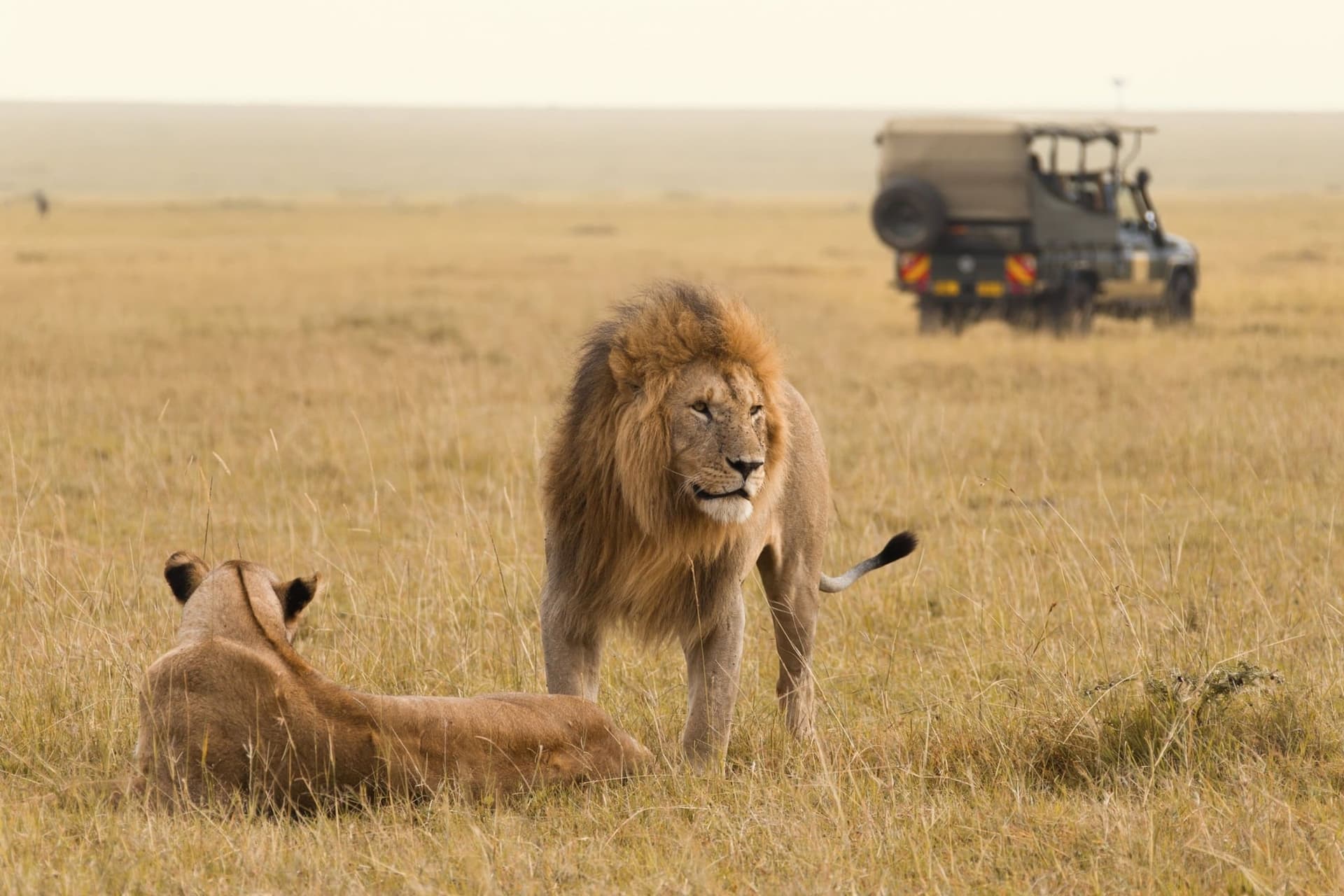
马赛马拉起伏的草原在旱季时会变成金色。马拉河及其支流带来了河流林地,而西部断崖则为部分营地提供了广阔的平原视野。狮子常在夜间狩猎后在金合欢树下休息,猎豹则利用空地寻找幼年的角马和瞪羚。
豹子偏好河流和季节性溪流沿岸的较厚覆盖。大象和水牛利用林地和草原边缘,长颈鹿则在它们上方觅食。鬣狗在黎明和黄昏时分活动。马拉山脉紧凑的地形意味着一个早晨驾车内可能失去多个栖息地。
塞伦盖蒂在其各个区域的性格发生变化。塞伦盖蒂市中心有科普耶(kopjes)、相思林和常驻大型猫科动物。南部平原开阔为低矮草原,而西部走廊则变得更绿、更茂密。塞伦盖蒂北部有岩石丘陵、河谷和靠近马拉河的安静小径。
没有哪个公园能保证一定有哪种动物。熟练的导游会阅读足迹、警报声、秃鹫和近期目击记录,然后在耐心与搜索范围之间取得平衡。这种方法比追逐每条广播报道带来更好的效果。
六月至十月是这两个公园的主要旱季。道路更易使用,天空常常晴朗,动物聚集在可靠的水源附近。短草也改善了能见度,尽管7月至10月期间,游客更多地前往热门野生动物区。
每月在哪里找到牛群
The Great Migration is a continuous, year-round clockwise loop of over 1.5 million wildebeest and hundreds of thousands of zebra, driven by rainfall and fresh grazing across the Serengeti–Mara ecosystem. Use the live calendar below to see where the herds are right now — and plan your trip around calving or the famous river crossings.
Calving season begins on the southern Serengeti's short-grass plains around Ndutu. Roughly 8,000 wildebeest are born each day, drawing lion, cheetah and hyena.
Southern Serengeti
Ndutu & southern plains
The short-grass plains around Ndutu host the calving season — the densest concentration of newborns and predators in the entire cycle. Around 8,000 calves are born each day at the peak, drawing lion, cheetah and hyena onto the open plains.
Grumeti River
The herds push through the western corridor, where the Grumeti River and its giant crocodiles provide the season's first dramatic crossings, alongside the wildebeest rut. Exclusive reserves mean far fewer vehicles.
Kogatende & Mara River (TZ)
The Mara River runs through the northern Serengeti, making it the prime crossing zone from July to October — often with fewer vehicles than the Kenyan side, plus big resident lion prides.
Masai Mara, Kenya
The northern stage of the loop. From August to October the herds spill across the Mara River into Kenya for heart-stopping crossings, with superb resident big cats and balloon safaris all year.
南塞伦盖蒂的产犊通常在一月至三月间最为强烈。这是捕食者行动的高产期,但这种体验并不限于迁徙动物。两座公园中仍栖息着常驻的狮子、猎豹、豹子、大象和长颈鹿。
七月至十月对马拉族很受欢迎,因为牲畜可能会抵达河流和北部草原。时间取决于降雨量和放牧状况,因此在合适的区域设立营地比与日历日期挂钩的承诺更为重要。我们的 大迁徙时间 指南解释了我们如何按季节定位路线。
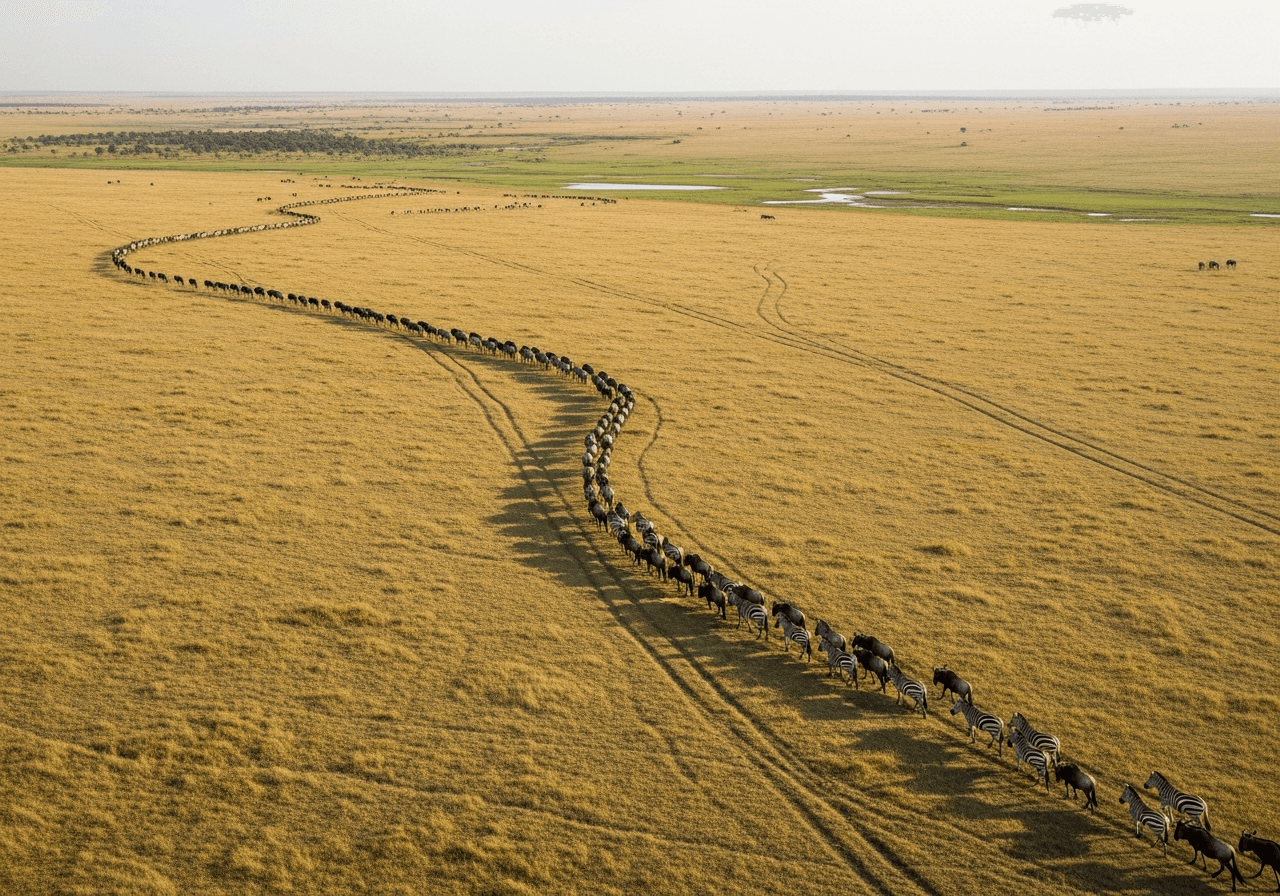
每年角马迁徙约有150万头角马,以及数十万只斑马和瞪羚。这是对雨水和新草的感人回应,而非每年固定的游行路线。
大多数牛群在一月至三月间在南塞伦盖蒂的短草平原产犊。随着草地干燥,它们穿过中部平原,向西部走廊移动。部分人从七月起继续向北进入塞伦盖蒂北部和马赛马拉。
马 拉河的过河 地点可能非常壮观。牛群聚集在河岸上,犹豫、分散,有时甚至折返。鳄鱼可能在较深的水道中等待,而狮子和鬣狗则在接近的通道巡逻。然而,没有导游能为特定一天预订过河点。
““河流只是迁徙的一个瞬间。最好的一天可能是前一个安静的早晨,那时牛群还在犹豫去向。””
降雨改变时间,不同的牛群可以同时占据不同的区域。北塞伦盖蒂营地可通往过境区,而马拉保护区则可能提供远离保护区最繁忙观景点的宁静环境。
对于以迁徙为重点的马赛马拉塞伦盖蒂狩猎,我们通常允许在可能的野生动物区停留几晚,而不是每天搬家。这给导游时间应对新的环境。
在马赛马拉停留三到五晚非常适合许多首次来访的游客。从内罗毕出发,航班不到一小时即可抵达保护区,公路路线还能展现城市与稀树草原之间不断变化的景观。紧凑的保留车还减少了在运输中花费整天的时间。
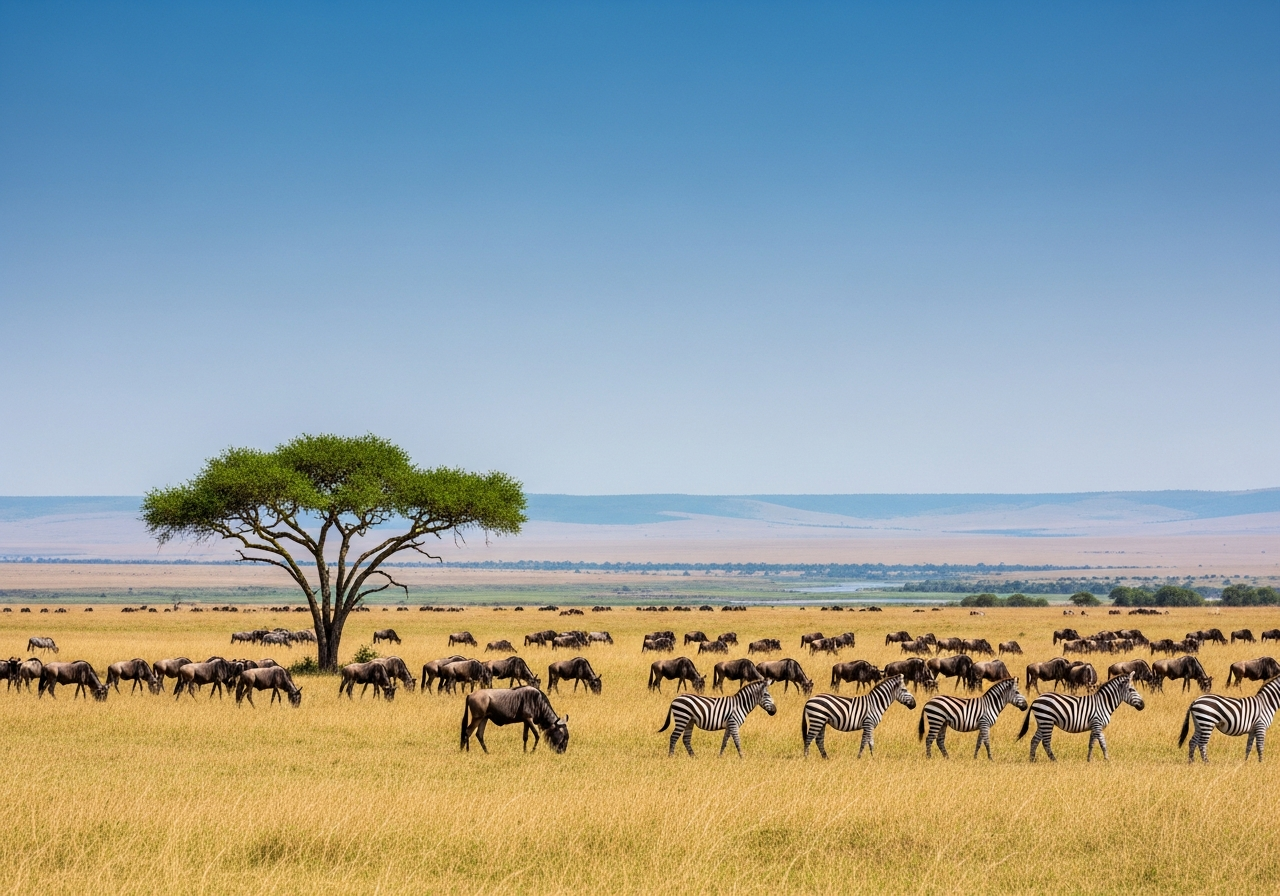 KE
KEKenya · Masai Mara National Reserve
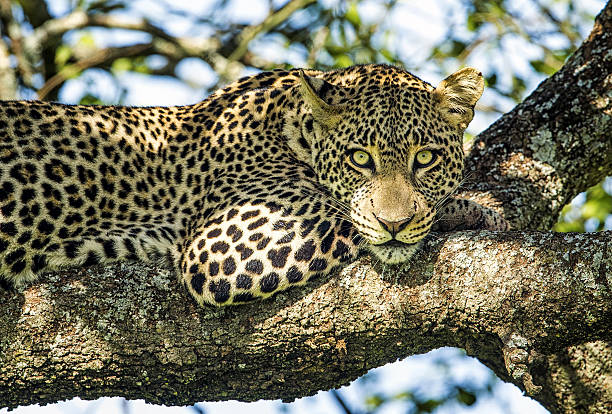 KE
KEKenya · Masai Mara National Reserve
 KE
KEKenya · Masai Mara National Reserve
塞伦盖蒂适合注重空间和节奏缓慢的旅行者。四到六晚则有时间进行更长时间的狩猎、安静的野餐点以及在两个区域间的移动。塞伦盖蒂中部是一个全面的选择,而北部或西部地区在合适的月份能提供更多宁静。
马拉周边的私人保护区可以为想要更多野生动物体验的游客提供首次狩猎体验。根据保护区的不同,我们的导游可能会安排:
对于第一次狩猎,最好的选择通常是转乘流程较少的。玛拉在短时间内给出了强有力的开场。塞伦盖蒂更广泛地展现了东非的规模。
三到四晚是马赛马拉的一次专注初访,是明智的选择。三晚提供两天完整的狩猎驾车时间,四晚则根据天气、步行活动或较慢的最后一天早晨提供灵活性。
At a glance
计划四到六晚去塞伦盖蒂。如果路线允许,建议将住宿时间分成两个区域,而不是每天穿越整个公园。例如,在干燥的迁徙季节,在中塞伦盖蒂住三晚,然后在北部住两晚,效果很好。
八到十天是肯尼亚-坦桑尼亚联合狩猎的合理起点。短距离组合也可以,但前提是你在各个传送门之间飞行,并且在每个公园接受的时间更短。
营地的位置和季节比单纯公园名称更能影响价格。旱季高峰期、私人车辆、内部航班以及靠近迁徙区的营地都会提高成本。基本的公路行程费用较低,但可能需要更长的换乘和共享车辆。
这些是两人共享的计划数据,不含国际航班,并基于季节性可用性。具体价格会根据营地类别、日期、汇率、公园费用和航班时刻而变化。
主要的成本驱动因素包括:
低价可能会让你远离最佳野生动物保护区。它也可能包括共享狩猎体验、固定出发时间或长途换乘。我们比较的是整条路线,而不仅仅是夜间营地的价格。
靠近合适的野生动物区的营地,比五晚的狩猎旅行节省数小时。在马赛马拉,保留地边缘营地可快速进入公共保护区,而保护区内或附近的营地则适合想要经典全天野生野生动物驾车的游客。
 KE
KEWhere Wildlife, Comfort, and Adventure Meet
Masai Mara, Kenya
Best Location
 KE
KEDiscover Authentic African Luxury in the Maasai Mara
Masai Mara, Kenya
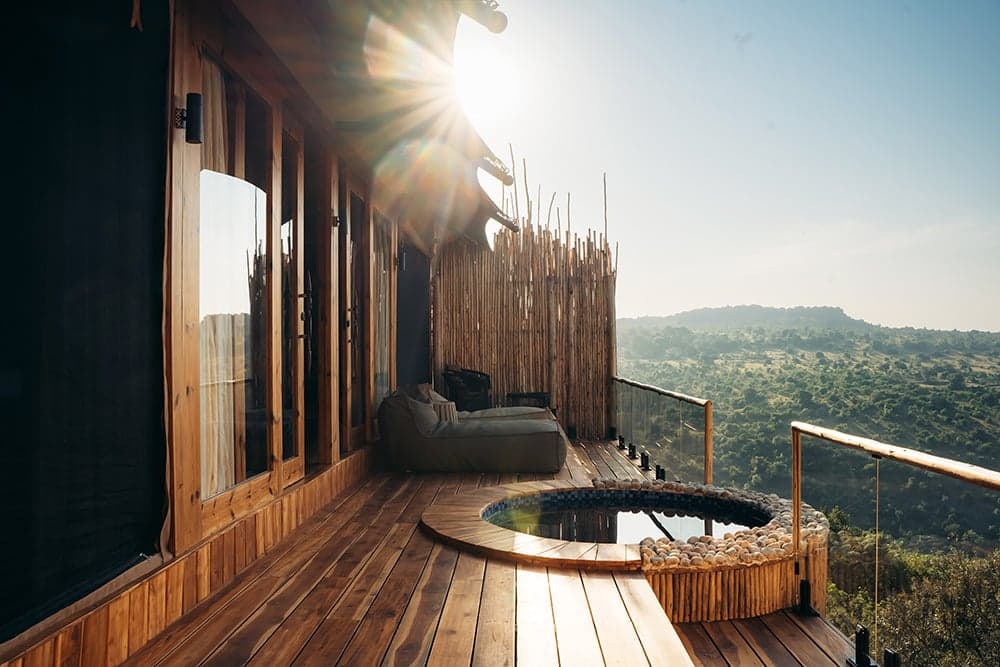
Zebra Plains Mara Camp offers a selection of luxury tents that combine comfort with the raw beauty of the Masai Mara. Each tent is spacious and elegantly furnished, with a blend of African-inspired décor and modern amenities. The camp’s tented accommodations include:
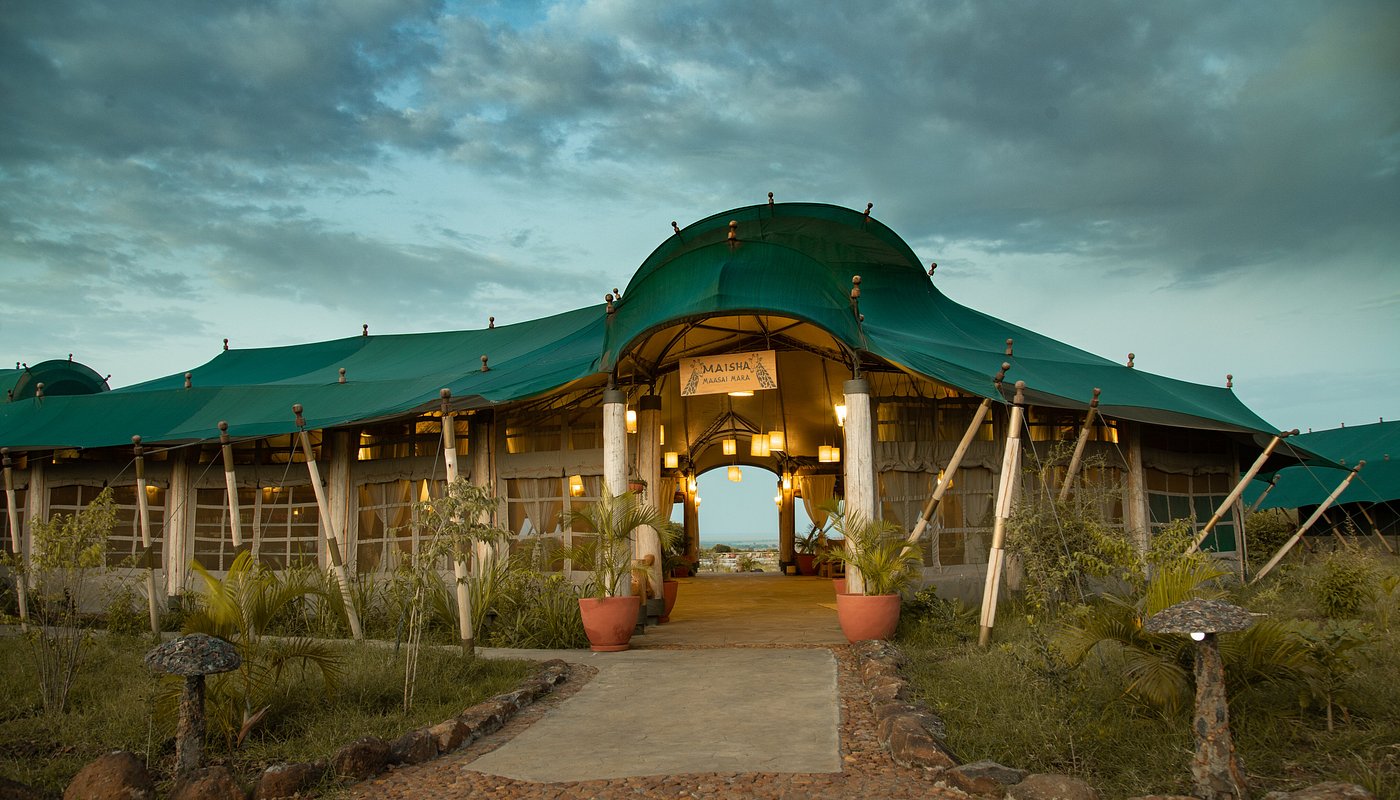 KE
KELuxury Tented Safari Camp Near Talek Gate in the Maasai Mara
Masai Mara, Kenya
Best for Families
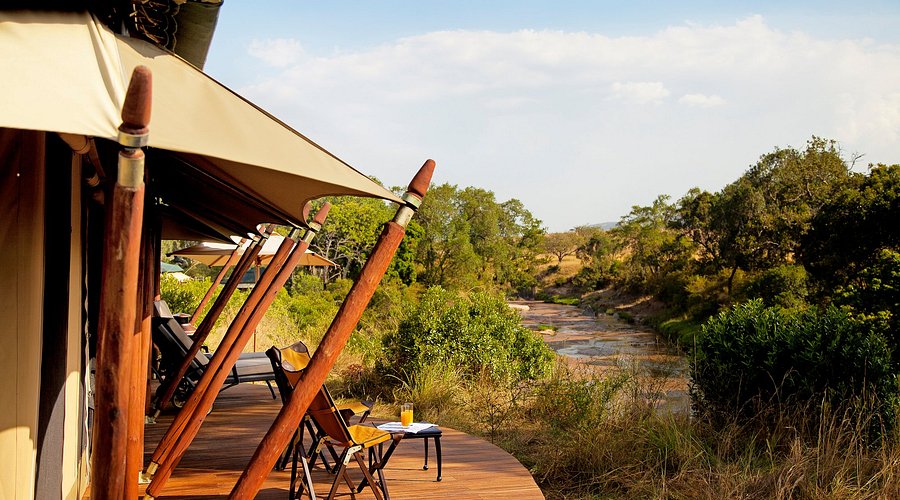 KE
KE1920s Elegance on the Migration Route
Masai mara National Reserve
Exclusive
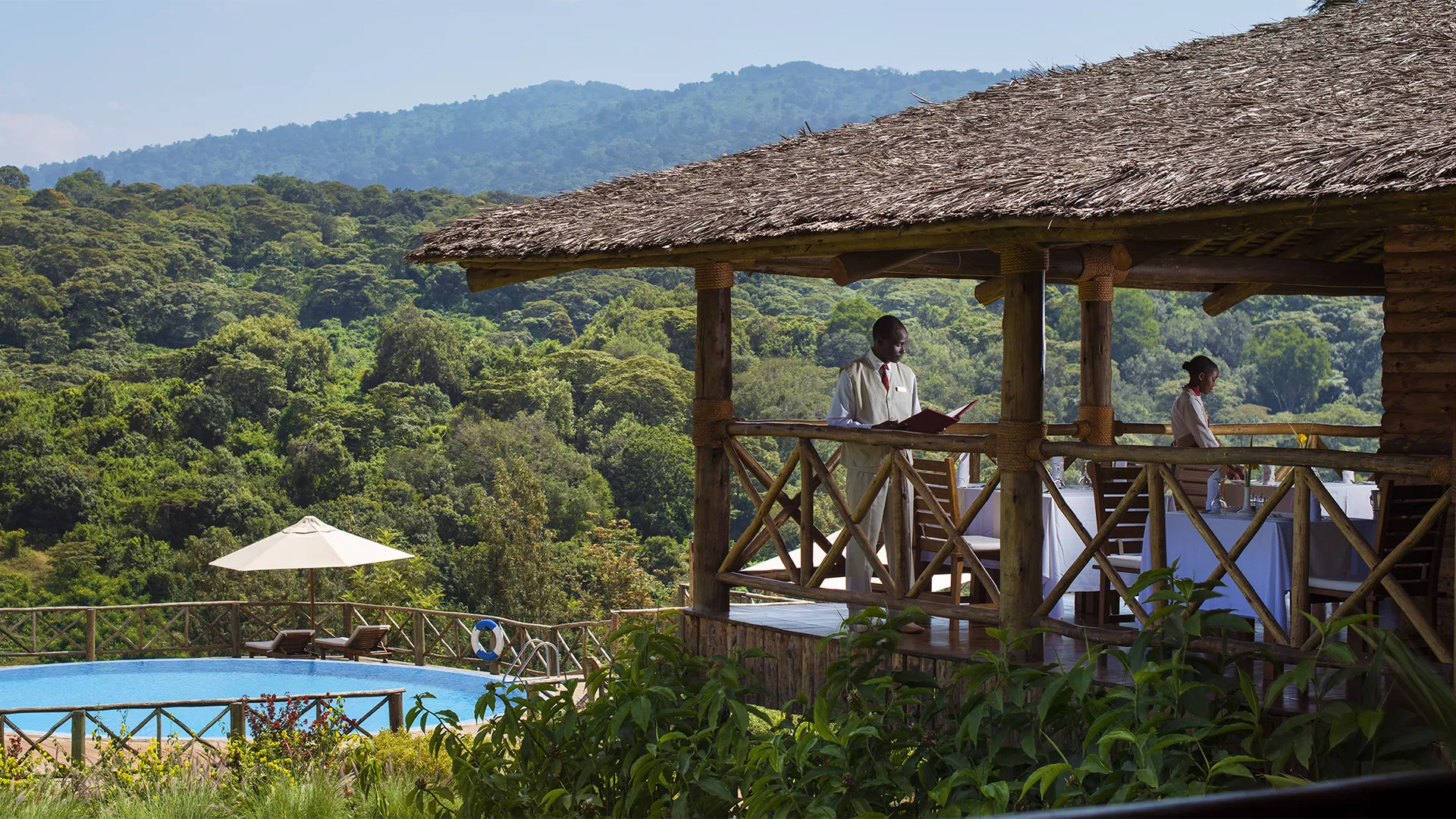 TZ
TZAll-Inclusive Colonial Log Cabin Opulence
Ngorongoro Crater Area / Karatu
All-Inclusive
 KE
KEA Luxury Riverside Safari Base in the Heart of the Masai Mara
Masai Mara, Kenya
Best Location
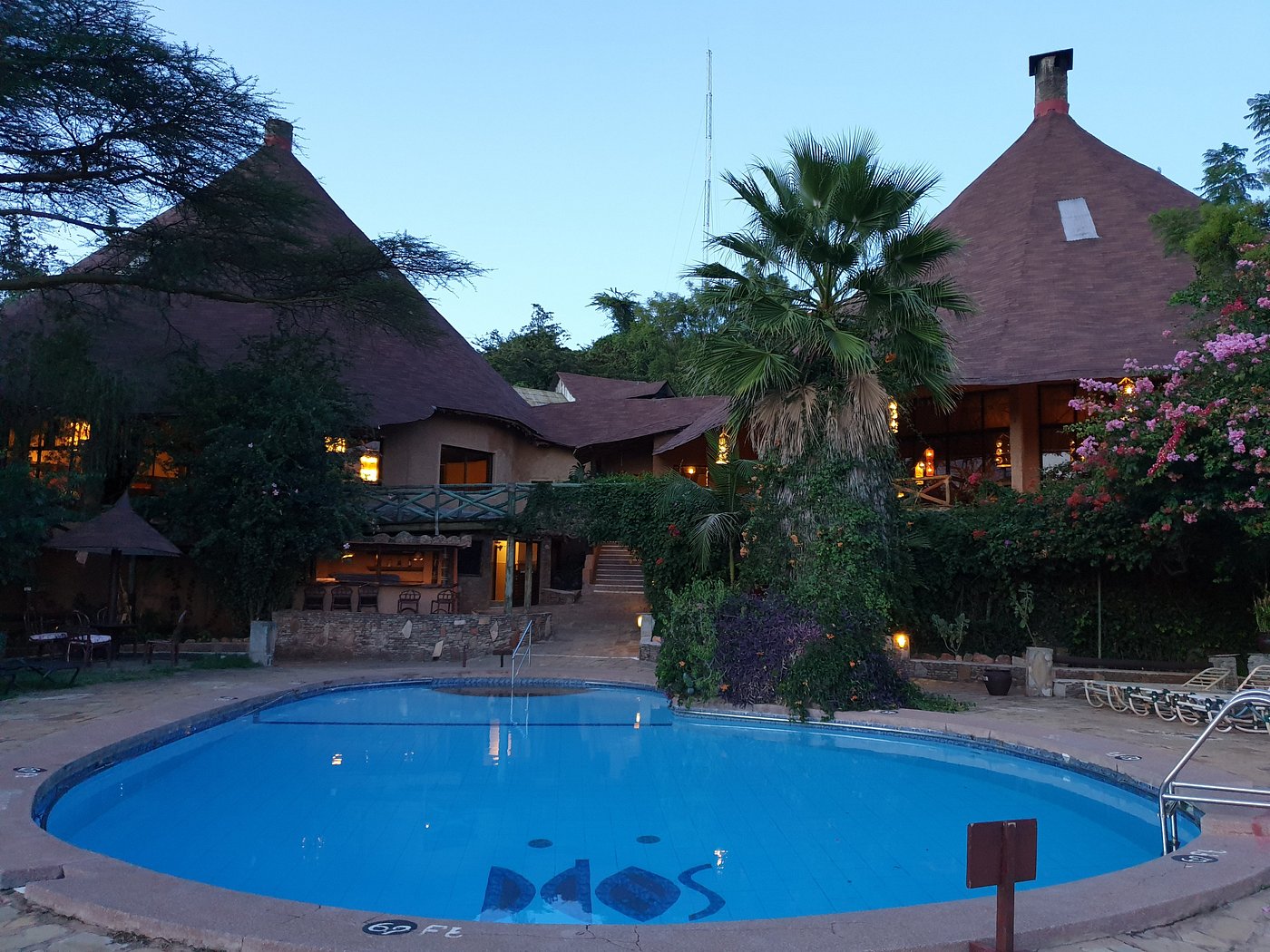 KE
KEA Historic Ethnic-Style Safari Lodge Nestled High in the Oloolaimutia Hills
Masai Mara, Kenya
Top Pick
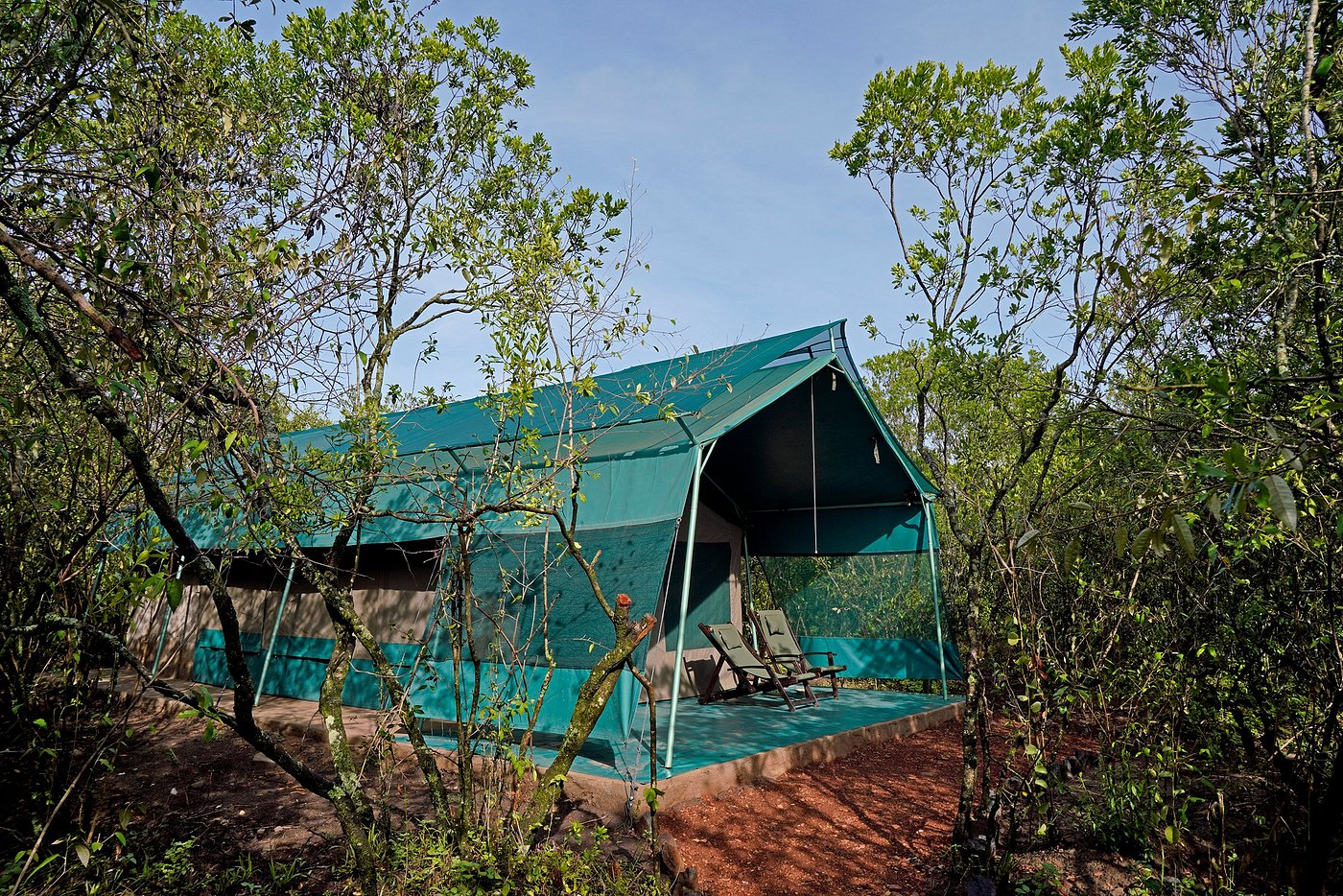 KE
KESubtitle: An Award-Winning Eco-Luxury Tented Sanctuary Hidden Inside Ol Kinyei Conservancy
Masai Mara, Kenya
Olkinyei Mara Tented Camp is a welcoming safari camp located just outside the Talek Gate of the Masai Mara National Reserve, offering an authentic and relaxed safari experience in a scenic setting near the Talek River.
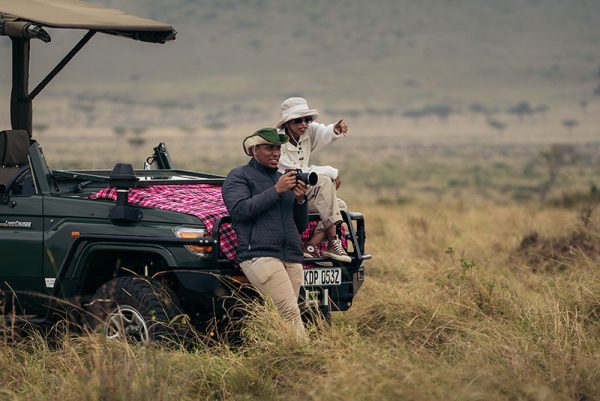 KE
KEA Boutique Safari Retreat in the Heart of the Maasai Mara
Maasai Mara/Mara Triangle
Luxury
私人保护营则提供不同的风格。它们通常车辆较少,步行和夜间驾驶选择较少,环境也更安静。保护费可以包含在每晚的房价中,所以可以比较总费用,而不是单独看房价。
在塞伦盖蒂,选择房间前先划分地图:
房间风格很重要,但地点最重要。我们帮助客人根据季节、道路通达性、活动规则以及可能的野生动物区域 选择狩猎营 地,然后再比较装饰。
内罗毕为马赛玛拉提供了主要的交通优势。公路旅行通常需要五到六小时,具体取决于交通、停靠点和营地位置。它穿过大裂谷和肯尼亚乡村,非常适合喜欢风景优美的陆路游客。
用内罗毕来做马赛马拉,用阿鲁沙或乞力马扎罗来做塞伦盖蒂。
选择公路旅行以获得灵活性和风景,或者在时间和舒适度最关键时选择丛林飞行。
选择靠近野生动物区的机场或路线,计划在那里过夜。
避免频繁更换公园;在一个地区停留时间较长通常更有回报。
让我们的导游根据降雨、野生动物活动和当地情况调整每日路线。
从内罗毕出发的定期航班大约需要45到60分钟。他们在基科罗克、穆西亚拉、马拉塞雷纳或附近的保护区跑道降落,随后短途驱猎返回营地。行李限制严格,软包最合适。
阿鲁沙 城市和 乞力马扎罗 是通往塞伦盖蒂的常见门户。从阿鲁沙开车到塞伦盖蒂市中心大约需要六到八小时,期间还需要前往恩戈罗恩戈罗高地和野生动物的停留。内部航班对于北部、西部或南部路段较远的路段非常有用。
是的,但边境需要仔细规划。肯尼亚和坦桑尼亚使用不同的狩猎车辆和移民系统,因此直接从公园到公园的接送并非简单的开车穿越开阔地带。
最舒适的路线通常是经内罗毕和阿鲁沙。你可以从马拉飞往内罗毕,连接坦桑尼亚北部,然后继续乘坐公路或轻型飞机进入塞伦盖蒂。这虽然花费更高,但能降低错过整天狩猎旅行的风险。
公路连接可通过伊塞巴尼亚-西拉里边界。马拉一侧和塞伦盖蒂一侧各自需要安排车辆,移民手续可能较为繁琐。这条航线可能适合希望陆路旅行的旅客,但我们会预留延误空间,避免立即安排关键航班。
当你有八到十天的时间,想比较生态系统或希望看到不同的迁徙阶段时 ,合并两个公园 是合理的。在六天的旅行中,这就不太合理了,因为边境和门户的物流可以取代两天宝贵的狩猎驾驶日。
为期三天的马赛马拉飞行旅行是最干净的短途选择。第一天早上从内罗毕出发,下午驾车,然后开两趟完整车程后再飞回。它适合商务旅行或肯尼亚长假中加入的首次东非狩猎。
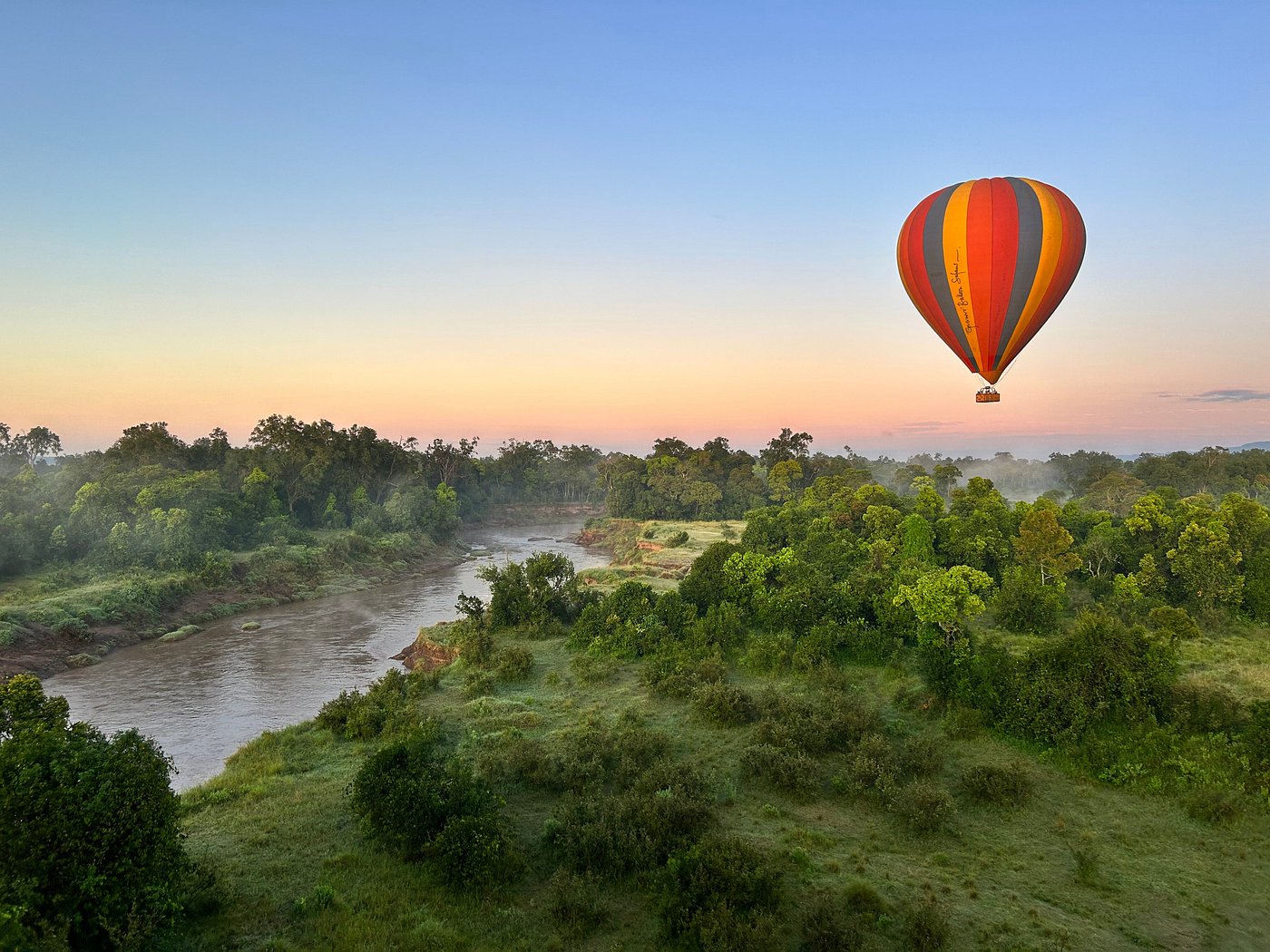 TZ+1
TZ+1Tanzania · Masai Mara National Reserve
Experience a well-planned 10-day Kenya and Tanzania safari with Imara Africa Safaris, covering Lake Nakuru, Masai Mara, Serengeti, Ngorongoro Crater, Tarangire, and Amboseli. This two-nation safari combines big cats, rhinos, elephants, scenic landscapes, cultural experiences, and some of East Africa’s most iconic wildlife destinations.
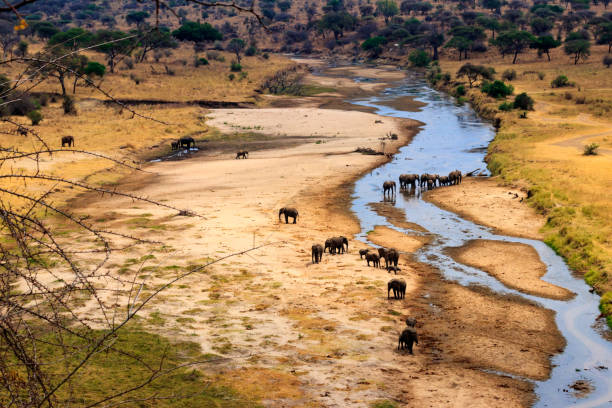 TZ+1
TZ+1Tanzania · Masai Mara National Reserve
Experience a well-planned 10-day Kenya and Tanzania safari with Imara Africa Safaris, covering Lake Nakuru, Masai Mara, Serengeti, Ngorongoro Crater, Tarangire, and Amboseli. This two-nation safari combines big cats, rhinos, elephants, scenic landscapes, cultural experiences, and some of East Africa’s most iconic wildlife destinations.
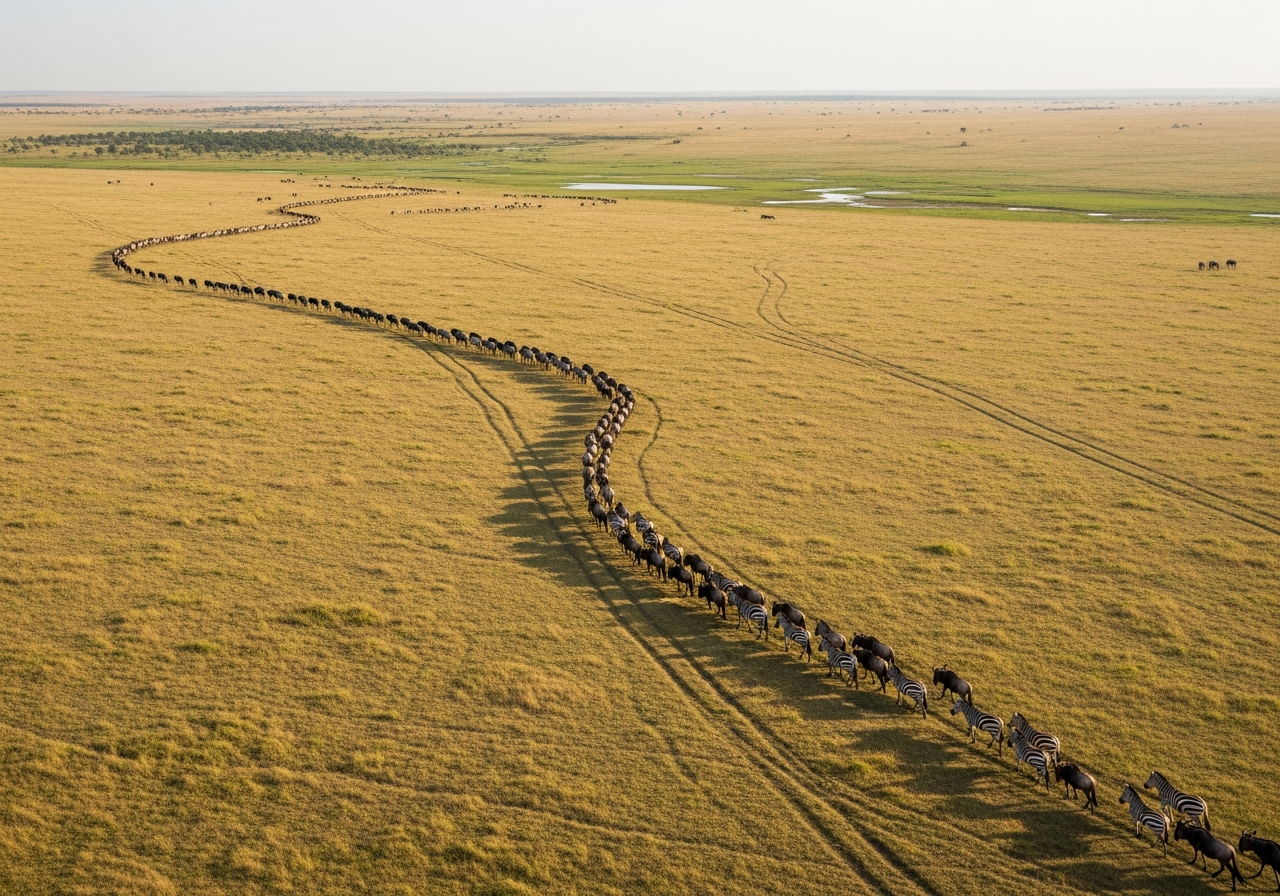 TZ+1
TZ+1Tanzania · Masai Mara National Reserve
Experience a well-planned 10-day Kenya and Tanzania safari with Imara Africa Safaris, covering Lake Nakuru, Masai Mara, Serengeti, Ngorongoro Crater, Tarangire, and Amboseli. This two-nation safari combines big cats, rhinos, elephants, scenic landscapes, cultural experiences, and some of East Africa’s most iconic wildlife destinations.
TZTanzania · Serengeti National Park
This 7-day Great Migration river crossing safari is a mid-range Tanzania road itinerary from Arusha through Tarangire, the Northern Serengeti, the Central Serengeti and the Ngorongoro Crater, priced from US$2,140 per person. Timed for the July-to-October season, it places travellers near the Mara River when wildebeest crossings are most likely.
肯尼亚一条为期五至七天的路线可以包括马拉河与纳库鲁湖、奈瓦沙湖或安博塞利国家公园。这能增加栖息地多样性,但不要为了填满地图而添加所有公园。在一个目的地住两晚,往往几乎没有时间陪伴野生动物。
豪华旅行者可能更喜欢私人航班行程和位于优质野生动物区的小型营地。家庭通常比最贵的房间更需要私人车辆和合理的节奏。摄影师应优先考虑车辆通行、光线、尘埃控制和目击时间。
我们的 首次旅行者指南 涵盖了打包、小费、健康规划和每日狩猎活动。这有助于在我们完善路线前设定有用的期望。
先从你的旅行日期和可预订的夜晚开始。然后决定迁徙群体、分娩、捕食者、摄影、步行还是家庭舒适度哪个更重要。这些选择决定了合适的公园区,然后再讨论各个营地。
告诉我们您的旅行日期、偏好的配速和野生动物优先事项,我们位于内罗毕的团队将为您规划周边的公园、营地和接送路线。
我们的团队还可以将路线延伸到两个公园之外。可以考虑坦桑尼亚的恩戈罗恩戈罗火山口和阿鲁沙市,或肯尼亚的纳库鲁市和安博塞利。最强的行程并不是停靠最多的那个。它能让你在你拥有的时间里处于合适的环境。
相关内容: 合并行程。
相关: 结合了两者。
Lewis Munuhe
Founder & Director
<p>Lewis Munuhe is the Director and Owner of Imara Africa Safaris, a trusted safari company dedicated to creating tailor-made African safari experiences across Kenya, Tanzania, Uganda, and Rwanda. With a strong passion for African travel, wildlife, culture, and conservation, Lewis leads the company’s vision of delivering personalized, seamless, and unforgettable safari journeys for travelers from around the world.</p><p>Through Imara Africa Safaris, Lewis helps guests discover East Africa’s most iconic destinations, from the Masai Mara and Serengeti to Uganda and Rwanda’s gorilla trekking regions. His approach focuses on understanding each traveler’s interests, comfort level, budget, and expectations, then transforming those details into carefully curated safari itineraries that feel personal, meaningful, and well-planned.</p><p>As Director and Owner, Lewis is committed to maintaining high standards in safari planning, guest care, destination expertise, and responsible tourism. Whether arranging a luxury wildlife safari, honeymoon escape, family adventure, cultural journey, gorilla trekking safari, or multi-country East African itinerary, he ensures every experience reflects the quality, authenticity, and attention to detail that define Imara Africa Safaris.</p><p>Under his leadership, Imara Africa Safaris continues to help travelers experience the beauty of Africa through expertly planned safaris that celebrate wildlife, landscapes, local cultures, conservation, and unforgettable adventure.</p>
Lewis Munuhe
Founder & Director
<p>Lewis Munuhe is the Director and Owner of Imara Africa Safaris, a trusted safari company dedicated to creating tailor-made African safari experiences across Kenya, Tanzania, Uganda, and Rwanda. With a strong passion for African travel, wildlife, culture, and conservation, Lewis leads the company’s vision of delivering personalized, seamless, and unforgettable safari journeys for travelers from around the world.</p><p>Through Imara Africa Safaris, Lewis helps guests discover East Africa’s most iconic destinations, from the Masai Mara and Serengeti to Uganda and Rwanda’s gorilla trekking regions. His approach focuses on understanding each traveler’s interests, comfort level, budget, and expectations, then transforming those details into carefully curated safari itineraries that feel personal, meaningful, and well-planned.</p><p>As Director and Owner, Lewis is committed to maintaining high standards in safari planning, guest care, destination expertise, and responsible tourism. Whether arranging a luxury wildlife safari, honeymoon escape, family adventure, cultural journey, gorilla trekking safari, or multi-country East African itinerary, he ensures every experience reflects the quality, authenticity, and attention to detail that define Imara Africa Safaris.</p><p>Under his leadership, Imara Africa Safaris continues to help travelers experience the beauty of Africa through expertly planned safaris that celebrate wildlife, landscapes, local cultures, conservation, and unforgettable adventure.</p>
Lewis Munuhe
Founder & Director
<p>Lewis Munuhe is the Director and Owner of Imara Africa Safaris, a trusted safari company dedicated to creating tailor-made African safari experiences across Kenya, Tanzania, Uganda, and Rwanda. With a strong passion for African travel, wildlife, culture, and conservation, Lewis leads the company’s vision of delivering personalized, seamless, and unforgettable safari journeys for travelers from around the world.</p><p>Through Imara Africa Safaris, Lewis helps guests discover East Africa’s most iconic destinations, from the Masai Mara and Serengeti to Uganda and Rwanda’s gorilla trekking regions. His approach focuses on understanding each traveler’s interests, comfort level, budget, and expectations, then transforming those details into carefully curated safari itineraries that feel personal, meaningful, and well-planned.</p><p>As Director and Owner, Lewis is committed to maintaining high standards in safari planning, guest care, destination expertise, and responsible tourism. Whether arranging a luxury wildlife safari, honeymoon escape, family adventure, cultural journey, gorilla trekking safari, or multi-country East African itinerary, he ensures every experience reflects the quality, authenticity, and attention to detail that define Imara Africa Safaris.</p><p>Under his leadership, Imara Africa Safaris continues to help travelers experience the beauty of Africa through expertly planned safaris that celebrate wildlife, landscapes, local cultures, conservation, and unforgettable adventure.</p>
Our trips
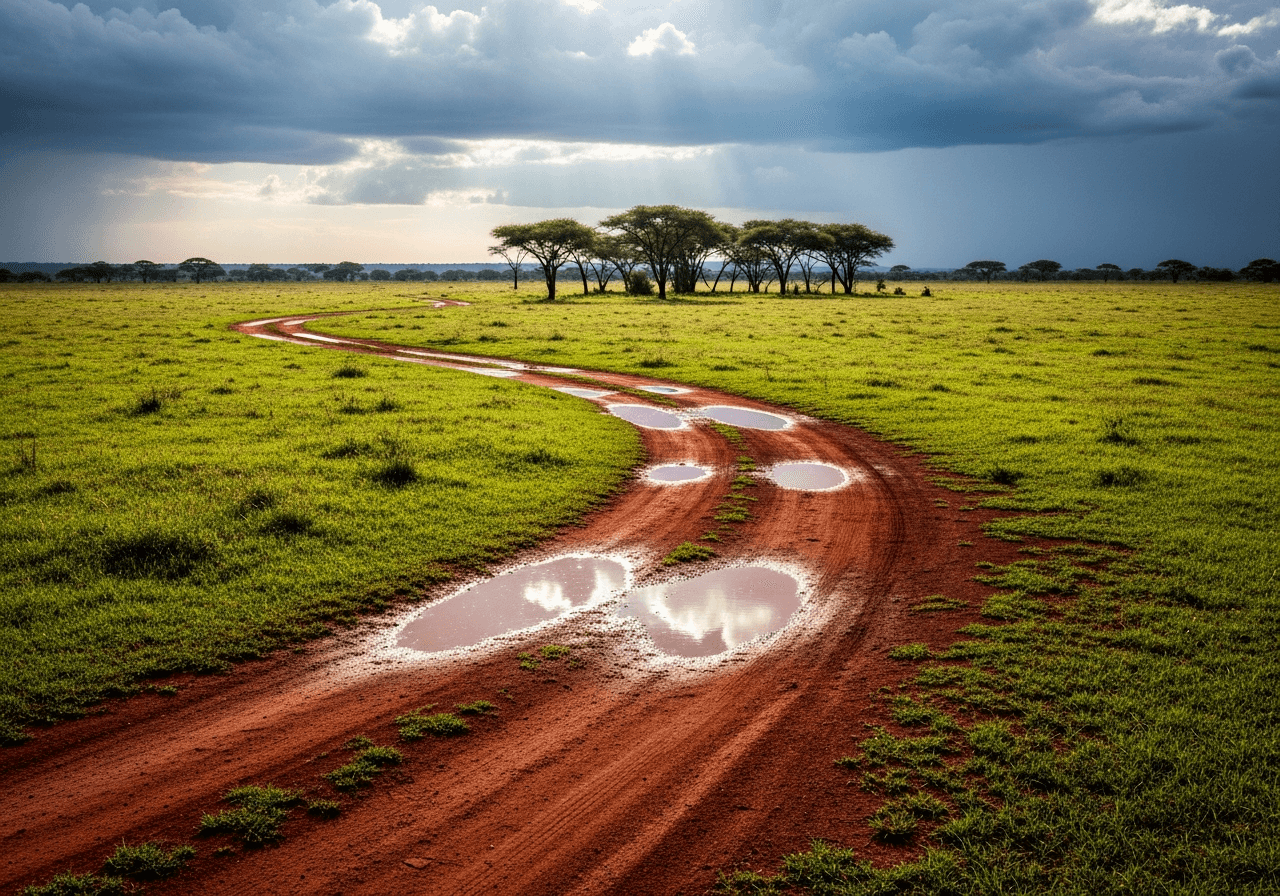 Safari PlanningEl Niño East Africa Safaris: 2026 - 2027 Planning GuideBy Lewis Munuhe·25m read·57 views
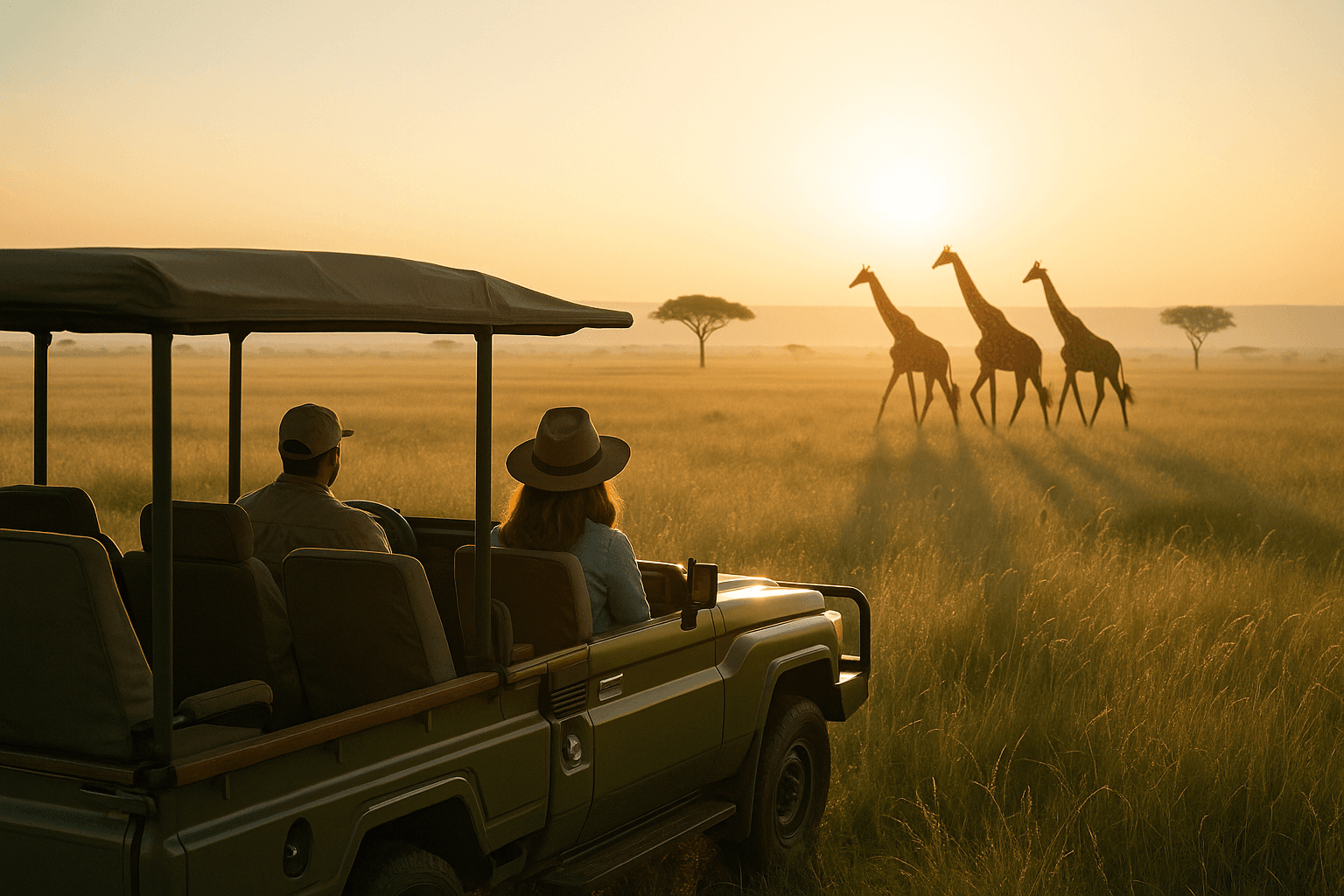 Safari PlanningWhat to Pack for an African Safari: The Complete 2026/27 ChecklistBy Lewis Munuhe·10m read·79 views
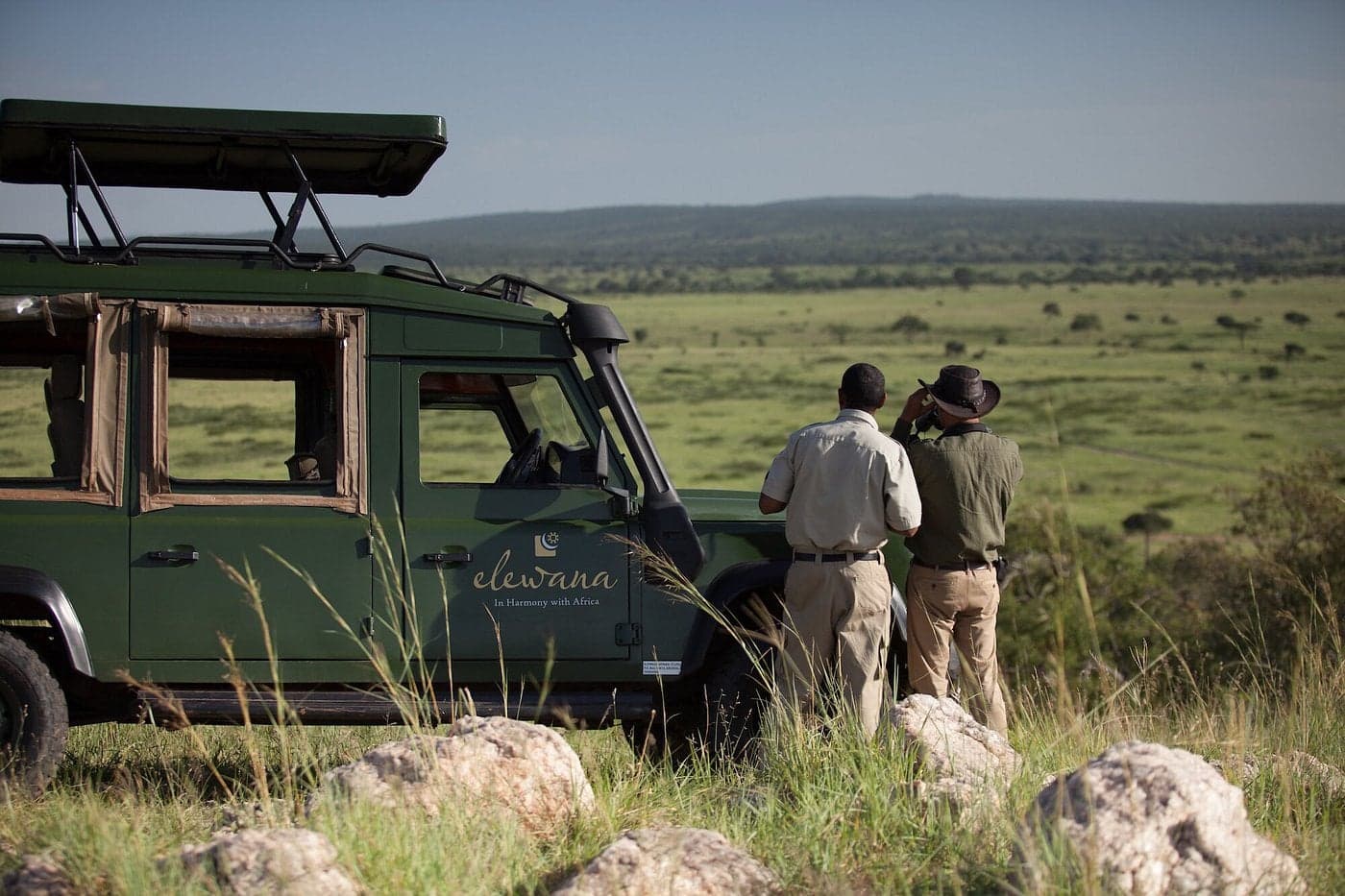 Safari PlanningAfrica Safaris: Everything to Know Before You GoBy Lewis Munuhe·34m read·44 views
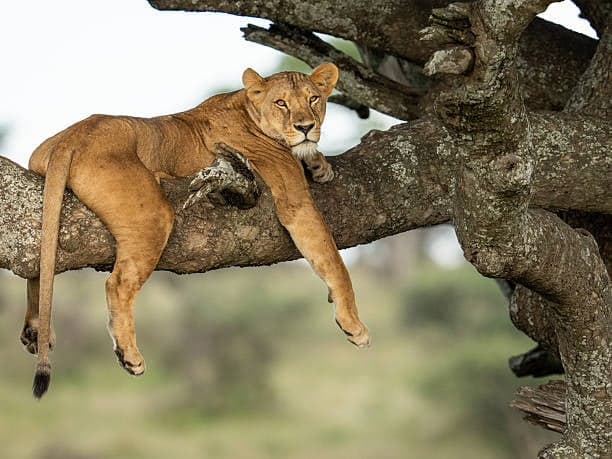 Safari PlanningYour first african safari: how many days do you need?By Lewis Munuhe·26m read·37 views
18°C
overcast clouds
Feels like 17° · 48% humidity
🦁Right now in the bush: Quiet hours — a good time for lodge rest before dawn.


Comments
Loading…