
Your first african safari: how many days do you need?
Planning a first african safari? Most travellers need 6–8 days, but the right length depends on parks, transport, season, budget and beach add-ons.
26 min read53viewsUpdated Oct 4, 2026
“Imara” means strong in Swahili. We build every safari with that same strength — expert knowledge, honest pricing, and relentless attention to detail.
Tell us what you're looking for and we'll build a custom itinerary — free, no obligation, within 24 hours.
Start PlanningNo spam, ever. Unsubscribe anytime.
Protected by Cloudflare Turnstile & Google reCAPTCHA. Privacy & Terms apply.
Safari deals, travel tips & destination guides — straight to your inbox.
No spam, ever. Unsubscribe anytime.
Protected by Cloudflare Turnstile & Google reCAPTCHA. Privacy & Terms apply.
Planning a first african safari? Most travellers need 6–8 days, but the right length depends on parks, transport, season, budget and beach add-ons.
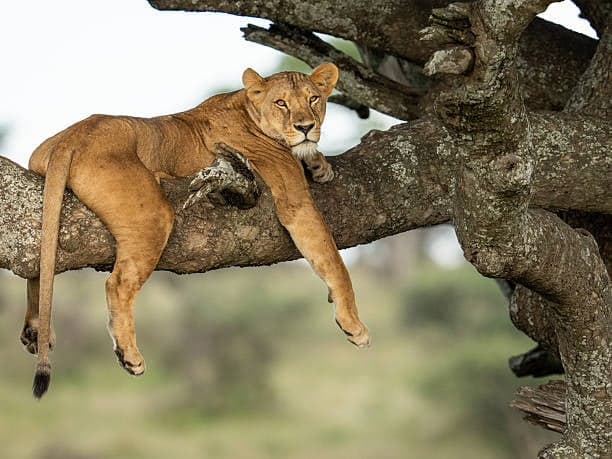
Nairobi’s morning arrivals make a 6 to 8-day safari practical: guests can recover from the flight, reach a strong wildlife area the same day or next morning, and still have several proper game drives. A relaxed first safari is usually 6–8 days on the ground, allowing 2 nights in each of 2–3 wildlife areas plus an arrival or buffer night.
Four to 6 nights in wildlife areas is the key measure, not the number of stamps on an itinerary. A first african safari with 2 nights in Amboseli National Park and 3 nights in the Masai Mara National Reserve will usually feel richer than a faster trip that touches 4 parks but spends daylight on the road.
Shorter safaris still have a place. A fly-in Masai Mara trip can work in 3 nights because the reserve delivers predator density, open grassland and year-round resident game. Amboseli also suits a short safari from Nairobi, especially for elephant herds, Kilimanjaro views in clear weather and easy onward movement.
The right answer depends on international flight times, appetite for road travel, lodge style, season, and any coast extension. Guests still shaping the wider plan can use Imara’s first-timer’s safari guide alongside this duration advice.
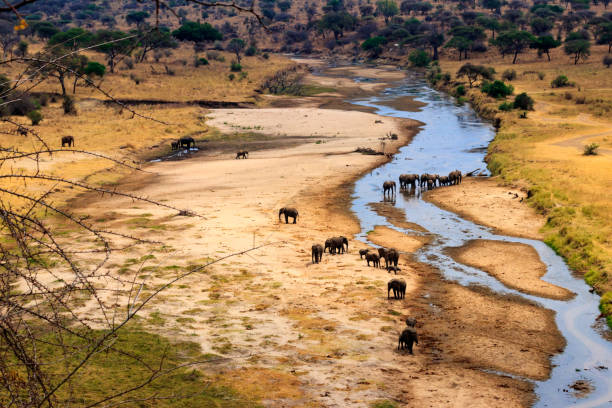
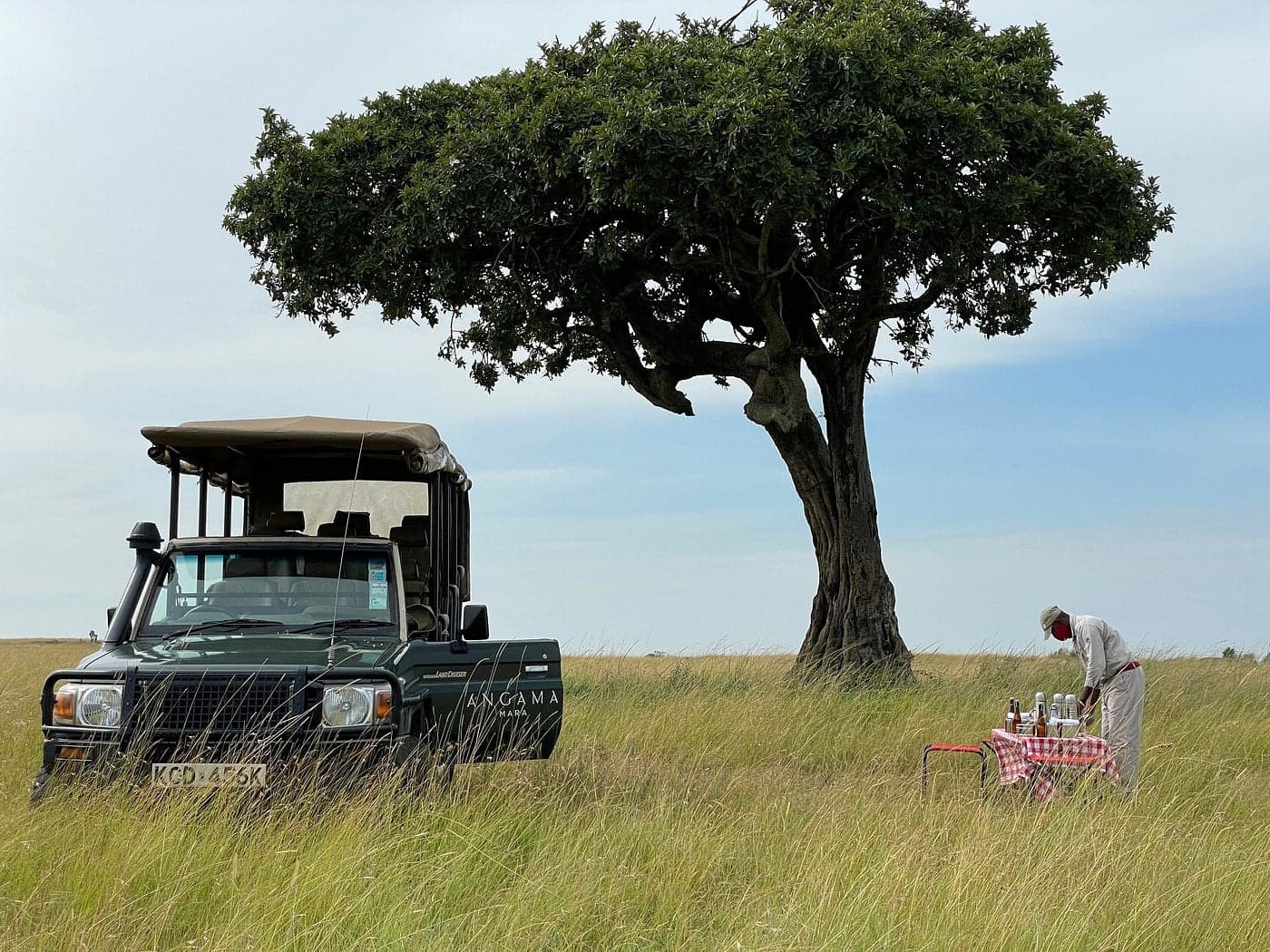
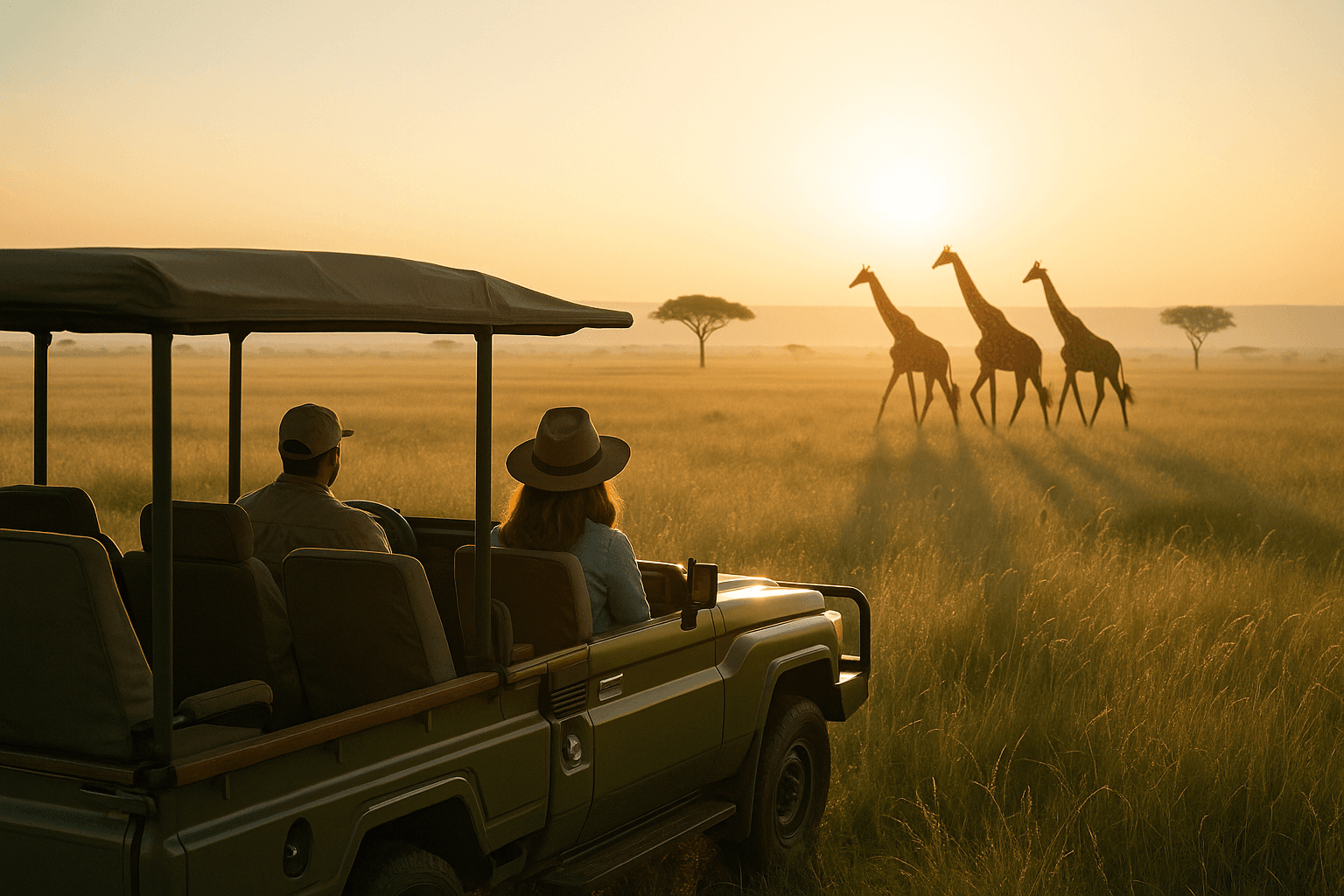
At 6.15 am in Amboseli, elephant families often leave the fever-tree woodland and move towards the marshes before the heat builds. By late morning, many cats are flat in the shade and plains game spreads out. Safari time follows animal behaviour, so one calendar day is not the same as one full wildlife day.
A proper wildlife day usually means an early drive, breakfast either in the bush or back at camp, a rest through the heat, and a late-afternoon drive as predators begin to move. A first african safari that has only one dawn and one dusk in a park has little room for slow sightings, rain, mechanical delays or a pride of lions sleeping out of view.
Transfers also eat into the day. Nairobi to Lake Naivasha may be manageable in a few hours, but Nairobi to the Mara by road can take most of a day once traffic, escarpment stops and final rough tracks are included. Arusha to the central Serengeti is longer still by road, especially with park formalities and the climb through the Ngorongoro highlands.
Lodge check-in times, park gates and weather matter. Heavy rain can slow black-cotton soil tracks; some airstrips operate to daylight schedules; and a late arrival may leave time only for a short introductory drive. Good East Africa safari planning protects the dawns and dusks rather than counting transfer days as full safari days.
A 05.00 landing at Jomo Kenyatta International Airport and a 23.00 departure home create different possibilities from a midday arrival and a morning outbound flight. The best safari length depends less on a universal rule and more on how much useful wildlife time the traveller can protect.
A practical comparison for a first East African safari.
For many travellers, the answer to how many days for safari is 7 or 8 days if the budget allows. That length gives the guide time to learn what guests enjoy: cats, elephants, birds, photography, walking, quieter conservancies or slower lodge mornings.
Wilson Airport in Nairobi can put travellers onto a Mara airstrip in about an hour, which changes a short safari completely. A 3-night fly-in stay in the Masai Mara can produce strong sightings because guests avoid the long road transfer and start game viewing soon after landing.
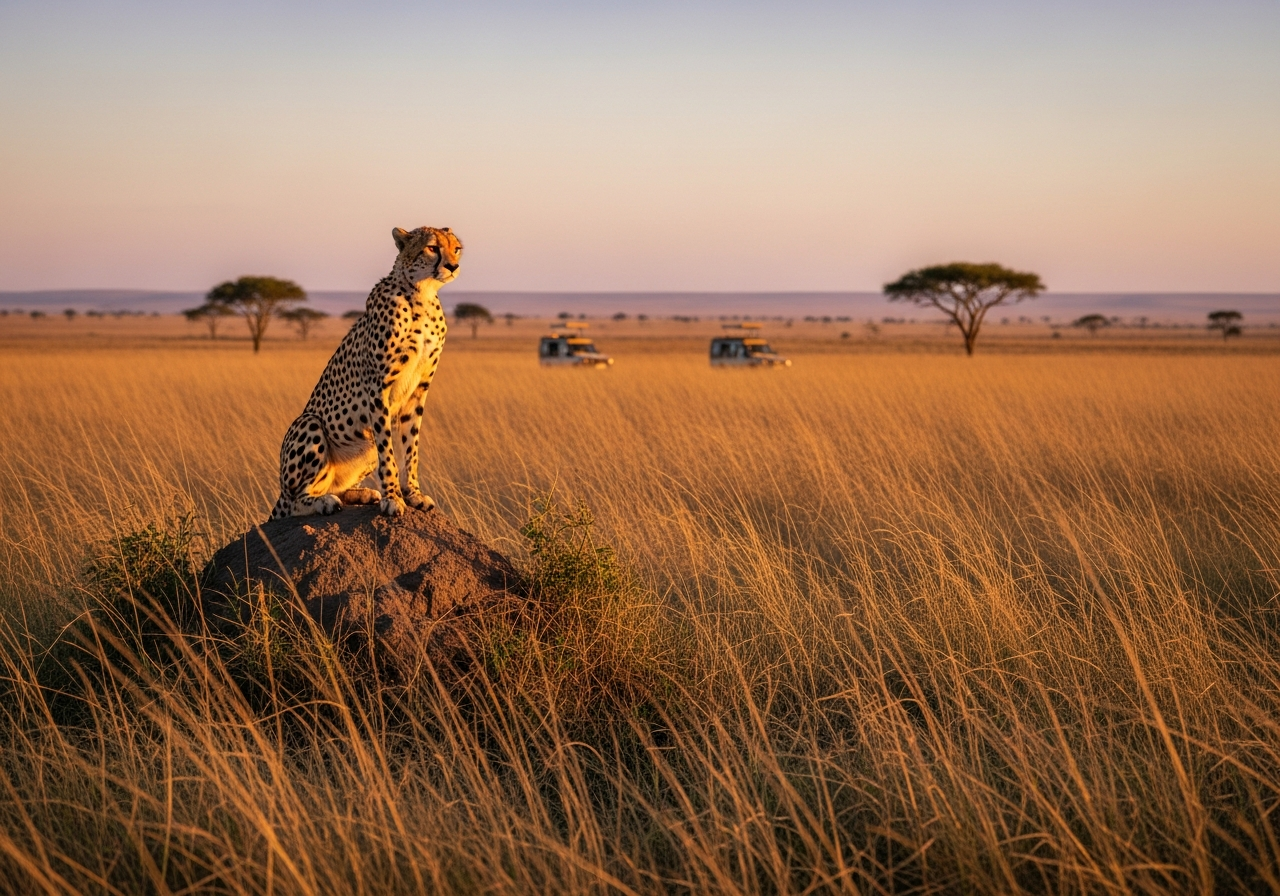
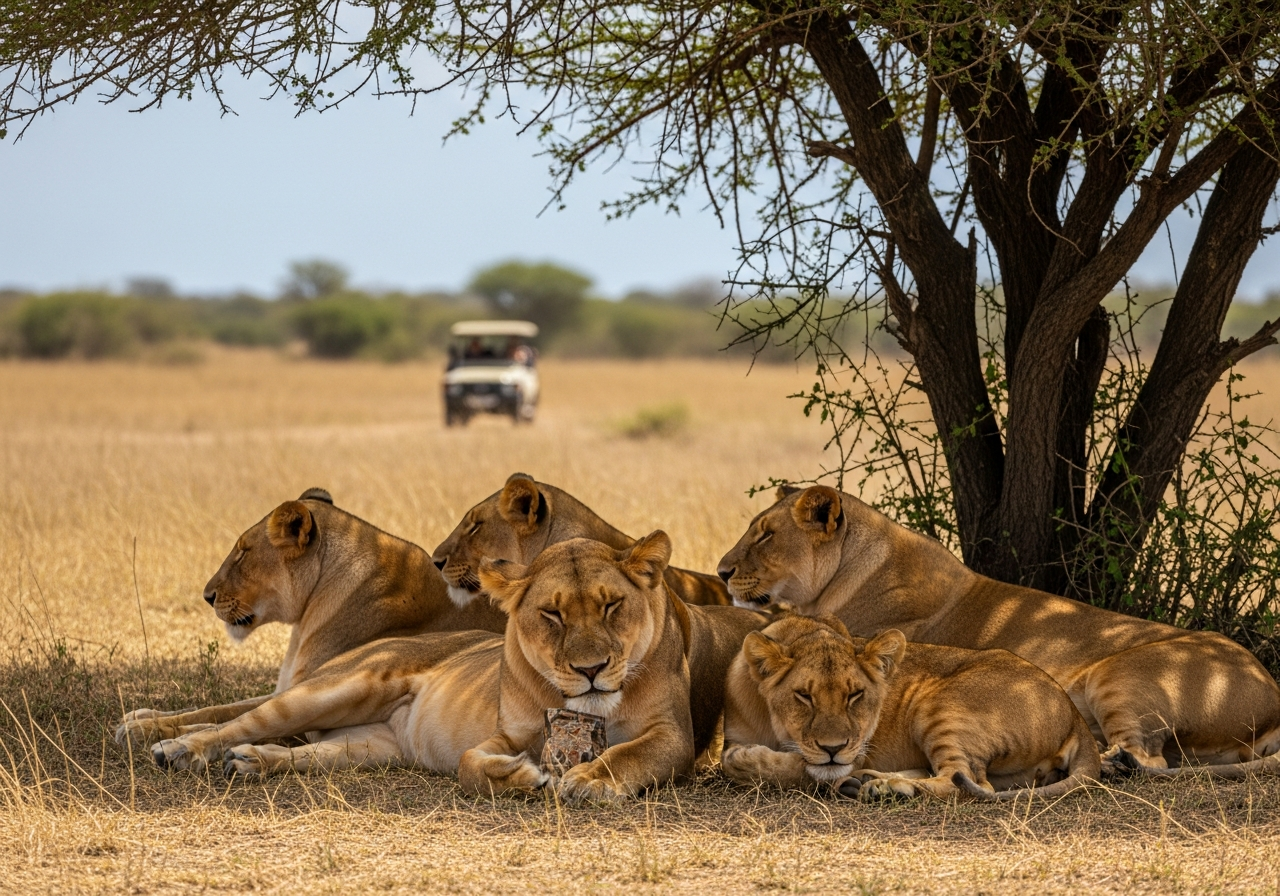
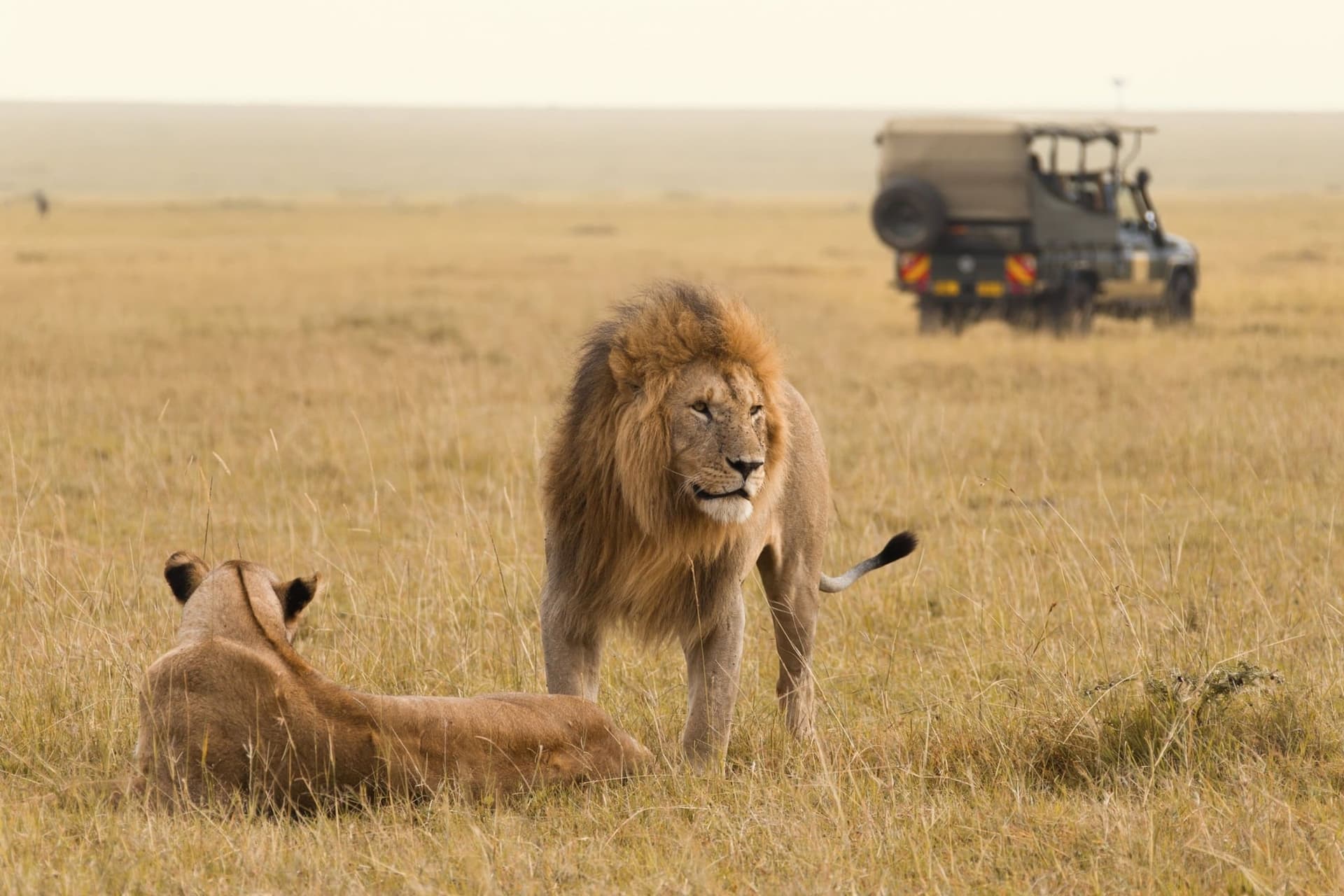
Masai Mara National Reserve covers about 1,510 km² in south-west Kenya. Its open grasslands make wildlife easier to read than in thicker bush: lions rest on termite mounds, hyenas patrol drainage lines, and cheetah often use small rises to scan for Thomson’s gazelle. For a first african safari with fixed dates, that reliability matters.
Amboseli is the other common short-safari choice from Nairobi. The drive is shorter than the road to the Mara, the park’s marshes draw large elephant families, and the mountain may appear at dawn before cloud builds around Kilimanjaro. A 2-night Amboseli trip can work as an introduction, especially after meetings in Nairobi.
““On a short safari, do not chase a map. Choose one reserve, arrive early, and give your guide at least two dawns to work with.””
The trade-off is clear. Three or 4 days gives fewer chances for nocturnal predators becoming active, fewer weather buffers, and less time to settle into the rhythm of the bush. It suits travellers who prefer one excellent area over a rushed first time safari itinerary.
Kenya’s compact geography makes 5 to 6 days more productive than many first-timers expect. Nairobi sits within reach of Amboseli, Lake Naivasha, Lake Nakuru National Park and the Mara, so a well-paced Kenya safari duration can combine elephants, Rift Valley lakes, rhino country and big-cat plains without crossing borders.
 KE
KEKenya · Masai Mara National Reserve
A smart 6-day route might start in Amboseli for elephants and Kilimanjaro views, move to Lake Naivasha for boat-based hippo and waterbird viewing, continue to Lake Nakuru for rhino and Rothschild’s giraffe, and finish in the Masai Mara for predators and open savannah. Imara’s balanced six-day Kenya safari follows this kind of logic.
That route works best when the pacing is honest. One-night stops can be useful around the Rift Valley, but the main wildlife anchor needs more time. For most first-time guests, the Mara should receive 2 nights at a minimum and 3 nights where budget allows.
Flying one leg, especially into or out of the Mara, protects wildlife time. A first african safari often feels smoother when the longest road transfer is replaced by a short scheduled flight and the saved hours become a proper game drive.
Eight days on the ground lets an Amboseli elephant morning, a Rift Valley lake sunset and 3 Mara nights sit comfortably in one journey. This is why 7 to 8 days is the best all-round first african safari length for couples, families and guests arriving from Europe, North America or Asia.
The extra time changes the quality of sightings. Two or 3 nights in the Masai Mara, Serengeti or Amboseli means the guide can return to a leopard’s known drainage line, check a lion pride after a night of calling, or wait with a cheetah until hunting conditions improve. Wildlife rewards patience more often than speed.
A 7 day safari itinerary can also include a private conservancy night outside the main Mara reserve, where off-road driving, night drives or guided walks may be possible depending on the conservancy rules. Families often value this because younger travellers get variety rather than long days in the same vehicle routine.
A slower lodge morning also has value. After several pre-dawn starts, guests notice birds at camp, watch giraffe browsing beyond breakfast, and return to the vehicle fresh for the evening drive. That pause can improve the whole first african safari.
Arusha to Tarangire, the Ngorongoro highlands and the Serengeti is one of Africa’s great safari corridors, but it needs space. Serengeti National Park covers 14,763 km² in northern Tanzania, so a meaningful Tanzania safari duration should allow for distance, wildlife movement and different regions of the park.
 TZ+1
TZ+1Tanzania · Masai Mara National Reserve
Experience a well-planned 10-day Kenya and Tanzania safari with Imara Africa Safaris, covering Lake Nakuru, Masai Mara, Serengeti, Ngorongoro Crater, Tarangire, and Amboseli. This two-nation safari combines big cats, rhinos, elephants, scenic landscapes, cultural experiences, and some of East Africa’s most iconic wildlife destinations.
Tarangire National Park deserves more than a quick pass-through in the dry season, when elephants gather along the river and baobab country offers a different feel from the crater highlands. Ngorongoro Crater’s floor is roughly 260 km², making it a high-density game-viewing area for one full day. The Serengeti National Park then needs at least 2 or 3 nights if it is to feel like more than a name on the itinerary.
A Kenya and Tanzania combination works well in 10 to 12 days, especially for travellers who want the Mara and Serengeti in one journey. Border logistics, air links and park distances must be planned carefully, which is why a dedicated Kenya and Tanzania safari is a better model than stitching two short trips together.
Gorilla trekking adds another kind of time pressure. Bwindi Impenetrable Forest in Uganda and Volcanoes National Park in Rwanda sit in mountain terrain, and permit dates shape the schedule. Gorilla trekking in Uganda or Rwanda includes 1 permitted hour with the gorillas once a habituated family is located. Most guests should add 3 or 4 days for flights, transfers, one trek day and a buffer.
Longer itineraries also suit photographers. Waiting for side light, cub behaviour, dust, rain or a clean background takes time. For serious camera work, fewer locations with longer stays usually beat a fast checklist.
Three nights in the Mara often beats one night each in three lesser-connected stops. Quality matters more than the number of park names, especially on a first african safari where travellers are learning the rhythm of early starts, dust, heat, quiet waiting and sudden action.
For 3 to 4 days, choose one main reserve. For 5 to 8 days, 2 or 3 areas are enough. For 9 to 12 days, 3 to 5 areas can work if each adds a distinct habitat or wildlife purpose.
The best first time safari itinerary usually has a clear anchor. In Kenya that is often the Masai Mara; in Tanzania it is commonly the Serengeti plus Ngorongoro Crater. Supporting stops should add contrast rather than clutter.
The road from Nairobi down the Rift Valley escarpment gives guests context: market towns, tea stalls, escarpment viewpoints and the changing colour of the land. A road safari costs less than flying and works well for Lake Naivasha, Lake Nakuru and Amboseli, but long transfers can weaken a short itinerary.
Flying can turn a rushed 4-day itinerary into a meaningful first african safari because the traveller lands inside or near the wildlife area. The cost rises, but the extra game-drive window can matter more than another night spent recovering from a punishing road day.
Airstrip timing also needs attention. Scheduled bush flights run to daylight patterns and may stop at several strips. Guests lose some roadside context, and luggage must be packed in soft-sided bags. A mixed route often gives the most balanced answer to how many days for safari.
Nairobi gives Kenya routes a strong start. Guests can overnight in the city after a long flight, visit Nairobi National Park or the Giraffe Centre if time allows, and leave early for Amboseli, Lake Naivasha, Lake Nakuru National Park or the Masai Mara National Reserve.
 KE
KEThe Masai Mara National Reserve in southwestern Kenya is a premier 1,510-square-kilometre wildlife sanctuary. Renowned for the annual Great Wildebeest Migration from July to October, it offers exceptional year-round Big Five viewing across open savannahs. The reserve is contiguous with Tanzania's Serengeti, forming a critical, biodiverse transboundary ecosystem.
A classic Kenya route for a first african safari is Nairobi, Amboseli, Lake Naivasha, Lake Nakuru and the Masai Mara. It works because each stop changes the viewing: elephants and mountain light in Amboseli, hippos and birds at Naivasha, rhino in Nakuru, then big cats and open grassland in the Mara.
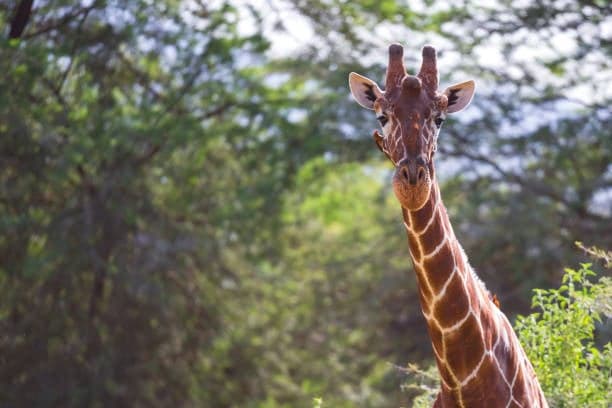
Arusha is the natural base for northern Tanzania. A well-paced route runs Arusha, Tarangire National Park, Ngorongoro Crater and Serengeti National Park. This circuit gives baobab woodland, crater-floor density and vast plains, but distances are longer than they appear on a simple map.
A Kenya–Tanzania combination makes sense from about 10 days upwards. Below that, border logistics and transfers can erode wildlife time. Travellers choosing between the two should match the route to the season, migration interests, budget, lodge style and tolerance for light aircraft flights.
Zanzibar works best after the early starts of safari, not before them. The body clock has adjusted, the dusty boots can be put aside, and beach time becomes rest rather than a pause before more dawn alarms.
 TZ+1
TZ+1Tanzania · Masai Mara National Reserve
Three to 4 nights is the usual minimum for Zanzibar, Diani or the Kenya coast if the traveller wants a genuine safari and beach holiday. Two nights can work as a soft landing before flying home, but it rarely feels like a proper coastal stay once airport transfers are counted.
Beach days should be added to the itinerary, not borrowed from core wildlife nights. Cutting the Mara from 3 nights to 2 so that the coast can be squeezed in may weaken the main reason for travelling. A 10-day Kenya safari and Diani plan, for example, often works better than trying to fit beach time into a 7-day safari budget.
Zanzibar pairs especially well with Tanzania routes ending in the Serengeti or Arusha, using flights through Arusha, Kilimanjaro or Dar es Salaam. Diani suits Kenya routes, with flights from the Mara or Nairobi to Ukunda depending on schedules.
June to October brings drier conditions across many East African safari areas, with shorter grass, thinning water sources and more predictable road conditions. Famous reserves such as the Mara, Serengeti and Ngorongoro Crater can also be busier, so an extra night helps guides work around vehicle pressure.
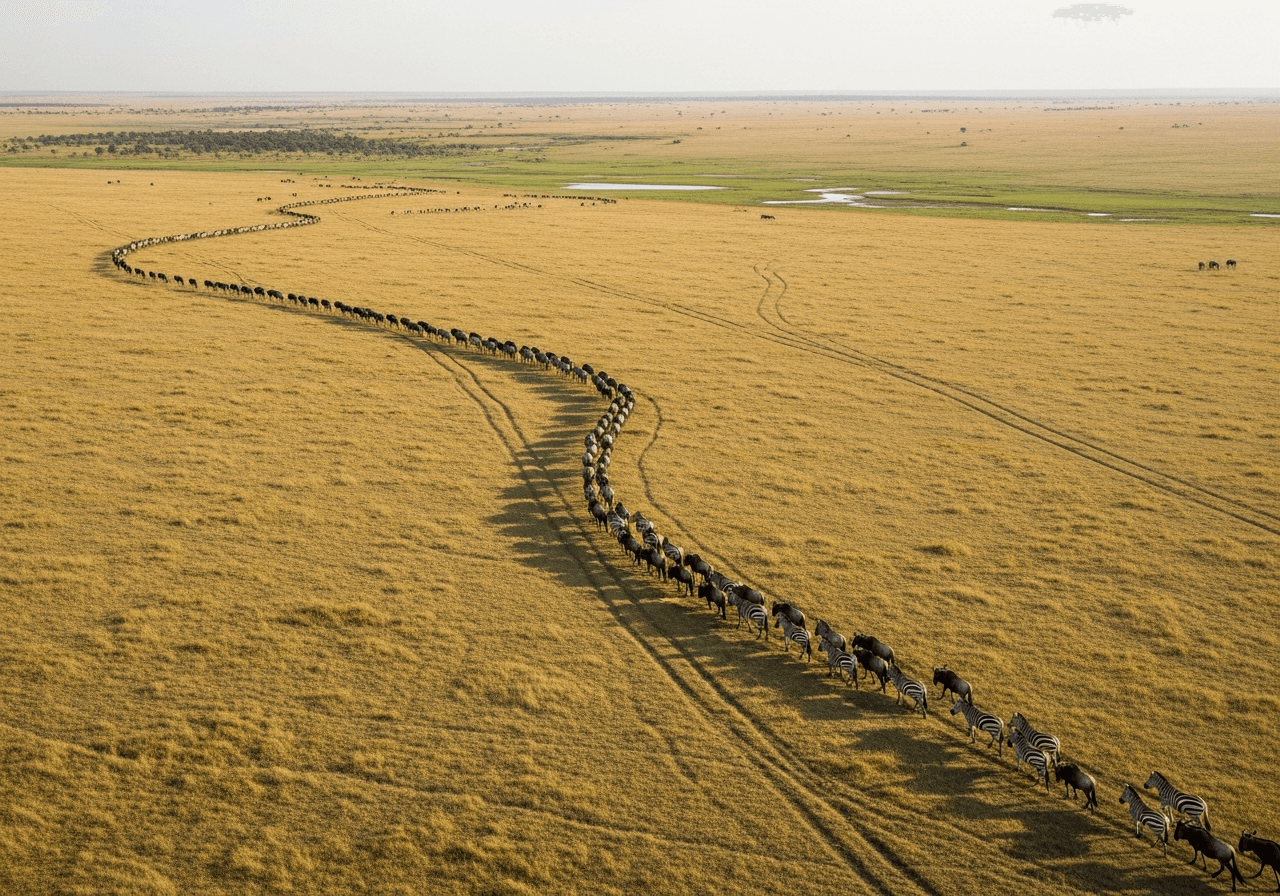
The Serengeti–Mara migration includes around 1.5 million wildebeest, alongside hundreds of thousands of zebra and gazelle. River crossings happen in broad seasonal windows, not on command, and no ethical operator should promise a crossing on a specific date. A slower itinerary improves the odds of being in the right area when herds move.
Green-season safaris reward patience in a different way. Short rains can leave dramatic skies, clean air and fresh grass; many antelope calve; migratory birds add colour; and some lodges offer better value. Tracks may slow after rain, so 2 or 3 nights in one area becomes more useful than a fast circuit.
For a first african safari, season should shape pace as much as destination choice. Dry-season travel can support compact routes, while green-season travel often benefits from longer stays and fewer transfers.
A third night in the Mara can deliver more value than adding a distant park that costs a full transfer day. Extra nights in one strong reserve increase the number of dawn and dusk drives, reduce fatigue, and give the guide more chances to build on fresh tracks, local reports and previous sightings.
Prices vary by season, lodge level, vehicle type, internal flights and private versus shared arrangements. A private vehicle costs more than a seat-in-vehicle programme, but it lets families stop when children need a break, photographers wait for light, and couples avoid a fixed group routine.
Trim duplicate stops before trimming the key wildlife anchor. If budget tightens, it is often better to choose a smaller, well-run camp for 3 nights in a prime area than a more elaborate lodge for too little time. Comfort matters, but the best first african safari is built around wildlife hours first.
A 22.30 arrival into Nairobi, a child’s school-holiday limit, a wish to see elephants, and a preference for small lodges all change the correct itinerary. Imara Africa Safaris starts with flight times, wildlife priorities, comfort level, mobility, budget and pace before suggesting the number of days.
Imara Africa Safaris can shape a private Kenya, Tanzania, Uganda or Rwanda route around flights, pace and wildlife priorities.
The planner checks arrival and departure times first, because late arrivals or early departures can remove a full safari window.
The itinerary is built around the main reason for travel, such as the Masai Mara, Serengeti, Amboseli elephants or gorilla trekking.
For first-timers, the number of lodge changes matters as much as the number of nights, especially for families or older travellers.
A second full day in a strong reserve often improves sightings more than adding another distant stop.
Internal flights are recommended when they buy back a game drive or prevent a punishing road day.
The final route keeps space for weather, wildlife unpredictability and the simple pleasure of being in camp.
Private, tailor-made planning avoids the common first-safari mistake: adding famous names until the route looks impressive but feels exhausting. Imara would rather give guests 3 strong nights in the right reserve than move them daily for the sake of a longer park list.
The practical next step is to compare three shapes: a compact 6-day Kenya safari, an 8-day classic route with more time in the main wildlife areas, and a longer Kenya–Tanzania journey for travellers who want the Mara, Serengeti, Ngorongoro Crater or the coast in one plan.
A first african safari should feel well-paced from the first transfer to the final sundowner. The right number of days is the one that protects wildlife time, keeps travel comfortable, and gives the guide enough mornings and evenings to do their best work.
 KE
KEKenya · Masai Mara National Reserve
Land in Nairobi, meet the safari team and sleep before the early starts begin.
Drive or fly to Amboseli for elephants, open plains and Kilimanjaro views when the mountain is clear.
Use morning and afternoon game drives around the swamps, where elephants, buffalo and waterbirds concentrate.
Continue to Lake Naivasha for a gentler afternoon, often with a boat ride among hippos and fish eagles.
Visit Lake Nakuru for rhino country and acacia woodland before continuing towards the Mara region.
Spend the first full Mara day searching for lion, cheetah, elephant, buffalo and plains game.
Add another dawn and dusk drive so the guide can follow fresh tracks rather than rush the experience.
Fly or drive back to Nairobi, with the option to connect onwards or add the coast.
At a glance

Lewis Munuhe
Founder & Director
<p>Lewis Munuhe is the Director and Owner of Imara Africa Safaris, a trusted safari company dedicated to creating tailor-made African safari experiences across Kenya, Tanzania, Uganda, and Rwanda. With a strong passion for African travel, wildlife, culture, and conservation, Lewis leads the company’s vision of delivering personalized, seamless, and unforgettable safari journeys for travelers from around the world.</p><p>Through Imara Africa Safaris, Lewis helps guests discover East Africa’s most iconic destinations, from the Masai Mara and Serengeti to Uganda and Rwanda’s gorilla trekking regions. His approach focuses on understanding each traveler’s interests, comfort level, budget, and expectations, then transforming those details into carefully curated safari itineraries that feel personal, meaningful, and well-planned.</p><p>As Director and Owner, Lewis is committed to maintaining high standards in safari planning, guest care, destination expertise, and responsible tourism. Whether arranging a luxury wildlife safari, honeymoon escape, family adventure, cultural journey, gorilla trekking safari, or multi-country East African itinerary, he ensures every experience reflects the quality, authenticity, and attention to detail that define Imara Africa Safaris.</p><p>Under his leadership, Imara Africa Safaris continues to help travelers experience the beauty of Africa through expertly planned safaris that celebrate wildlife, landscapes, local cultures, conservation, and unforgettable adventure.</p>
Lewis Munuhe
Founder & Director
<p>Lewis Munuhe is the Director and Owner of Imara Africa Safaris, a trusted safari company dedicated to creating tailor-made African safari experiences across Kenya, Tanzania, Uganda, and Rwanda. With a strong passion for African travel, wildlife, culture, and conservation, Lewis leads the company’s vision of delivering personalized, seamless, and unforgettable safari journeys for travelers from around the world.</p><p>Through Imara Africa Safaris, Lewis helps guests discover East Africa’s most iconic destinations, from the Masai Mara and Serengeti to Uganda and Rwanda’s gorilla trekking regions. His approach focuses on understanding each traveler’s interests, comfort level, budget, and expectations, then transforming those details into carefully curated safari itineraries that feel personal, meaningful, and well-planned.</p><p>As Director and Owner, Lewis is committed to maintaining high standards in safari planning, guest care, destination expertise, and responsible tourism. Whether arranging a luxury wildlife safari, honeymoon escape, family adventure, cultural journey, gorilla trekking safari, or multi-country East African itinerary, he ensures every experience reflects the quality, authenticity, and attention to detail that define Imara Africa Safaris.</p><p>Under his leadership, Imara Africa Safaris continues to help travelers experience the beauty of Africa through expertly planned safaris that celebrate wildlife, landscapes, local cultures, conservation, and unforgettable adventure.</p>
Lewis Munuhe
Founder & Director
<p>Lewis Munuhe is the Director and Owner of Imara Africa Safaris, a trusted safari company dedicated to creating tailor-made African safari experiences across Kenya, Tanzania, Uganda, and Rwanda. With a strong passion for African travel, wildlife, culture, and conservation, Lewis leads the company’s vision of delivering personalized, seamless, and unforgettable safari journeys for travelers from around the world.</p><p>Through Imara Africa Safaris, Lewis helps guests discover East Africa’s most iconic destinations, from the Masai Mara and Serengeti to Uganda and Rwanda’s gorilla trekking regions. His approach focuses on understanding each traveler’s interests, comfort level, budget, and expectations, then transforming those details into carefully curated safari itineraries that feel personal, meaningful, and well-planned.</p><p>As Director and Owner, Lewis is committed to maintaining high standards in safari planning, guest care, destination expertise, and responsible tourism. Whether arranging a luxury wildlife safari, honeymoon escape, family adventure, cultural journey, gorilla trekking safari, or multi-country East African itinerary, he ensures every experience reflects the quality, authenticity, and attention to detail that define Imara Africa Safaris.</p><p>Under his leadership, Imara Africa Safaris continues to help travelers experience the beauty of Africa through expertly planned safaris that celebrate wildlife, landscapes, local cultures, conservation, and unforgettable adventure.</p>
Our trips
Stories, sightings & itineraries from the field.
21°C
broken clouds
Feels like 20° · 49% humidity
🦁Right now in the bush: Quiet hours — a good time for lodge rest before dawn.




Comments
Loading…